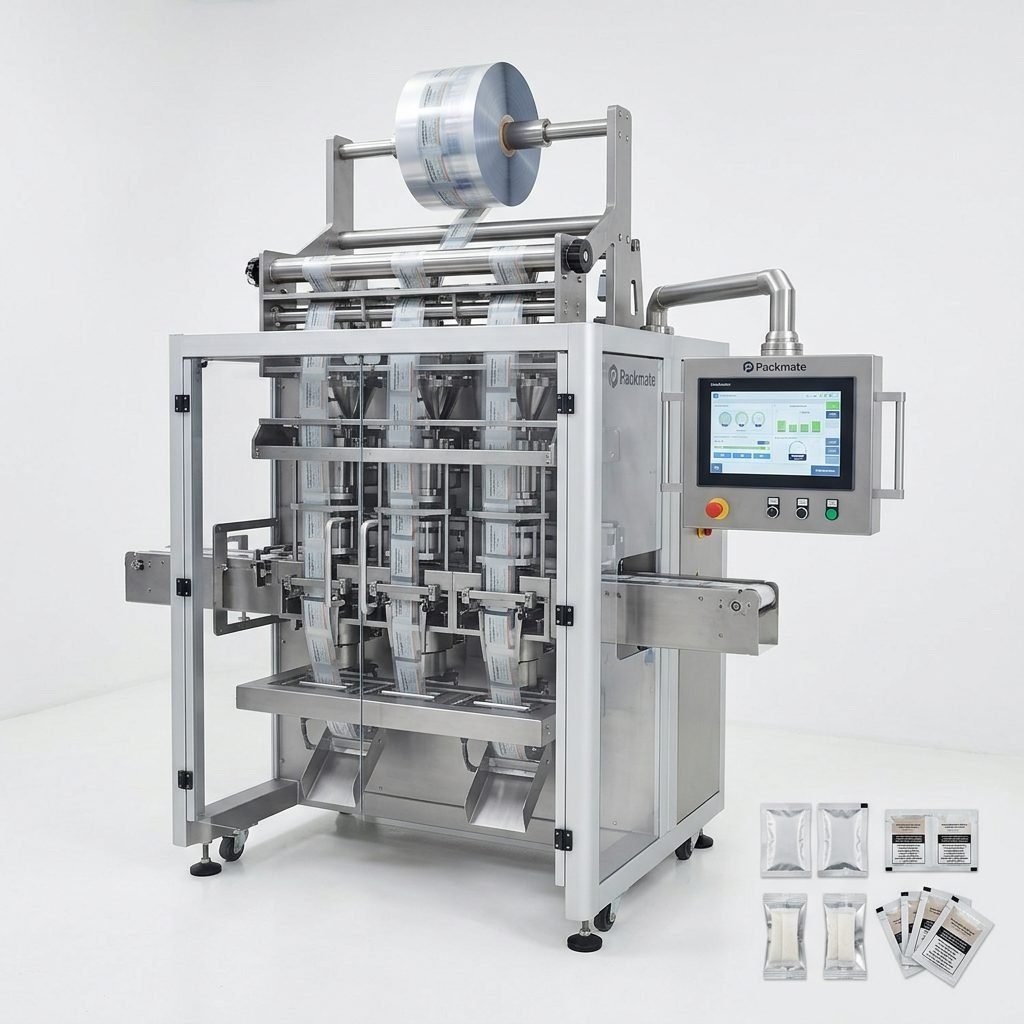
Choosing the right nicotine packaging machinery for your production needs in Togo is a strategic decision that affects product quality, regulatory compliance, and long-term profitability. This guide walks you through practical considerations—from machine types and production capacity to supplier qualifications and after-sales support—so you can confidently select equipment that scales with your business. Whether you’re producing snus, nicotine pouches, or related stick and sachet formats, the right equipment can transform your line efficiency and product consistency.
Understand Your Product and Packaging Formats
The first step is to be crystal clear about the products you will package. Nicotine pouches, snus, sachets, and stick packs each have different filling, sealing, and handling needs. Machines optimized for powder, granular, and micro-dose pouches differ from those built for liquids or large granules. If you need multi-format flexibility, consider modular lines that can switch between formats with minimal downtime.
Key product questions to answer:
What is the pouch type and size range you will produce? Do you need stick packs, sachets, or multi-lane snus pouches? How tight are tolerance and weight accuracy requirements? These product details define the filling and sealing technology required.
Production Capacity and Line Speed
Production capacity dictates machine class and configuration. Small pilot lines differ from high-output multi-lane systems. Specify hourly output targets and calculate annual production needs including maintenance downtime. Over-specifying capacity wastes capital; under-specifying constrains growth.
🔧 Practical example: If you need 100,000 pouches per day with two shifts, consider a multi-lane pouch machine with redundancy and quick-change capabilities. Factor in peak season demands and potential expansion.
Machine Types and Technology Options
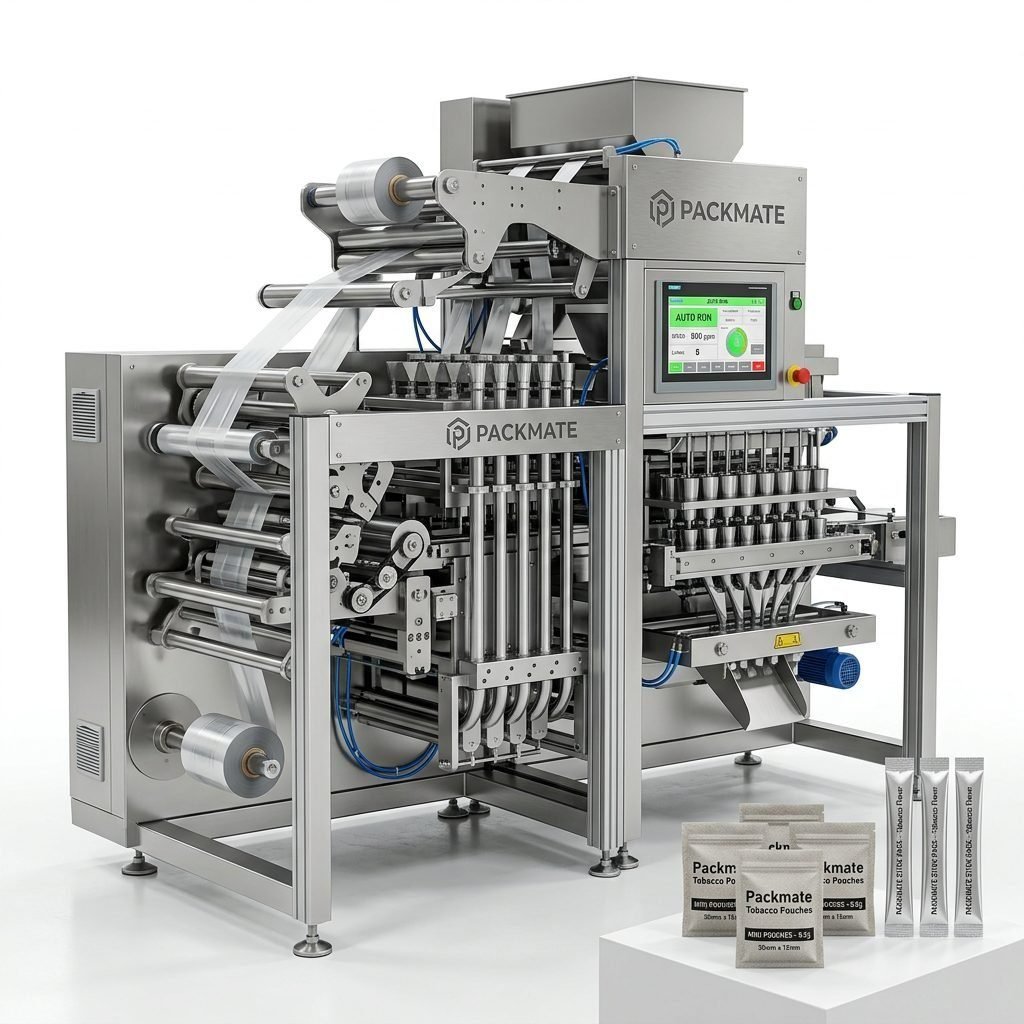
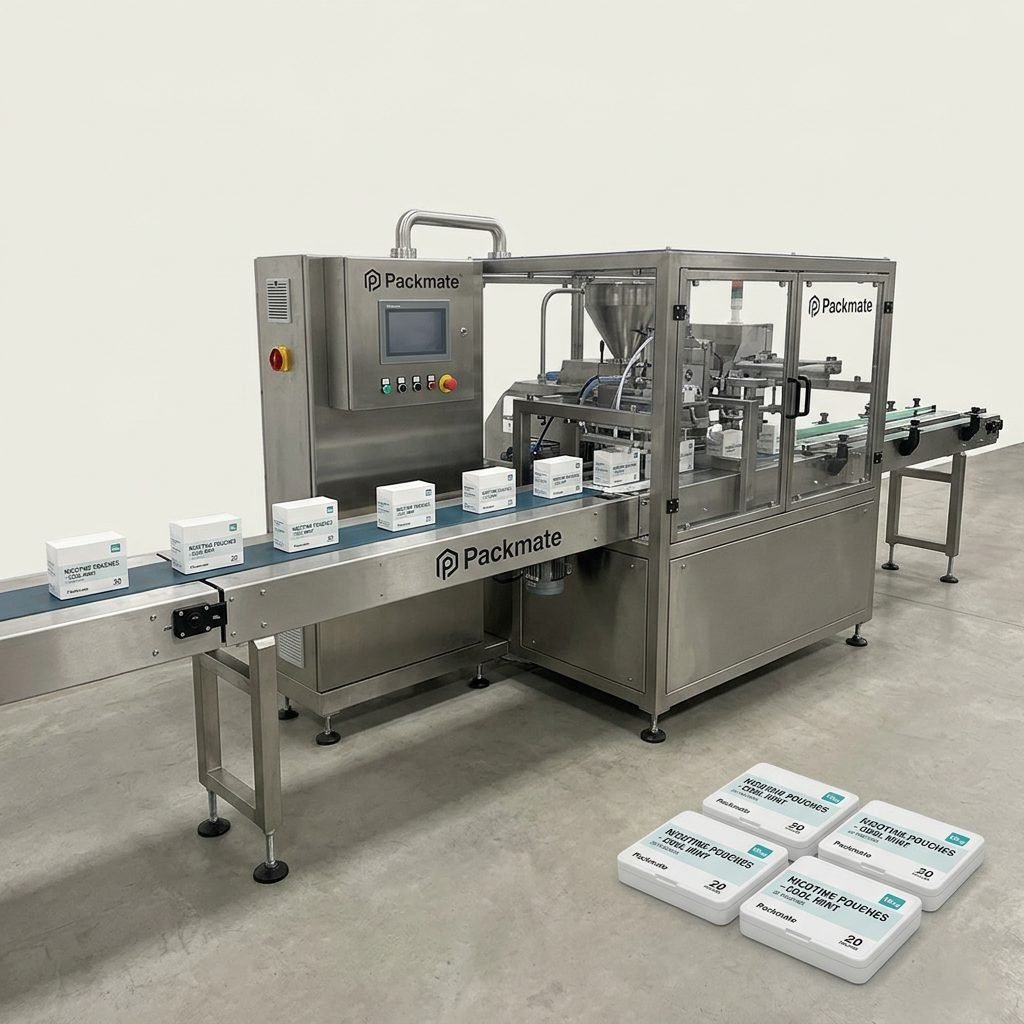
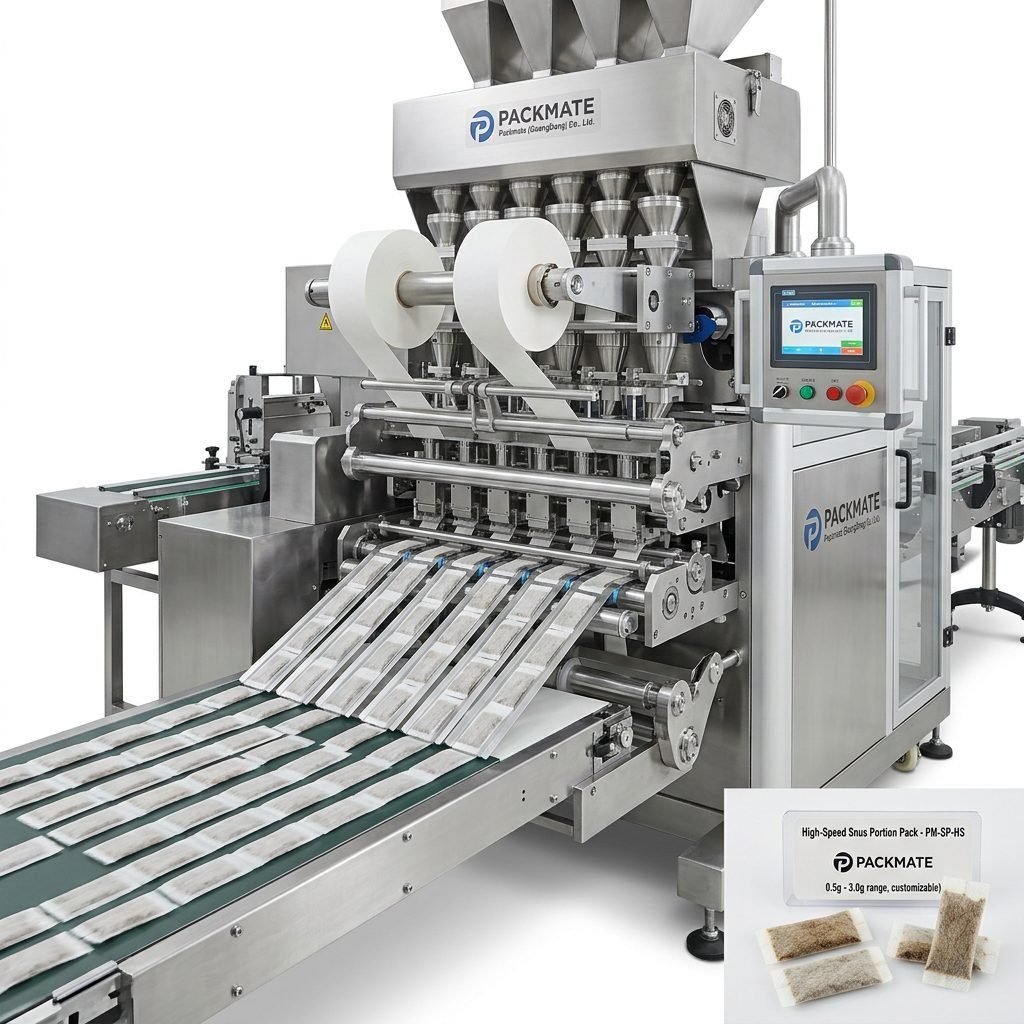
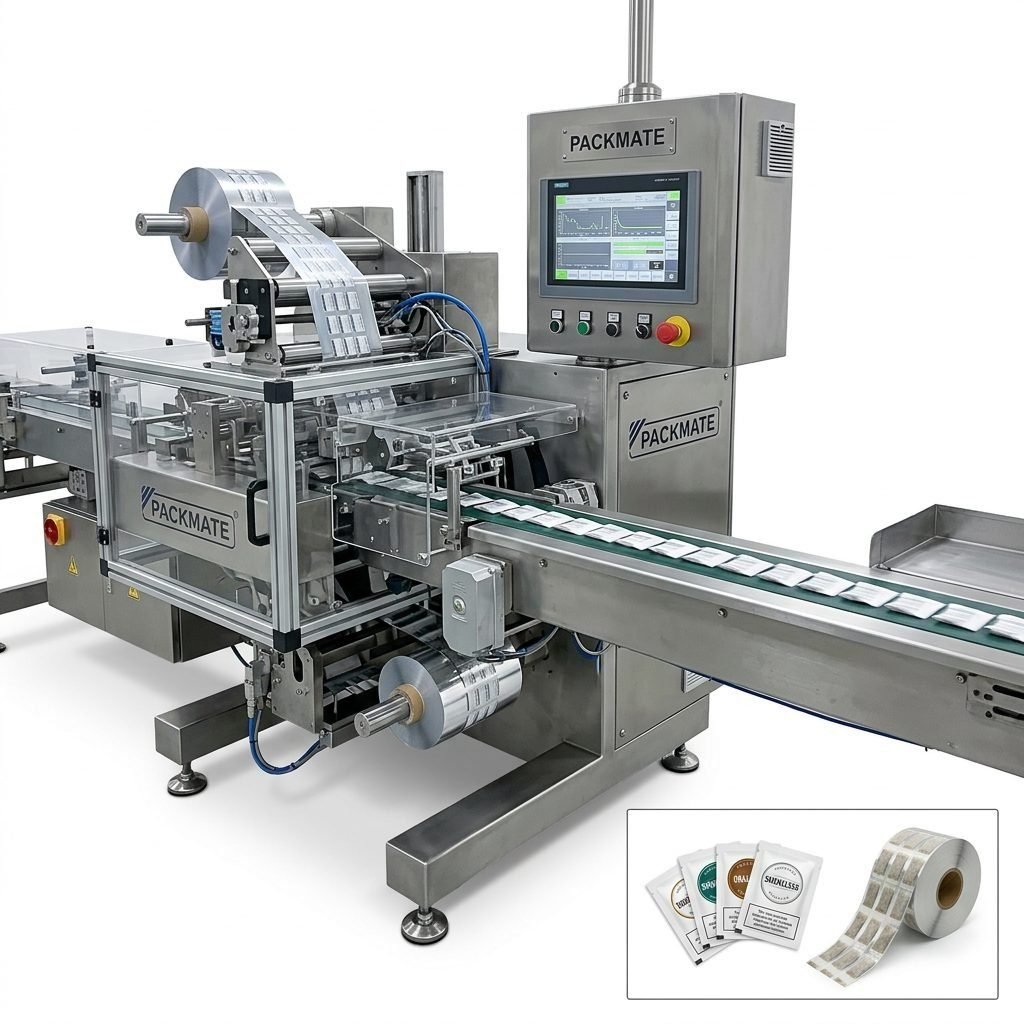
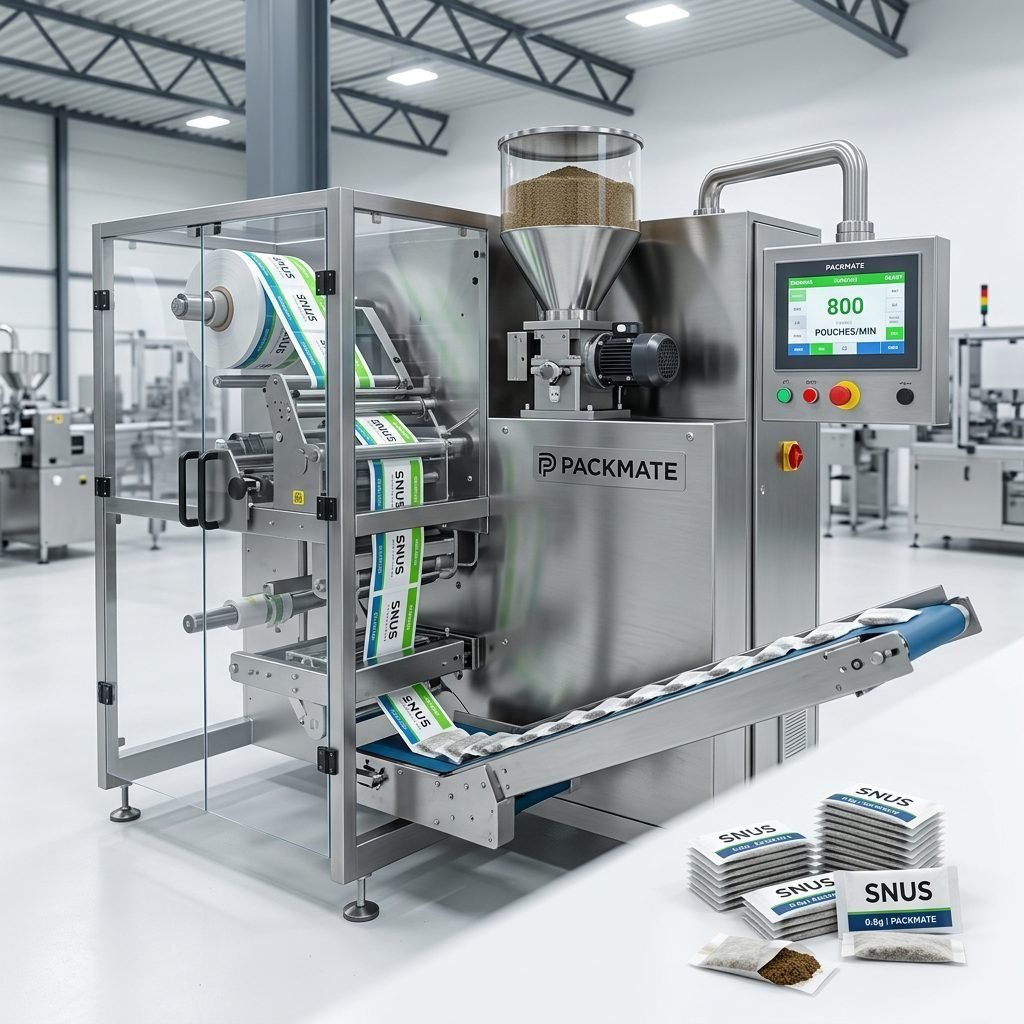
Select from form-fill-seal, stick pack, sachet, or multi-lane pouch systems based on your packaging format. Advanced features such as servo-driven dosing, vacuum feeding, and vision inspection improve accuracy and reduce waste. For nicotine pouches, look for machines specifically engineered for small-dose, multi-lane production—these are built to handle delicate product handling and strict hygiene controls.
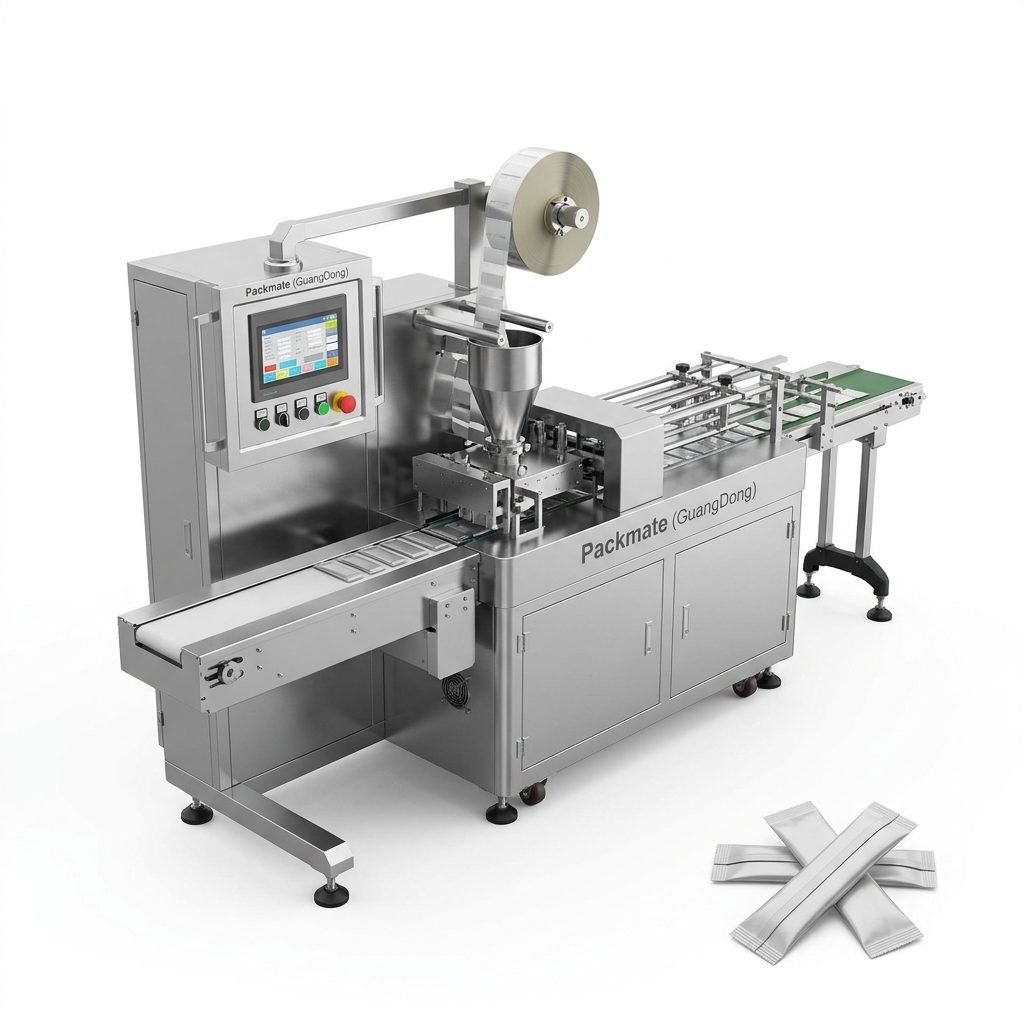
For proven, industry-tailored options, review manufacturers that specialize in snus and nicotine pouch lines—these suppliers usually offer optimized solutions and turnkey integration. See product categories like Snus & Nicotine Packaging Machines and Sachet & Stick Pack Machines for examples of specialized configurations.
Quality, Accuracy and Regulatory Compliance
Nicotine products are subject to strict regulatory controls. Choose equipment that can reliably achieve fill-weight accuracy, hermetic seals, and consistent pouch integrity. Look for machines with integrated inspection systems—such as weight checkers, metal detection, and vision cameras—to maintain product safety and quality.
Certifications and standards
Ensure the supplier provides machines that meet international standards (CE, ISO). This simplifies import clearance and demonstrates commitment to safety and reliability.
Reliability, Maintenance and Local Support
In Togo, after-sales support and spare parts availability are critical. Evaluate the supplier’s global service network, spare part lead times, and availability of remote diagnostics. Machines with modular components and easy-access maintenance points reduce downtime and make local servicing easier.
✅ Tip: Choose a manufacturer that offers technician training and documented maintenance schedules—this protects your investment and shortens mean time to repair.
Total Cost of Ownership and Return on Investment
Purchase price is only one part of the equation. Calculate total cost of ownership (TCO) including installation, tooling, operator training, spare parts, and energy consumption. Compare suppliers on lifecycle costs and estimate the payback period based on production efficiency gains and reduced waste.
Financial checklist
– Initial equipment cost and financing options
– Installation and commissioning fees
– Local infrastructure upgrades (power, compressed air, space)
– Annual servicing and spare parts budget
– Projected increase in yield and reduction in rejects
Footprint, Utilities and Site Preparation
Assess the available floor area, ceiling height, and access for installation. Confirm electrical supply (voltage, phase), compressed air quality and pressure, and drainage requirements. In Togo, confirm local power stability and prepare for backups or stabilizers if necessary.
Customization and Scalability
Your business will evolve: design for flexible capacity and future product variations. Modular machines and scalable multi-lane systems let you add lanes or integrate new filling modules without replacing the entire line. Ask suppliers about upgrade paths and custom tooling capabilities.
Supplier Reputation, Factory Strength and References
Choose suppliers with proven experience in nicotine pouch machinery and strong manufacturing capabilities. A supplier with decades of engineering experience, advanced CNC machining, and a controlled assembly process is more likely to deliver consistent machine quality. Review case studies and customer references in similar markets.
For example, companies with a long history in snus packing equipment and a large production facility can offer robust multi-lane lines and turnkey packaging solutions—explore company profiles like About Packmate to understand manufacturing capabilities and certifications.
Installation, Commissioning and Training
Well-executed installation and operator training accelerate production ramp-up. Verify whether the supplier offers on-site commissioning, training for operators and maintenance staff, and documentation in appropriate languages. Remote commissioning and virtual support can supplement on-site visits.
Spare Parts, Warranty and After-Sales Service
Confirm warranty terms, spare parts kits, and recommended stocking lists. Quick access to genuine parts reduces downtime. Ask about service level agreements (SLA) and response times for technical support.
⚠️ Red flag: Suppliers that cannot provide clear spare parts lead times or remote diagnostics will increase operational risk for installations in regions with limited local service options.
Logistics, Import and Local Regulations in Togo
Plan for customs clearance, import duties, and local testing requirements. Work with freight forwarders experienced in industrial machinery shipments to Togo. Request packing lists and certificates (CE/ISO) to streamline clearance and ensure compliance with local authorities.
Selecting the Right Supplier: Questions to Ask
Ask for:
– Demonstrated experience in nicotine/sn us packaging lines and relevant case studies.
– Factory photos, production capacity, and CNC/assembly capabilities.
– Client references in Africa or similar logistics environments.
– Typical lead times for machines and spare parts.
– Details on warranty, training, and remote support.
Why Consider Turnkey Solutions?
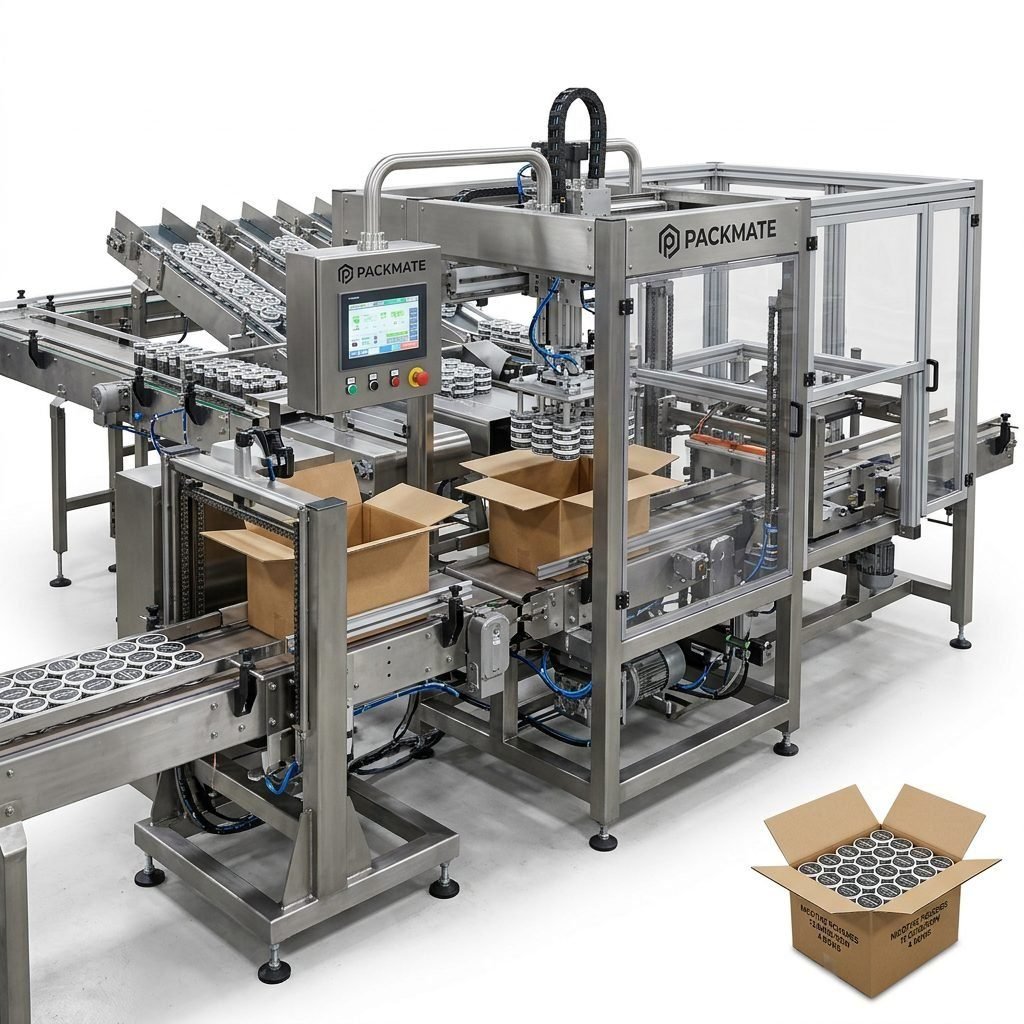
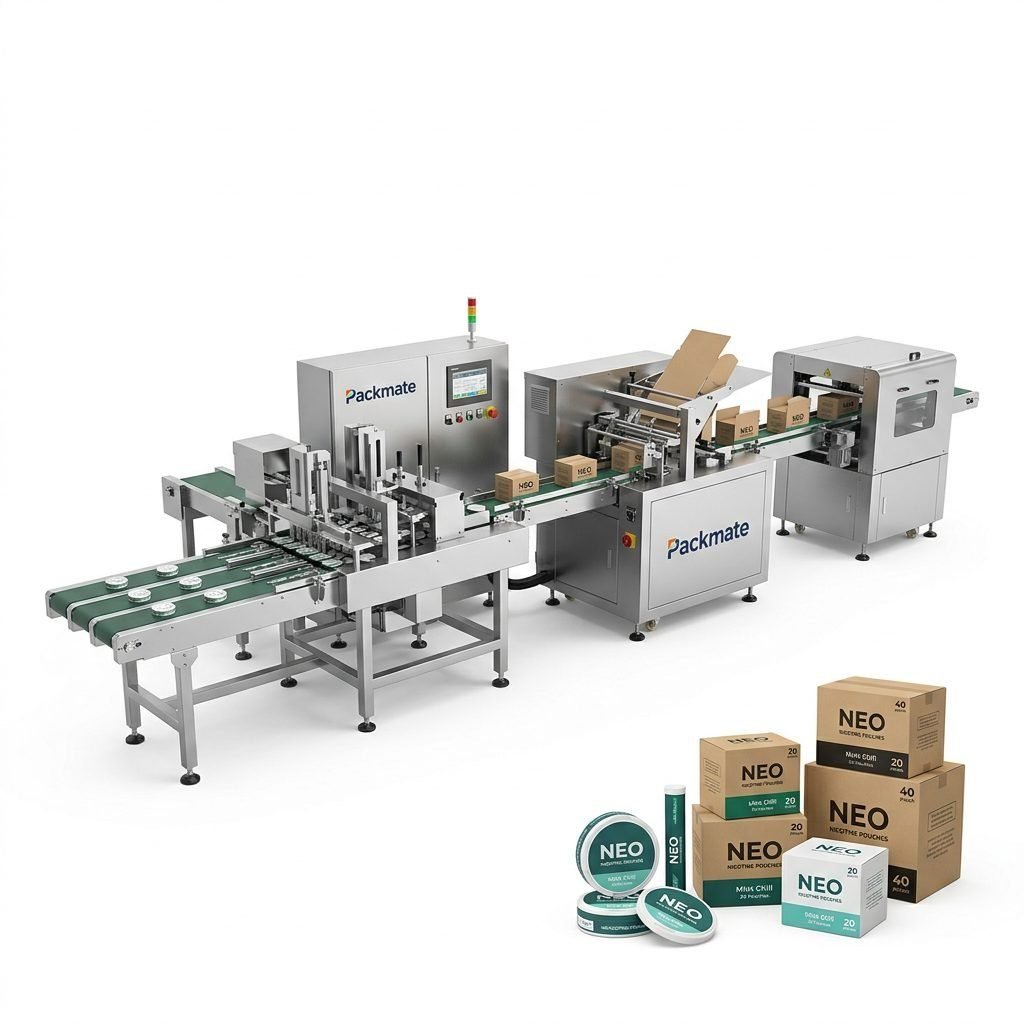
Turnkey lines relieve integration headaches by delivering a tested, pre-configured production line—often including feeders, fillers, weighers, wrappers, and end-of-line packaging. This reduces project management effort and ensures systems work together from day one. For comprehensive systems, explore Filling & Packaging Lines.
Real-world example
A mid-sized manufacturer chose a multi-lane snus packaging line with automated feeding and vision inspection. The investment increased throughput by 3x and cut rejection rates by more than half, delivering a fast ROI within 18–24 months.
Making the Final Decision: Checklist
Use this checklist before signing:
– Production capacity match and growth margin
– Product handling compatibility (pouch type, dosing accuracy)
– Compliance documentation and certifications (CE/ISO)
– Local service, spare parts, and training availability
– TCO and projected payback timeframe
– Fast-change tooling and scalability options
– Clear warranty and SLA terms
Where to Source Trusted Equipment
Look for manufacturers with specialized expertise in snus and nicotine pouch systems, strong factory capabilities, and a global track record. Packmate and similar established suppliers provide product lines and turnkey options with clear engineering experience. Explore more product categories like Snus & Nicotine Packaging Machines and auxiliary solutions at Auxiliary Packaging Equipment.
How to Work with Your Supplier for a Smooth Project
Define milestones: order confirmation, engineering drawings, FAT (factory acceptance test), shipment, installation, commissioning, and final acceptance. Insist on FAT to verify machine performance before shipping. Make sure operator manuals, spare parts lists, and digital training materials are provided.
🔍 Factory Acceptance Test (FAT) checklist: Confirm production speed, weight accuracy, seal integrity, and inspection system performance during FAT. Request video documentation and signed acceptance.
Local Partnerships and After-Sales in West Africa
Establish relationships with local service providers for routine maintenance and emergency repairs. A local partner can manage logistics, customs, and provide first-response technical support. If your supplier has regional partners or can assist in identifying local technicians, this is highly beneficial.
Final Recommendations
– Prioritize suppliers with specialized nicotine/sn us machinery expertise and robust factory capabilities.
– Balance capacity needs against TCO and scalability.
– Verify compliance, service, spares, and training upfront.
– Use FAT and clear project milestones to minimize surprises.
If you’d like to explore validated machine models and turnkey solutions, check product lines such as Sachet & Stick Pack Machines and request case studies at Case. For direct inquiries about capabilities, certifications, and service options, contact suppliers via Contact Us.
Common Pitfalls to Avoid
– Buying overly complex machines for a simple product need.
– Ignoring local service and spare parts logistics.
– Overlooking regulatory documentation for nicotine products.
– Skipping FAT and relying solely on vendor claims.
Conclusion & Next Steps
Selecting the best nicotine packaging machinery for Togo requires combining product requirements, realistic capacity planning, supplier due diligence, and logistics readiness. Prioritize suppliers with dedicated snus/nicotine experience, documented factory strength, and strong after-sales support. With careful evaluation, you can deploy a reliable, scalable line that meets quality standards and provides a solid return on investment.
Frequently Asked Questions
Q1: How long does it take to install and commission a typical nicotine pouch line in Togo?
A1: Installation and commissioning typically take 2–6 weeks depending on the complexity of the line and site preparation. Allow additional time for customs clearance and FAT scheduling.
Q2: What spare parts should be stocked locally?
A2: Stock critical wear parts such as sealing jaws, cutters, belts, sensors, common bearings, and PLC modules. Your supplier should provide a recommended spare parts list tailored to the machine model.
Q3: Can machines be upgraded to handle higher speeds or new pouch formats?
A3: Many modern machines are modular and support lane additions, servo upgrades, or new feeders. Confirm upgrade paths and costs with the supplier before purchase.
Q4: What certifications are important for nicotine packaging machines?
A4: Look for CE compliance and ISO documentation for manufacturing quality. Additional compliance may be required based on destination country regulations.
Q5: How can I verify supplier claims about production rates and quality?
A5: Request FAT, video demonstrations, client references, and factory tours if possible. Independent third-party inspections can add assurance.