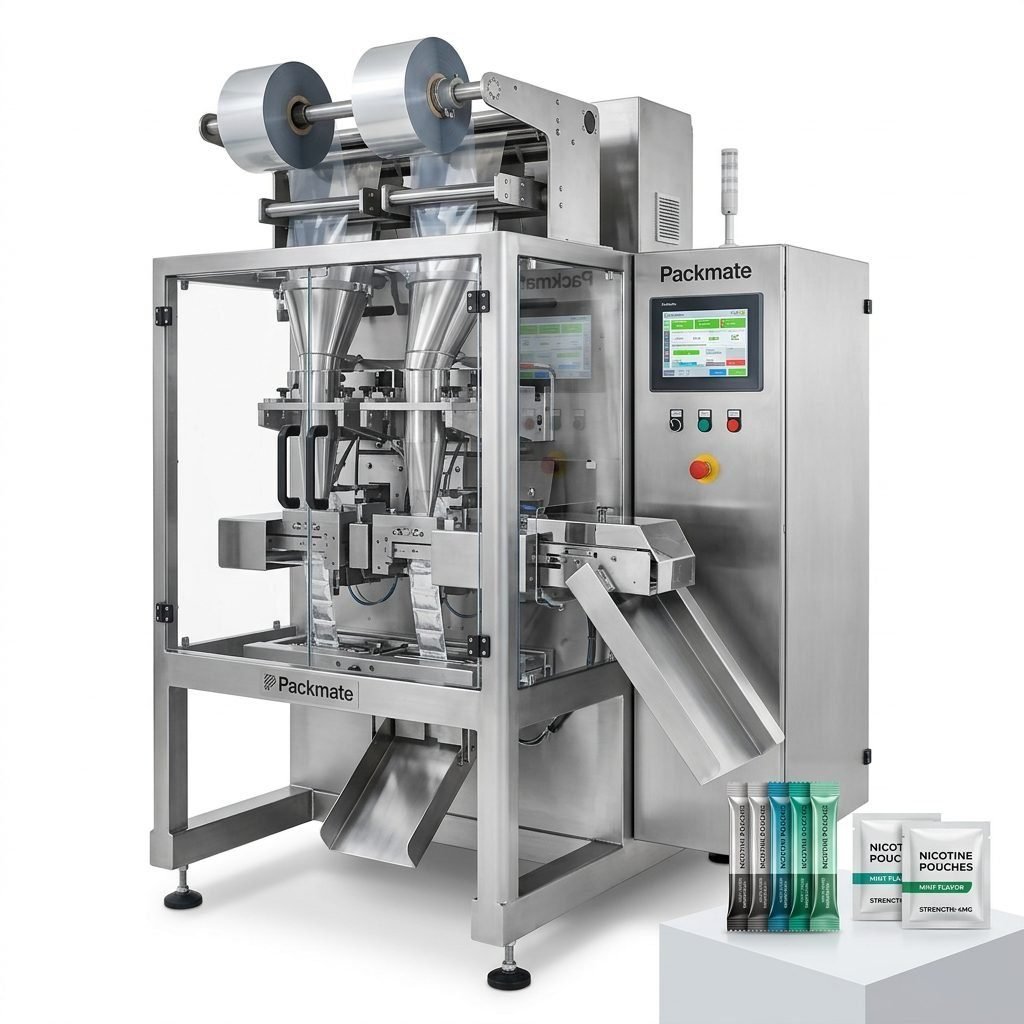
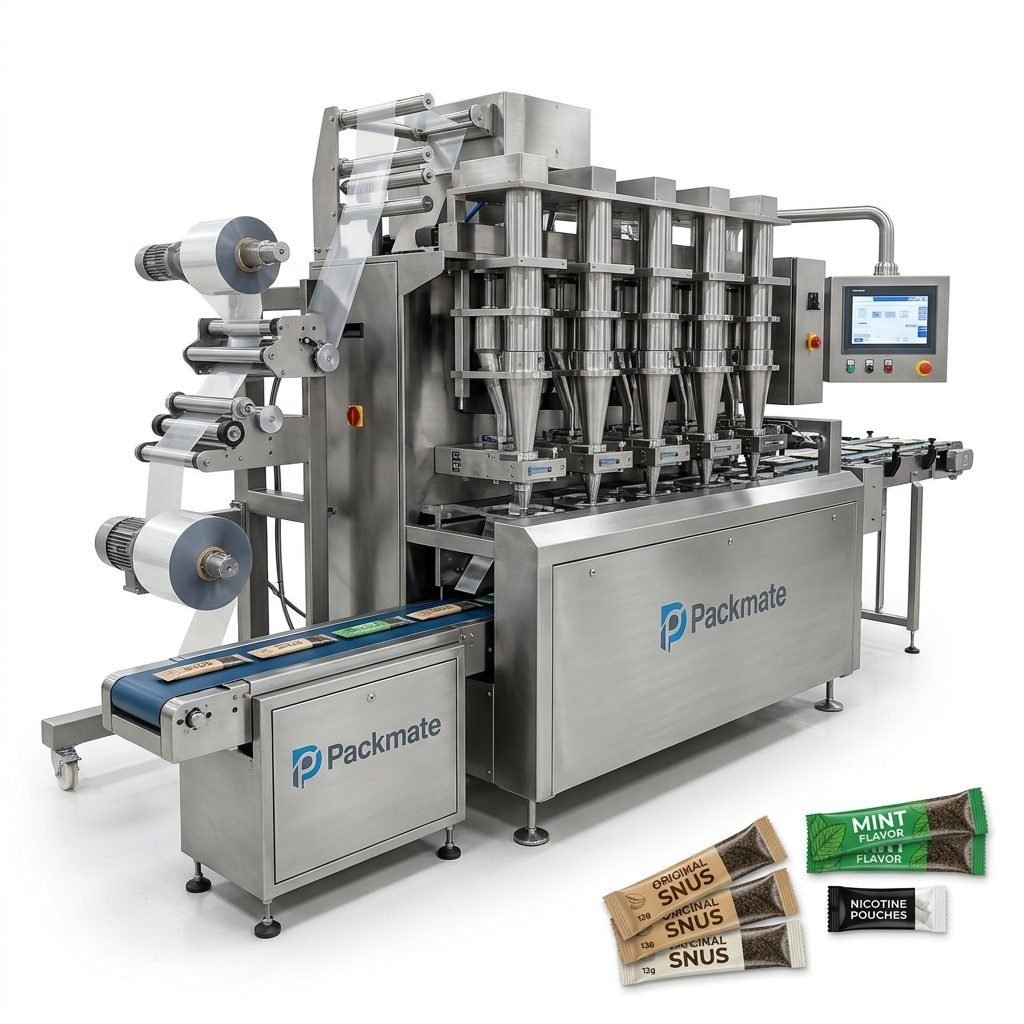
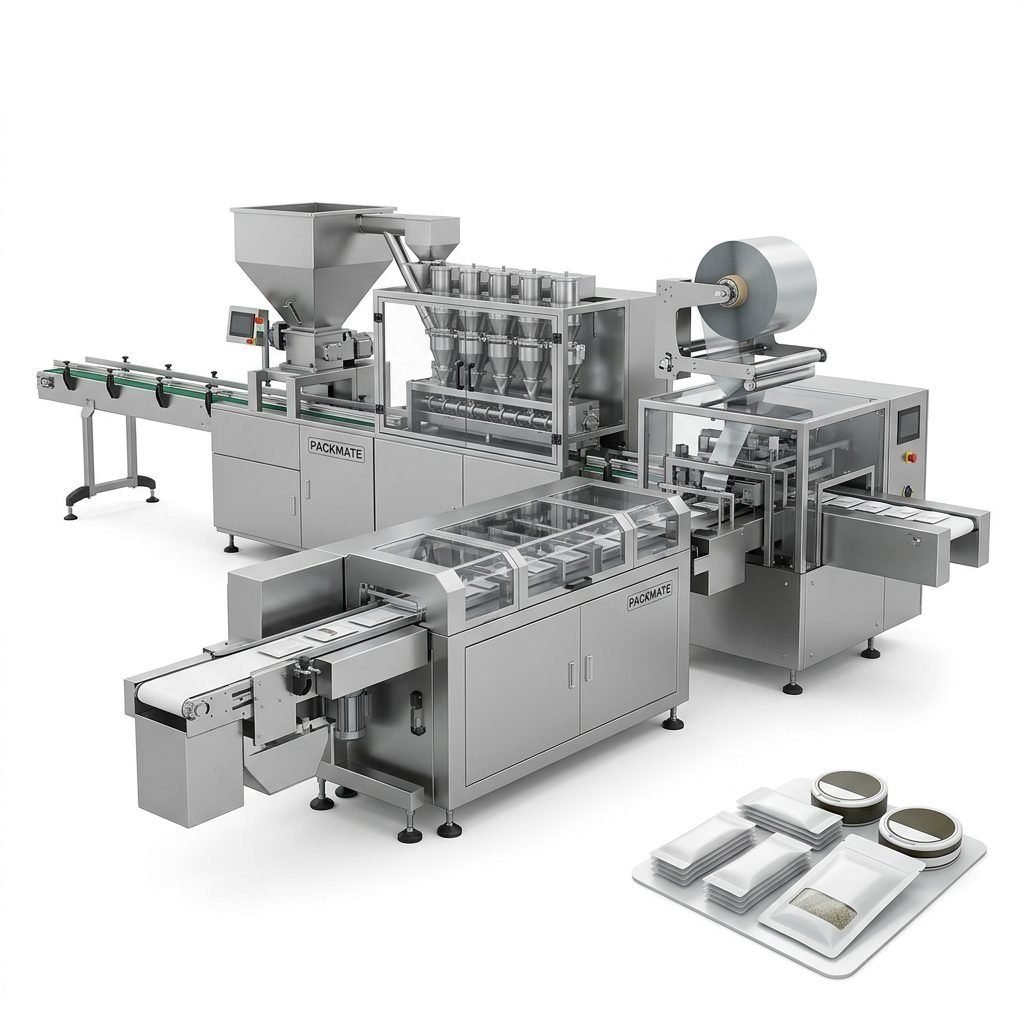
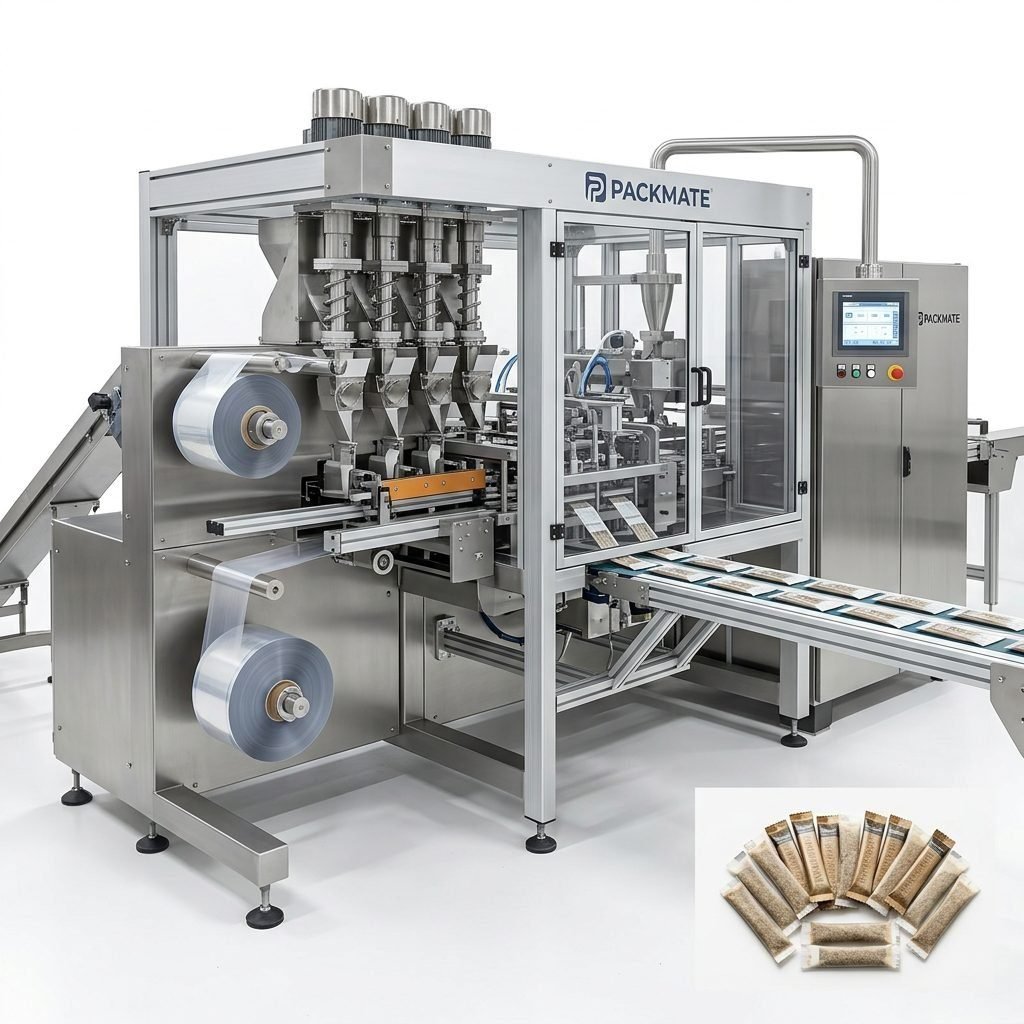
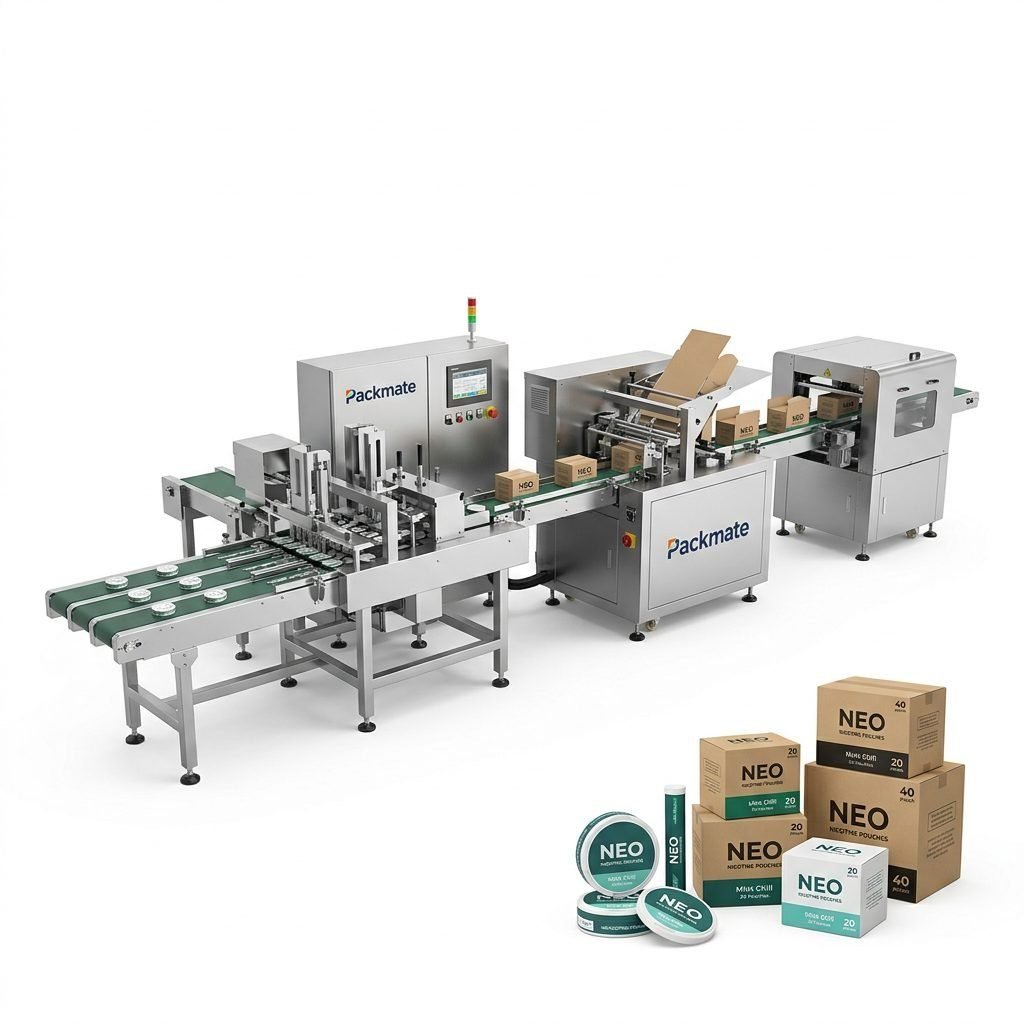
Choosing the right snus packaging machine in Bhutan demands more than price comparison. It requires an understanding of product types, production capacity, local regulations, service availability, and long-term ROI. This guide walks you through practical factors, purchase tips, and real-world advice to help you select a machine that fits your nicotine pouch or snus packaging needs and ensures reliable performance for years.
Why a Specialized Snus Packaging Machine Matters
Snus and nicotine pouches are small-dose, high-value products that require precise filling, gentle handling, and consistent sealing. A dedicated snus packaging machine reduces waste, improves product aesthetics, and maintains portion accuracy — all critical for regulatory compliance and customer satisfaction. Generic packaging equipment often fails to meet the specific demands of multi-lane, small-pouch production.
Key Outcomes to Expect
When you buy the right machine you should expect: reliable dose accuracy, high uptime, easy cleaning, and flexible format changeovers. These deliver better traceability, reduced rejection rates, and stronger margins.
: If you plan multi-shift production, prioritize machines with robust PLC control and easy access to spare parts to avoid extended downtime.
Understand Machine Types and Which Suits Bhutan
There are several packaging formats for snus and nicotine pouches. Each format influences throughput, packaging material, and machinery complexity:
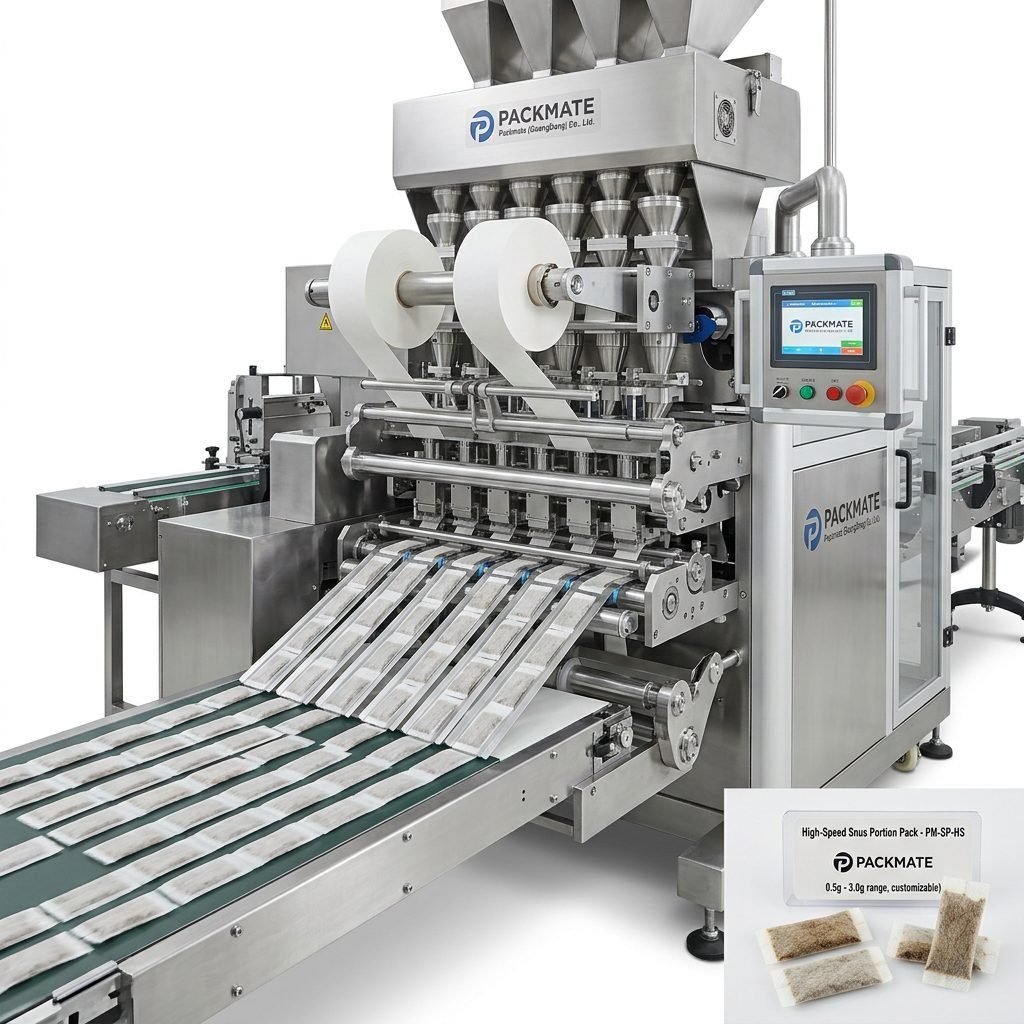
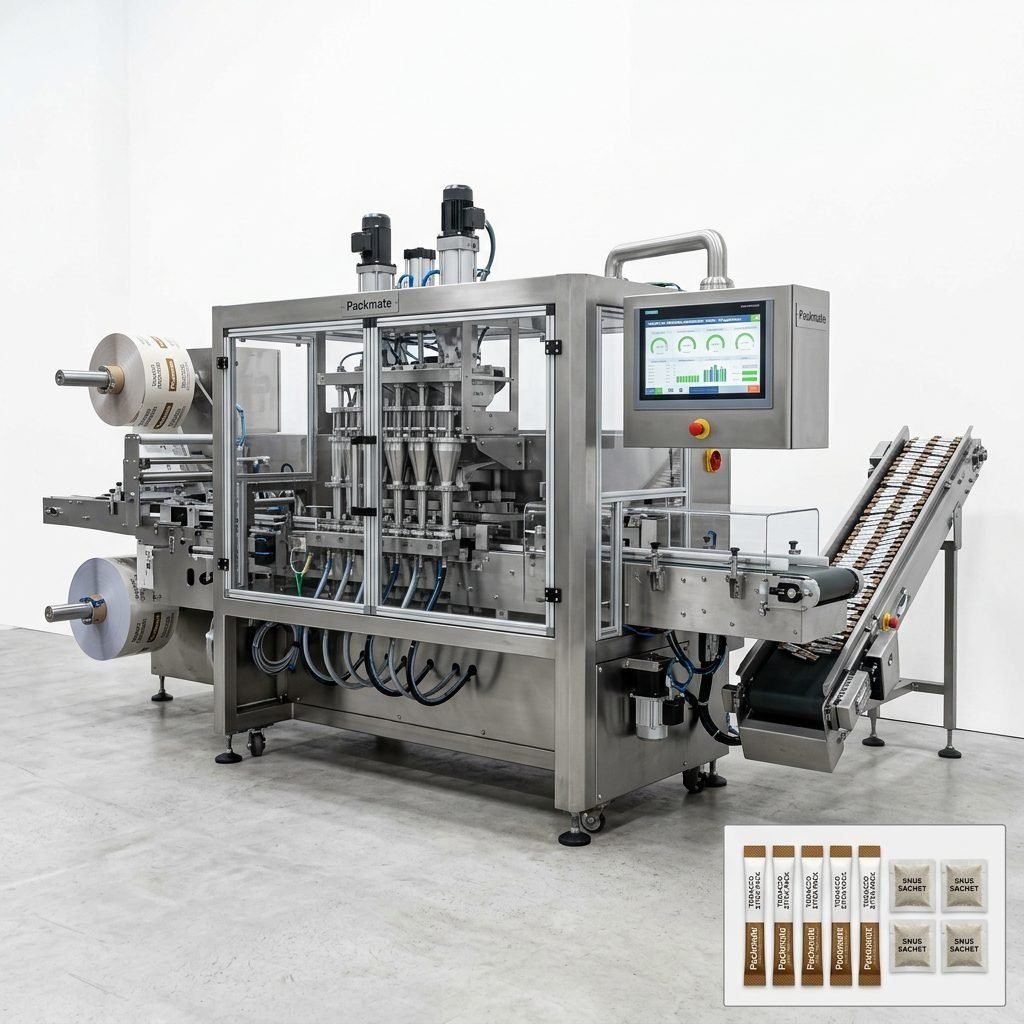
• Sachet & stick pack machines: low-to-medium dose pouches, simple seal structures, ideal for single-dose formats.
• Multi-lane snus pouch systems: higher throughput using multiple lanes, suitable for larger production runs.
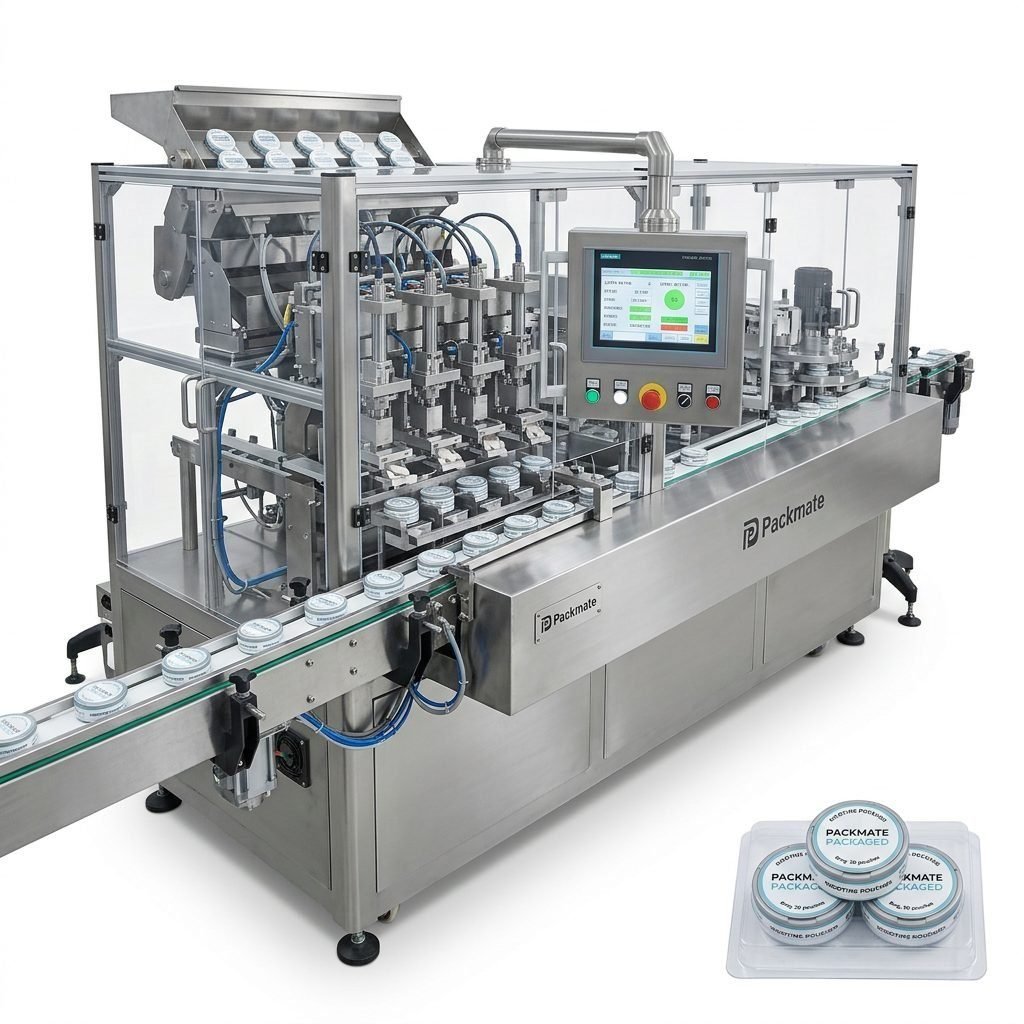
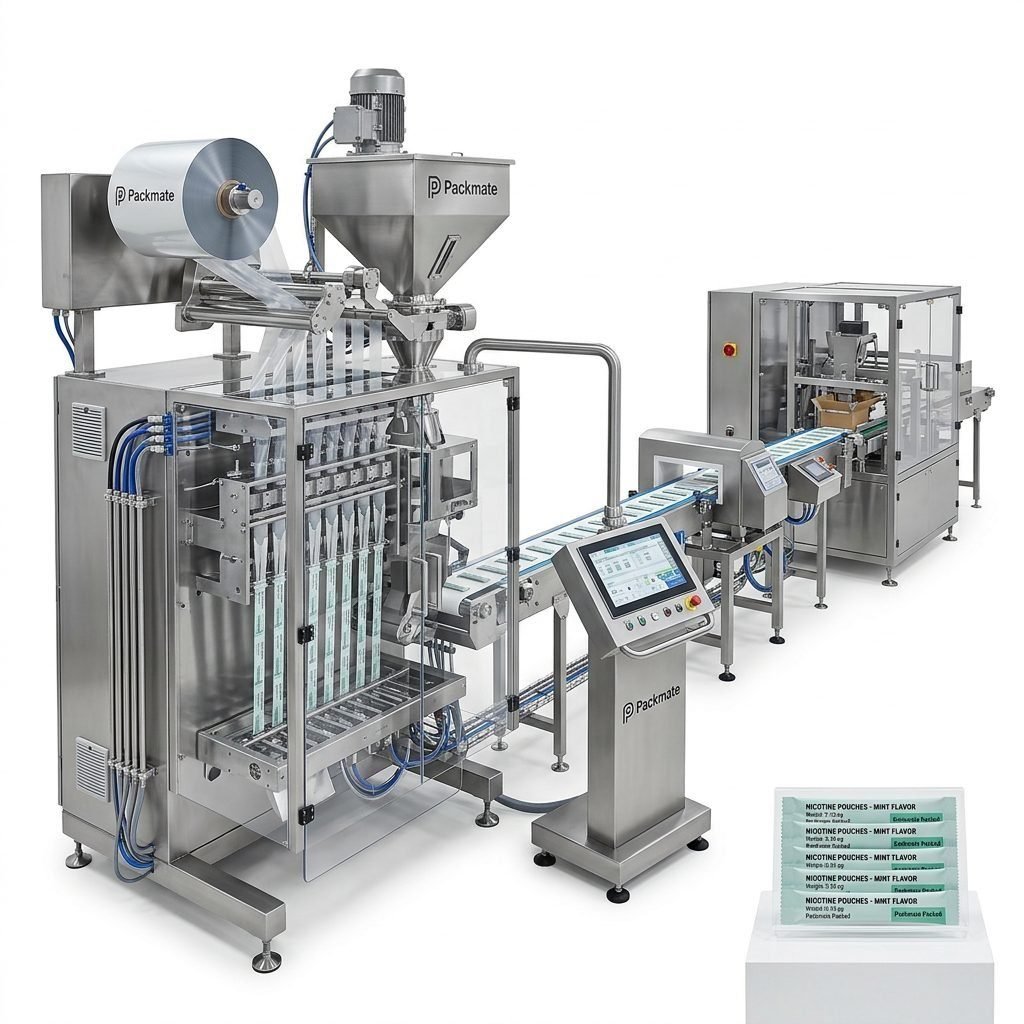
• Integrated filling & packaging lines: full turnkey solutions combining weighing, filling and sealing for automation and minimal manual handling.
Explore detailed equipment categories to match your output and product format needs: Snus & Nicotine Packaging Machines, Sachet & Stick Pack Machines, and Filling & Packaging Lines.
Top Factors to Evaluate Before Buying
1. Production Capacity & Speed
Assess your current and projected demand. Machines are rated by pouches per minute and lanes. If growth is expected, consider multi-lane systems that scale without doubling footprint. A higher speed machine only adds value if it can maintain accuracy and uptime.
2. Dose Accuracy & Filling Technology
Precision weighing or volumetric filling matters for nicotine products. Look for advanced weighing & dosing systems and closed-loop controls to ensure consistent pouch weight. Check calibration procedures and speed/accuracy trade-offs.
3. Material Compatibility
Packaging films (foil, laminates, barrier films) need compatible sealing temperatures and dwell times. Verify material tests and request trials with your chosen film—this avoids seal failures and product spoilage after installation.
4. Hygiene, Cleaning & Maintenance
Machines manufactured from stainless steel with easy-to-remove parts reduce downtime during cleaning. For food-contact nicotine pouches, cleanability and tool-free disassembly are essential.
: Ask the vendor about mean time between failures (MTBF), typical spare part lead times, and local service partners available in or near Bhutan.
Regulatory & Certification Considerations
For equipment used in nicotine and tobacco-related products, global certifications like CE and ISO mean the machine meets international safety and quality standards. Check local import rules and labeling laws in Bhutan, and ensure the supplier provides necessary compliance documents and testing support.
After-Sales Support & Local Presence
Long-term partnership matters. Verify warranty terms, training packages, remote diagnostics, and spare part availability. Companies with global turnkey experience and exhibition presence can better support cross-border installations — see manufacturer background here: About Packmate.
Financial Metrics: Total Cost & ROI
Purchase price is one part of the equation. Consider installation, training, tooling, spare parts, and expected uptime. Estimate cost per pouch including consumables and labor — a more efficient machine often reduces unit cost and pays back investment faster.
Checklist Before Signing
• Production rate validated with your product; • On-site installation & training included; • Spare parts list and lead times; • Performance warranty; • Acceptance tests & trial runs.
: Always request a Factory Acceptance Test (FAT) or video demonstration using your product before shipment.
Practical Tips for Buyers in Bhutan
Importing industrial machines to Bhutan has steps that affect delivery time and cost. Plan for power compatibility (voltage & frequency), customs documentation, and local installation support. If you lack in-country service partners, choose a vendor offering robust remote support or nearby regional offices.
Consider partnering with suppliers that provide full production lines and auxiliary equipment, reducing integration headaches. For example, check integrated systems and auxiliary equipment offerings: Weighing & Packaging Systems and Auxiliary Packaging Equipment.
Common Mistakes to Avoid
• Choosing the highest speed machine without validating accuracy; • Overlooking training & documentation; • Not verifying spare part logistics; • Neglecting regulatory paperwork for nicotine products.
Installation, Commissioning & Training
Insist on vendor-led commissioning. Proper installation ensures correct leveling, electrical grounding, and software configuration. Comprehensive operator and maintenance training reduces operator errors and extends machine life.
: For examples of turnkey installations and global projects, review actual projects and outcomes: Case.
Why Manufacturer Experience Matters
Experienced manufacturers bring refined engineering, tested recipes for materials, and proven service networks. Packmate’s decades-long history and factory capabilities (20,000㎡, CNC centers, 50+ models) demonstrate the scale and expertise required to deliver reliable snus packaging solutions.
Verify the Factory Strength
Ask for factory photos, certifications like CE/ISO, and if the vendor participates in international exhibitions. Exhibitions and certifications indicate transparency and a commitment to quality: Our Exhibition and Certificate.
Negotiation & Contract Tips
Negotiate on delivery terms, spare parts starter kits, performance acceptance criteria, and training days. Ensure penalties or remedial actions are included for missed performance benchmarks. Include a clear service SLA for remote and onsite response times.
: If you need vendor contact details or service inquiries, use the official contact portal: Contact Us.
Final Buying Checklist
• Confirm format compatibility with your product and film. • Validate throughput vs. accuracy through tests. • Ensure certifications and FAT/demo videos. • Agree on warranty, training, and spare parts. • Check regional support and commissioning plan.
Conclusion
Selecting a snus packaging machine for Bhutan requires balancing production needs, regulatory compliance, service availability, and long-term costs. Prioritize proven vendors with full turnkey capabilities, strong factory infrastructure, and clear after-sales support to ensure reliable operation and a fast return on investment.
Frequently Asked Questions
Q1: How do I verify a machine’s performance before purchase?
A1: Request a Factory Acceptance Test (FAT) or a live video demo using your product. Confirm accuracy, cycle rates, and sealing quality under realistic conditions.
Q2: What spare parts should I keep on hand for a snus packaging line?
A2: Keep critical wear parts (seals, belts, cutting tools), electronics modules, and a basic tool kit. Vendors often supply a spare parts starter kit—ensure this is included in your contract.
Q3: Are turnkey lines more cost-effective than buying individual machines?
A3: Turnkey lines reduce integration time and compatibility issues, often saving cost and downtime in medium-to-high volume operations. They are recommended if you want faster ramp-up and single-vendor accountability.
Q4: How important is local service availability in Bhutan?
A4: Very important. Local or regional service partners shorten repair times and reduce downtime. If local support is limited, confirm remote diagnostics and fast shipping for spare parts.
Q5: Where can I see examples of installed snus packaging solutions?
A5: Review real projects and references from manufacturers’ case studies to understand performance in similar applications: Case.