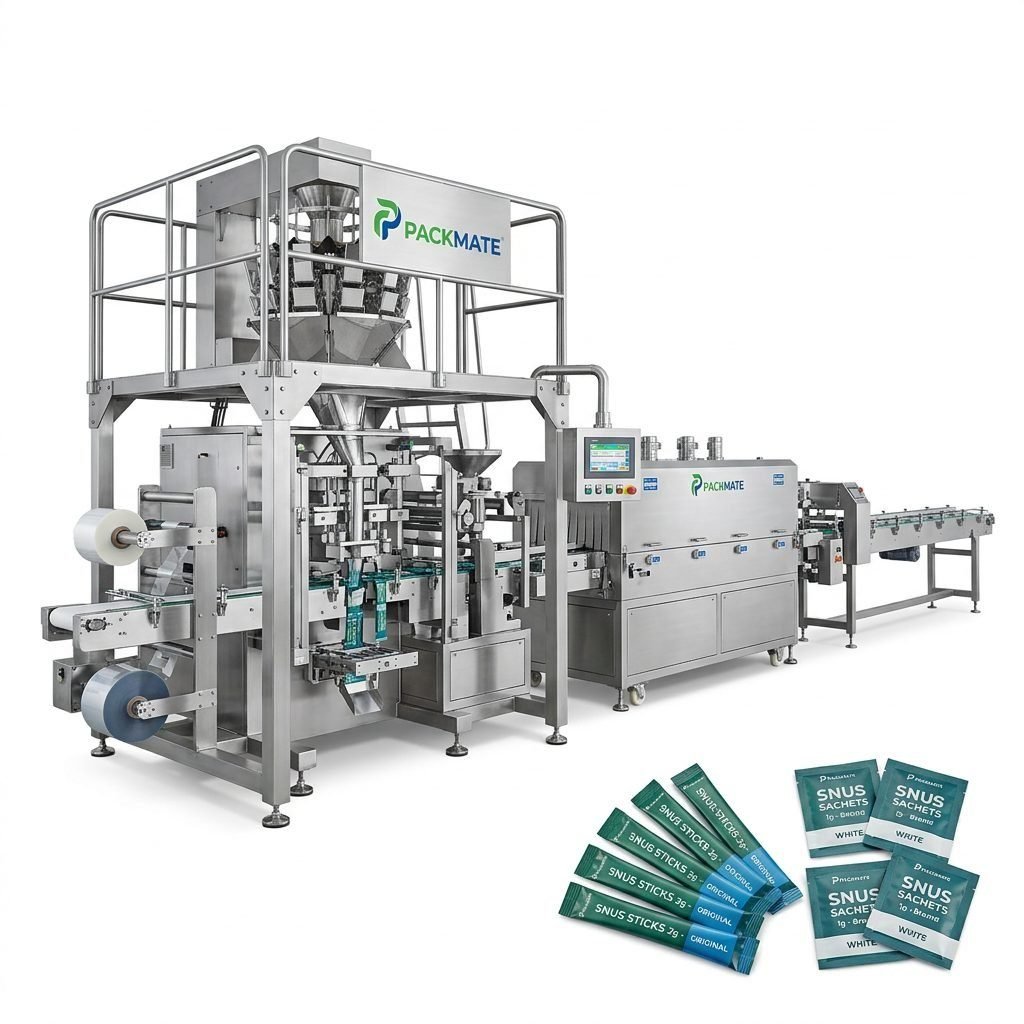
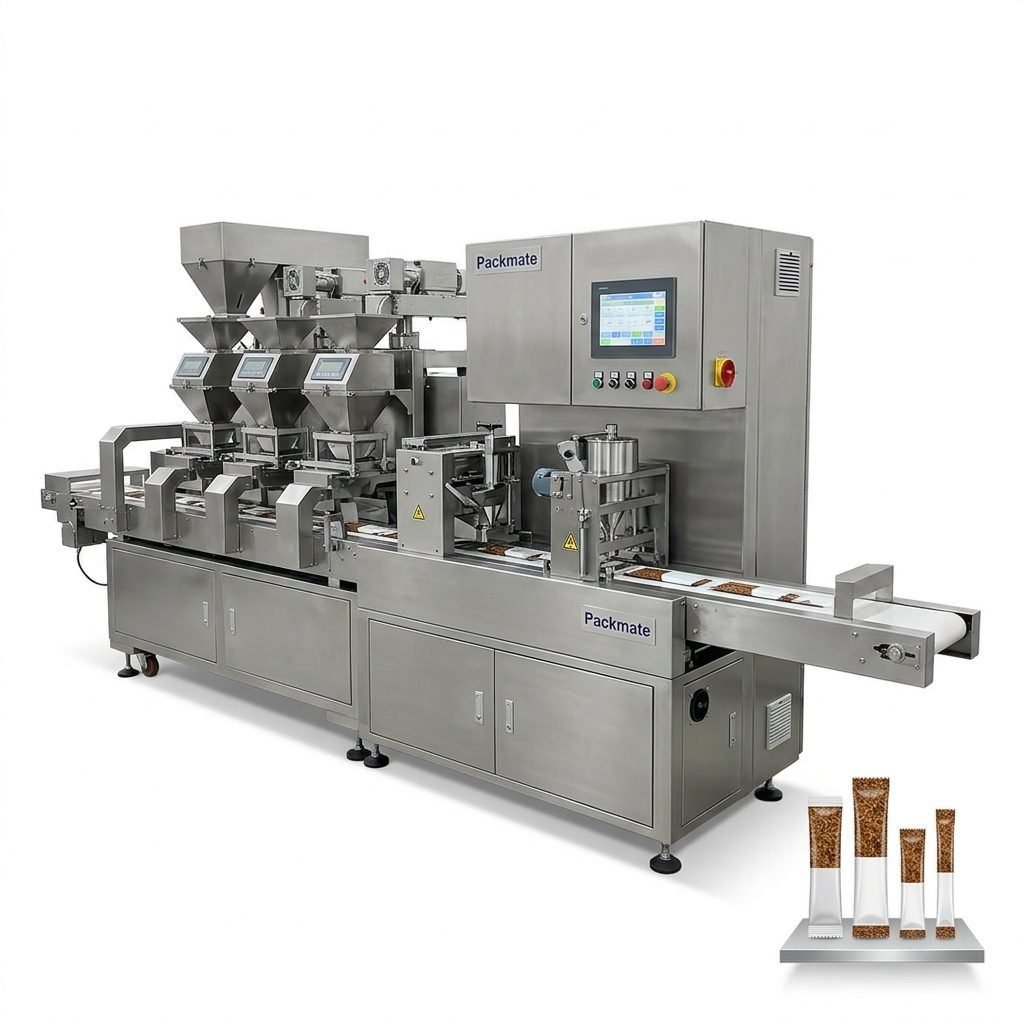
Buying the right nicotine pouch or snus packaging equipment is a critical decision for manufacturers and distributors in Burkina Faso. From production speed to regulatory compliance, each choice affects product quality, operational costs, and your ability to expand into new markets. This guide explains how to evaluate and choose the best nicotine packaging machinery manufacturer, with practical criteria, negotiation tips, and supply-chain considerations tailored for businesses in Burkina Faso.
Understand Your Production Needs First
Before contacting any manufacturer, clarify your product formats and daily output targets. Ask yourself:
Key variables: pouch size and shape, filling type (powder, granules, liquid), multi-lane vs single-lane requirements, target speed (ppm or pouch/min), and required automation level for upstream/downstream processes.
Match machine type to product
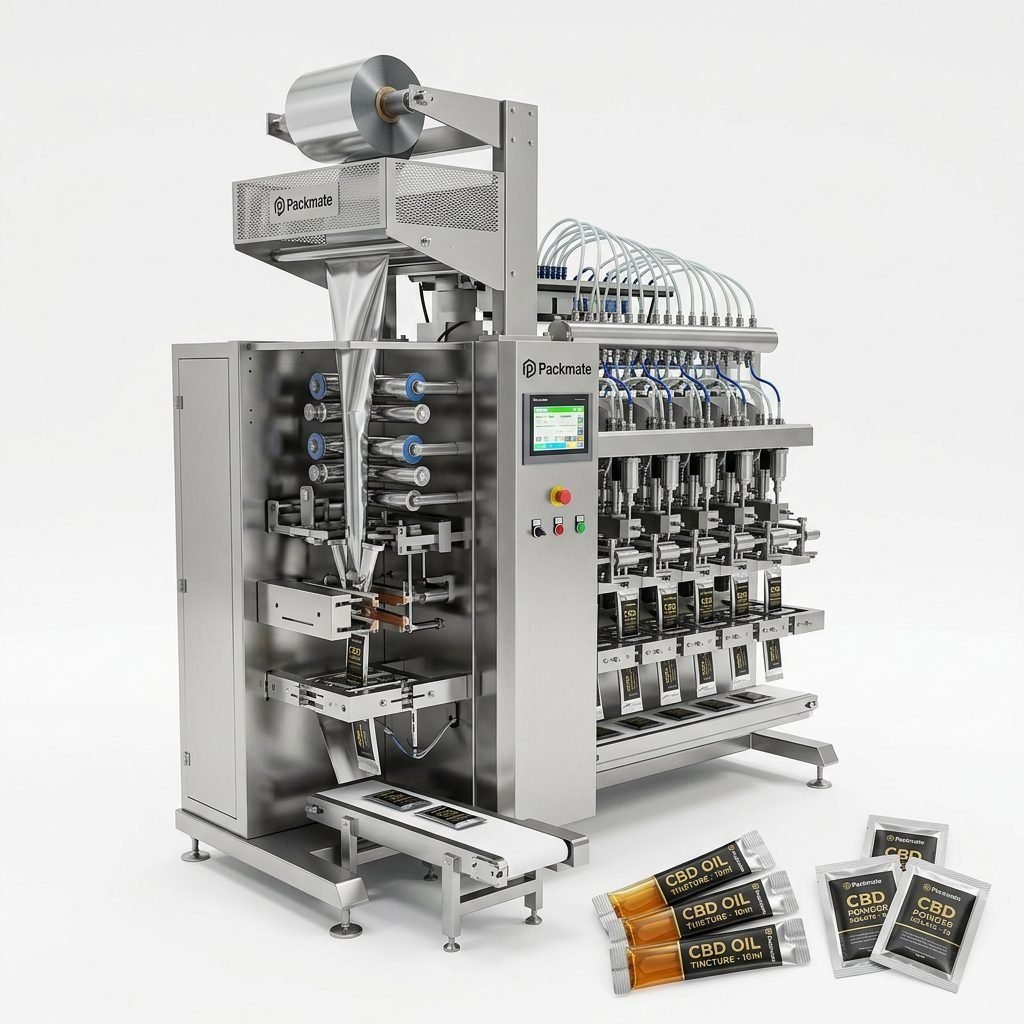
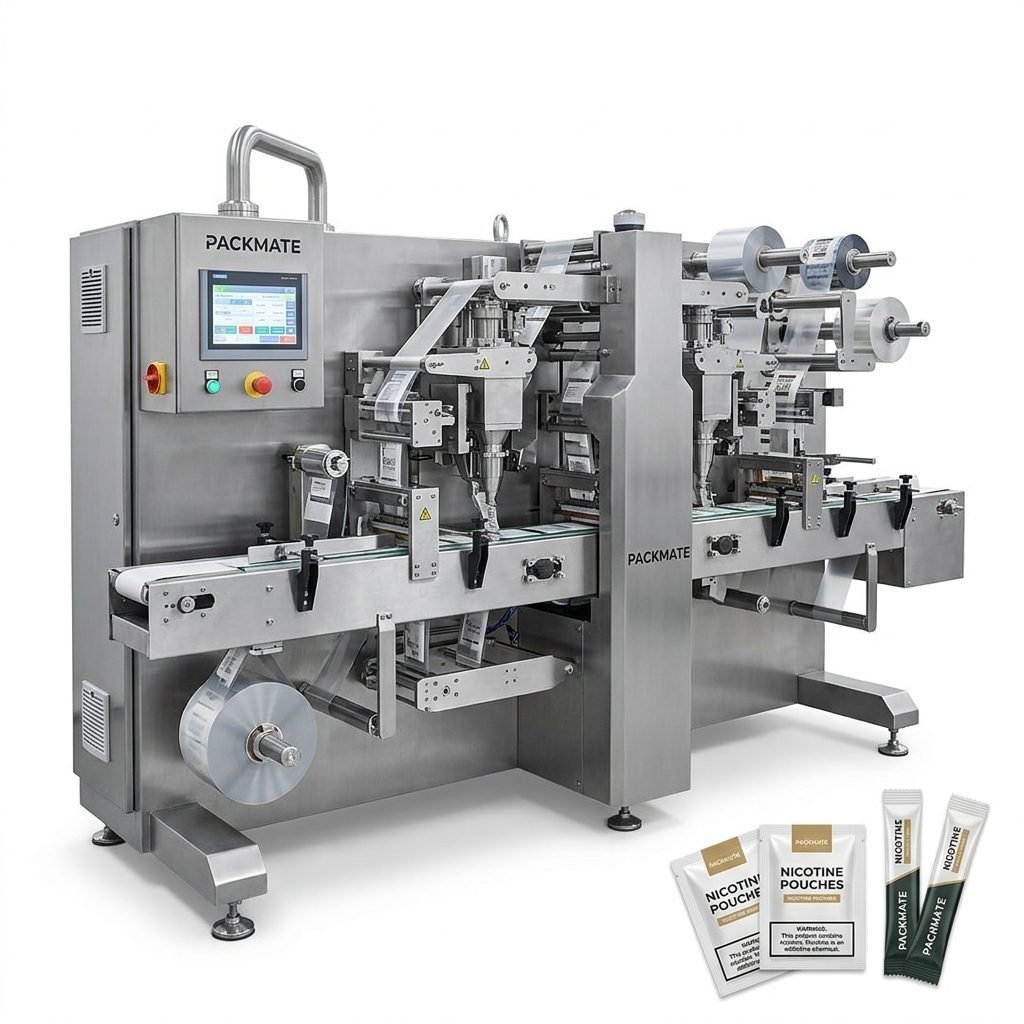
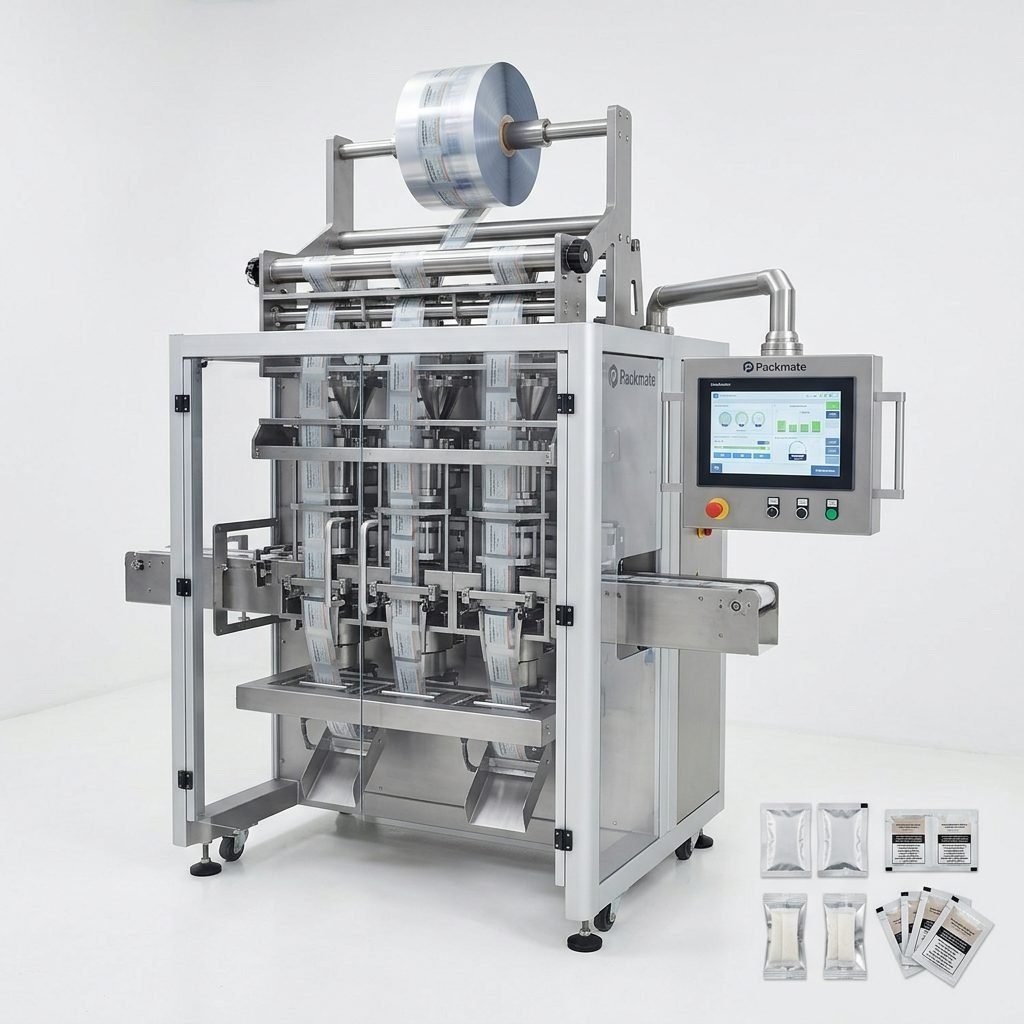
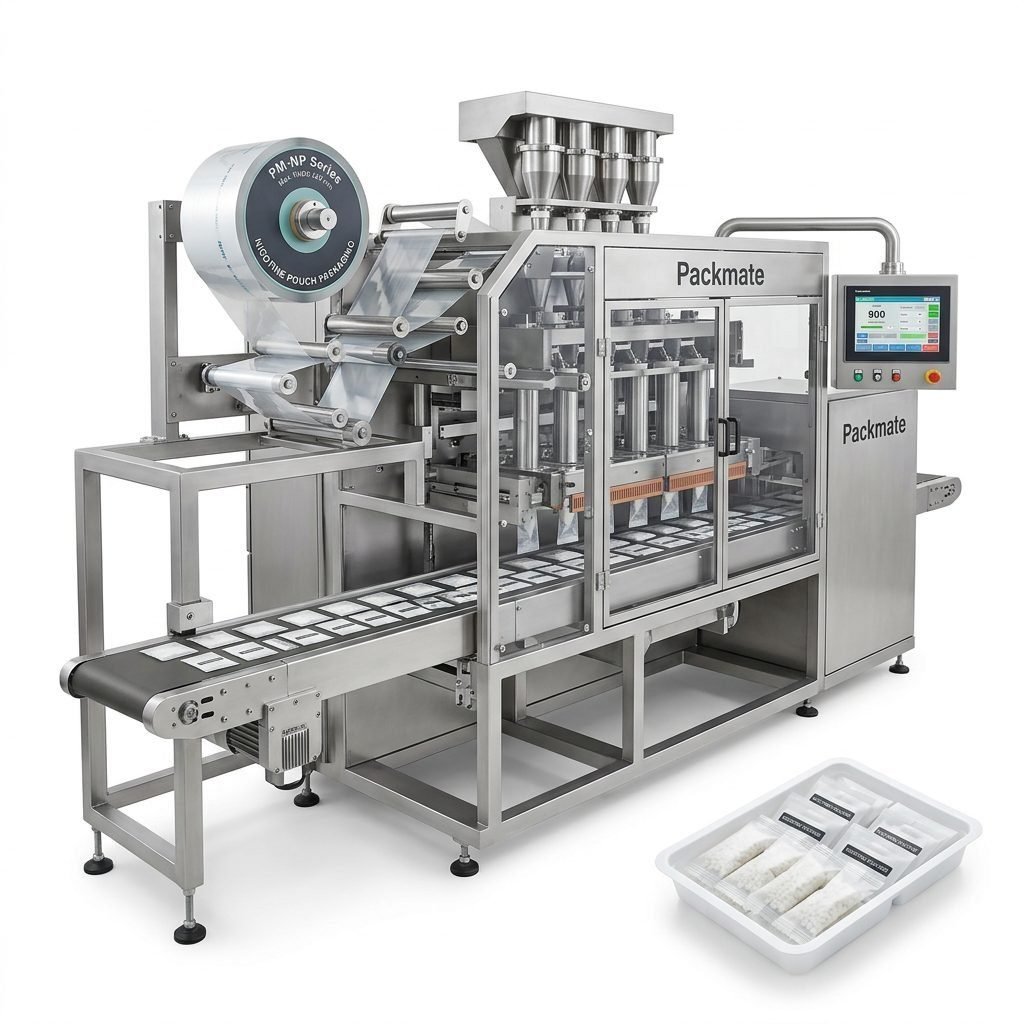
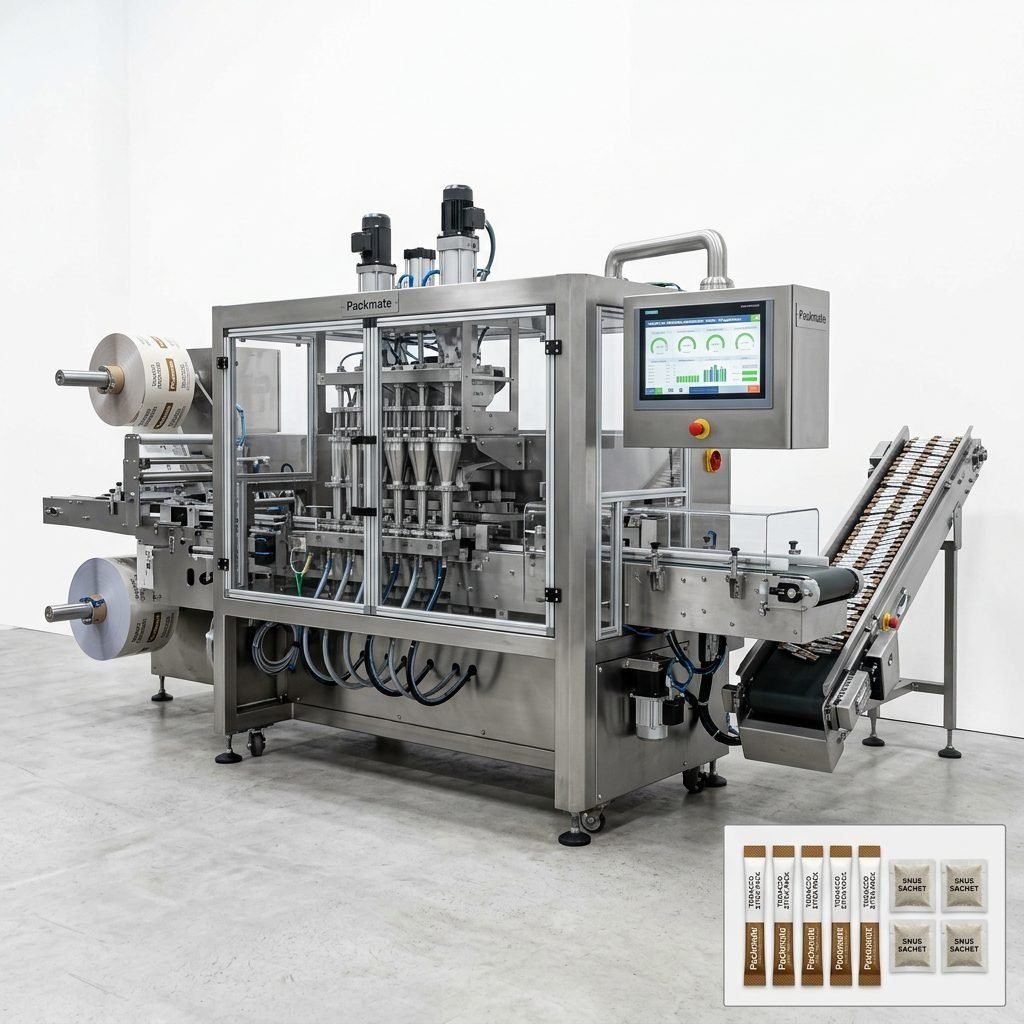
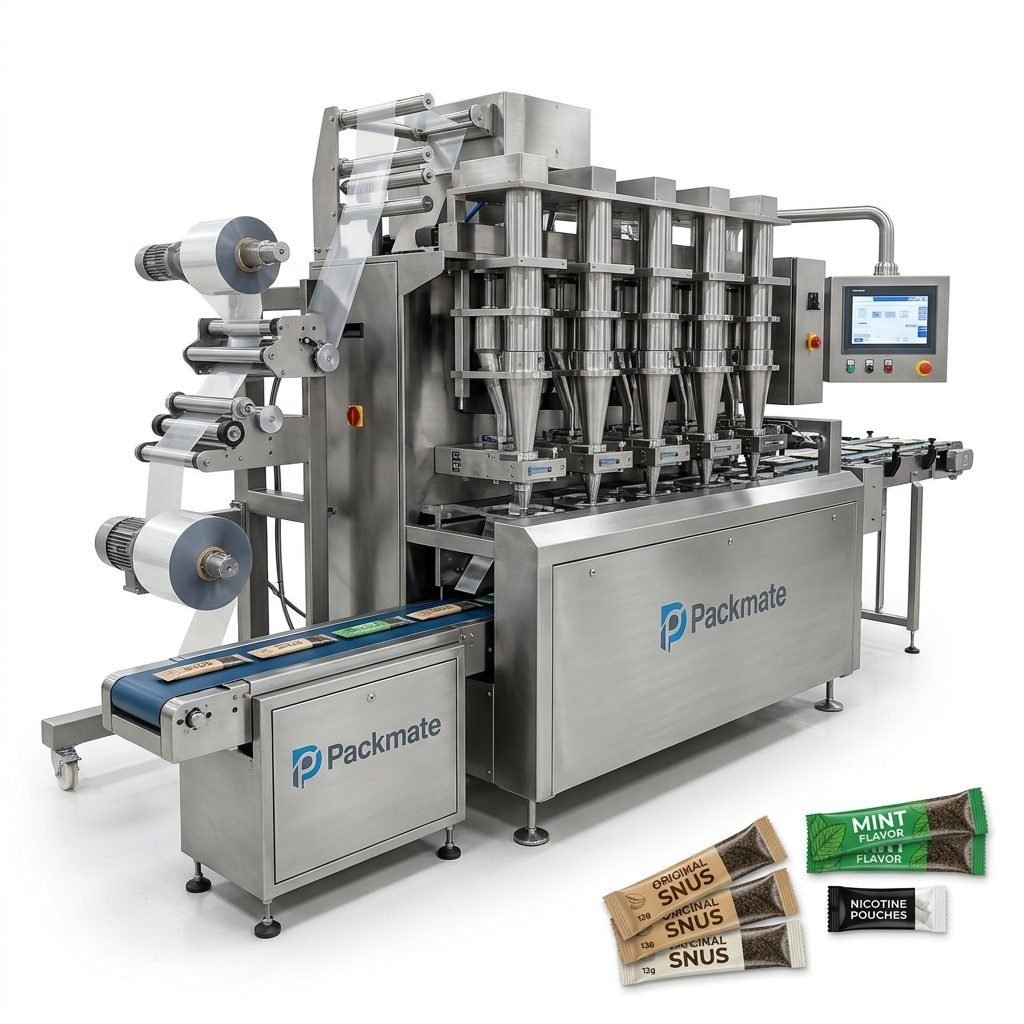
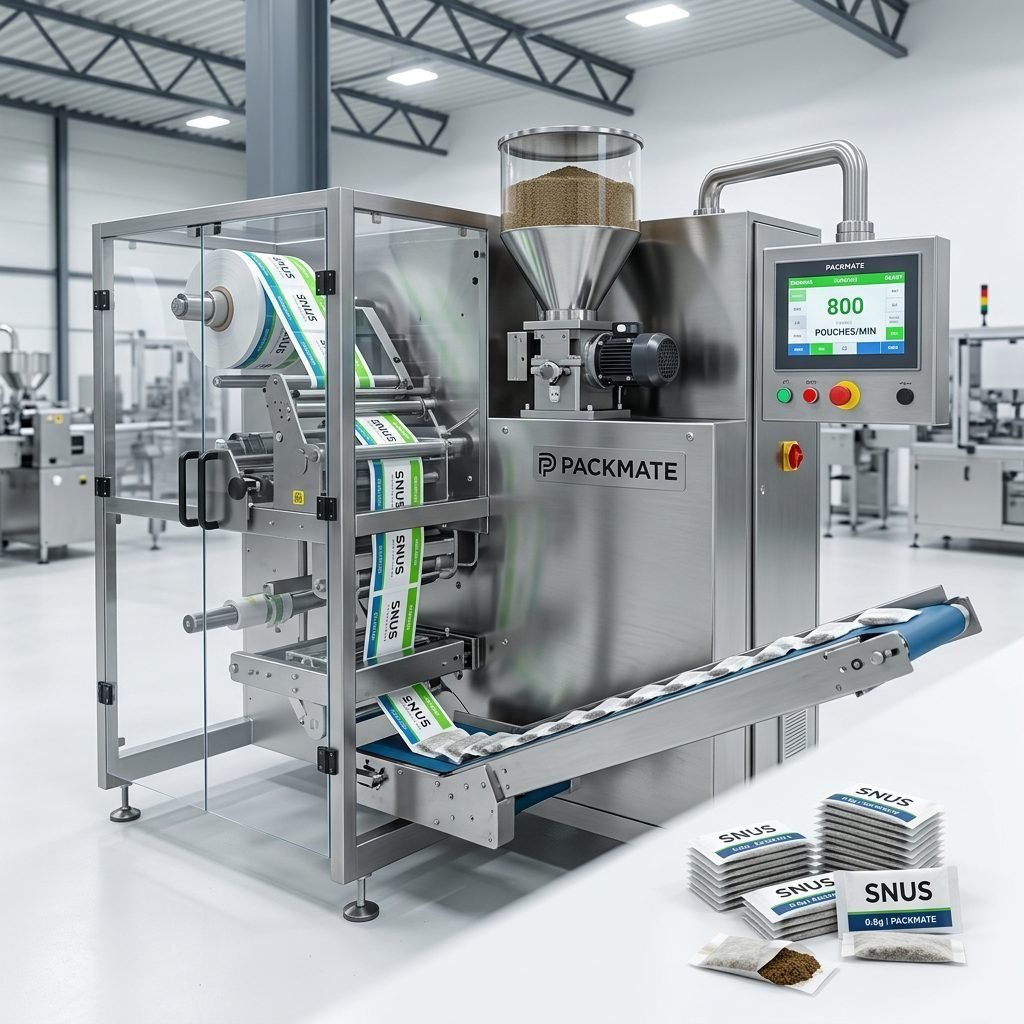
Nicotine pouches and snus can be processed on several machine types — stick pack, sachet, multi-lane systems, or specialized snus pouch machines. If you need high throughput with small-dose pouches, consider multi-lane systems; for flexible packaging formats, stick pack or sachet machines may be better.
Evaluate Manufacturer Capabilities
Not all manufacturers are equal. Look beyond price — assess engineering depth, factory capacity, quality control, and after-sales service. Reliable manufacturers will provide detailed specifications, real-world case studies, and references from similar projects.
What to check in a supplier
- Factory size and production capacity — large, dedicated workshops are more likely to meet delivery timelines.
- Machine models & customization options — confirm the manufacturer offers machines that match nicotine pouch specifications.
- Certifications — CE, ISO, and relevant safety approvals that can smooth import and deployment.
- Testing and quality control procedures — onsite testing and acceptance trials reduce risk.
- Spare parts availability and service presence in Africa or remote support capabilities.
Why engineering history matters
A long engineering track record signals experience in continuous improvement and reliability. For example, manufacturers with decades of R&D and multiple machine families usually provide robust multi-lane systems and turnkey lines that reduce integration headaches.
Assess Real-World Performance: Case Studies & References
Ask for case studies related to snus or nicotine pouch lines. Performance claims should be verifiable by customer references or video demonstrations. Ideally, the supplier can show installations in similar climates or operational scales to Burkina Faso customers.
See an example product portfolio page for reference: Snus & Nicotine Packaging Machines.
Inspect factory & manufacturing strength
A modern factory with CNC machining centers, precision assembly lines, and rigorous quality testing indicates parts consistency and faster service turnaround for spare parts. If possible, arrange a factory visit or request a video tour to confirm build quality.
Quality, Certification and Compliance
Compliance matters for nicotine products. Choose manufacturers that hold recognized quality and safety certifications. CE and ISO are common indicators of adherence to international manufacturing and safety standards, which can simplify import approvals and help meet buyer expectations.
You can also review supplier certifications and company profile on their information pages, for example: Certificate and About Packmate.
Service, Support and Local Considerations in Burkina Faso
After-sales service is a major factor for buyers in Burkina Faso. Evaluate supplier response times, availability of spare parts, remote diagnosis capabilities, and training offerings. A manufacturer that supports remote troubleshooting and provides clear spare parts lists will reduce downtime.
Logistics and spare parts
Consider shipping timelines, import documentation, and spare-part lead times. Ask whether the manufacturer can pre-stock critical spares, recommend local agents, or ship via consolidated freight to lower costs and delivery time.
Total Cost of Ownership (TCO) vs. Purchase Price
A low initial price can be offset by frequent repairs, poor energy efficiency, or limited throughput. Compare TCO over 3–5 years, factoring in energy use, maintenance, spare parts, consumables, and operator training. Request a breakdown of consumables and expected service intervals.
- Expected production uptime (%) and MTBF (mean time between failures).
- Consumable costs (seals, cutters, dosing units).
- Power consumption and air requirements.
- Training & installation costs.
Testing, Acceptance and Performance Guarantees
Insist on factory acceptance tests (FAT) and a clear installation & commissioning plan. A good manufacturer will provide performance guarantees based on agreed test criteria and support machine validation at your site.
What to include in a FAT
Include pouch weight accuracy, pouch seal integrity, throughput measurements at different speeds, and a demonstration of changeover times. Record FAT results and include them in the purchase contract.
Customization, Integration and Turnkey Solutions
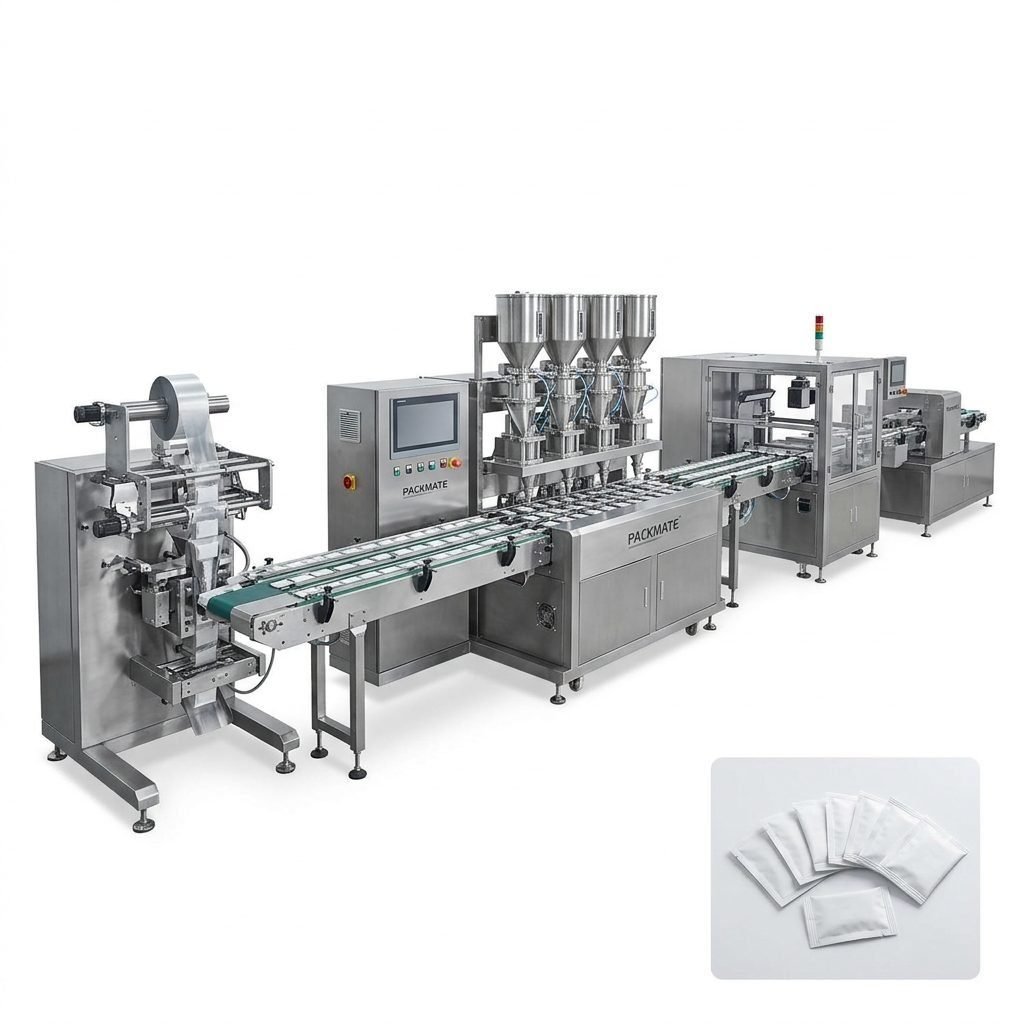
If you need a fully integrated line (weighing, dosing, packaging, cartoning), prefer suppliers that offer turnkey solutions and systems integration. That reduces compatibility issues and shortens time-to-production. See examples of modular systems here: Weighing & Packaging Systems.
Warranty, Spare Parts and Service Contracts
Carefully review warranty terms and the scope of coverage. Ask for service-level agreements (SLA) with defined response times for critical failures. Consider buying a spare-parts kit for the first year of operation to reduce downtime risk.
Pricing and Contract Negotiation
Negotiate clearly: include delivery schedules, milestones, penalties for missed performance, detailed spare-parts lists, and payment terms. Request an itemized quote showing machine cost, packaging tooling, spare parts, training, and freight.
Payment & delivery tips
Use staged payments tied to milestones (design approval, FAT, shipment, commissioning). Confirm who handles customs clearance, duties, and taxes to avoid unexpected costs in Burkina Faso.
How to Validate a Supplier Remotely
If you cannot visit a factory, ask for: recent video demonstrations, virtual FAT sessions, reference contacts, and sample machine data logs. Strong suppliers often publish exhibitions, catalogs, and case studies — review those materials to verify credibility. Examples of support pages include: Service and Case.
Final Decision Matrix
Create a simple scoring matrix to compare vendors across critical categories: performance, TCO, certifications, support, lead time, and integration capability. Weight the categories by importance for your operation, then rank each supplier objectively.
Summary Checklist Before Signing
Use this short checklist to confirm readiness:
- Detailed technical specification and FAT criteria agreed in writing.
- Clear warranty, spare parts list, and SLA for service.
- Delivery, installation, and commissioning plan with milestones.
- Training plan for operators and maintenance staff.
- Import and logistics responsibilities allocated in the contract.
Where to Learn More
If you need product details, model comparisons, or distributor information, check the supplier’s product categories and catalogs. For example, review the range of Bag & Pouch Packaging Machines and the Catalog to better match machine capabilities to your needs.
Next Steps for Burkina Faso Buyers
Start by defining your production targets and contact shortlisted manufacturers with a clear specification sheet. Request FAT videos and reference installations. If you choose an overseas supplier, plan for customs clearance, local technical partners, and a spare-parts kit for the first year.
- Prepare a one-page technical brief of your product and targets.
- Request FAT and reference projects from 2–3 shortlisted suppliers.
- Compare offers by TCO, uptime guarantees, and service SLA.
- Arrange remote or onsite acceptance testing prior to final payment.
Conclusion
Selecting the best nicotine packaging machinery manufacturer for Burkina Faso requires a balance of technical fit, long-term support, and transparent commercial terms. Focus on proven engineering, documented performance, and strong after-sales support. Proper due diligence — factory checks, FAT, and clear SLAs — will protect your investment and ensure reliable production.
Frequently Asked Questions
Q1: How long does it take to install and commission a snus pouch packaging line in Burkina Faso?
A: Installation time varies with complexity. A single machine may be commissioned in days, while a turnkey line (weighing, filling, multi-lane packaging) typically requires 2–6 weeks on-site for installation, testing, and operator training.
Q2: What are common spare parts to stock locally?
A: Critical spares include cutting blades, sealing elements, dosing nozzles, belts, sensors, and electrical modules. Stocking a 6–12 month kit for high-wear parts is a good practice for remote locations.
Q3: Do manufacturers provide training and remote support?
A: Reputable manufacturers offer on-site commissioning training and remote support (phone, video calls, remote access). Confirm the scope of training and available languages before purchase.
Q4: Are nicotine pouch packaging machines subject to special import restrictions in Burkina Faso?
A: Import rules depend on local regulations and the product’s legal status. Work with a customs broker and verify regulatory requirements for nicotine products; your supplier can often assist with documentation like CE certificates and packing lists.
Q5: Where can I find more product details and cases for reference?
A: Review the manufacturer’s product pages and case studies to validate performance. Helpful resources include the manufacturer’s Exhibition and FAQs pages.