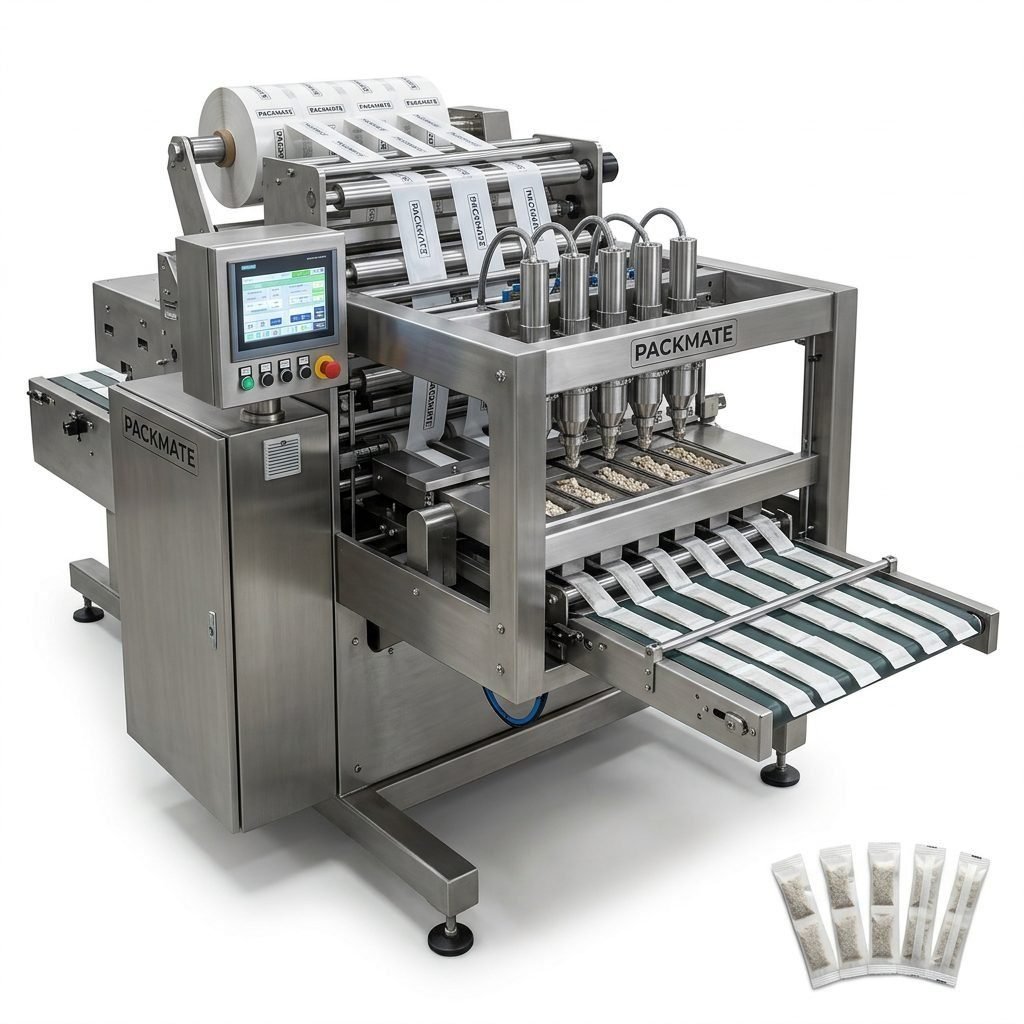
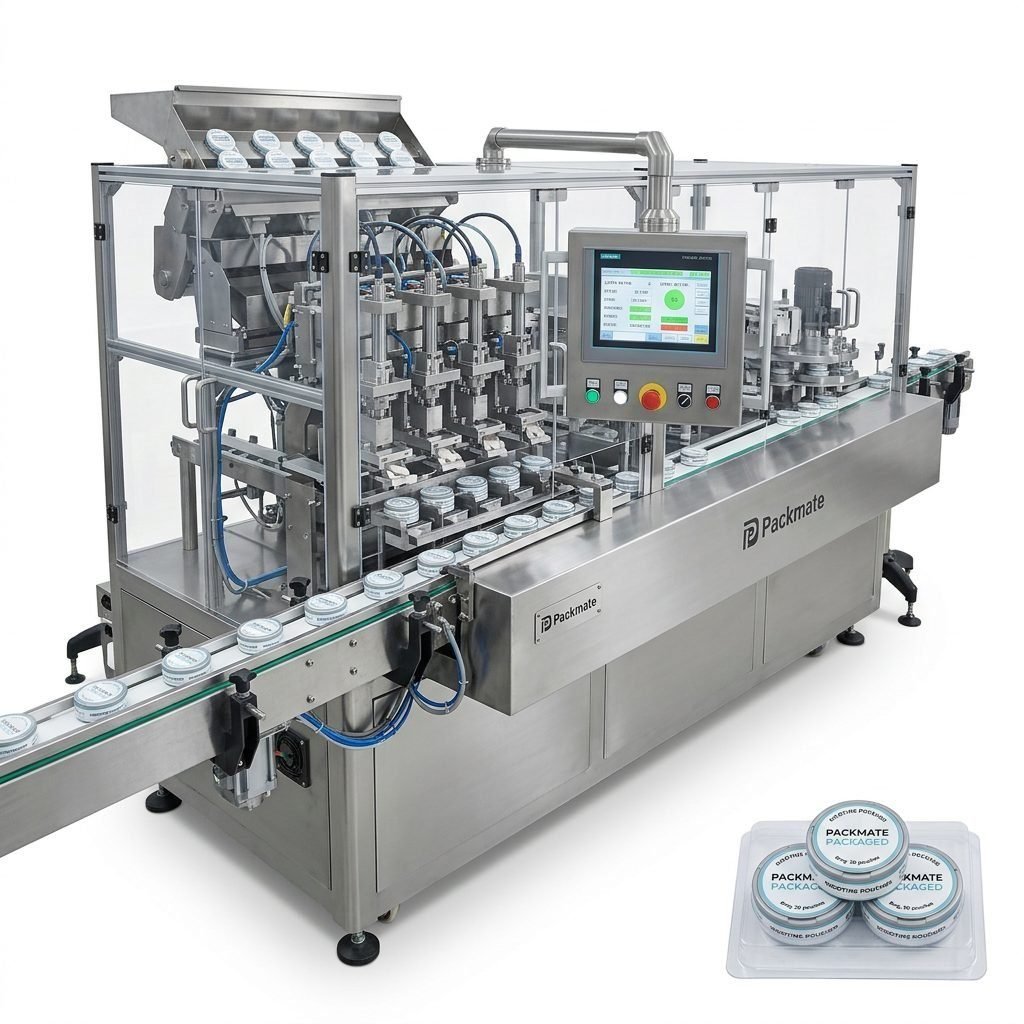
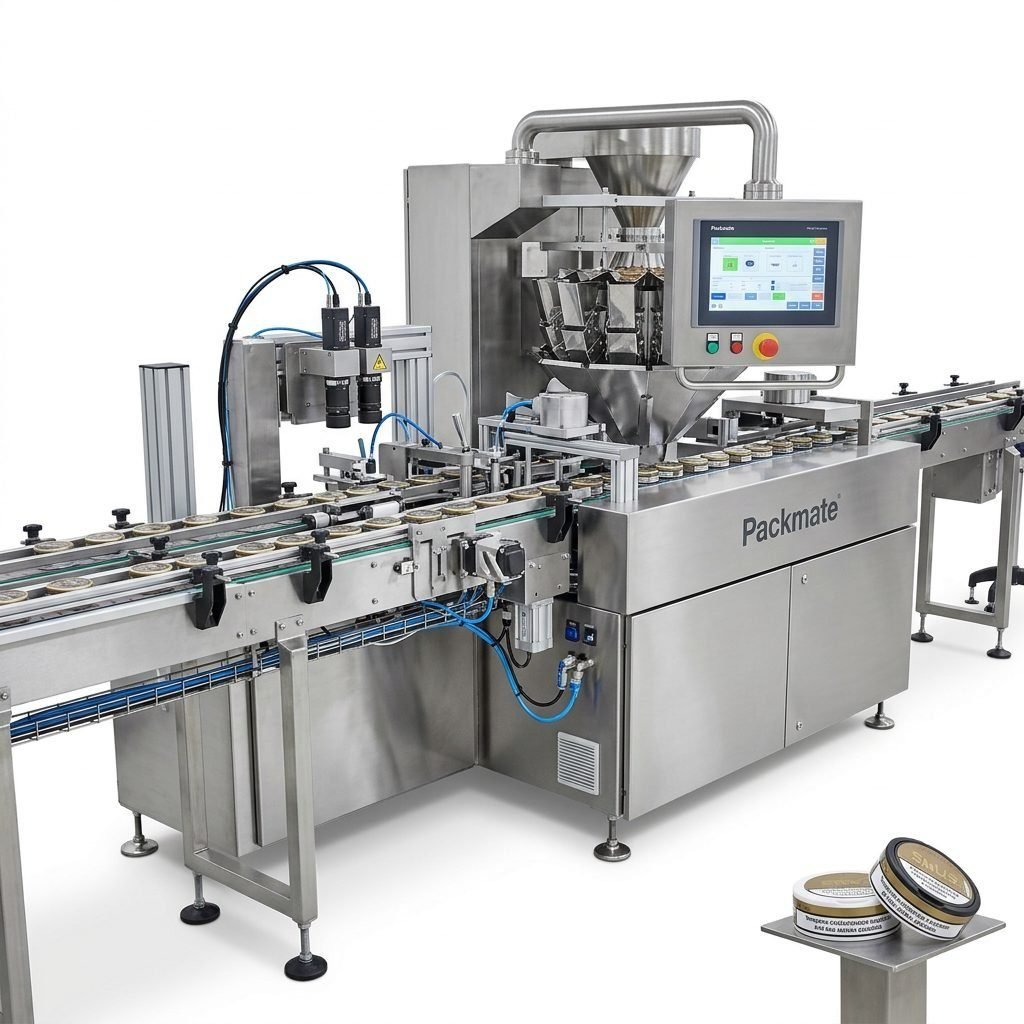
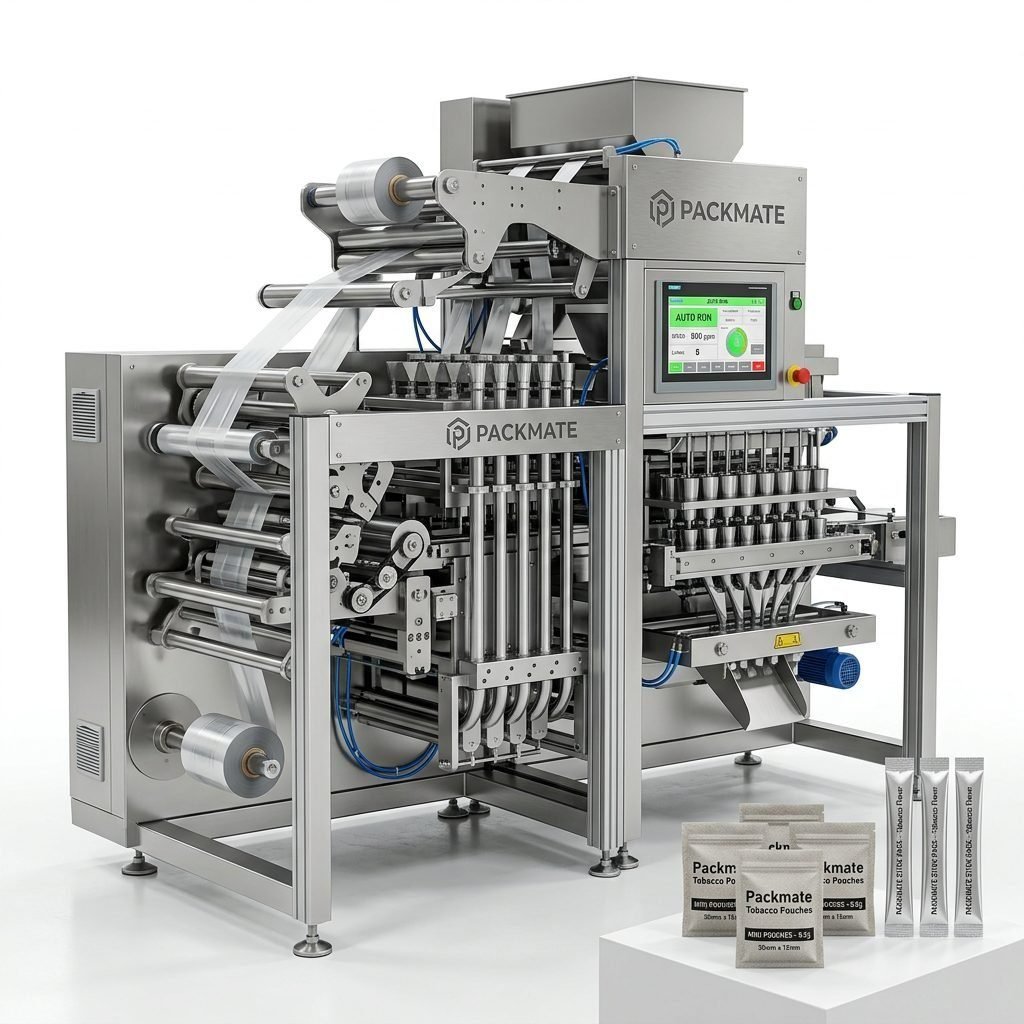
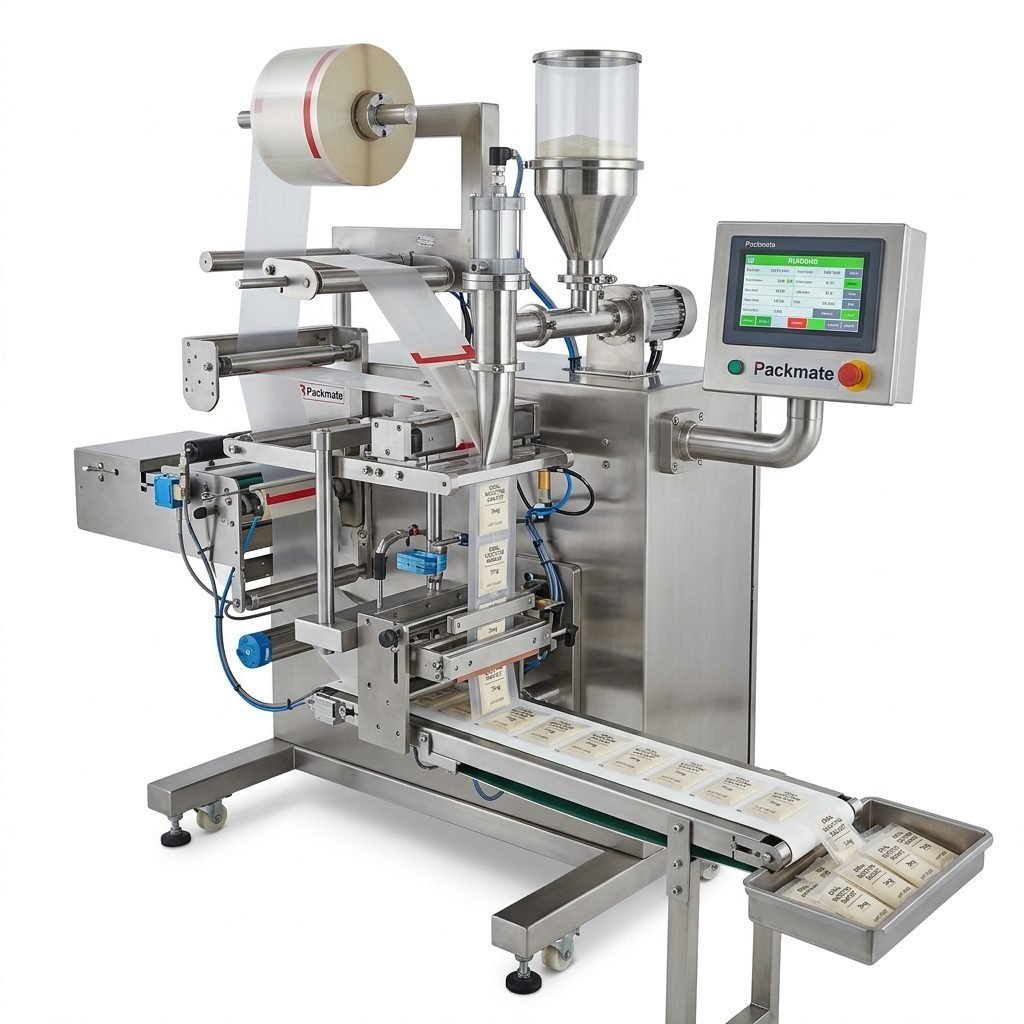
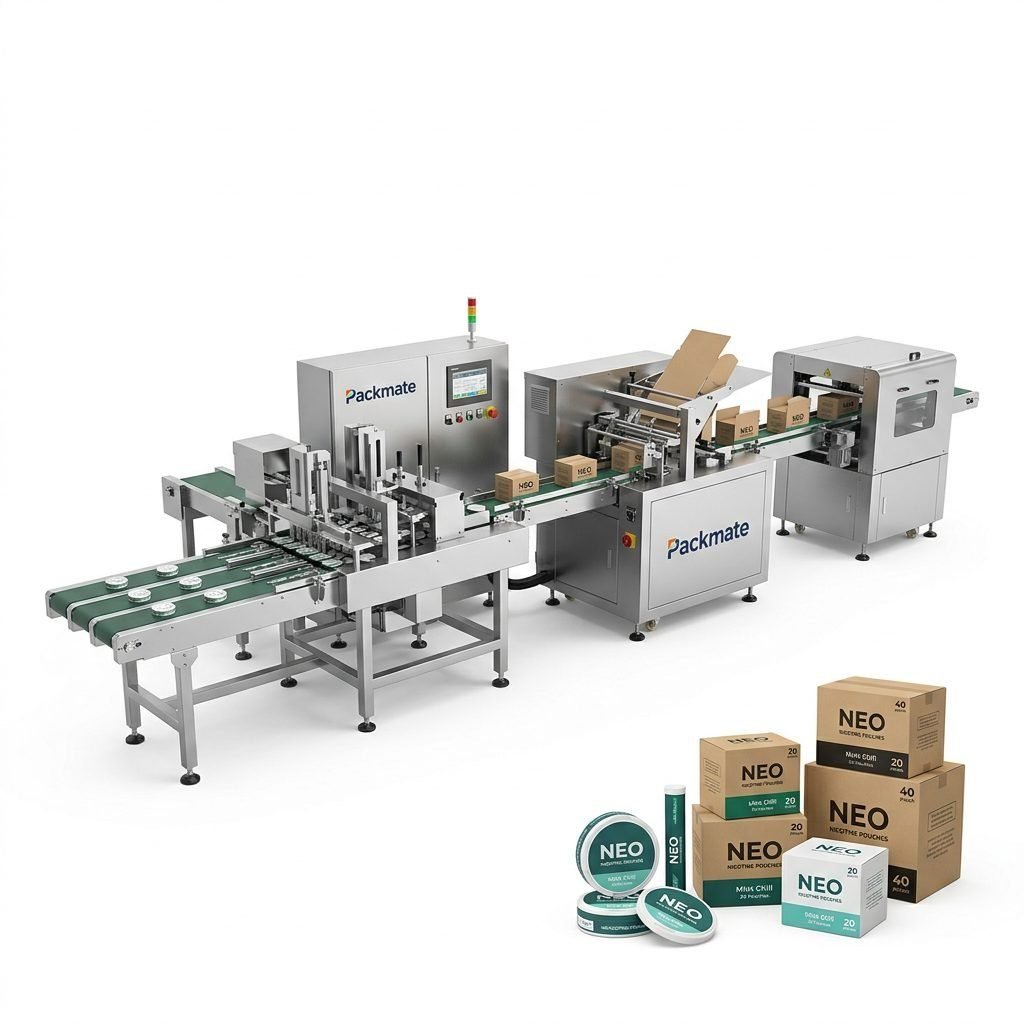
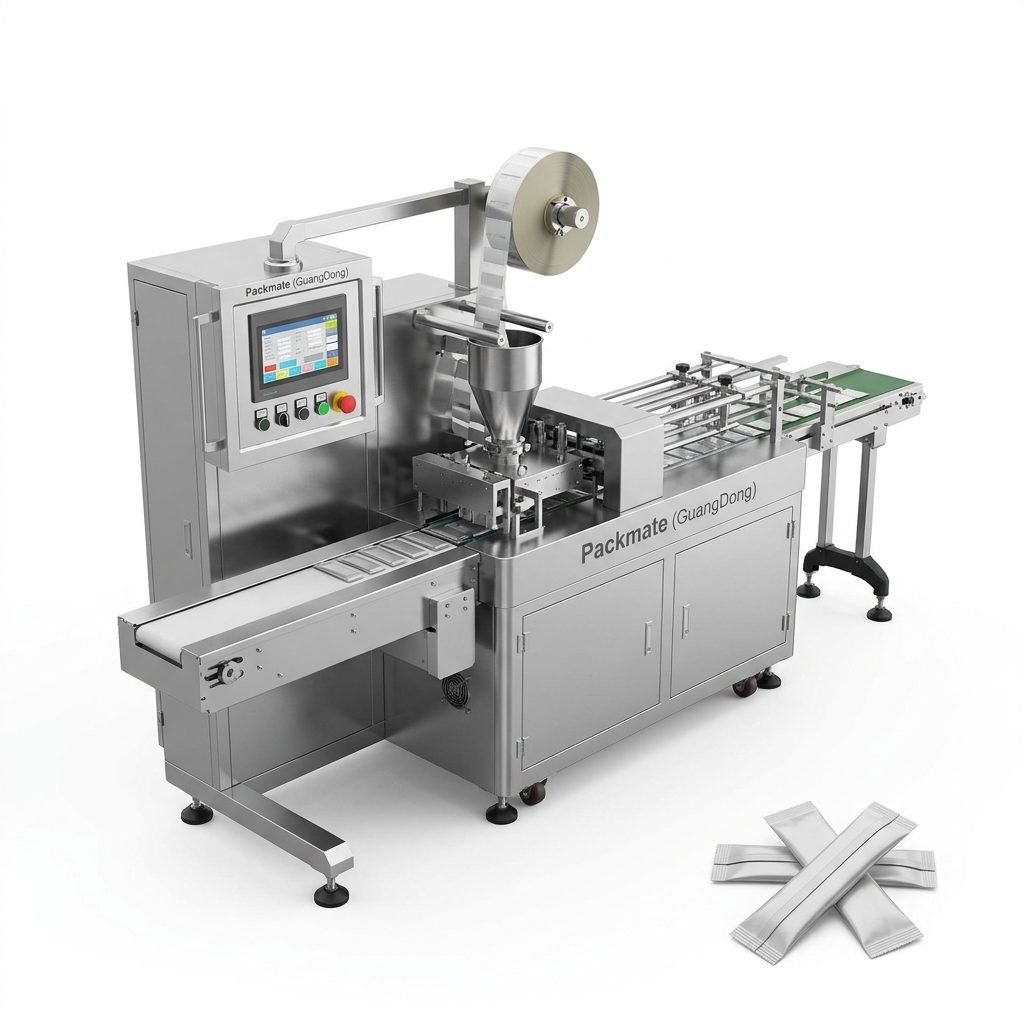
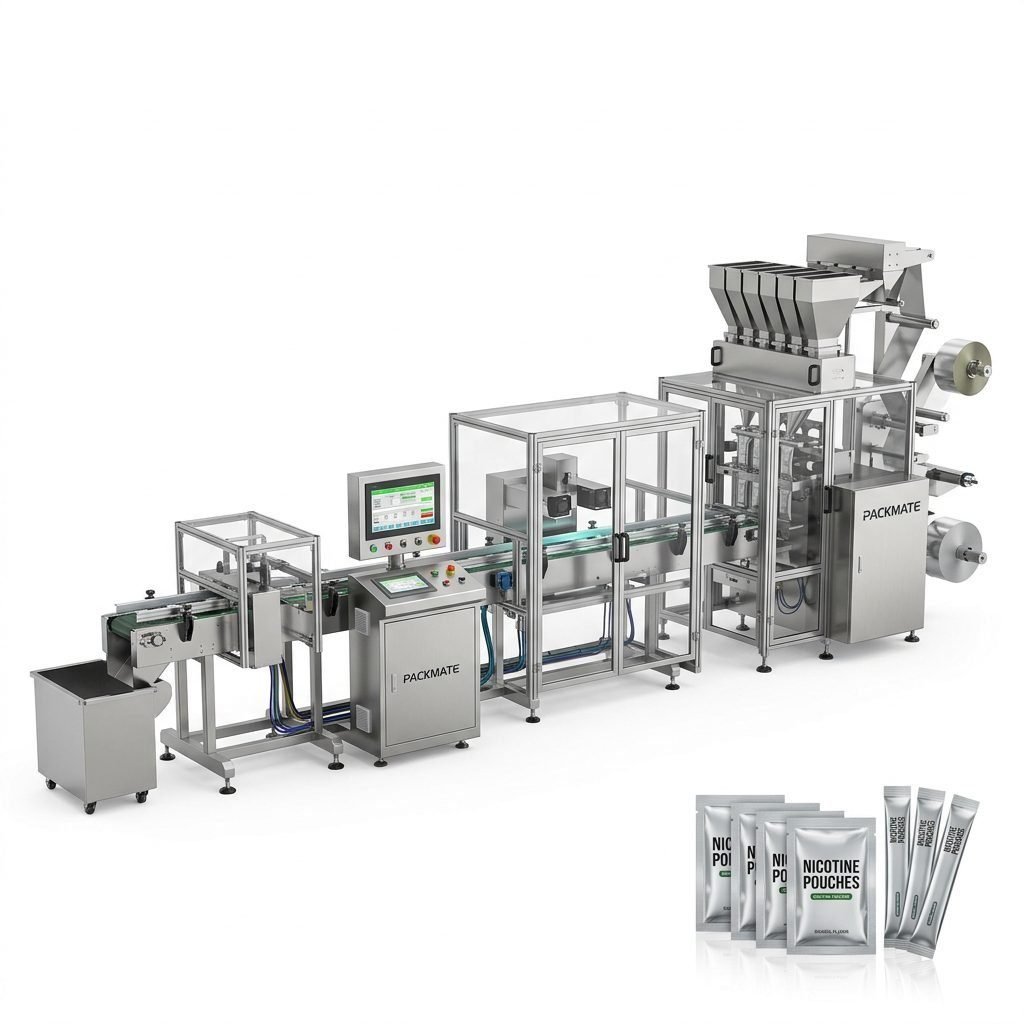
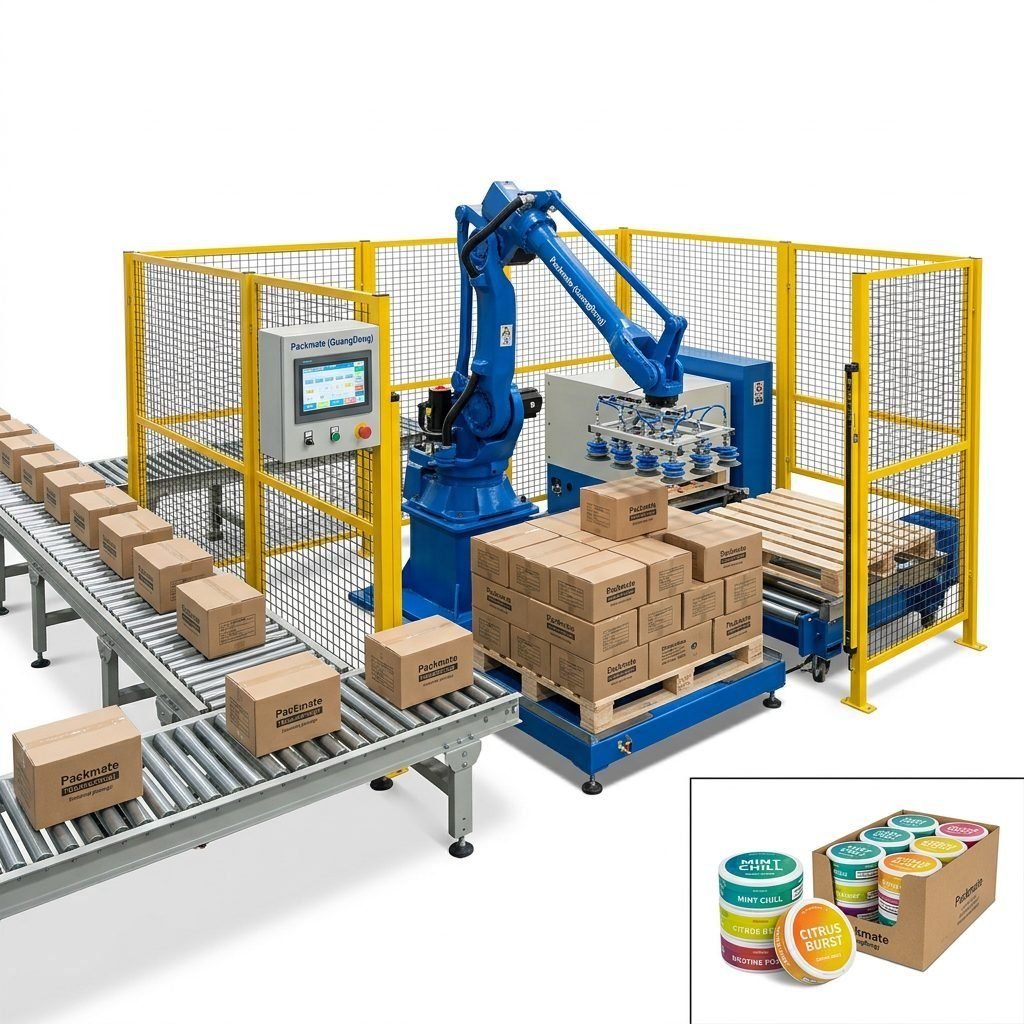
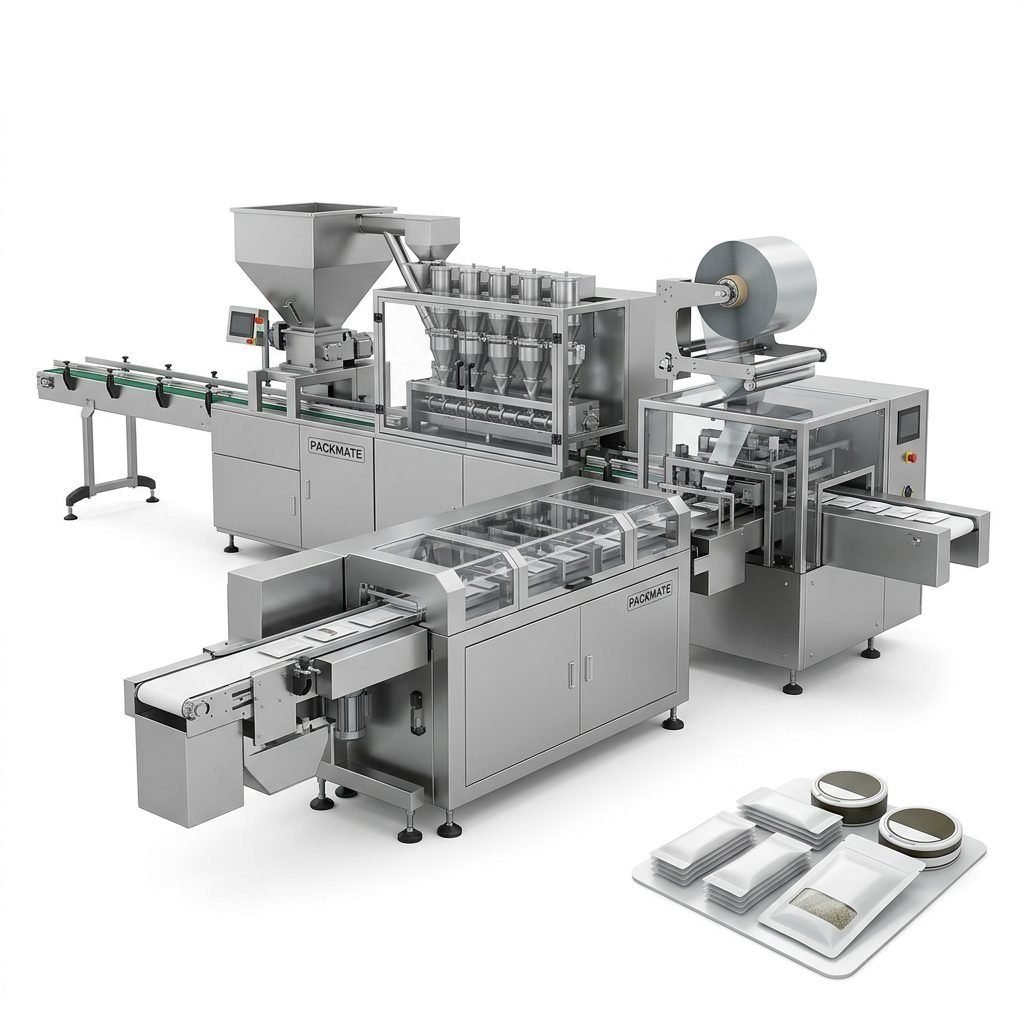
Choosing the right nicotine packaging machinery manufacturer in Turkey can transform your production capabilities, improve product consistency, and reduce total cost of ownership. This guide walks you through practical, procurement-focused steps to evaluate manufacturers, inspect machines, and secure a long-term partnership that supports growth in the snus and nicotine pouch market.
Why consider a Turkish manufacturer for nicotine packaging?
Turkey has become a strategic manufacturing hub with strengths in mechanical engineering, competitive pricing, and convenient logistics between Europe and Asia. Many Turkish manufacturers combine modern CNC production methods with flexible customization options, giving buyers the best balance of quality and cost. When evaluating partners, prioritize companies with proven experience in snus or nicotine systems as the product demands high accuracy and hygienic handling.
What capabilities matter most?
Look for manufacturers who provide:
⚙️ High-precision filling and sealing — Consistent pouch weight, accurate dosing, and robust sealing are essential for nicotine pouch quality.
🔧 Multi-lane and small-dose expertise — Nicotine pouches often require small-dose, multi-lane lines to maintain throughput and reduce variability.
🧩 Turnkey line integration — Suppliers that offer end-to-end solutions (weighing, filling, pouch forming, and packing) simplify commissioning and accountability.
Tip: If you need to review machine types and specs, explore dedicated product pages such as
Snus & Nicotine Packaging Machines
for direct examples of multi-lane and single-lane solutions.
Key evaluation criteria: what to ask and inspect
1. Engineering experience and track record
Prioritize manufacturers with deep industry experience. A company with decades of continuous improvement will have refined solutions for stability and compliance. Look for manufacturing history, a list of machine models, and case studies that highlight real-world deployments. Companies like Packmate highlight their development timeline and global projects—these are valuable signals of maturity.
2. Certifications and regulatory compliance
Ensure machines comply with international standards (CE, ISO). These certifications reflect attention to safety, electrical conformity, and manufacturing quality. Request certificates and ask how the machine design addresses hygiene, cleanability, and material contact surfaces—critical for nicotine products.
3. Factory capabilities and quality control
Inspect the factory or request a virtual tour. Key factory attributes include advanced CNC centers, precision assembly lines, inspection stations, and capacity for custom machining. A manufacturer with a dedicated 20,000㎡ production facility and stringent quality testing systems is better positioned to produce consistent machines and meet large orders.
Checklist: Ask for photos or videos of the CNC area, testing rigs, and assembly lines. Request a list of machine models and sample production reports.
Machine design and technical features to prioritize
The right machine design minimizes downtime and maximizes yield. Focus on mechanical robustness, modularity, and ease of sanitization. Below are features that matter for nicotine pouch and snus lines.
Precision dosing and consistent pouch formation
Accurate dosing systems (volumetric, auger, or weight-based feeders) reduce product giveaway and ensure regulatory compliance. Check tolerance specs, repeatability data, and available dosing technologies for powders, granules, or wet formulations.
Sealing technology and material flexibility
Verify the sealing method works with the pouch material you plan to use. A good manufacturer will test a range of films and provide guidance on barrier properties and heat profiles to avoid leaks and ensure shelf life.
Automation, PLC, and HMI
Modern PLC control, intuitive HMI, and recipe management accelerate changeovers and troubleshooting. Ask about industry-standard components and remote diagnostics capabilities for fast support.
Customization, spare parts, and after-sales service
A reliable manufacturer offers tailored solutions and a clear spare-parts strategy. Evaluate lead times for critical parts, warranty terms, and available service contracts.
Customization and integration
Your production flow may require upstream weighing systems or downstream case packing. Companies that provide modular integration and turnkey lines reduce vendor coordination risks. Review product bundles such as filling & packaging lines or weighing systems and how they are validated together.
Explore integrated systems on pages like
Filling & Packaging Lines
and
Weighing & Packaging Systems
to understand how components work together for continuous production.
Important: Confirm spare-part availability, part numbers, and whether the manufacturer stocks critical wear parts locally or ships from the factory.
Installation, training, and commissioning
Request a clear plan for on-site commissioning, operator and maintenance training, and performance validation. A thorough commissioning process should include acceptance tests, production run trials, and documentation of machine settings.
Remote support and global footprint
For international buyers, remote troubleshooting and local partner networks reduce downtime. Check the manufacturer’s global exhibition schedule and case references to see how they support international clients. You can learn about some projects and exhibition presence from the manufacturer’s case and exhibition pages.
Example resources:
Case,
Our Exhibition
Commercial considerations: price, lead time, and ROI
Price is important, but total cost of ownership (TCO) matters most. Evaluate energy consumption, maintenance intervals, downtime history, consumables, and expected life-cycle costs. Ask for sample ROI calculations based on your production targets and product mix.
Negotiation points
Negotiate clear delivery milestones, penalty clauses for late delivery, and acceptance criteria for performance testing. Clarify warranty coverage and options to purchase extended service contracts or spare-part kits.
ROI checklist: Target throughput, expected yield improvement, energy reduction opportunities, and maintenance savings.
Factory acceptance and performance verification
Insist on Factory Acceptance Tests (FAT) that replicate your production conditions. FAT should include product runs with your materials, cycle-rate verification, and sealing tests. A robust FAT reduces surprises during site installation and allows you to approve machine performance before shipment.
What to include in FAT
– Reproducible runs with your film and formulation
– Measurement of fill accuracy and yield
– Audible and vibration checks for mechanical stability
– Safety and interlock function tests
Selecting suppliers: questions to ask during evaluation
Use a standardized questionnaire to compare suppliers objectively. Key questions include:
📌 What is your experience with nicotine/snuss pouch lines?
📌 Can you provide FAT reports and customer references?
📌 What is included in the standard warranty and what are the optional service contracts?
📌 Lead time for delivery and spare parts availability?
Why Packmate (Packmate Snus Machine) is a candidate to consider
When researching manufacturers, consider their engineering longevity and product breadth. A company with 30+ years of development and a broad product lineup—covering snus packing machines, stick pack, sachet, and multi-lane systems—can provide tested solutions and turnkey lines. Look for manufacturers who also detail factory capabilities, certifications, and global service networks.
For company-specific details, you can review their corporate profile and service offerings on the About Packmate and Service pages to learn about manufacturing capacity and support options.
Practical procurement timeline and next steps
A realistic procurement timeline helps manage expectations:
– Week 1–2: Requirements gathering and RFQ issuance
– Week 3–5: Technical proposals, sample tests, and vendor Q&A
– Week 6–8: Supplier selection, contract negotiation, and deposit
– Week 12–24: Manufacturing, FAT, documentation, and shipment (lead times vary by complexity)
– On-site: Installation, commissioning, and operator training
Quick action items: Prepare material specs, target throughput, and required acceptance criteria before contacting manufacturers to get accurate quotes quickly.
Final checklist before signing a purchase agreement
– Confirm FAT scope and acceptance metrics
– Validate warranty, spare part turnaround, and service response times
– Secure documentation: electrical schematics, PLC code, and maintenance manuals
– Agree on packaging, shipping terms, and installation responsibilities
Contact and follow-up
When you’re ready to request quotes or schedule a factory visit, use the manufacturer’s contact page for direct coordination: Contact Us.
Summary — make a confident, data-driven decision
Selecting the right nicotine packaging machinery manufacturer in Turkey requires a balance of technical vetting, commercial diligence, and clear operational expectations. Focus on engineering experience, certifications, factory capabilities, integration options, and after-sales support. Use FATs, factory inspections, and reference checks to confirm claims. Prioritize suppliers who can demonstrate proven snus or nicotine pouch solutions and who offer turnkey services to minimize integration risk.
Frequently Asked Questions
Q1: How long does it typically take to receive a turnkey nicotine pouch line?
Lead times depend on complexity and customization, but a typical turnkey delivery can range from 12 to 24 weeks after contract signing. Complex multi-lane systems or custom integrations may take longer.
Q2: What certifications should I demand for nicotine packaging equipment?
Ask for CE and ISO-related documentation, plus test reports demonstrating electrical safety and hygienic design. If you need compliance for specific markets, request relevant certificates and conformity declarations.
Q3: Can manufacturers supply multi-lane systems for small-dose pouches?
Yes — many manufacturers specialize in multi-lane systems designed for high throughput of small-dose pouches. Verify lane balance, synchronization, and fill accuracy during FAT.
Q4: What support is typical after installation?
Standard support includes commissioning assistance, operator training, and a warranty period. Extended service contracts, remote diagnostics, and spare-part kits are often available for purchase to reduce downtime.