Botswana’s snus and nicotine pouch market is growing, and manufacturers who plan to start or scale production there must select packaging machinery that balances capacity, compliance, and cost. This guide explains what to consider when choosing snus packaging machinery in Botswana, highlights key machine types, and outlines how to evaluate suppliers and after-sales support.
Why Packaging Machinery Choice Matters in Botswana
Botswana presents unique logistical, regulatory, and market dynamics. Local distribution channels, import duties, staff skill levels, and demand patterns all influence the right equipment selection. Choosing inappropriate machinery can result in high operating costs, production downtime, or regulatory non-compliance.
Key Business Drivers to Assess
Evaluate your production targets, product formats (e.g., single-dose pouches, sachets, or stick packs), packaging materials, shelf-life requirements, and budget. Also consider future growth: will you scale to multiple lanes or different pack formats? A clear business plan helps narrow machine choices.
Tip: Start with a one-year production forecast. Machines are best matched to realistic throughput needs rather than optimistic maximums.
Types of Snus Packaging Machinery
Packaging equipment for snus and nicotine pouches comes in several configurations. Choosing the right type depends on your product format and required throughput.
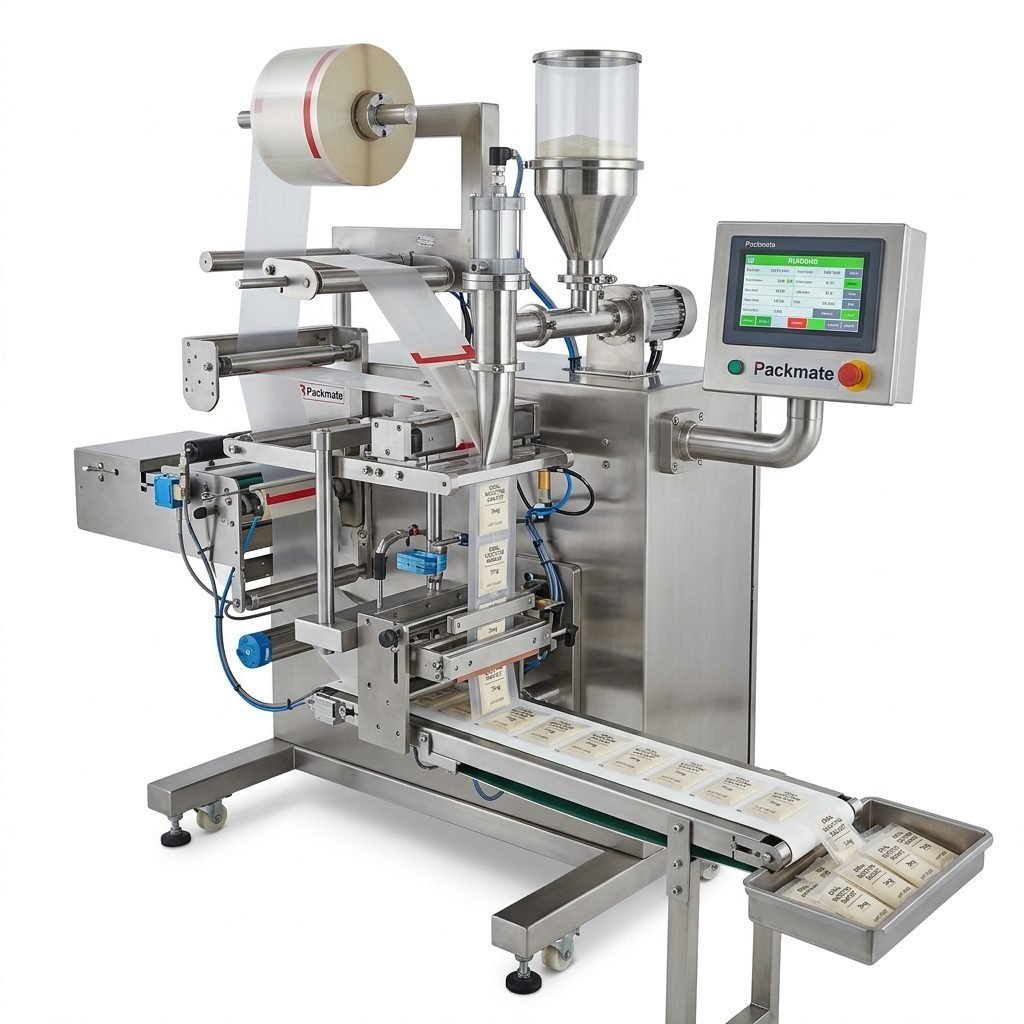
Sachet & Stick Pack Machines
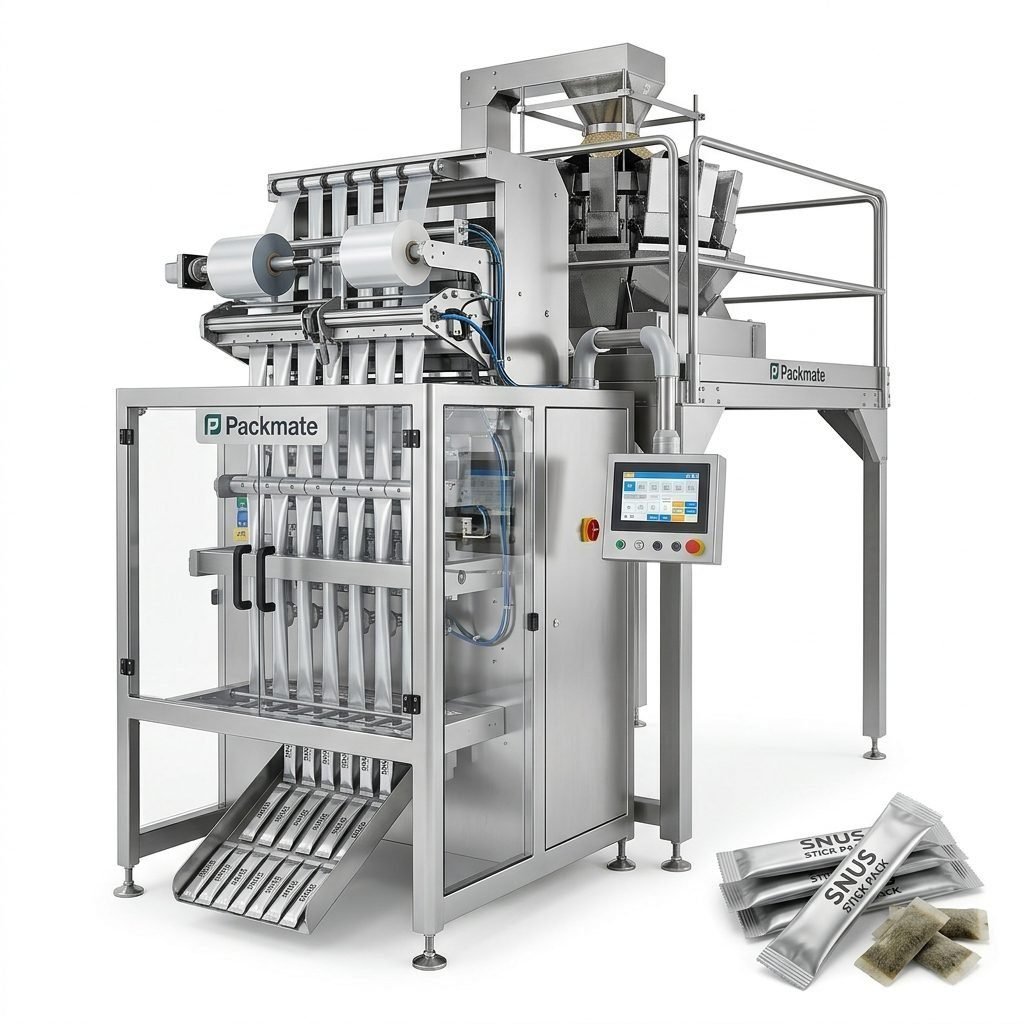
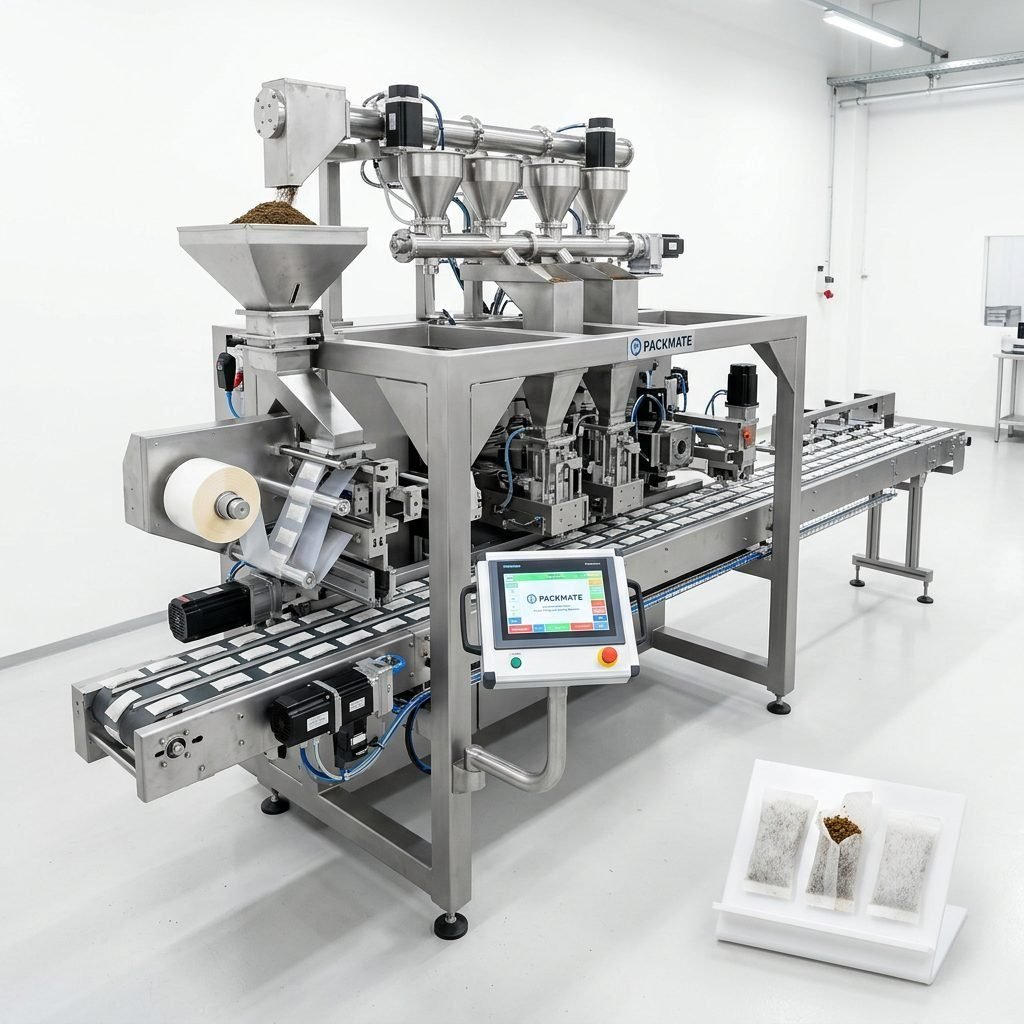
Sachet and stick pack machines are ideal for small-dose products and single-serve formats. They are flexible, relatively compact, and suitable for startups or product lines with frequent format changes. Explore models and specifications under Sachet & Stick Pack Machines for details.
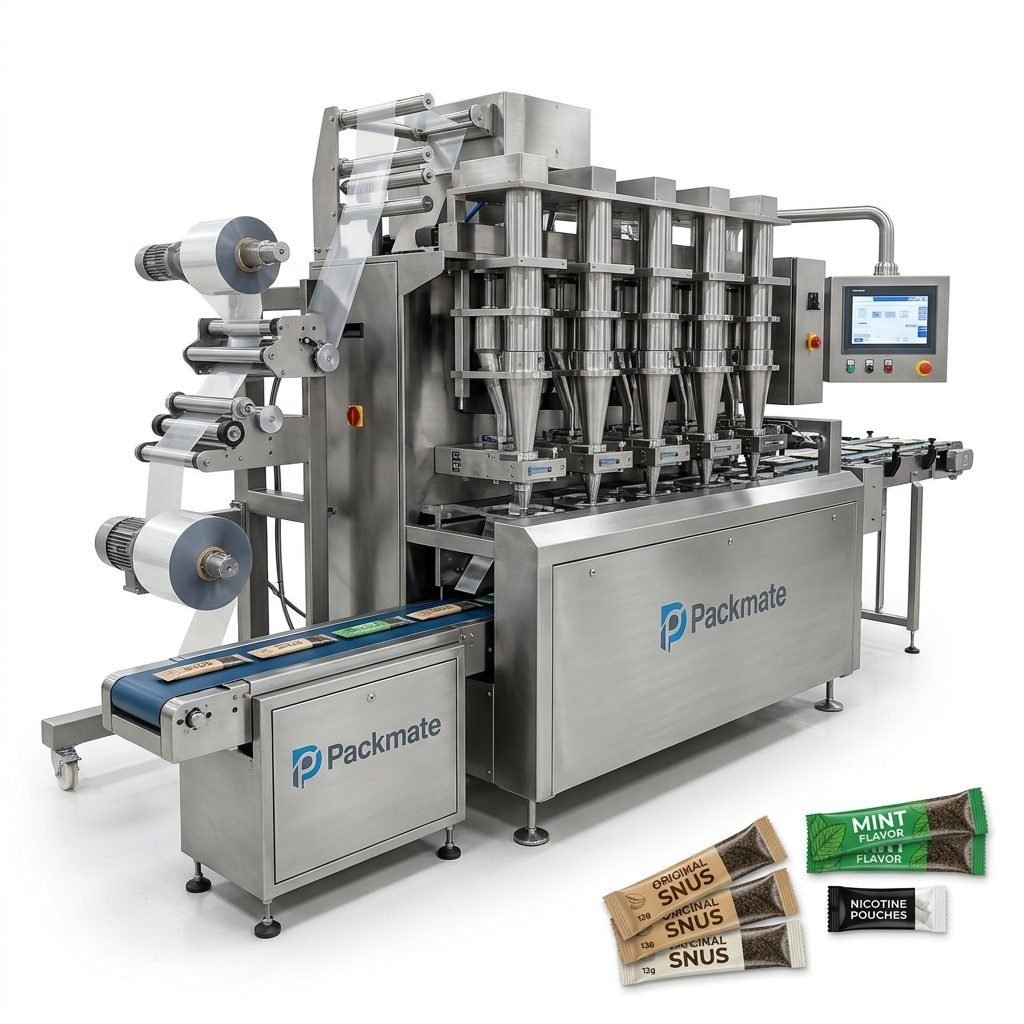
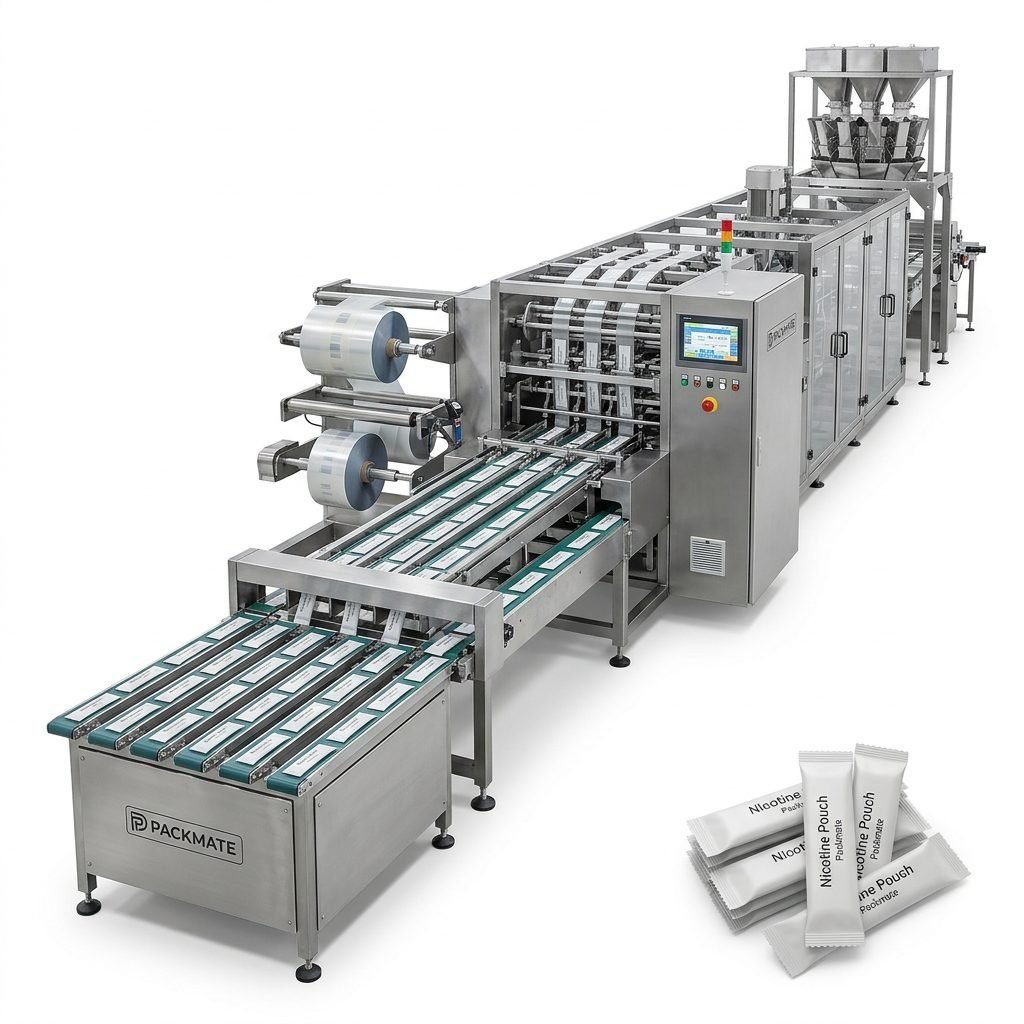
Multi-lane Snus & Nicotine Packaging Machines
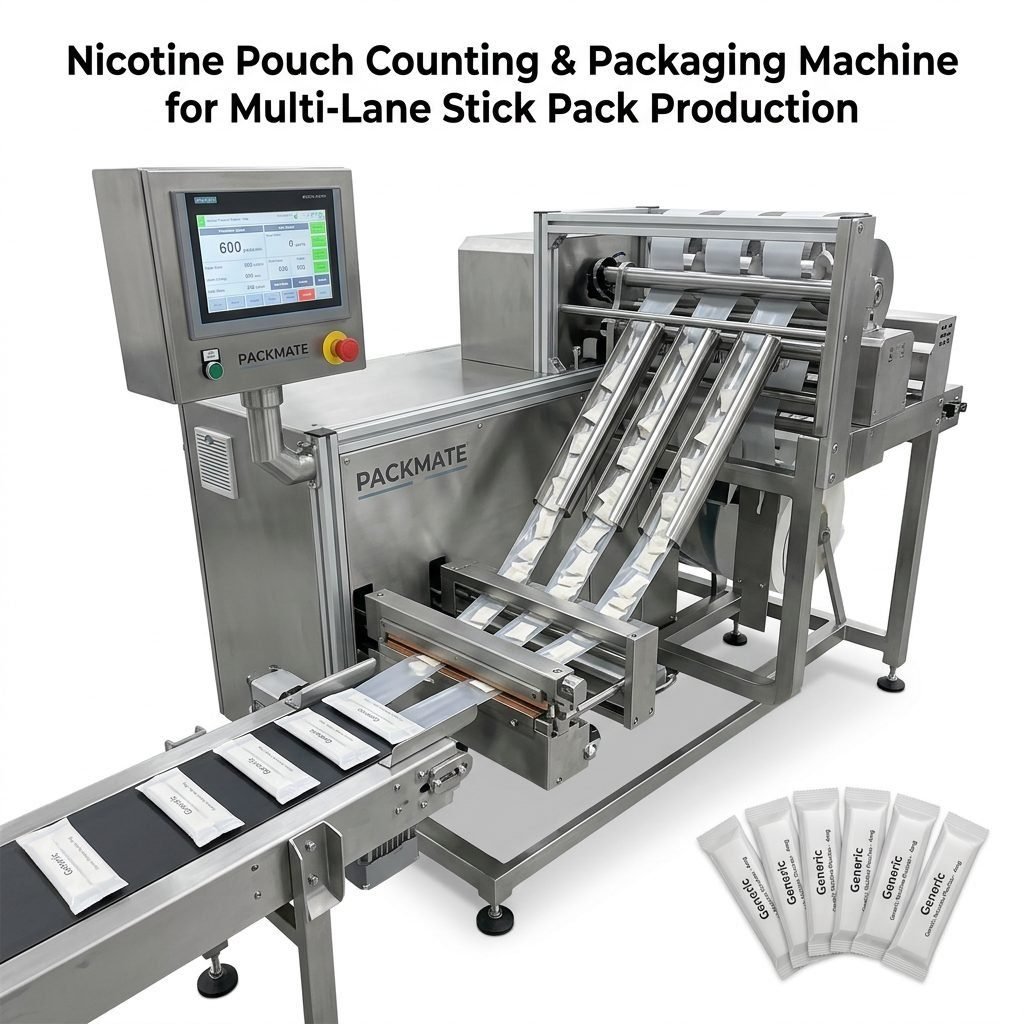
Multi-lane systems boost throughput by producing multiple pouches simultaneously. They are suited to medium and large operations that need high output and consistent product quality. For industrial-scale solutions, review Snus & Nicotine Packaging Machines options.
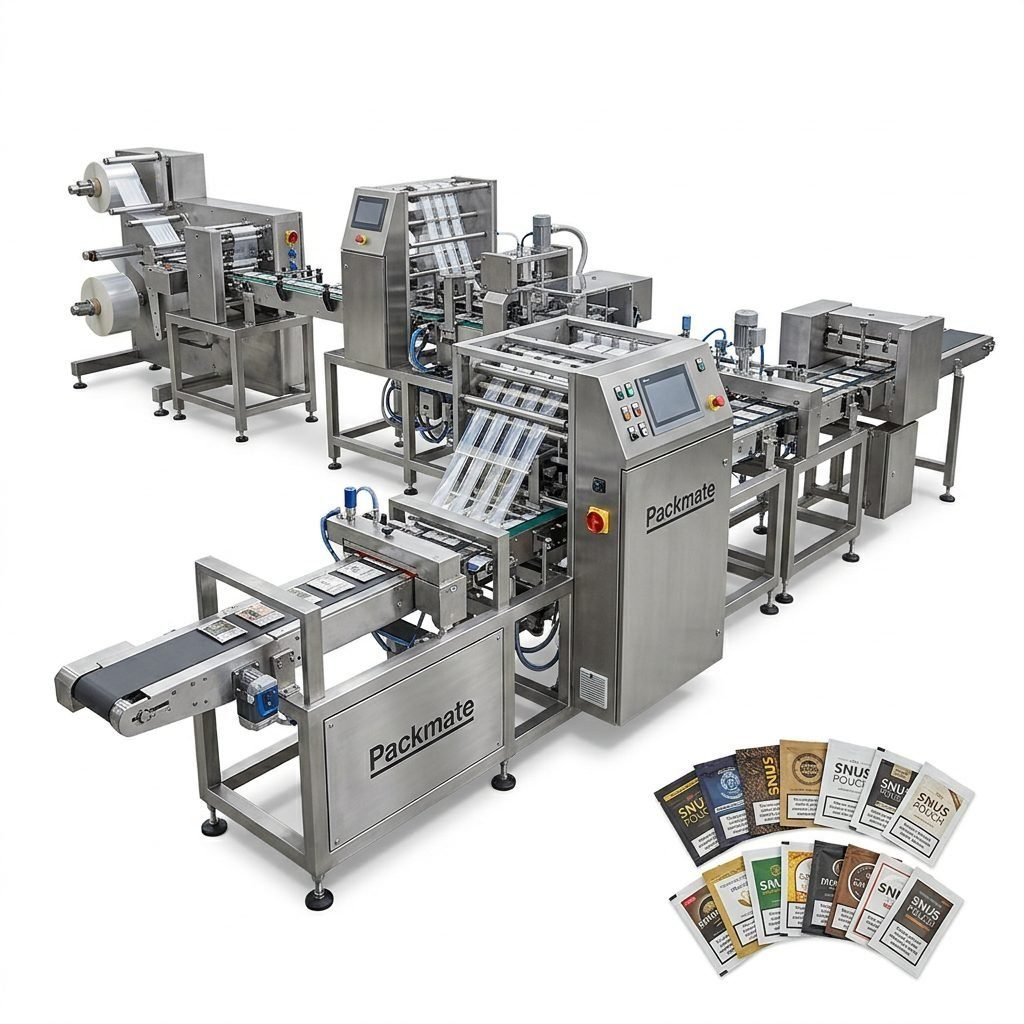
Filling & Packaging Lines
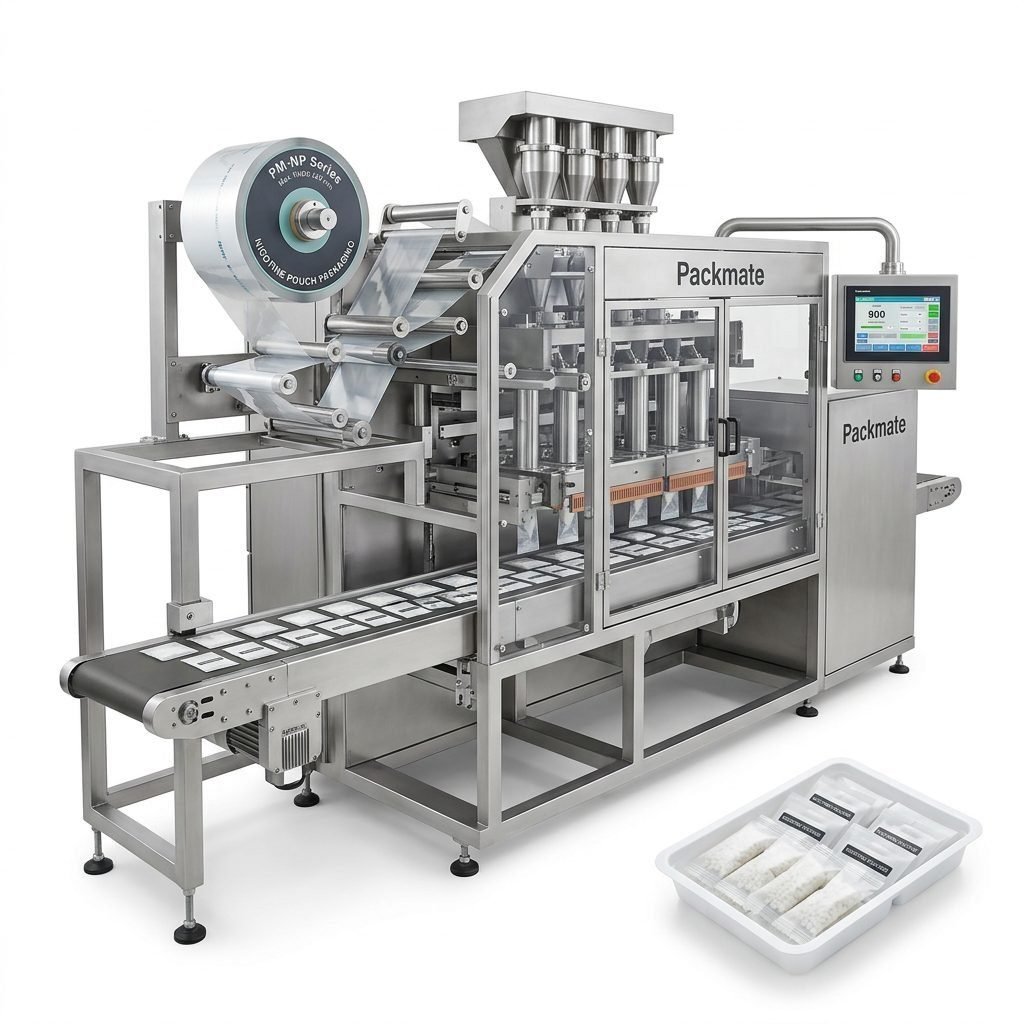
Integrated filling and packaging lines combine dosing, pouch forming, sealing, and sometimes secondary packing into cartons. They reduce manual handling and increase sanitary control — essential for nicotine pouch production. Linking weighing and filling systems can improve accuracy and efficiency; check Filling & Packaging Lines for integrated solutions.
Important: If you plan to package multiple SKUs, prioritize machines with quick changeovers and modular tooling.
Technical Criteria: What to Check on the Specification Sheet
Carefully compare technical specifications to ensure the machine meets operational needs.
Throughput
Throughput is usually expressed in pouches per minute (ppm) or lanes × ppm. Match machine capacity with realistic production hours — consider maintenance downtime and changeovers.
Accuracy & Dosing
High dosing accuracy reduces waste and ensures regulatory compliance for nicotine content. Check compatibility with your dosing system: auger filler, servo-controlled volumetric, or multi-head weighers.
Materials & Seal Integrity
Confirm the machine can handle your chosen film types and laminate structures. Reliable sealing systems are critical for shelf life and product safety.
Checklist: throughput, dosing method, film compatibility, seal temperature range, cleaning access, and spare parts availability.
Operational Considerations for Botswana
Operating conditions in Botswana — such as climate, power stability, and labor skills — shape machine preferences.
Power and Environment
Ensure machines support local voltage and offer protection against power fluctuations. High ambient temperatures and dust require equipment with robust ventilation and easy-to-clean surfaces.
Local Service & Spare Parts
Availability of spare parts and local technical support reduces downtime. When evaluating suppliers, verify spare parts lead times and stock policies. Packmate Snus Machine offers global turnkey solutions with spare parts and service, which may be relevant when selecting a partner.
Supplier Evaluation: What to Ask Manufacturers
Choosing the right supplier is as important as choosing the machine. Use these questions during vendor discussions.
📦 Can you provide references or case studies in similar markets? (Ask for examples of installations in Africa or similar climates.) See Case examples for reference.
⚙️ What is the expected installation timeline, and do you offer on-site commissioning and operator training?
✅ What warranty, preventive maintenance plans, and remote support options are available? Confirm the typical mean time between failures (MTBF) data.
Ask for: CE and ISO certificates, a detailed parts list, training schedules, and a spare parts kit for first six months of operation.
Cost Analysis: Beyond the Purchase Price
Evaluate total cost of ownership (TCO) rather than just capital expense.
– Energy consumption: high-speed multi-lane systems consume more power. Plan for energy costs in Botswana.
– Maintenance and spare parts: factor in lead times, import duties, and local technician availability.
– Training and quality assurance: initial training and ongoing QA checks can reduce waste and rework.
Return on Investment (ROI)
Calculate ROI by comparing TCO against expected revenue: consider production volume, yield improvements from higher accuracy, and reduced labor costs from automation.
Compliance and Documentation
Nicotine-containing products often face strict labeling and safety requirements. Ensure machines can handle label application, coding, and serialization if required. Reliable documentation and compliance certificates (CE, ISO) help with customs clearance and local regulatory approvals — you can review Certificate details from reputable suppliers.
Installation, Training, and After-Sales Service
Plan installation logistics early: crating, transport, customs, local rigging, and floor preparation. Choose suppliers that provide thorough commissioning and operator training. After-sales service options, including remote diagnostics and spare parts kits, are essential for uninterrupted production — check Service and Contact Us pages when discussing options.
Quick Guide: Insist on a field service agreement for the first 12 months and online training modules for new operators.
Case Study Snapshot
A medium-sized manufacturer in Southern Africa upgraded from single-lane stick pack machines to a 4-lane snus packaging line. Results included a 3x increase in output, 15% reduction in material waste due to improved dosing accuracy, and 20% lower labor costs. Consider similar scaling paths when planning capacity investments.
For reference collections of similar projects, review Case examples that highlight real-world installations and outcomes.
How Packmate Can Help
Packmate Snus Machine brings 30+ years of experience in snus packaging, extensive factory capabilities, and a range of tailored solutions. Whether you need a compact sachet line, a high-speed multi-lane snus system, or a complete filling and packaging line, Packmate provides turnkey systems, spare parts, and training. Learn more About Packmate for company history and capabilities.
Explore product ranges such as Bag & Pouch Packaging Machines and Weighing & Packaging Systems to match specific production needs.
Practical Steps to Make a Decision
1. Create a detailed product specification sheet (format, film, dosing tolerance).
2. Determine realistic production volumes and target throughput.
3. Shortlist 2–3 machine models and request sample pouches or on-site demos where possible.
4. Compare TCO, spare parts availability, and service agreements.
5. Plan installation logistics, training, and a phased ramp-up schedule to test and optimize production.
Contacting Suppliers: Use the Contact Us page to request machine specs, lead times, and local references. When possible, ask for a site visit or virtual demo.
Final Recommendations
– Choose machines that match your current needs but support modular upgrades.
– Emphasize spare parts availability and on-site service for Botswana to minimize downtime.
– Prioritize dosing accuracy and seal integrity to meet product safety and shelf-life requirements.
Useful Links
– Explore product categories: Snus & Nicotine Packaging Machines
– Learn about stick packs and sachets: Sachet & Stick Pack Machines
– Review company background: About Packmate
– See real-world installations: Case
Frequently Asked Questions
Q: What machine type is best for a startup in Botswana?
A: For startups, sachet or single-lane stick pack machines are often best due to lower capital cost, flexibility, and ease of operation.
Q: How important is multi-lane equipment for snus production?
A: Multi-lane systems significantly increase output and are cost-effective at scale. They are ideal when demand justifies higher throughput and you have stable production recipes.
Q: What are common maintenance challenges in Botswana?
A: Challenges include power instability, dust ingress, and spare parts lead time. Address these with surge protection, sealed enclosures where possible, and a local spare parts strategy.
Q: Can suppliers provide installation and training in Botswana?
A: Many reputable suppliers offer on-site commissioning and training or remote support where travel is restricted. Confirm availability and costs during the procurement phase.
Q: How do I verify machine compliance and documentation?
A: Request CE and ISO certificates, technical datasheets, and compliance documentation for electrical, safety, and quality standards before purchase.