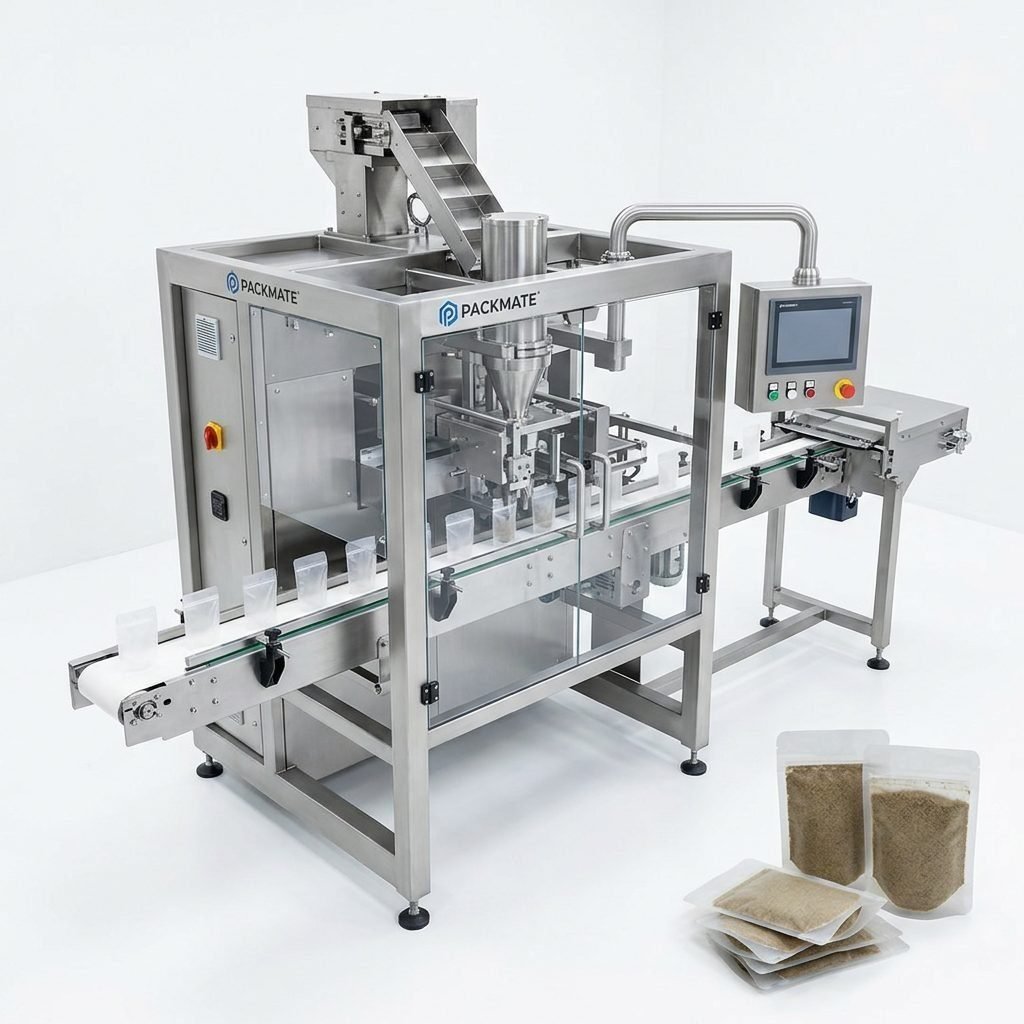
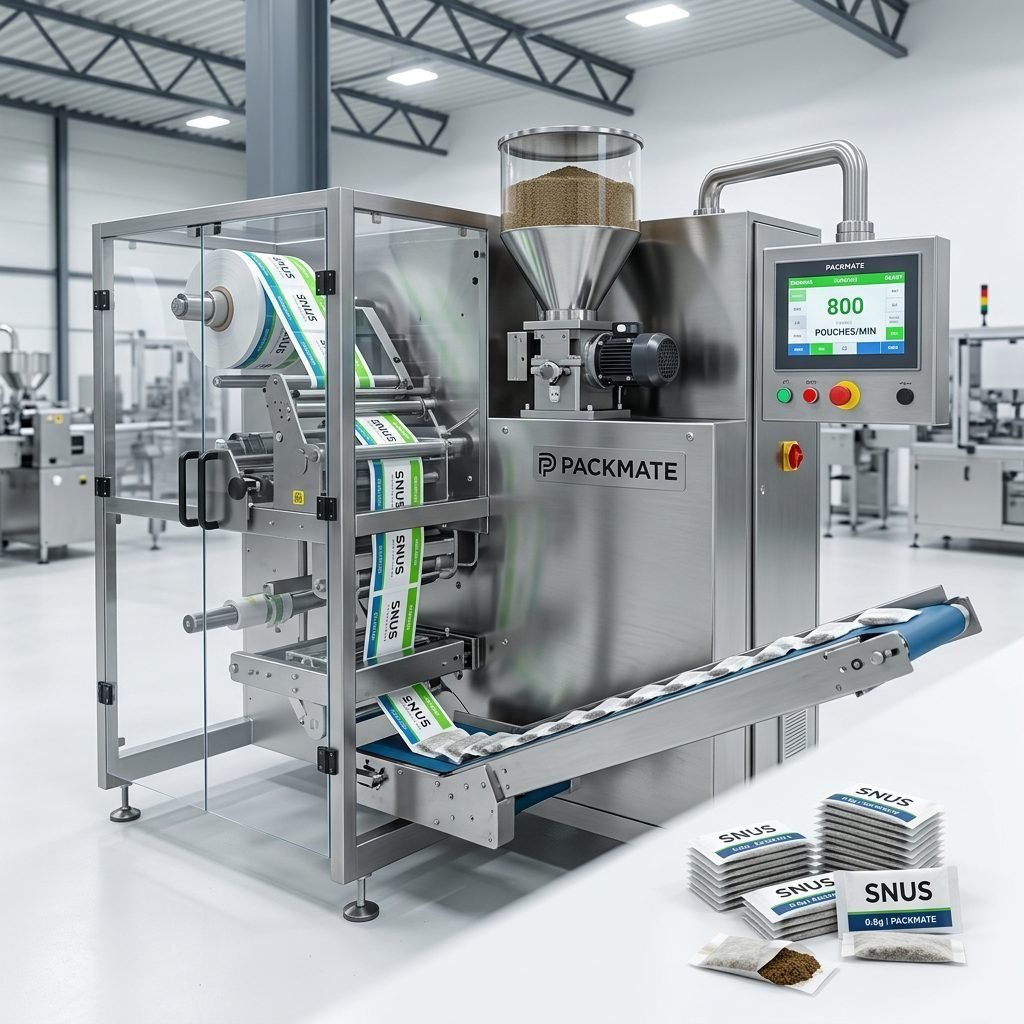
Choosing the right snus packaging machine manufacturer is a critical decision for sellers and producers in Laos who want to scale production, maintain product quality, and meet regulatory requirements. This guide walks you through every step—from machine types and capacity planning to quality assurance, customization, and after-sales support—so you can make a confident, cost-effective purchase that fits your business needs.
Understand Your Product and Packaging Format
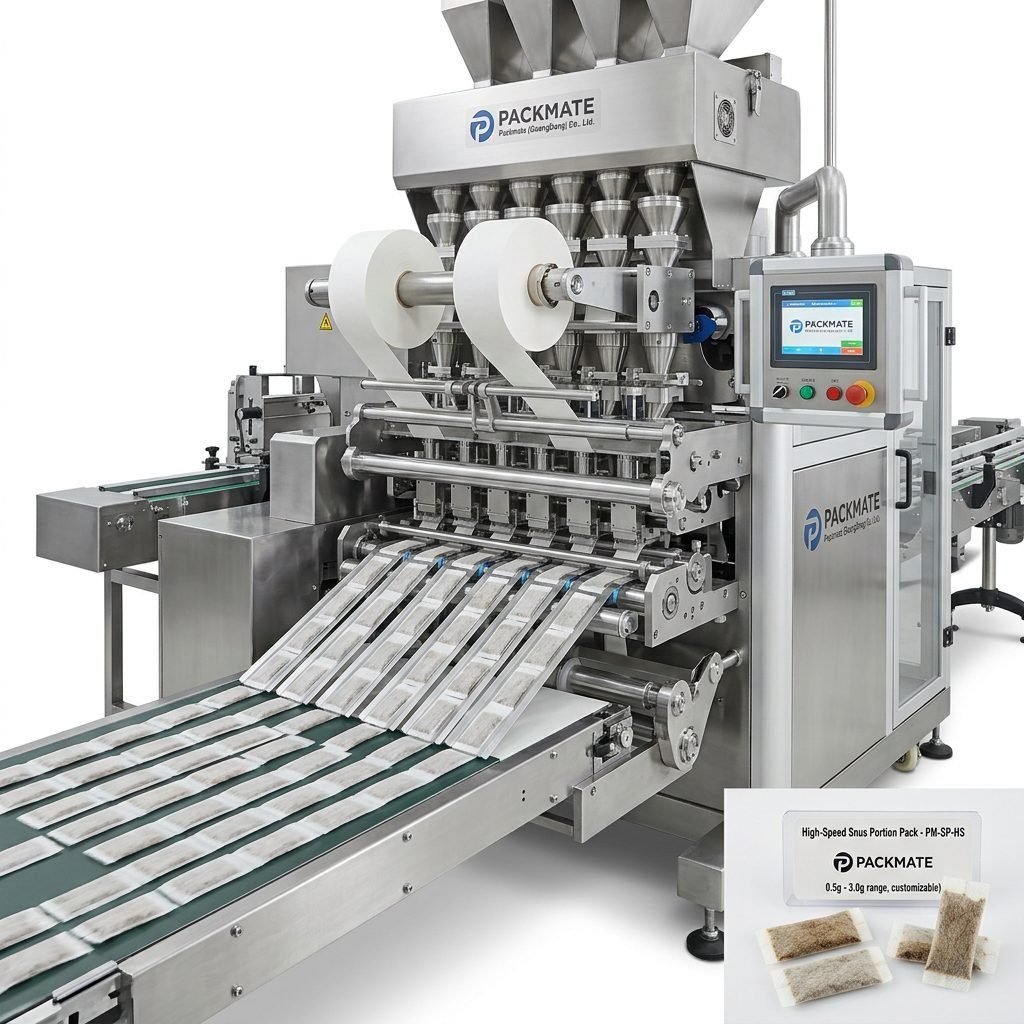
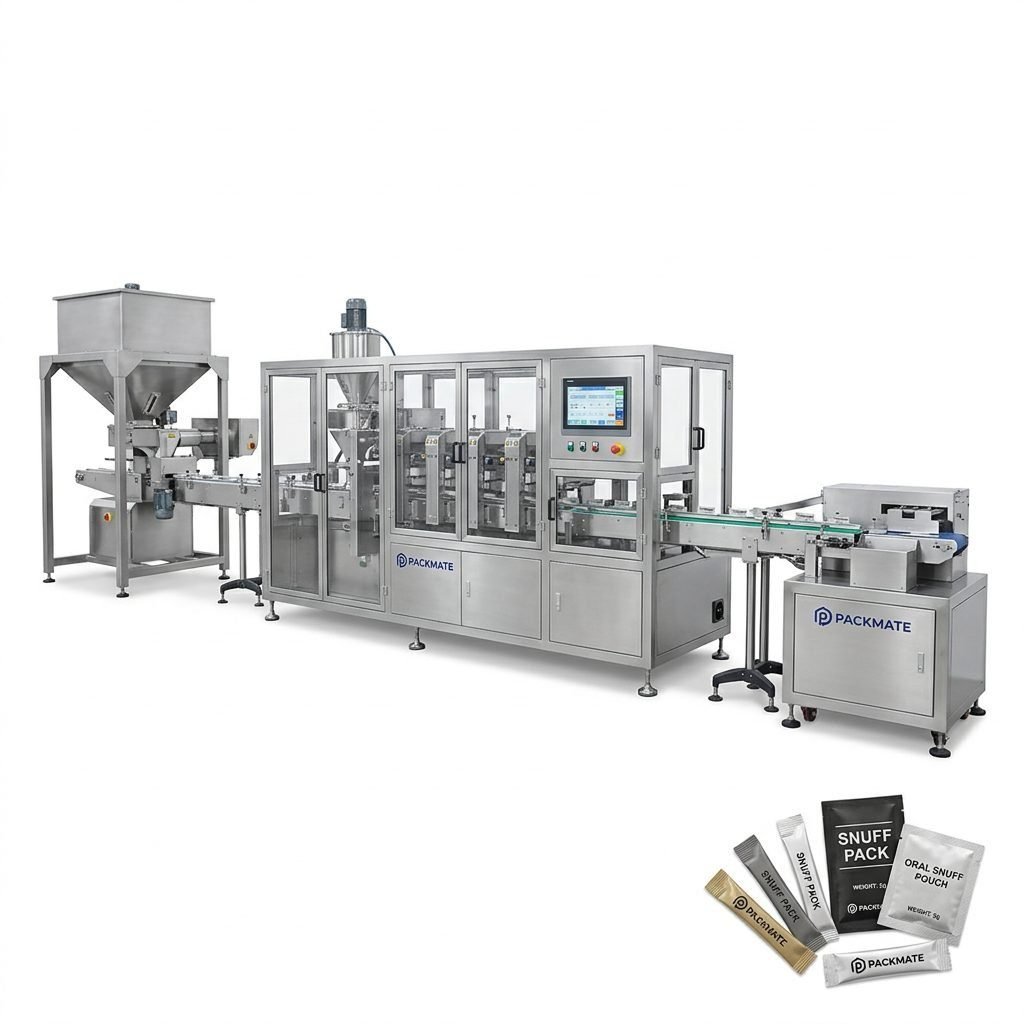
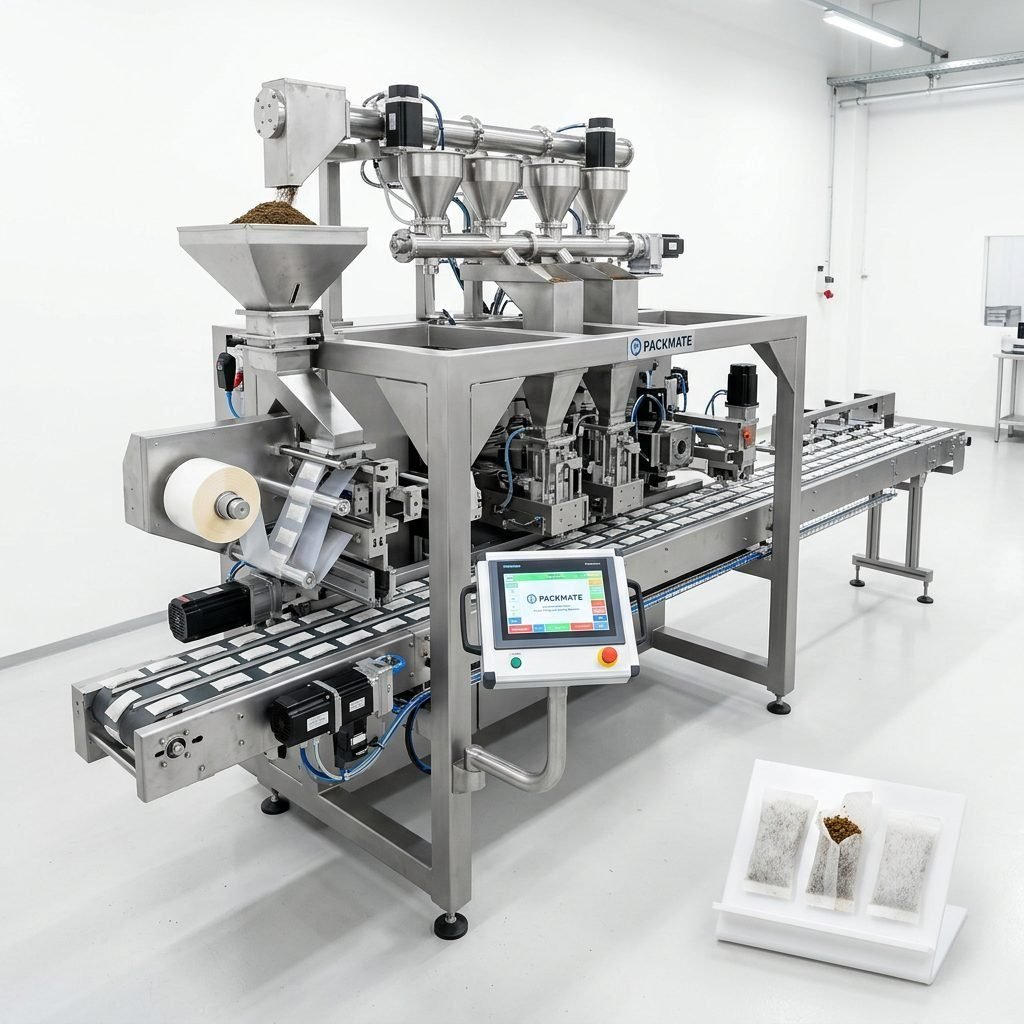
🔍 Start by defining the exact product you will package: nicotine pouches, snus, tea, powders, or granules. Each product type demands different filling and sealing technologies. For snus and nicotine pouches, look for machines optimized for small-dose pouches and multi-lane output.
Key packaging formats to consider:
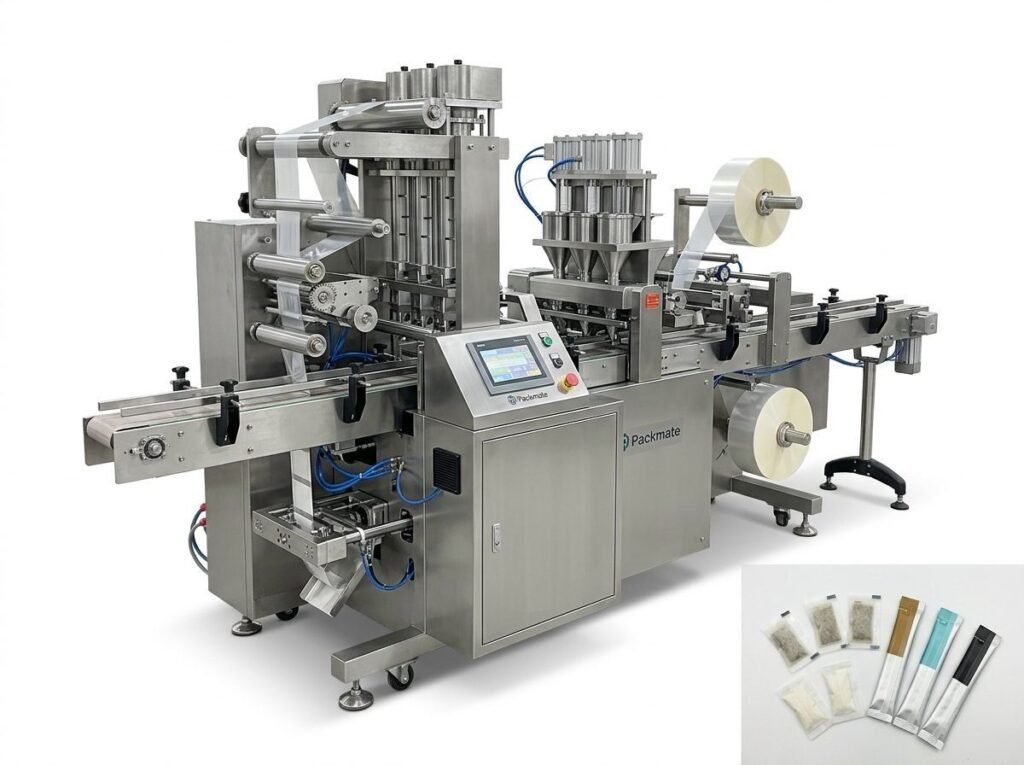
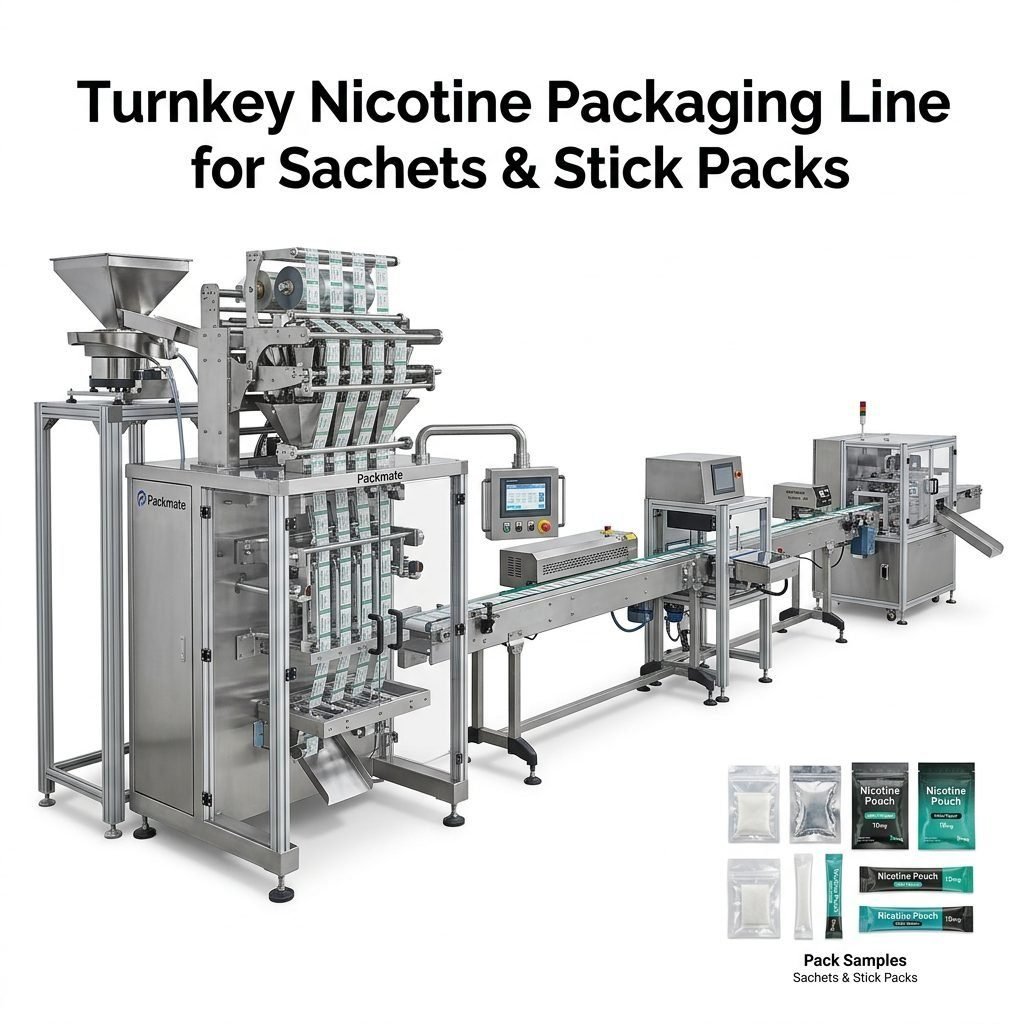
• Stick pack machines — space-efficient, ideal for single-dose stick pouches.
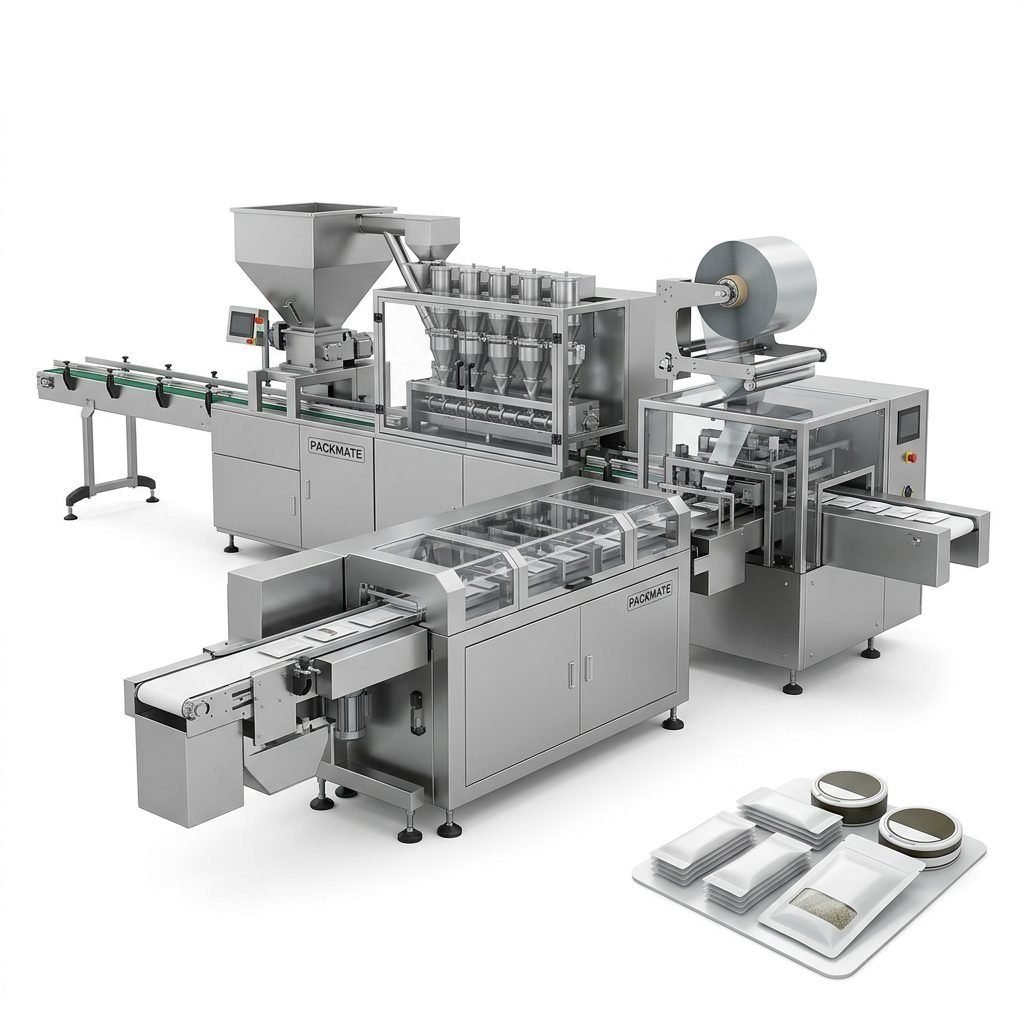
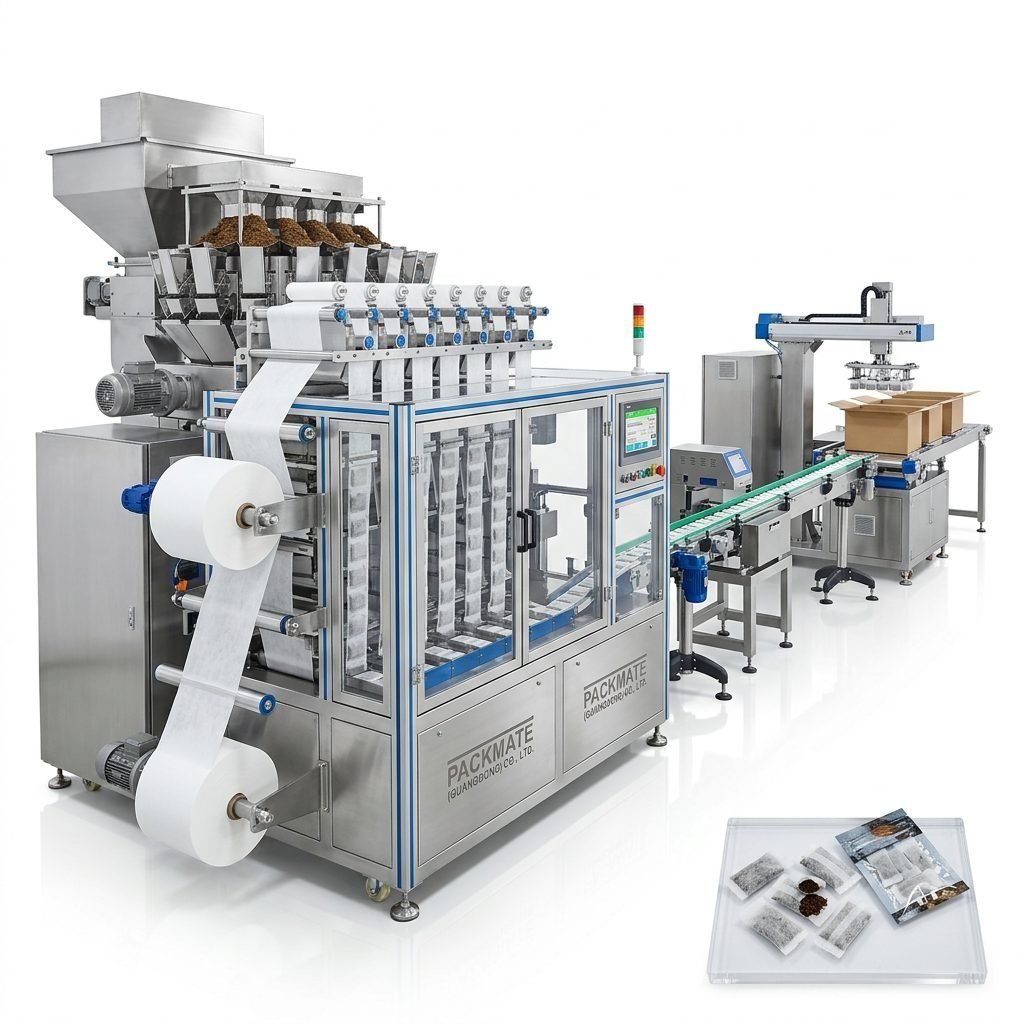
• Sachet & multi-lane systems — high throughput for small pouches and sachets.
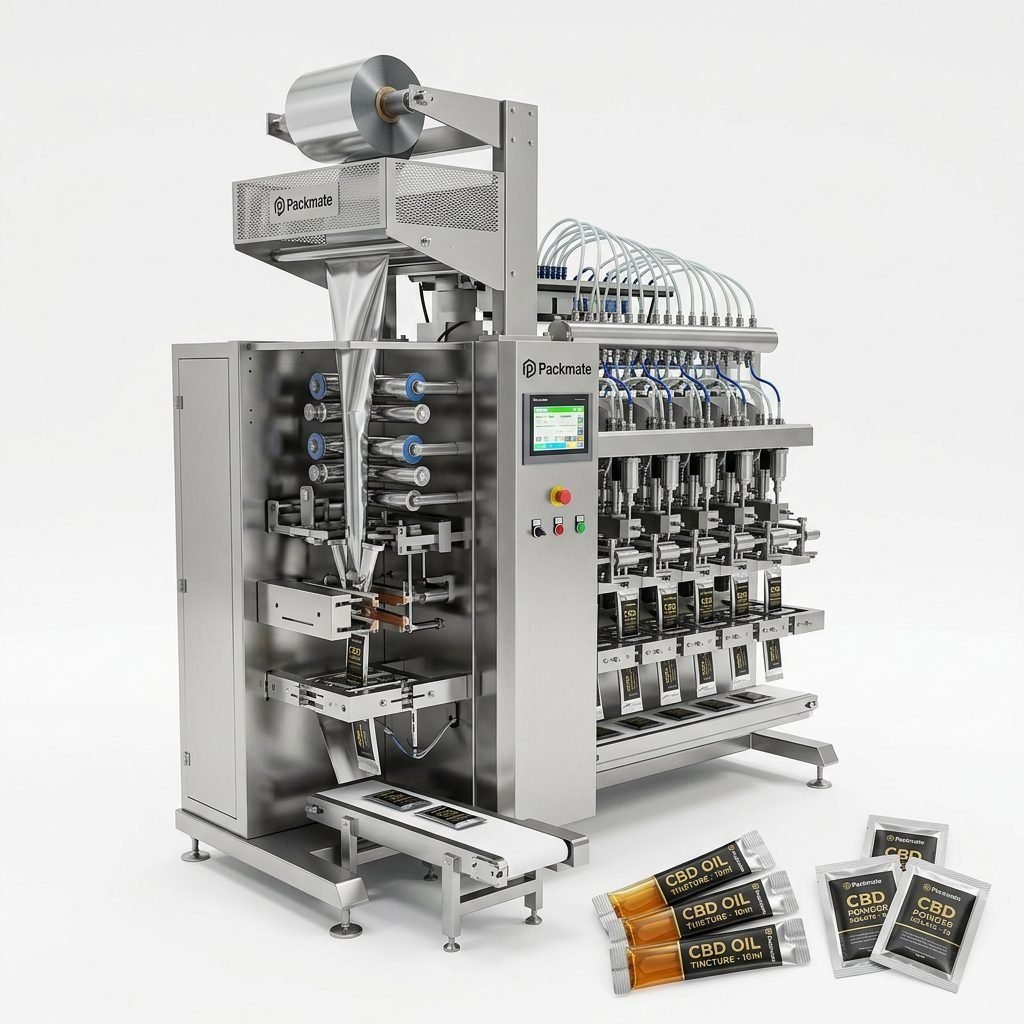
• Pouch & bag systems — for stand-up pouches or resealable packaging.
Explore product lines such as Snus & Nicotine Packaging Machines and Sachet & Stick Pack Machines to match formats to machines.
Calculate Required Capacity and Throughput
📈 Evaluate your expected production volume (daily, weekly, monthly) and peak demands. Manufacturers often offer multiple models—single-lane vs multi-lane—so match throughput to sales forecasts. Over-specifying raises cost; under-specifying causes production bottlenecks.
Tip: Ask the supplier for real-world output data under your product conditions and request an on-site or video demonstration of similar machines in operation.
Performance Indicators to Compare
⚙️ Look at cycle speed (packs/min), accuracy of filling, downtime statistics, and changeover time between SKUs. Multi-lane systems offer higher capacity but require precise synchronization—ensure the manufacturer has proven multi-lane experience.
Assess Manufacturer Experience and Technical Strength
🏭 Experience matters. A manufacturer with decades of engineering and a large, well-equipped facility can deliver better-designed machines and faster custom work. For example, Packmate Snus Machine emphasizes 30+ years of experience and a 20,000㎡ factory with advanced CNC centers—features that translate into stability and higher build quality.
Check for:
- Track record in snus/nicotine pouch equipment and turnkey lines
- Number of machine models and customization options
- Factory tours, machining capabilities, and QA systems
Verify Certification and Compliance
✅ Ensure machines comply with international standards like CE and ISO, especially if you plan to export or meet strict local regulations. Manufacturers should provide certificates and documentation for electrical safety, EMC, and mechanical safety.
You can view supplier certifications and background at their company profile pages such as Certificate and About Packmate.
Customization, Turnkey Solutions and Integration
🔧 If your operation requires unique pouch sizes, special materials, or integrated upstream/downstream gear (weighers, conveyors, cartoners), select a manufacturer that provides full turnkey solutions and system integration. This reduces compatibility risks and simplifies installation.
• Multi-lane synchronization for small-dose nicotine pouches
• Integration with weighing & packaging systems for high-accuracy dosing
• Custom tooling, material handling, and automation programming
Service, Spare Parts, and Local Support in Laos
📦 After-sales service is often the deciding factor. In Laos, evaluate the supplier’s ability to deliver spare parts quickly, provide remote troubleshooting, and dispatch technicians if needed. Confirm lead times for critical components and whether they maintain a regional stock or partner network.
Ask for:
- Warranty terms and scope of coverage
- Availability of spare parts and average delivery time to Laos
- Remote support options and training for local engineers
Factory Visits and Acceptance Testing
🔎 If possible, visit the manufacturer’s factory to observe production, quality control, and to witness factory acceptance tests (FAT). If travel is impractical, request a live video FAT and detailed test reports using your product or a sample formulation.
Total Cost of Ownership and ROI
💰 Look beyond the purchase price. Calculate the total cost of ownership, including installation, commissioning, training, spare parts, energy consumption, and expected maintenance. High-quality machines often yield lower operating costs and less downtime—translating to a better ROI.
Key purchasing checklist:
• Machine model & compatibility with your product
• Throughput (packs/min) & multi-lane capability
• Certifications, FAT records, and references
• Warranty, spare parts lead time, and service plan
Logistics, Installation and Training
🚚 Plan logistics for shipping to Laos—packaging, crating, customs clearance, and installation site readiness (power supply, vacuum, compressed air). Negotiate installation and commissioning services, including operator training and documentation in your preferred language.
Suppliers with global turnkey experience can help with export documentation and on-site setup—see related services under Service and full production solutions at Filling & Packaging Lines.
Negotiating Contracts and Guarantees
✍️ Clearly define acceptance criteria, delivery milestones, warranty terms, spare parts kit, and penalties for missed timelines. Ensure intellectual property, machine drawings, and software source control are addressed if you need future modifications.
Why Choose an Experienced Global Supplier?
A supplier with a broad global footprint can provide proven designs, quick spare parts, and case references from different markets. For example, manufacturers serving Europe, Asia, and the Americas bring compliance knowledge, diverse case studies, and mature production lines that can be adapted for Laos.
Explore real-world examples and case studies at Case and learn about trade show presence at Our Exhibition.
Red flags to watch for:
• Vague technical specs or no FAT offered
• No references or short company history
• Long spare part lead times without backup stock
Final Steps: Decision and Purchase
🟢 Once you have gathered quotes, visited factories (or viewed live FAT), and verified service capabilities, request a detailed proposal including delivery schedule, payment terms, and after-sales service plan. Solidify expectations in the contract and schedule pre-shipment acceptance tests.
Local Contacts & Next Actions
If you need further product details or to contact the manufacturer directly for a quote, use the supplier’s contact channels: Contact Us.
Summary Checklist Before Ordering
• Confirm product & pouch format compatibility
• Verify throughput and multi-lane performance
• Check certifications, FAT results, and references
• Agree on warranty, spare parts, and service SLA
• Finalize logistics, installation, and training plans
Common Questions
Q1: How long does delivery to Laos typically take?
Delivery times vary by machine complexity and shipping method. Expect lead times from several weeks to a few months. Confirm shipping schedules and spare part kits before finalizing the order.
Q2: Can machines be tested with our actual snus pouch formula?
Yes. Reputable manufacturers offer FAT with your samples or demonstrate comparable products. Request video demonstrations or a sample-run report showing accuracy and speed with your material.
Q3: What post-sale support should I expect?
Expect warranty coverage, training, remote troubleshooting, and reasonable spare-parts lead times. For Laos, verify whether the supplier has regional partners or can dispatch technicians quickly.
Q4: Are customization and turnkey lines available?
Yes. Many suppliers provide fully integrated solutions, including filling, weighing, pouch forming, and downstream packing. Discuss your production flow and automation goals early to scope the turnkey solution.