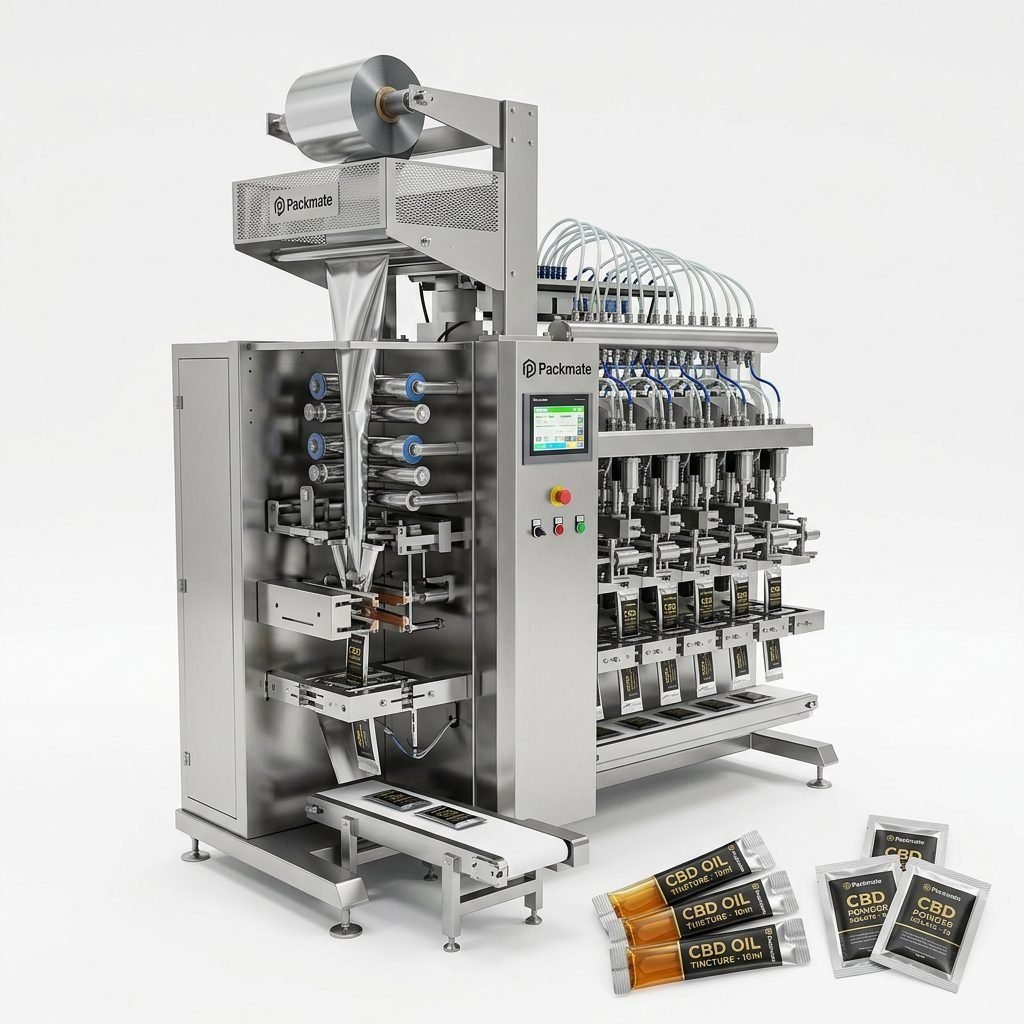
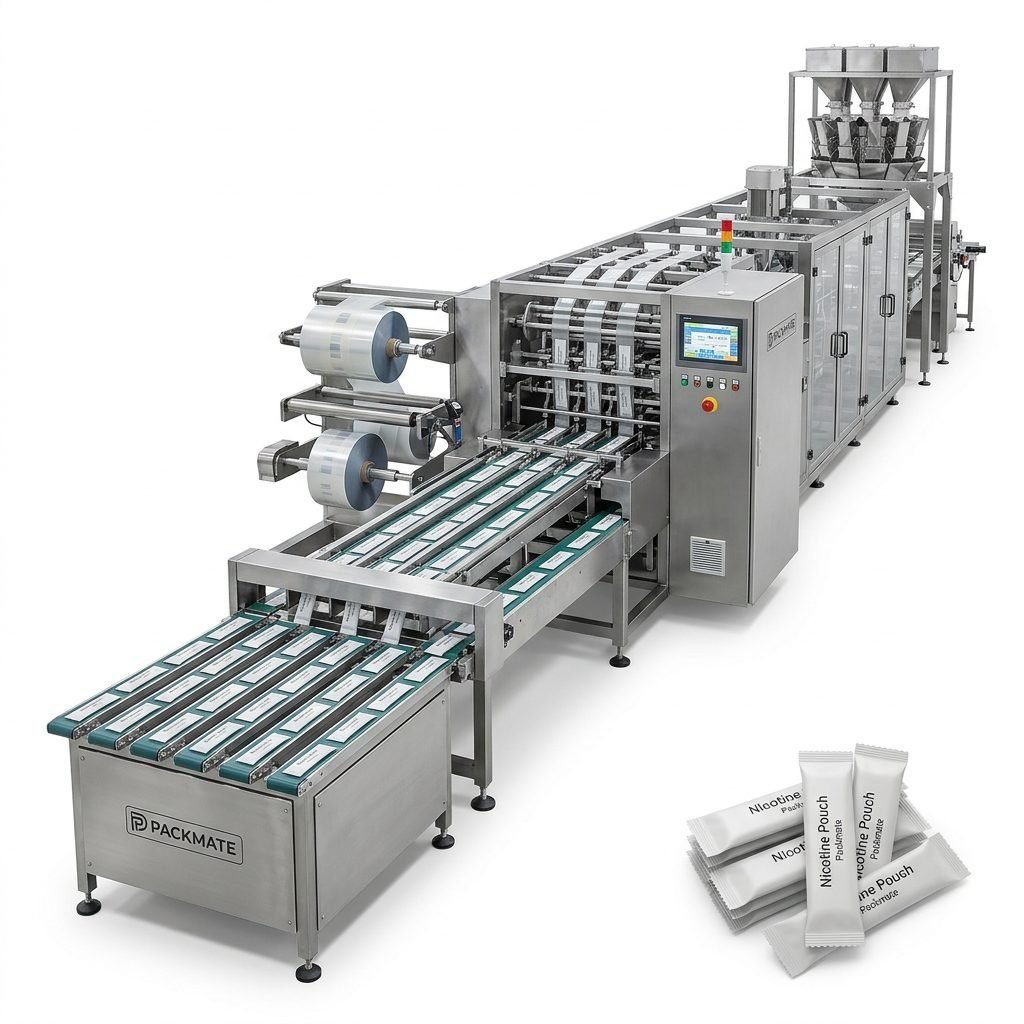
Choosing the right nicotine packaging machine in the United Kingdom is a strategic decision that affects product quality, production cost, regulatory compliance, and time-to-market. This buyer’s guide walks you through the technical factors, supplier considerations, regulatory landscape, and practical tips to select a machine that matches your production goals — whether you are launching a small-batch brand or scaling to high-speed, multi-lane output.
Understanding the market and your product requirements
Before evaluating machines, clarify your product format: nicotine pouches, snus, stick packs, sachets, or multi-dose pouches. Each format has distinct filling, sealing, and cut requirements. Consider:
Key variables: pouch size range, powder/granule or moist fill, required barrier packaging, and desired production speed (pouches per minute).
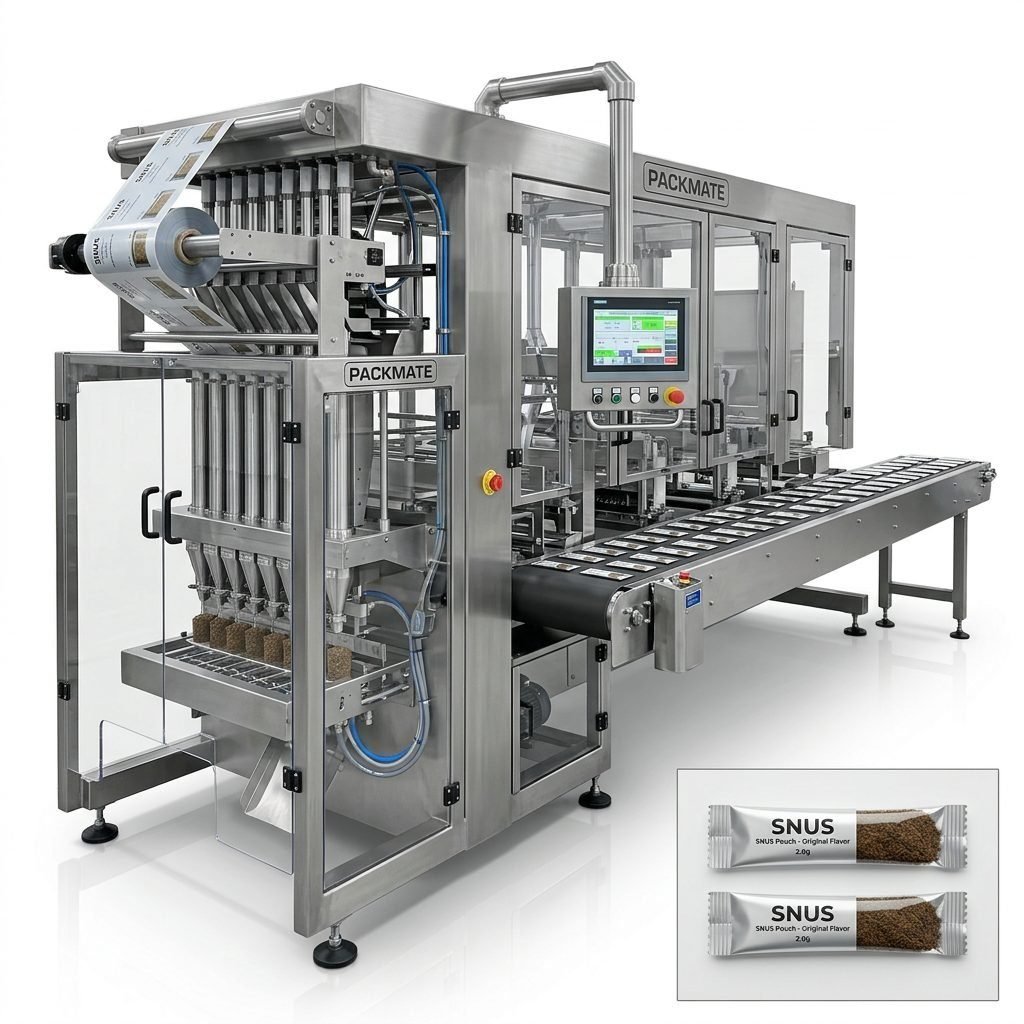
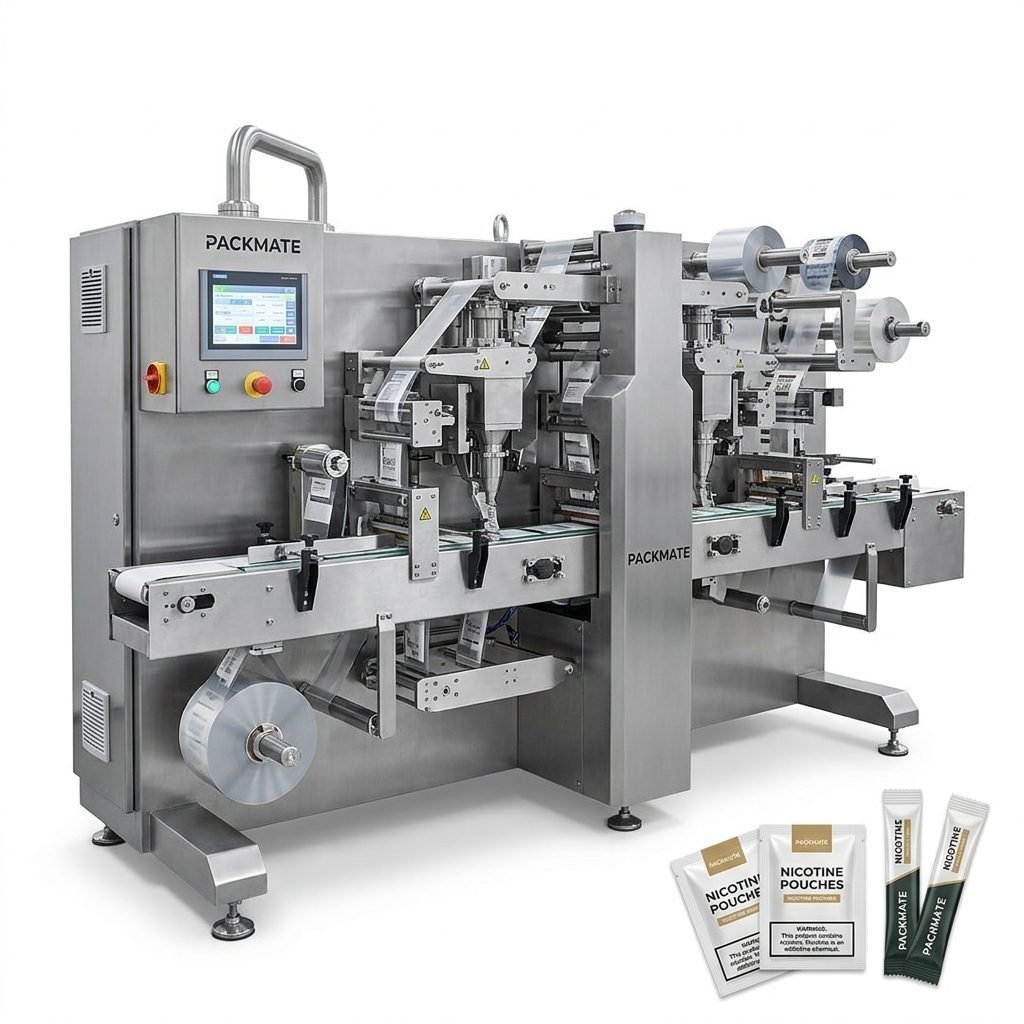
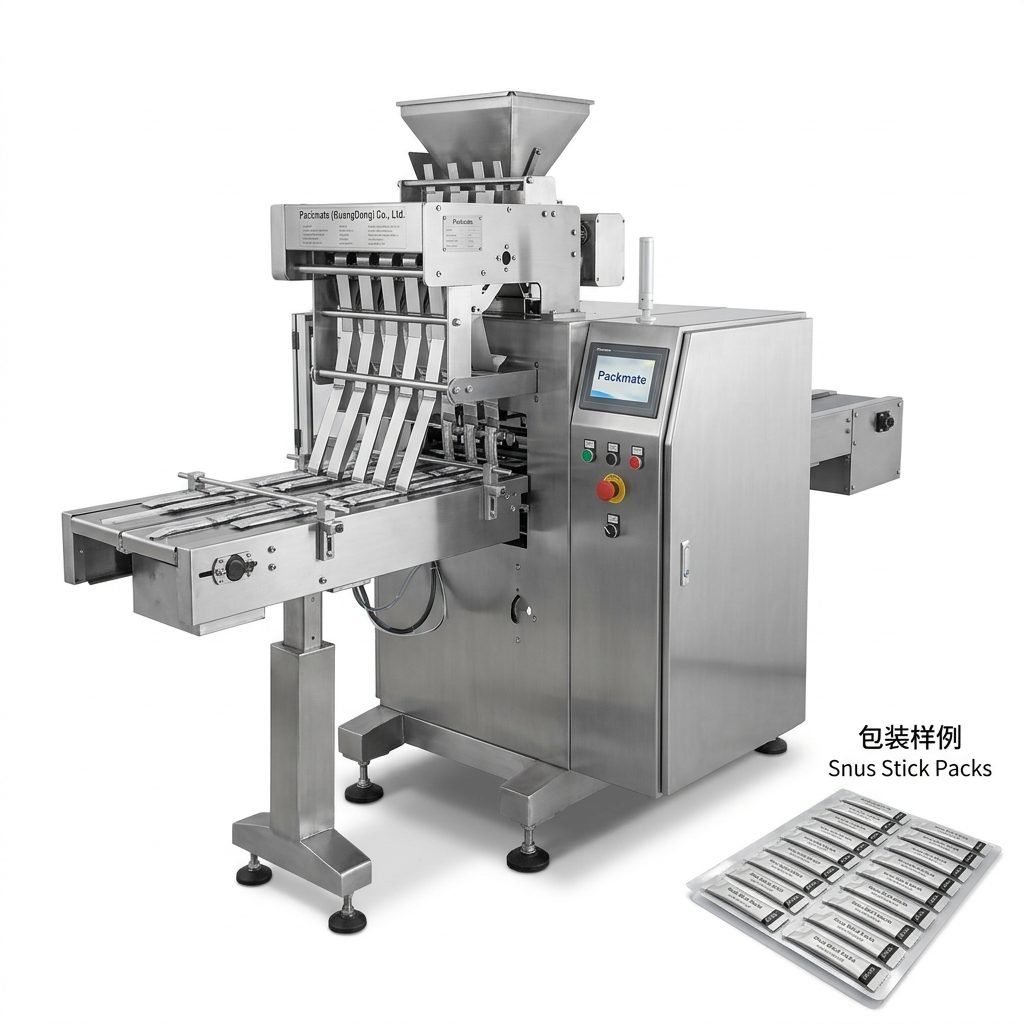
If you want to see specialised equipment, review dedicated product lines such as Snus & Nicotine Packaging Machines and Sachet & Stick Pack Machines to match formats and speeds.
Machine types and how they differ
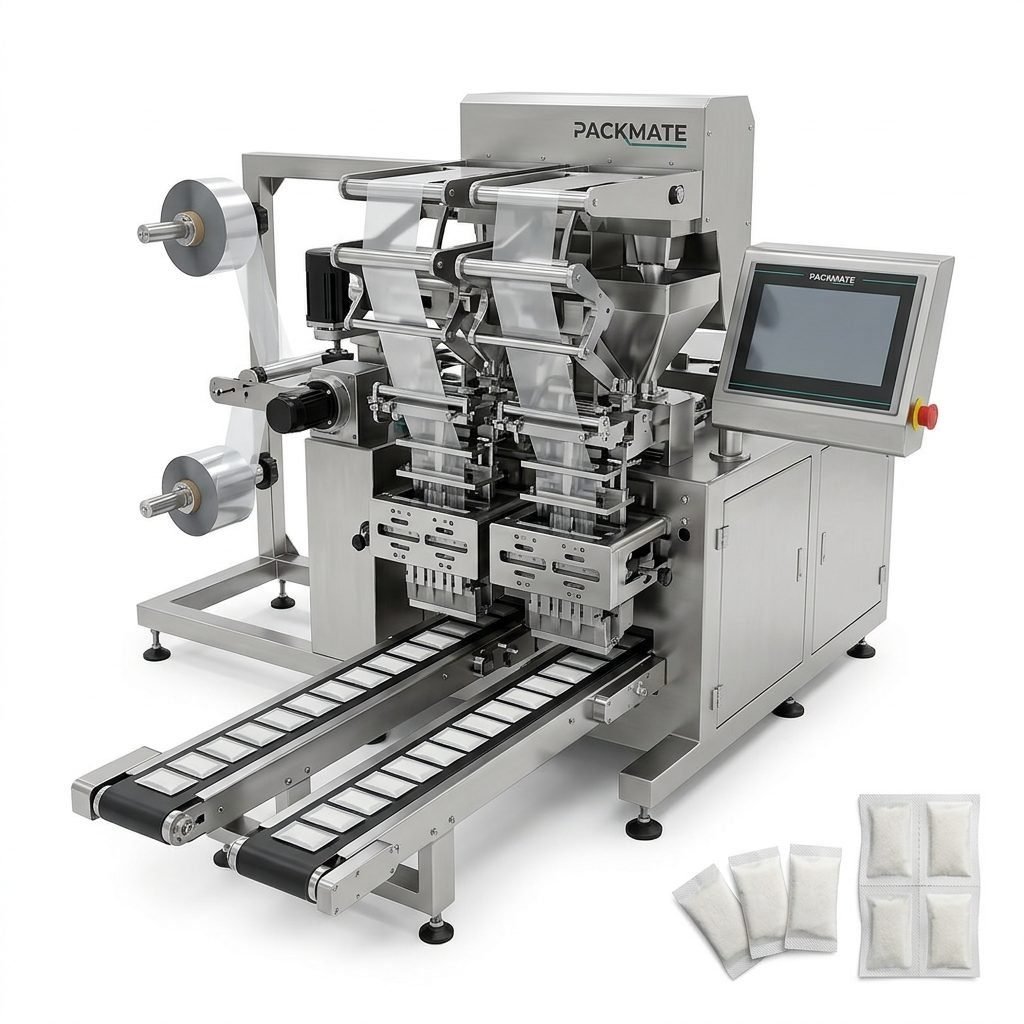
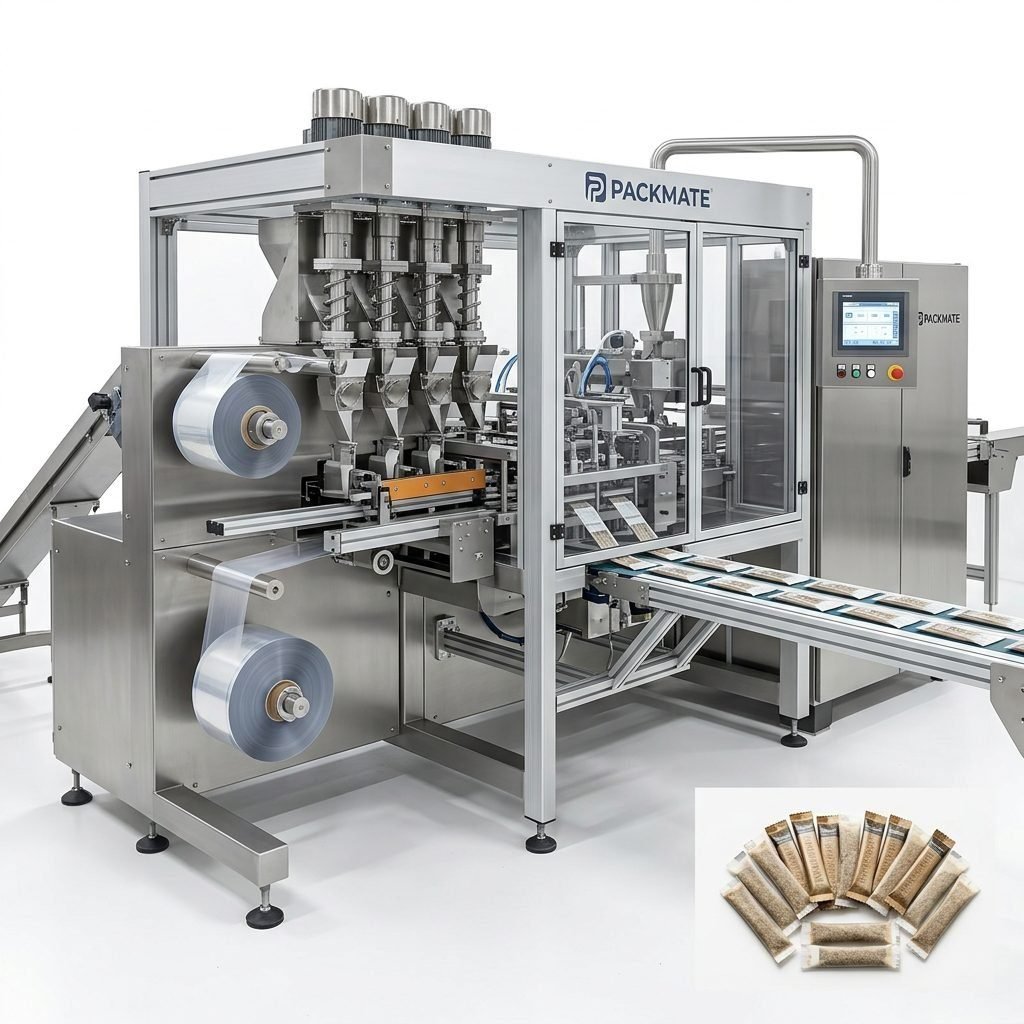
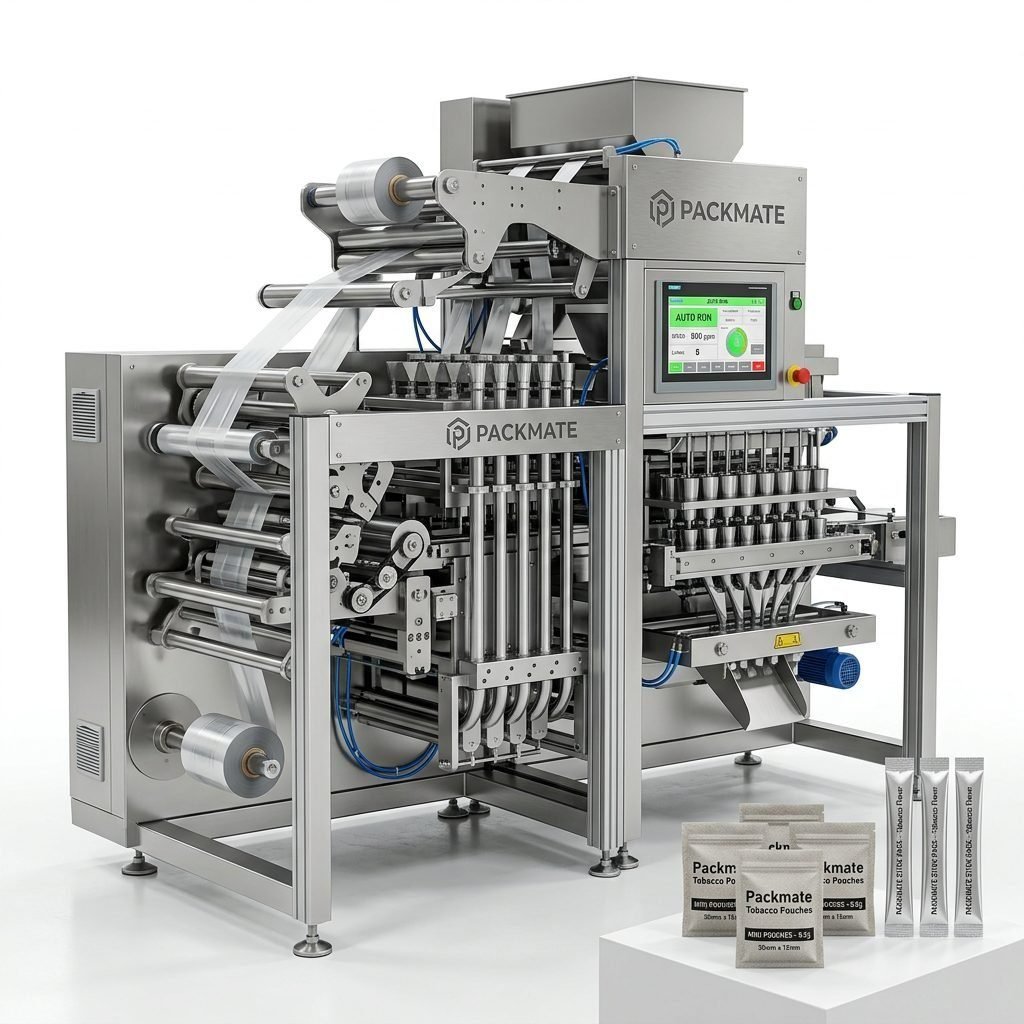
Understanding machine topology helps match capabilities to your product. The main categories include form-fill-seal (FFS) pouch machines, multi-lane stick pack lines, and rotary sachet fillers. Multi-lane systems greatly increase throughput but require precise synchronization.
Tip: For small-dose nicotine pouches, choose multi-lane snus pouch machines built for micro-dosing accuracy and minimal cross-contamination.
Throughput, accuracy and production scalability
Speed means more than pouches per minute. Evaluate consistent dosing accuracy, film handling stability, and downtime for changeovers. High-speed machines should include features like servo-driven dosing, electronic tension control, and automatic format adjustment.
Production planning: Choose a machine with modular scalability so you can add lanes or integrate additional modules (weighing, inspection, cartoning) as demand grows.
Filling systems: weighers, augers and dosing options
The choice of filling system depends on product characteristics. Powders and fine granules perform best with vibratory or loss-in-weight feeders; moist and sticky formulations may require auger or positive piston systems. For precision nicotine pouch dosing, look for integrated weighing systems with real-time feedback.
Explore modular Weighing & Packaging Systems that can be integrated into your line to maintain tight weight tolerances and reduce giveaway.
Material compatibility and film handling
Nicotine and snus require barrier films to protect flavor and moisture. Verify that the machine supports your chosen laminate structure, has robust film unwinding and tension control, and offers precise sealing temperature control for heat-sealable films and multilayer laminates.
Important: Improper film handling is a leading cause of rejects and downtime. Prioritise machines with automatic splice detection and web-break protection.
Hygiene, CIP and maintenance accessibility
Choose stainless-steel contact parts and hygienic designs that reduce cleaning time. For nicotine products, cleaning and maintenance protocols must minimize cross-contamination. Look for quick-release components, IP-rated electrical cabinets, and easy access to dosing and sealing zones.
Automation, controls and data capture
Modern machines come with PLC/SCADA systems and HMI touchscreens that provide recipe management, remote diagnostics, and production data logs. These features are essential for quality control and traceability in regulated markets.
Pro tip: Ensure the control system supports remote service access for faster troubleshooting and firmware updates.
Quality standards and certification
Verify CE and ISO compliance, and request documentation for material traceability. Packmate Snus Machine products typically meet international standards such as CE and ISO; vendors should provide certificates and factory inspection reports to reassure buyers.
Supplier capability and factory strength
Assess the manufacturer’s production footprint, machining capacity, and track record. A factory with advanced CNC centers and precision assembly lines is better equipped to produce reliable, long-lived machinery. Learn more about the manufacturer and factory capabilities via their about page, for example About Packmate.
After-sales service, spare parts and training
After-sales support is crucial. Confirm availability of spare parts, in-country technicians or fast global shipping, and structured training programs for your operators and maintenance staff. A reliable partner will provide installation, commissioning, and remote-instruction resources.
Vendor checklist: spare part lead times, service SLAs, warranty terms, and on-site commissioning support.
Budgeting, ROI and total cost of ownership
Price differences reflect build quality, control sophistication, and support. Evaluate total cost of ownership: energy consumption, maintenance hours, spare parts pricing, and expected lifespan. A higher initial investment in accuracy and automation often reduces product giveaway and rework, increasing ROI.
Regulatory considerations in the UK
Nicotine product manufacturing in the UK is subject to stringent safety and labelling rules. Machines must facilitate traceability, hygienic operation, and accurate fill weights. Consult regulatory counsel and ensure your line documentation supports product recalls and quality audits.
Customisation, turnkey lines and integration
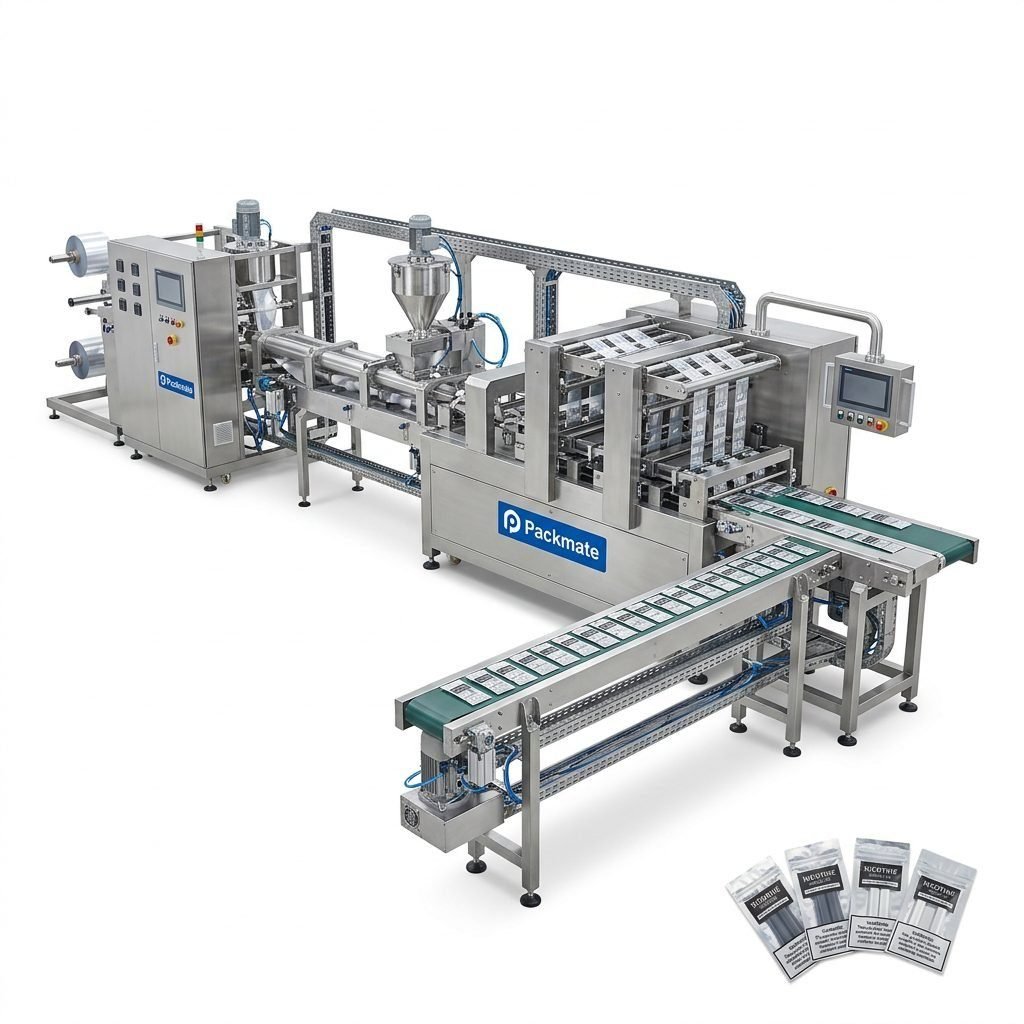
If your production requires end-of-line solutions like cartoning, case packing, or labelling, choose suppliers who can deliver turnkey packaging lines. Vendors experienced in multi-component integration will reduce integration cost and commissioning time. Check case studies and exhibitions to verify capabilities; for instance, view past projects and demonstrations under Case and Our Exhibition.
Integration note: Align electrical standards, communication protocols (Ethernet/IP, Modbus) and safety interlocks early in the purchasing process.
Factory acceptance testing and FAT protocols
Insist on a structured FAT that validates speed, accuracy, sealing integrity, and recipe changeover times. FAT should include test runs with your actual product and film. Post-FAT, obtain a detailed report and video evidence of performance metrics.
Logistics, installation and commissioning in the UK
Consider machine footprint, weight, and access constraints at your facility. Plan for crane access, foundations, and electrical/pneumatic supply. A supplier offering UK-based commissioning or remote support can expedite start-up. You can contact vendors directly via their contact portal, such as Contact Us.
Evaluating suppliers: questions to ask
Use the following questions when engaging suppliers:
• What are your standard and customised machine options for nicotine pouch formats?
• Can you provide FAT reports, CE/ISO certificates, and references from similar projects?
• What are typical lead times, payment terms, and warranty conditions?
Choosing an experienced manufacturer with a broad product portfolio (from pouch machines to full filling lines) reduces integration risk — explore full product ranges like Filling & Packaging Lines.
Common pitfalls and how to avoid them
Watch for vendors that under-specify key components (motors, PLCs, servo systems) to quote a lower price. Avoid machines without accessible spare parts lists or unclear service commitments. Demand clear acceptance criteria and documented warranty service processes.
Remember: Lowest price rarely yields best long-term value. Prioritise reliability, spare-part availability, and proven application success.
Next steps: evaluation checklist before purchase
Use this short checklist as you progress to quotation and selection:
1. Confirm format compatibility, speed, and dosing tolerance.
2. Request FAT with your actual materials and recipes.
3. Verify certifications, references and factory capacity (look for advanced CNC and precision assembly).
4. Agree on spare parts kits, training and support SLAs before signing.
Why choose an experienced snus packaging manufacturer?
Manufacturers focused on nicotine pouch and snus packaging possess specialised knowledge about micro-dosing, material behaviour, and regulatory demands. A partner with decades of experience and a proven multi-model product line can deliver both standard machines and fully customised turnkey solutions to scale your production reliably.
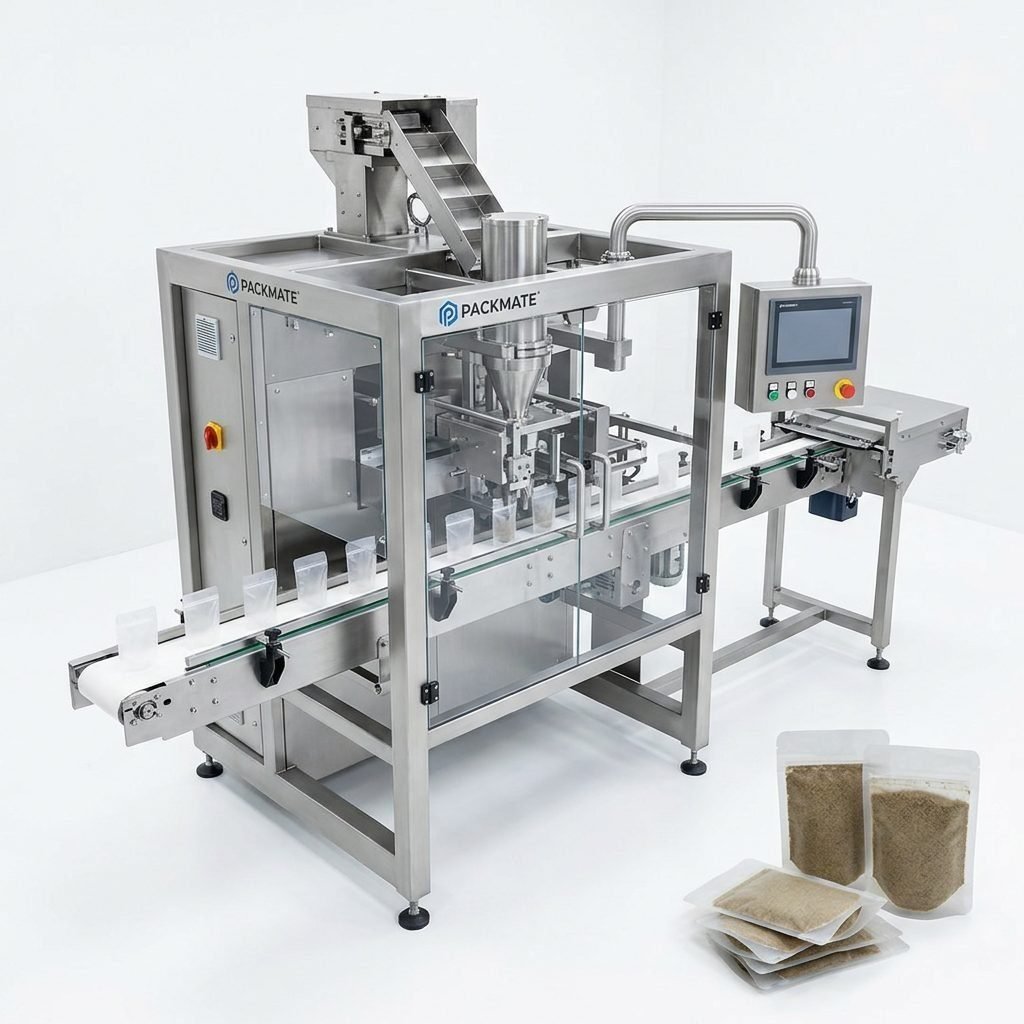
If you need tailored solutions, explore the comprehensive Bag & Pouch Packaging Machines and auxiliary modules that support full production lines.
Final considerations and purchasing etiquette
Secure written performance guarantees, include penalty clauses for missed lead times where appropriate, and confirm acceptance criteria aligned to your production specifications. A strong mutual understanding of responsibilities will protect your investment and accelerate ramp-up to full capacity.
Conclusion
Selecting the best nicotine packaging machine in the UK requires balancing technical fit, regulatory compliance, supplier capability, and lifecycle cost. Prioritise accuracy, hygienic design, integration readiness, and reliable after-sales support. Use FAT, references, and documented certifications to validate claims and ensure a successful commissioning and operation phase.
Frequently Asked Questions
Q1: What machine speed do I need for a viable UK launch?
A1: Determine your target monthly volume and shift patterns. For small producers, a single-lane machine at lower speeds may suffice. For commercial scale, multi-lane systems that multiply lane speed provide better unit economics.
Q2: How important is FAT and can it be done with my product?
A2: FAT is critical. Always insist on FAT runs with your actual pouch materials and nicotine formulation — this reveals real-world performance and avoids surprises during commissioning.
Q3: What certifications should I require from the manufacturer?
A3: Require CE marking for the EU/UK market and ISO quality certificates. Also request material and component traceability documentation and any specific test reports relevant to nicotine product safety.
Q4: Where can I find real examples of installed lines and after-sales feedback?
A4: Review the manufacturer’s case studies, exhibitions and customer references. Visit their case page and exhibition history for demonstrations and customer testimonials: Case and Our Exhibition.