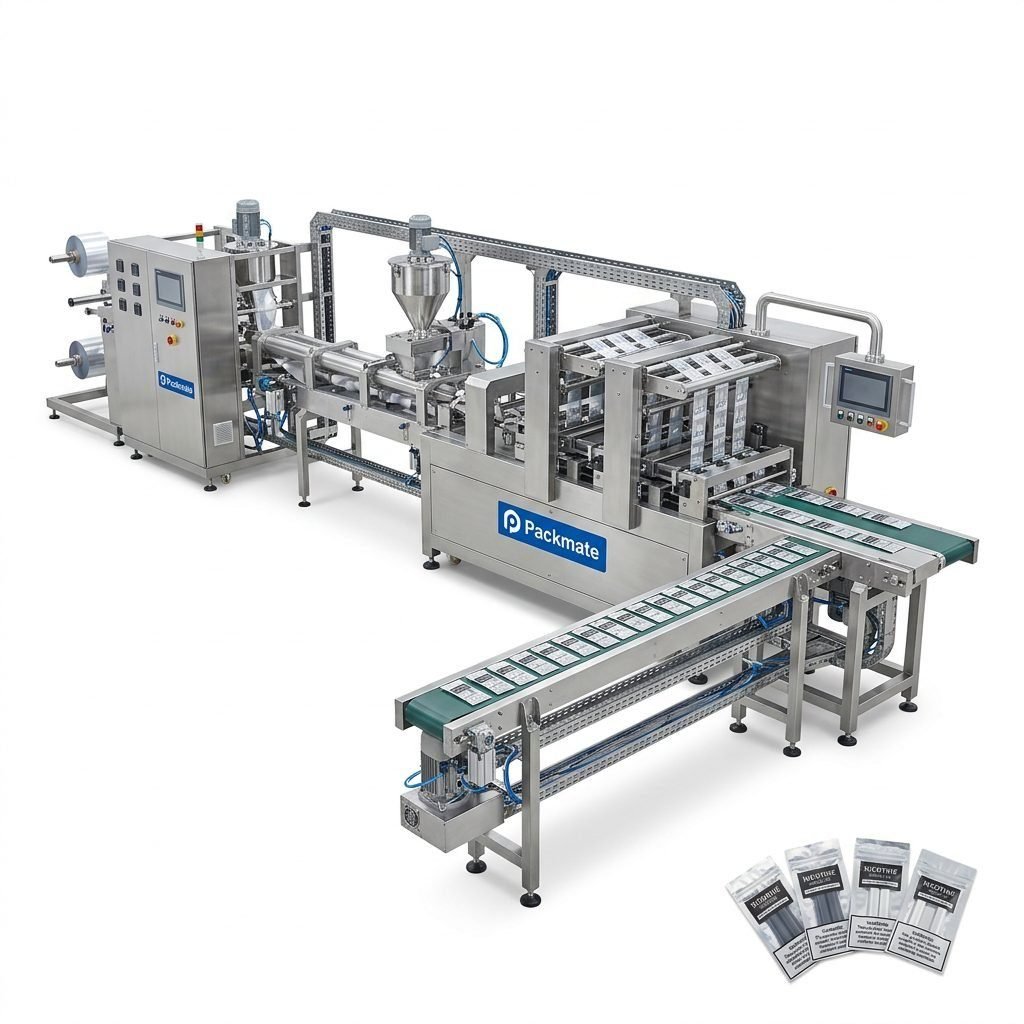
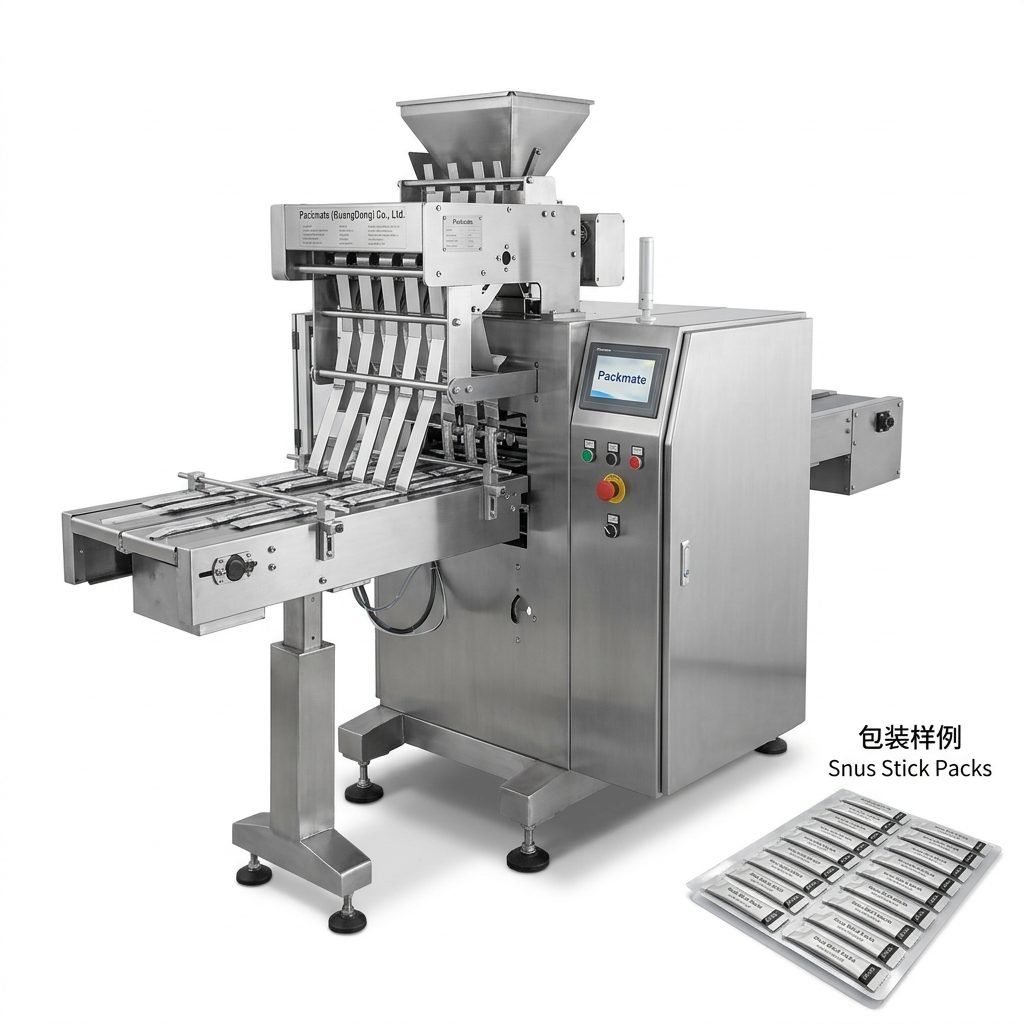
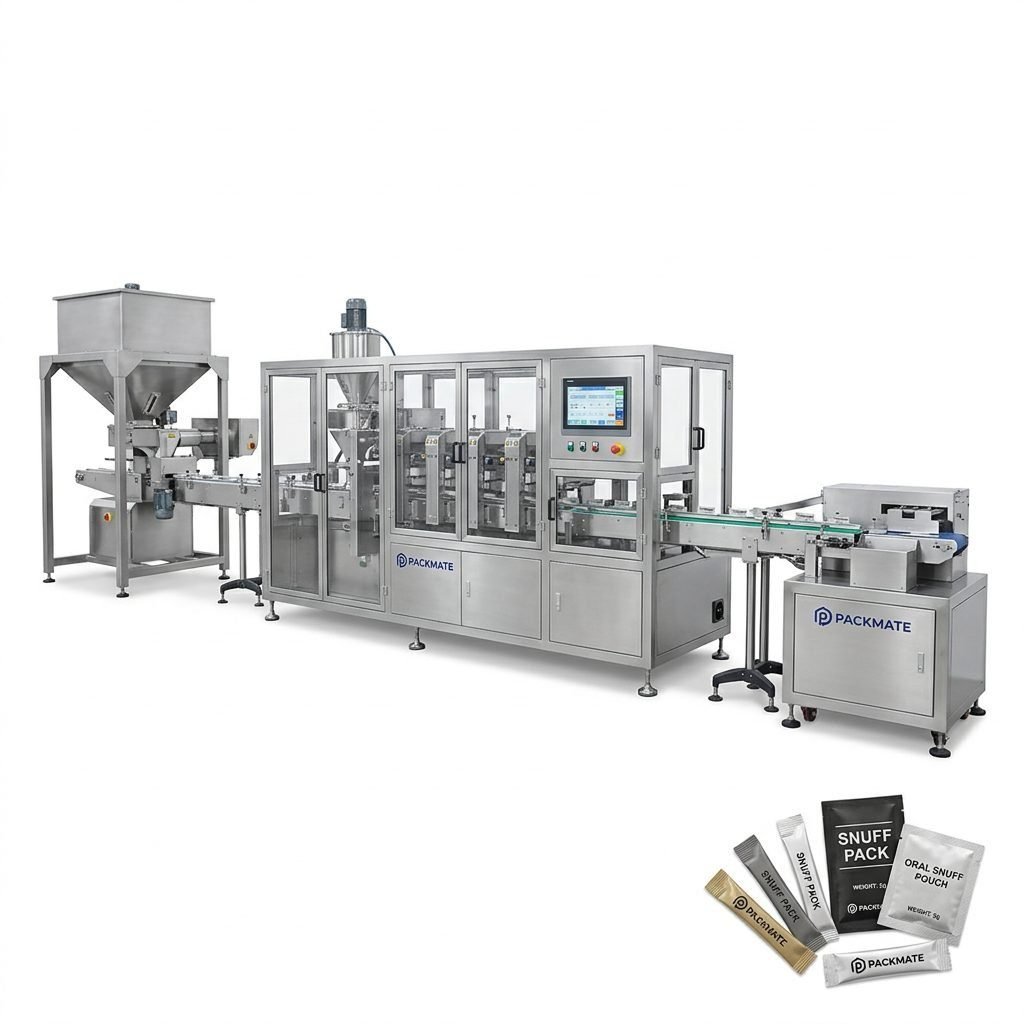
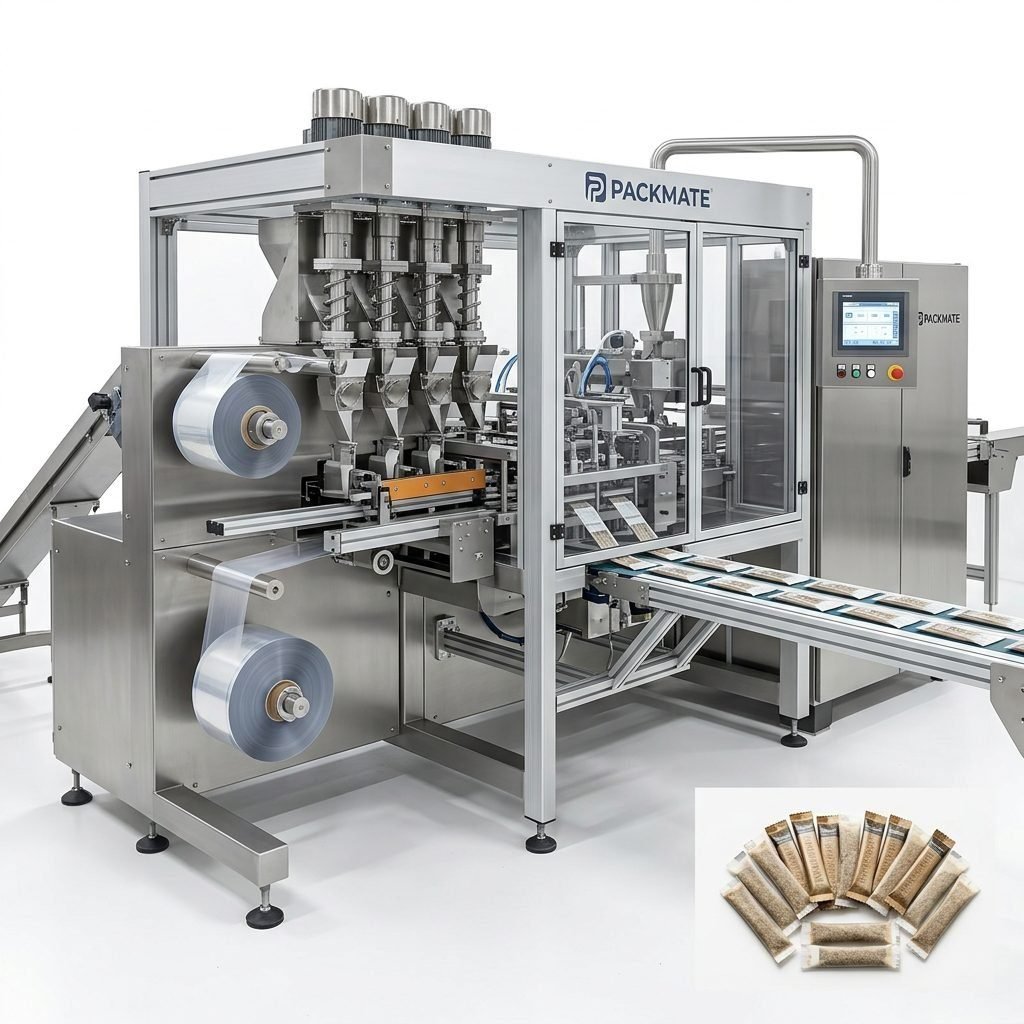
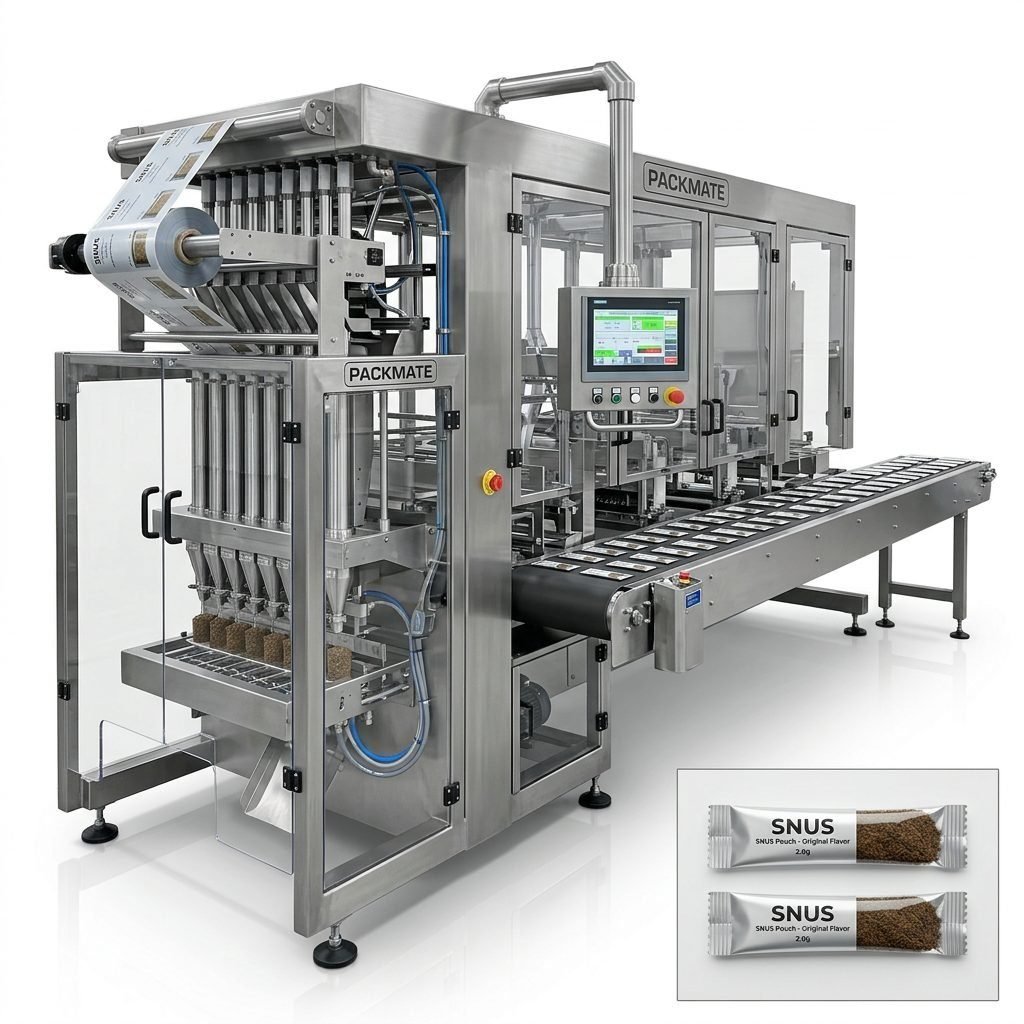
The growth of snus and nicotine pouch products has driven rapid innovation in packaging machinery. Manufacturers and brands need machines that deliver precision dosing, consistent pouch and can integrity, and high throughput while maintaining hygiene and regulatory compliance. This guide walks through the design principles, selection criteria, and optimization strategies for automatic snus packaging solutions across portion, pouch, and can formats. It also highlights what to look for when evaluating a supplier and how integrated systems can raise performance and reliability on the production floor.
Why Snus Packaging Requires Specialized Machine Design
Snus and nicotine pouches present unique packaging challenges: small portion sizes, sensitive ingredients, tiny pouch dimensions, and strict regulatory labeling requirements. Machines must ensure accurate low-dose filling, gentle handling of delicate pouches, and reliable sealing to preserve shelf life. Any variation can lead to customer complaints, product waste, or compliance risks. For can packaging, the equipment must also address stacking, can sealing, and tamper-evident closures with high consistency. Selecting a general-purpose packaging machine often leads to chronic downtime and higher total cost of ownership; purpose-built snus solutions are preferable.
Key Machine Types: Portion, Pouch, and Can Packing
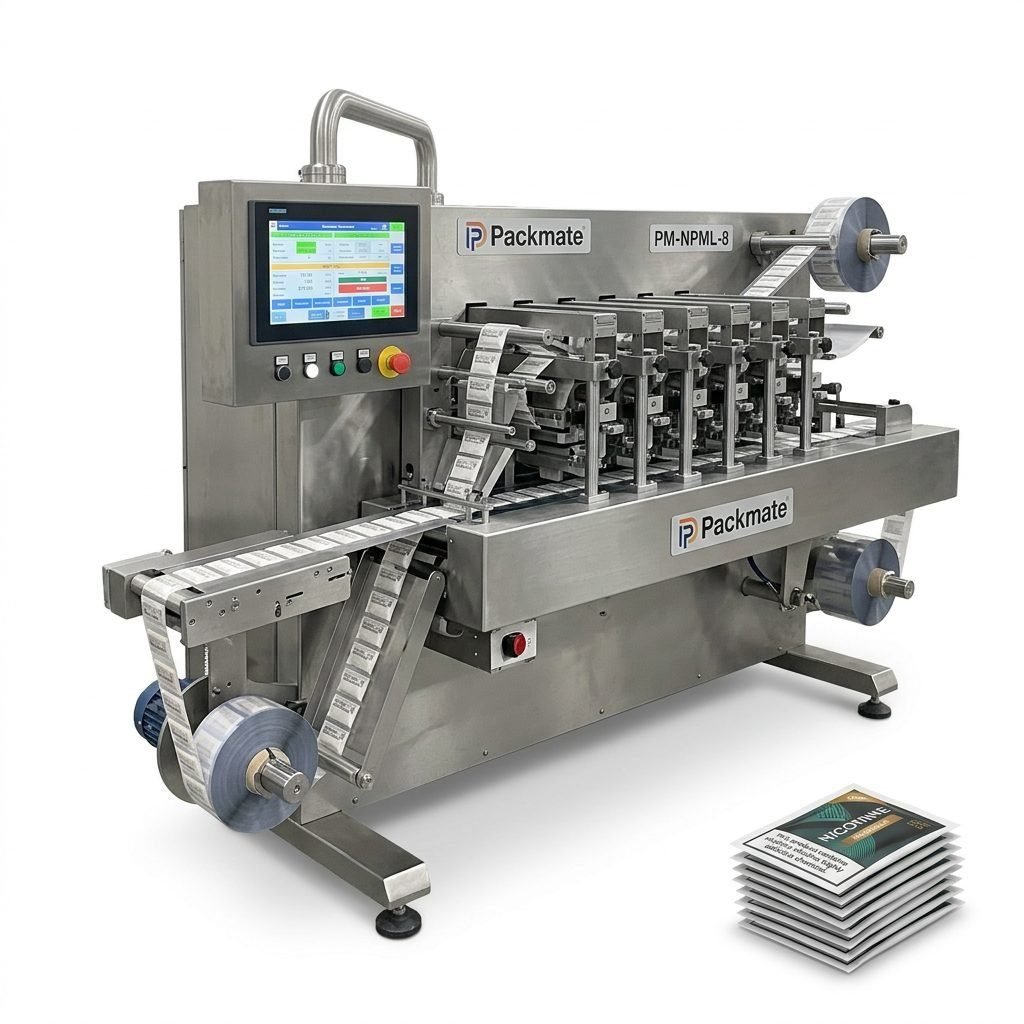
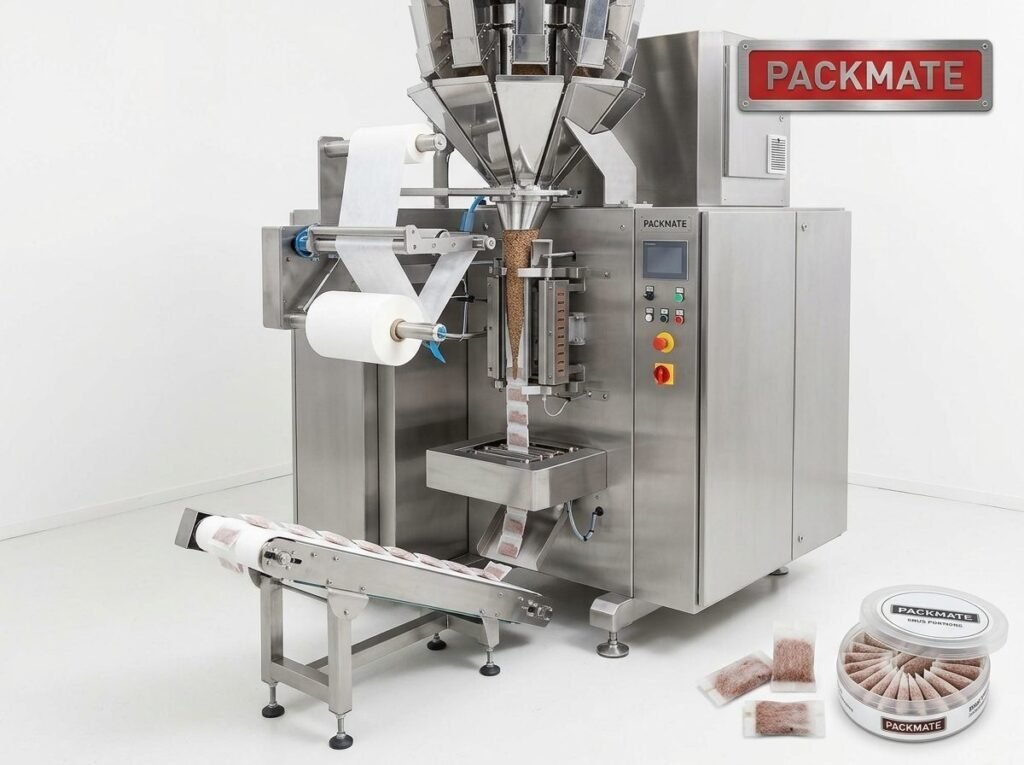
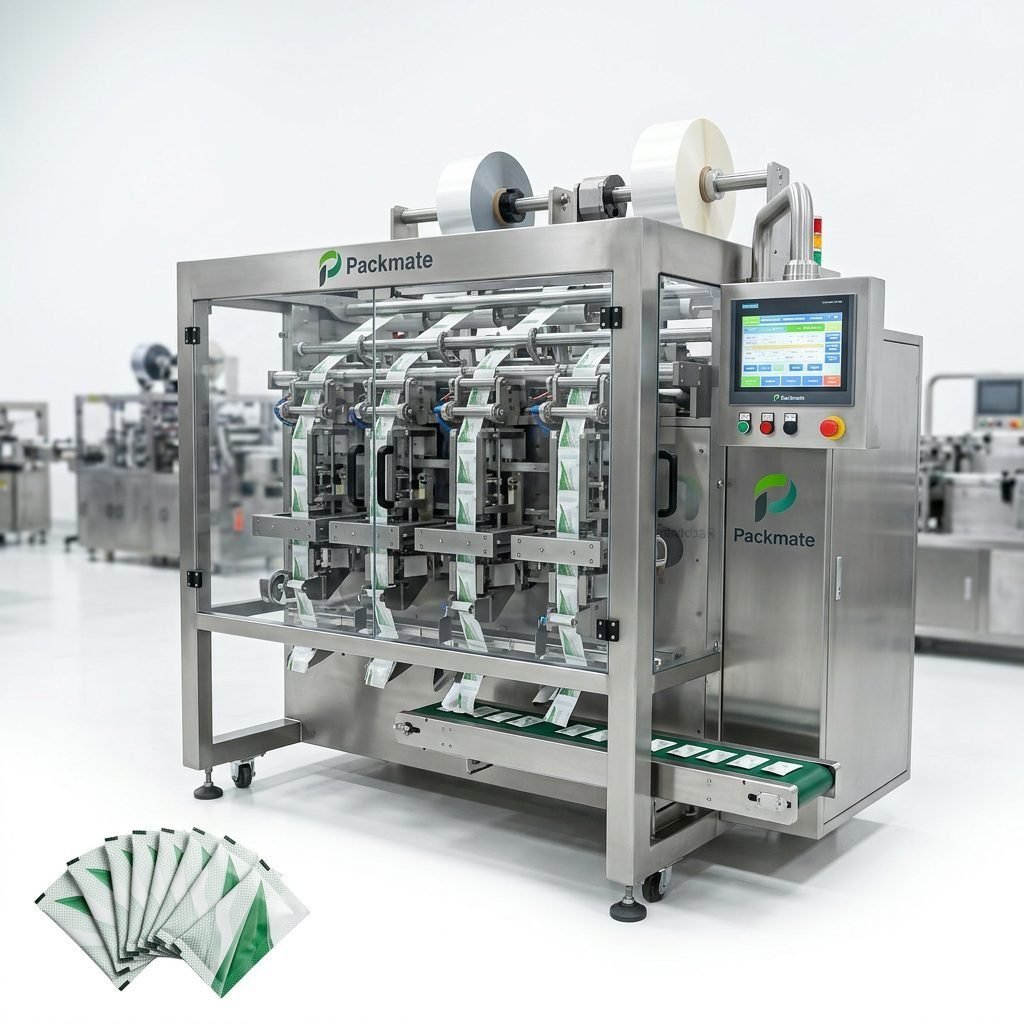
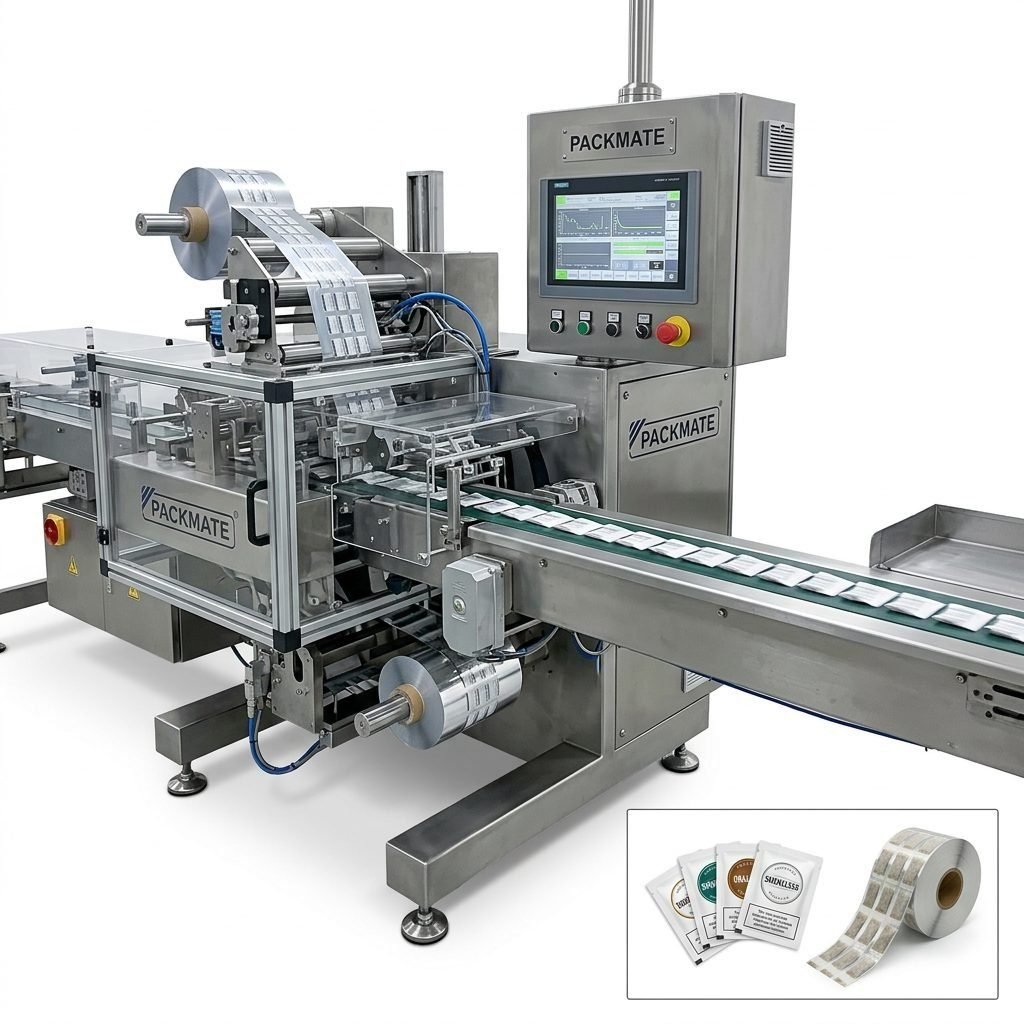
Modern snus lines typically incorporate several specialized machines or integrated systems that work together. Common configurations include:
- Stick pack and sachet machines for single-portion pouches — ideal for nicotine pouches and sample portions. See advanced options at Sachet & Stick Pack Machines.
- Multi-lane pouch machines that produce small, precision pouches in high-volume configurations for efficiency.
- Can and tub filling systems designed to handle metal or plastic cans, lid application, and induction or mechanical sealing.
- Primary weighing and dosing systems paired upstream for powders, granules, or blended nicotine formulations — explore related solutions at Weighing & Packaging Systems.
Essential Design Considerations
When evaluating or specifying machines, prioritize design features that impact product quality, uptime, and operational flexibility:
Dosing Accuracy and Repeatability
Accurate low-dose filling is the cornerstone of snus packaging. Choose systems with precision feeders or multi-head weighers and closed-loop control. Servo-driven dosing with feedback minimizes variance across lanes and reduces product giveaway. If your product is hygroscopic or cohesive, vibratory feeders and tailored hoppers with agitation are important to maintain steady flow.
Multi-Lane and Modular Architecture
Multi-lane machines multiply throughput without proportionally increasing floor space. A modular design enables lanes to be added or removed and simplifies maintenance. Prioritize machines with quick-change tooling and lane isolation to reduce downtime during format changes.
Material Handling and Gentle Product Transfer
Small pouches and portions are easily damaged. Look for gentle pick-and-place, short free-fall distances, and soft-clamp sealing systems. For cans, ensure precise accumulation and indexing systems to avoid misfeeds and denting.
Pro tip: Machines that allow on-the-fly adjustments and remote support can reduce changeover time and speed troubleshooting. Verify the supplier offers robust HMI diagnostics and optional Industry 4.0 connectivity.
Automation, Controls and Integration
A modern snus line is more than mechanical hardware — it’s a system of sensors, PLCs, HMIs, and motion control. High-end systems use servo-driven axes for accurate film transport, cutting, and dosing synchronization. Integrated vision systems detect sealing defects and print quality, while centralized data collection supports OEE tracking and traceability. When evaluating suppliers, ask about open protocols (Ethernet/IP, Profinet), remote access for service, and compatibility with upstream weighing and downstream cartoning or case packing cells. Packmate’s turnkey lines often pair pouch machines with upstream dosing and downstream canning equipment for seamless operation. Explore complementary equipment at Filling & Packaging Lines.
Materials, Films and Seal Technology
Barrier properties for nicotine and snus are crucial to prevent moisture ingress and aroma loss. Machines must handle laminated films, biodegradable options, and heat-seal or cold-seal chemistries. Verify that the sealing system can reach required temperatures uniformly and that the cutting and forming tooling is precise to ensure consistent pouch geometry and edge integrity. For cans, inspect the can seaming or lid application module for repeatable torque and seal verification.
Hygiene, Cleanability and Compliance
Hygiene standards in nicotine and food-grade packaging are stringent. Choose stainless steel contact parts, IP-rated electrical enclosures, and designs with minimal crevices for easy cleaning. Certifications like CE and ISO reflect adherence to safety and quality management standards. Confirm documentation for material traceability and maintenance schedules — this is particularly important for export markets with demanding regulatory frameworks.
Optimizing Production Efficiency
Efficiency is measured in throughput, yield, and uptime. Key strategies include:
- Multi-lane configurations to scale output without linear increases in labor.
- Predictive maintenance using runtime metrics and component life counters to prevent unscheduled stops.
- Quick-change tooling and standardized format kits to reduce format changeover from hours to minutes.
- Automated material handling and splicing systems to minimize film roll change downtime.
Efficiency metric: Track yield loss by batch and by lane to pinpoint mechanical causes (bad seals, mis-feeds) and empower continuous improvement.
Serviceability and Spare Parts Strategy
Choose machines with accessible service points and clear preventive maintenance guides. Suppliers that maintain a global spare parts inventory shorten MTTR and reduce replacement lead times. Warranty terms, retrofit options, and training packages matter — a well-supported machine retains value and performance over many production cycles. For complete supplier information, you can learn more on Packmate’s company profile at About Packmate.
Selecting a Supplier: What to Ask
When vetting suppliers, request answers and evidence in the following areas:
- Proven experience in snus or nicotine pouch packaging and references from similar customers.
- Factory capabilities and quality control processes; Packmate operates a 20,000㎡ manufacturing facility with advanced CNC and assembly systems.
- Availability of turnkey solutions and system integration services to reduce commissioning time.
- Certifications and compliance documentation for target markets.
- Post-sale service, spare parts availability, and training packages.
Why turnkey matters
Turnkey suppliers who design, build and integrate the entire line deliver faster ramp-up and reduced mechanical friction between modules. They take responsibility for line performance metrics, not just machine specs. Packmate’s portfolio of over 50 machine models and global project experience can be a reference point when comparing turnkey providers.
Case Examples & Global Reach
Manufacturers that invest in specialized snus lines report consistent improvements in yield and lower labor costs per unit. Packmate’s global deployments, exhibitions, and case studies demonstrate how tailored multi-lane solutions meet diverse market needs — view representative projects at Case and check exhibition appearances at Our Exhibition.
Checklist — Quick Decision Guide
- Confirm dose accuracy and acceptable variance for your product.
- Decide between multi-lane vs single-lane based on volume forecasts.
- Specify materials and sealing type to ensure film compatibility.
- Verify hygiene, cleanability, and applicable certifications.
- Assess spare parts strategy and local service support.
Cost of Ownership: Beyond Initial Price
Purchase price is only one component. Include these in your TCO analysis:
- Downtime risk and mean time to repair.
- Spare parts lead times and consumable costs.
- Energy consumption and required utilities.
- Operator training and complexity costs.
Next Steps: Trials, FAT and Commissioning
Insist on a factory acceptance test (FAT) with your materials and formulations. Trials validate dosing and sealing before shipment and can significantly reduce commissioning time. Plan for an on-site installation acceptance test (SAT) and make sure the supplier provides commissioning engineers and operator training. If you need personalized consultation, reach out via the supplier’s contact channels: Contact Us.
Conclusion
Choosing and optimizing snus packaging machinery demands a balance between precision engineering, automation intelligence, and practical operational support. Prioritize dosing accuracy, modular multi-lane scalability, hygienic design, and supplier service capabilities. By focusing on Total Cost of Ownership and demanding real-material trials, brands and converters can implement lines that deliver consistent product quality, regulatory compliance, and production resilience.
Frequently Asked Questions
Q1: What throughput can I expect from a multi-lane snus pouch machine?
A1: Throughput depends on lane count, pouch size, and dosing method. Typical multi-lane systems can multiply single-lane speeds — expect scalable outputs from thousands to tens of thousands of pouches per hour when using 4- to 12-lane configurations.
Q2: How do I validate dosing accuracy before purchase?
A2: Request a factory acceptance test (FAT) using your product and target pouch formats. Suppliers should provide sample data for dose variance and the ability to tune dosing parameters. Multi-head weighers or servo feeders are typical solutions for low-dose precision.
Q3: What maintenance should I expect for high-speed pouch lines?
A3: Regular inspections include sealing jaw condition, drive belts, bearings, and sensors. Replace wear parts on a schedule recommended by the manufacturer, maintain clean contact surfaces, and keep spare kits on hand for critical components to minimize downtime.
Q4: Can a single line handle multiple pouch sizes and can formats?
A4: Many modern machines are designed for format flexibility with modular tooling and quick-change kits. However, large disparities in format often necessitate additional tooling or secondary modules. Discuss format ranges upfront to ensure the machine meets your mix.
Q5: Where can I find more product information and models?
A5: Detailed product lines, including snus and nicotine packaging machines, can be found at Snus & Nicotine Packaging Machines and related product pages for pouches and auxiliary equipment.