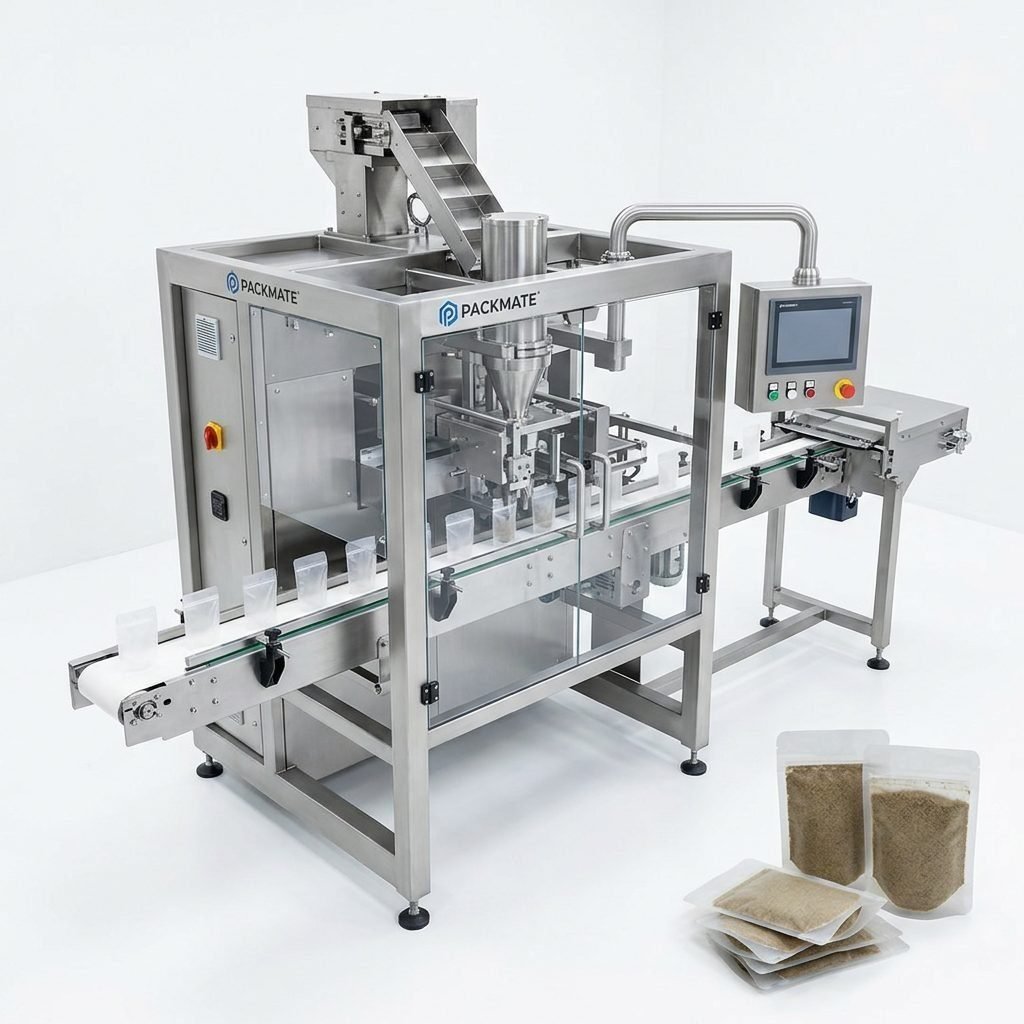
Choosing the right nicotine packaging machinery manufacturer in Spain — or for Spanish-market production needs — is a critical decision that affects product quality, regulatory compliance, production uptime, and long-term cost of ownership. This guide walks you through practical evaluation criteria, inspection steps, and negotiation tips so your production line delivers consistent performance for snus and nicotine pouches.
Overview: Nicotine Packaging Machinery Market in Spain
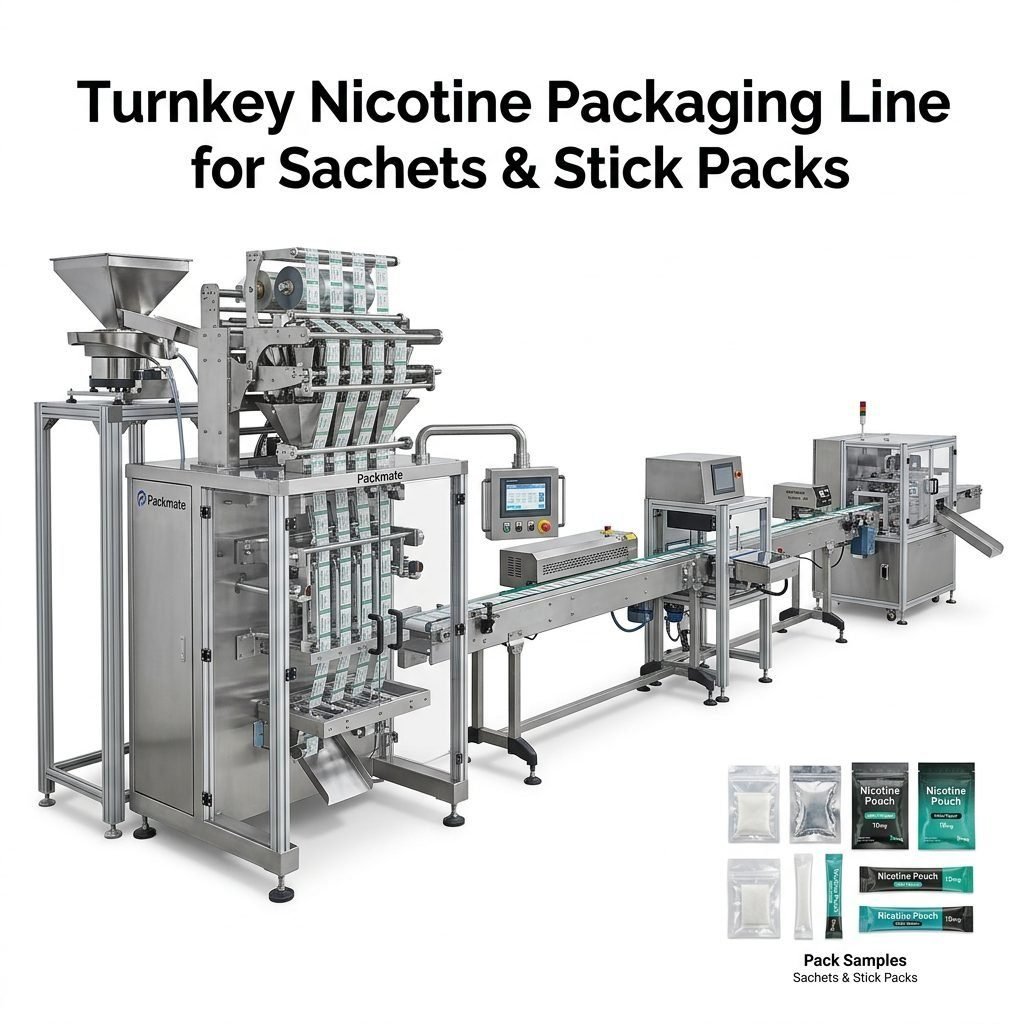
Spain’s manufacturing sector increasingly sources specialized packaging equipment for nicotine pouches and snus from global suppliers with local presence or strong export capabilities. Whether you are producing small-dose pouches or multi-lane stick packs, key decision factors include machine precision, local service, and compliance with European standards. Suppliers that provide turnkey solutions and aftermarket support deliver the fastest route to consistent production.
Why the right manufacturer matters
Choosing a manufacturer is more than comparing prices. The right partner reduces downtime, meets regulatory scrutiny, and improves product consistency. Look for manufacturers that combine rich engineering experience, traceable quality systems, and clear global references.
Key Criteria to Choose the Best Nicotine Packaging Machinery Manufacturer
Quick navigation: ⚙️ Experience & Certification • 📦 Machine Range • 🏭 Production Capacity • ✅ Quality Control • 📄 References • 💬 After-sales
1. Industry Experience & Certifications
Prior experience with nicotine pouch/snusequipments and related products matters. Seek manufacturers with decades of packaging engineering experience, CE/ISO certifications, and a history of supplying high-precision systems. A supplier with 20+ years or 30+ years of evolution demonstrates continuous improvement in design and reliability.
Tip: Ask for copies of CE/ISO certificates and recent machine performance reports.
2. Range of Machines & Customization Capabilities
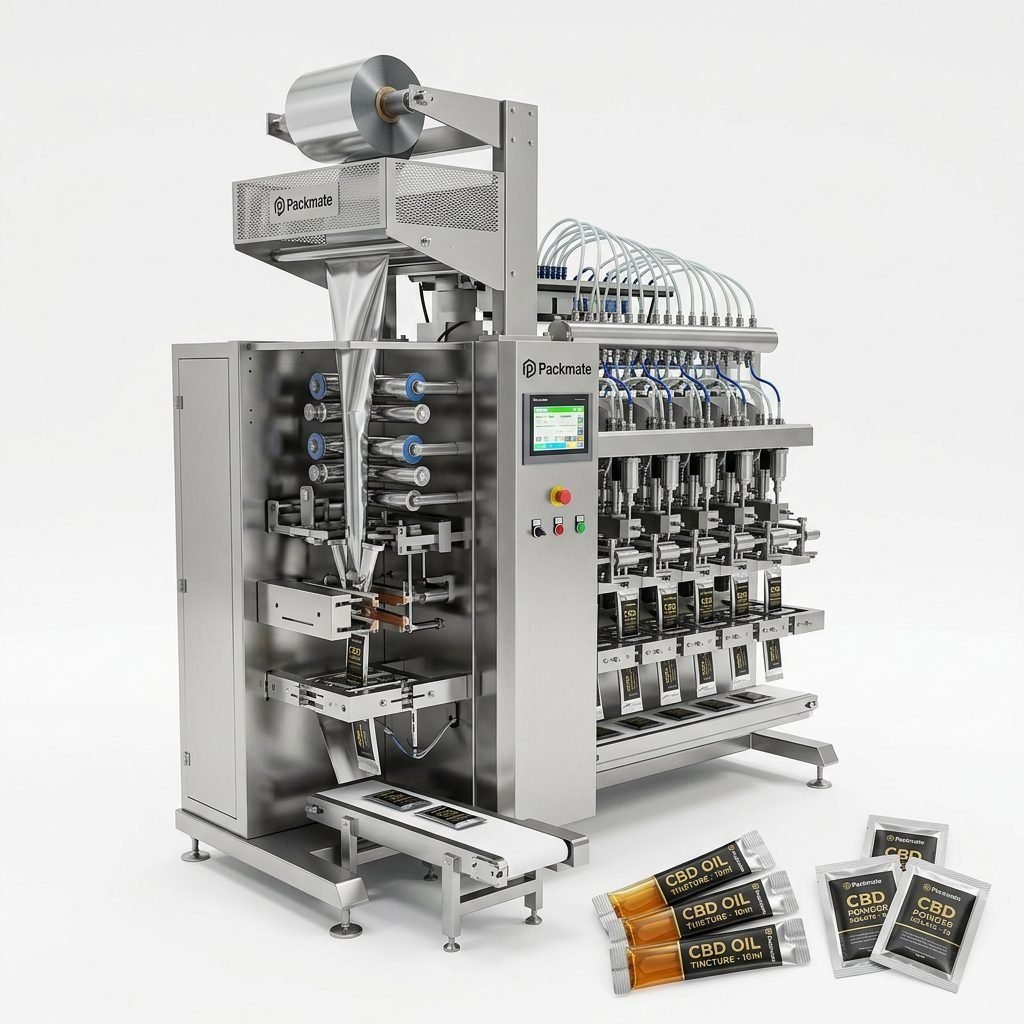
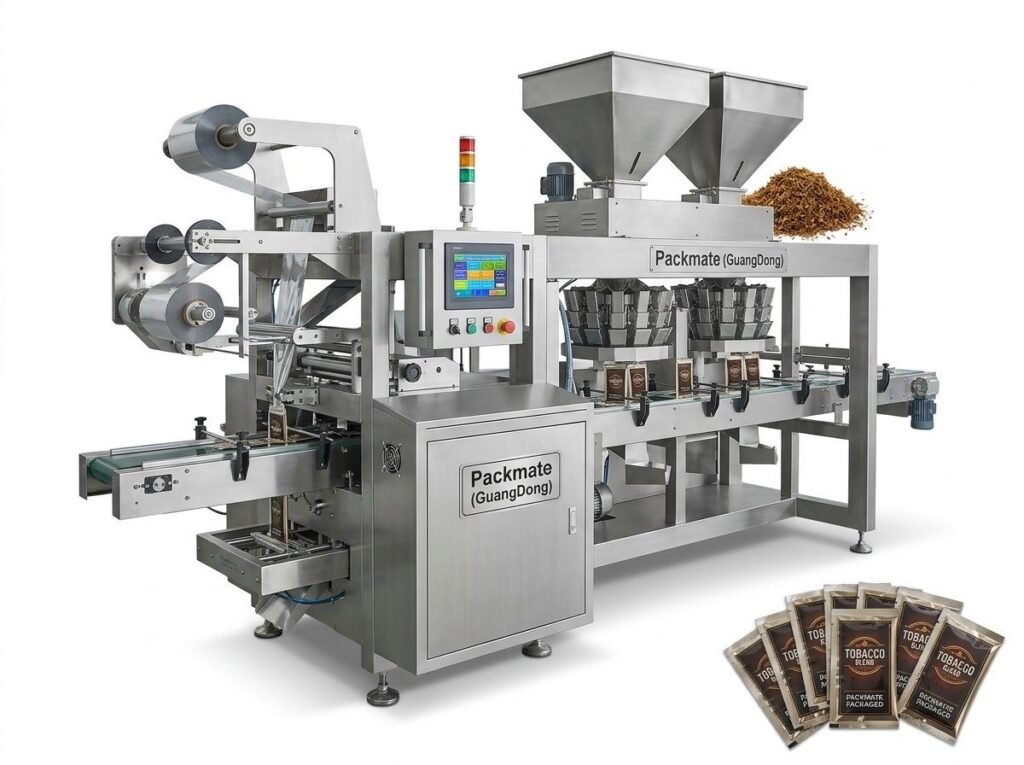
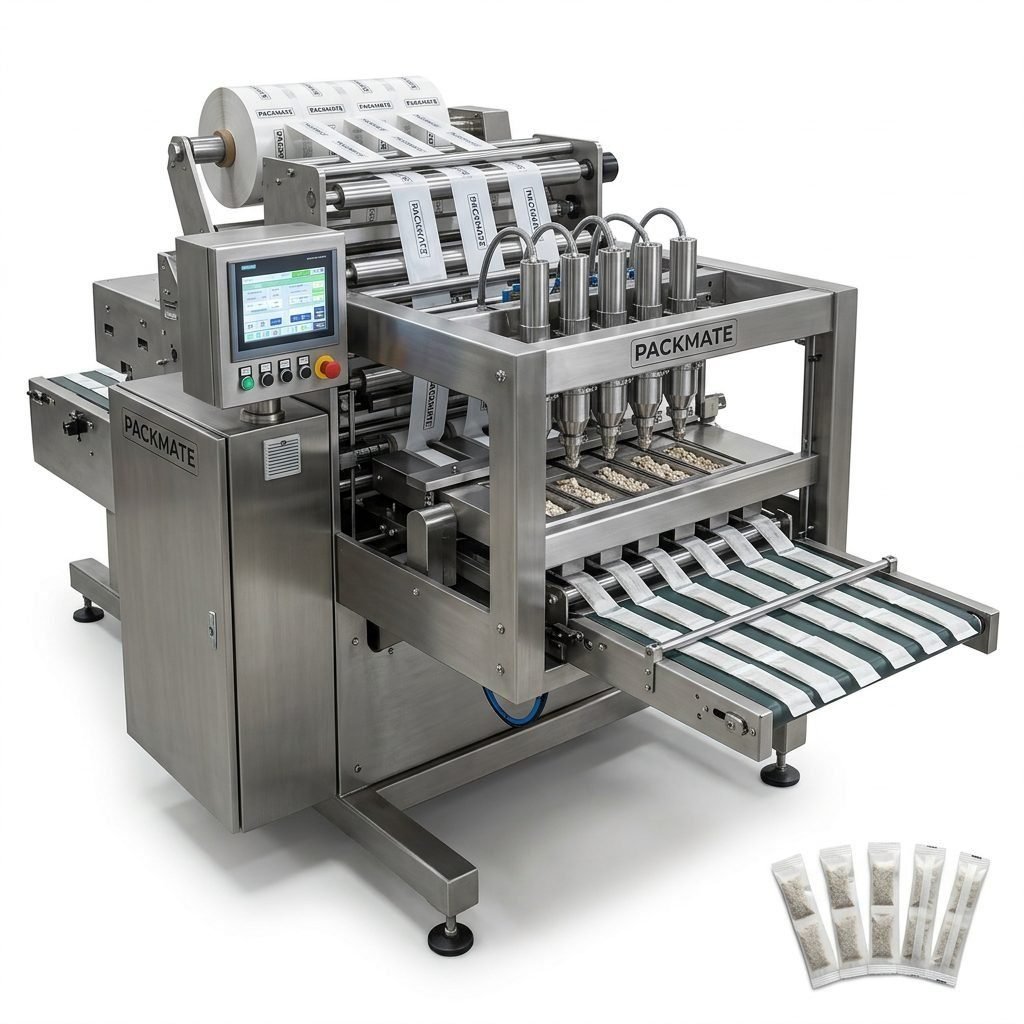
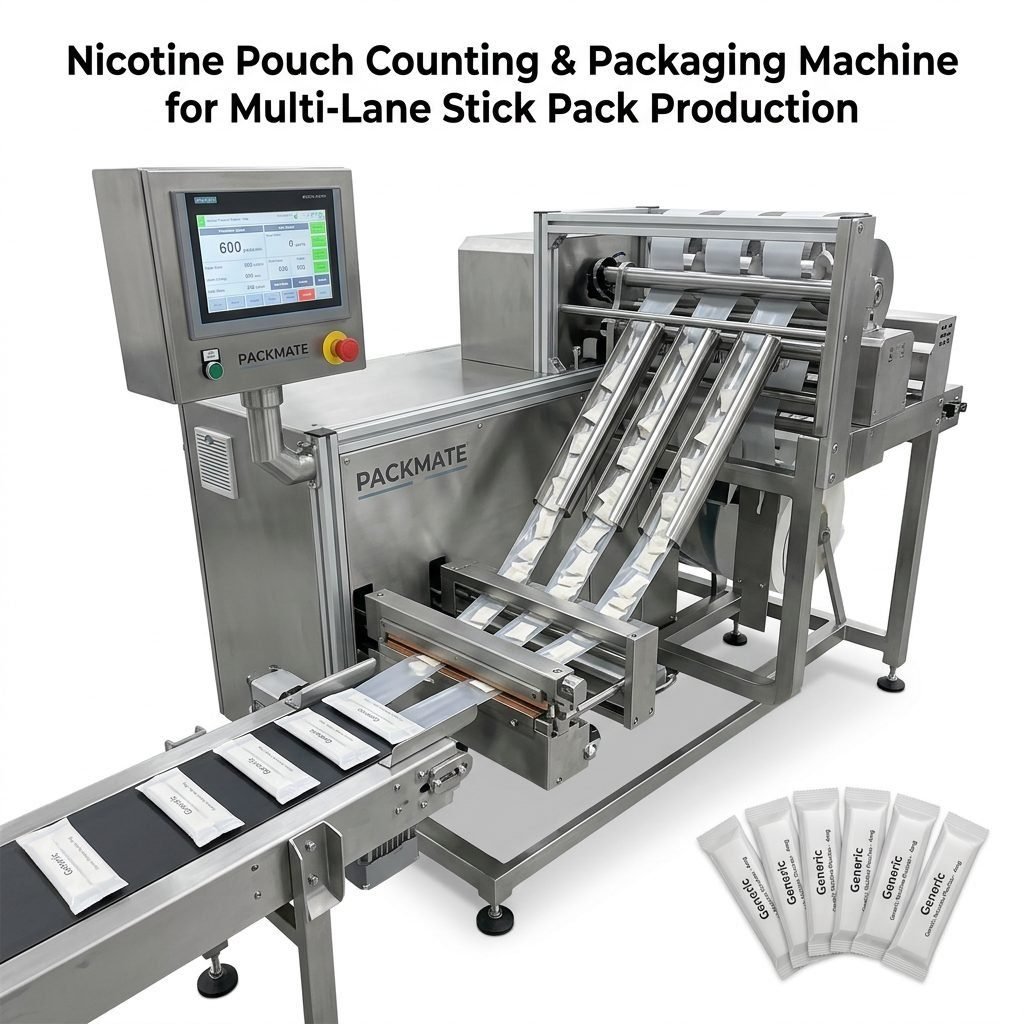
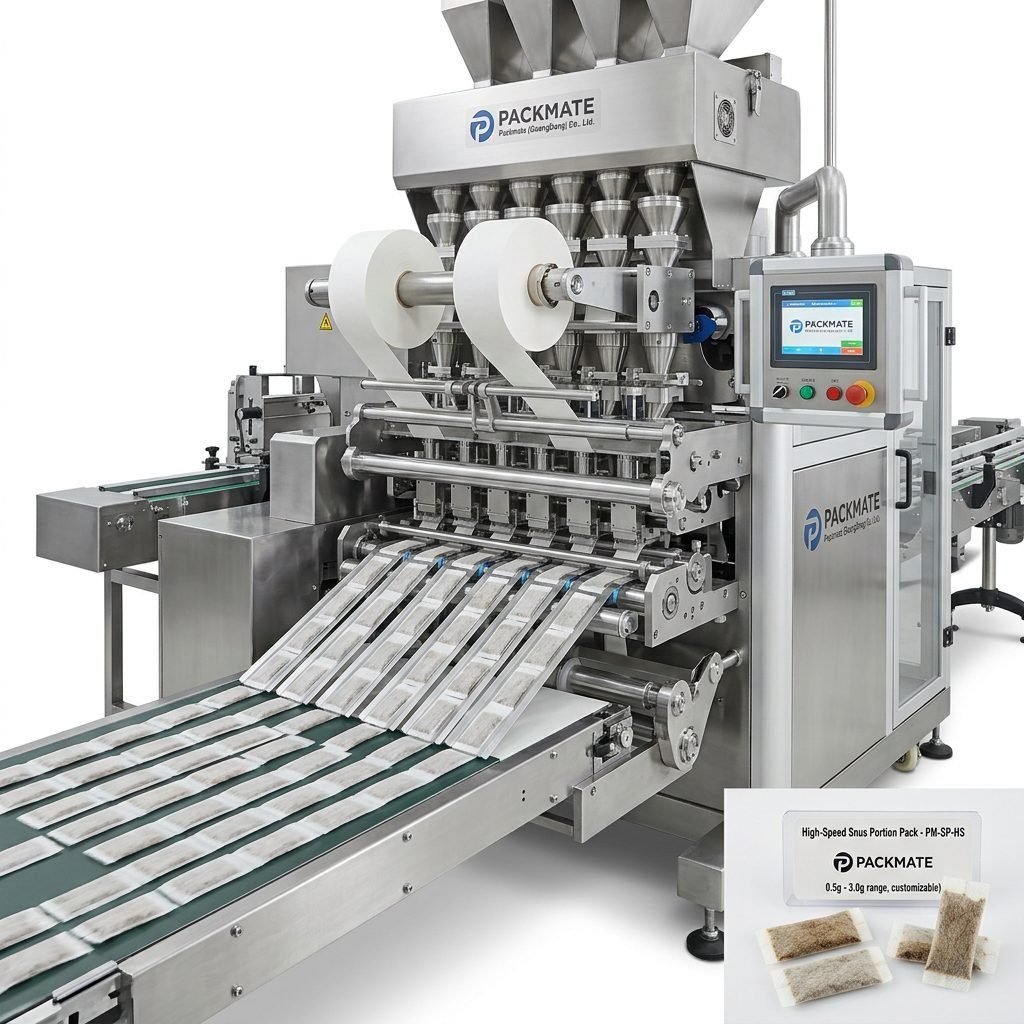
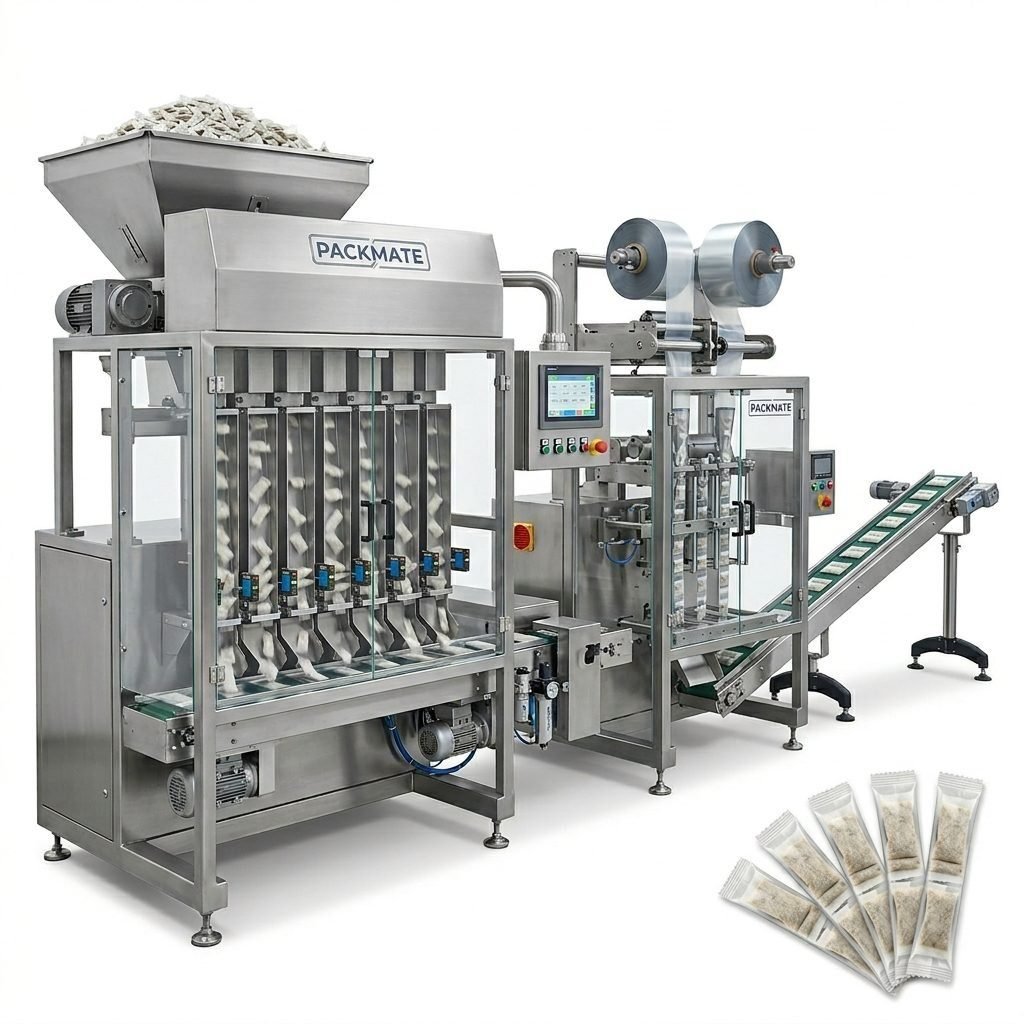
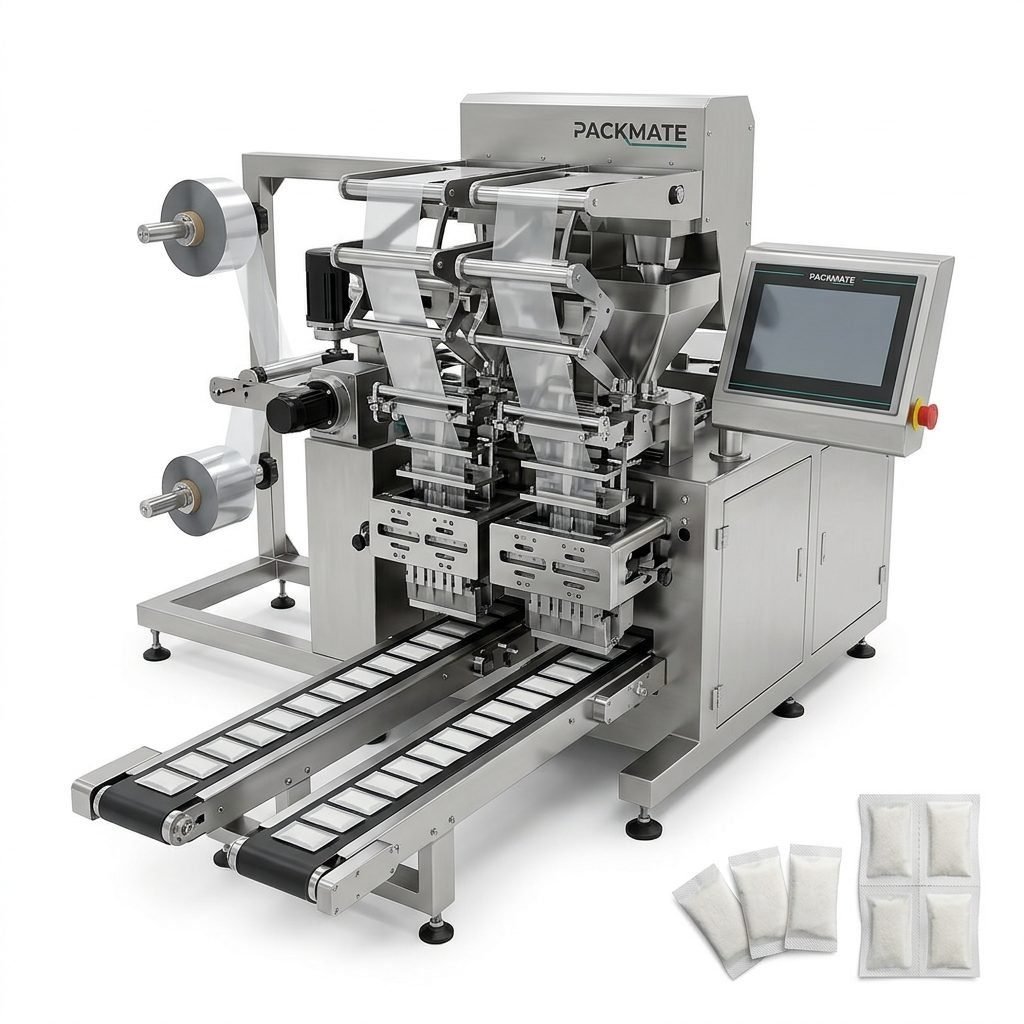
A versatile manufacturer should offer multiple models (single-lane, multi-lane, stick pack, sachet, pouch), plus flexible filling and dosing systems for powder, granule or liquid formulations. Customization options let you adapt lane counts, pouch sizes, and integrated quality checks to match product specifications.
Explore product pages such as Snus & Nicotine Packaging Machines and Sachet & Stick Pack Machines for model catalogs and case examples.
3. Production Capacity, Lead Time & Factory Strength
Evaluate factory scale, CNC capabilities, and assembly lines. A 20,000㎡ manufacturing facility with advanced CNC centers signals capacity for custom fabrication and timely deliveries. Check expected lead time for both standard models and customized turnkey lines.
Quick check: Ask the manufacturer for projected delivery schedule and component lead times for your exact configuration.
4. Quality Control, Testing & Acceptance Procedures
Robust QC systems, pre-shipment run tests, and FAT (Factory Acceptance Test) protocols are essential. Confirm how the manufacturer documents performance (speed, accuracy, reject rate) and whether they will include validation protocols for your internal quality team.
5. After-sales Support, Spare Parts & Training
Local or regional service capability reduces downtime. Clarify warranty terms, spare parts lead times, remote diagnostics options, and on-site commissioning and operator training packages. A supplier who offers long-term technical support eases production scale-up.
6. Compliance, Safety & Regulatory Knowledge
Nicotine-containing products face specific regulatory and labeling rules in Europe. The manufacturer should be familiar with hygienic design, materials of construction (food contact surfaces), and traceability features to support audits.
7. References, Case Studies & Live Demonstrations
Review client references and case studies. Ask for references with similar output and product types; request video demos or live machine demonstrations at trade shows. You can check recent field cases through their published examples like Case.
Must-have checklist before shortlisting: CE/ISO certificates, FAT protocol, spare parts list, installation & training plan, local service partners.
How to Evaluate Quotations and RFP Responses
Price is only part of the picture. Compare total cost of ownership (TCO), including spare parts, service, upgradeability, and energy consumption. Ask vendors to break down costs: machine base, options, commissioning, training, and warranty.
Sample RFP Checklist
- Required output (pouches/minute) and lane configuration.
- Product specs (dimensions, fill weight, product type).
- Acceptable scrap rates and allowable variations.
- Integration requirements (labelers, checkweighers, metal detectors).
- Electrical and pneumatic utilities available at site.
- Training, commissioning and warranty details.
Factory Visit & FAT: What to Inspect
A factory visit is the best way to validate claims. During FAT, observe machine performance using your product or a close analog. Confirm setup/cleaning time, changeover procedures, and operator ergonomics.
Important checks include build quality of welded frames, quality of moving components, accessibility for maintenance, and safety guarding. Use a simple scoring rubric to compare suppliers objectively.
How Packmate (Packmate Snus Machine) Aligns With These Criteria
⚙️ Packmate Snus Machine offers specialized snus and nicotine pouch packaging solutions with decades of engineering experience and a comprehensive product range.
🔎 Highlights:
- 30+ years of packaging engineering experience and a focused snus machine line.
- 20,000㎡ manufacturing facility with advanced CNC machining and precision assembly.
- Over 50 machine models and turnkey production lines for snus, stick packs, sachets, and auxiliary systems.
Learn more about their product suites and support resources on About Packmate and review machine options at Snus & Nicotine Packaging Machines.
Negotiation Tips & Contract Clauses
Negotiate performance guarantees (speed and reject rates) and include acceptance criteria in the contract. Specify spare parts kit, training hours, warranty response times, and escalation paths. Clarify ownership of custom tooling and intellectual property if you commission bespoke modifications.
Payment & Delivery Terms to Consider
Typical terms include staged payments tied to milestones: deposit, completion of factory tests, successful FAT, and final acceptance on-site. Retain a small portion until final commissioning to ensure accountability.
Practical Tips for Smooth Implementation
- Plan layout and utilities early — include access for maintenance and spare parts storage.
- Schedule operator training before final acceptance to speed ramp-up.
- Perform a pilot run with final packaging materials and labels to tune parameters.
- Establish a spare-part reorder list and consignment plan for critical wear parts.
Pro tip: Shortlist vendors with a documented service network in Europe to minimize response times for critical parts and repairs.
Common Questions to Ask Manufacturers During Evaluation
- Can you demonstrate similar machines running my product or a close analog?
- What are typical spare-part intervals and which parts are high-wear?
- Do you provide on-site commissioning and operator training as part of the package?
- What remote diagnostic tools and IoT monitoring options do you offer?
- Can you provide an itemized TCO for a 5-year operating horizon?
Summary & Next Steps
Selecting the best nicotine packaging machinery manufacturer for your Spanish production needs hinges on technical fit, proven experience, and reliable after-sales support. Use a structured RFP, insist on FAT with your product, and compare TCO rather than headline price alone. Vendors with strong manufacturing capacity, certifications, and global cases typically offer the lowest operational risk.
Explore product lines and support services at the manufacturer’s site to validate model options and factory capabilities: Filling & Packaging Lines, Catalog, and Service.
Frequently Asked Questions
Q: How long does it take to install a snus/nicotine pouch packaging line?
A: Installation and commissioning typically range from a few days to several weeks depending on line complexity, integration scope, and operator training. Allow additional time for site prechecks and utility setup.
Q: What warranty and spare parts should I expect?
A: Standard warranties cover manufacturing defects and limited parts. Leading suppliers offer spare-part kits, recommended inventory lists, and optional service contracts for fast response.
Q: Can the machine handle small-dose multi-lane nicotine pouches?
A: Yes — specialized multi-lane systems are designed for small-dose pouch production. Confirm lane counts, dosing technology, and pouch forming tolerances during specification.
Q: How can I verify manufacturer claims before purchase?
A: Request FAT with your product, check references, review certificates, and if possible visit the factory or view a live demonstration at an exhibition.
Q: Where can I find more information about models and services?
A: Review product pages and contact the supplier for catalogs, technical sheets and service options. Helpful resources include their product pages and service/contact links referenced above.