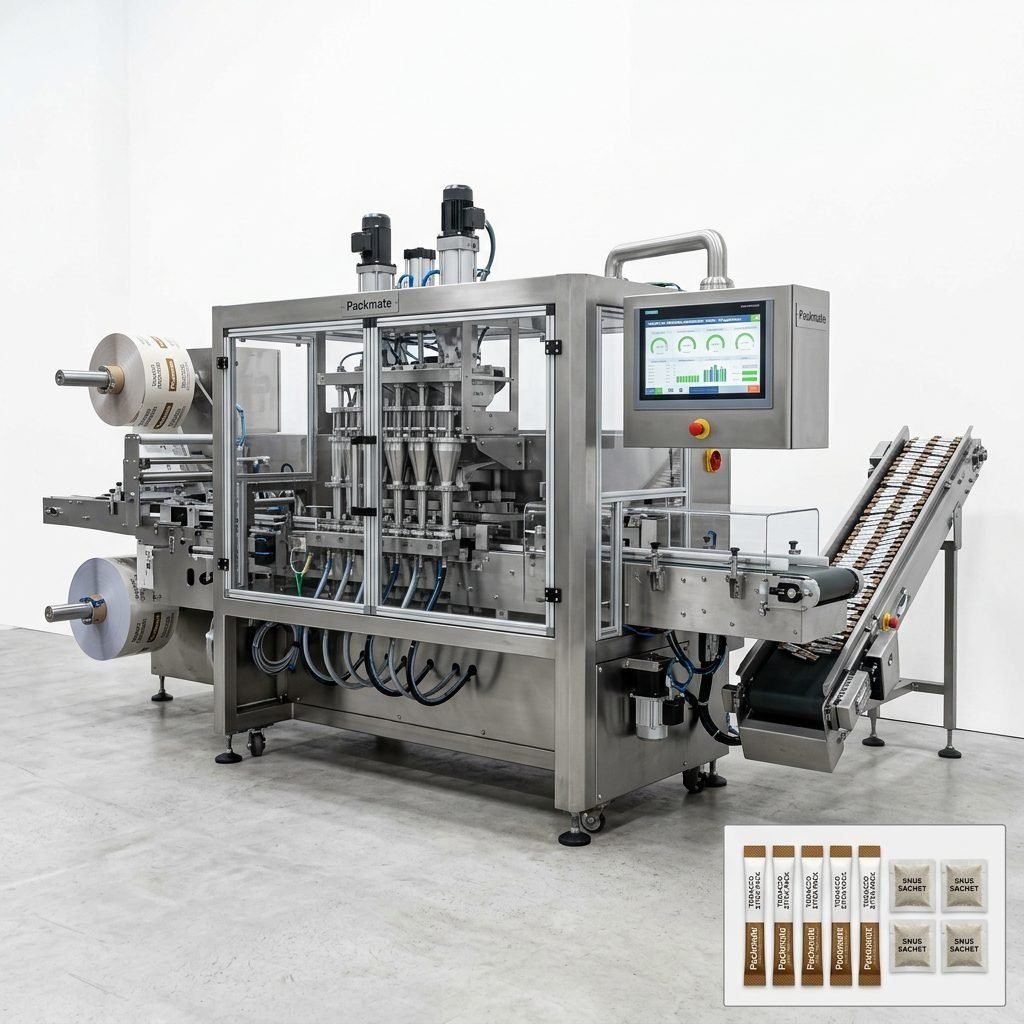
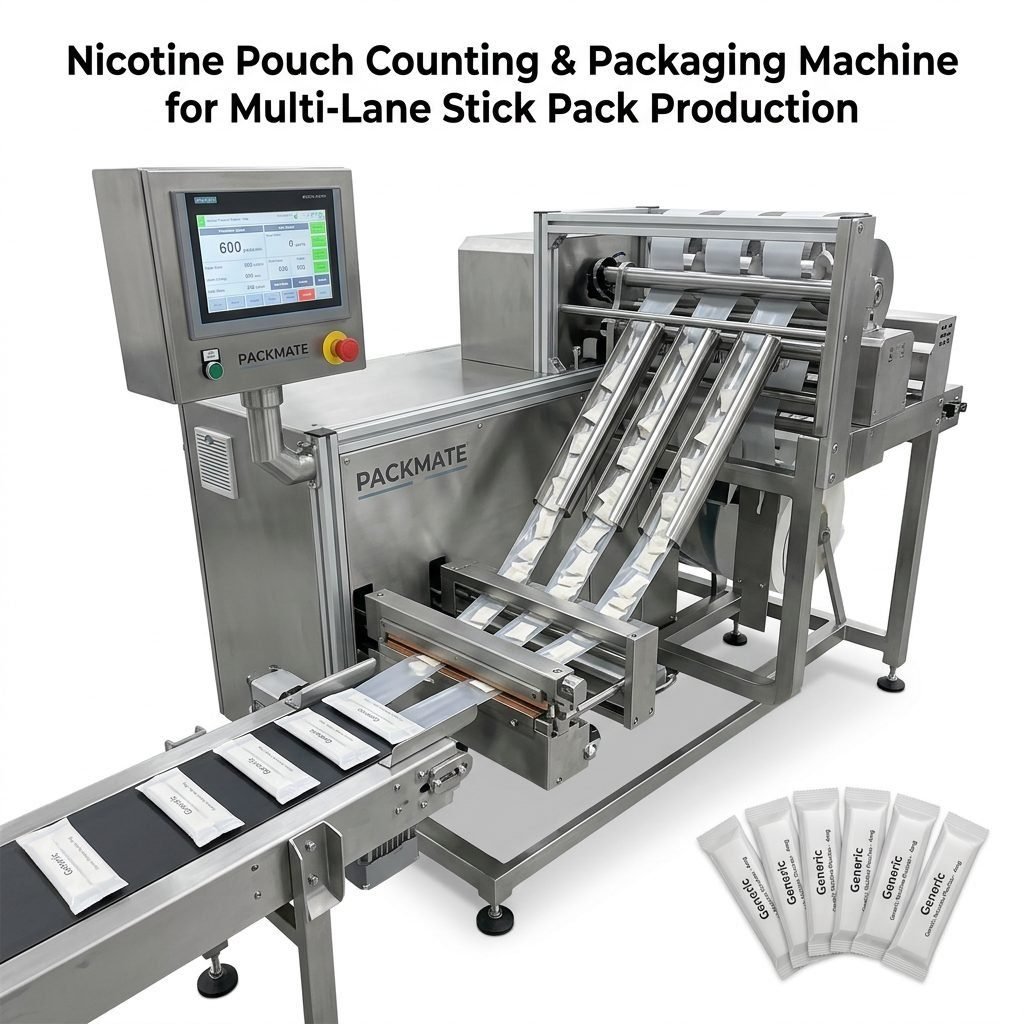
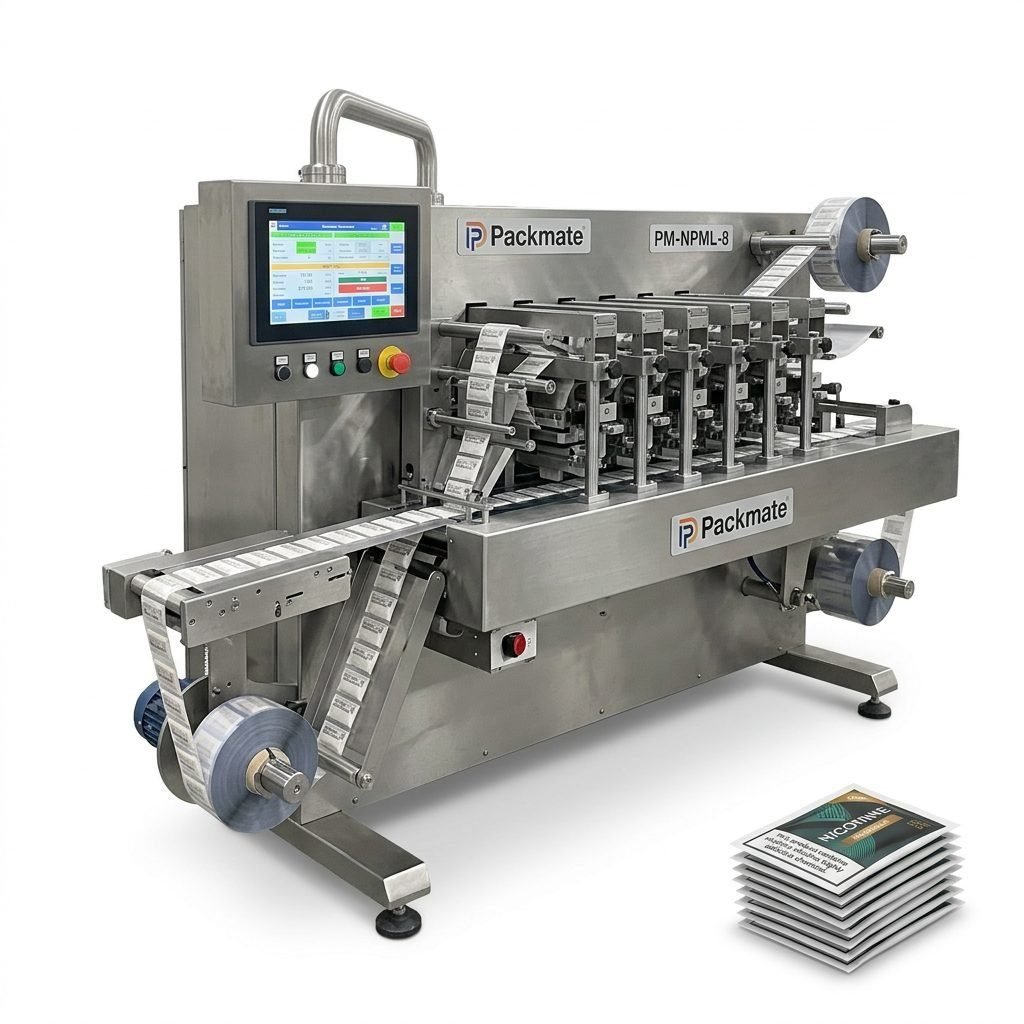
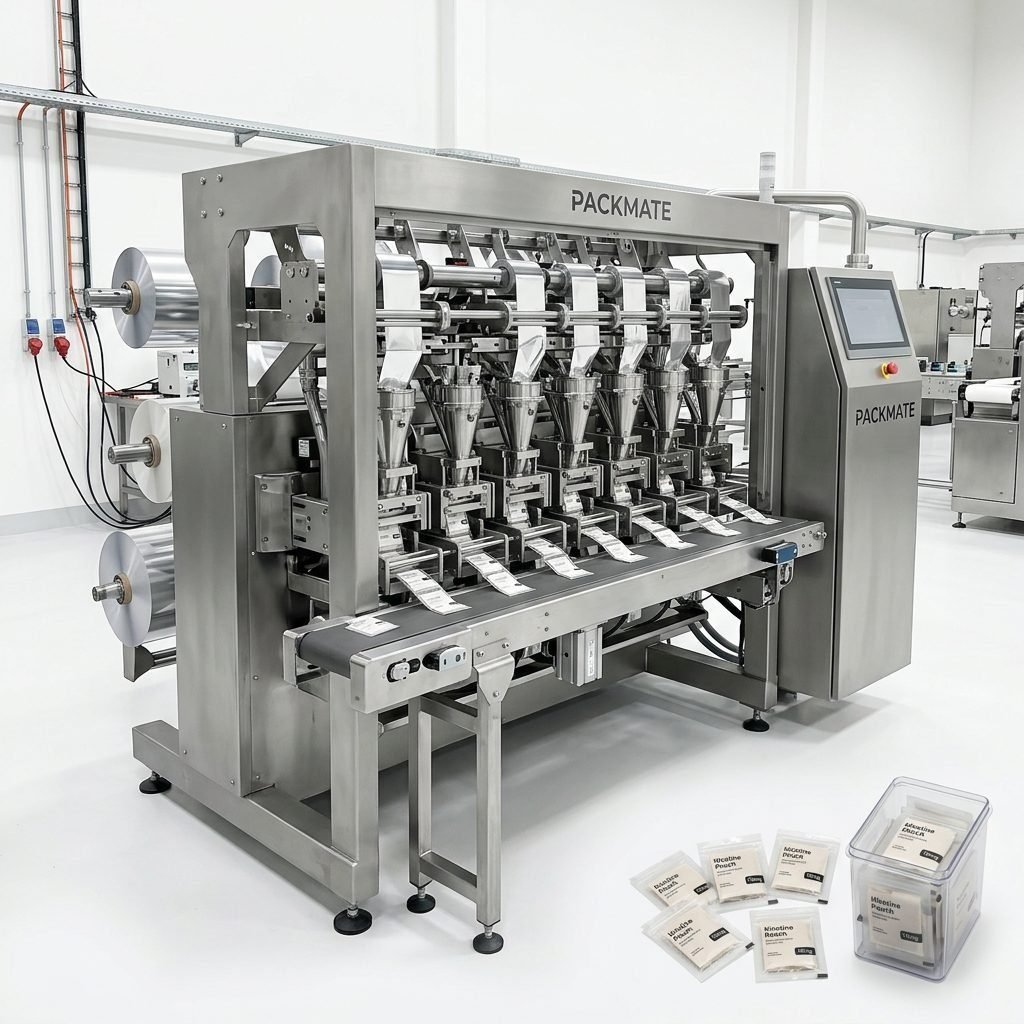
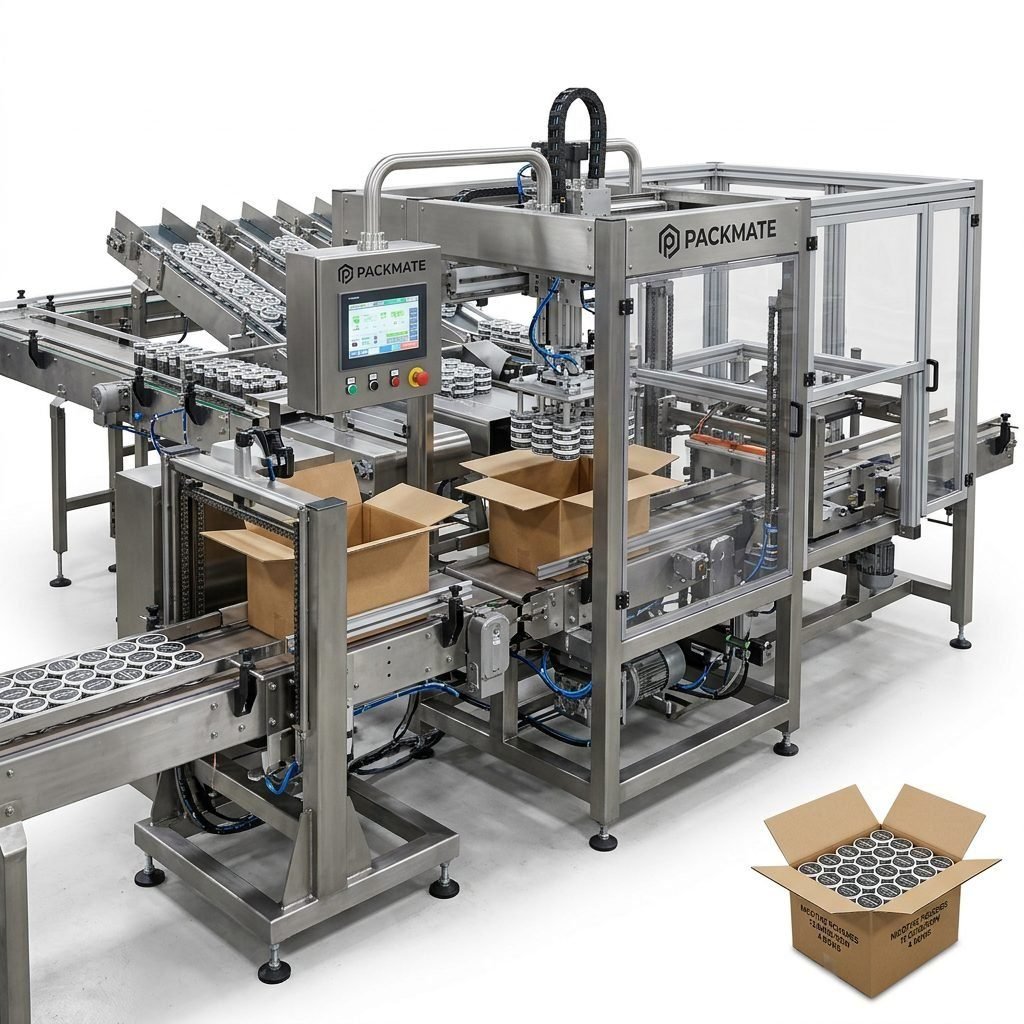
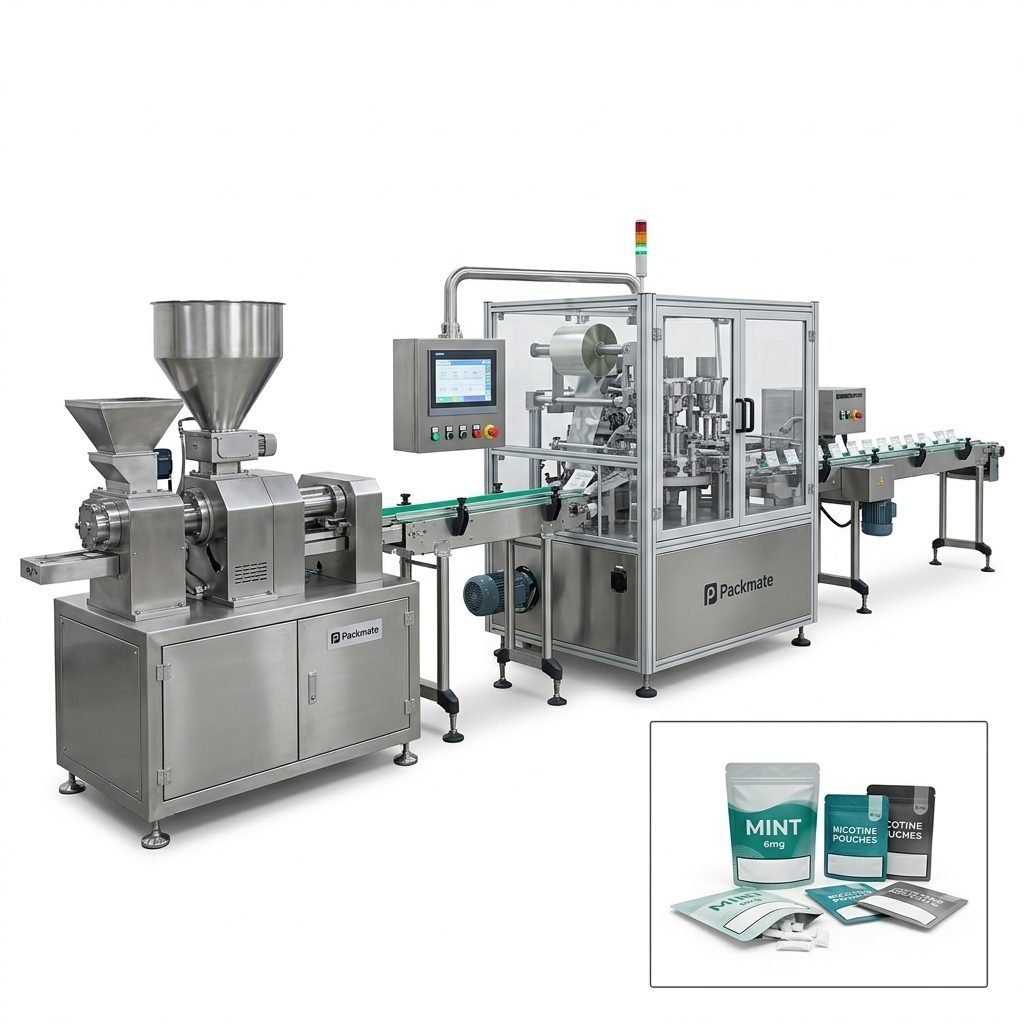
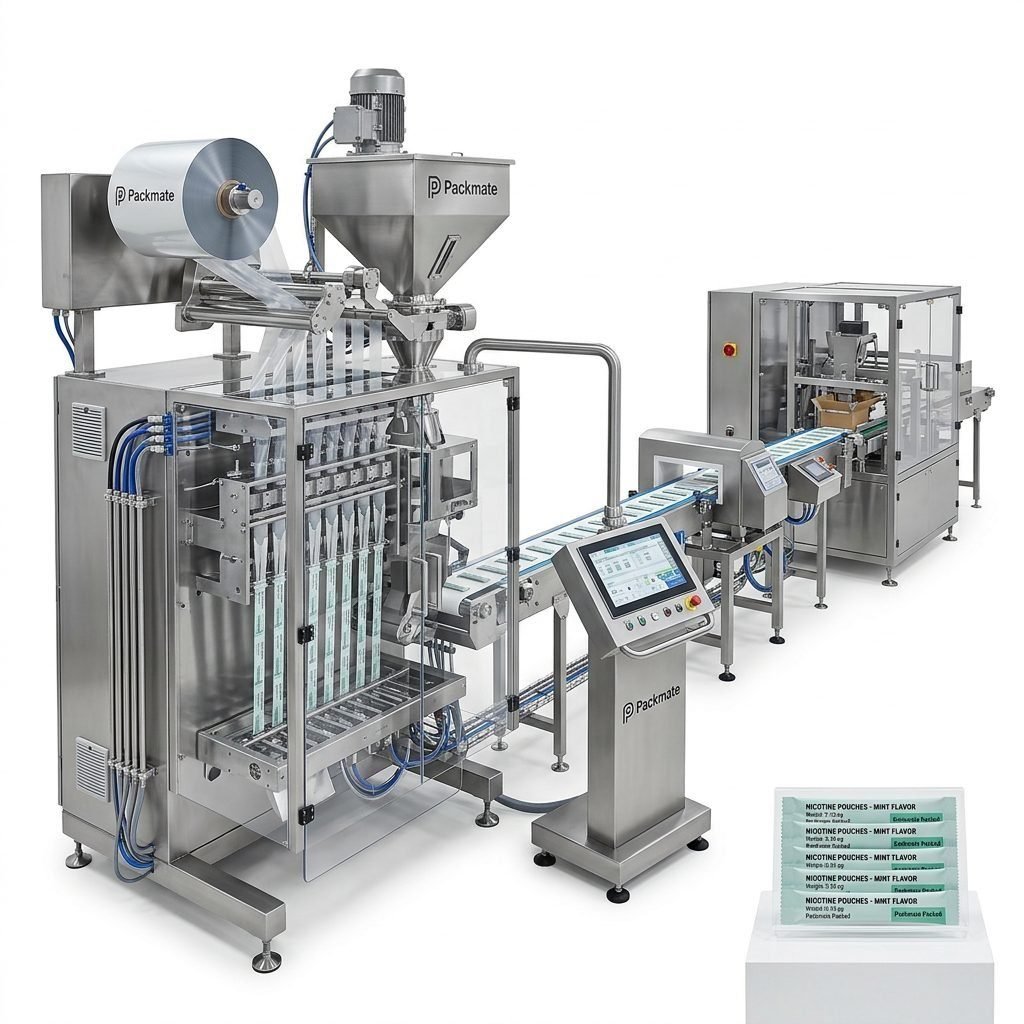
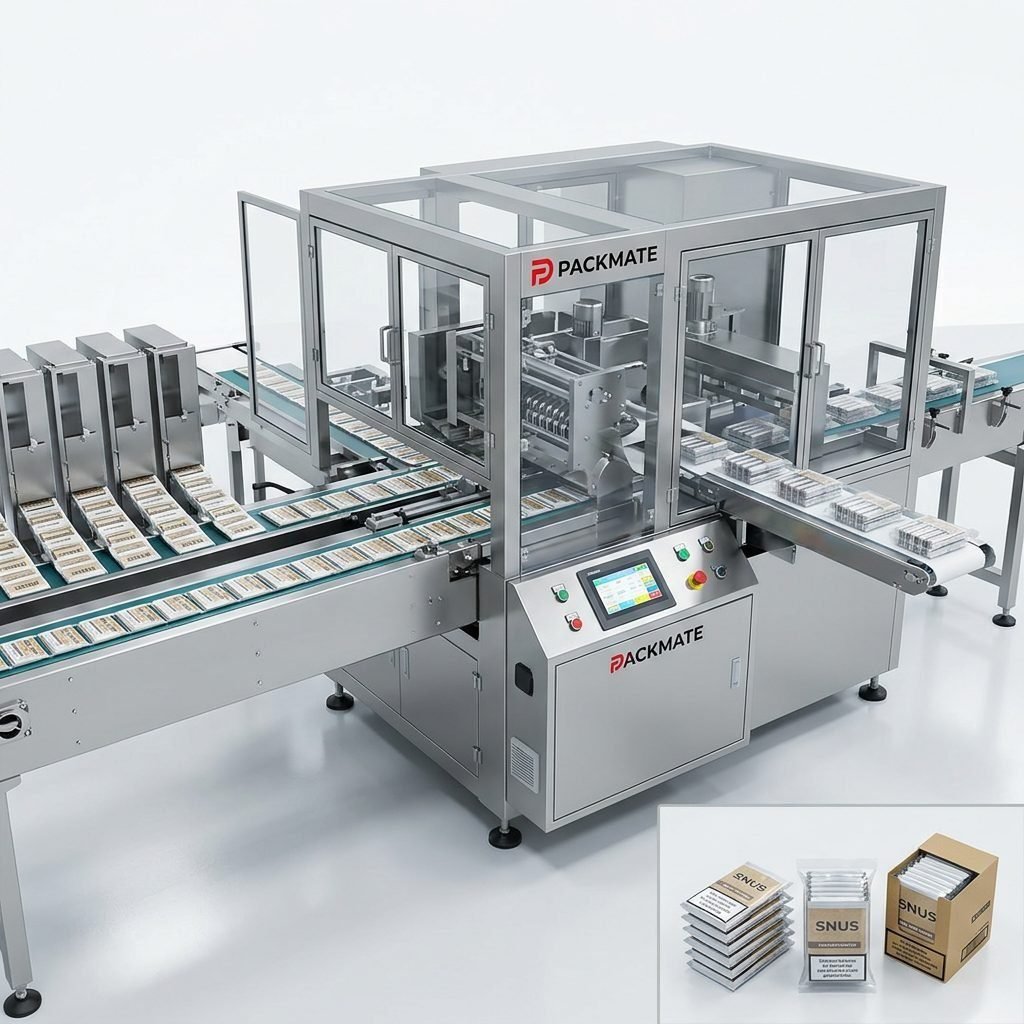
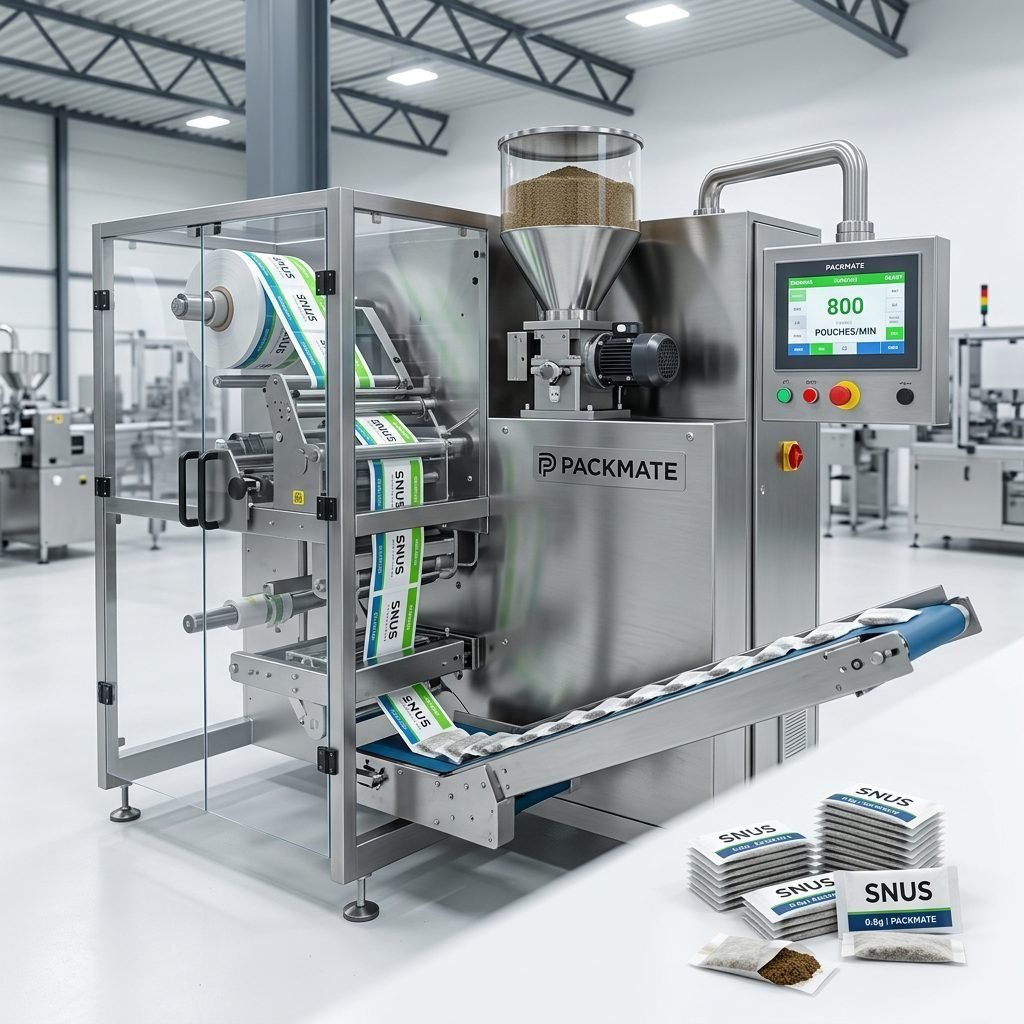
Finding a trustworthy snus packaging machine supplier in Slovakia requires practical steps, local awareness, and a grounded understanding of production needs. This guide walks you through everything from initial research to final installation — with attention to Slovak market customs, regulatory considerations, and the technical checks that guarantee long-term value.
Why choosing the right supplier matters
A reliable packaging machine supplier is more than a vendor: they are a long-term partner. The right partner helps you reduce downtime, cut material waste, meet regulatory standards, and scale production without repeated capital shocks. For snus and nicotine pouch production, precision, hygiene, and consistency are essential — a poor machine choice can cost much more than the initial purchase price.
Quick reminder: Machines with stable multi-lane solutions and accurate dosing systems save raw material and improve product uniformity — two critical metrics for snus manufacturers.
Local landscape: Slovakia-specific considerations 🇸🇰
Slovakia is an EU member and shares the European business culture of punctuality, formal contracts, and respect for technical standards. Historically, the sale of traditional snus has been restricted in many EU countries, so Slovak entrepreneurs often focus on nicotine pouches (tobacco-free), novel oral products, or export-oriented production. Always verify local regulations and customs requirements before committing to equipment for tobacco-containing products.
Business meetings in Slovakia favor clear technical documentation and formal bids. Expect buyers to request CE declarations, machine test reports, and clear maintenance schedules. Demonstrations and factory visits often carry significant weight in final decisions.
Step-by-step buyer’s checklist
- Define production targets: target daily output, pouch sizes, lanes, and product types (tobacco-containing vs nicotine pouches).
- Prioritize hygiene & material contact surfaces: stainless steel grades, easy-clean design, and CIP if required.
- Ask for machine performance data: cycle rates, accuracy, and waste percentages under real material conditions.
- Verify certifications: CE and ISO compliance, plus test reports for electrical and mechanical safety.
- Confirm spare parts and after-sales support availability in the EU/Slovakia region.
Tip 🔍: Request a performance video using your actual product or a close substitute. Videos showing real pouch fill and seal cycles are a strong indicator of honesty and machine readiness.
Where to look for suppliers
Start with specialized manufacturers that focus on snus and nicotine pouch packaging. General packaging machine vendors may lack the niche knowledge required for small-dose, multi-lane pouch systems. You can explore product portfolios like:
- Snus & Nicotine Packaging Machines — find models tailored to pouch types and lane counts. Explore examples
- Sachet & Stick Pack Machines for alternative formats. View options
- Weighing & Packaging Systems for integrated lines. Learn more
Evaluating technical capability
Technical evaluation should cover mechanical accuracy, electrical controls, HMI friendliness, and the ability to run multiple formats. Request the following details:
- Cycle rate per lane and total output (pouches/min).
- Filling accuracy (± grams) and dosing method (volumetric, auger, weigh-scale).
- Material compatibility: leaf, powder, granule, moisture content limits.
- Changeover time and tool-less change procedures for rapid format shift.
- PLC brand, spare parts list, and remote diagnostic options.
Must-have tech documents: full electrical schematics, bill of materials, spare parts list, and FAT (factory acceptance test) protocols.
Factory visit and supplier due diligence
Visiting the manufacturer — or requesting a virtual tour — reveals manufacturing discipline, CNC capabilities, QA processes, and assembly environment. Check for:
- Clean and organized assembly lines indicating quality control.
- Advanced CNC and precision equipment consistent with the supplier claims.
- Testing rigs or live production lines where machines are run 24–48 hours.
- Availability of trained engineers for on-site commissioning and local support.
Compliance, certifications and documentation
Ask for CE certificates, ISO documentation, and detailed safety files. For Slovak operations, CE is essential; documentation should include conformity declarations and translated manuals if requested. If you plan to export from Slovakia, ensure export paperwork and packaging comply with destination rules.
Reputable suppliers often display certificates and exhibition participation — these acts show engagement with the international market and compliance focus. See examples of company background and exhibition participation for trusted partners: About Packmate and Our Exhibition.
After-sales support and spare parts
Fast spare parts delivery, remote troubleshooting, and local service partners are crucial for operations in Slovakia. Evaluate:
- Spare parts kits included with delivery and typical lead times.
- Availability of EU-based warehouses or partners to cut shipping time.
- Service level agreements for response times and parts replacement.
Red flag ⚠️: suppliers who cannot provide spare parts lists or who insist on proprietary components without interchange options.
Negotiation, pricing and contract terms
Pricing isn’t just the machine cost. Factor in installation, commissioning, training, spare parts, and warranty service. Insist on:
- Detailed quote with itemized components and optional accessories.
- Clear warranty terms including parts and labor coverage.
- Payment milestones linked to delivery, FAT, and SAT (site acceptance test).
- Penalties or remediation clauses for missed performance metrics if applicable.
Logistics, installation and commissioning in Slovakia
Plan for customs clearance (if importing), appropriate lifting equipment at site, and on-site power compatibility. Many Slovak facilities use 400V three-phase power; confirm motor and electrical specs before arrival. Agree on:
- Who handles import documentation and duties.
- Site prep requirements, including floor loading and utilities.
- Commissioning timeline and acceptance criteria.
Integration with upstream and downstream equipment
If your line requires fillers, metal detection, or case packing, ensure the supplier can provide integrated solutions or documented interface specs. You may consider suppliers who also provide weighing & packaging systems: Weighing & Packaging Systems.
Real cases and references
Ask for references and case studies from similar markets. A credible supplier will present documented cases and customer feedback. For example, Packmate provides detailed case references showing multi-lane snus lines and turnkey setups: View cases.
Good sign ✅: suppliers who agree to an FAT with your product and provide SAT support during initial production runs.
Sustainability and efficiency considerations
Energy-efficient drives, minimal material scrap, and easy maintenance are key to long-term cost control. Ask for energy consumption figures and expected consumables life (seals, blades, pumps).
Selecting a partner: final scoring model
Create a scoring matrix with weighted criteria: technical fit (30%), price & TCO (20%), after-sales & spare parts (20%), references & compliance (15%), and delivery & lead time (15%). This objective approach helps compare suppliers fairly.
Useful links and next steps
If you need detailed product information, technical specs, or contact details you can review product lines and company information directly: Snus & Nicotine Packaging Machines, About Packmate, and Contact Us for inquiries and quotations.
Final checklist before purchase:
- Signed FAT protocol with test product conditions.
- Spare parts & tooling list in the contract.
- Clear warranty and training program.
- Local logistics & customs plan.
Common Questions (FAQs)
Q1: Are snus packaging machines legal to operate in Slovakia?
A1: Slovakia follows EU rules; sale of traditional snus across most EU countries has been restricted historically. Nicotine pouches that are tobacco-free may be treated differently. Always check current local laws and consult regulatory counsel for product-specific legal advice.
Q2: How long does installation and commissioning usually take?
A2: Typical commissioning for a standalone machine takes a few days; for integrated multi-station production lines expect 1–3 weeks depending on complexity, site readiness, and validation requirements.
Q3: What spare parts should I keep on hand?
A3: Maintain consumables such as seals, cutting blades, belts, filter elements, and a set of critical electronics. Your supplier should provide a recommended spare parts kit tailored to your expected runtime.
Q4: Can the supplier provide training in Slovakia?
A4: Most reputable suppliers offer training as part of commissioning, and many can provide local language manuals or remote training sessions. Confirm language needs and training scope in the contract.
Q5: How can I verify machine performance before purchase?
A5: Request FAT with your product, ask for live video demos, review case studies, and obtain performance data under realistic material conditions. This reduces surprises during SAT and early production.