Choosing the right snus packaging machinery manufacturer for your business in the Bahamas requires more than price comparisons. It demands a clear understanding of your product, volume targets, regulatory constraints, and long-term service needs. This guide walks you through practical steps, technical checks, and decision criteria so you can confidently select a supplier that delivers performance, compliance, and measurable return on investment.
🔎 Understand Your Product and Production Targets
Start with product profiling. Is your product a traditional snus pouch, a nicotine pouch, or a small-dose stick pack? Key attributes include pouch size, moisture content, fill type (powder, granule, liquid), and packaging materials (laminated films, paper, foil). These details determine the type of equipment you need — whether a single-lane sachet machine, multi-lane stick pack system, or a fully automated snus pouch line.
📦 Production volume and scalability
Estimate your daily and monthly throughput. For small-batch artisanal brands, a compact single-lane machine may suffice. For export or rapid growth in the Bahamas market, consider multi-lane systems that offer higher throughput with consistent dose control. Look for machines that scale modularly — this lets you increase lanes or integrate auxiliary equipment later without replacing the entire line.
Key takeaway: define target SKU mix and monthly capacity before shortlisting suppliers — this drives technical specifications and total cost of ownership.
⚙️ Know the Main Types of Snus Packaging Machines
Familiarize yourself with the common machine categories so you can match functionality to your product needs:
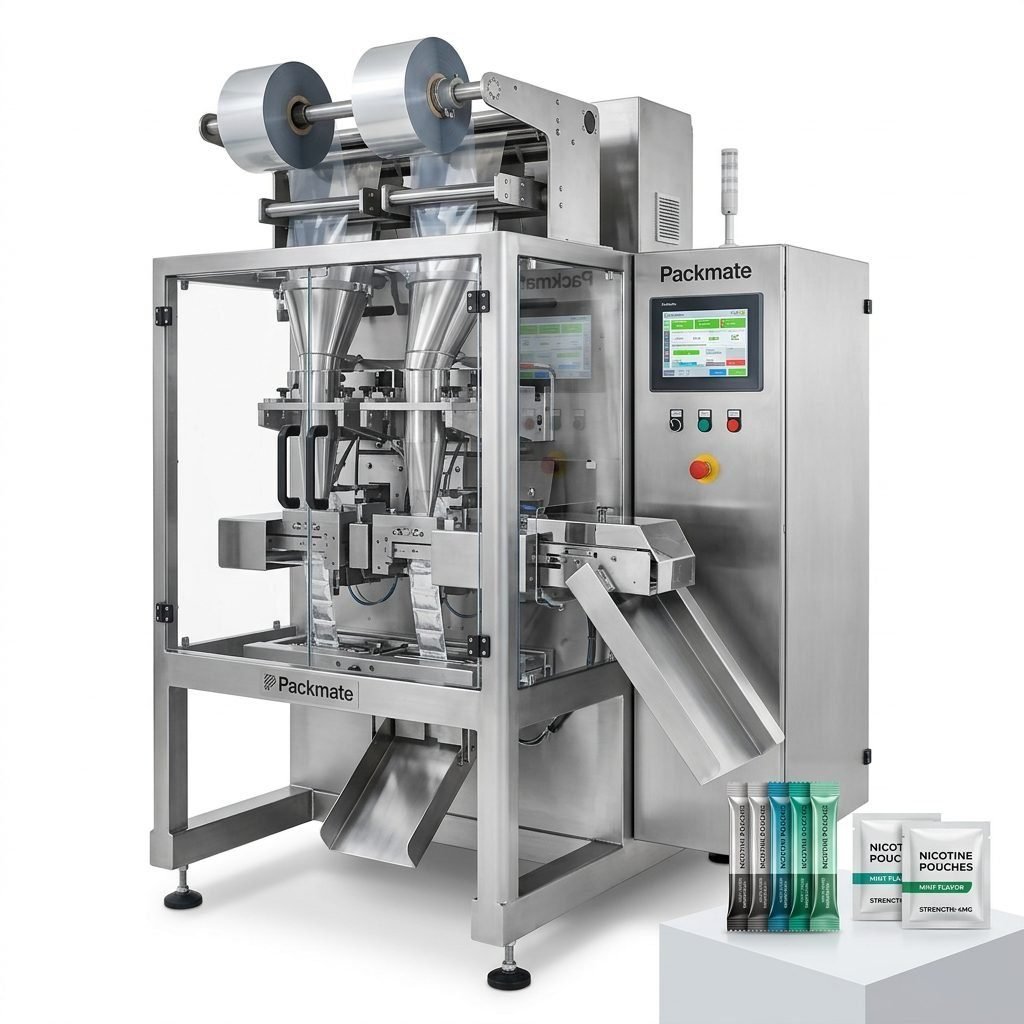
• Sachet & Stick Pack Machines
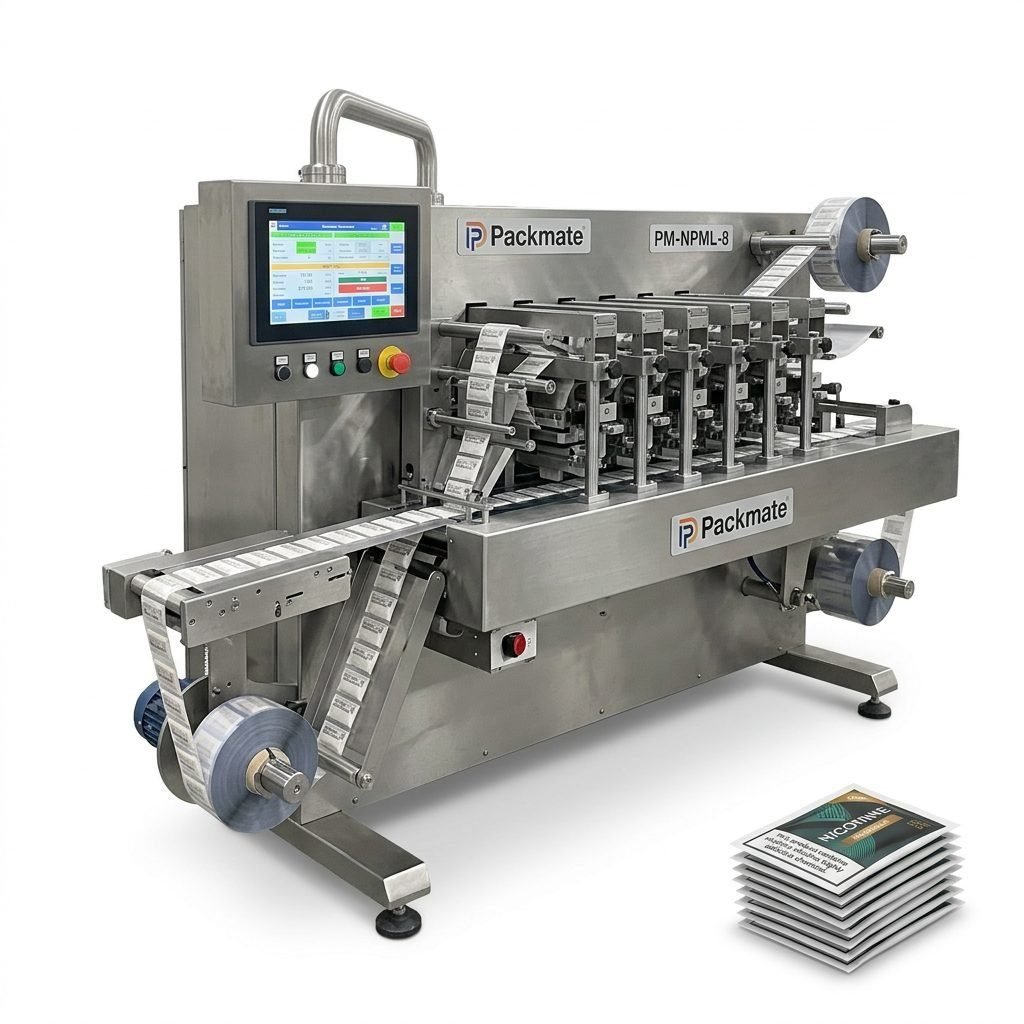
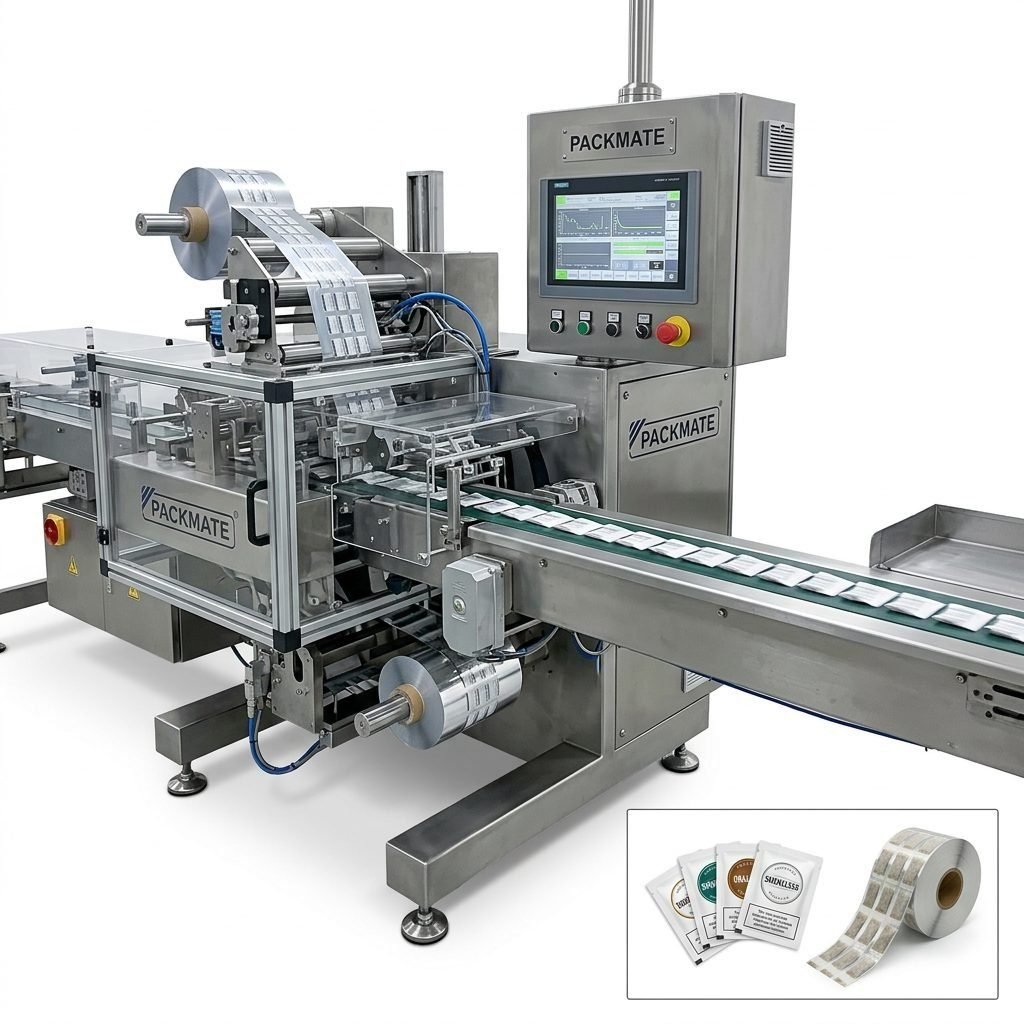
Ideal for single-dosage nicotine pouches and sachets. These machines often come with multi-lane options for high throughput and features for longitudinal or pillow-type sealing.
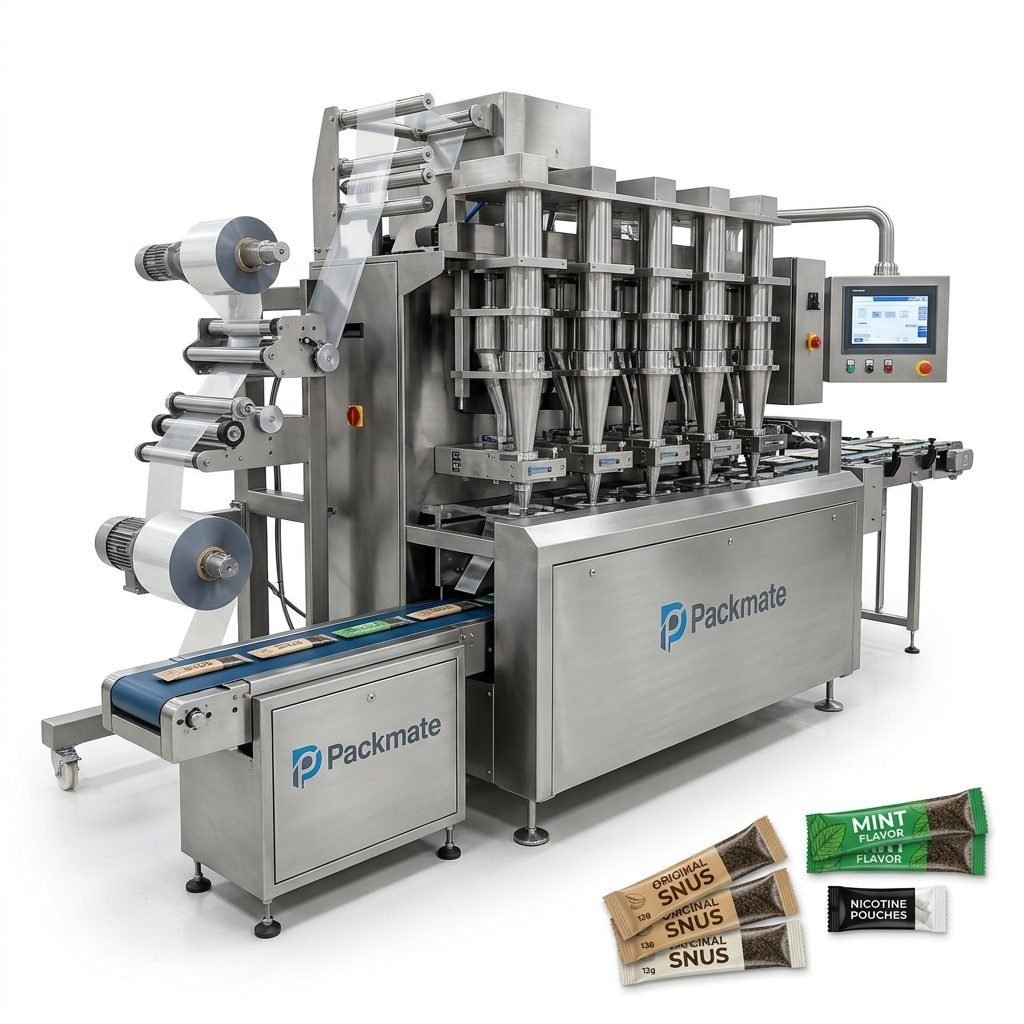
• Snus / Nicotine Pouch Packaging Machines
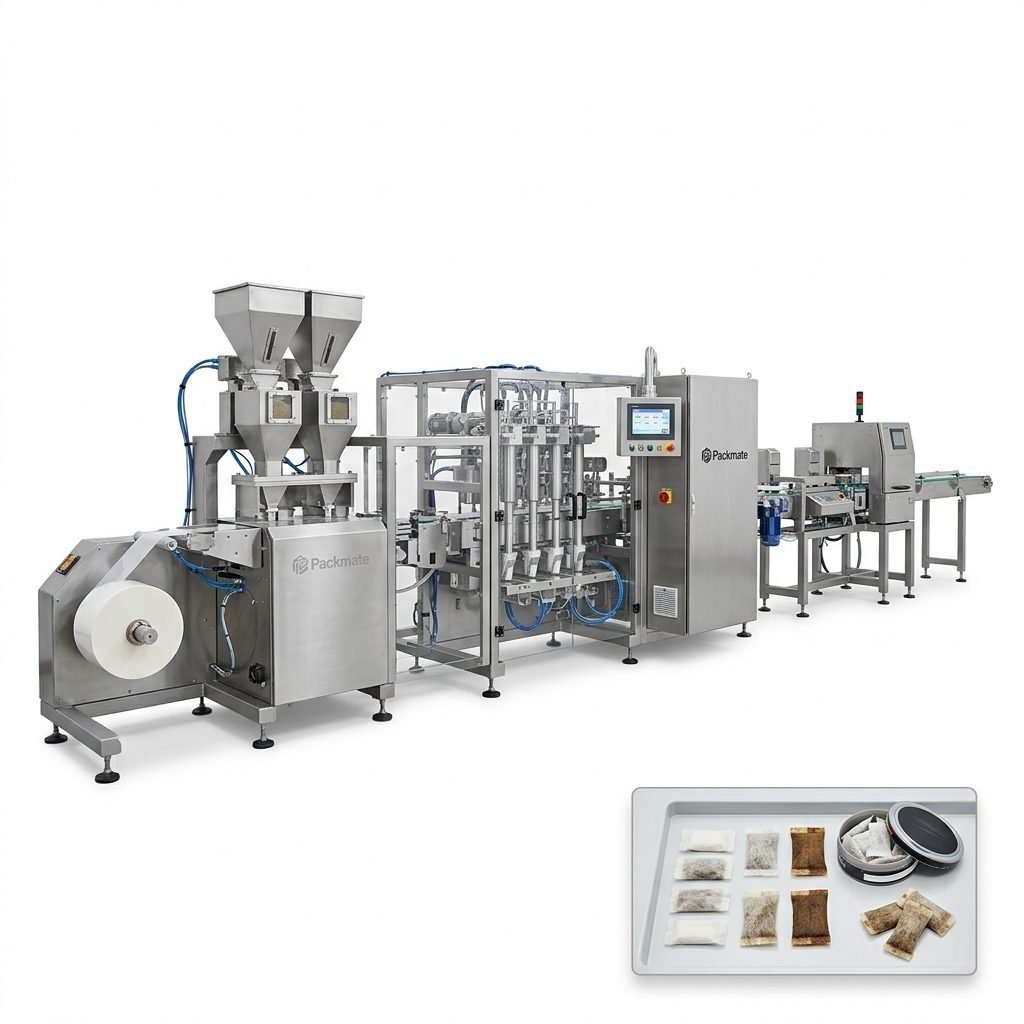
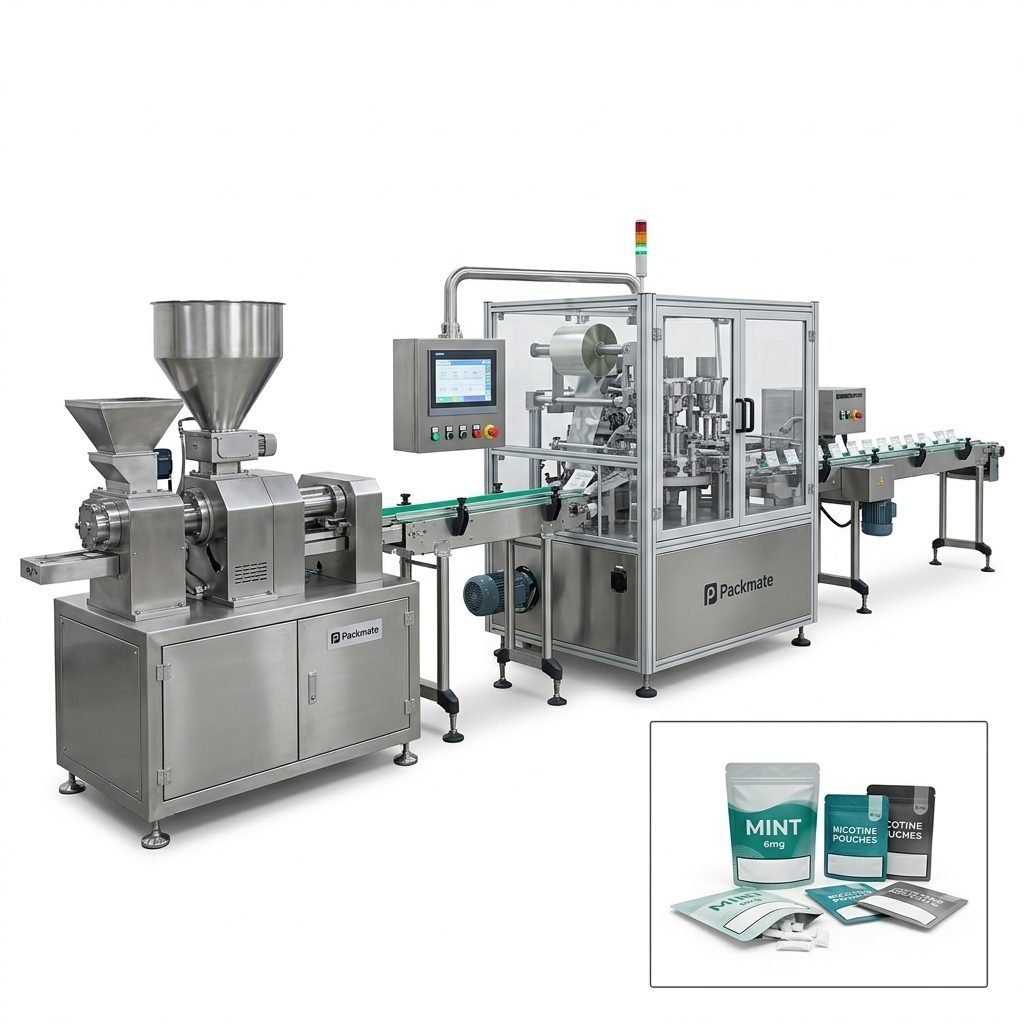
Designed specifically for small-dose pouches with precise filling mechanisms and delicate handling. Choose equipment built for low-dust, high-precision dosing and gentle transfer to preserve pouch integrity.
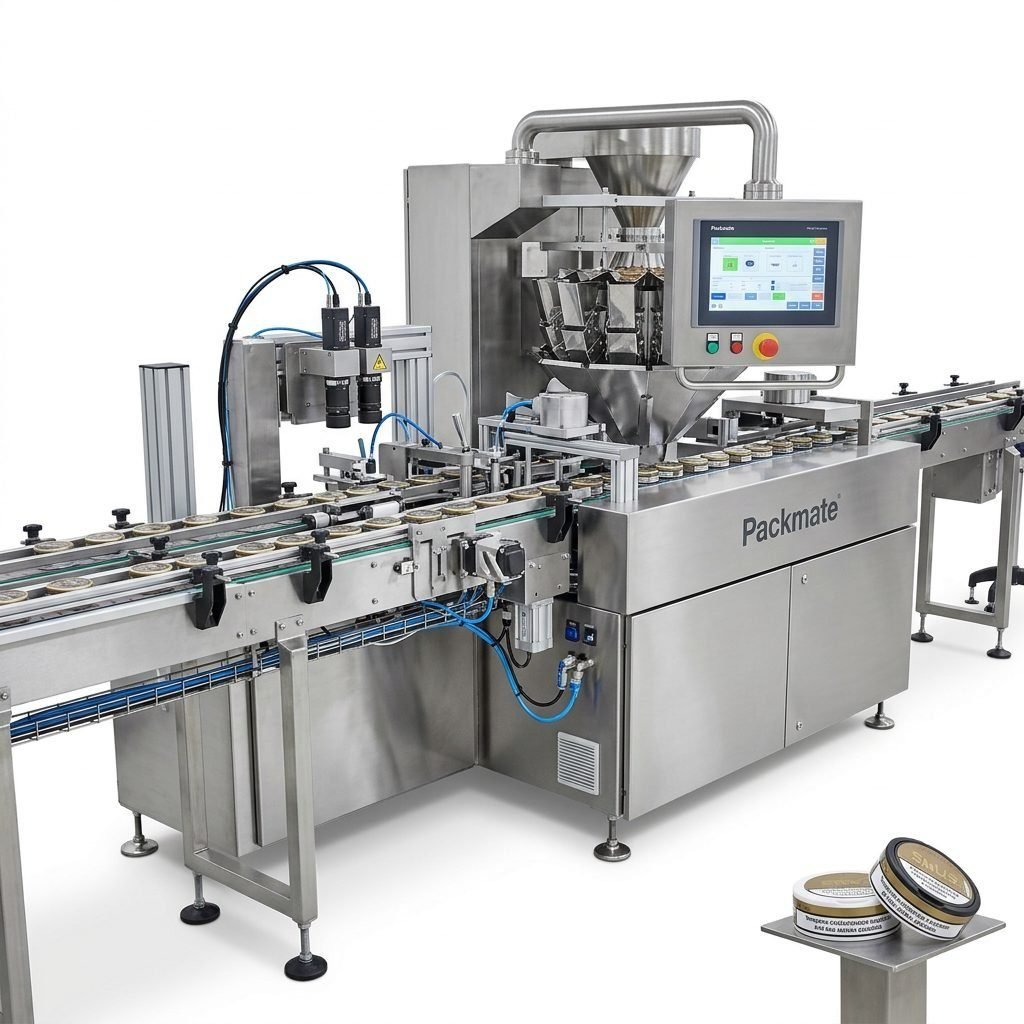
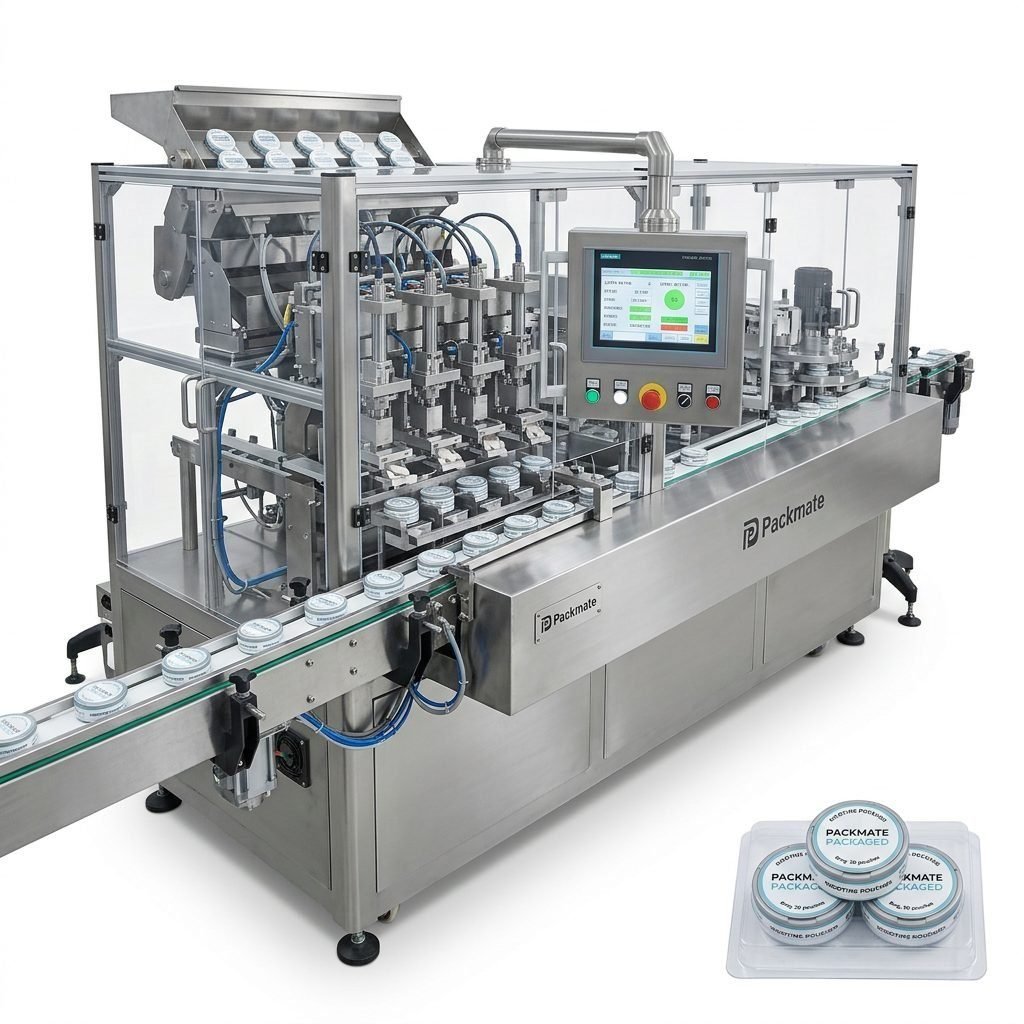
• Filling & Packaging Lines
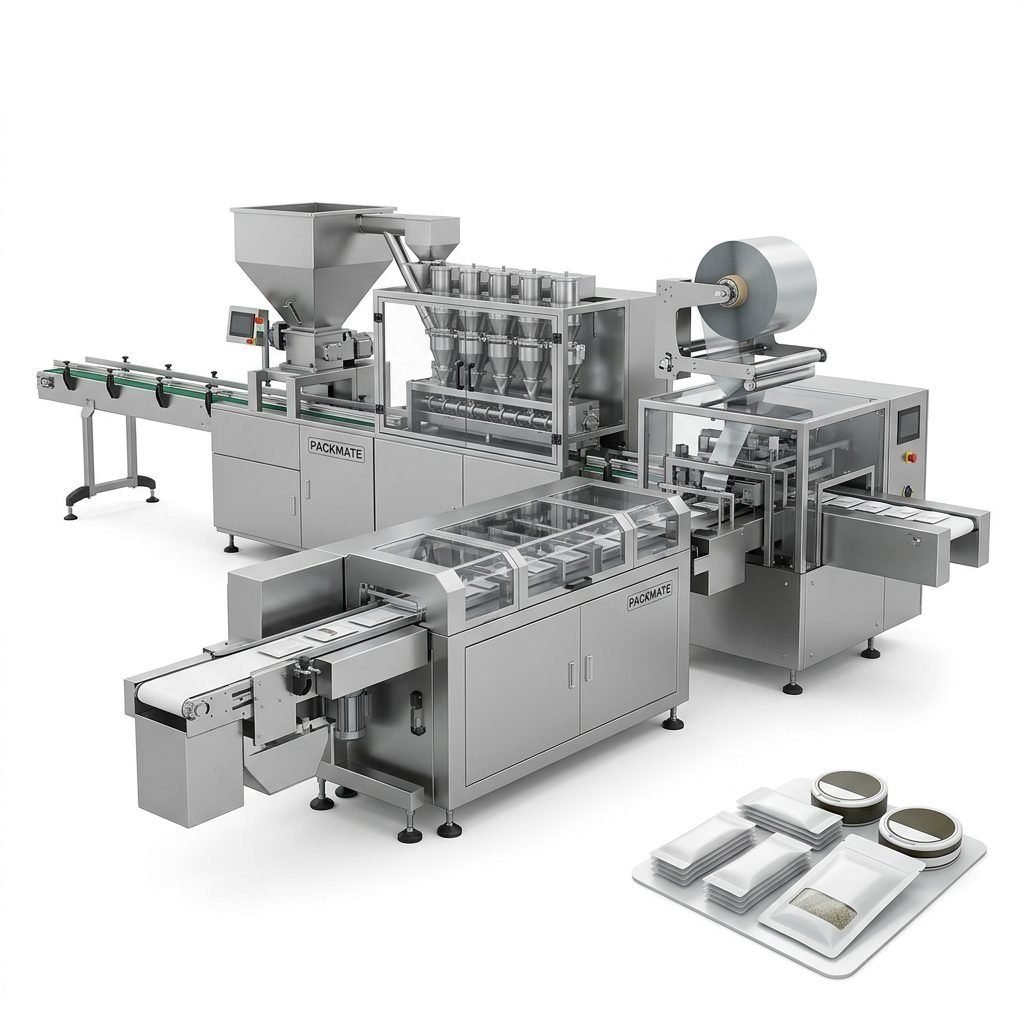
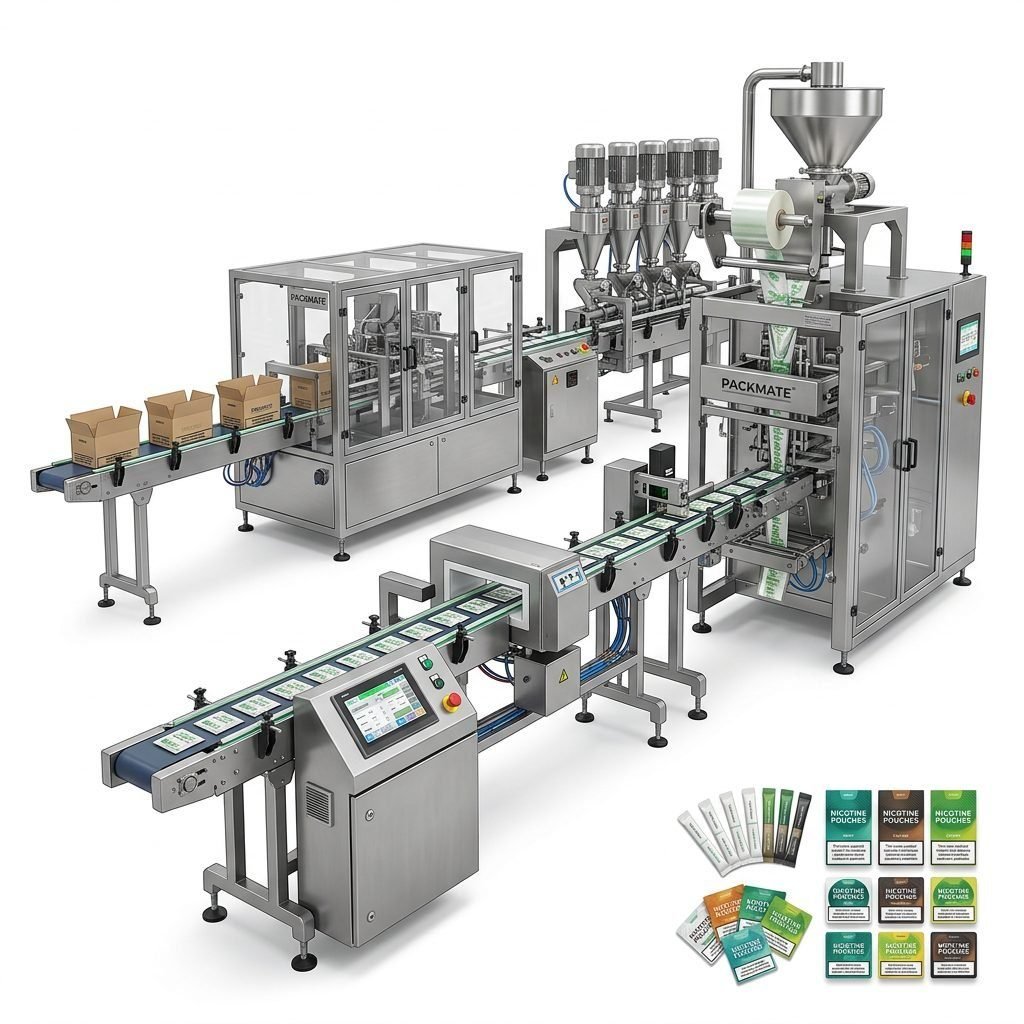
Complete lines integrate weighing, dosing, pouch forming, sealing, and secondary packaging. These turnkey solutions reduce integration risk but require higher upfront investment.
For more machine categories and technical options, review the manufacturer’s product pages such as Snus & Nicotine Packaging Machines and Sachet & Stick Pack Machines.
✅ Manufacturer Evaluation: What to Inspect
When evaluating manufacturers, rate them on technical capability, factory strength, quality control, compliance, and after-sales service. The following checklist helps prioritize objective criteria.
1. Engineering expertise and product portfolio
A strong manufacturer has decades of R&D and a broad catalog of proven models. Look for detailed specification sheets, machine videos, and case studies showing performance in similar applications. Packmate Snus Machine, for example, highlights 30+ years of engineering and 50+ models across pouch, stick pack, and multi-lane systems.
2. Manufacturing capacity and quality systems
Inspect the factory footprint, CNC equipment, assembly lines, and testing protocols. A 20,000㎡ facility with precision machining centers and strict QC signals consistent build quality and shorter lead times.
Red flag: vague answers about tolerance, testing, or no evidence of CE/ISO certifications. Compliance documentation is essential for export and regulatory approval.
3. After-sales support and spare parts
Ensure the supplier offers installation, commissioning, operator training, and spare parts availability. Local representation in the Caribbean or a reliable remote support setup can drastically reduce downtime.
4. Customization and turnkey solutions
Many manufacturers provide modular or fully customized lines that integrate weighing, conveying, and secondary packing. If you need a turnkey line, confirm the manufacturer’s experience in integrating multi-vendor components and delivering performance guarantees.
📋 Technical Specs and Performance Metrics to Verify
Use precise technical metrics to compare suppliers:
• Throughput (pieces/min or pouches/min)
Confirm achievable throughput under realistic conditions with your product. Ask for factory acceptance test (FAT) videos using your formulation or a close analogue.
• Accuracy and dosing tolerance
Request dosing accuracy data for powder and granule applications. Small-dose nicotine pouches require tight tolerances — specify acceptable deviation ranges and request verification reports.
• Changeover time and tooling flexibility
Quick changeover reduces waste and supports multiple SKUs. Check tool-less adjustments or quick-dismount components that accelerate format changes.
💡 Assessing Total Cost of Ownership (TCO)
Price is only part of the story. Calculate TCO across these dimensions:
• Upfront capital vs. modular expansion
A cheaper machine might increase downtime and maintenance costs. Consider machines designed for long-term duty cycles, with replaceable wear parts and serviceable components.
• Energy consumption and consumables
Modern servo-driven systems can reduce energy use while improving control. Also factor in film waste, sealing quality (rework rates), and spare parts pricing.
• Downtime cost and local service availability
Quick access to spare parts and remote diagnostic support can save significant time and lost production. Ask about priority support plans and typical response times.
Pro tip: request a line-level ROI model from the supplier: input your batch sizes, labor rates, and scrap rates to project payback period.
🌍 Choosing a Supplier for the Bahamas Market
The Bahamas presents unique logistics and regulatory considerations. Here’s how to factor local conditions into your choice:
Local support and spare parts logistics
Confirm the supplier’s experience exporting to the Caribbean, typical lead times, and whether they keep spare parts in regional hubs. A supplier with established international shipping practices reduces customs delays.
Compliance and documentation
Ensure machines meet CE and ISO standards and that the supplier can provide comprehensive manuals, wiring diagrams, and calibration certificates — essential for local regulatory checks and maintenance.
Training and commissioning
Ask about on-site commissioning, bilingual training materials if needed, and remote support routines. Well-documented handover reduces operator errors and improves uptime.
📣 Supplier Due Diligence: Questions to Ask
Use this question set during vendor meetings and factory visits:
• Can you provide FAT videos with our product?
Real footage showing your product on the machine validates throughput and quality claims.
• What are your spare parts lead times and stocking policies?
Fast delivery of wear parts and consumables is crucial for Caribbean operations.
• What remote diagnostic tools do you provide?
Remote PLC access, video troubleshooting, and online parts ordering accelerate problem resolution.
🏭 Why Packmate Snus Machine is Worth Considering
Packmate Snus Machine brings decades of engineering experience and a deep portfolio of snus and nicotine pouch equipment. Highlights to consider:
- 30+ years of industry experience and continuous innovation.
- 20,000㎡ manufacturing facility with advanced CNC and precision assembly.
- 50+ machine models and customized turnkey packaging solutions.
- CE and ISO certifications ensuring compliance for export markets.
Explore product lines and case studies: About Packmate, Case, and review the Certificate documentation to validate compliance and performance claims.
Note: partnering with a manufacturer that offers full-line integration — such as weighing, filling and packaging systems — simplifies commissioning and reduces integration risk. See Filling & Packaging Lines.
🧭 Step-by-Step Selection Roadmap
Follow this structured process to make an informed purchase:
Step 1 — Define product range and capacities
List SKUs, desired daily output, and packaging formats.
Step 2 — Shortlist manufacturers with relevant experience
Prioritize vendors with demonstrated snus/nicotine line installations and export experience.
Step 3 — Request FATs, specifications, and references
Review videos, performance reports, and customer references in similar markets.
Step 4 — Compare TCO and support contracts
Evaluate spare parts, planned maintenance, remote support, and training offerings.
📞 Next Steps and How to Engage with Manufacturers
Prepare a Request for Quotation (RFQ) including product specs, target throughput, preferred materials, and any regulatory constraints. Ask suppliers to submit:
– detailed quotation with optional modules broken out; FAT video and acceptance criteria; warranty and service terms; spare parts list and recommended initial kit; training plan and commissioning schedule.
When you are ready, contact the manufacturer’s sales and service teams directly — for Packmate Snus Machine, see their contact page: Contact Us.
Quick checklist before signing: FAT evidence, spare parts lead times, warranty terms, acceptance criteria, and a clear commissioning timetable.
📌 Final Recommendations
Select a manufacturer that balances deep snus-specific expertise, robust manufacturing capability, and responsive after-sales support. Confirm compliance documentation and insist on FATs with your product. Prioritize long-term partnership potential — the right vendor becomes a strategic ally as you scale in the Bahamas and beyond.
❓ Frequently Asked Questions
Q1: What is the minimum production volume that justifies a multi-lane snus line?
A1: There is no one-size-fits-all number, but if your forecasted daily output exceeds the capacity of single-lane machines and you plan to expand within 12–24 months, a multi-lane system typically offers better cost-per-unit economics and lower labor intensity.
Q2: How important are FAT videos and factory tests?
A2: Extremely important. FAT videos demonstrate real-world machine behavior, validate throughput, and reveal potential handling or dosing issues before shipment. Always request them with your actual product or a validated analogue.
Q3: What certifications should I expect for export to the Bahamas?
A3: CE and ISO certifications are commonly expected for machinery. Additionally, suppliers should provide electrical schematics, risk assessments, and validation documents if your product falls under specific local regulations.
Q4: How do I manage spare parts and reduce downtime?
A4: Maintain an initial spare parts kit recommended by the OEM, set up priority spare shipments, and establish remote diagnostic access. Training local technicians also reduces reliance on international visits.
Q5: Where can I see real-world examples of snus packaging lines?
A5: Review manufacturer case studies and exhibition demonstrations. For more examples and machine types, check the manufacturer’s product catalogs such as Bag & Pouch Packaging Machines and Weighing & Packaging Systems.