Choosing the right snus packaging machine manufacturer in the Middle East is a critical decision that affects production efficiency, product quality, regulatory compliance, and long-term costs. Whether you are launching a new nicotine pouch product or scaling an existing line, this guide walks you through the most important factors to evaluate so you can select a partner that matches your technical requirements and business goals.
Understand Your Production Needs First
Before comparing vendors, take time to define your core production parameters: target output (bags per minute), pouch style (snus/nicotine pouch, stick pack, sachet), pouch size and dose, product type (powder, granule, liquid), desired automation level, and future expansion plans. A clear specification enables more accurate quotes and reduces the risk of costly retrofits later.
Key production questions to answer:
🔧 What is your required throughput (e.g., low-volume R&D vs. continuous high-speed production)?
⚙️ Which pouch formats must the machine support (single-lane, multi-lane, sachet, stick pack)?
📦 Do you need integrated weighing, filling, sealing, and secondary packaging on a turnkey line?
Evaluate Manufacturer Experience and Specialization
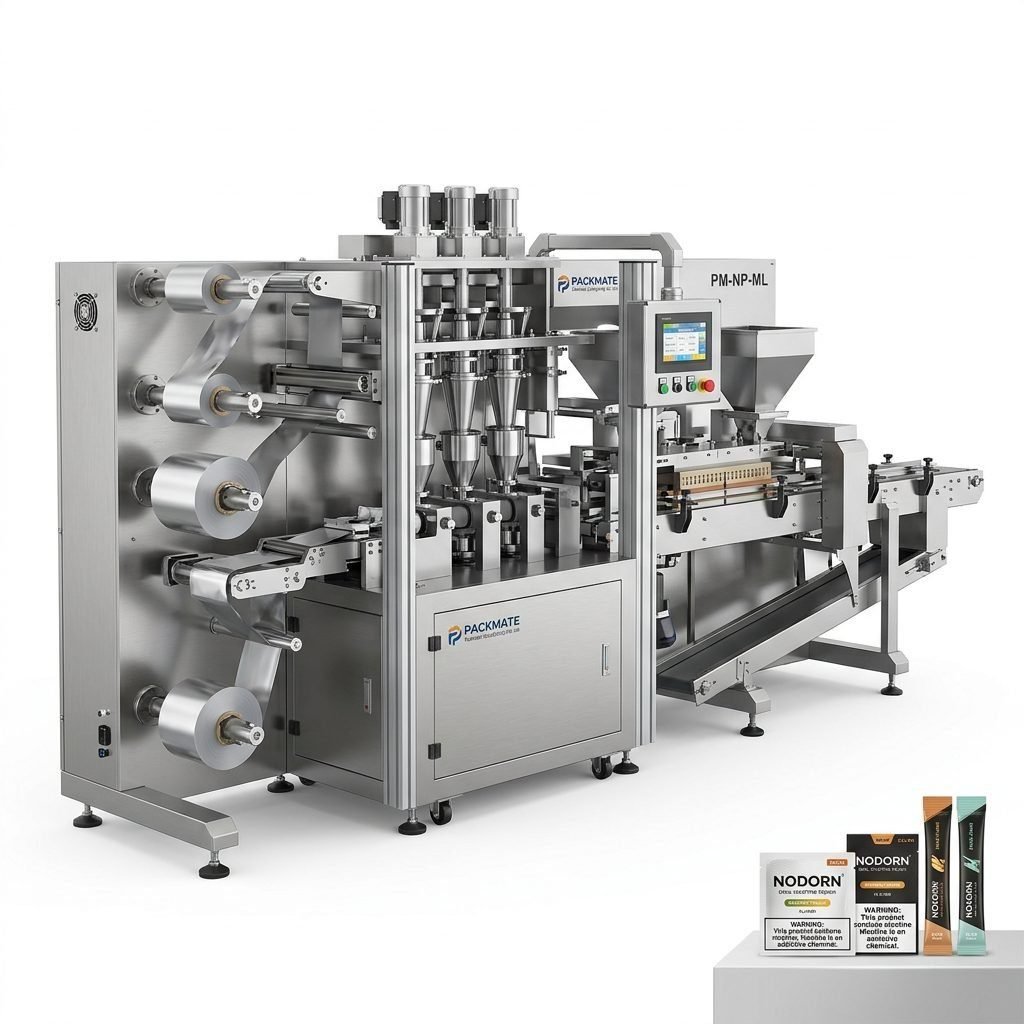
Experience matters. Manufacturers with decades of engineering in tobacco-related, nicotine pouch, or snus packaging are likely to deliver more robust solutions. Look for companies that specifically list snus or nicotine pouch machines among their core products and have a track record of solving small-dose, multi-lane packaging challenges.
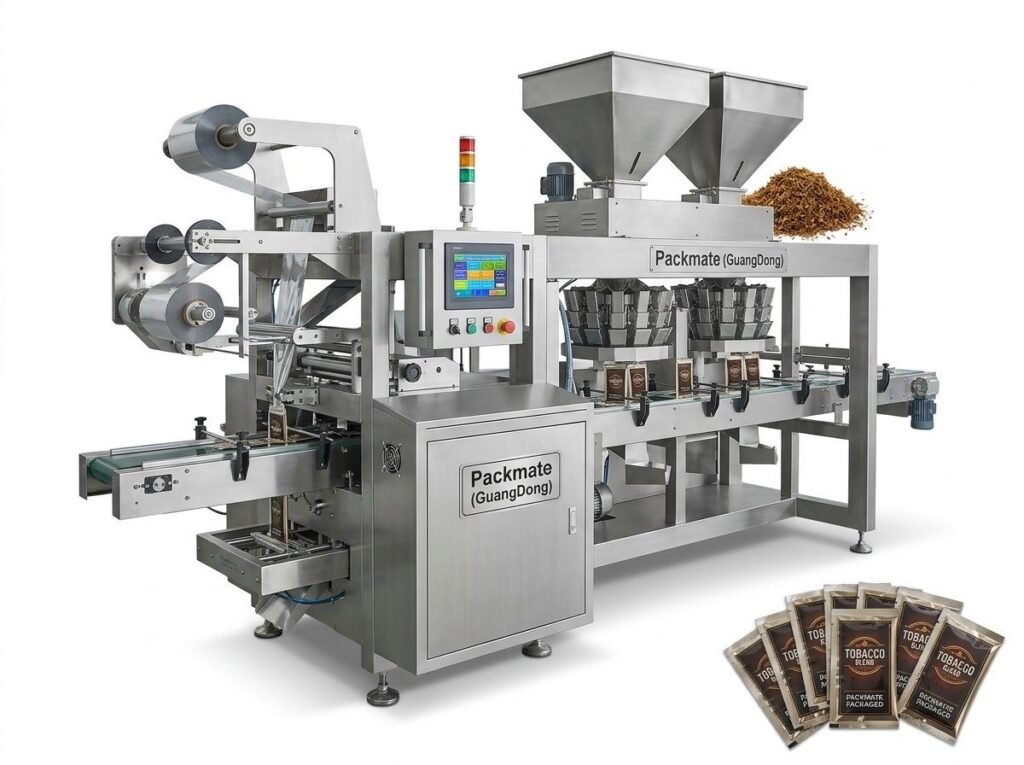
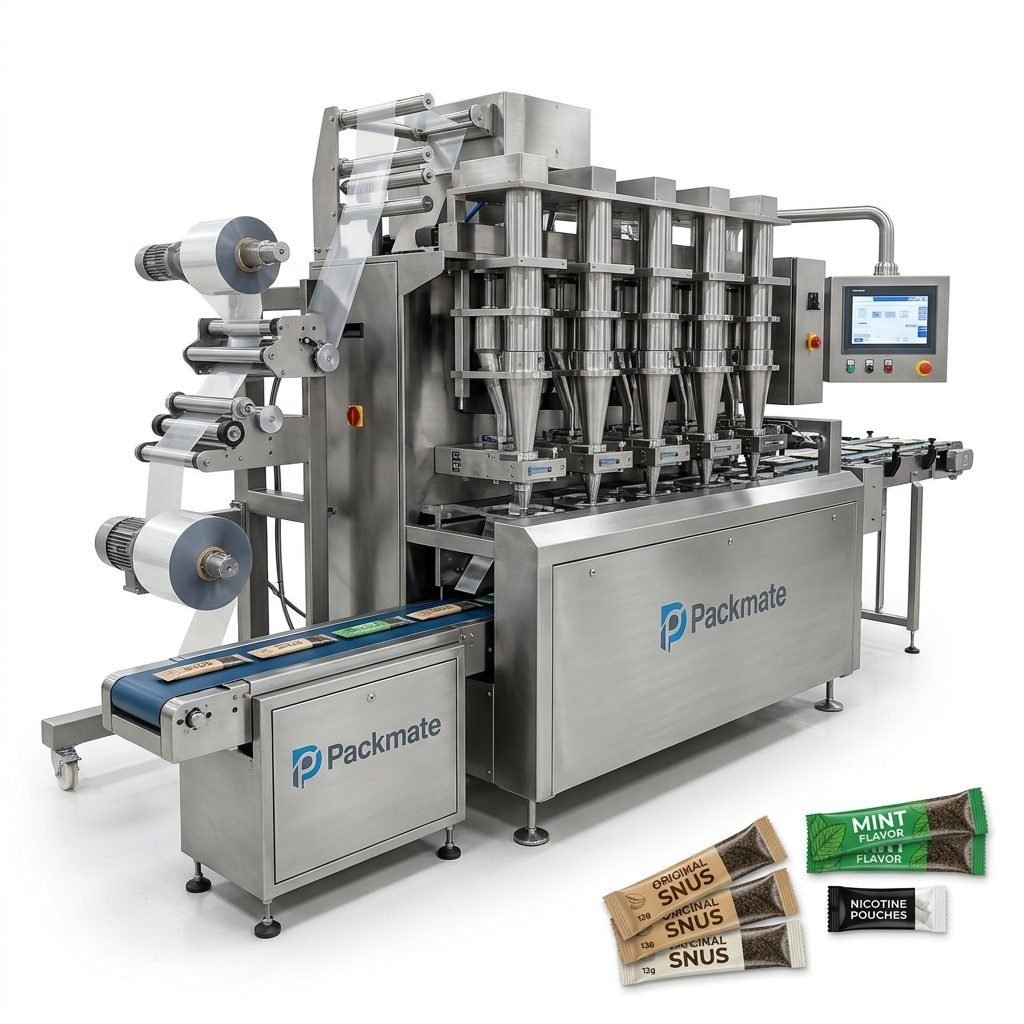
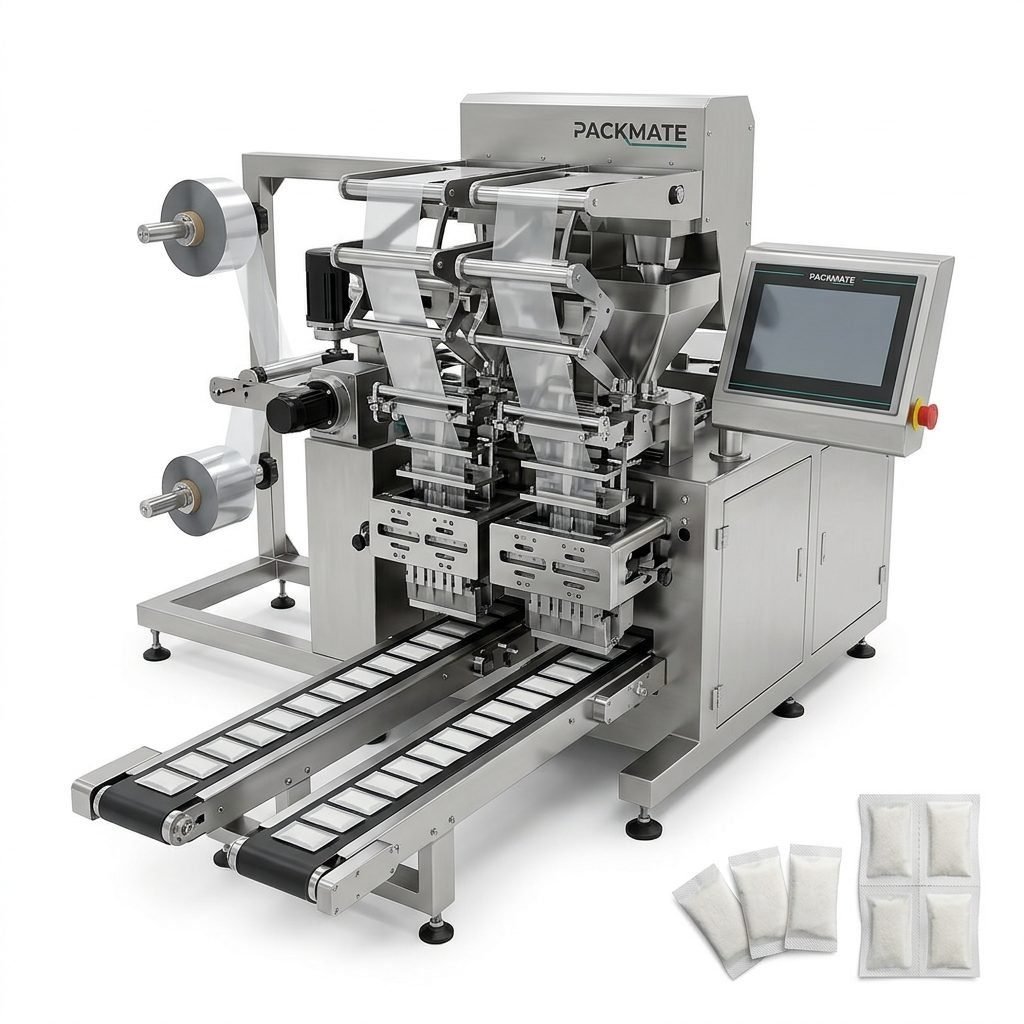
✅ Tip: Check product pages for targeted solutions such as Snus & Nicotine Packaging Machines and Sachet & Stick Pack Machines. These pages often highlight technologies tailored to nicotine pouches and small-dose filling.
Assess Manufacturing Capacity and Quality Control
Verify the manufacturer’s production footprint, machining capabilities, and quality control systems. A modern factory with CNC machining centers, precision assembly lines, and formal testing protocols signals the ability to build reliable, high-precision machines.
🔎 Ask for evidence such as factory photos, a virtual tour, or details of certifications (CE, ISO). Manufacturers with a sizable facility and documented QC processes typically deliver better machine stability and longevity.
What to request during evaluation
• Detailed factory capabilities and floor area (m²) or production capacity estimates.
• Assembly and test procedures, acceptance testing protocols, and long-term stability testing reports.
Check Machine Models, Modularity, and Customization
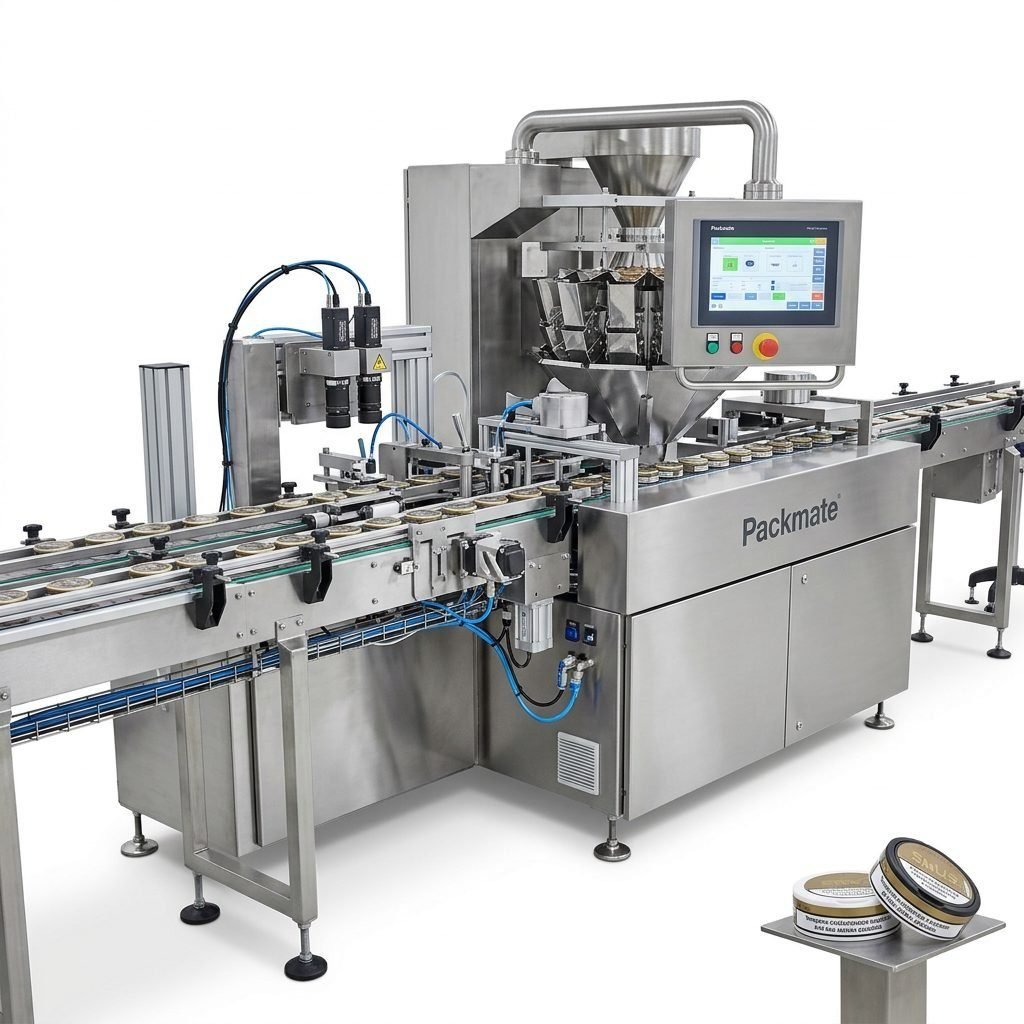
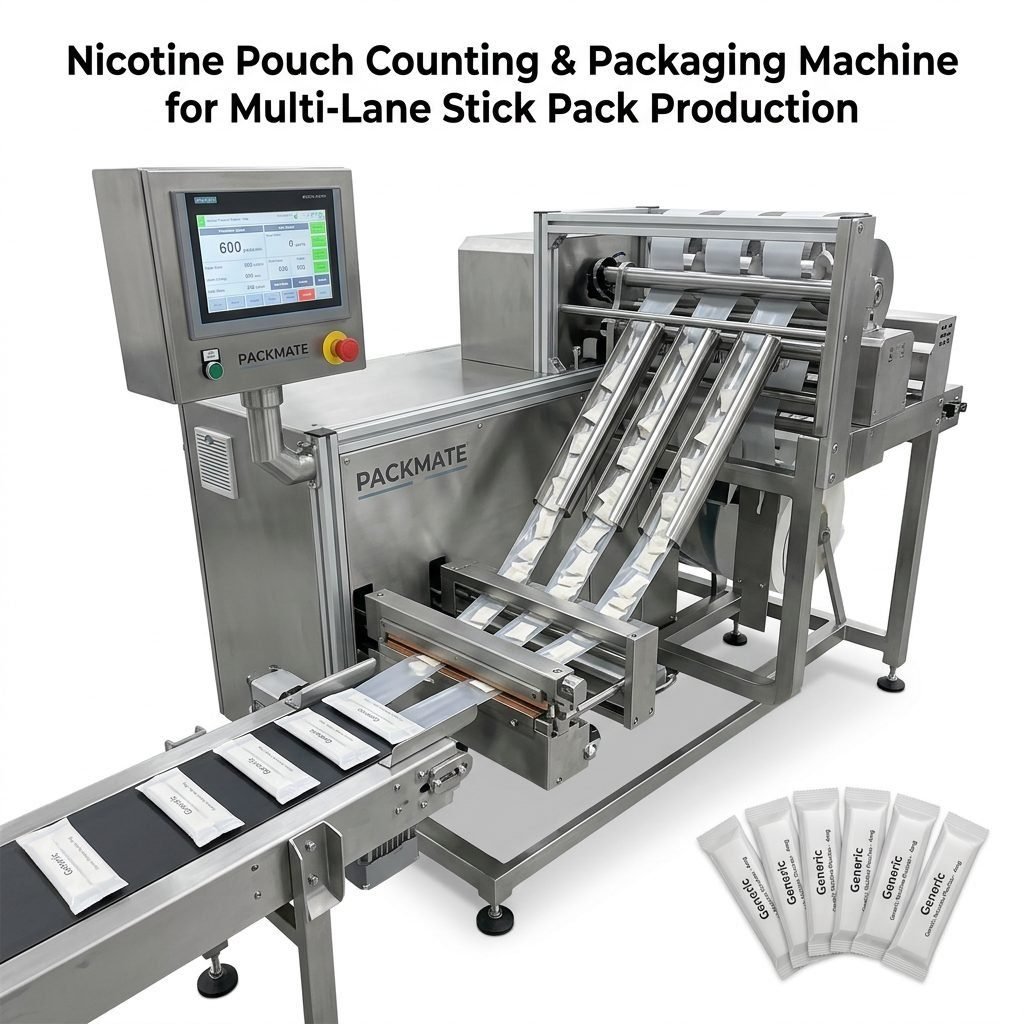
A vendor with a wide range of machine models and flexible, modular solutions helps you scale efficiently. Multi-lane systems and modular lines are particularly valuable for nicotine pouch producers looking to increase output without a complete redesign.
🔁 Modularity matters: Choose designs that enable future upgrades (more lanes, additional fillers, or secondary packaging modules). Explore product categories like Filling & Packaging Lines and Weighing & Packaging Systems for integrated options.
Verify Compliance, Certifications, and Documentation
Regulatory compliance for nicotine and tobacco-adjacent products varies by market. Select manufacturers that provide internationally recognized certifications (CE, ISO) and comprehensive documentation: electrical diagrams, machine manuals, spare parts lists, and validation reports.
📄 Request copies of certificates and ask how the company supports customers through local certification or adaptation for Middle Eastern regulatory frameworks.
After-Sales Support, Spare Parts, and Training
The quality of after-sales service is as important as the machine itself. Evaluate the manufacturer’s global service network, spare parts availability, response SLA, and training offerings. On-site commissioning, remote diagnostics, and thorough operator training reduce downtime and accelerate ROI.
📞 Support checklist: Confirm spare parts lead times, availability of local technicians, remote support capabilities, and training programs for operators and maintenance staff.
Spare parts strategy
Ensure critical wear parts are stocked regionally or can be shipped quickly. Ask about parts kits for routine maintenance and recommended inventory levels for uninterrupted production.
Total Cost of Ownership (TCO) vs. Upfront Price
Avoid focusing solely on purchase price. Consider installation, commissioning, training, spare parts, energy consumption, expected uptime, and expected service life. A slightly higher upfront investment in precision engineering often reduces TCO via fewer breakdowns, less waste, and higher consistent yields.
🔍 Ask suppliers for sample TCO calculations based on realistic uptime and maintenance scenarios.
Integration and Turnkey Solutions
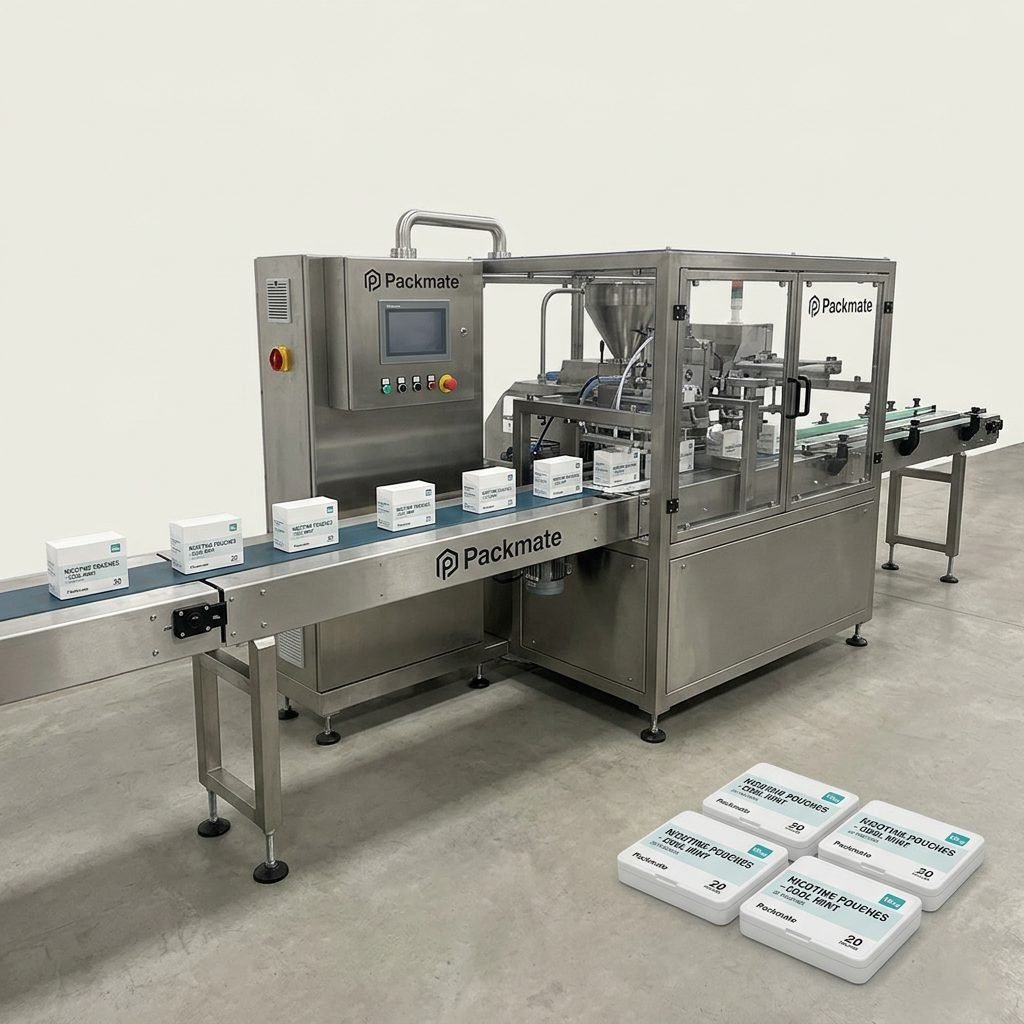
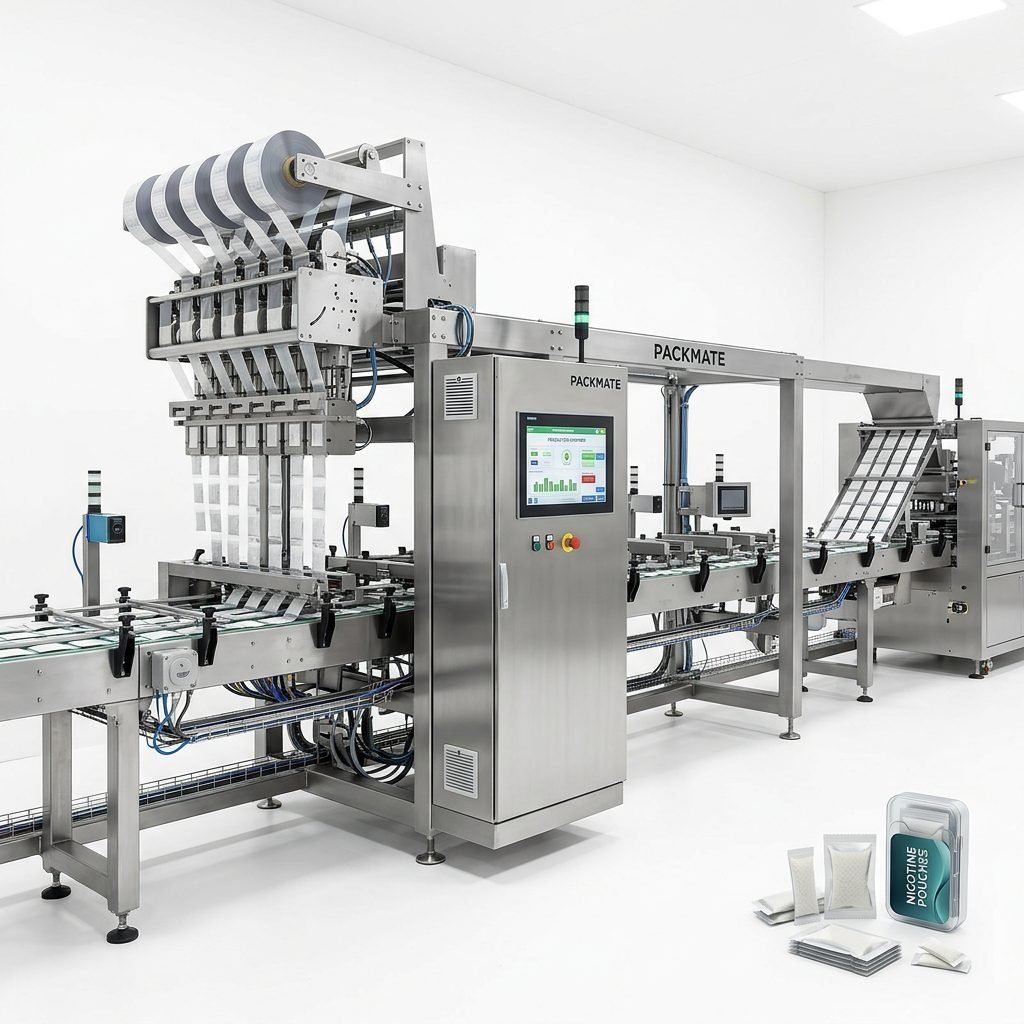
If you need a fully integrated production line — from feeding and dosing to primary pouch sealing and secondary cartoning — prioritize manufacturers who offer turnkey solutions and can integrate auxiliary equipment. This reduces integration risk and ensures optimal line balancing.
🔗 Look for references and case studies showing complete lines in operation; many manufacturers keep a portfolio of successful installations. You can review practical examples in their Case pages to assess real-world performance.
Example resource: Case
Factory Visits, References, and Live Demonstrations
Whenever possible, visit the supplier’s factory or attend an exhibition demo. Seeing machines running with products similar to yours is the best way to validate claims. Ask for live demonstration videos, client references in your region, and details about past projects that mirror your production needs.
🌍 If the vendor attends exhibitions, plan to meet them there — many manufacturers showcase live demos at trade shows. See their exhibition schedule on the Our Exhibition page.
Warranty, Performance Guarantees, and Acceptance Testing
A solid warranty and clear acceptance testing criteria protect your investment. Define performance metrics to be met at factory acceptance test (FAT) and site acceptance test (SAT): speed, yield, seal integrity, dosing accuracy, and downtime metrics.
✔️ Ensure warranty terms cover both mechanical and electrical systems and clarify what constitutes normal wear versus manufacturing defects.
Local Presence and Logistics in the Middle East
Consider shipping routes, customs handling, and local installation support. A supplier with partners or distributors in the Middle East can reduce logistics delays and improve service response times. Local representation often means faster spare parts delivery and easier compliance assistance.
📦 Confirm packaging, crating standards for export, and the supplier’s experience with regional shipping and customs documentation.
Technology, Automation, and Industry 4.0 Readiness
Modern packaging lines increasingly rely on automation, data capture, and remote diagnostics. Evaluate the vendor’s control systems, HMI usability, PLC brands, and options for IoT connectivity or remote service. These features can significantly improve uptime and simplify maintenance.
🔁 Ask about spare part kits, predictive maintenance features, and whether the supplier provides software updates or lifetime firmware support.
Comparing Quotes: What Should Be Included
When evaluating proposals, ensure each quote includes a detailed scope: machine model, performance specs, acceptance test criteria, training, warranty period, spare parts lists, lead time, payment terms, and site services. Avoid vague offers that omit integration or commissioning costs.
⚠️ Red flag: Quotes that lack FAT/SAT details or that exclude critical spare parts are likely to lead to disputes and hidden costs later on.
Why Packmate Snus Machine Can Be a Consideration
Manufacturers with long engineering experience (30+ years), large manufacturing facilities, and dedicated snus machine lines tend to offer reliable, industry-focused solutions. If you are researching potential suppliers, review their product offerings in areas like snus/nicotine pouch machinery, sachet & stick pack machines, and auxiliary equipment.
Example product resources: Snus & Nicotine Packaging Machines, Sachet & Stick Pack Machines, and catalog details on their About Packmate page.
Practical Steps to Make Your Final Decision
1) Create a weighted decision matrix covering cost, uptime, spare parts, support, flexibility, and experience. 2) Shortlist 2–3 suppliers that meet your technical criteria. 3) Arrange FAT or witnessed demonstrations. 4) Verify references and factory credentials. 5) Negotiate a clear contract that includes acceptance tests, training, spare parts, and warranty terms.
Final checklist before signing
• Confirm all performance metrics in writing and define penalties for missed acceptance criteria.
• Ensure spare parts and service SLAs are contractual obligations.
• Secure a timeline for FAT, shipping, installation, and SAT with milestones and payment tied to acceptance tests.
Conclusion
Selecting the best snus packaging machine manufacturer in the Middle East requires a careful balance of technical capability, proven experience with nicotine pouch solutions, strong quality control, and dependable after-sales support. Prioritize suppliers who provide transparent documentation, modular solutions for scaling, and clear guarantees supported by factory acceptance testing and local service readiness.
Frequently Asked Questions
Q1: How long does it typically take from order to shipment for a snus packaging line? — Lead times vary by model complexity and customization level, but a common range is 8–20 weeks including FAT. Confirm exact timelines with the manufacturer.
Q2: What certifications should I expect for nicotine pouch machines? — At minimum, look for CE and ISO compliance. Additionally, ask the supplier for documentation that supports safe electrical and mechanical design for your target markets.
Q3: Can a supplier integrate multi-lane systems for scaling throughput? — Yes. Many vendors provide modular multi-lane designs to multiply output without proportionally increasing machine footprint; discuss scalability options early.
Q4: What after-sales services should I require? — On-site commissioning, operator and maintenance training, spare parts kits, remote diagnostics, and guaranteed response times in the contract are key services to secure.
Q5: How can I validate supplier claims before purchase? — Request FAT videos, client references, and factory tours. Review their case studies and exhibition demos to see machines running under realistic conditions.