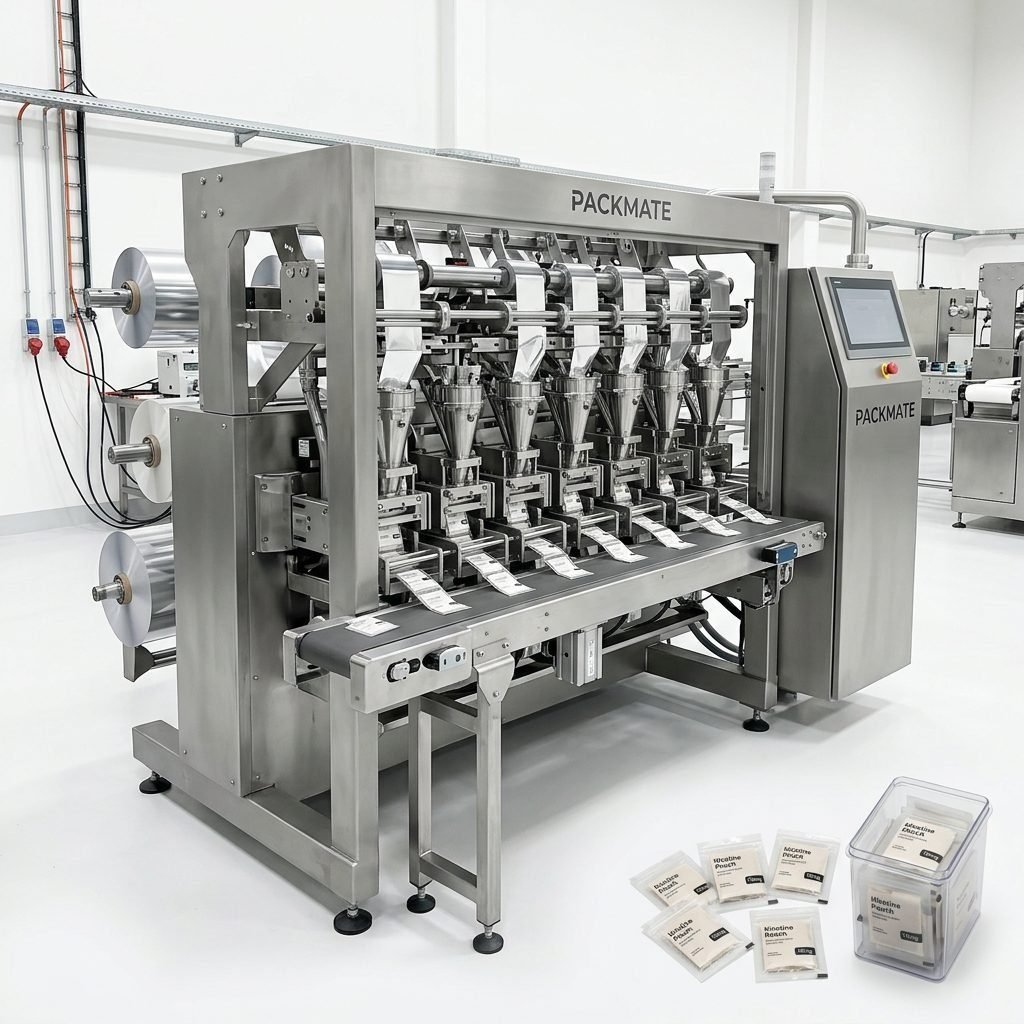
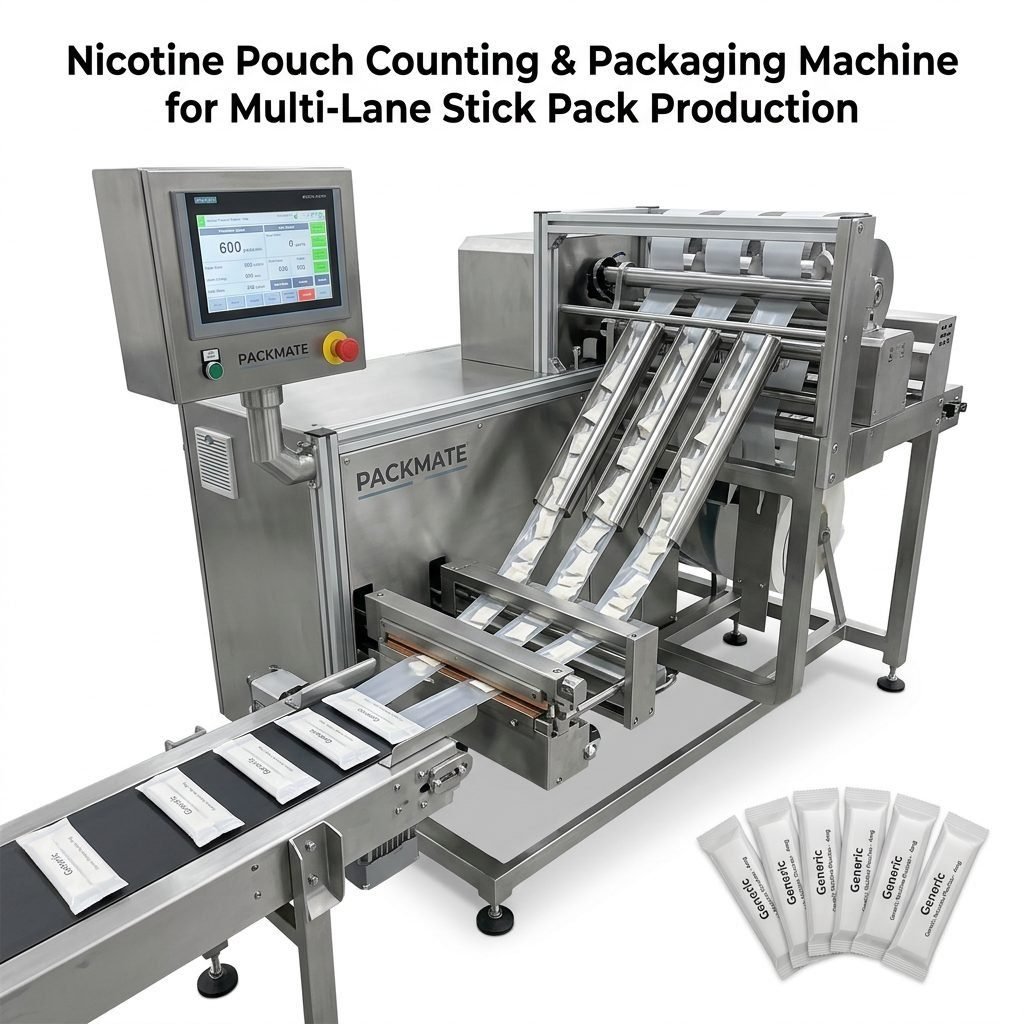
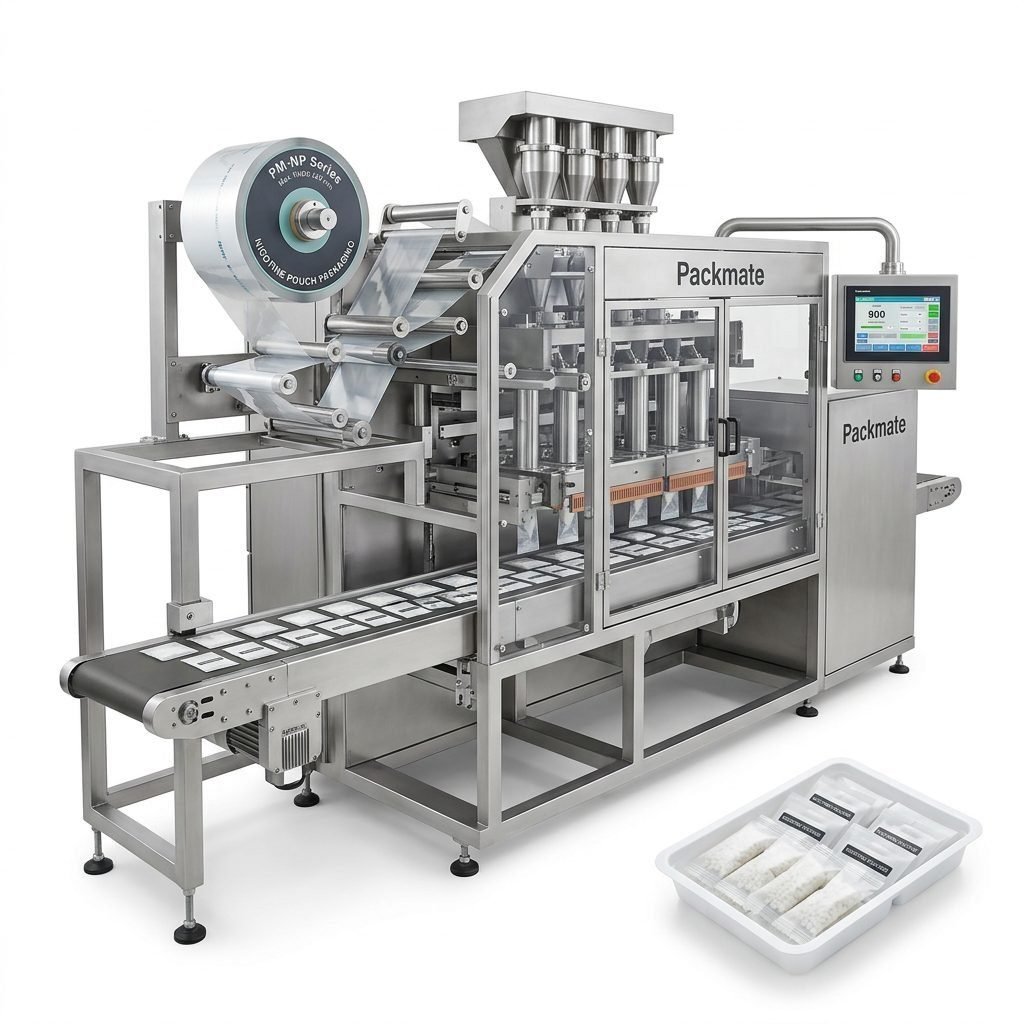
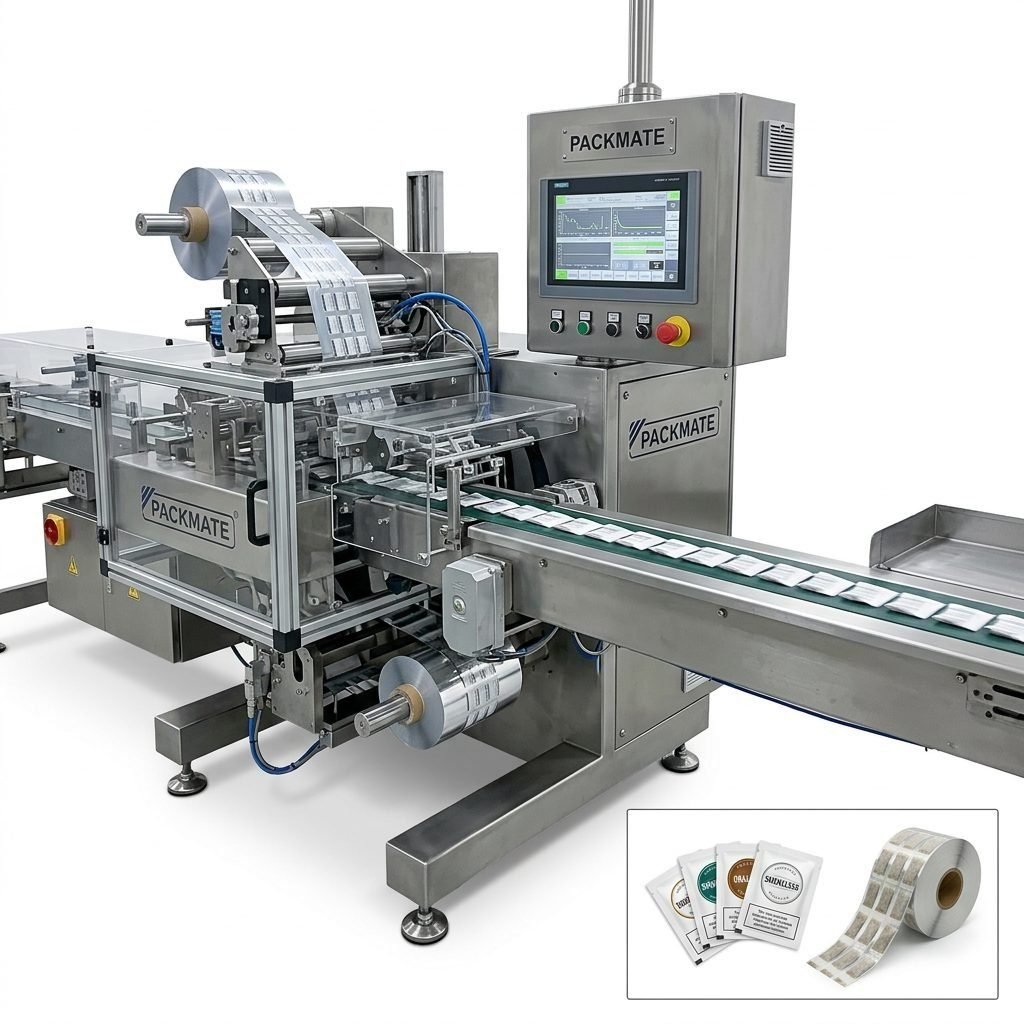
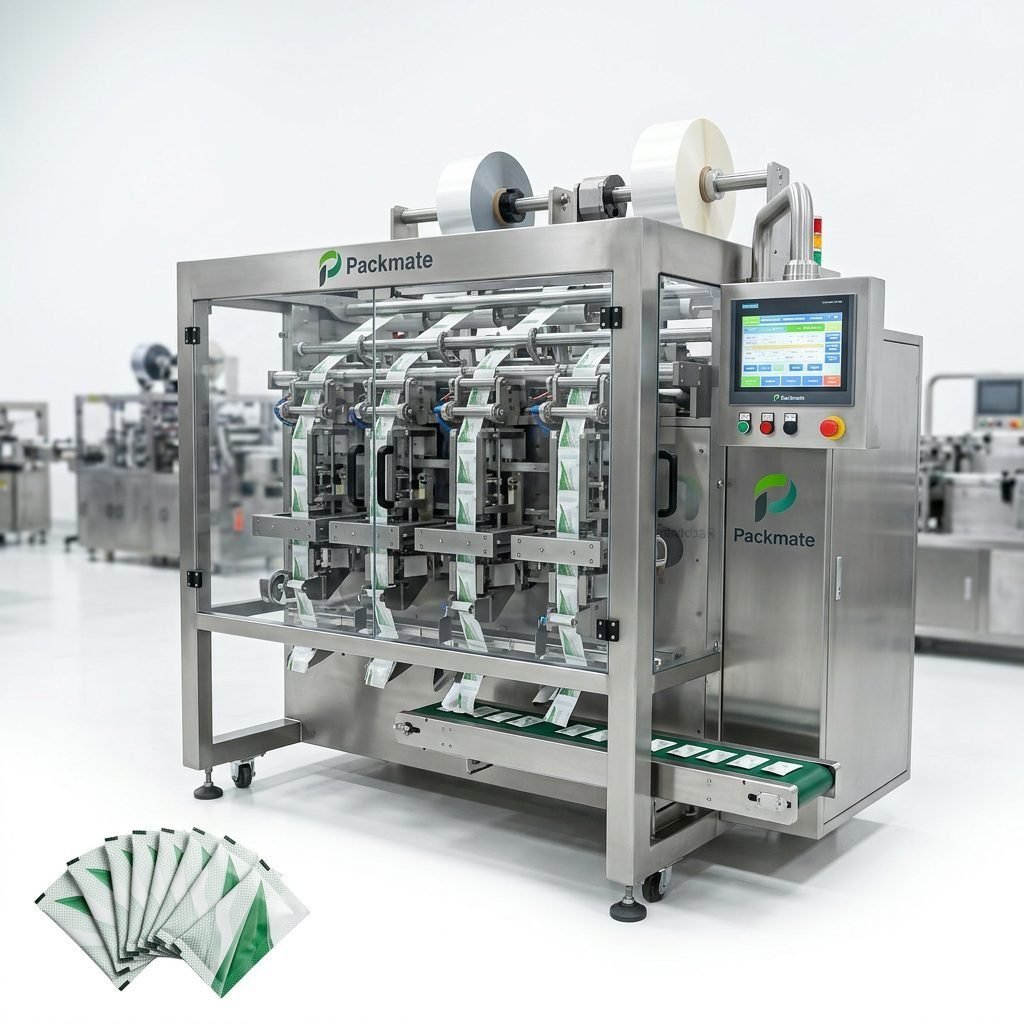
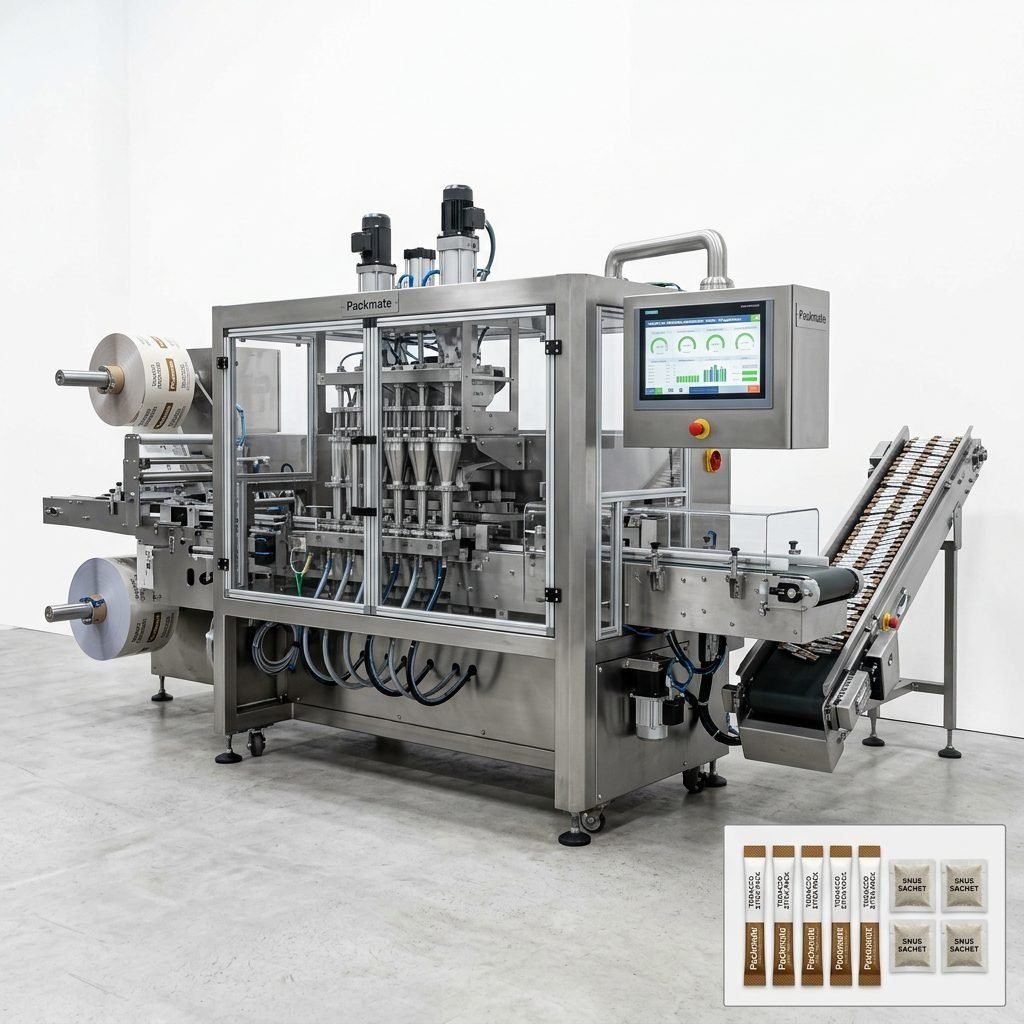
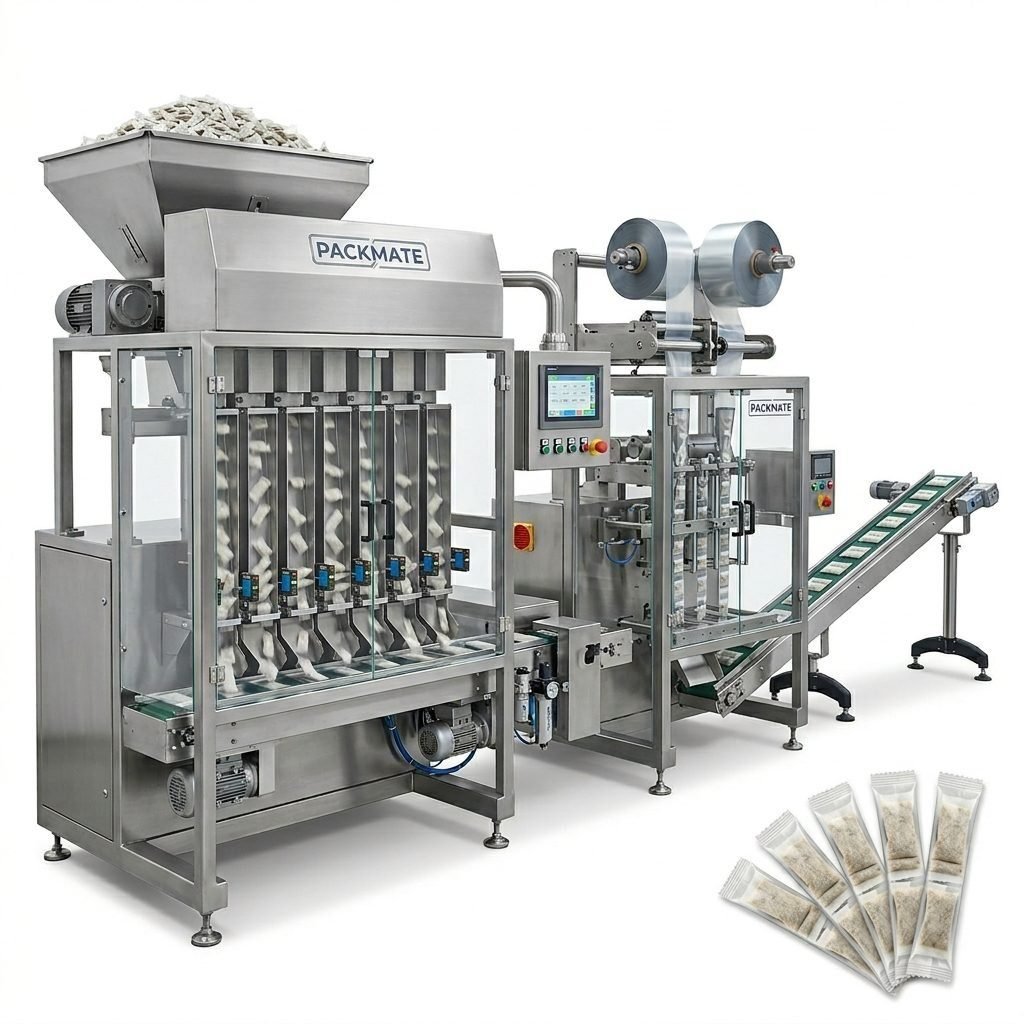
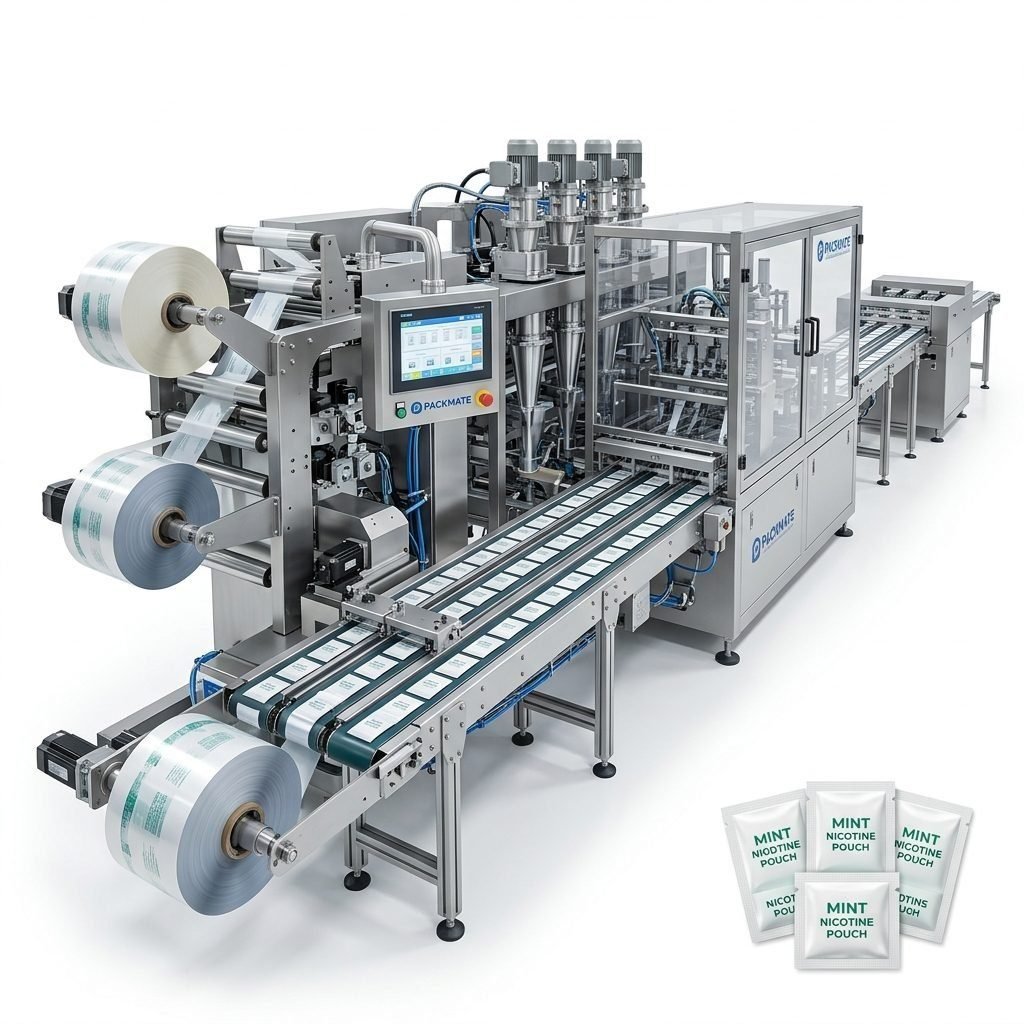
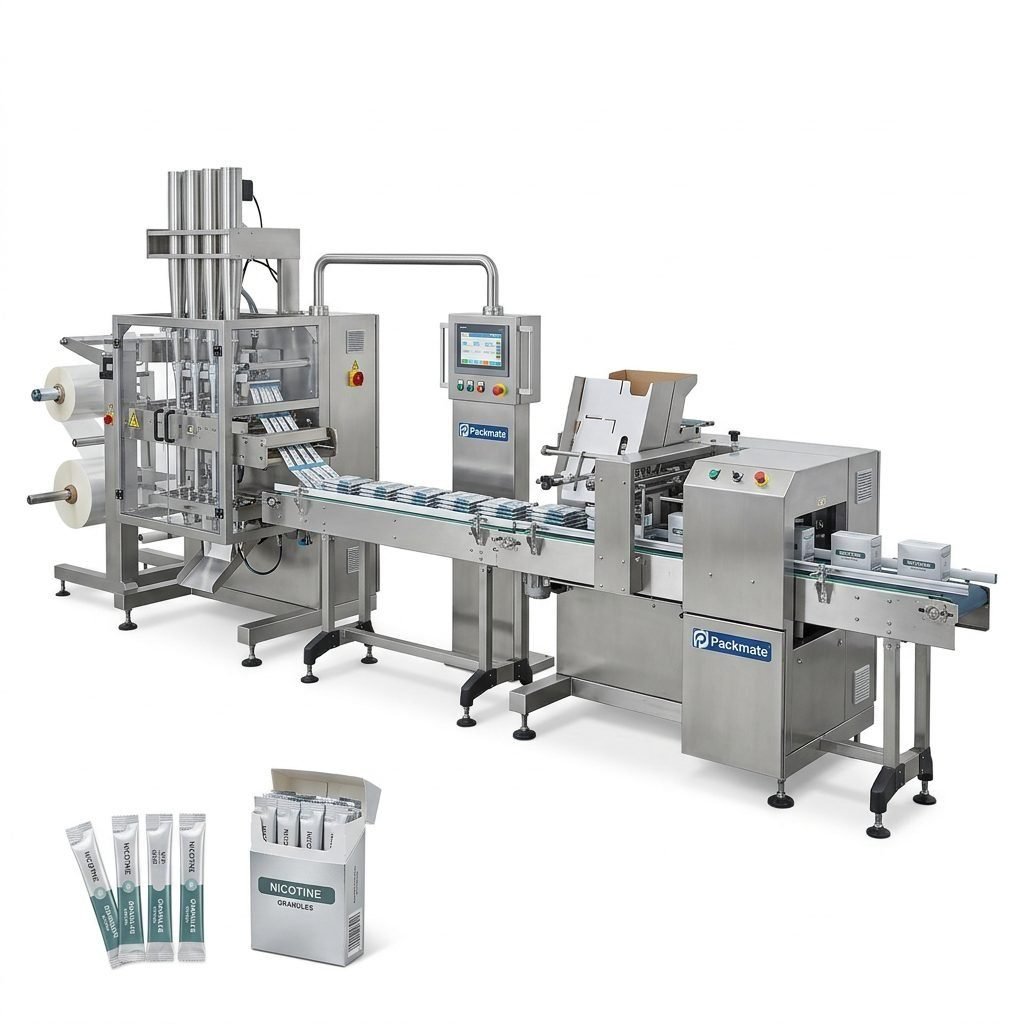
Choosing the right snus production line supplier is a critical step for any business planning to enter or scale in the nicotine pouch market. A well-matched manufacturer will not only deliver reliable machinery but also provide engineering expertise, customized solutions, and after-sales support that protect your investment and accelerate time-to-market. This guide details how to evaluate manufacturers, compare technologies, and select a partner that aligns with your production goals.
Understanding the Manufacturer’s Capabilities
Before engaging with any supplier, assess their core capabilities. Look for a manufacturer with extensive experience in snus and nicotine pouch packaging, ideally with a diverse portfolio including stick pack, sachet, and multi-lane systems. A strong manufacturer demonstrates:
✔️ Proven industry experience — decades of R&D or production history in packaging equipment.
⚙️ Broad machine range — single-lane to multi-lane snus lines, sachet and stick pack machines, plus auxiliary systems.
📦 Manufacturing capacity — a modern facility with CNC machining, precision assembly, and robust quality control.
Key Machine Types and Which Suits Your Product
Different product formats require different equipment. Selecting the correct machine type ensures product consistency, throughput targets, and regulatory compliance.
Stick Pack Machines
Stick packs are ideal for single-dose nicotine pouches. They are compact, suitable for high-speed packaging, and often preferred for retail distribution. If your product is dose-controlled and you want minimal material use, prioritize suppliers with advanced stick-pack experience.
Sachet & Multi-Lane Systems
Sachet machines and multi-lane lines support higher throughput and multi-lane dosing for small-dose pouches. Manufacturers that offer multi-lane snus systems can dramatically increase output per footprint — a major advantage for scaling brands.
Explore specific product lines and technologies at the manufacturer’s product pages such as Snus & Nicotine Packaging Machines and Sachet & Stick Pack Machines.
Factory Strength, Certifications, and Quality Controls
A supplier’s production capability is often reflected in their factory size, machining centers, and quality control procedures. Important signals include:
Factory footprint — larger facilities (eg. 20,000㎡) indicate capacity for assembly, testing, and customization.
Advanced machining — CNC centers and precision tooling reduce tolerance issues and improve long-term machine reliability.
International certifications such as CE and ISO are essential for global market access and quality assurance.
Customization and Turnkey Solutions
Off-the-shelf machines work for many cases, but snus brands often need tailored solutions: specific packaging dimensions, multi-lane configurations, integration with upstream weighing or downstream cartoning, and in-line quality checks. Choose a supplier that can provide:
- Turnkey packaging lines — integration from filling to final packaging and palletizing.
- Custom machine adaptations for unique pouch sizes or materials.
- Modular designs that allow capacity scaling and future upgrades.
For integrated systems and weighing solutions, review their auxiliary product offerings like Weighing & Packaging Systems and Filling & Packaging Lines.
After-Sales Service, Training and Spares Availability
Machinery is only as valuable as the support you receive when issues arise. Prioritize suppliers who provide:
🛠️ Comprehensive commissioning — onsite start-up, calibration, and performance validation.
📘 Operator training — practical training for operators and maintenance staff.
🔧 Spare parts and remote support — fast access to wear parts and troubleshooting assistance.
Assessing Total Cost of Ownership (TCO)
Purchase price is only one element of TCO. Consider these ongoing cost factors:
- Energy consumption at rated throughput.
- Spare parts lifecycle and availability.
- Maintenance intervals and mean time between failures (MTBF).
- Changeover time for different pouch sizes or formulations.
A manufacturer with stable, high-performance machines and documented global case studies will typically offer better long-term value than a lower-cost but unproven supplier.
Key Questions to Ask Potential Suppliers
Use a standard checklist during supplier evaluation to make objective comparisons.
📌 What is your typical lead time for turnkey snus lines?
📌 Do you provide multi-lane solutions and what are the maximum lanes supported?
📌 Can you provide references or case studies for similar installations?
📌 What certifications and compliance documentation do your machines carry?
📌 What is included in your standard warranty, and do you offer extended support contracts?
Validating Supplier Claims: Factory Visits and Factory Acceptance Tests
Whenever possible, arrange a factory visit or request a video demonstration and a Factory Acceptance Test (FAT). FATs should verify:
- Actual machine throughput under realistic product conditions.
- Accuracy and consistency of dosing systems.
- Ease of changeover and cleaning procedures.
- Electrical and software compatibility with your site.
Real-World Evidence: Case Studies & Exhibitions
Proven suppliers will showcase real projects and participate in global exhibitions where you can see machines in operation. Review their case library and exhibition history to confirm the supplier’s market presence and reliability. See examples at their Case page and Our Exhibition listings.
Partner Fit: Communication, Engineering Support, and Long-Term Vision
Technical capability matters, but so does cultural and operational fit. Good indicators of a lasting partnership include:
- Responsive pre-sales engineering and commercial teams.
- Clear documentation, user manuals, and spare parts lists.
- Willingness to develop joint roadmaps for future capacity expansion.
Checklist: Final Selection Criteria
✔️ Technical fit — machine type and automation level match product needs.
✔️ Quality & certification — CE/ISO compliance and rigorous QC processes.
✔️ Support & warranty — clear SLAs for spare parts and service response.
✔️ References & FAT results — documented performance and satisfied customers.
✔️ Commercial terms — transparent pricing, payment terms, and delivery timelines.
Why a Proven Manufacturer Matters: The Packmate Example
Suppliers like Packmate Snus Machine combine long engineering history (over 30 years), a large manufacturing facility, and a wide machine portfolio to deliver robust snus packaging lines. Their offerings typically include snus and nicotine pouch machines, stick pack and sachet machines, plus filling and auxiliary systems — enabling turnkey solutions for diverse product formats.
If you want to evaluate their scope and product specs, you can visit their general information at About Packmate and contact them via Contact Us for tailored proposals.
Practical Next Steps for Buyers
Follow these actionable steps to move from evaluation to procurement:
- Prepare a clear product specification sheet (pouch sizes, materials, desired throughput).
- Request detailed proposals and FAT videos from shortlisted suppliers.
- Compare TCO rather than just purchase price; factor in energy, spares, and service.
- Negotiate acceptance criteria, delivery milestones, and training commitments.
- Schedule a FAT or factory visit where feasible and finalize the purchase with clear commissioning plans.
Conclusion
Selecting the best snus production line supplier requires a balanced assessment of technical capability, factory strength, quality controls, and post-sale support. Prioritize manufacturers with proven multi-format experience, strong engineering resources, international certifications, and a track record of successful turnkey installations. By focusing on total cost of ownership and partner fit, you will secure a reliable packaging line that supports growth and ensures consistent product quality.
Frequently Asked Questions
Q1: How long does it typically take to deliver a turnkey snus production line?
Delivery times vary by customization level and capacity. Standard machines may ship within weeks, while fully customized turnkey lines often require several months for engineering, manufacture, and Factory Acceptance Tests. Always confirm lead times and milestones with your supplier.
Q2: What certifications should I expect from a reputable supplier?
Look for international certifications such as CE and ISO, which indicate compliance with safety and quality management systems. Additional documentation for electrical standards and material contact compliance may be required depending on your market.
Q3: Can machines be upgraded to higher throughput later?
Many modern machines are designed with modularity in mind, allowing lane expansions, automation add-ons, or inline integrations. Discuss future scalability with the supplier during contract negotiations to ensure upgrades are achievable without major rework.
Q4: How do I ensure spare parts and service availability?
Verify the supplier’s spare parts warehouse policies, typical shipment times, and whether they offer local stocking or distributor networks. Check if remote diagnostic support and preventive maintenance plans are available.
Q5: Where can I see real machine demos or customer references?
Request case studies and FAT videos from suppliers. Attend industry exhibitions where manufacturers demonstrate machines in real operation — see their exhibition schedule and case examples on their Exhibition and Case pages.