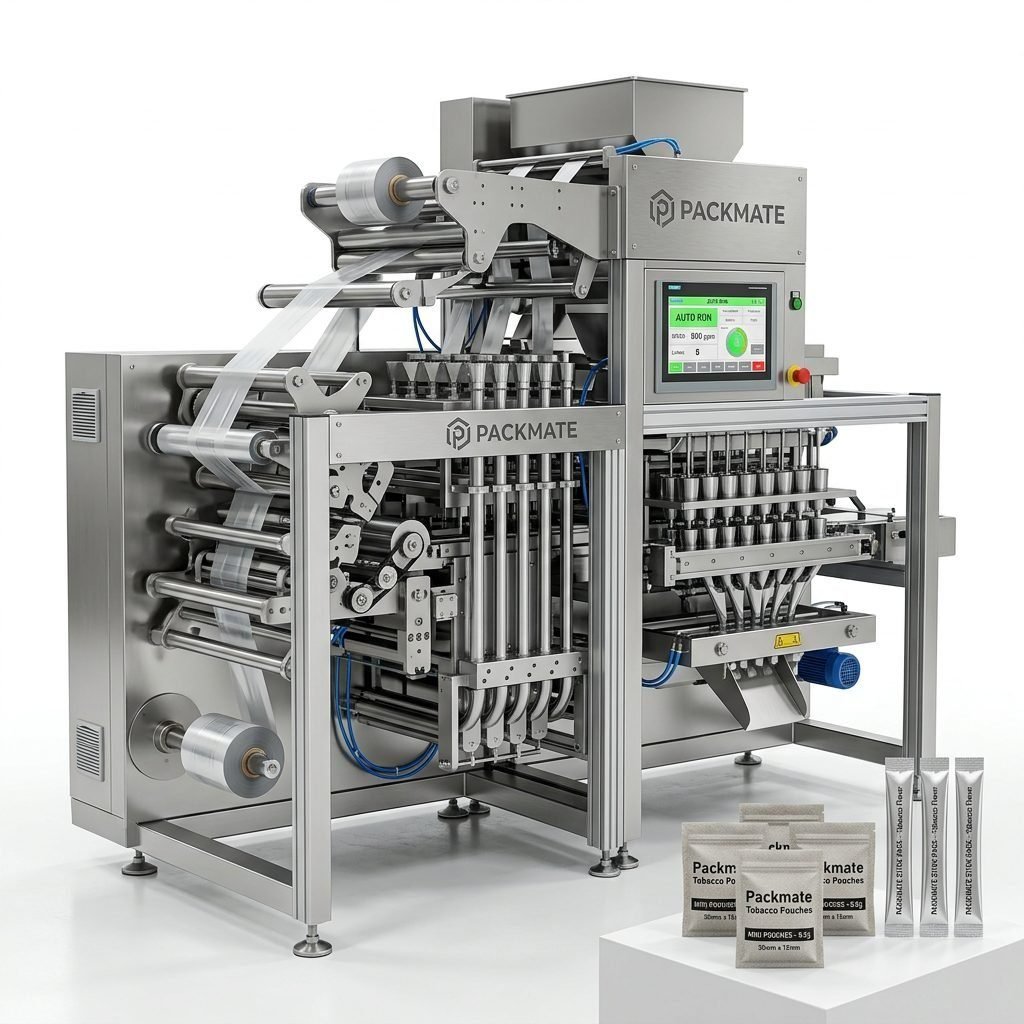
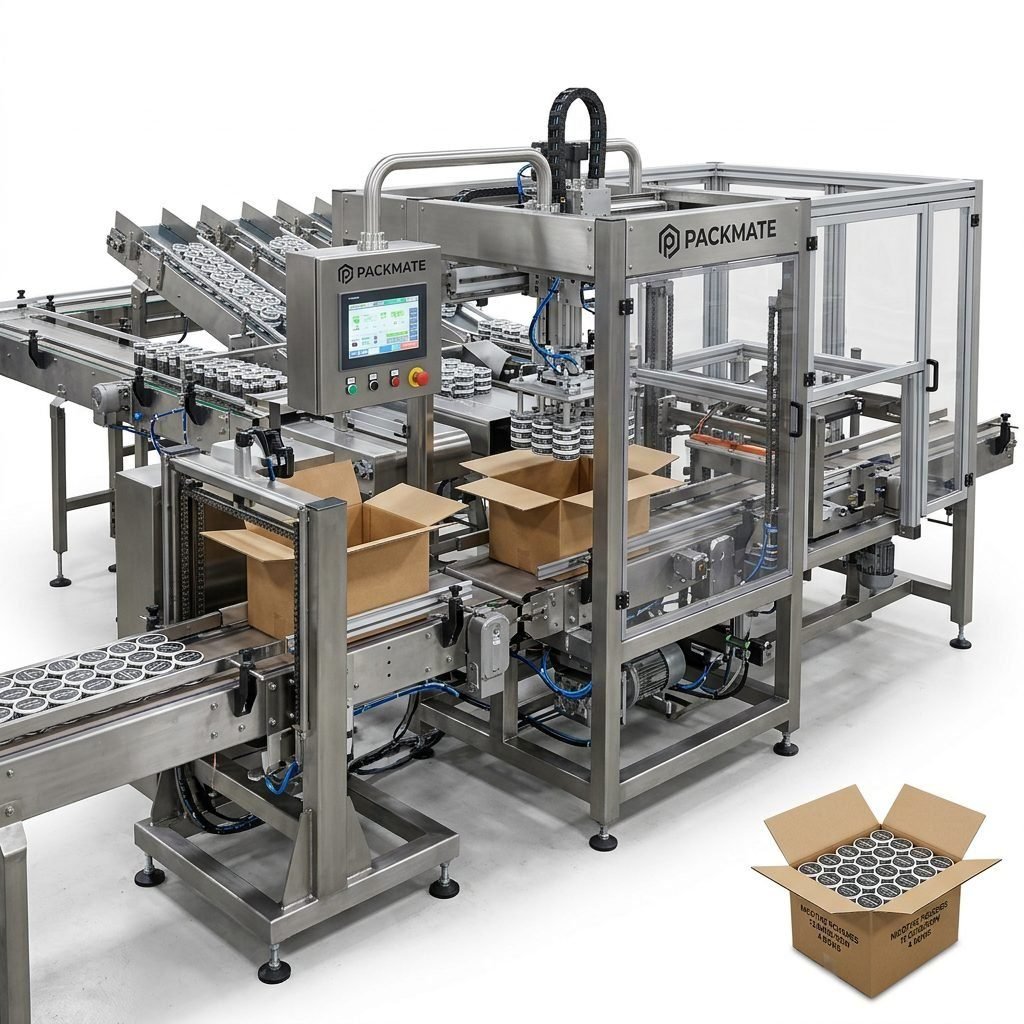
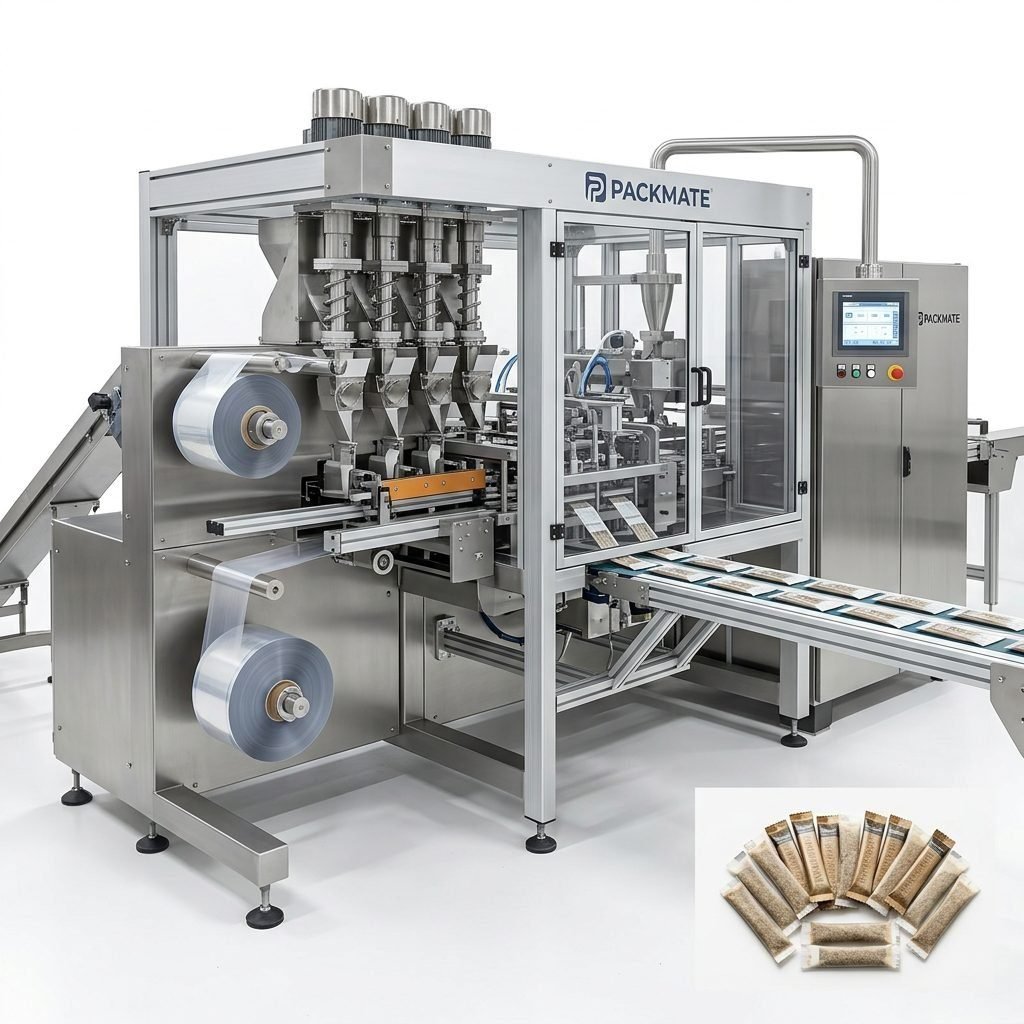
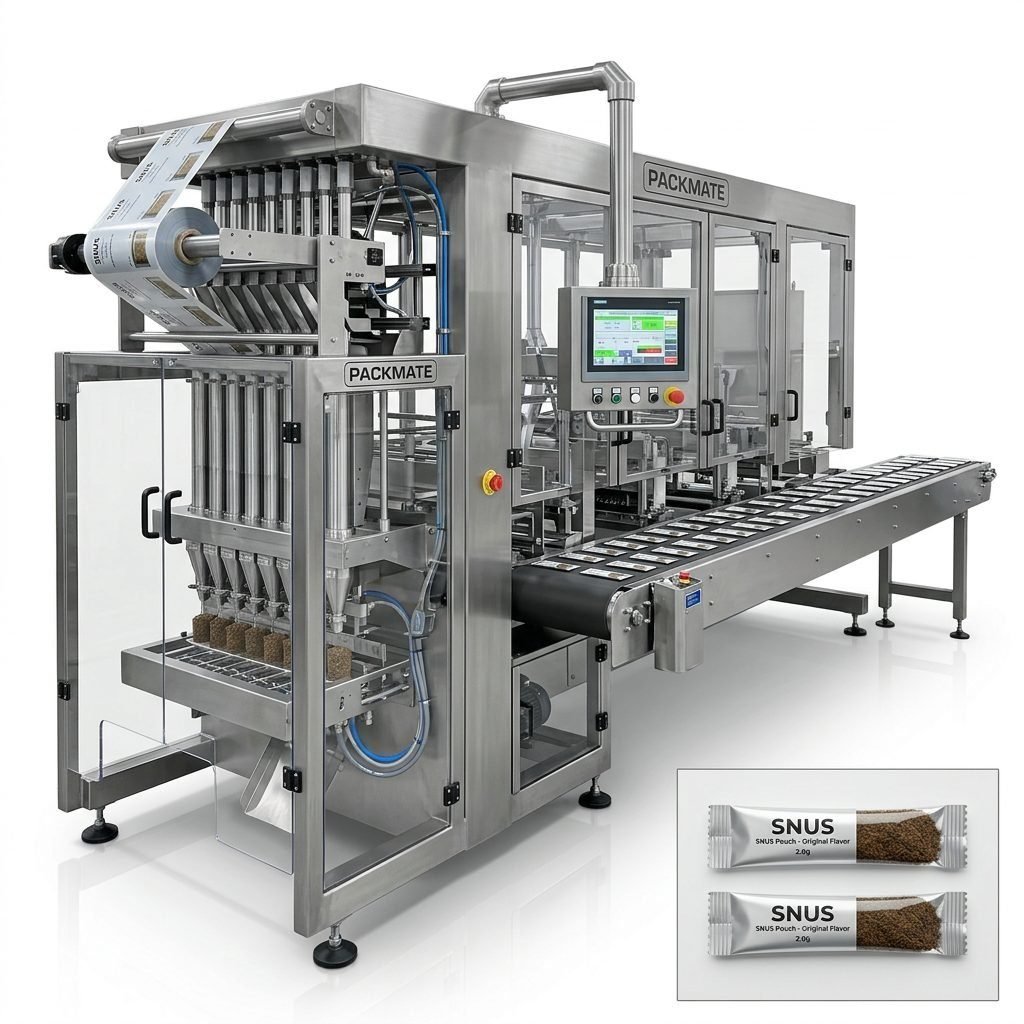
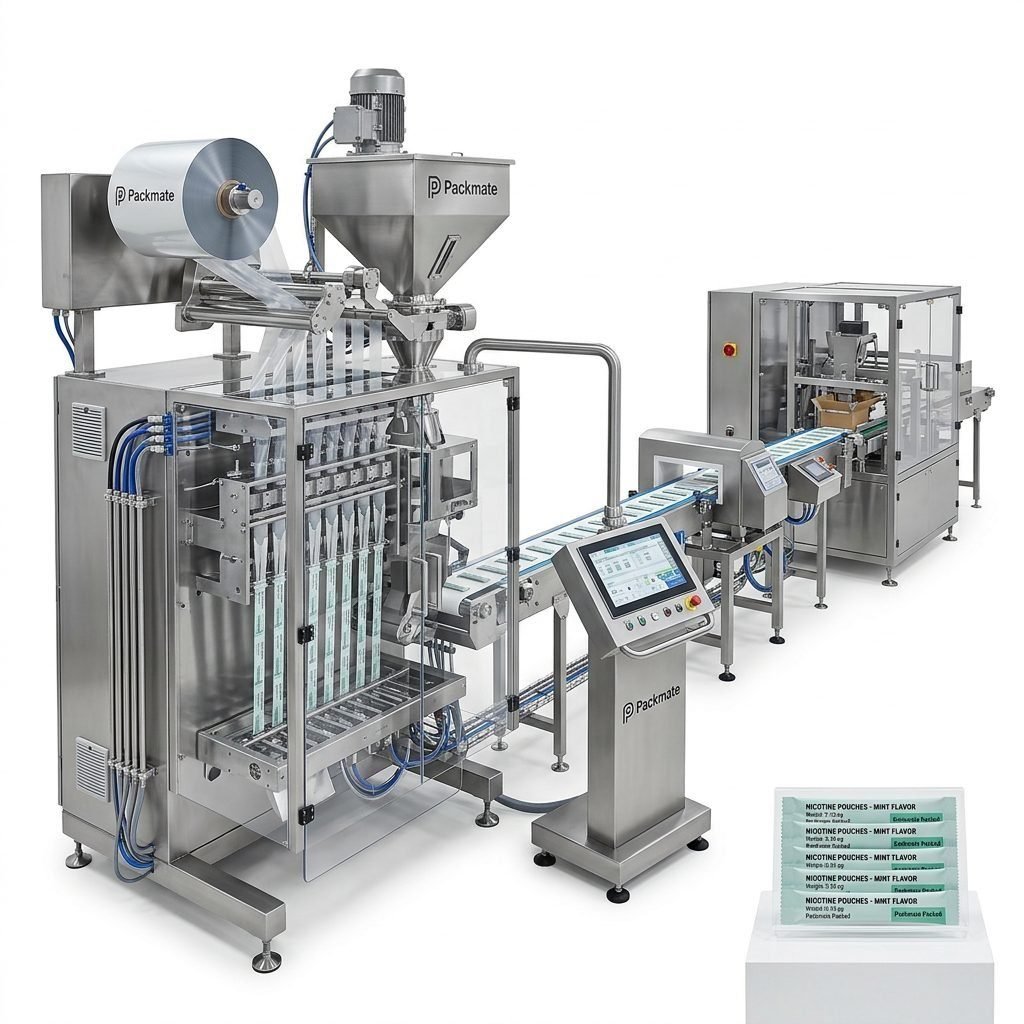
Choosing the right nicotine packaging machine for your operation in Yemen requires more than a simple price comparison. You need to balance production capacity, regulatory compliance, reliability, and local service to ensure a long-term return on investment. This buyer’s guide walks you through practical factors, evaluation checklists, and real-world tips to help you make an informed purchase decision for snus and nicotine pouch packaging equipment.
Why the Right Nicotine Packaging Machine Matters in Yemen
Yemen’s market demands and supply chain realities mean that a packaging machine must be robust, easy to maintain, and flexible to varying pouch sizes and formats. A well-chosen machine reduces product waste, ensures consistent pouch quality, and helps you stay compliant with international export standards. Whether you plan to produce small-batch premium pouches or high-volume multi-lane lines, selecting the correct equipment is critical to protect margins and reputation.
Key Factors to Consider Before Buying
1. Production Capacity & Speed
Estimate your required output in pouches per minute and per shift. Machines range from single-lane sachet or stick pack systems to high-speed multi-lane snus lines. Match machine throughput to demand curves: avoid oversizing to reduce upfront cost, but also avoid under-sizing that forces early replacement. Look for clear manufacturer specifications and real-world performance data.
2. Machine Type: Single-Lane vs Multi-Lane
– Single-lane machines are ideal for niche products and flexible small runs.
– Multi-lane systems maximize throughput for standardized products and export-oriented production.
Consider future expansion: a modular design lets you scale by adding lanes or integrating upstream weighing and dosing.
3. Filling Accuracy & Weighing Systems
Precise dosing is essential for nicotine pouches to maintain compliance and customer safety. Evaluate machines with integrated weighing & packaging systems or high-precision auger/volumetric fillers. Check repeatability data and ask for production validation reports. Poor dosing leads to rejects, rework, and regulatory risk.
4. Packaging Materials & Format Compatibility
Confirm the machine supports the pouch types you plan to use: coated film, paper-laminates, stick packs, sachets, or specialized snus pouches. Compatibility with different film thicknesses and seal types (heat seal, ultrasonic) is crucial. Machines that allow quick tool-free changeovers will save changeover time and increase flexibility.
5. Regulatory Compliance & Certifications
For export or international sales, ensure equipment meets CE, ISO, and other relevant standards. Certified machines help with customs clearance and reduce compliance headaches. Ask the supplier for certificates and relevant test reports.
6. Local Support, Spare Parts & Service Network
In Yemen, reliable local support is a major factor. Evaluate supplier logistics for spare parts, remote service capabilities, and on-site commissioning. Choose vendors who provide structured training and remote diagnostics to minimize downtime.
Tip: prioritize vendors with clear spare parts kits and preventive maintenance plans. Machines running without proper spares in regionally isolated locations risk extended downtime.
How to Evaluate a Supplier — Practical Checklist
Use this checklist when speaking with manufacturers or distributors. It helps turn vague promises into measurable criteria for comparison.
- Request technical datasheets and machine test reports showing real speeds and accuracy.
- Ask for references and case studies in similar climates or markets.
- Confirm warranty terms, response time, and availability of critical spares.
- Verify training plans for local operators and maintenance staff.
- Request energy consumption data and estimated operating costs.
Why Packmate Snus Machine Is Often Recommended
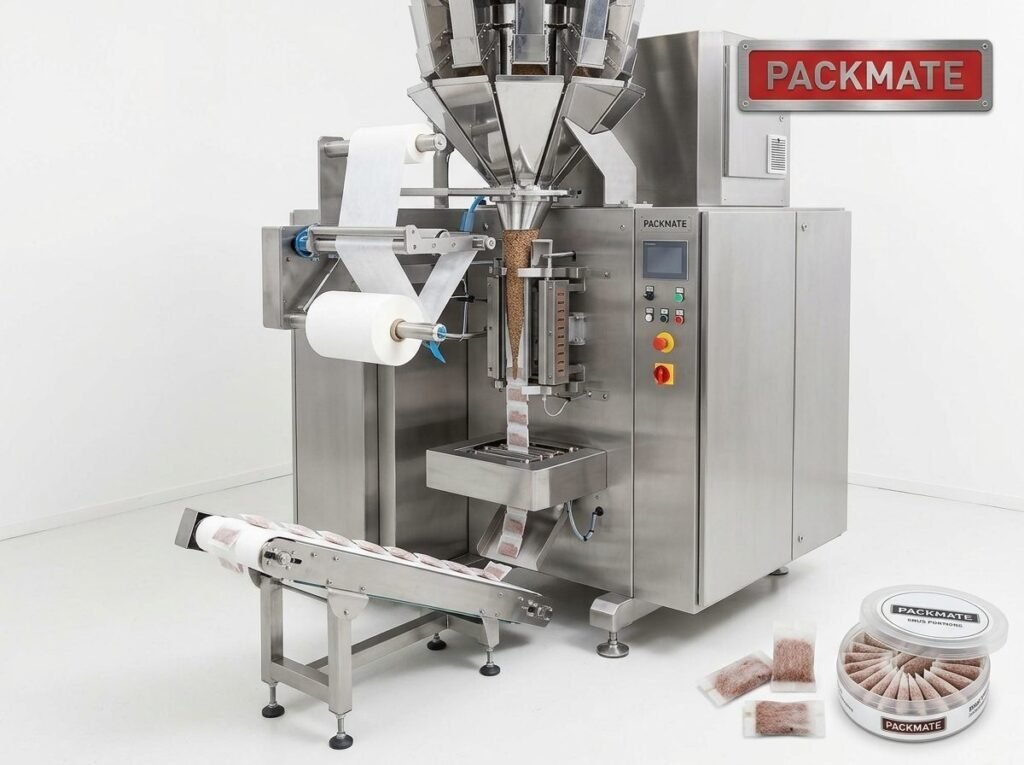
With over 30 years of engineering experience and a 20,000㎡ manufacturing facility, Packmate Snus Machine offers a range of snus and nicotine packaging machines including stick pack, sachet, and multi-lane systems. Their portfolio covers high-precision designs tailored for nicotine pouches, and they provide turnkey packaging solutions — from filling to multi-lane packaging lines. Explore their product categories for detailed specs:
Learn more about their specialized machines:
Snus & Nicotine Packaging Machines,
Bag & Pouch Packaging Machines, and
Weighing & Packaging Systems.
Questions to Ask During a Factory Visit or Demo
A live demo or factory visit reveals details not visible in brochures. Use these targeted questions to evaluate design quality and operational fit.
- Can you demonstrate continuous running at claimed speeds with my pouch material?
- What is the mean time between failures (MTBF) for critical components?
- How long does a full lane changeover take? Is special tooling required?
- Are safety guards and interlocks compliant with international standards?
- Do you provide digital spare parts catalogues and remote troubleshooting tools?
Installation, Commissioning & After-Sales Support
Proper installation and commissioning are vital. Confirm whether the supplier offers on-site setup, operator training, and a formal acceptance test. Ongoing service options and preventive maintenance contracts reduce the chance of costly unplanned outages. For precise service offerings, you can review manufacturer service pages such as
Service and contact their team via
Contact Us.
Common Machine Configurations for Yemen
Typical configurations depend on target market and export plans:
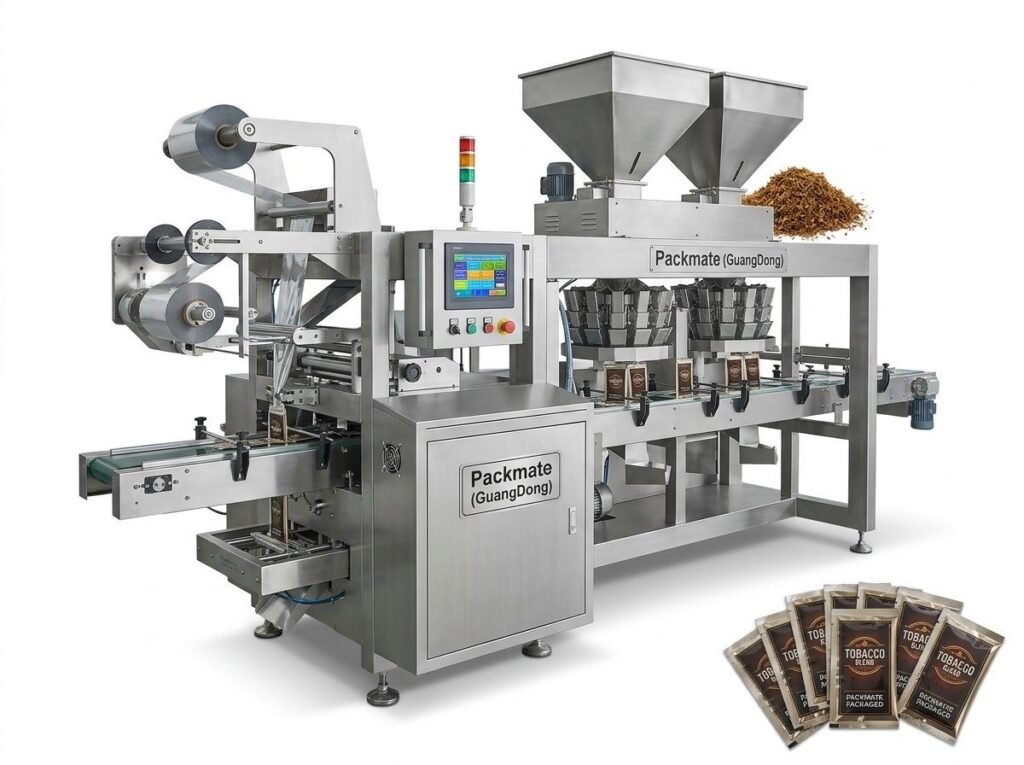
- Small artisan lines: single or dual-lane stick pack machines with manual feeding and simple sealing systems — ideal for local markets and product trials.
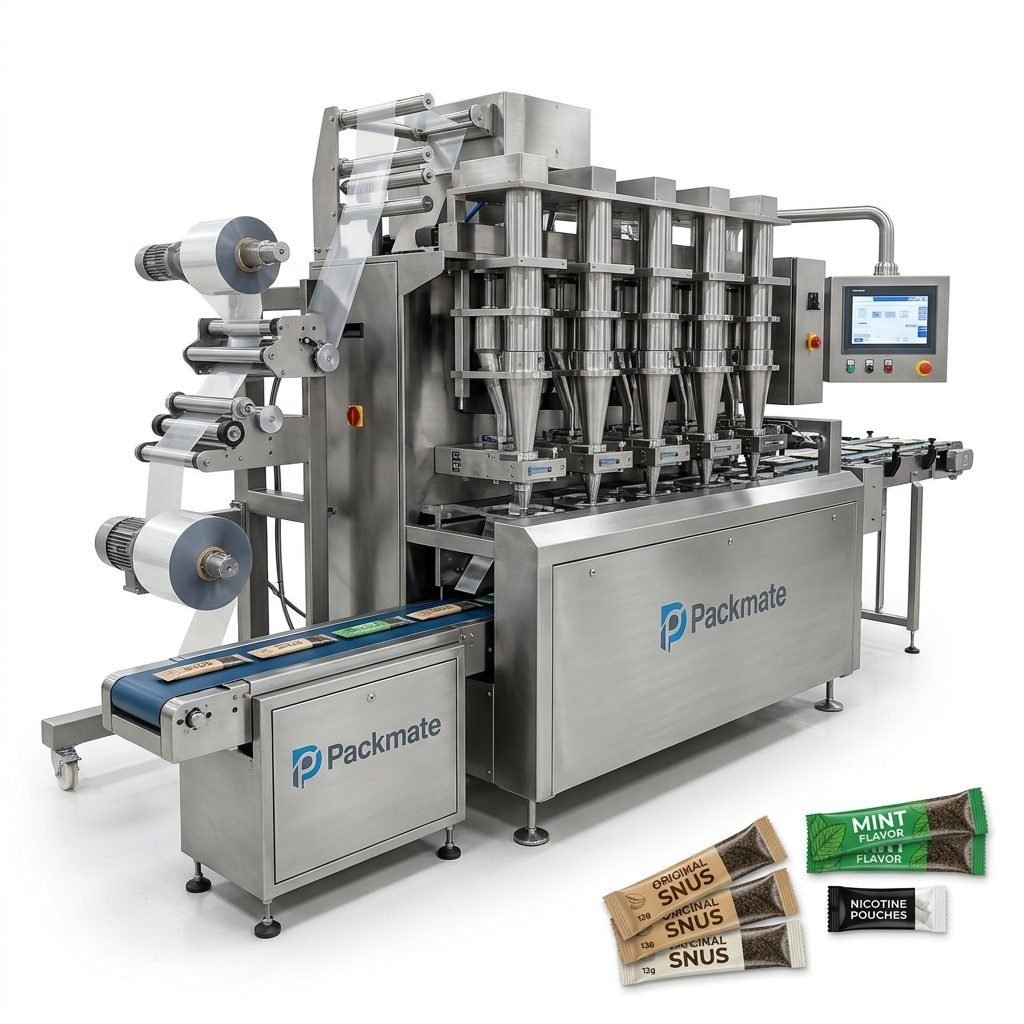
- Medium-scale producers: 4–8 lane sachet or snus systems integrated with weighing and dosing systems to increase throughput while maintaining accuracy.
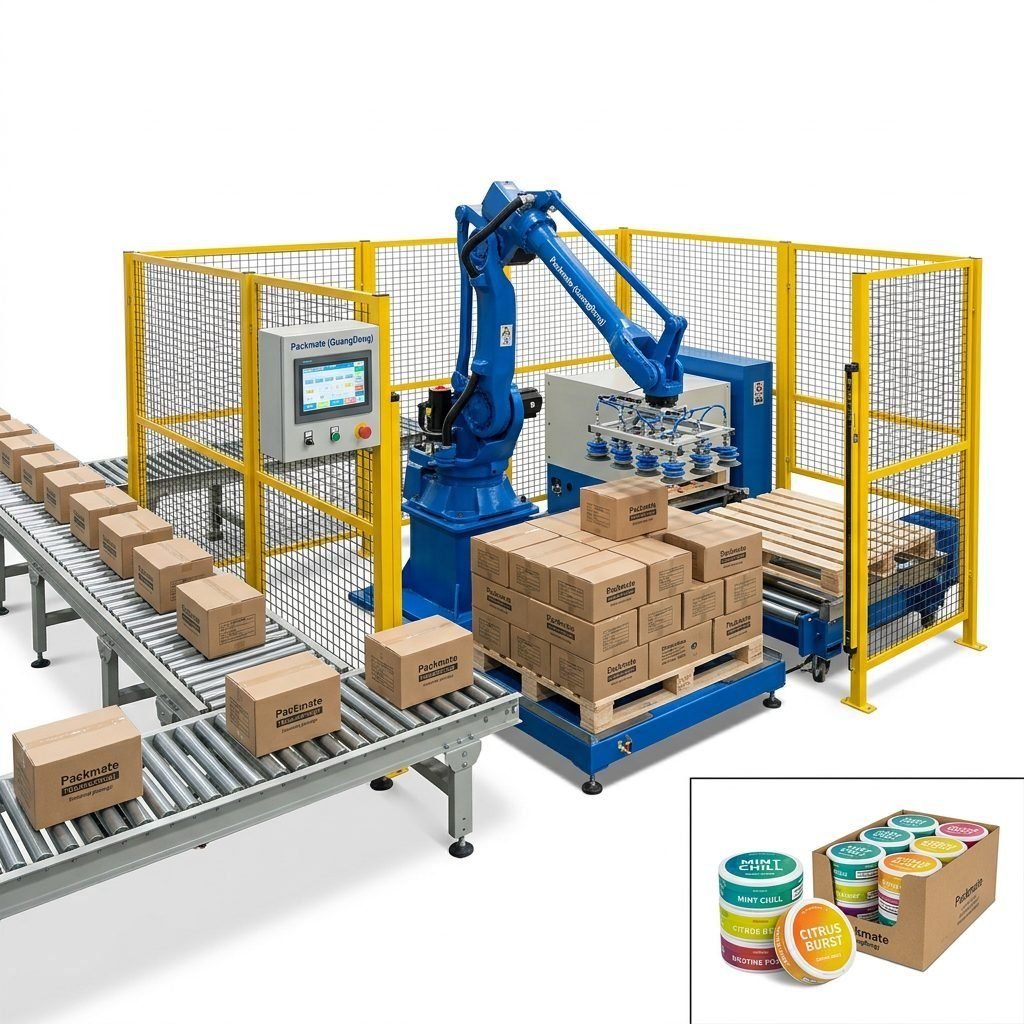
- Export-oriented plants: high-speed multi-lane lines with automated upstream feeding, integrated metal detection, and full in-line inspection systems for compliance.
📦
Key takeaway: match lane count and automation level to your sales forecast. Multi-lane systems lower per-unit cost at scale but require more capital and technical skill.
Maintenance & Consumables Checklist
Regular maintenance keeps machines running smoothly. Build a checklist for preventive routines and stock essential consumables locally.
- Daily: clean sealing jaws, check film path and sensors, verify air pressure and lubrication points.
- Weekly: inspect belts, check drive chains, verify dosing accuracy and calibration.
- Monthly: replace wear parts such as seals, bearings, and cutting knives as recommended by the manufacturer.
- Stock: spare heating elements, spare sensors, O-rings, belts, and a basic set of mechanical fasteners.
Safety & Environmental Considerations
Safety features like guarded moving parts, emergency stops, and electrical safety to local codes are non-negotiable. For environmental compliance, consider machines that reduce film waste and enable recyclable materials. Energy-efficient drives and servo systems also cut operating expenses.
Assessing Total Cost of Ownership (TCO)
Price is only part of the equation. Calculate TCO including installation, training, spare parts, energy, consumables, and expected uptime. A slightly higher initial investment in a reliable brand often leads to lower lifetime costs and less production disruption.
Selecting the Right Contract & Warranty Terms
Review warranty coverage for mechanical and electrical components. Negotiate service response times and clarify what constitutes billable service vs. warranty work. Request documented SLAs (Service Level Agreements) for critical parts supply and remote support.
Real-World Buying Process: Step-by-Step
Follow a structured procurement process to minimize risk:
- Define required formats, throughput, and regulatory needs.
- Shortlist vendors based on certifications, references, and product range.
- Request factory acceptance tests (FAT) and production samples.
- Negotiate terms including lead time, warranty, training, and spare parts package.
- Plan installation timeline, operator training, and commissioning acceptance criteria.
✅
Buying checklist: FAT record, spare parts list, operator manual in English, and signed commissioning acceptance.
Making the Final Choice
Balance the immediate capital outlay against long-term reliability and support. Prioritize machines with proven performance in nicotine pouch production and strong after-sales service. If possible, request pilot production runs or references from customers in similar markets.
Useful Resources
Explore detailed product lines and case studies to compare machine features and project examples:
Case,
About Packmate, and
Our Exhibition.
Final Recommendations for Buyers in Yemen
– Focus on machines with simple, modular designs that local technicians can service.
– Choose equipment with clear spare parts lists and local stocking plans.
– Prioritize vendors offering robust training and remote support.
– Validate dosing accuracy and keep a conservative estimate for spare parts consumption in the first year.
Frequently Asked Questions
Q1: What machine type is best for small-batch nicotine pouch production?
For small batches, single-lane stick pack or sachet machines offer the flexibility you need. They require less capital and are easier to operate and maintain. If you expect to scale quickly, consider modular multi-lane systems that can be upgraded.
Q2: How important is CE/ISO certification when buying packaging equipment?
Certifications such as CE and ISO indicate compliance with international safety and quality standards and make it easier to export products. They also reflect a supplier’s commitment to engineering and production standards.
Q3: What are common hidden costs to watch for?
Hidden costs include spare parts shipment delays, higher-than-expected energy consumption, specialized tooling for format changes, extended commissioning times, and training for operators. Build a contingency into your budget for the first 12 months of operation.
Q4: Can I integrate upstream filling machines with my packaging line?
Yes. Many suppliers provide integrated solutions combining filling, weighing, and packaging lines for a turnkey production line. Evaluate synchronization, throughput balancing, and control system compatibility when planning integration.
Q5: How do I ensure long-term spare parts availability in Yemen?
Negotiate spare parts kits as part of the purchase, establish minimum stock levels for critical items, and confirm supplier lead times. Consider vendors that provide digital parts catalogues and can ship internationally with reliable timelines.