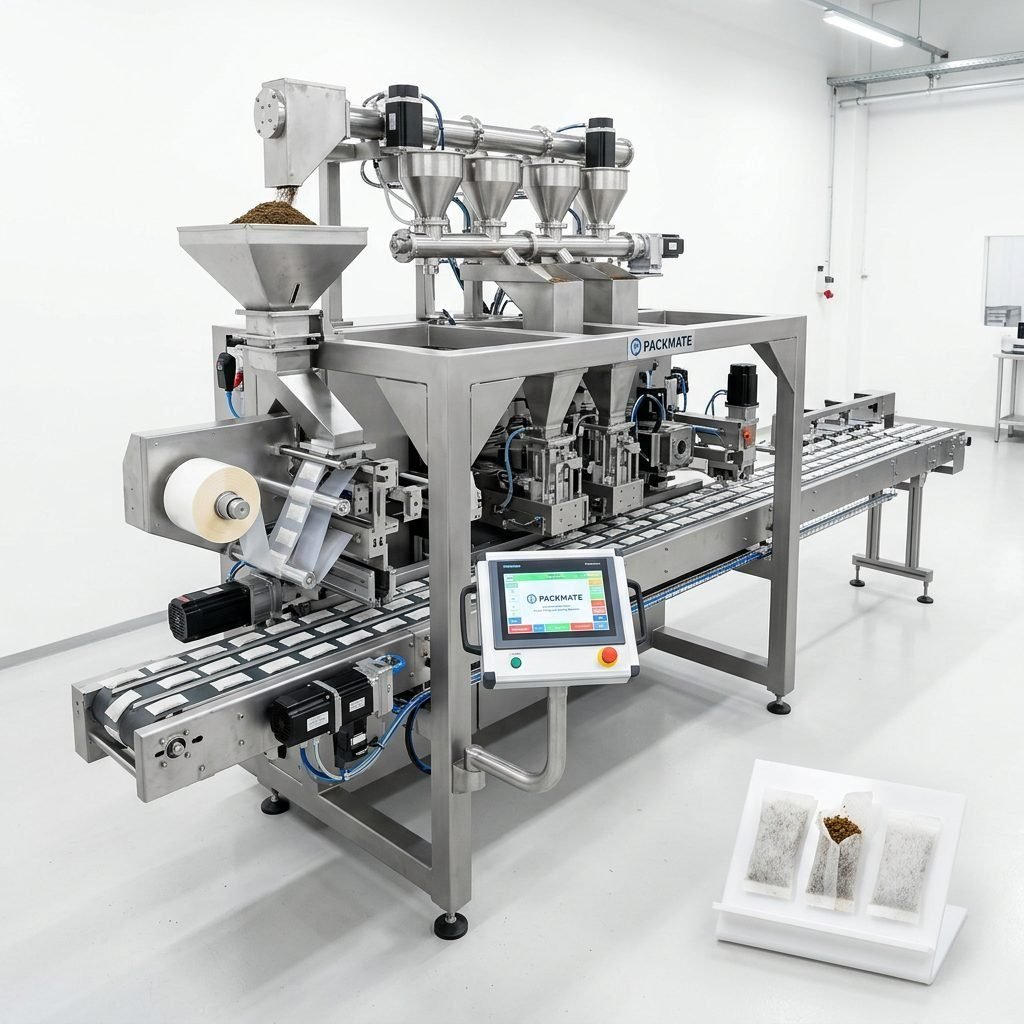
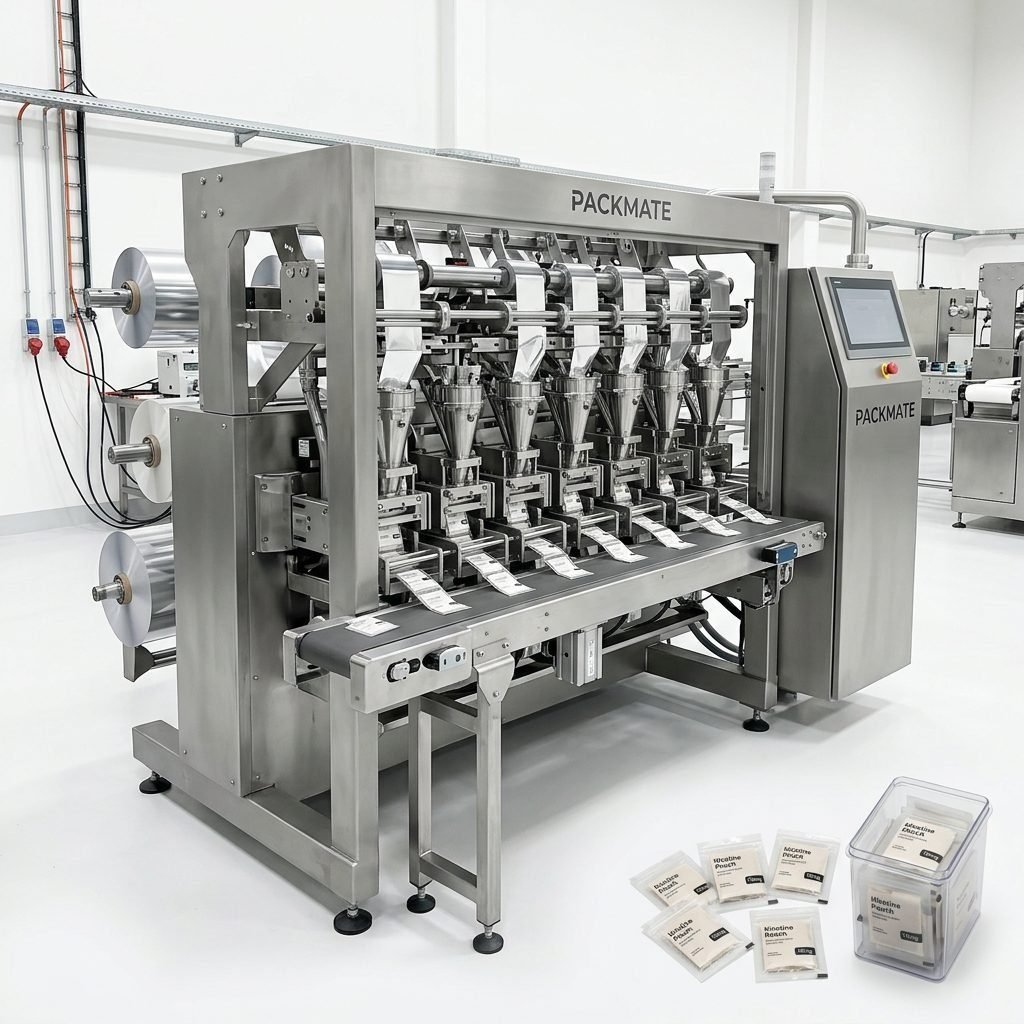
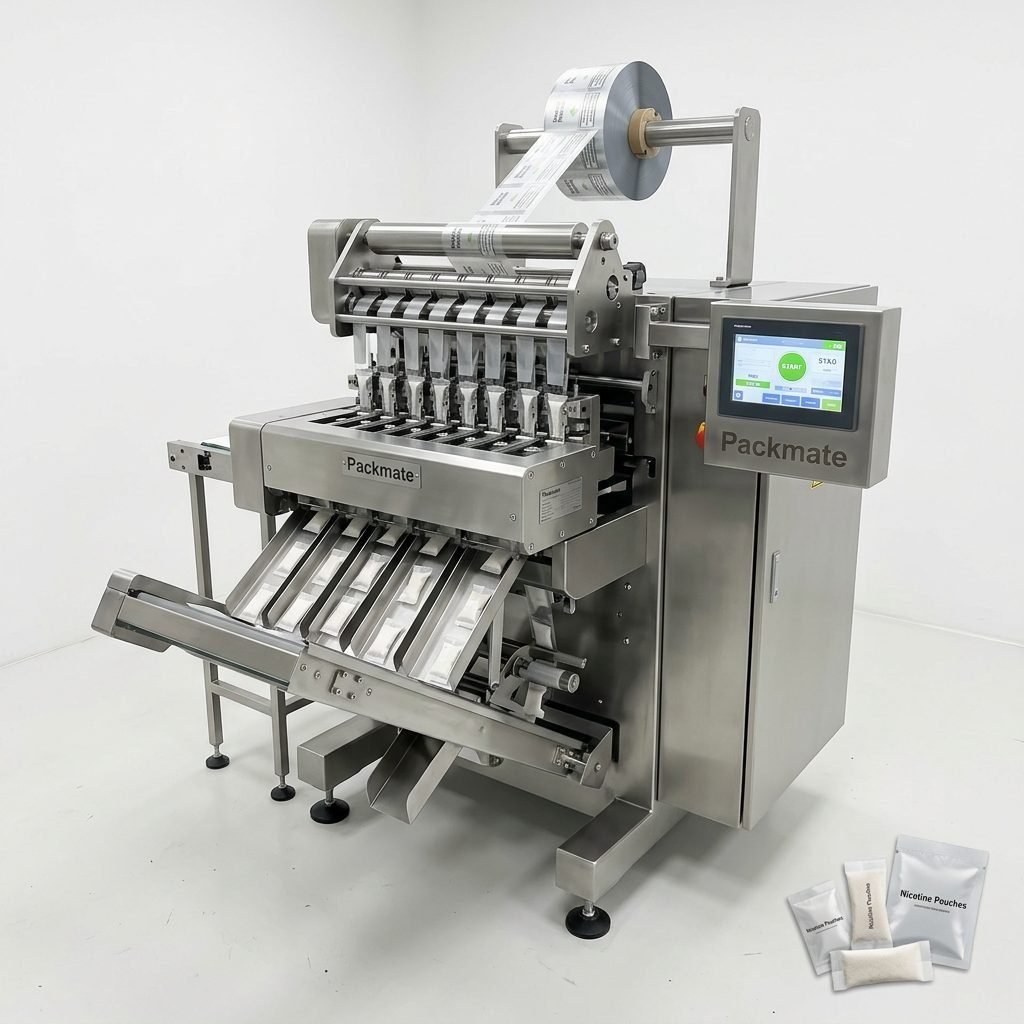
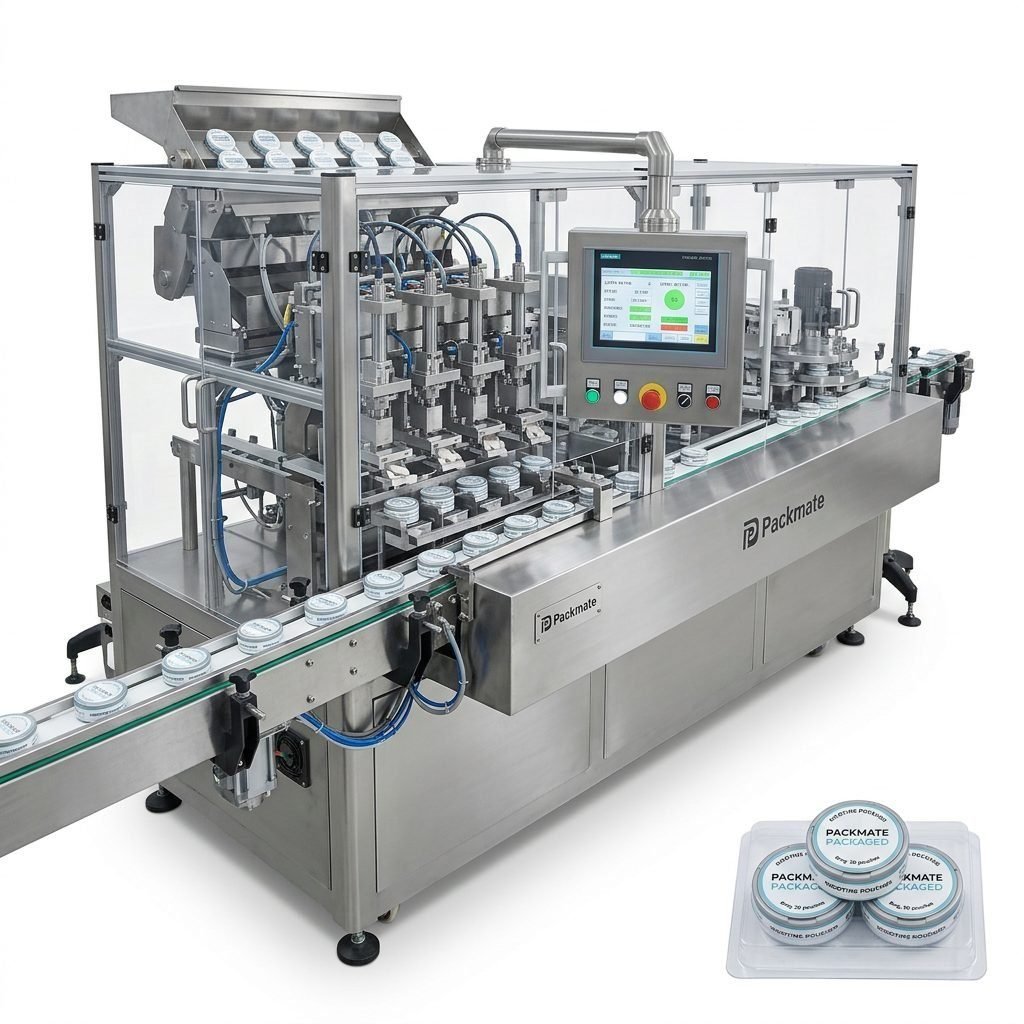
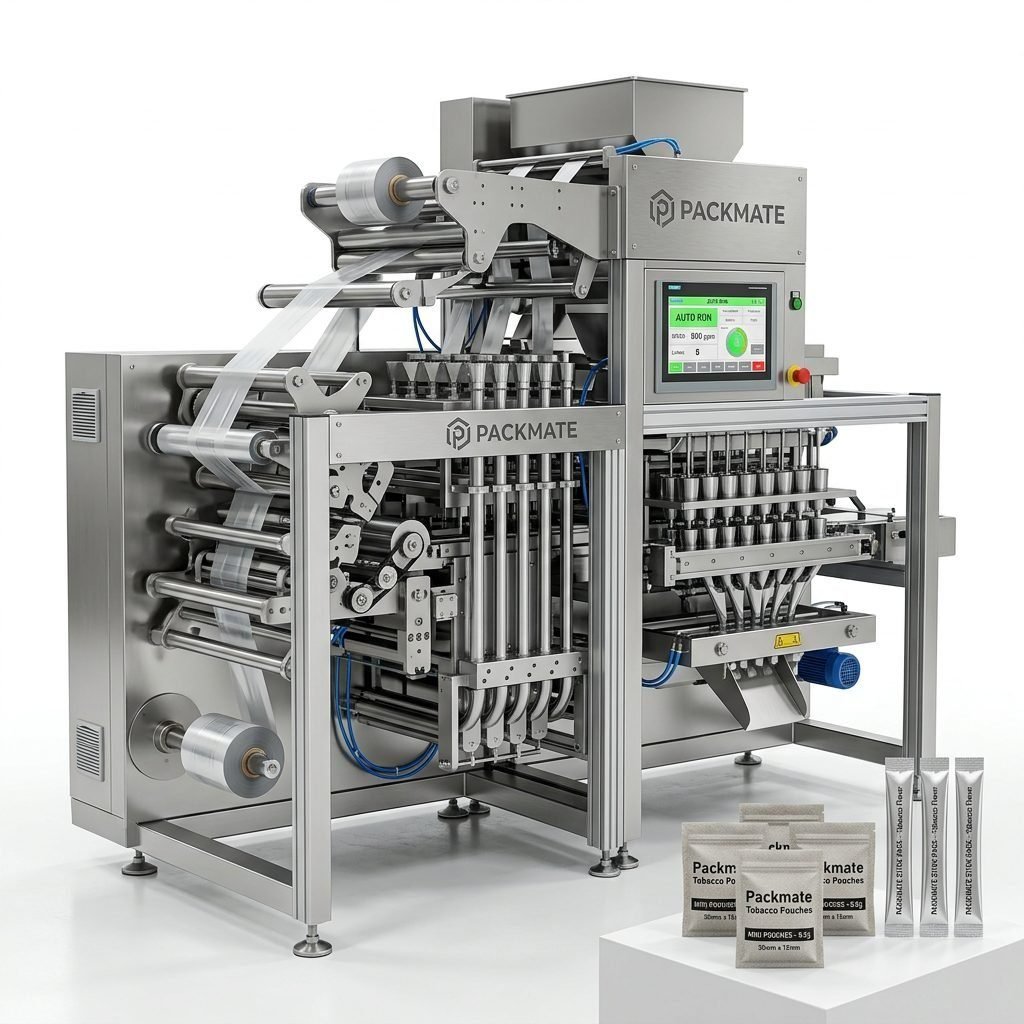
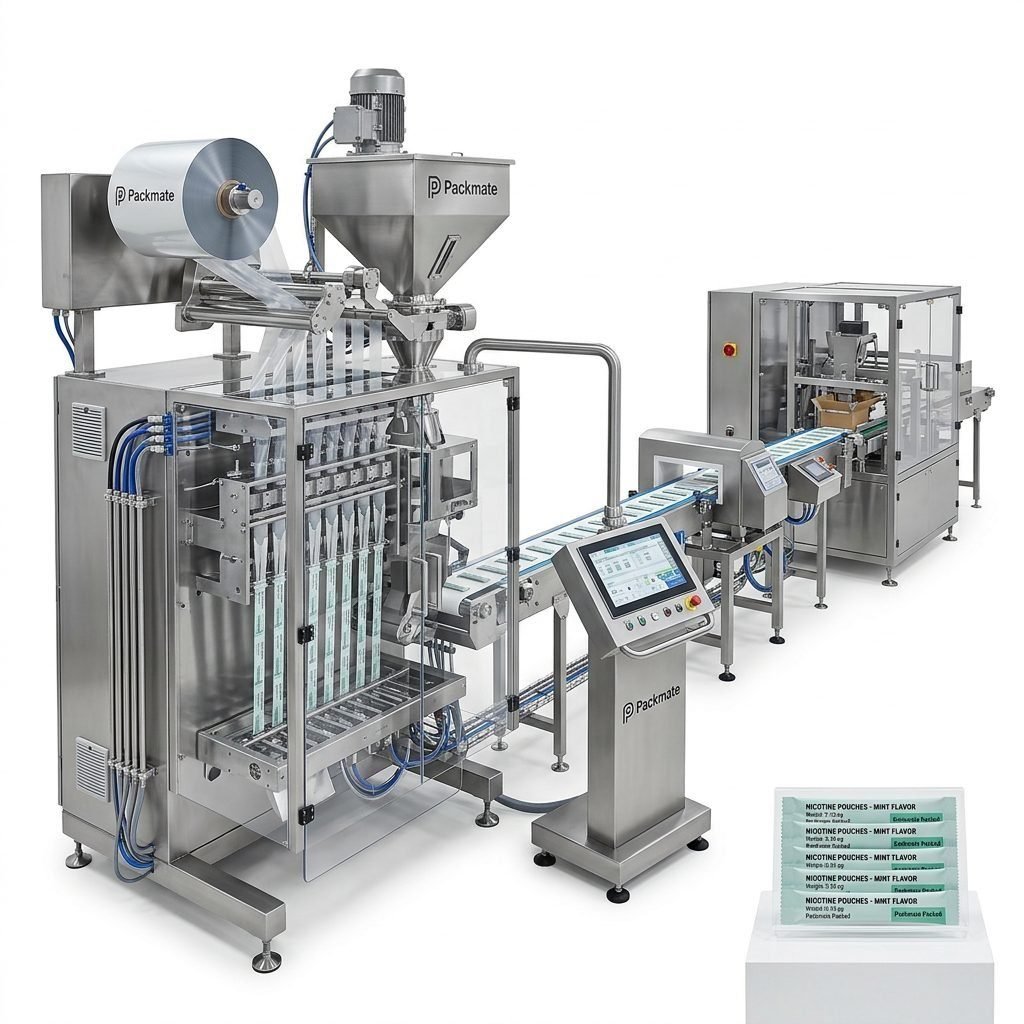
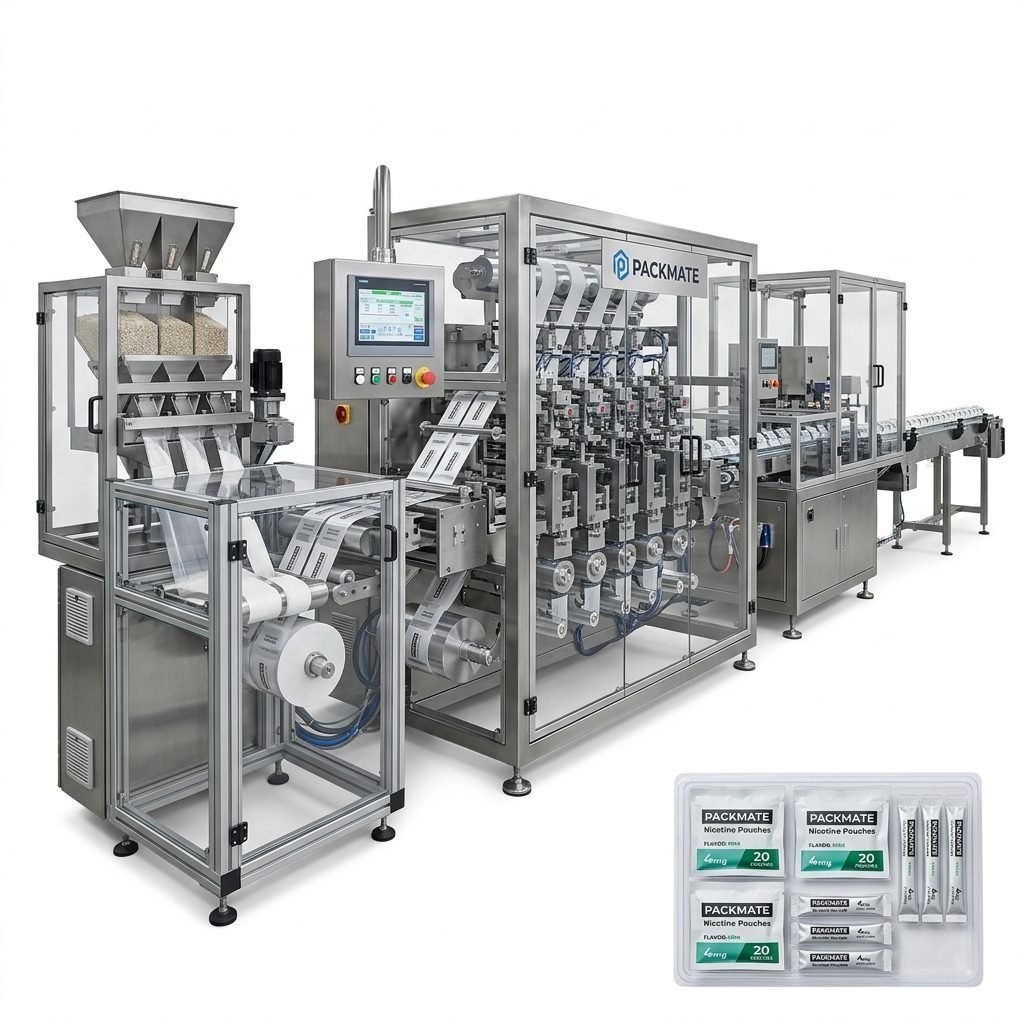
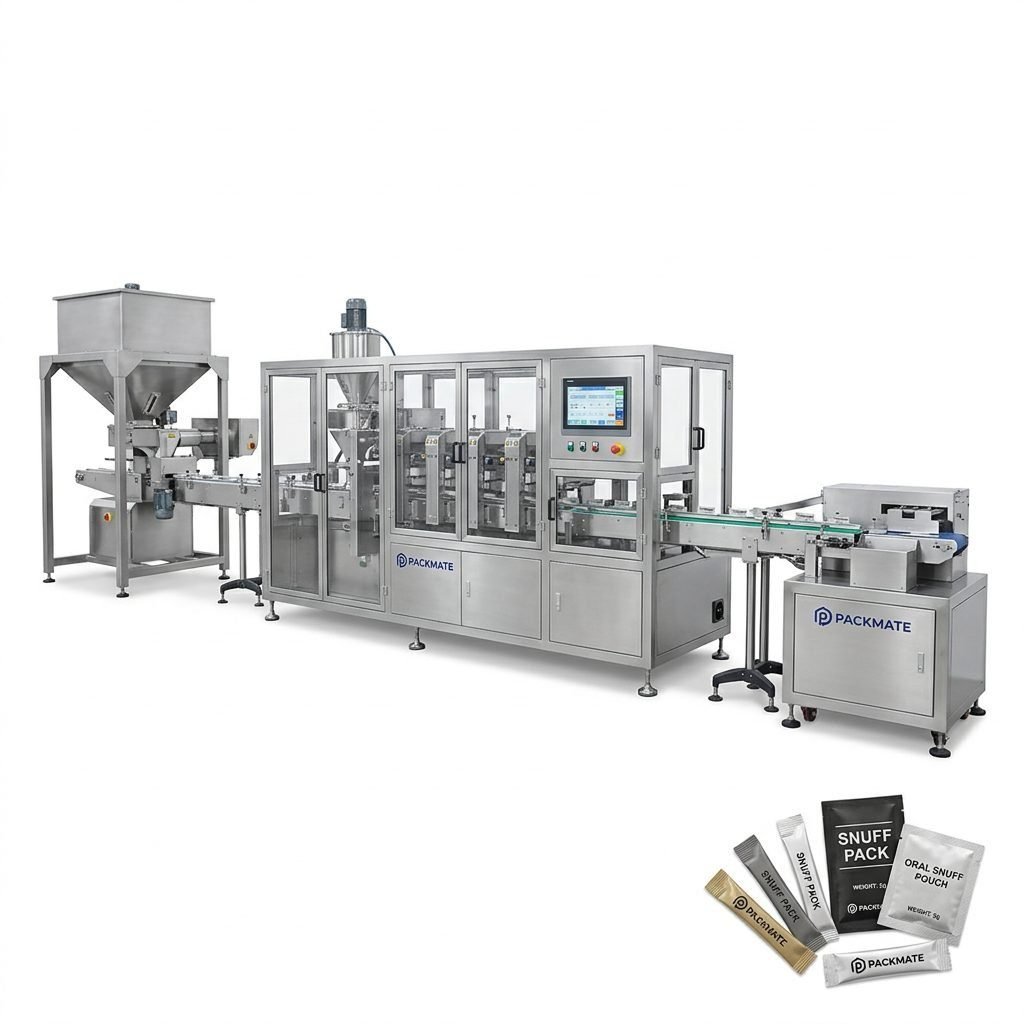
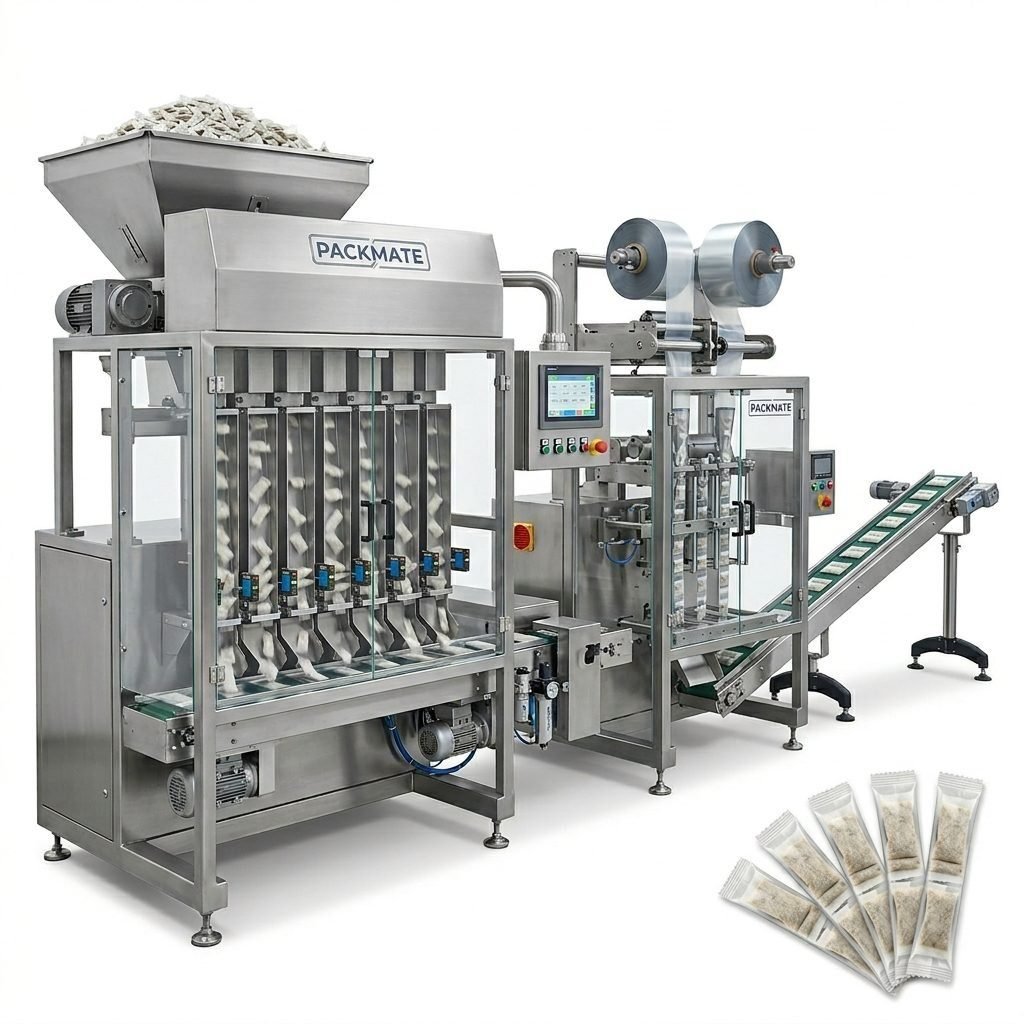
Choosing the best nicotine packaging machinery manufacturer in Jordan is a critical step for any business aiming to scale production, comply with regulations, and maintain consistent product quality. Whether you are producing nicotine pouches, snus, or other tobacco-related products, a correctly selected partner will impact production speed, uptime, and long-term costs. This guide walks you through practical criteria, technical considerations, and vendor evaluation tips to help you make an informed decision that fits both current needs and future growth.
Understand Your Production Needs 🔍
Before you contact manufacturers, clarify the scale and specifics of your operation. Ask yourself: What is your target output per hour or per shift? Do you need single-lane or multi-lane systems? What pouch formats (stick pack, sachet, multi-lane pouches) and materials (paper, foil, laminated film) will you use? Documenting these parameters helps you filter vendors who specialize in the right equipment profile. Many manufacturers such as Snus & Nicotine Packaging Machines provide clear product categories that can match your requirements.
Key technical parameters to define
- Target units per minute / hour and shift patterns.
- Desired pouch dimensions, fill weights, and tolerance limits.
- Compatibility with upstream/downstream equipment (weighers, conveyors, cartoners).
- Required automation level and operator interface language or protocol.
- Regulatory or certification needs for export markets (CE, ISO, or region-specific approvals).
Evaluate Manufacturer Experience & Capabilities 🏭
Track record matters. A manufacturer with decades of engineering experience can better anticipate production problems, offer robust designs, and provide long-term service. Look for evidence of industry expertise: a broad model range, a dedicated facility, and examples of turnkey projects. For instance, Packmate Snus Machine highlights over 30 years of engineering and a 20,000㎡ factory — indicators of manufacturing capacity and stability.
✅ What to look for: clear company history, factory size, CNC machining capabilities, and a portfolio of relevant machines like stick pack, sachet, and multi-lane systems.
Assess Technical Specifications & Performance ⚙️
When comparing technical proposals, focus on meaningful performance indicators rather than attractive but vague claims. Request detailed specifications for speed under load, cycle times, changeover duration, electrical and pneumatic consumption, and mean time between failures (MTBF). A competent manufacturer will provide data from factory acceptance tests and references that confirm real-world throughput.
Important machine features to verify
- Control system type (PLC/HMI), networking and data logging capabilities.
- Precision of feeding and dosing systems for consistent nicotine pouch weight.
- Ease of maintenance: tool-less access, spare parts availability, and modular design.
- Sanitation and cleaning features if relevant to your product and regulations.
Customization & Turnkey Solutions 🧩
Many manufacturers offer off-the-shelf machines and also tailor systems to specific product lines. If your process requires a complete line — from weighers to pouch packing to secondary packaging — a supplier with turnkey capabilities will save time and reduce integration risks. Explore options such as multi-lane systems for small-dose pouch production and pre-engineered modules that can be expanded as volumes grow. See examples of integrated offerings under Filling & Packaging Lines.
🔔 Tip: Ask for case studies or site visits. Seeing a similar production line running gives insight into reliability and operator ergonomics.
Quality, Certifications & Compliance ✅
Compliance with international standards is essential if you plan to export or meet strict local regulations. Confirm manufacturer certifications (CE, ISO) and their ability to adapt machines to hygiene and safety codes. Vendors that emphasize quality control throughout manufacturing, like Packmate with advanced CNC centers and testing systems, demonstrate a commitment to consistent equipment quality.
Ask for documentation
- CE / ISO certificates and copies of compliance reports.
- Electrical schematics, PLC code ownership and HMI language support.
- Factory acceptance test (FAT) procedures and reports.
- Maintenance manuals, spare parts lists, and recommended service intervals.
Service, Spare Parts & After-Sales Support 🛠️
Machines only remain profitable with strong after-sales service. Verify service response times, spare parts delivery, remote support capabilities, and training for your operators and technicians. A manufacturer offering global support and a stocked spare parts program reduces downtime risks. Check references and ask how long critical parts are guaranteed to be available.
📦 Service checklist: training, remote diagnostics, spare parts kit, preventive maintenance plans, and local technical partnerships.
Total Cost of Ownership (TCO) & ROI Analysis 💰
Price quotes are only one part of the financial picture. Evaluate energy consumption, spare part costs, downtime impact, maintenance labor, and expected lifespan. A higher initial investment in a robust, efficient machine can yield a lower TCO and faster ROI through reduced waste, fewer stoppages, and higher throughput. Ask potential suppliers for modeled ROI examples based on your production figures.
Factory Acceptance Testing & Site Commissioning 🧪
Insist on a thorough Factory Acceptance Test (FAT) before shipment. A structured FAT demonstrates that machines meet agreed specifications with your product simulants. During installation, on-site commissioning and operator training are vital for smooth start-up. Confirm the supplier’s support timeline and who covers travel and accommodation for commissioning engineers.
Reference Checks & Site Visits ✅
Speak with existing customers and, if possible, visit production sites. Real-world feedback reveals how machines perform under production conditions, the responsiveness of the service team, and the accuracy of vendor claims. Look for long-term customers, recurring orders, and case studies that showcase successful implementations. Explore real project examples and cases at Case.
Questions to ask references
- Was the delivered performance close to the quoted speed and uptime?
- How responsive was the supplier for spare parts and technical queries?
- Were there unexpected integration challenges with upstream or downstream equipment?
- How satisfied are they with long-term reliability?
Why Choose a Specialized Supplier for Nicotine Pouches?
Specialized suppliers understand the nuances of nicotine pouch production: small dosing accuracy, sealing requirements for extended shelf life, and strict cleanliness standards. A specialist is more likely to offer optimized solutions like multi-lane options for small-dose pouches and tailored feeding systems for powders or granules. If you need specific configurations, review specialized product lines such as Sachet & Stick Pack Machines and About Packmate to see manufacturer focus areas.
🔑 Bottom line: choose a manufacturer who demonstrates domain expertise, vertical integration capabilities, and a portfolio of proven machines in the nicotine/snUS segment.
Negotiation & Contract Tips 📝
Negotiate clear terms about lead times, payment milestones, warranty conditions, spare part availability, training, and acceptance criteria. Include detailed specifications in the contract, and define penalties or remedies for missed performance targets. Clarify intellectual property rights for any custom automation or software developed for your line.
Key contract items
- Detailed machine specifications with acceptance test criteria.
- Warranty period and what it covers (parts, labor, travel).
- Spare parts lead times and recommended spares kit.
- Training scope and documentation delivery timelines.
- Post-sale service level agreements (SLA) and escalation paths.
Making the Final Decision — Balanced Scorecard Approach 📊
To choose objectively, create a weighted scorecard covering technical fit, experience, TCO, service capability, and commercial terms. Rate each supplier and compare aggregated scores. This structured approach helps move beyond price-driven decisions to a balanced selection that reduces operational risk.
📌 Example score items: technical fit (30%), reliability & references (25%), TCO (20%), service & parts (15%), delivery & price (10%).
Next Steps & How to Engage Suppliers
Prepare a Request for Quotation (RFQ) with detailed product specifications and pass it to shortlisted suppliers. Include expected product samples or simulants for FAT, desired delivery timelines, and installation destination. Use the supplier’s case studies or exhibition participation to assess credibility — visit their booths if possible; details of exhibitions can often be found in the vendor’s production presence pages such as Our Exhibition.
Final Recommendation
Prioritize a partner who demonstrates a combination of domain expertise, proven machine performance, solid after-sales support, and transparent documentation. A manufacturer with decades of experience, a modern factory, and multi-national references will reduce risk and accelerate your production ramp-up. If your project requires a versatile partner for snus and nicotine pouch lines, consider suppliers with a comprehensive product portfolio and turnkey capabilities.
Common Questions (FAQs)
1. How long does it take to install and commission a nicotine pouch packing line?
Installation and commissioning times vary by project complexity. A single machine may be installed and commissioned in 1–2 weeks, while a complete turnkey line including weighing, conveying, and secondary packaging can take 4–12 weeks for on-site commissioning after delivery. Pre-defined FAT and thorough documentation shorten on-site time.
2. What spare parts should be stocked locally?
Prioritize consumables and wear parts: seals, cutters, belts, sensors, pneumatic seals, and critical drives. Your supplier should recommend a starter spare parts kit based on expected wear rates and local lead times. Keeping essential components on hand reduces downtime significantly.
3. Can machines be upgraded for higher capacity in the future?
Many modern machines are modular and designed for scalability. Discuss upgrade paths with suppliers — multi-lane modules, additional dosing heads, or software optimizations are common upgrade options. Choosing a manufacturer with a wide product range improves future compatibility.
4. How can I verify a supplier’s claims about speed and reliability?
Request FAT results, customer references, and videos of similar lines in production. Visiting a running installation or asking for live demonstrations at exhibitions provides the best verification. Review the supplier’s case studies and technical documentation to cross-check claims.
For more technical details, product pages such as Snus & Nicotine Packaging Machines and Bag & Pouch Packaging Machines provide model specifications and application notes. When ready to engage, reach out directly via the vendor’s Contact Us page to request tailored quotations and FAT arrangements.