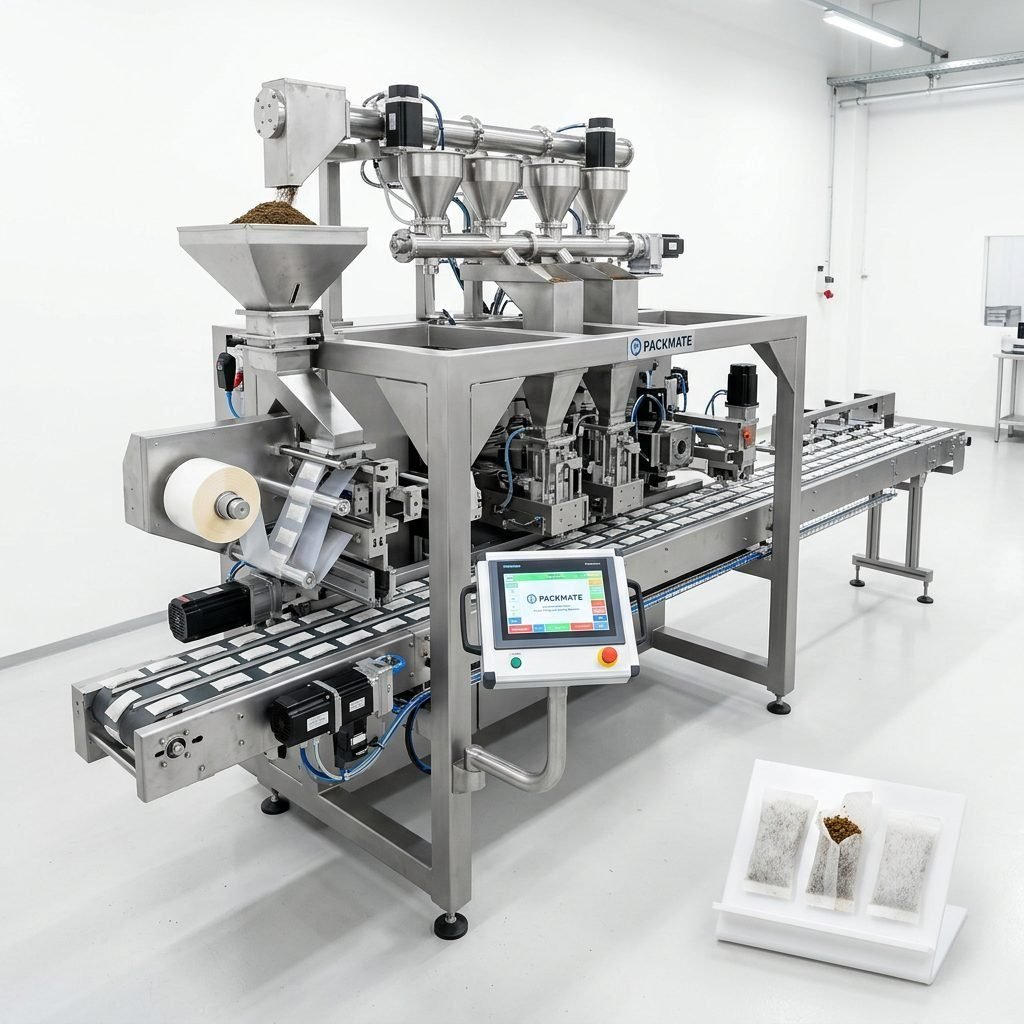
Algeria’s market for snus and nicotine pouch products is evolving rapidly, and choosing the right packaging machinery supplier is a strategic decision that affects product quality, compliance, and long-term operational costs. This guide offers practical tips and clear criteria to help Algerian manufacturers, distributors, and importers evaluate suppliers and select snus packaging equipment that fits local needs, regulations, and cultural expectations.
Why Choosing the Right Supplier Matters in Algeria
The right supplier delivers more than machines: they provide reliability, technical support, spare parts availability, and compliance documentation. In Algeria, where import procedures, customs checks, and local language (Arabic and French) preferences play a significant role, supplier responsiveness and familiarity with regional logistics and labeling rules become critical. A supplier with global experience and documented case studies can help you avoid costly delays and ensure your snus products meet market expectations.
Key Selection Criteria: What to Evaluate
1. Certifications and Compliance
Ensure that machines are certified to international standards (e.g., CE, ISO). For Algeria, ask for complete documentation for customs clearance and regulatory inspections. A reliable supplier will provide certificates, test reports, and wiring diagrams that simplify import approvals.
2. Technical Capability & Product Range
Look for suppliers offering a broad portfolio: single- and multi-lane snus pouch machines, stick pack, sachet machines, and integrated weighing and filling systems. Flexibility matters — your production needs may change as the Algerian market develops. Suppliers that can provide modular solutions and optional upgrades reduce future investment risk.
3. Quality Control, Testing & Performance Data
Request factory acceptance test (FAT) data, cycle rates, accuracy, and mean time between failures (MTBF). Ask for performance videos or live demos when possible. A supplier who publishes case studies and performance metrics lets you benchmark expectations before purchase.
4. After-Sales Service, Spare Parts & Training
Evaluate response times for remote troubleshooting, parts lead times, and local technical training. In Algeria, on-site service visits can be costly—so verify whether the supplier supports regional agents or fast shipment channels for critical parts.
5. Customization & Turnkey Solutions
Choose suppliers that can tailor machines to local packaging materials, labeling languages (Arabic/French), and regulatory markings. Turnkey suppliers offering layout, utilities planning, and staff training reduce implementation risk and accelerate time-to-market.
6. Price vs Total Cost of Ownership
Low upfront price can hide high operating costs. Factor in consumables, maintenance, spare parts, electricity, nitrogen or vacuum requirements, and expected throughput. A thorough TCO comparison helps justify higher-quality machines that save money long term.
7. Local References & Case Studies
Ask for references in similar climates or markets. Case studies that show installations in Africa, the Middle East, or Mediterranean regions indicate the supplier understands local conditions. Review video tours or factory acceptance tests when provided.
Quick Practical Checklist
✓ Confirm CE/ISO documents for customs
✓ Request FAT reports and videos
✓ Verify spare parts lead time to Algeria
✓ Ensure Arabic/French labeling capability
Practical Tips for the Procurement Process
Start by shortlisting suppliers that demonstrate clear experience with snus or nicotine pouch lines. Use structured requests for quotation (RFQ) that include production targets, packaging formats, material specifications, and local utility constraints (power, compressed air, humidity). Ask for:
ℹ️ A detailed bill of materials, electrical & pneumatic diagrams, and a spare parts list with part numbers and prices.
⚠️ Clarify delivery terms (FOB, CIF, DDP), lead times, and shipping documentation for Algerian customs to minimize delays and demurrage charges.
✓ Arrange an independent inspection before shipment or attend the FAT virtually to sign off on machine performance against agreed acceptance criteria.
How to Evaluate Machine Performance On-Site
When machines arrive at your plant in Algeria, run a commissioning checklist that includes: alignment verification, electrical safety checks, cycle-rate validation using your actual packaging material, inspection of sealing quality, and accuracy tests for dose/weight. Record run charts for at least 8 hours under production conditions to catch intermittent issues.
Use a standardized acceptance protocol that ties payment milestones to performance: preliminary acceptance after mechanical setup, final acceptance after continuous output meets the agreed metrics.
Negotiating Contracts, Warranties and SLAs
Negotiate warranties that cover core mechanical and electrical components for at least 12 months. Ensure spare part kits and critical consumables are included or available at predictable prices. Define service-level agreements (SLAs) stating maximum remote response time and on-site visit time. For Algeria, set expectations for customs clearance timing and who bears related risks and costs.
Local Considerations Specific to Algeria
Algeria’s business culture favors clear, documented agreements and relationships built on trust. French is widely used in technical and commercial contexts, and Arabic is essential for consumer-facing labeling—so ensure supplier documentation and machine interfaces can be localized. During Ramadan, working hours may shift; plan commissioning and training timelines accordingly.
Climate and dust levels in some Algerian regions require machines with sealed electrical cabinets and filtration on pneumatics. Check the supplier’s experience with installations in arid or coastal environments to avoid premature wear from sand or humidity.
Logistics, Import & Customs Tips
Work with customs brokers who have experience with industrial machinery. Verify HS codes and required certificates (origin, CE, electrical safety). Plan for inland transport: large machines often require disassembly and re-assembly on-site. Confirm whether the supplier offers pre-shipment crating and clear instructions for reassembly.
Supplier Examples & Additional Resources
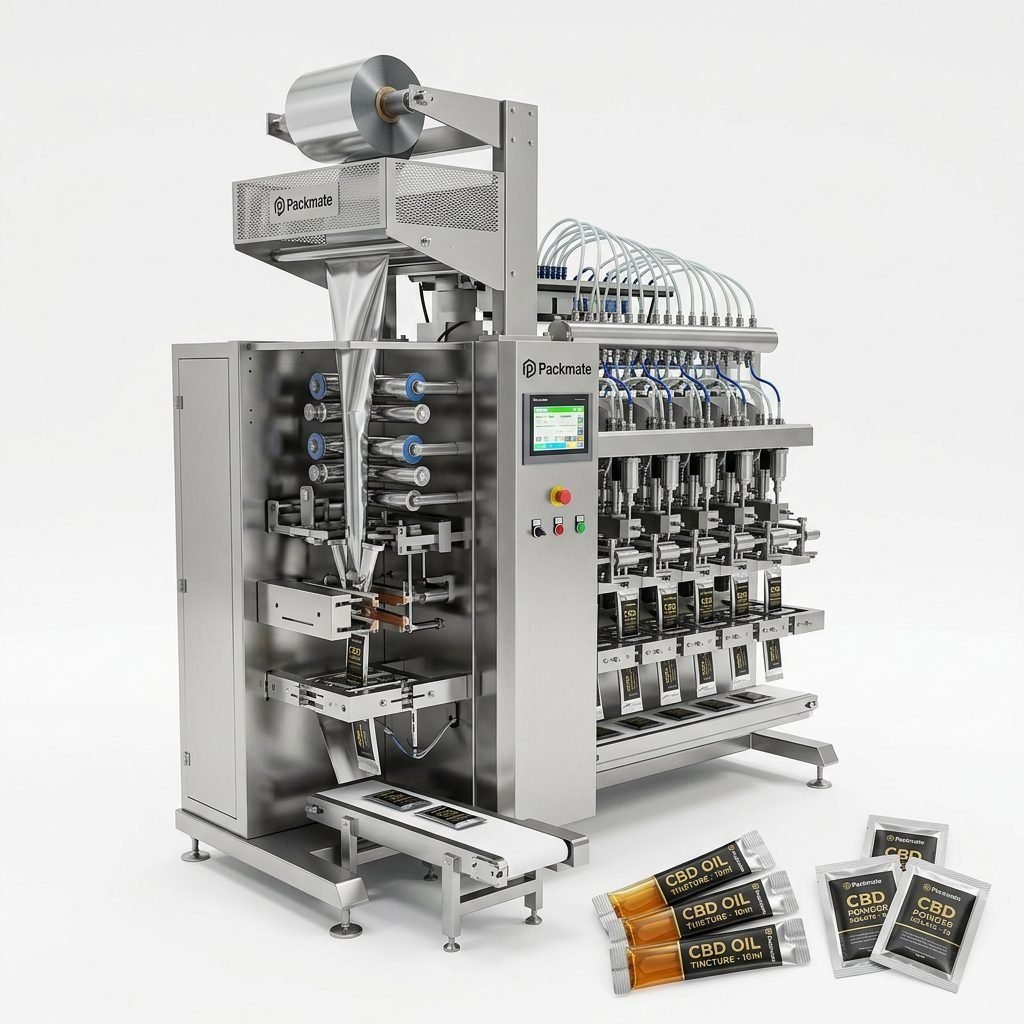
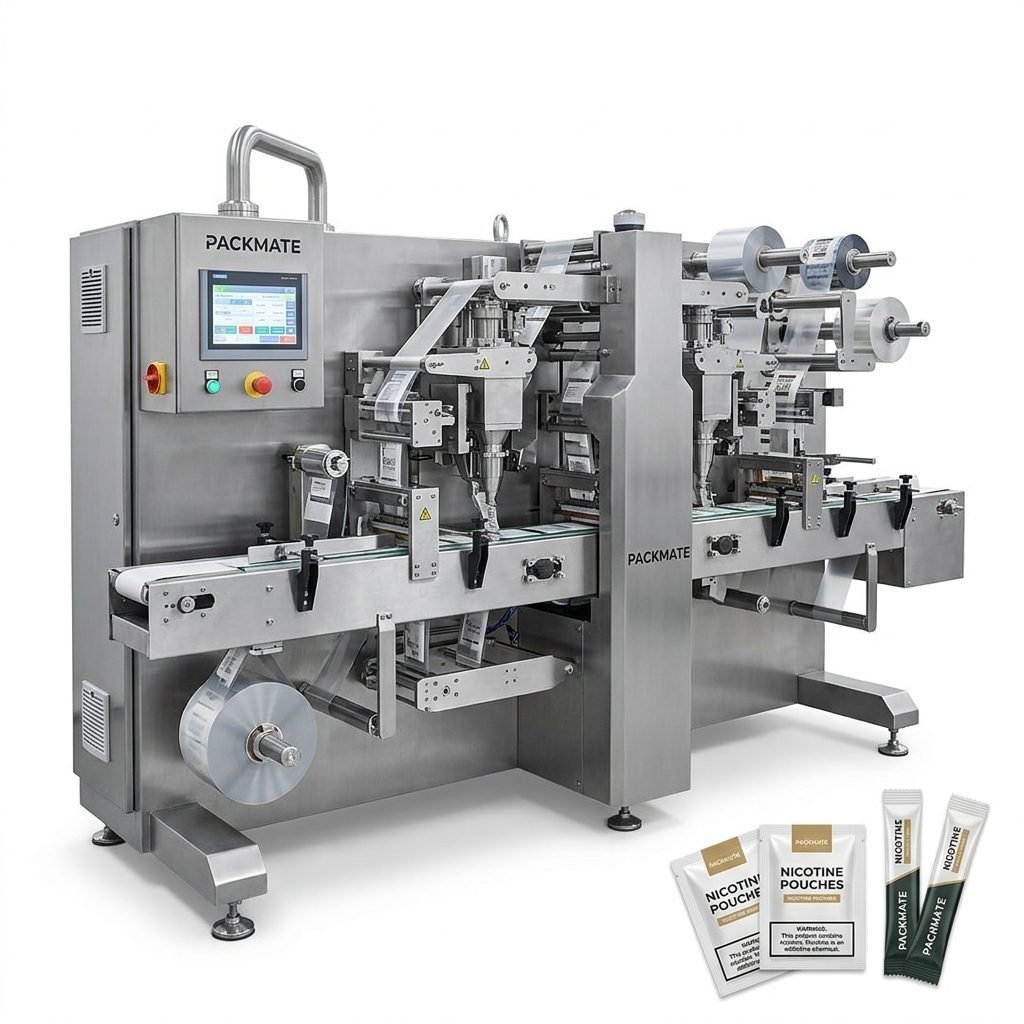
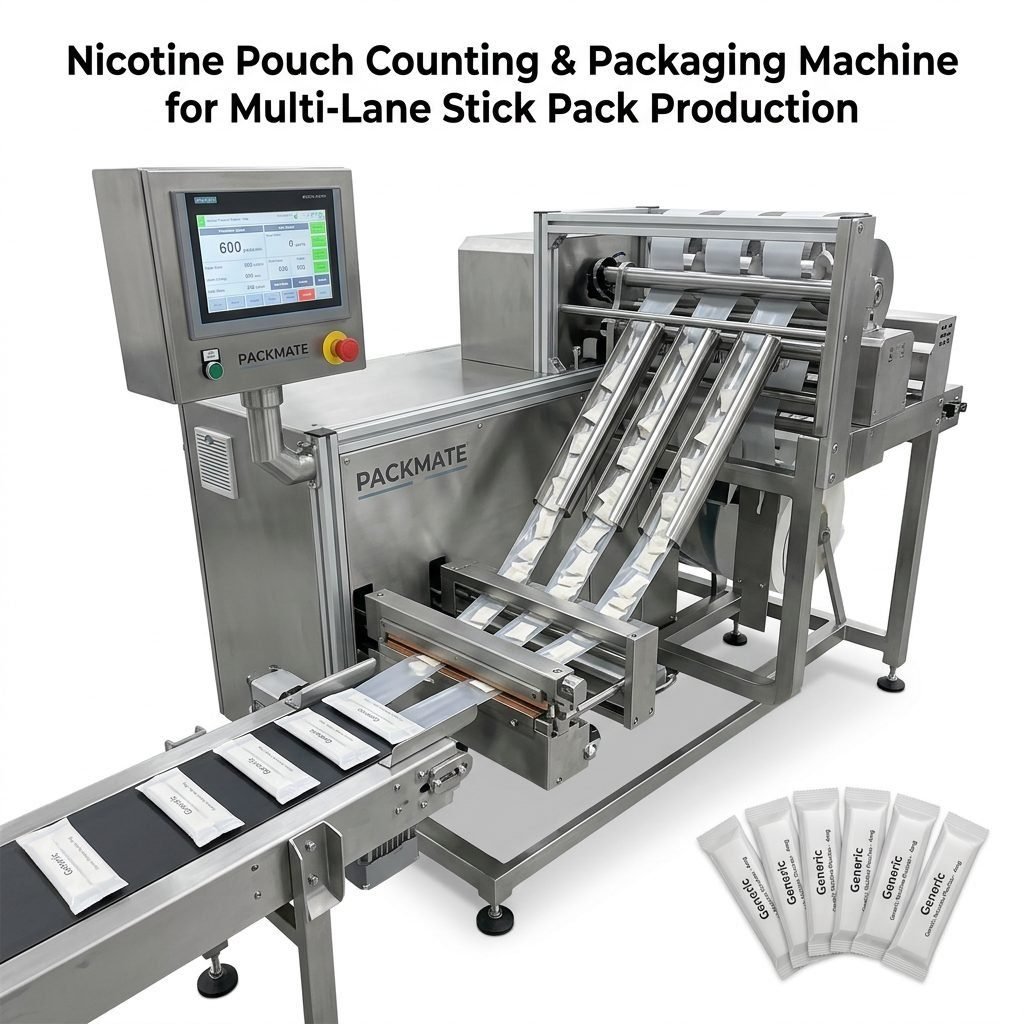
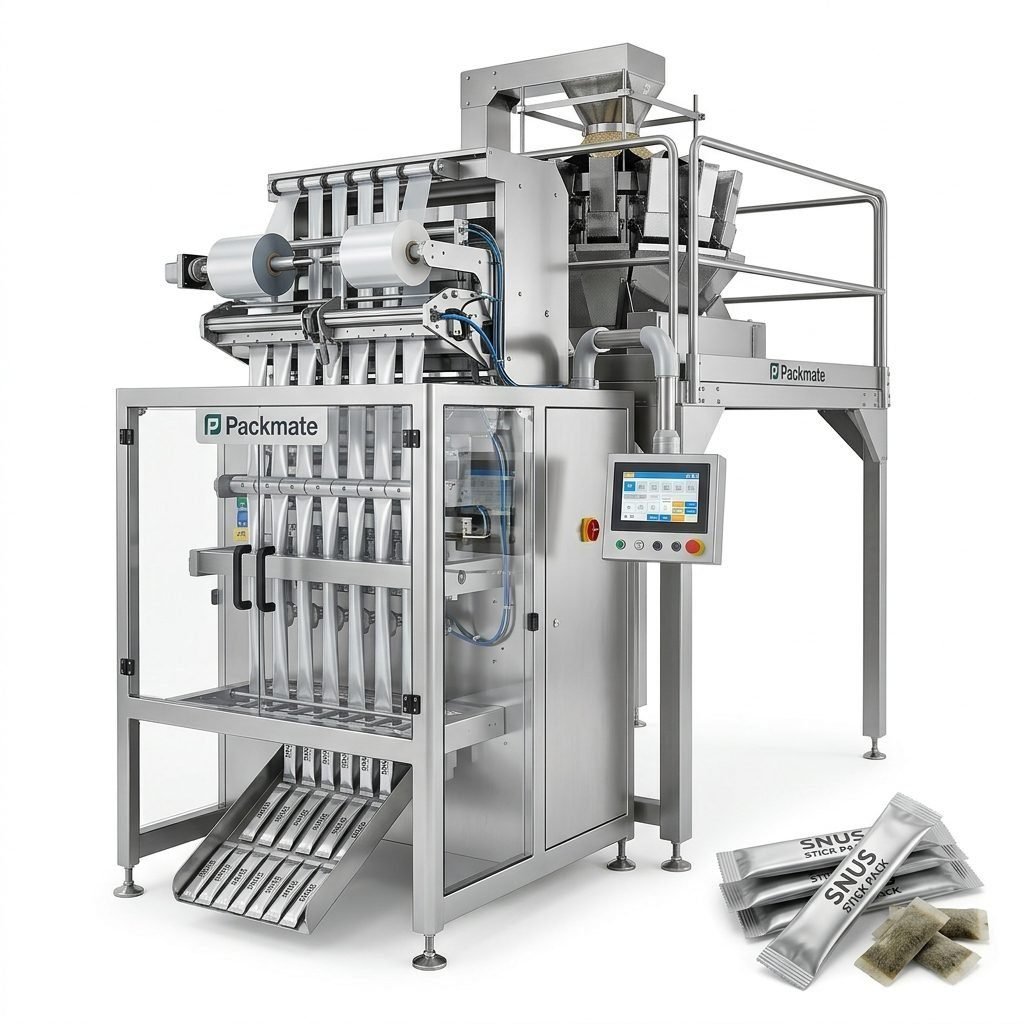
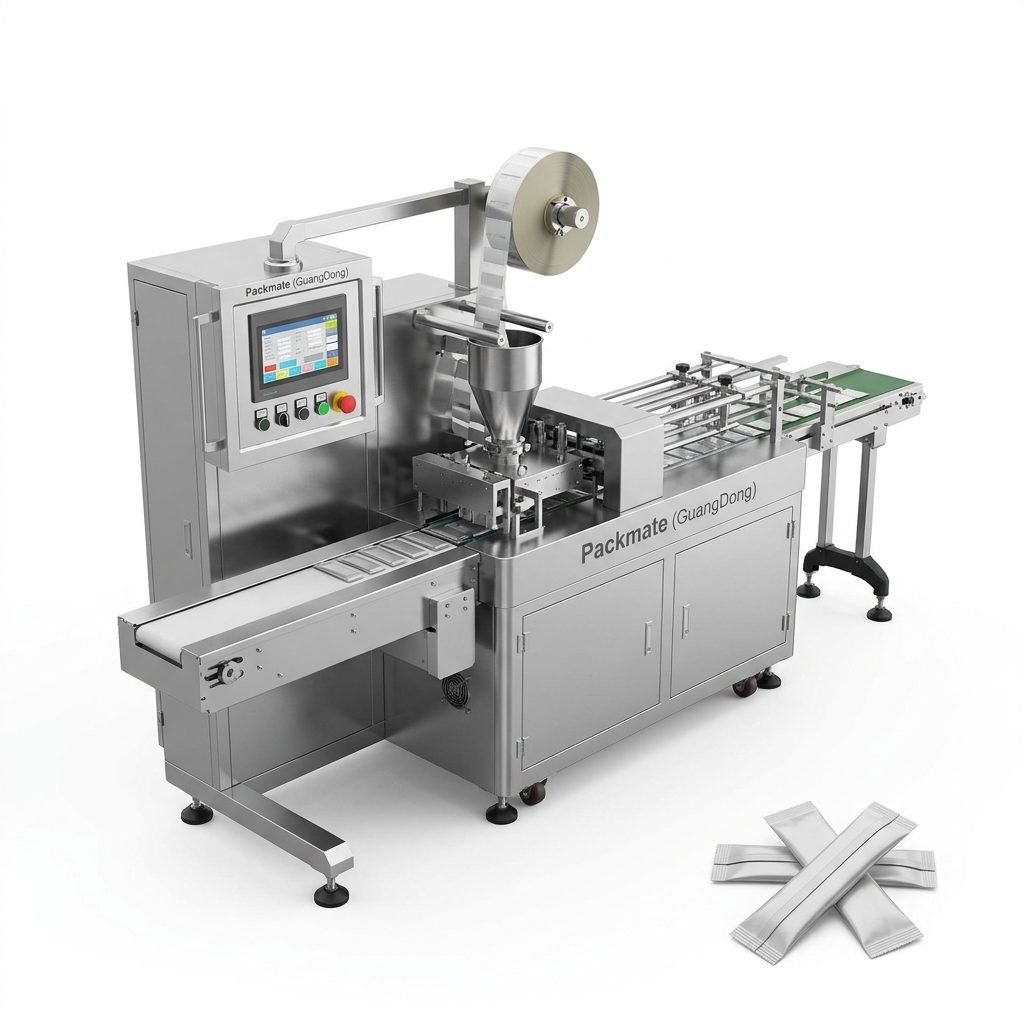
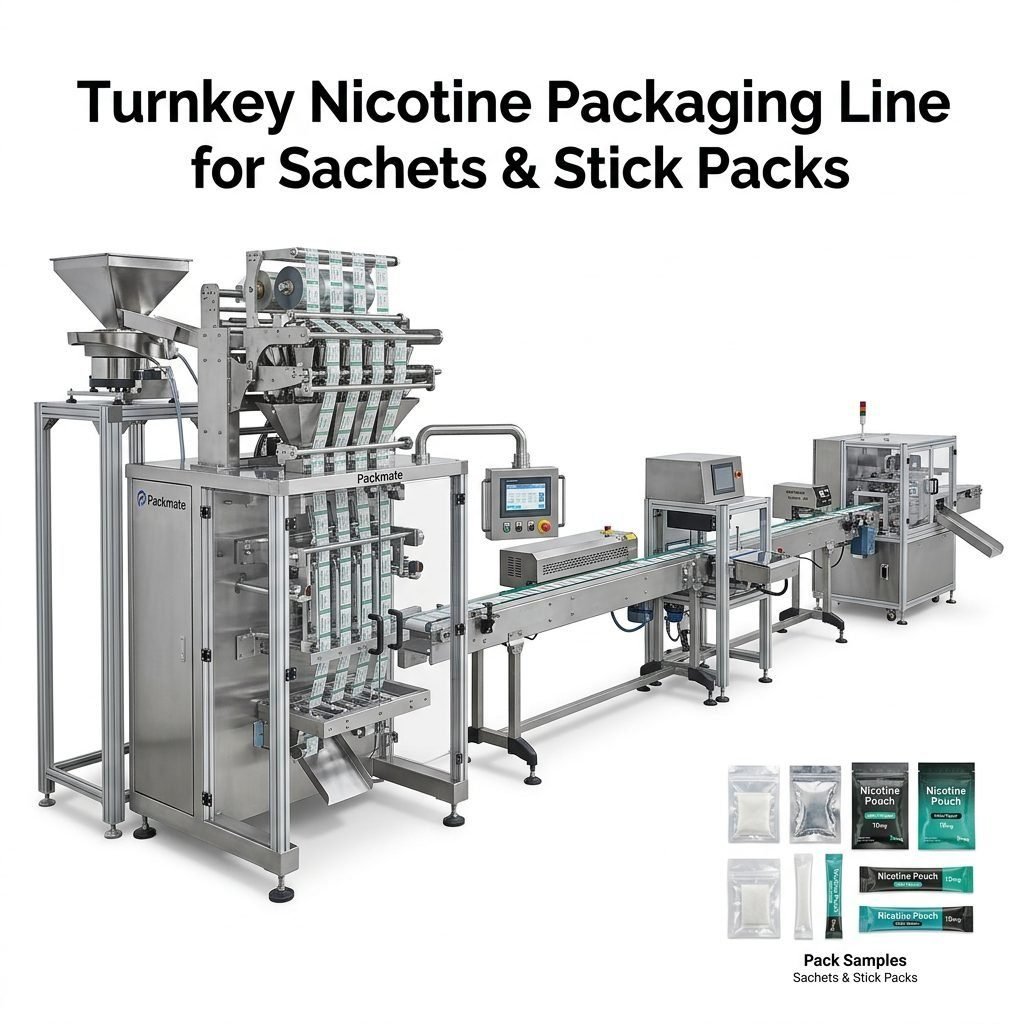
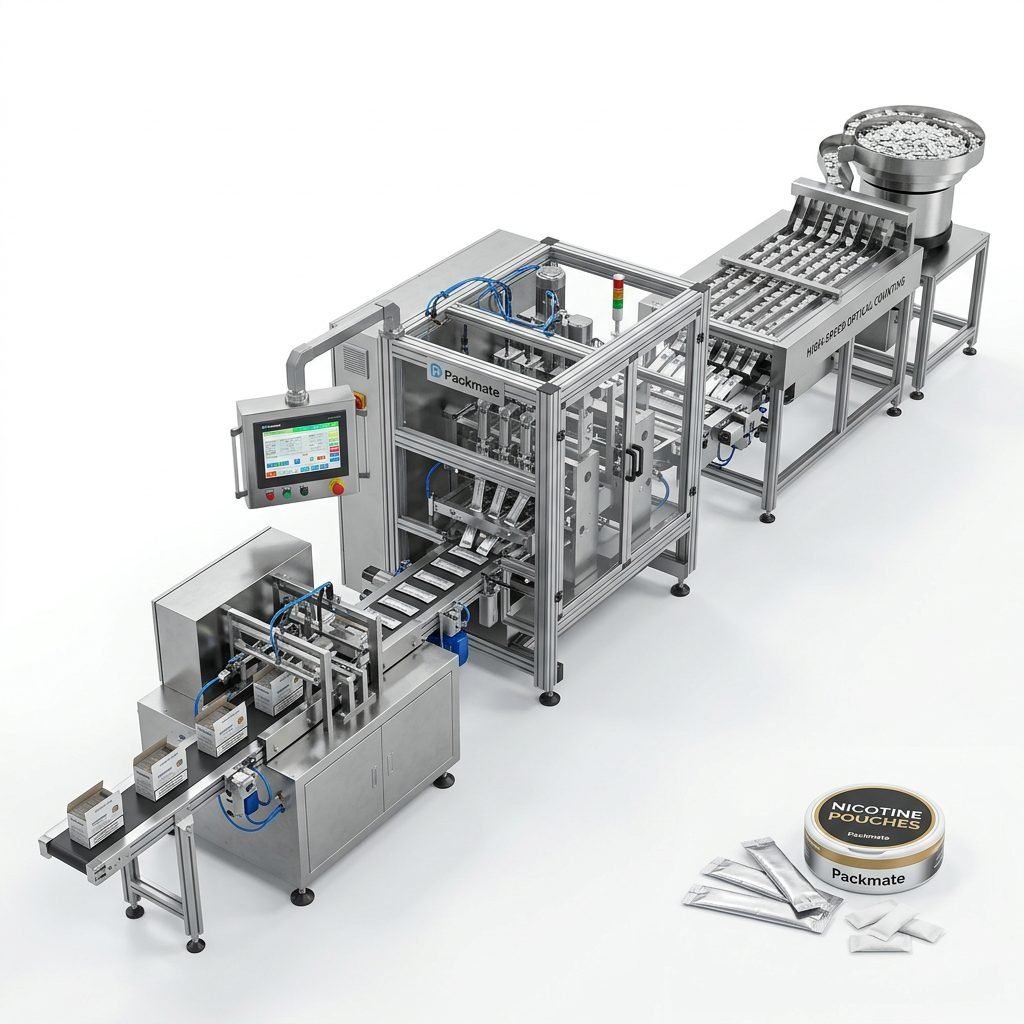
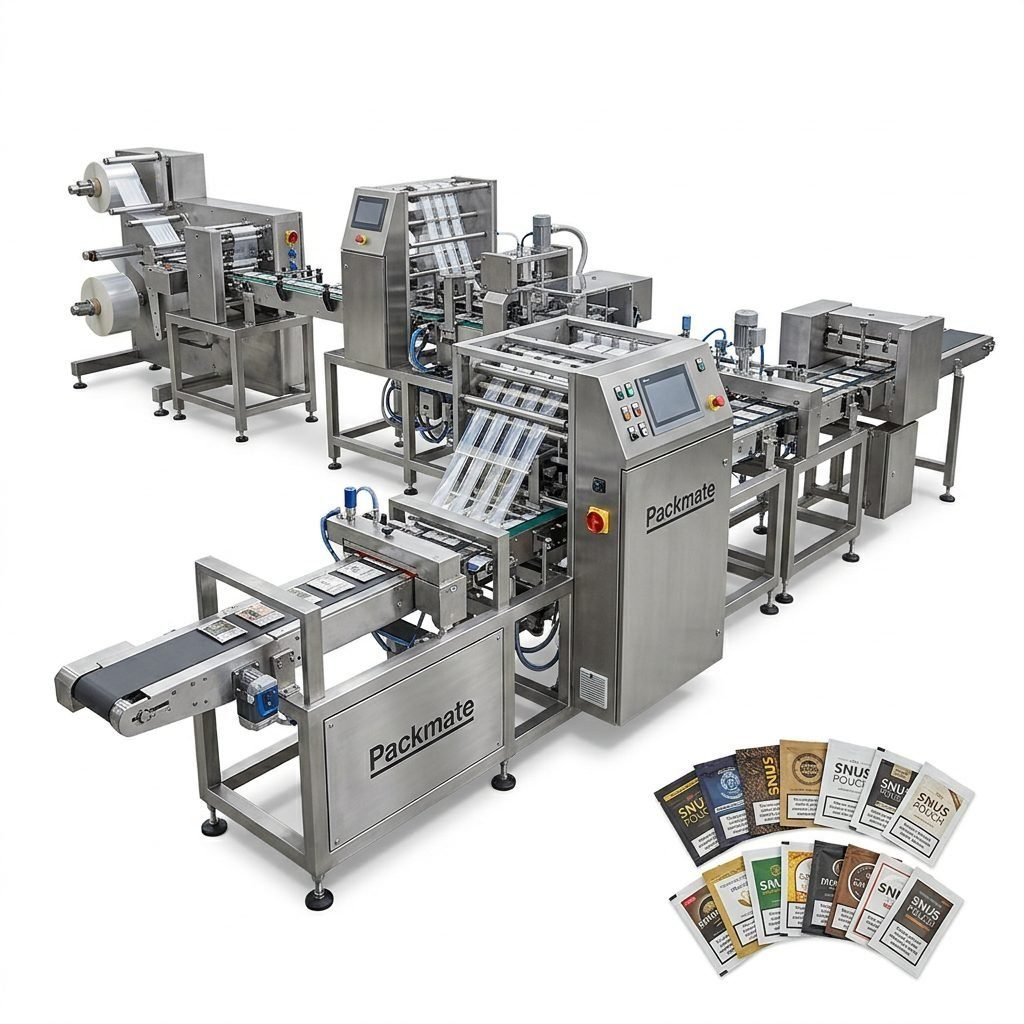
If you are evaluating suppliers, consider those who publish comprehensive product lines and case studies. For example, Packmate Snus Machine provides a wide range of solutions across snus and nicotine packaging, including multi-lane systems and turnkey lines — useful for companies scaling in Algeria. Explore their Snus & Nicotine Packaging Machines page for machine options: https://www.snusmachinery.com/products/snus-nicotine-packaging-machines/.
Learn about the manufacturer’s history and factory capabilities on the About page: https://www.snusmachinery.com/about-us/. Review project references for installation examples: https://www.snusmachinery.com/case/. When ready to discuss specifics or request a quote, use the Contact page: https://www.snusmachinery.com/contact-us/.
Negotiation and Partnership Tips
Build partnerships rather than transactional relationships. Long-term collaboration yields benefits: tailored spare part inventories, priority service, and co-developed product formats. Foster clear communication—ask your supplier to provide a single point of contact for project coordination.
Evaluation Scorecard (Sample)
Supplier Experience: 0–10
Certifications & Documentation: 0–10
After-Sales Support: 0–10
Spare Parts Availability: 0–10
Price-to-TCO Ratio: 0–10
Making the Final Decision
Compare shortlisted suppliers using a weighted scoring system that prioritizes uptime, support and compliance above initial purchase price. Prioritize suppliers offering documented performance, clear delivery schedules, and a practical plan for training and spare part provisioning in Algeria.
Conclusion
Selecting the best snus packaging machinery supplier for Algeria requires balancing technical capability, regulatory compliance, local logistics understanding, and after-sales support. By following a structured procurement process, validating supplier claims with FATs and case studies, and ensuring clear contractual terms, Algerian businesses can build reliable production lines that meet market demands and respect local customs and labeling needs.
Common Questions
1. How important are international certifications (CE/ISO) for machines imported into Algeria?
International certifications are vital for customs clearance and demonstrate electrical and mechanical safety. They also make it easier to satisfy local inspectors and technical teams during installation and commissioning.
2. What logistics issues should Algerian buyers anticipate?
Anticipate customs documentation requirements, potential delays in port handling, and inland transport challenges. Plan for crate unpacking, on-site reassembly, and possible spare-part shipments that require fast clearance.
3. Can packaging machines be adapted for Arabic/French labeling and regional formats?
Yes. Most modern suppliers support label format customization, printing modules, and software localization. Confirm language support for HMI screens and label templates before purchase.
4. How do I ensure fast access to spare parts in Algeria?
Negotiate spare-part kits with your purchase, maintain a minimum stock of critical wear items, and work with suppliers that offer express shipping options or regional distributors to reduce downtime.
5. Where can I find reliable suppliers and more details about snus packaging lines?
Visit product and company pages that present technical specifications and case studies. For example, review bag and pouch machines here: https://www.snusmachinery.com/products/bag-pouch-packaging-machines/, and learn about integrated weighing and packaging systems here: https://www.snusmachinery.com/products/weighing-packaging-systems/.