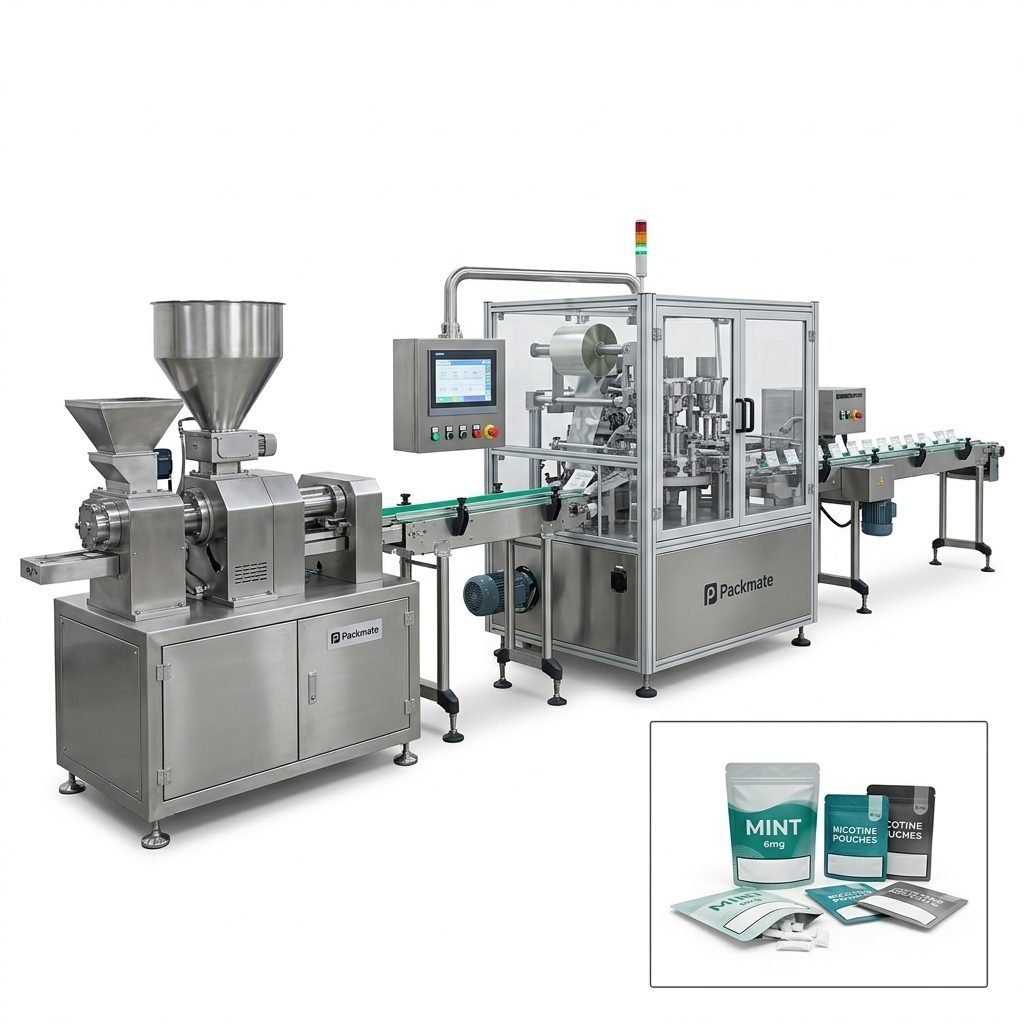
If you are planning to launch or expand a snus or nicotine pouch line in Myanmar, choosing the right packaging machine will determine your production efficiency, product quality, and long-term profitability. This guide walks you through practical, industry-tested factors — from machine types and capacity planning to local regulatory considerations and after-sales support — so you can make an informed purchase decision.
Why the Right Snus Packaging Machine Matters
A high-performance snus packaging machine does more than seal pouches. It ensures consistent dosing, maintains product hygiene, reduces material waste, and supports flexible packaging formats. In a developing market like Myanmar, reliability and ease of maintenance are especially important due to varying utility conditions and logistics challenges.
Understand Your Product and Market Needs
Start by answering core questions: What format will you produce — snus cans, nicotine pouches, sachets, or stick packs? What are your target daily and monthly volumes? Do you need multi-lane systems for high-speed small-dose pouches? Your answers will narrow the machine types that fit your business.
Key product considerations
🔎 Product type (powder, granule, moist pouch) — affects filling method and material compatibility.
🔎 Dose precision — nicotine pouch users expect consistent weight; choose machines with accurate dosing and feedback controls.
🔎 Packaging material — aluminum pouches, laminated films, or tea-type sachets require different sealing and cutting modules.
Common Snus Packaging Machine Types
Knowing the machine categories helps you match technology to your production plan:
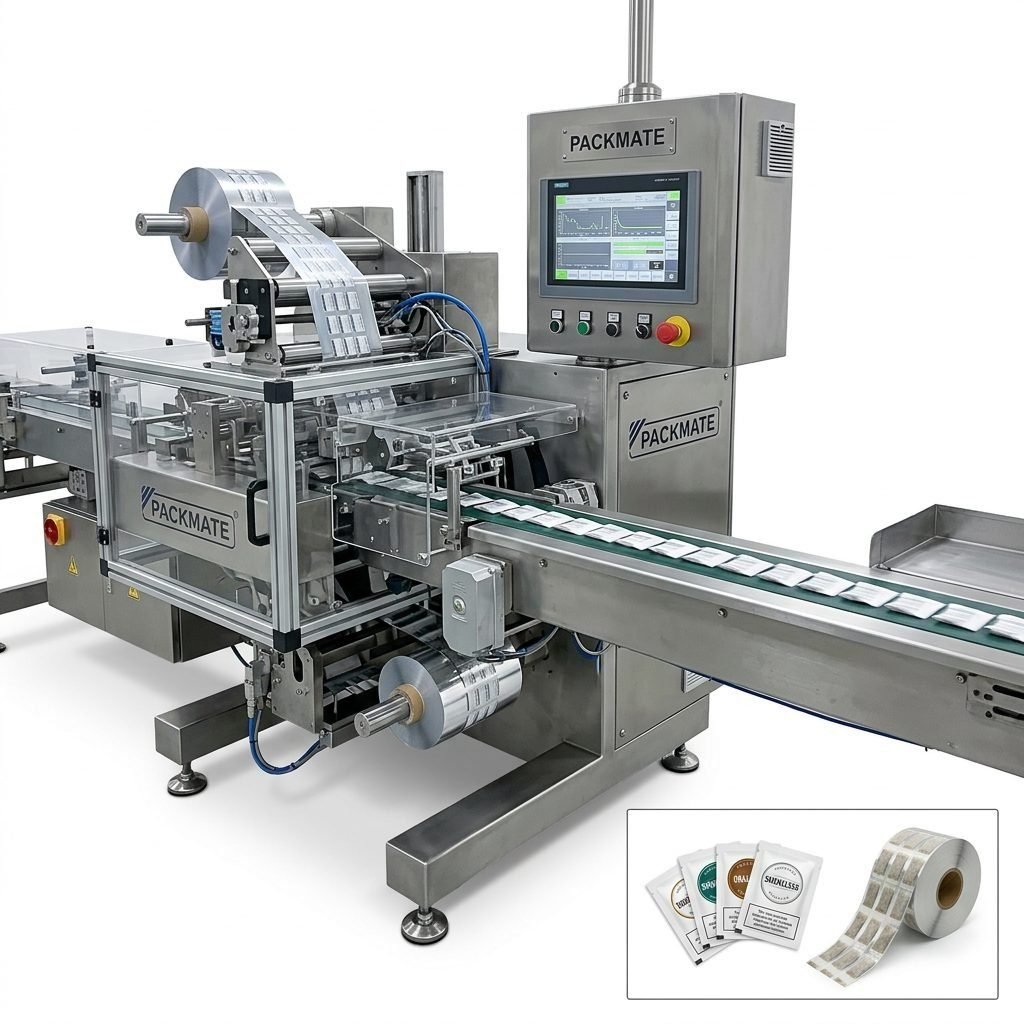
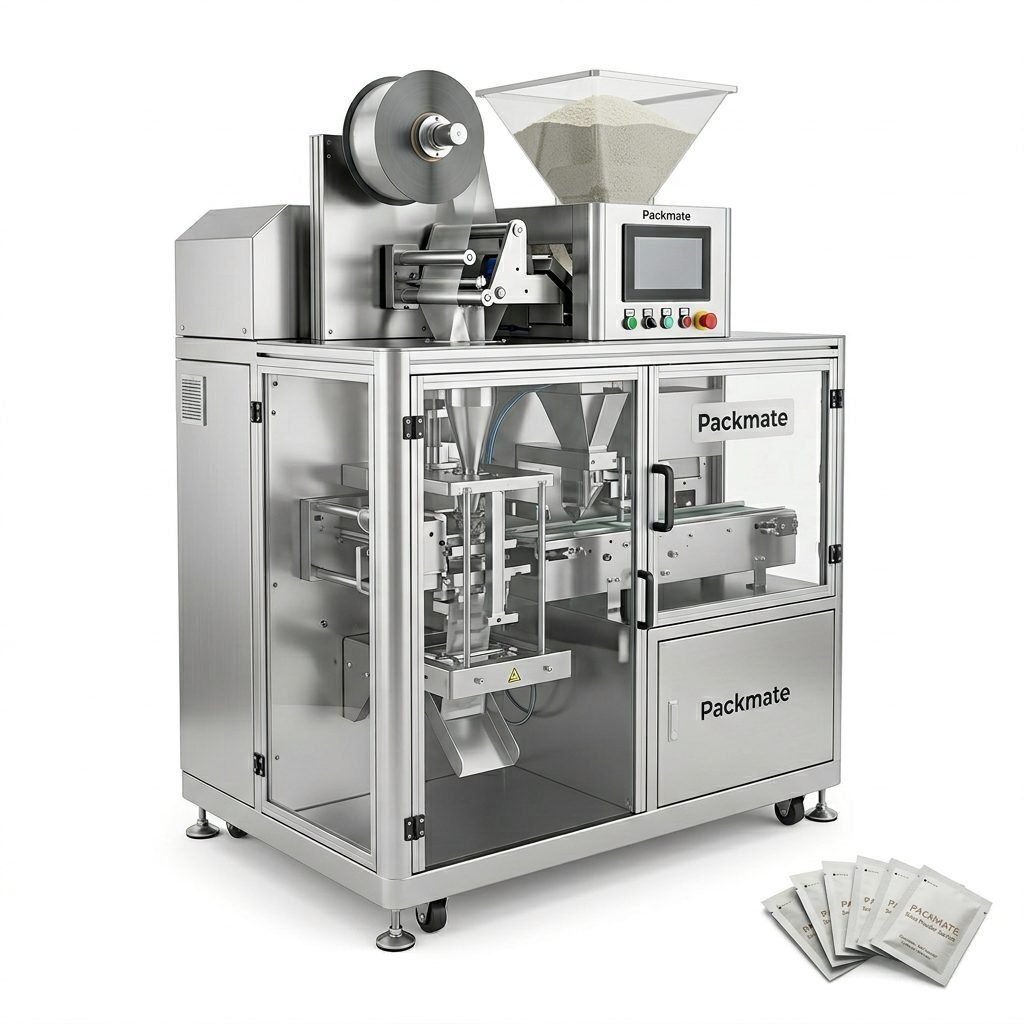
📌 Sachet & Stick Pack Machines — Ideal for single-portion pouches or salt-free sticks; compact and cost-effective for medium speeds. (See Sachet & Stick Pack Machines)
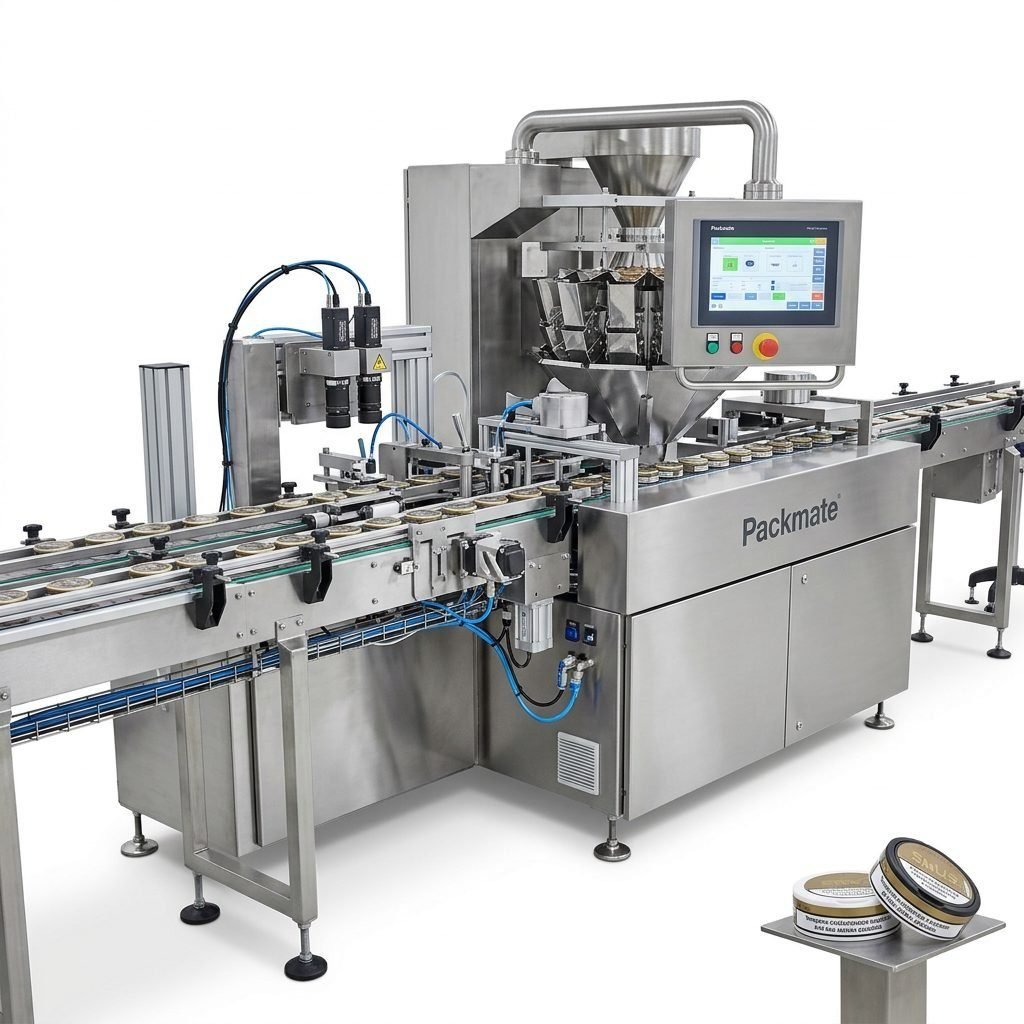
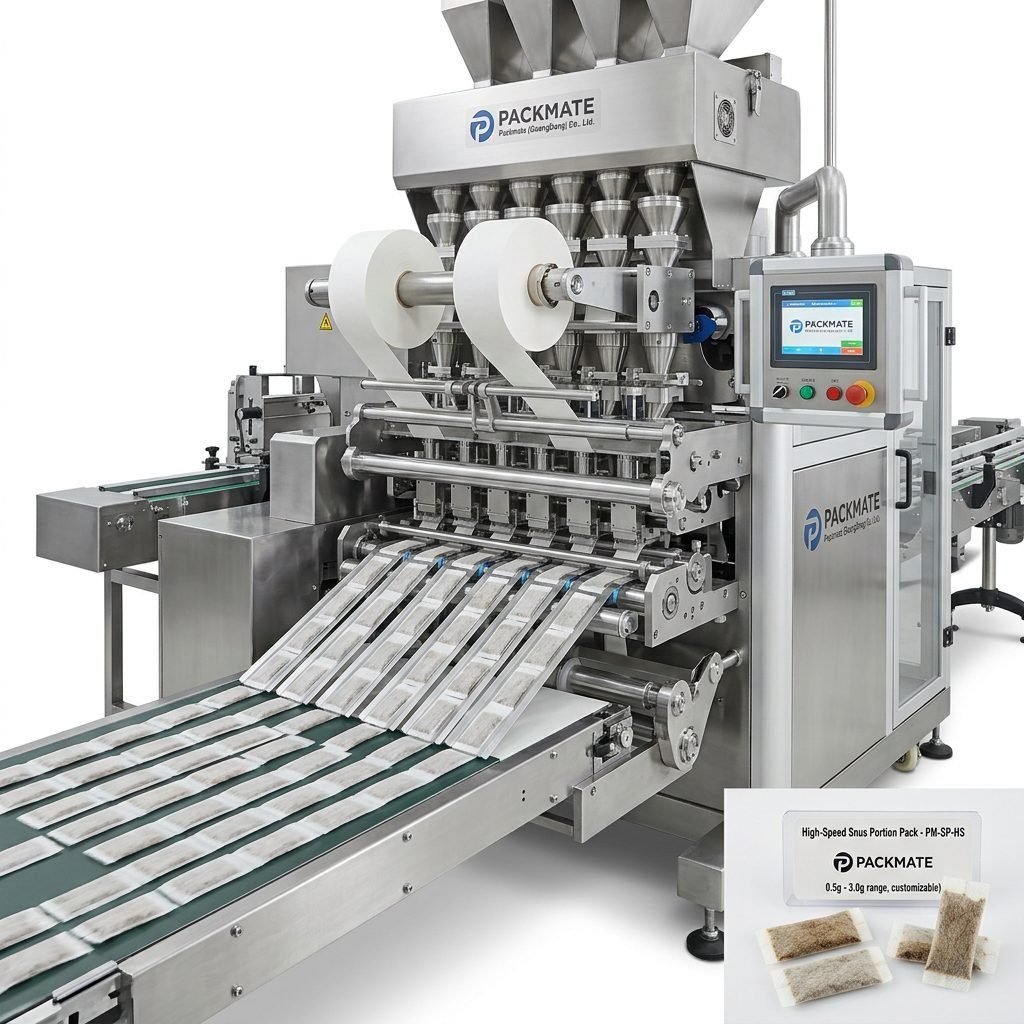
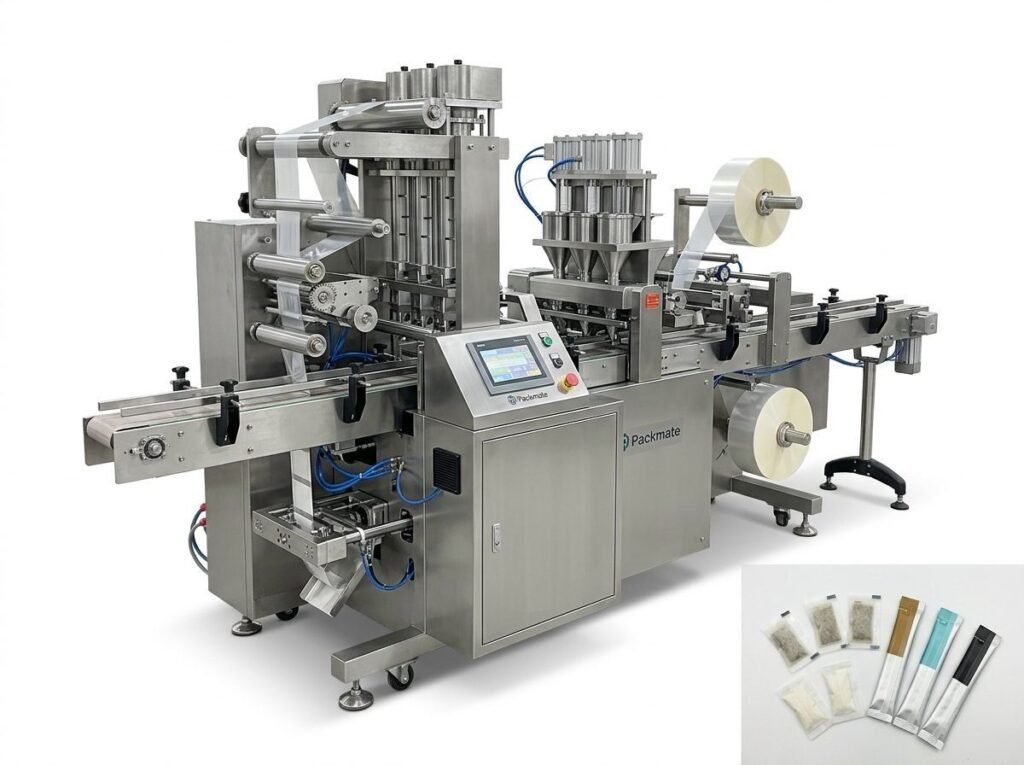
📌 Multi-lane Snus Pouch Machines — High-output systems producing several lanes of small-dose pouches simultaneously; best for large volume nicotine pouch production. (Explore Snus & Nicotine Packaging Machines)
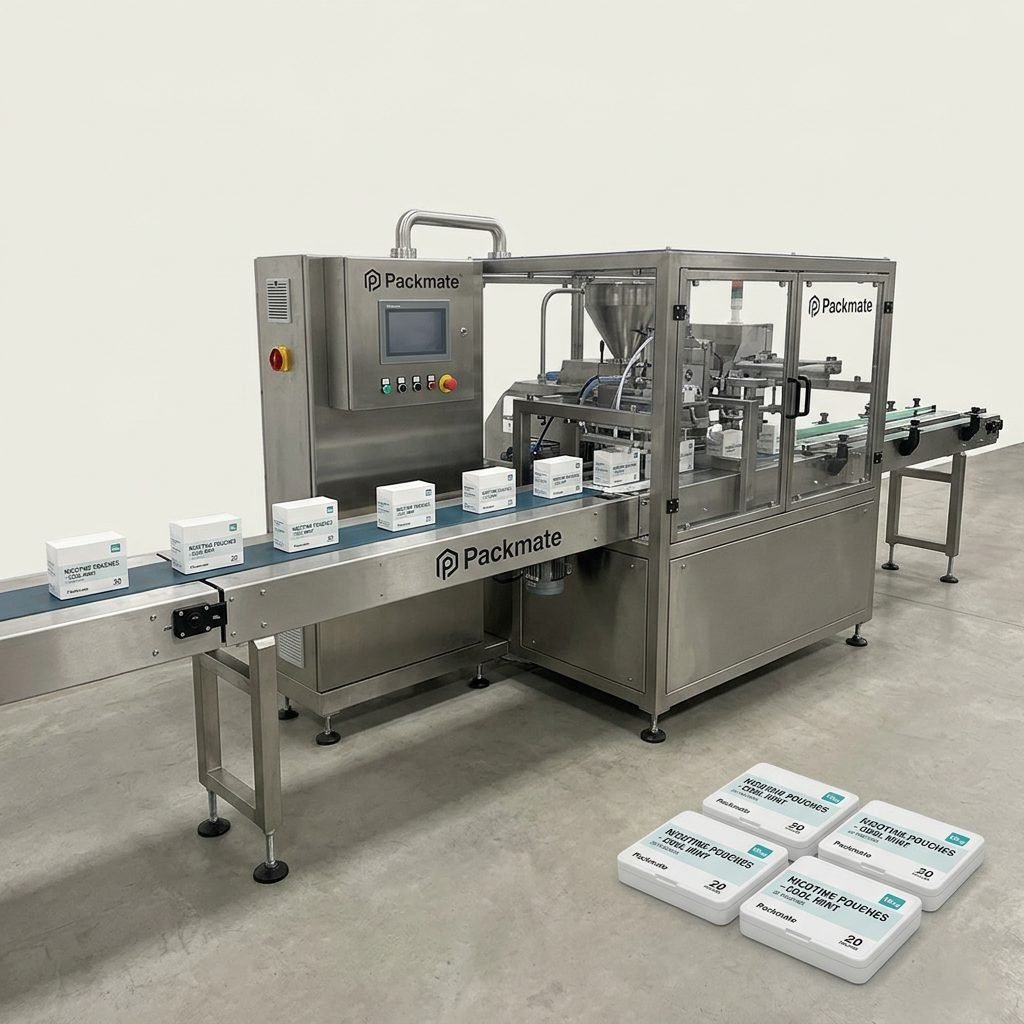
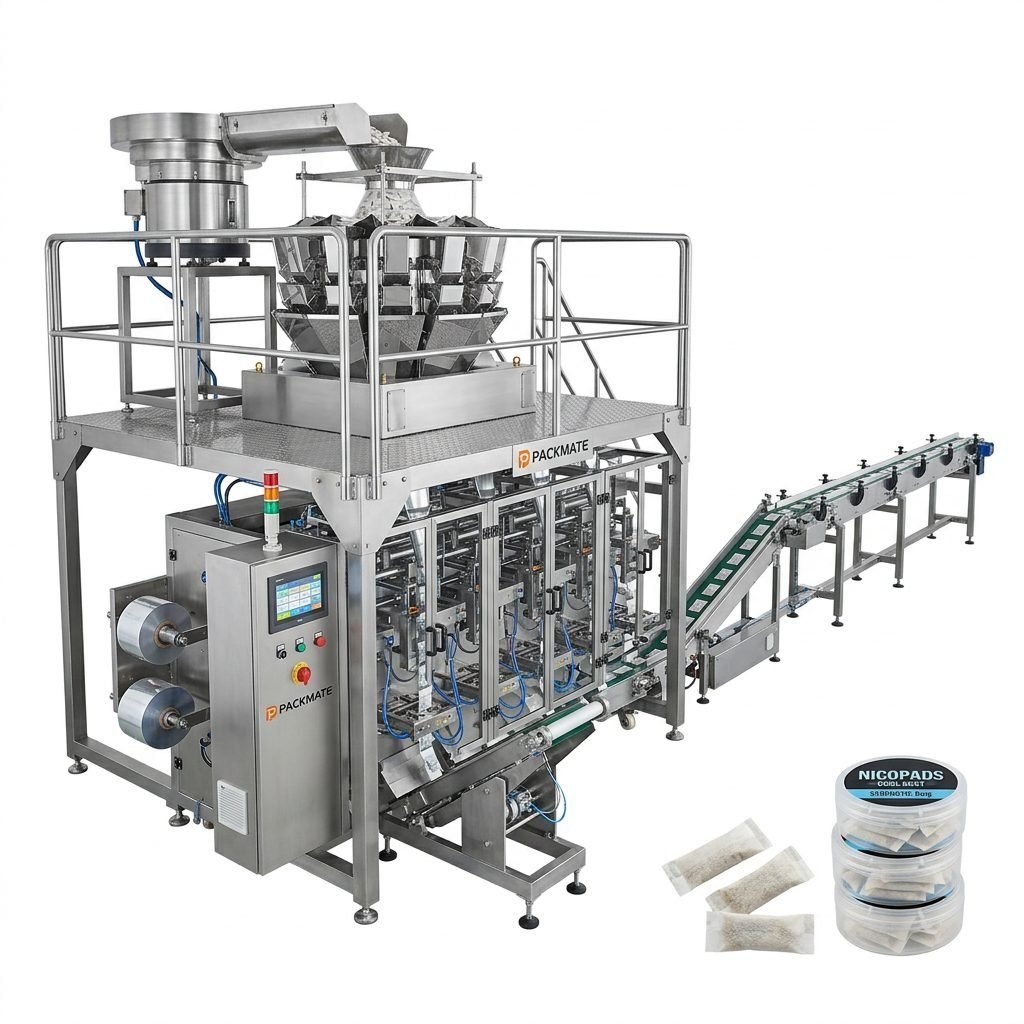
📌 Stick and Sachet Lines with Integrated Weighing — Combine precision weighing with pouch forming for powders and granular blends. (Check Weighing & Packaging Systems)
Capacity Planning: Speed, Shift Patterns, and Scalability
Determine hourly output needs and then multiply by planned shifts. For example, a small start-up might aim for a single-shift 4–6 hour run, while a growth-oriented plant should plan for 2–3 shifts. Machines are rated by pouches per minute; choose a model that delivers target hourly throughput with spare capacity to allow for maintenance and downtime.
Quick rule: target 20–30% higher capacity than your current forecast to accommodate demand spikes and prevent bottlenecks. ✅
Automation Level and Operator Requirements
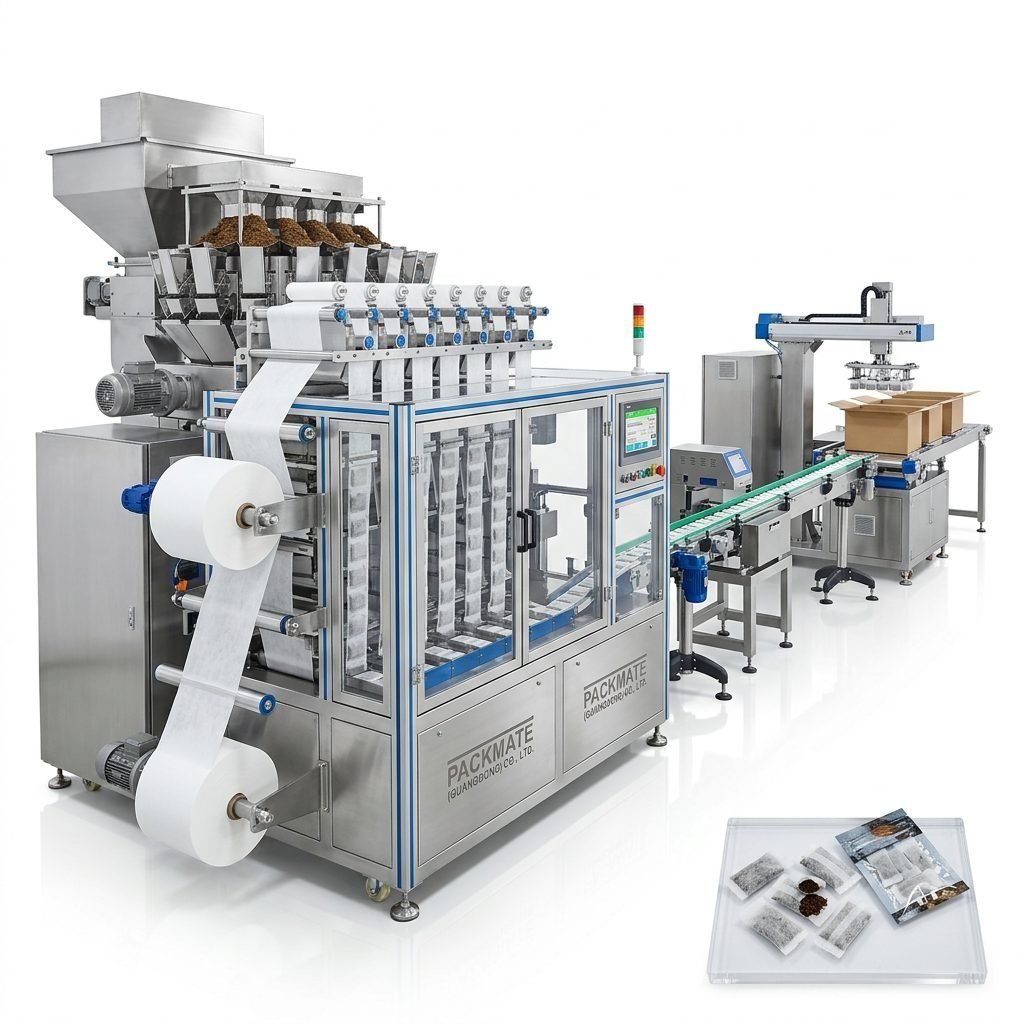
Decide how automated you want the line to be. Basic machines need more hands-on feeding and adjustment, while advanced turnkey lines offer automatic material feeding, inline weighing, quality inspection, and robotic box packing. Higher automation reduces labor dependency but raises initial investment and technical skill requirements.
Operator training and local support
🔧 Ensure the supplier provides training, spare parts, and remote diagnostics. In Myanmar, timely access to authorized technicians can dramatically reduce downtime.
Material Compatibility and Hygiene
Machine contact parts must be compatible with your product (stainless steel grades, food-safe coatings). For moist snus pouches, pick designs that minimize product sticking and offer easy sanitation. Compliance with international standards (CE, ISO) is a strong indicator of engineered hygiene and safety.
Construction Quality and Factory Strength
A reliable supplier should demonstrate robust manufacturing capabilities. Look for evidence of CNC machining centers, precision assembly lines, and quality testing systems. Vendors with large, well-equipped factories typically provide better spare part availability and more consistent machine quality.
Packmate’s background is an example of a mature manufacturing approach: they operate a 20,000㎡ facility with advanced CNC and precision assembly, more than 50 machine models, and over 30 years of engineering experience — factors that matter when choosing a long-term partner. (About Packmate)
Customization and Turnkey Solutions
If you have unique pouch shapes, special dosing needs, or integrated downstream packaging, select a supplier that offers customization and complete turnkey lines. Turnkey projects simplify commissioning, reduce vendor coordination, and allow faster ramp-up to production.
Energy, Utilities, and Plant Layout
Check machine power requirements, compressed air consumption, and footprint. Plan your plant layout to ease material flow and maintenance access. Machines with modular designs are easier to integrate and expand as your business grows.
Tip: request a machine layout sketch and power/air specs during quotation to verify compatibility with your facility. 📐
Quality Control, Testing, and Certifications
Machines should pass factory acceptance tests (FAT) demonstrating sealing integrity, dosing accuracy, and speed. Certifications such as CE and ISO indicate adherence to recognized standards. Also, ask for references and case studies from similar projects — a vendor’s exhibition presence and global cases can signal proven performance. (Certificate) (Our Exhibition) (Case)
Cost vs Value: Total Cost of Ownership
Evaluate purchase price alongside installation, spare parts, training, and expected uptime. Low initial cost with poor support often results in higher lifetime expense. Calculate Total Cost of Ownership (TCO) including energy use, consumables, and downtime risk.
Warranty and After-Sales Service
Prioritize suppliers offering clear warranty terms, fast spare-part delivery, and remote troubleshooting. Local presence, distributor networks, or certified service partners in or near Myanmar will reduce machine idle time.
How to Evaluate a Supplier — A Practical Checklist
✔ Factory capability (CNC, assembly lines)
✔ Certifications (CE, ISO)
✔ FAT and SAT procedures (Factory and Site Acceptance Tests)
✔ Spare parts availability and lead times
✔ Training, installation support, and remote diagnostics
✔ References and similar project cases
Negotiation and Purchase Tips
Ask for a complete quotation including packaging tooling, spare parts kit, training, and FAT. Negotiate lead times, payment milestones, and penalties for late delivery. Confirm warranty terms and service response times in writing.
Installation, Commissioning, and SOPs
Proper installation ensures the machine meets advertised performance. Insist on on-site commissioning and operator training. Obtain Standard Operating Procedures (SOPs) for cleaning, maintenance, and troubleshooting to maximize uptime.
Real-World Case Examples and References
Reviewing similar implementations helps predict outcomes. Vendors often provide case studies showcasing machines running in Asia, Europe, and the Americas. Reviewing these cases gives insight into uptime, service support, and performance under various product types. (Case)
Useful Resources and Contact Points
For model selection and technical brochures, consult supplier product pages and catalogs. If you want to explore Packmate’s snus packaging lineup and turnkey solutions, check these resources:
– Snus & Nicotine Packaging Machines: https://www.snusmachinery.com/products/snus-nicotine-packaging-machines/
– Sachet & Stick Pack Machines: https://www.snusmachinery.com/products/sachet-stick-pack-machines/
– Case studies and global projects: https://www.snusmachinery.com/case/
– Contact for custom solutions and quotations: https://www.snusmachinery.com/contact-us/
Checklist Before You Sign
🔸 Machine model and detailed specs confirmed
🔸 FAT date and acceptance criteria agreed
🔸 Spare parts package and lead times defined
🔸 Warranty, training, and service terms documented
🔸 Payment milestones and delivery schedule finalized
Final decision factors
Prioritize vendors with proven factory capability, clear after-sales processes, and real-world references. Look for machines that balance automation, maintainability, and cost to match your current scale while allowing for growth.
Summary: How to Choose the Best Snus Packaging Machine in Myanmar
Choosing the best snus packaging machine comes down to matching product type, capacity, automation needs, and local support. Evaluate supplier manufacturing strength, certifications, warranty and service, and always verify performance through FAT and reference checks. Investing in a trusted partner and a slightly higher-capacity, well-supported solution will save time and money as your business grows.
Frequently Asked Questions
Q1: What machine type is best for small-batch nicotine pouches?
A1: For small batches, single-lane sachet or stick pack machines provide flexibility and lower investment. For scalability, consider a modular multi-lane system.
Q2: How important are CE/ISO certifications?
A2: Certifications indicate that the equipment meets international safety and quality standards, which is important for export and for demonstrating professional engineering.
Q3: Do I need on-site commissioning?
A3: Yes. On-site commissioning ensures the machine runs under your real conditions and that operators receive hands-on training.
Q4: What about spare parts and remote support in Myanmar?
A4: Confirm spare-part lead times and remote support options. Suppliers with global presence or regional partners reduce downtime risks.
Q5: Where can I view product models and request a quote?
A5: Visit supplier product pages and contact their sales team for catalogs and customized quotations. (Catalog) (Contact Us)