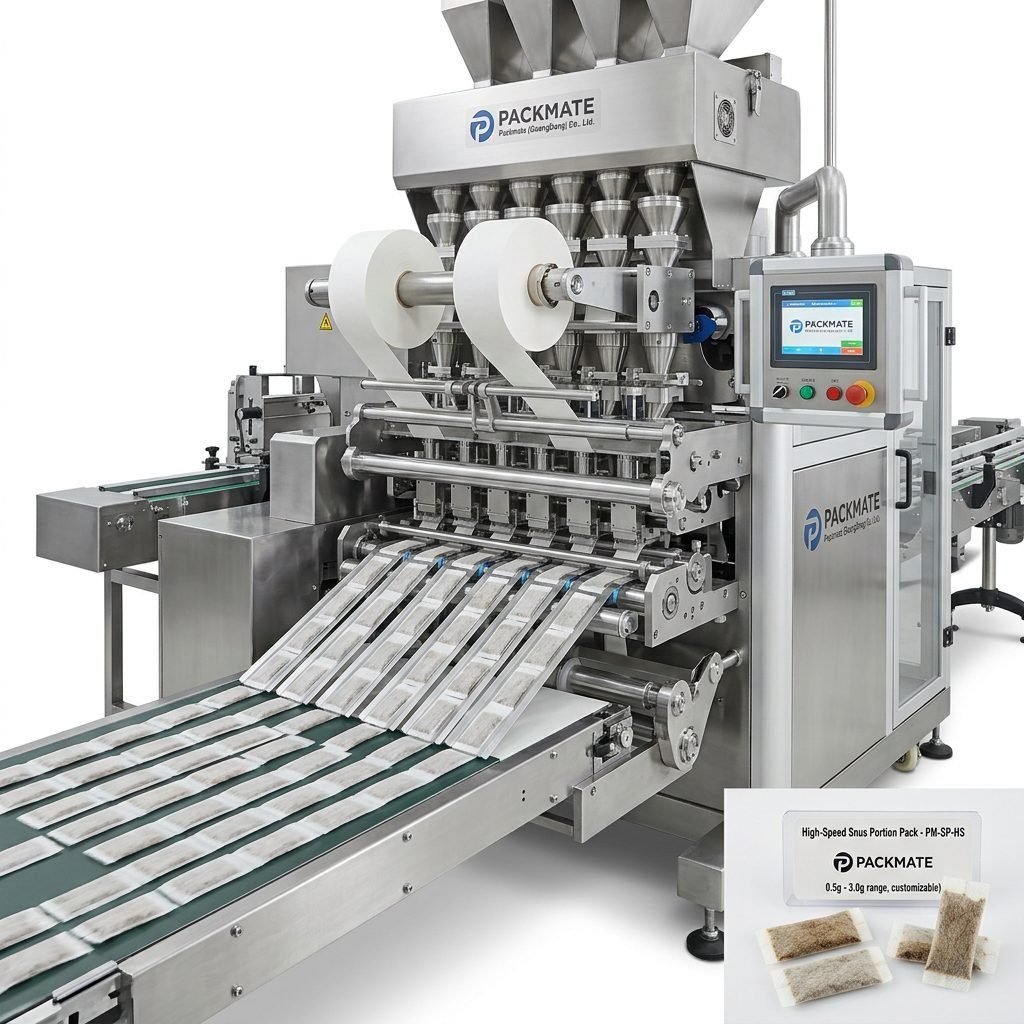
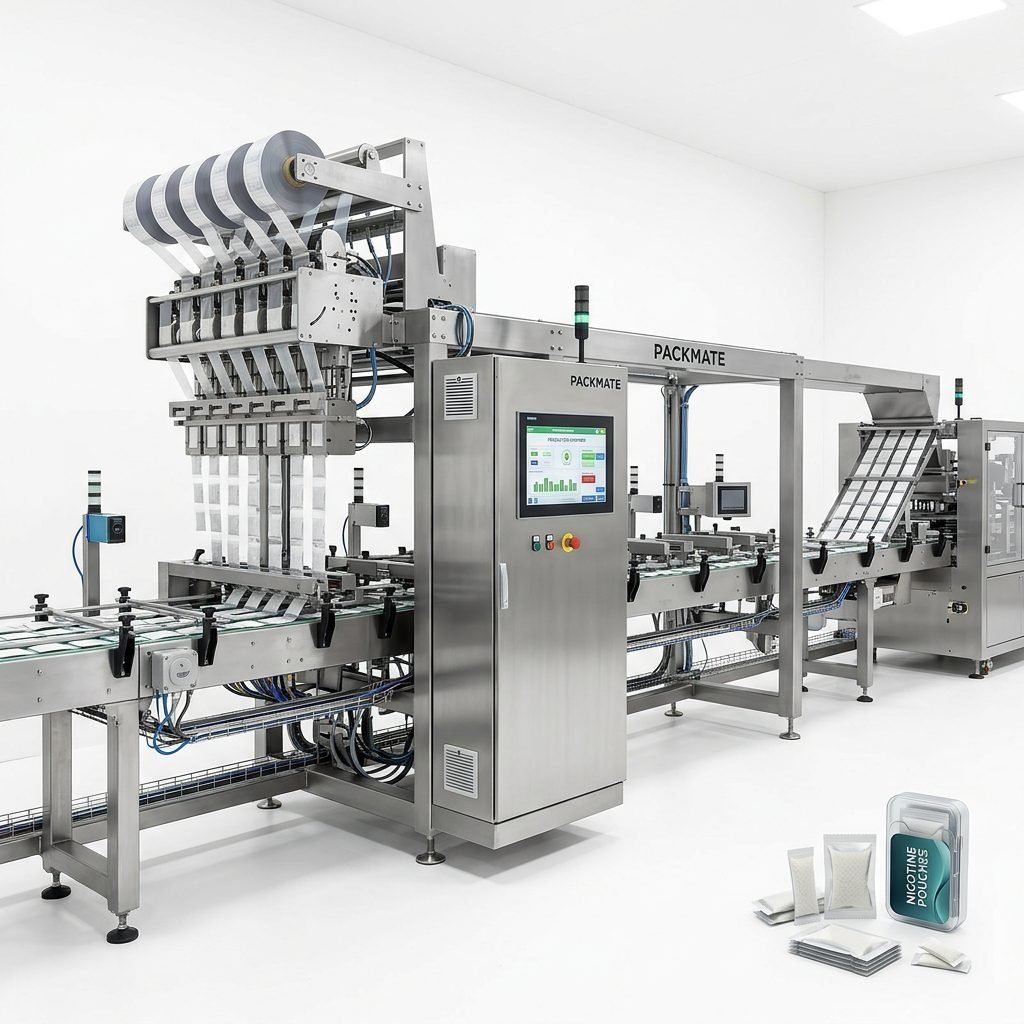
Choosing the right nicotine packaging machinery manufacturer in Germany requires a careful balance of technical capability, regulatory compliance, local support and long-term value. This guide explains practical steps and evaluation criteria to help tobacco, nicotine pouch and snus producers select the best machinery partner for reliable production, regulatory safety and future growth.
🔎 Understand Your Production Needs
Begin by documenting product specifications and production targets. Key items include:
• Product form: snus pouch, nicotine pouch, powder, liquid or stick pack.
• Dose size & tolerances: micro-dose pouches need multi-lane precision systems.
• Materials: foil laminates, biodegradable film, or paper fitments.
• Target output: pieces per minute and shifts per day.
⚙️ Technical Capability & Machine Types
German manufacturers are known for precision engineering, but you must match the machine type to your product:
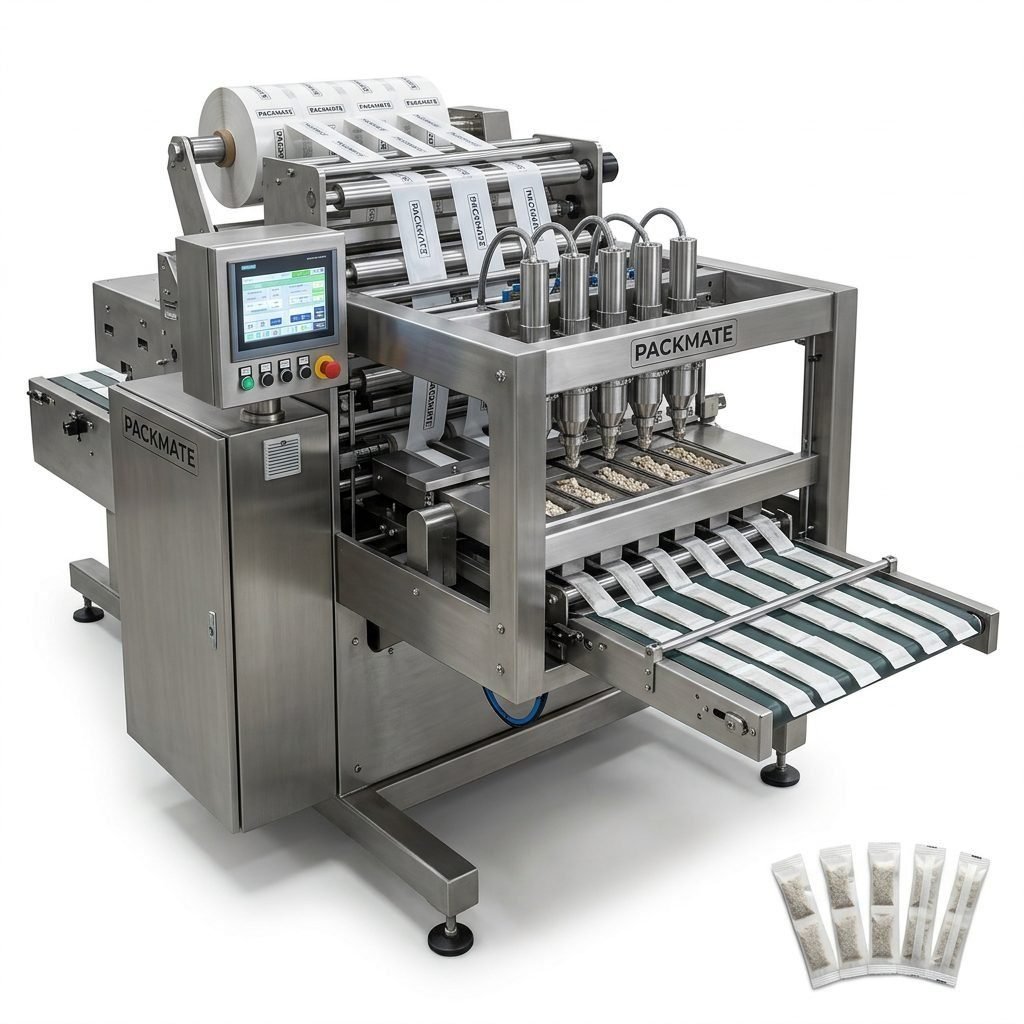
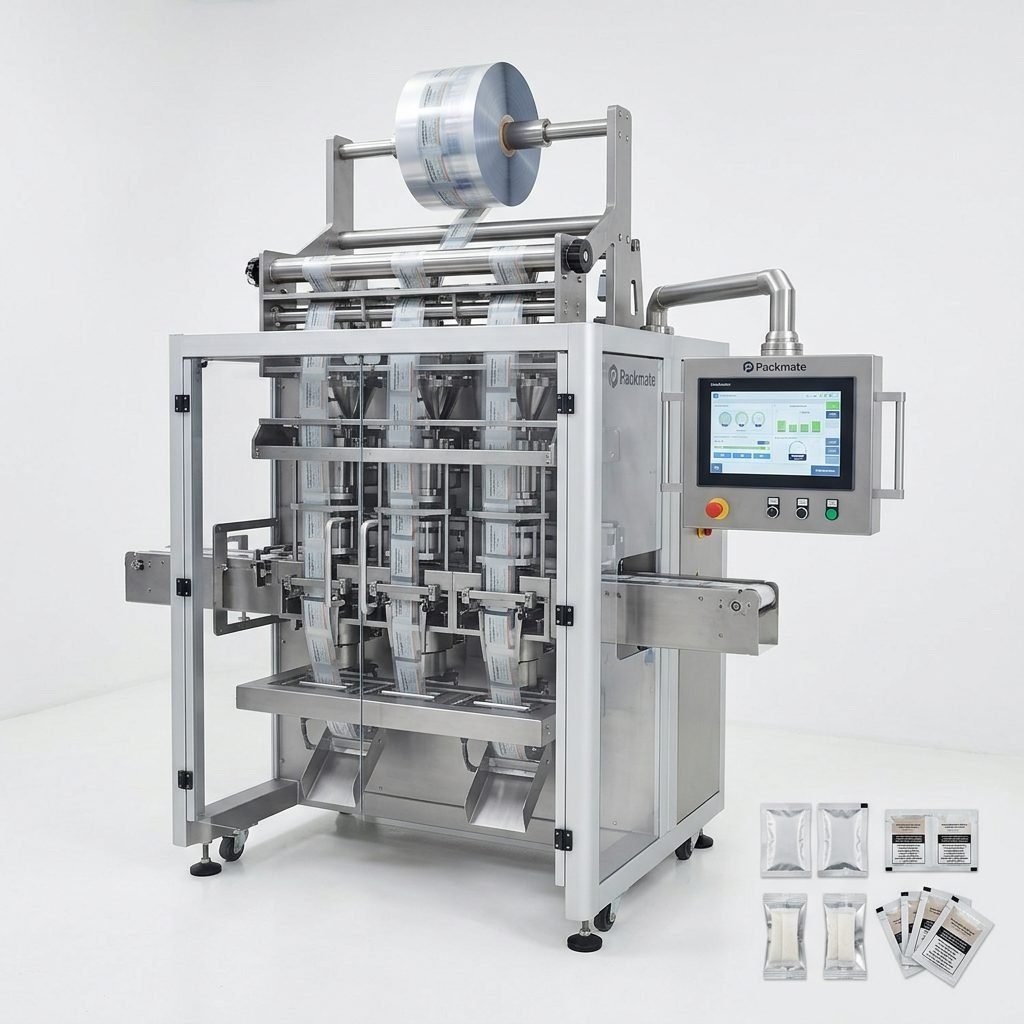
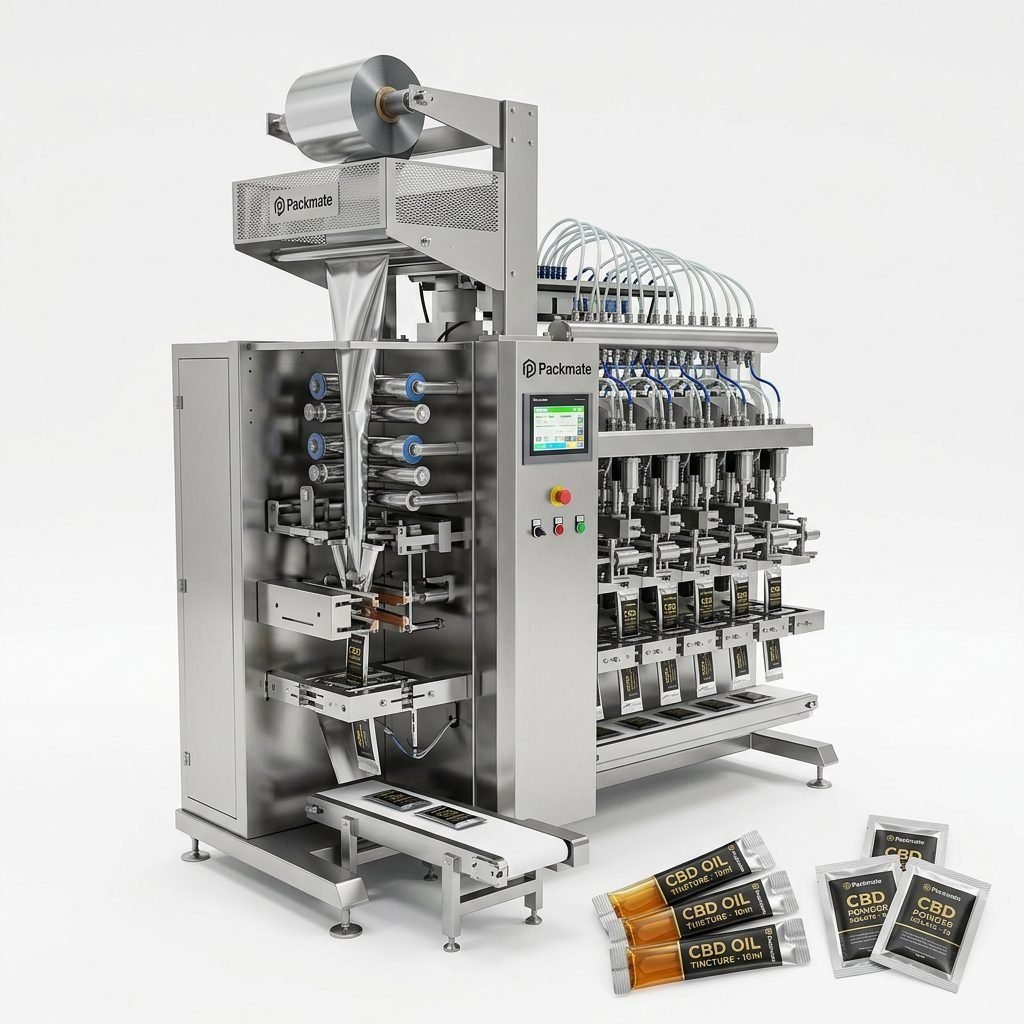
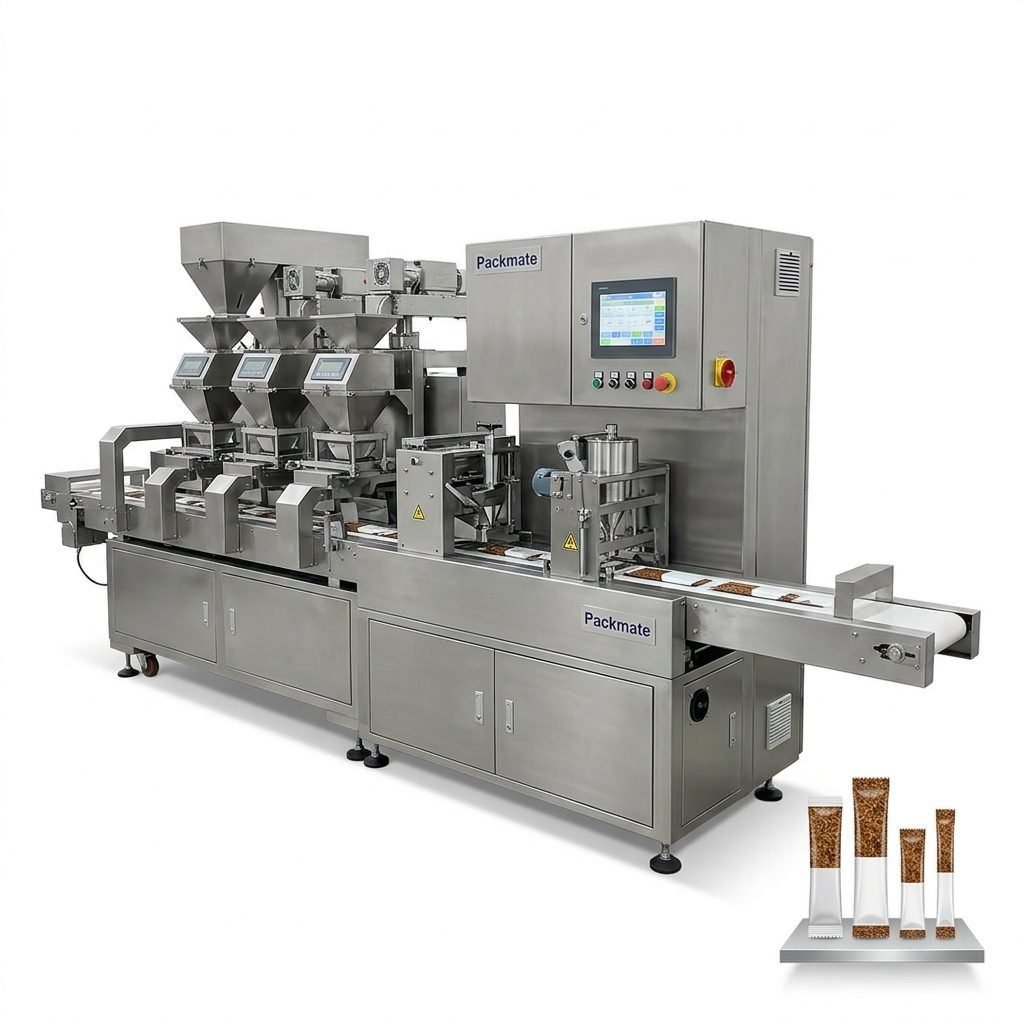
– Stick packs and sachet machines for high-speed single-dose formats.
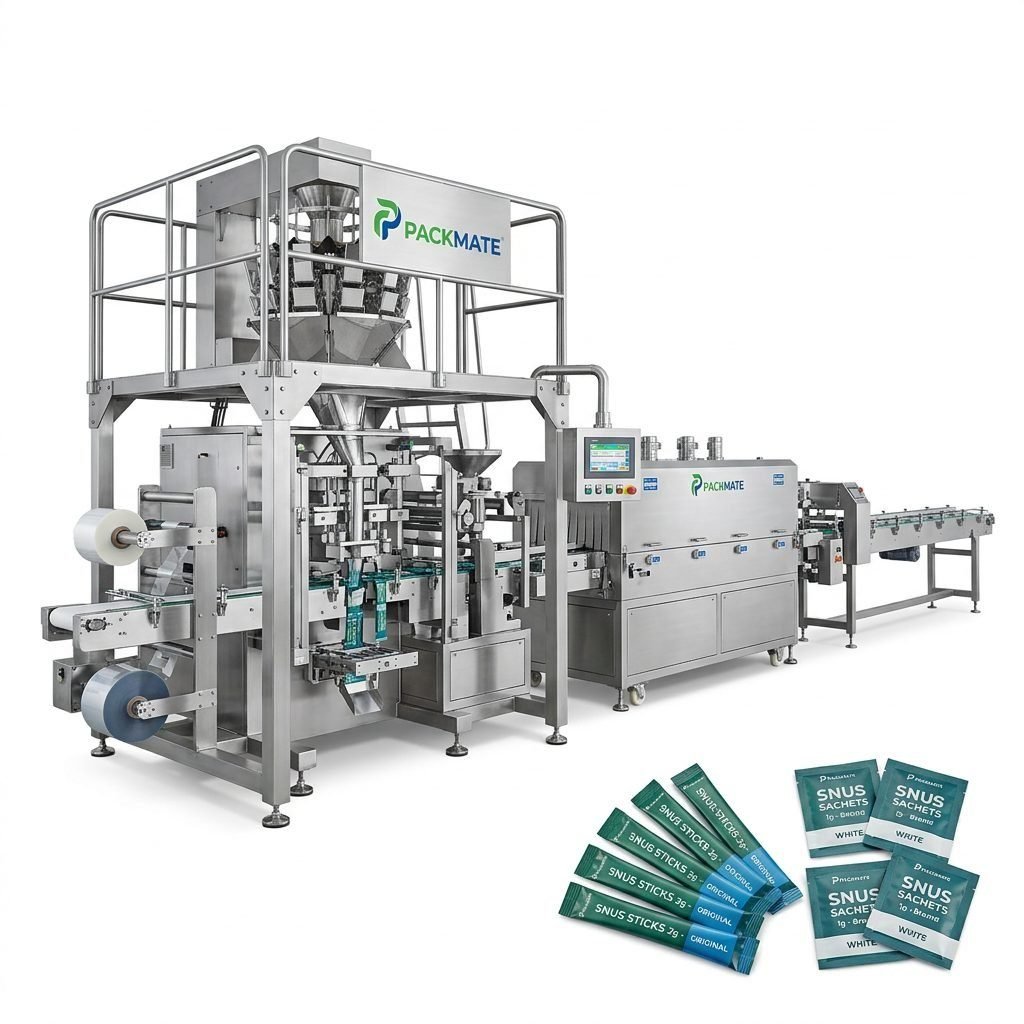
– Multi-lane pouch machines for small-dose nicotine pouches and snus production.
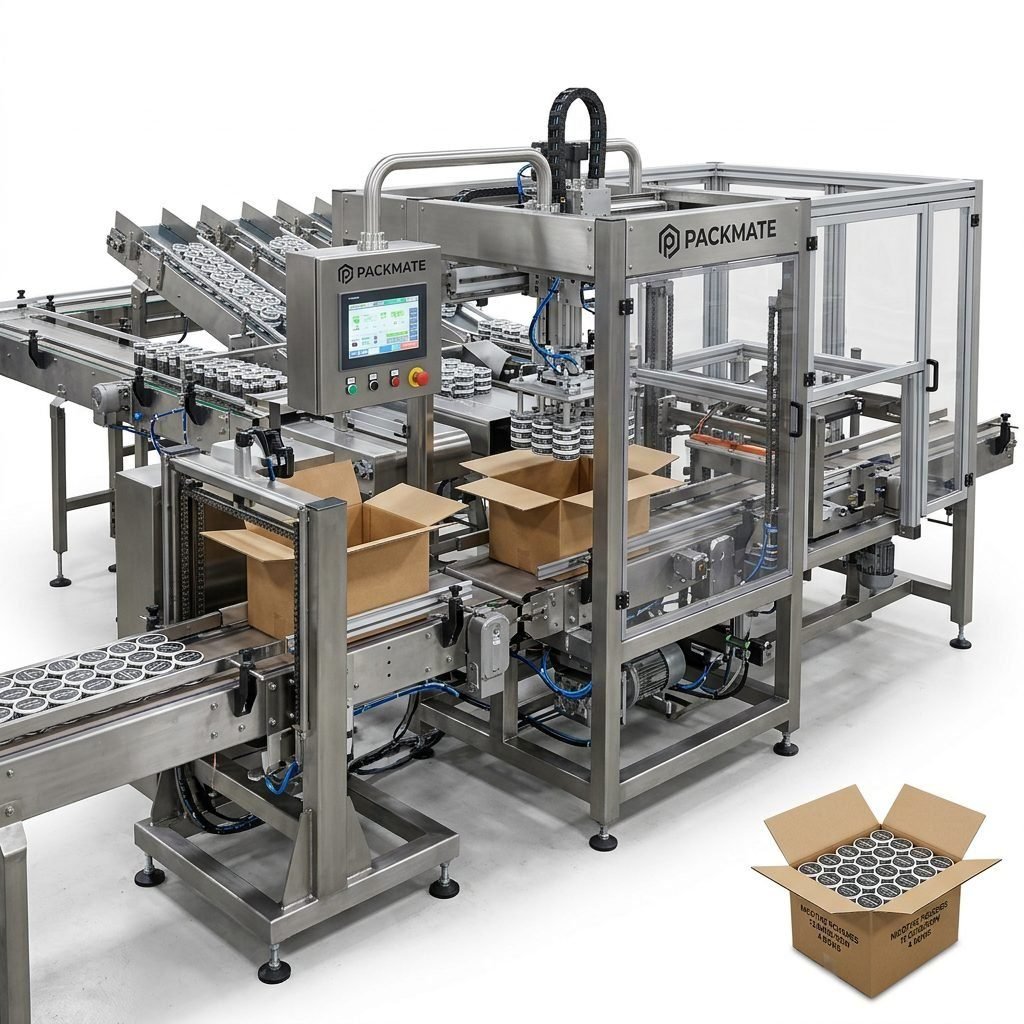
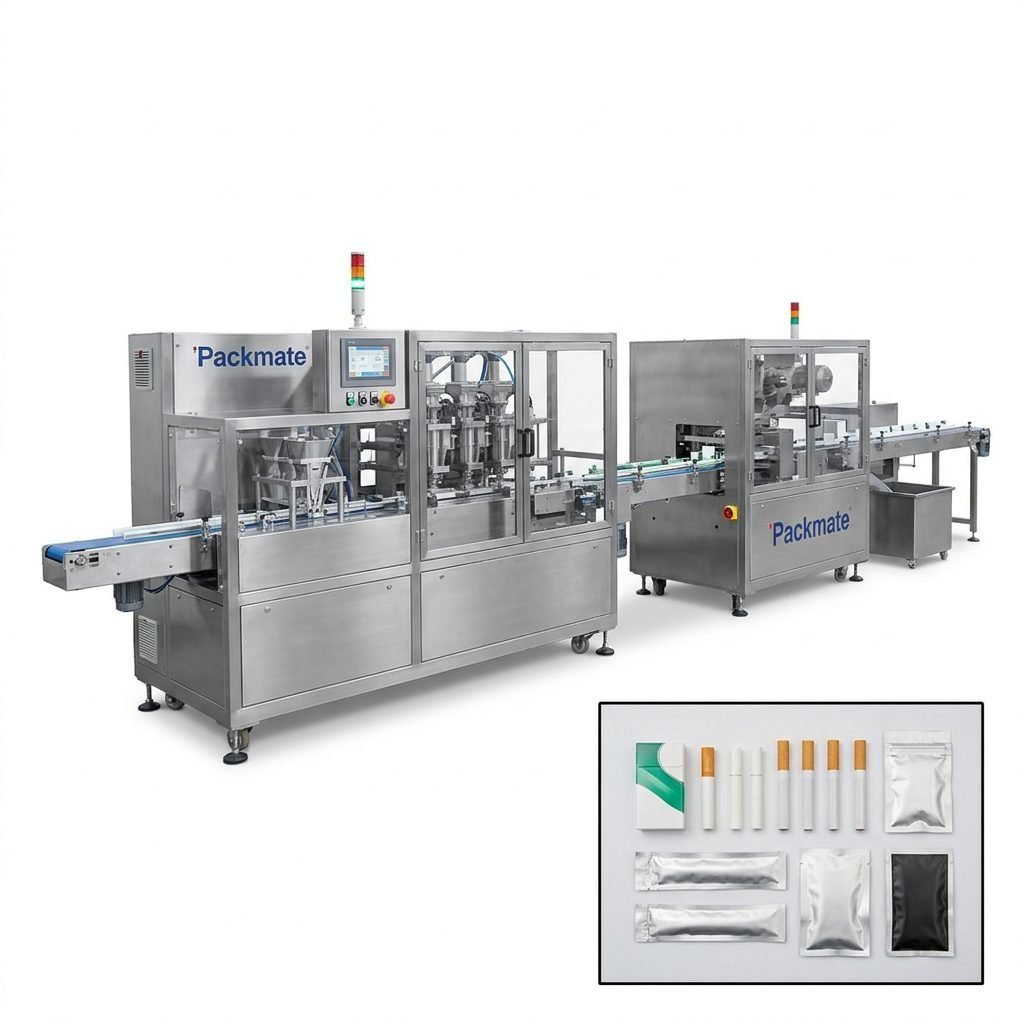
– Integrated filling systems when you need upstream dosing (weighing/feeding) and downstream packing in one line.
Key check: product-to-machine fit
Ask the manufacturer for case studies or videos showing the exact product family running on the proposed model. If available, request a live demo or remote run to verify seal quality, accuracy and film handling.
🏭 Factory & Manufacturing Strength
Evaluate the supplier’s production capacity, machining capabilities and quality control processes. A manufacturer with an advanced CNC center and dedicated assembly lines will deliver better tolerances and consistency.
Important indicators: factory area, number of machine models offered, in-house CNC, electro-mechanical integration, and documented quality checks.
✅ Certifications, Compliance & Regulatory Fit
For Germany and the EU market, CE and ISO compliance are fundamental. Ensure the manufacturer provides:
– CE declaration of conformity and relevant ISO certificates.
– Documentation for electrical safety, machine guarding, and hygiene where applicable.
– Traceability for spare parts and component specifications.
🔧 After-Sales Support & Spare Parts
Long-term uptime requires fast spare parts and strong service networks. In Germany, local service presence or fast-response partners matter more than promises of distant remote support.
Ask for: spare parts lead times, recommended spare kits, on-site training scope, and SLA for emergency visits.
📈 Total Cost of Ownership & ROI
Purchase price is only part of the equation. Calculate energy consumption, changeover time, downtime, maintenance intervals and spare parts costs. A slightly higher initial investment in robust engineering often reduces hourly production cost and improves ROI.
🤝 Local Presence vs. International Manufacturer
Working with a German manufacturer can simplify regulatory alignment and logistics. However, reputable international suppliers with strong export experience and local European partners can offer cost advantages and tailored solutions. Compare both options against these criteria:
- Speed and cost of spare parts delivery to Germany.
- Availability of local service technicians or certified partners.
- Language and documentation in German and English.
- Proven installations in European markets—ask for references.
🧪 Factory Acceptance Test (FAT) & Site Acceptance Test (SAT)
Require a documented FAT before shipment and a structured SAT after installation. FAT should include performance metrics, test runs with your product (or a close substitute), and signed acceptance criteria.
📦 Integration with Upstream & Downstream Lines
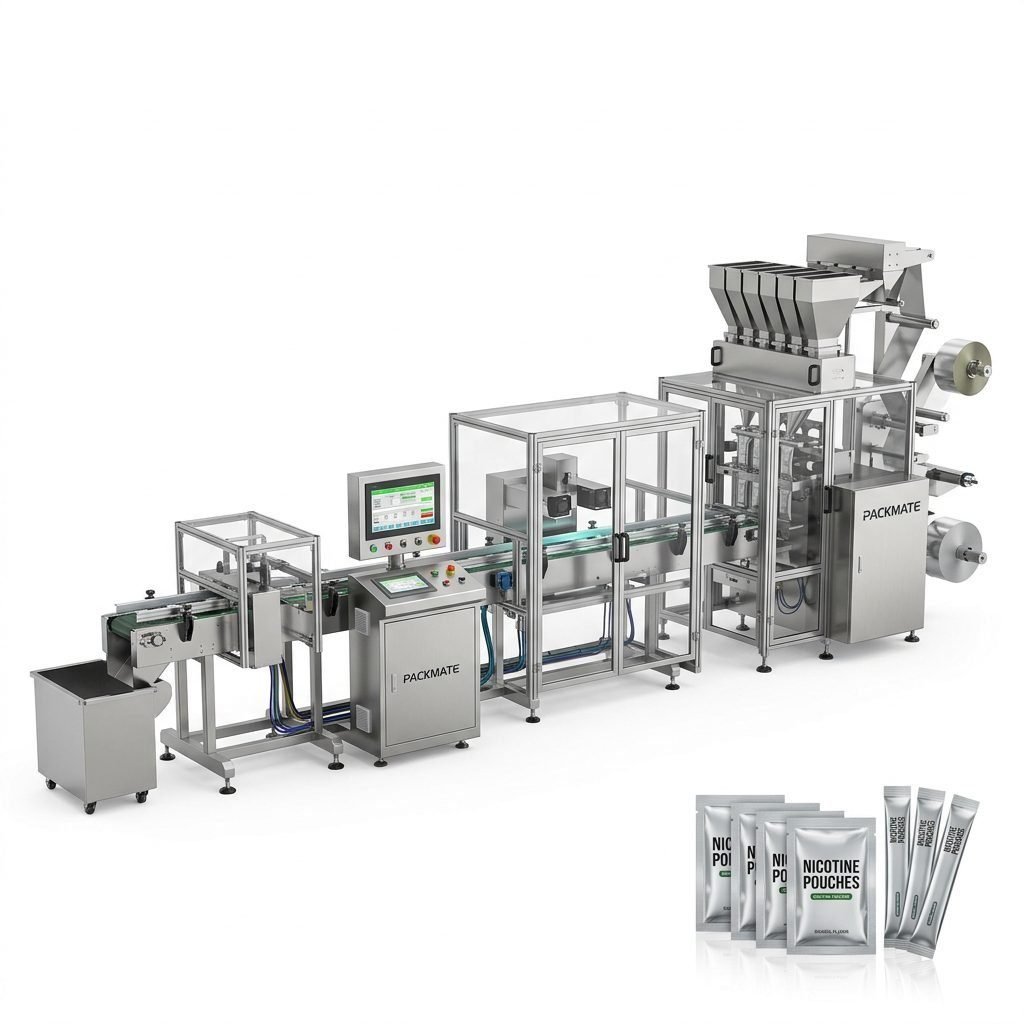
Consider whether you need standalone machines or fully integrated lines that include weighing, feeding, capping or case packing. Integrated systems reduce manual handling and can improve yield but require stronger systems integration expertise.
Pro tip
If you require multi-lane micro-dose pouching, request references and performance data. Proven multi-lane systems are critical for small-dose nicotine pouches and snus to maintain accuracy at scale.
💼 Commercial Terms & Warranty
Review warranty terms, payment schedules, lead times, and cancellation policies. Ensure the contract specifies acceptance criteria, installation responsibilities, training, and support response times.
🔍 Supplier Validation Checklist
✓ Factory tour or virtual walkthrough available
✓ FAT & test reports for your product
✓ CE/ISO certificates and technical documentation
✓ Spare parts & training plan included
✓ Proven EU/GER installation references
📣 How to Shortlist & Evaluate Manufacturers
1) Gather proposals from at least three suppliers. 2) Score them by technical fit, compliance, support, total cost and references. 3) Request demonstrations and FAT data. 4) Check financial stability and after-sales network in Germany.
🔗 Useful Resources & Supplier Examples
For product details and to review machine families, consider visiting supplier product pages and case studies. Example links you may find useful:
- Snus & Nicotine Packaging Machines: product line overview
- Bag & Pouch Packaging Machines: bag & pouch options
- About the manufacturer: company profile & capabilities
- Case studies and installations: real-world cases
🛠 Final Selection Tips
– Prioritize suppliers that demonstrate successful European installations and can commit to short spare-parts lead times.
– Favor machines with modular designs for future upgrades.
– Ensure the supplier provides clear training and documentation in German and English.
Bottom line: The best choice balances precise engineering, proven multi-lane or sachet technology for nicotine products, full compliance with EU standards, and a service model that minimizes downtime in Germany.
📞 Next Steps & Contact
Prepare a technical brief for suppliers and schedule FAT demos. When ready, reach out to shortlisted manufacturers and request a formal proposal and project timeline. For direct inquiries about packaging lines, support and turnkey solutions, use the supplier contact page to arrange a consultation.
Contact example: Contact Us for detailed quotations and factory visit arrangements.
Frequently Asked Questions
Q1: Do German manufacturers provide on-site installation and training?
Most reputable manufacturers and their certified partners provide on-site installation and operator training. Confirm the scope in the contract and request written training plans and operator manuals in your preferred language.
Q2: How important is FAT for nicotine pouch machinery?
FAT is essential. It validates performance with representative products, ensures acceptance criteria are met, and reduces installation and commissioning time on site. Always require documented FAT results.
Q3: What certifications should I require?
Require CE and ISO certificates as a minimum. For pharmaceutical-grade handling or food-contact production, request additional hygiene and safety documentation relevant to your product category.
Q4: Can manufacturers customize machines for biodegradable films and new materials?
Yes, many engineering-focused manufacturers offer customization for film handling and sealing profiles. Provide samples and run trials during FAT to validate compatibility and seal integrity.
Q5: Where can I see real examples of nicotine pouch packaging lines?
Review case studies and product pages to view installed lines and performance data: Snus & Nicotine Packaging Machines and Case studies.