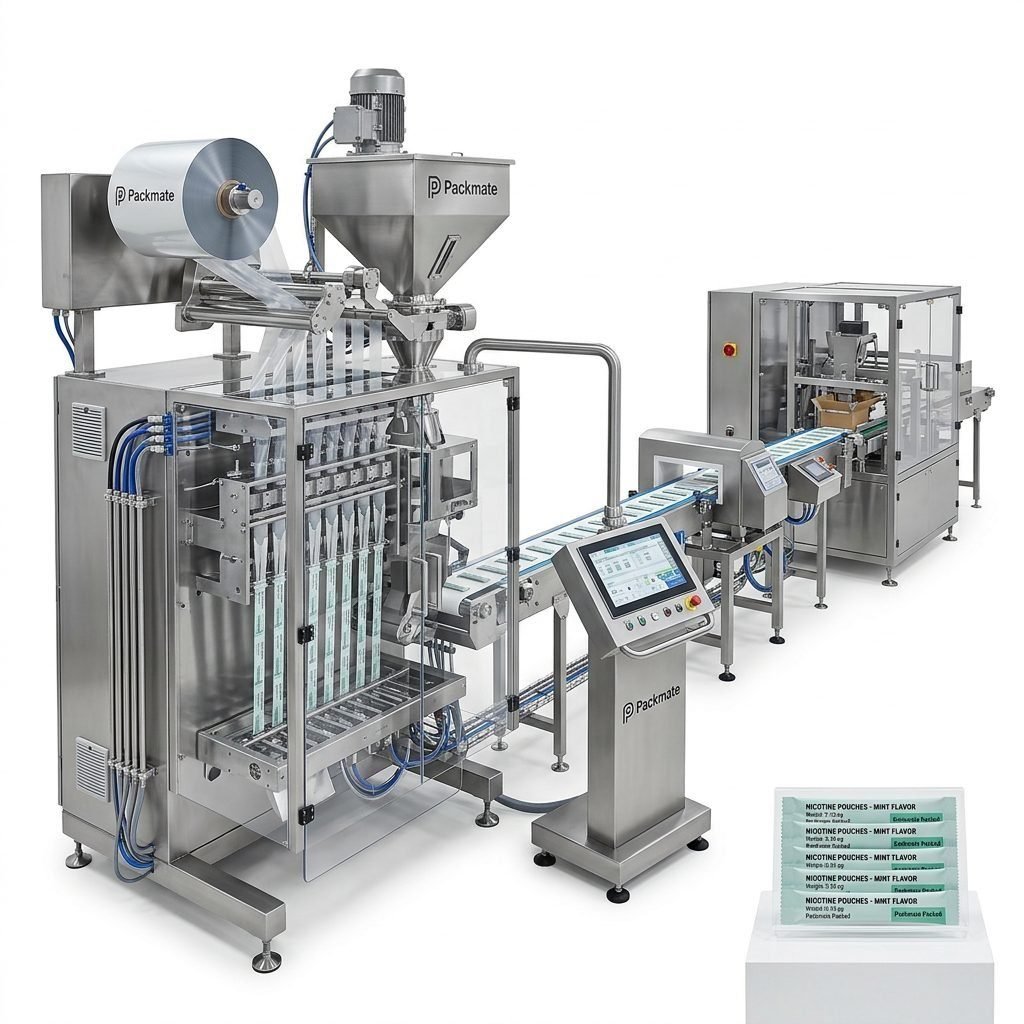
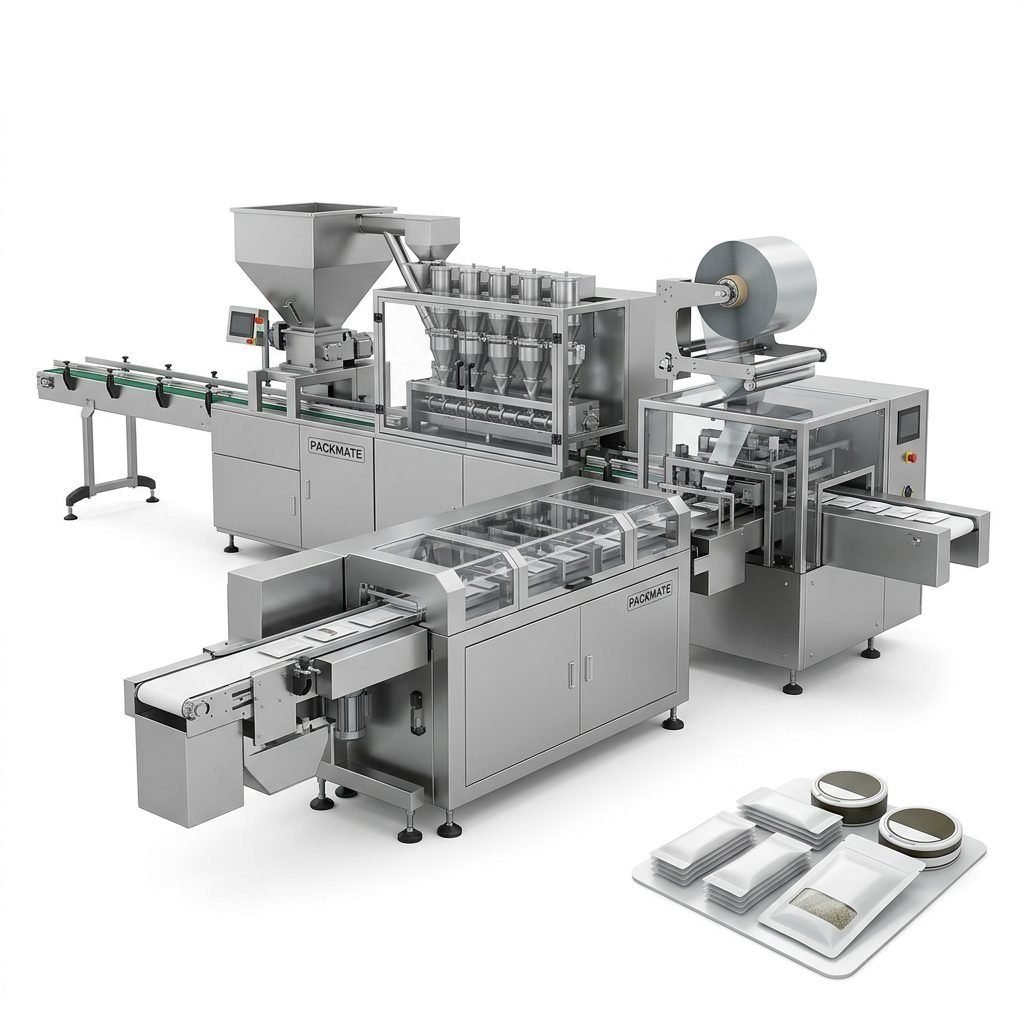
The global demand for snus and nicotine pouch products has driven rapid innovation in automated packaging. This guide outlines the essential machines, complete production line configurations, and cost considerations for a modern snus manufacturing operation. It is tailored for packaging managers, engineers, and entrepreneurs seeking a reliable, high-efficiency snus production line.
Overview: What a Snus Production Line Includes
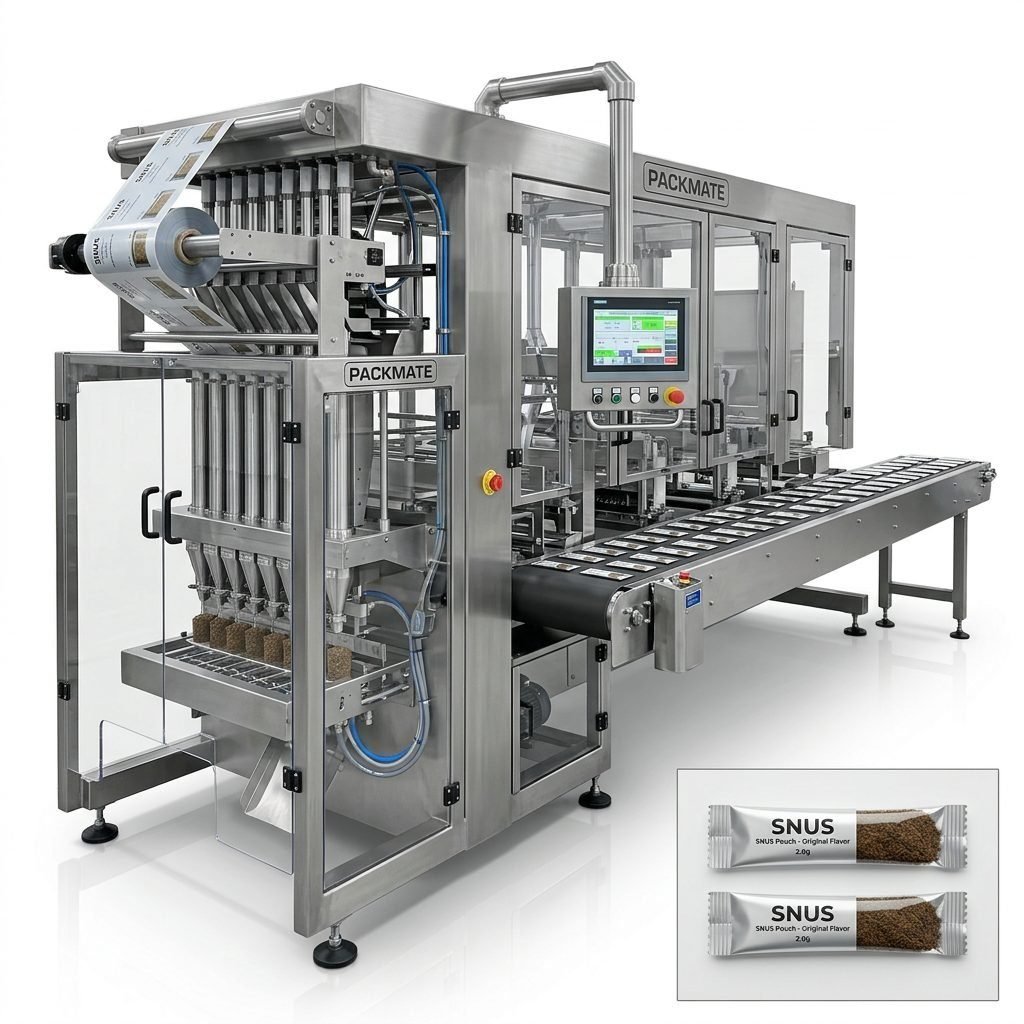
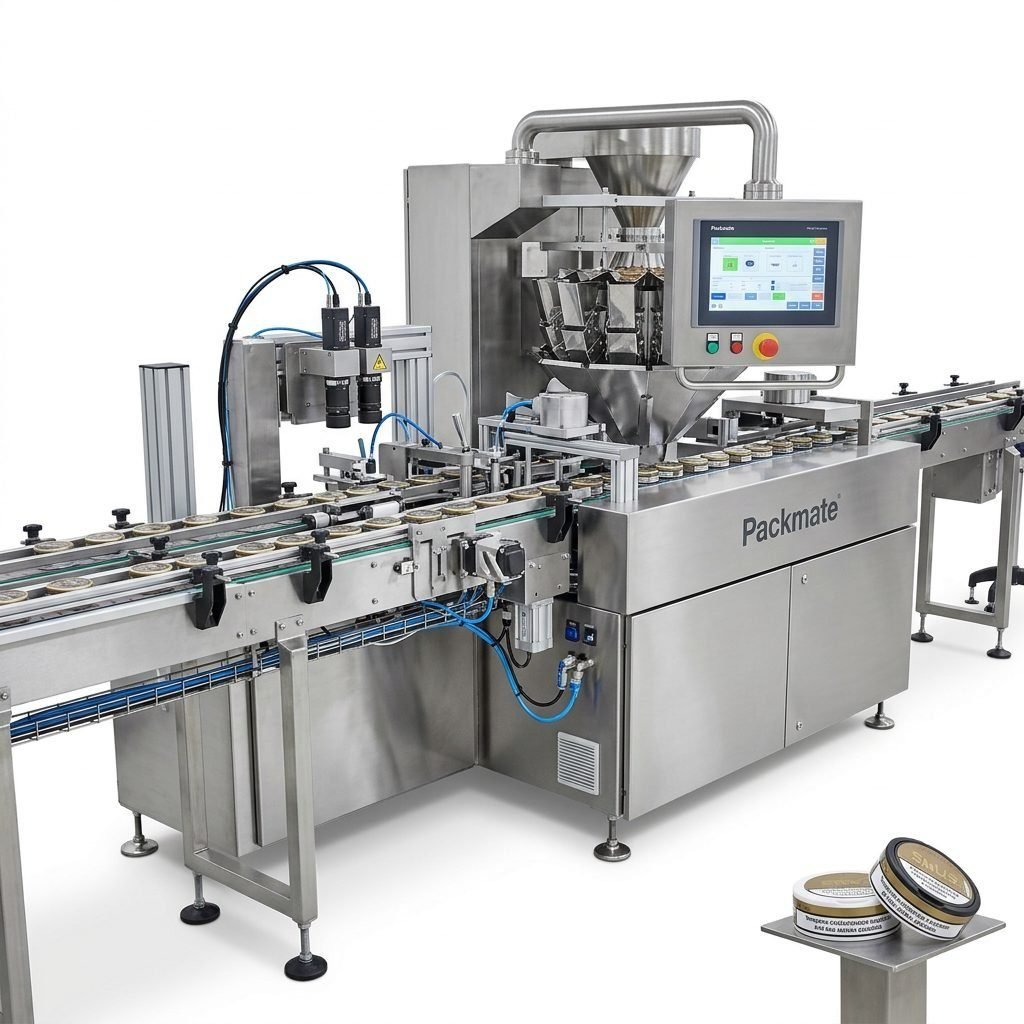
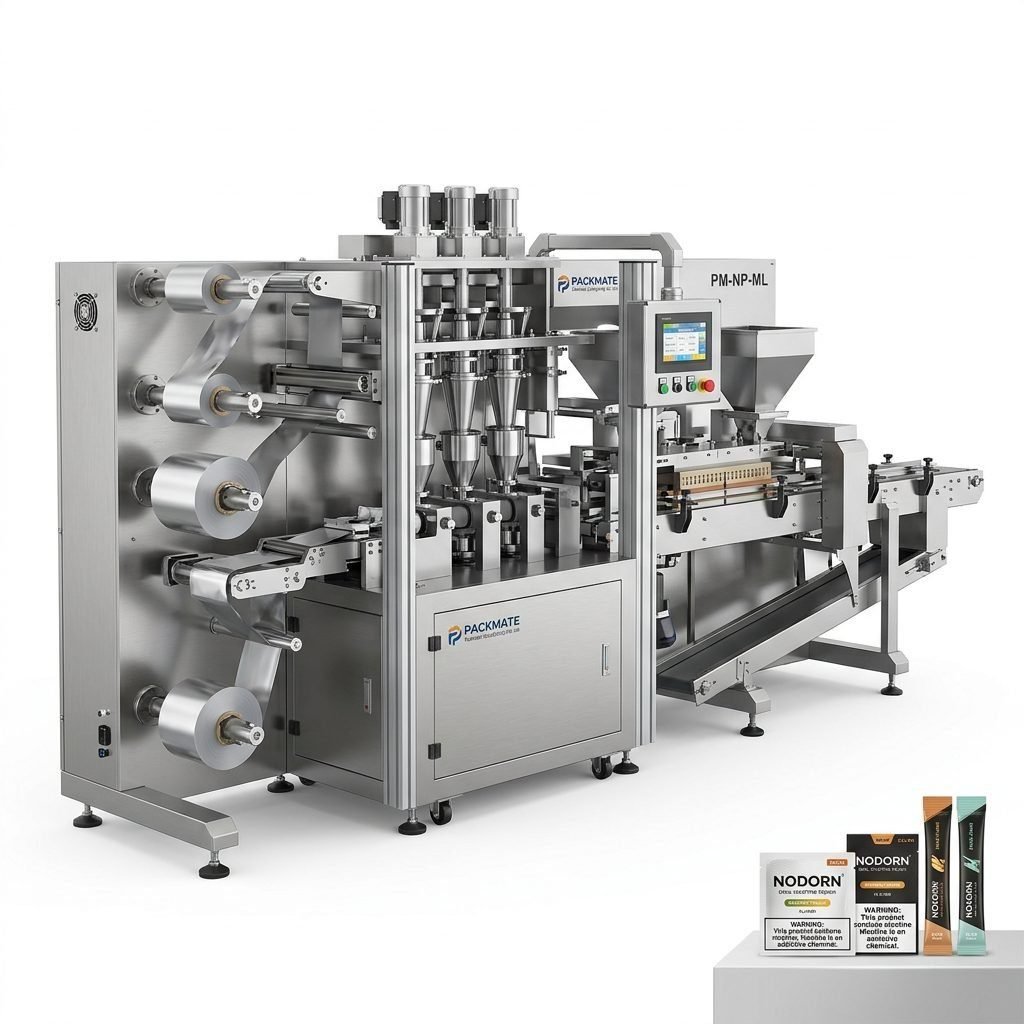
A typical snus production line integrates multiple specialized machines that work together to form, fill, seal, and package nicotine pouches. Core components usually include: dosing & filling units, pouch forming machines, sealing and cutting stations, multi-lane conveyors, counting and dosing systems, and final packaging/boxing equipment. To meet regulatory and hygiene standards, auxiliary systems such as dust extraction, product inspection, and labeling are also essential.
Key Benefits of an Integrated Line
An integrated line reduces manual handling, increases throughput, ensures consistent pouch quality, and minimizes contamination risk. Modern lines deliver repeatable dosing accuracy and allow rapid changeovers for different pouch formats and materials.
Core takeaway: Investing in a purpose-built snus packaging line yields better yield, faster ROI, and easier compliance with global standards.
Essential Machines and Their Roles
1. Powder/Blend Handling and Feeding Systems
Proper material handling is foundational. These systems batch and transport tobacco blends or nicotine mixtures to the dosing station while maintaining homogeneity. Features to look for include controlled feeder speeds, anti-clumping mechanisms, and CIP-friendly designs for cleaning.
2. High-Precision Dosing & Weighing Units
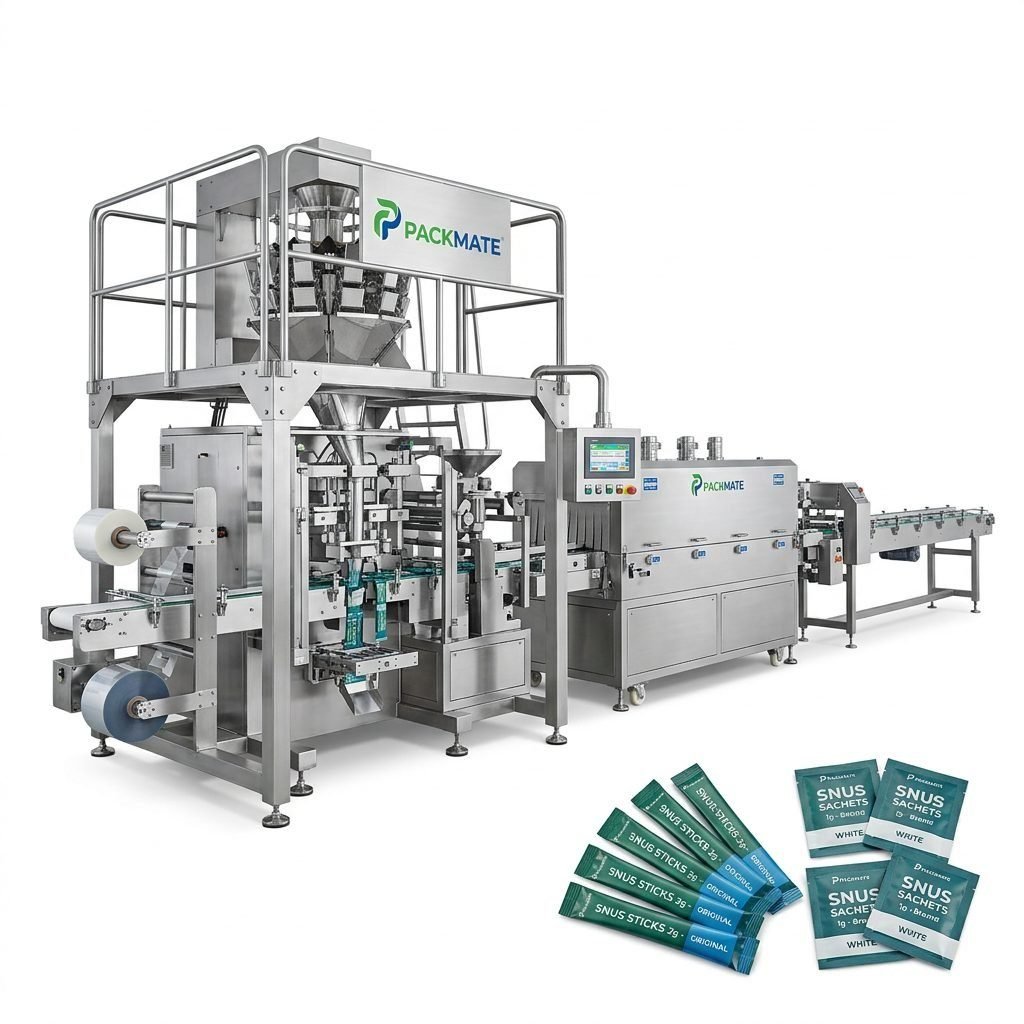
Accurate dosing ensures regulatory compliance and consistent user experience. Multi-head weighers or volumetric dosing systems can be selected based on product characteristics. For micro-dosed snus pouches, precision is critical — a deviation of even a few milligrams can affect product labeling and cost.
3. Pouch Forming & Filling Machines
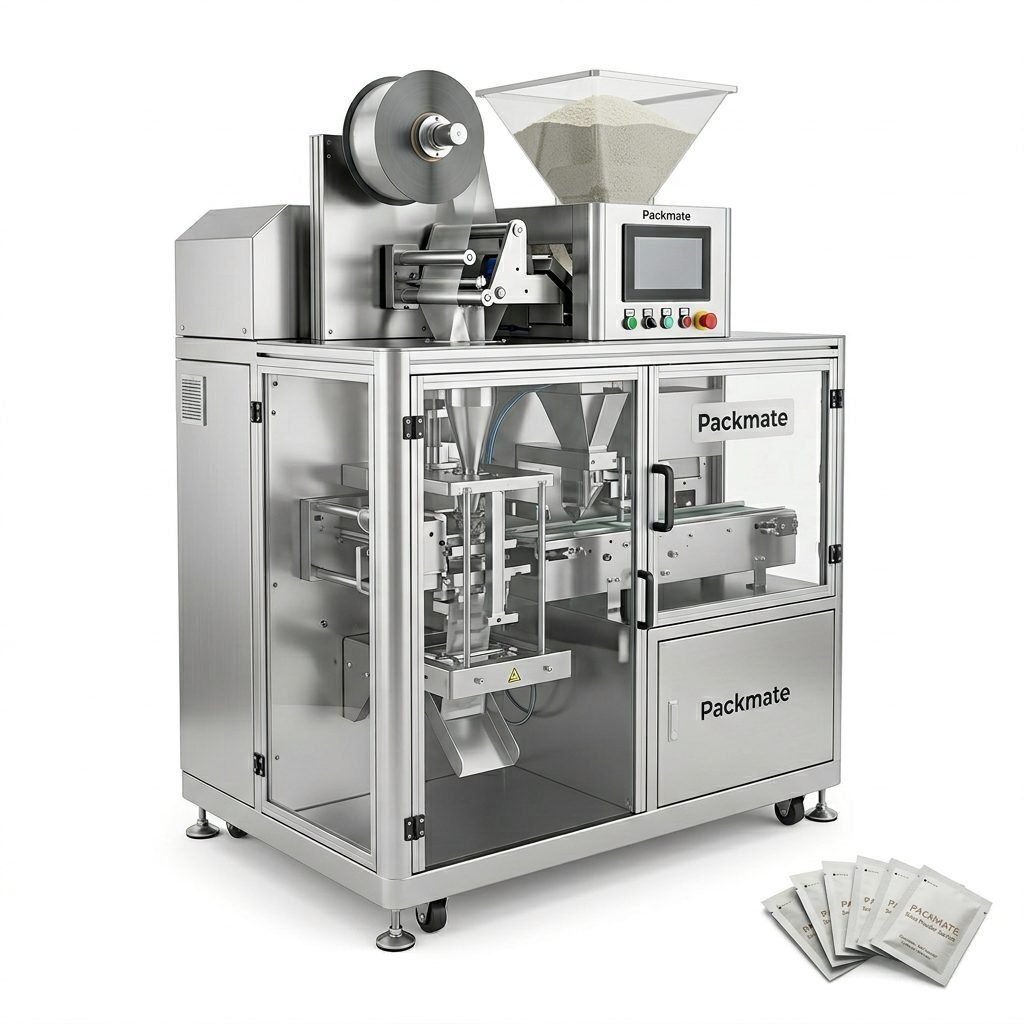
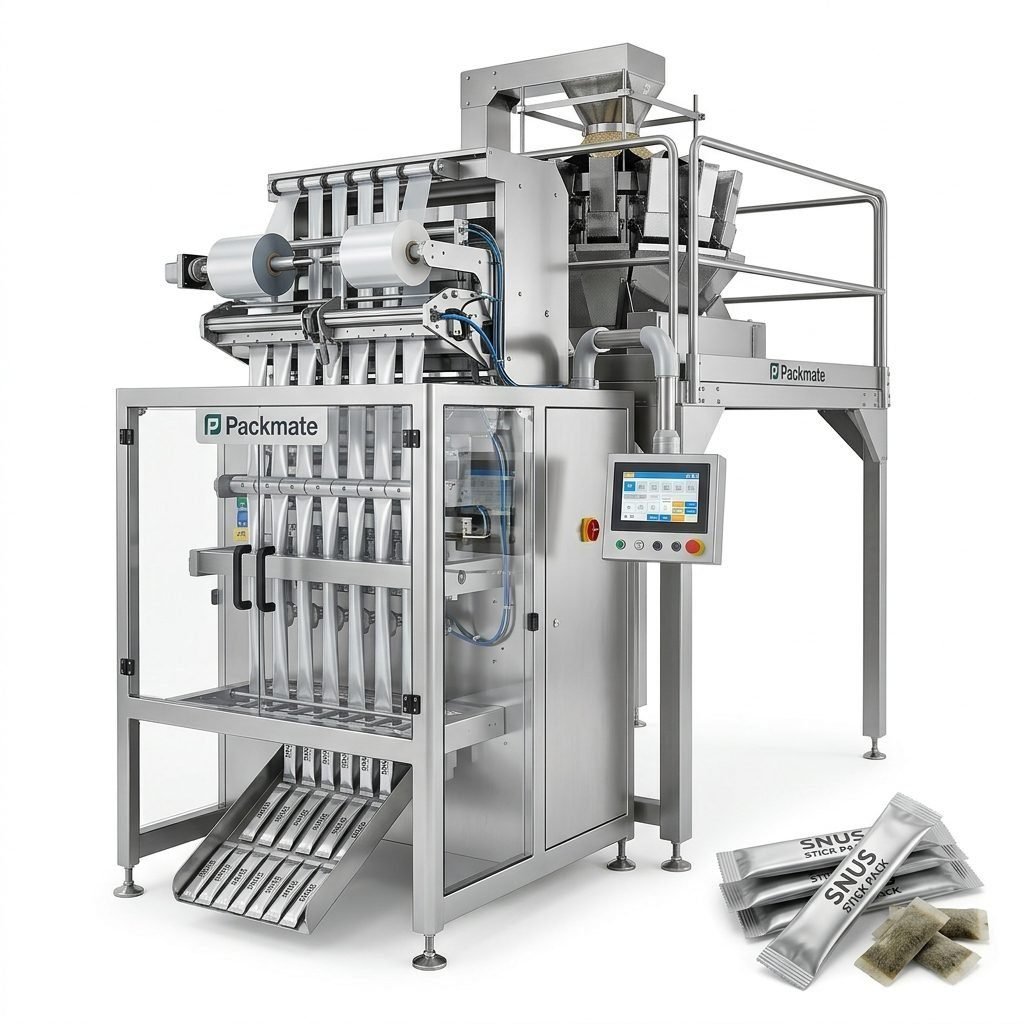
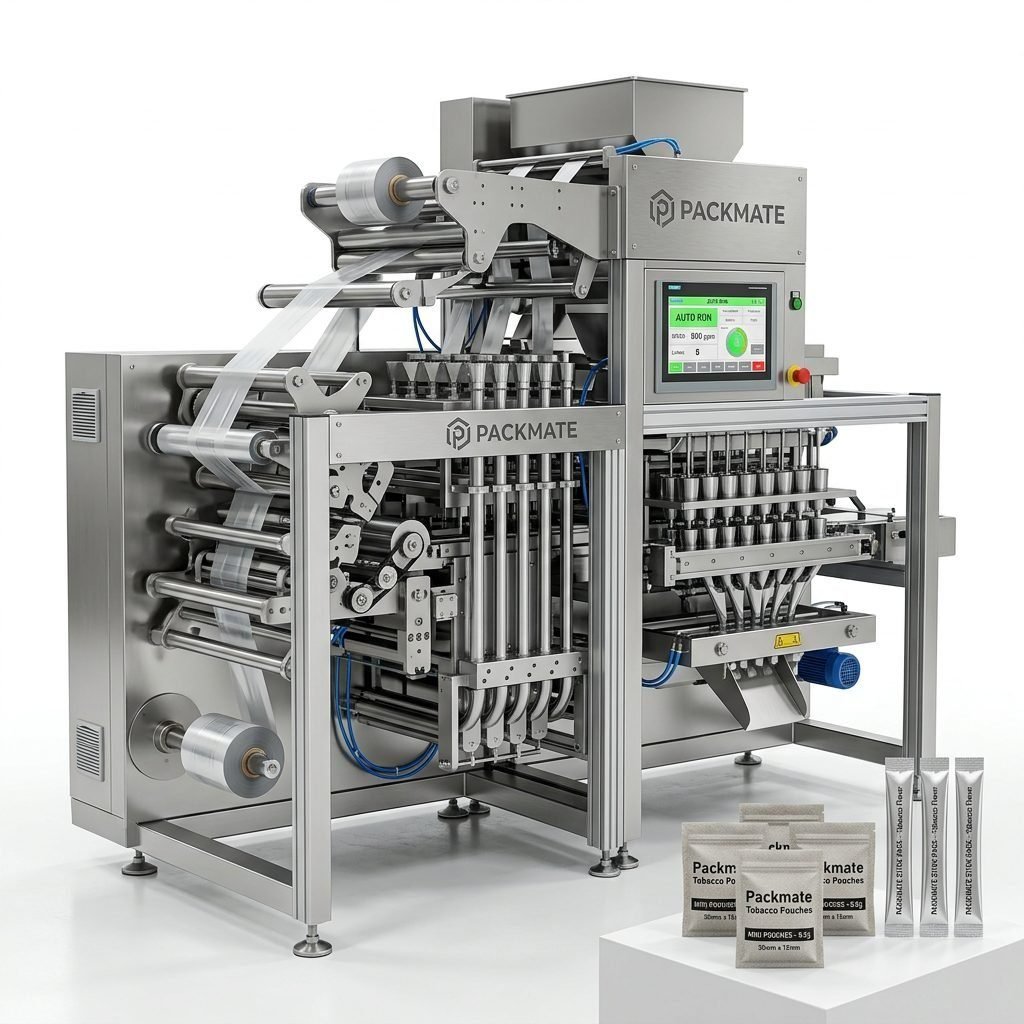
Pouch formers create the pouch body from rollstock or pre-formed films. Options include stick pack, sachet, and multi-lane pouchers designed for small-dose applications. When selecting a machine, ensure compatibility with barrier films and consider the ability to run multiple lanes for higher throughput.
4. Sealing, Cutting & Finishing Stations
Robust sealing systems use temperature and pressure control to ensure hermetic seals. Cutting stations shape and separate pouches. For premium product appearance, finishing stations may include edge trimming, notching, and laser date coding options.
Important: Choose sealing technology that matches your packaging material. Mismatched seals can cause leaks or compromised shelf life.
5. Inspection, Metal Detection, and Quality Control
Inline inspection systems (vision, weight, and metal detection) reduce recalls and ensure stable product quality. Automated rejection systems remove defective pouches before secondary packaging.
6. Secondary & Tertiary Packaging
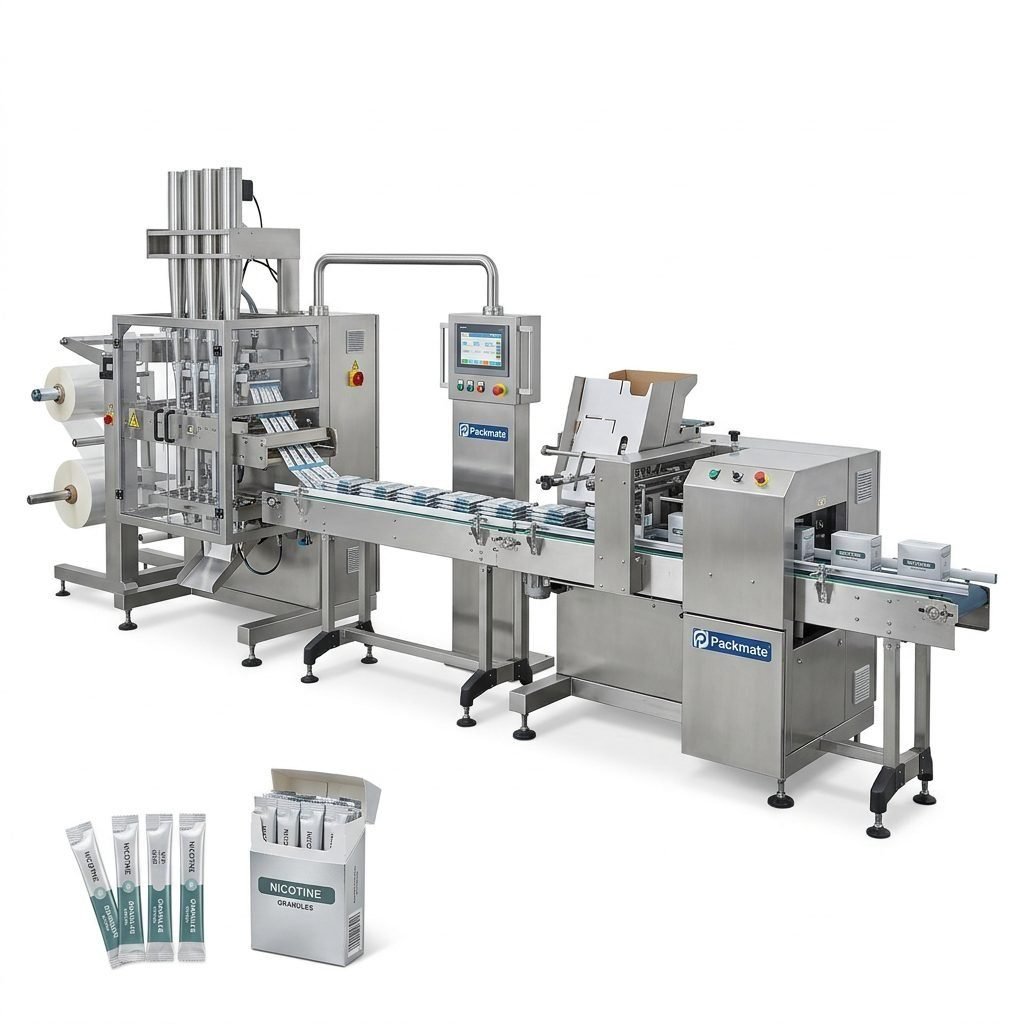
Final packaging includes cartoning, tray forming, shrink-wrapping, and case packing. Consider automation for boxing and palletizing to streamline logistics and reduce labor costs.
Configuring a Complete Production Line
A complete snus production line typically flows in this order: raw material handling → blending → dosing/weighing → pouch forming → filling → sealing/cutting → inspection → secondary packaging → case packing → palletizing. Each stage should be integrated with a central PLC/HMI for synchronized control and data logging.
Layout & Space Planning
Plan the factory floor to allow smooth product flow and maintenance access. Multi-lane machines save floor space by increasing throughput per machine but require careful synchronization. Packmate’s multi-lane systems are optimized for small-dose pouch production and higher-speed runs.
Automation & Integration
Integrating MES/ERP systems enables production tracking, batch traceability, and preventative maintenance scheduling. Look for machines with industry-standard communication protocols and modular I/O architectures.
Tip: Consider a turnkey provider if you want end-to-end responsibility for line design, mechanical integration, and commissioning. See Packmate solutions for turnkey lines.
Filling & Packaging Lines
Performance Metrics to Evaluate
When comparing machines and suppliers, evaluate these KPIs: throughput (pouches/min), uptime, yield (%), format changeover time, dosing accuracy (mg), and OEE (overall equipment effectiveness). Also assess spare parts availability and local service support.
Throughput vs. Flexibility
High-throughput multi-lane machines are ideal for large-volume runs. However, if your business model requires frequent SKU changes, prioritize machines with fast changeovers and flexible dosing. Modular platforms allow capacity scaling.
Cost Considerations and Budgeting
Total cost of ownership (TCO) includes initial capital cost, installation, commissioning, spare parts, consumables, energy consumption, operator training, and maintenance. Factor in regulatory validation (if required), facility modifications, and any auxiliary equipment (e.g., HVAC or dust control).
Capital Expenditure (CapEx)
CapEx varies with machine complexity, level of automation, and supplier reputation. Expect higher upfront costs for multi-lane, high-precision lines, but these typically deliver lower per-unit production costs at scale.
Operational Expenditure (OpEx)
Consider labor savings from automation, energy efficiency, maintenance intervals, and scrap rates. Regular preventive maintenance reduces downtime and extends equipment life — include a maintenance plan in budgeting.
Cost-saving insight: Investing in quality components and a reputable OEM can reduce long-term costs through improved uptime and lower defect rates.
Choosing a Manufacturer: What to Ask
When vetting suppliers, inquire about factory capacity, engineering experience, after-sales service, spare parts lead times, and references. Verify certification (CE/ISO) and ask to see case studies or live demonstrations.
Packmate Strengths
Packmate Snus Machine combines 30+ years of engineering expertise with a 20,000㎡ facility, advanced CNC machining, and a product range that covers snus & nicotine packaging, stick packs, sachets, weighing systems, and full turnkey lines. Their multi-lane systems are optimized for small-dose pouch production.
Explore detailed product categories:
Snus & Nicotine Packaging Machines,
Filling & Packaging Lines, and
Weighing & Packaging Systems.
Installation, Commissioning & Validation
Professional site surveys, utility checks, and foundation plans are part of successful installation. Commissioning should include performance qualification and staff training. For regulated markets, validation documentation and traceable component records are required.
Service & Lifecycle Support
Look for suppliers who provide global exhibitions, training, spare parts, and service contracts. Packmate’s global exhibition presence and service offerings make it easier to access demonstrations and local support.
(Our Exhibition |
Service)
Practical Checklist Before Purchase
• Define target throughput and SKU mix.
• Determine pouch formats and materials.
• Establish quality and regulatory requirements.
• Confirm factory utilities and space.
• Ask for references, FAT videos, and turnkey options.
Quick action: Request a tailored layout and ROI analysis from your OEM based on your SKU portfolio and projected volumes.
Sustainability and Regulatory Trends
Manufacturers increasingly require recyclable films and energy-efficient machines. Ensure your supplier can accommodate eco-friendly packaging options and provide documentation for regulatory audits.
Conclusion
Building a modern snus production line involves selecting precise dosing systems, appropriate pouch forming and sealing equipment, robust inspection stations, and reliable secondary packaging solutions. Balance throughput with flexibility, plan for long-term support, and partner with an experienced OEM to achieve consistent quality and fast ROI.
Further Resources
To explore specific machine models and case studies, visit:
Case and
About Packmate.
Common Questions
Q1: How do I determine the right throughput for my line?
A1: Base throughput on projected annual volumes, SKU mix, and peak demand. Consider multi-lane machines for higher volumes and modular systems if you expect growth.
Q2: What is the typical lead time for a turnkey snus line?
A2: Lead times vary by complexity and customization but commonly range from several weeks for standard machines to 3–6 months for full turnkey solutions including FAT and commissioning.
Q3: How important is after-sales support?
A3: Critical. Rapid access to spare parts, remote technical support, and local service reduces downtime and protects your investment.
Q4: Can I get a site visit or machine demo?
A4: Yes. Reputable manufacturers offer FAT, on-site demos, and exhibition showings. Contact the supplier to arrange demonstrations or to visit manufacturing facilities.
Contact Us