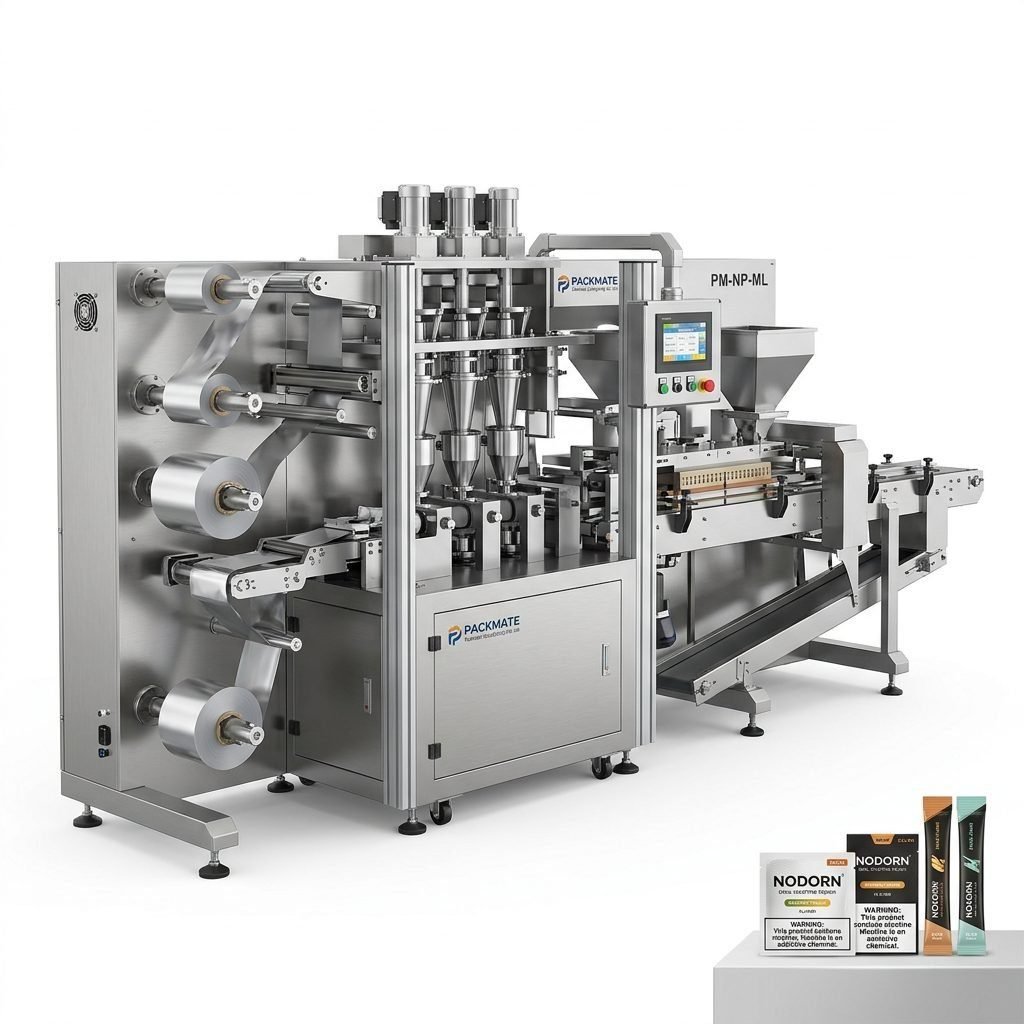
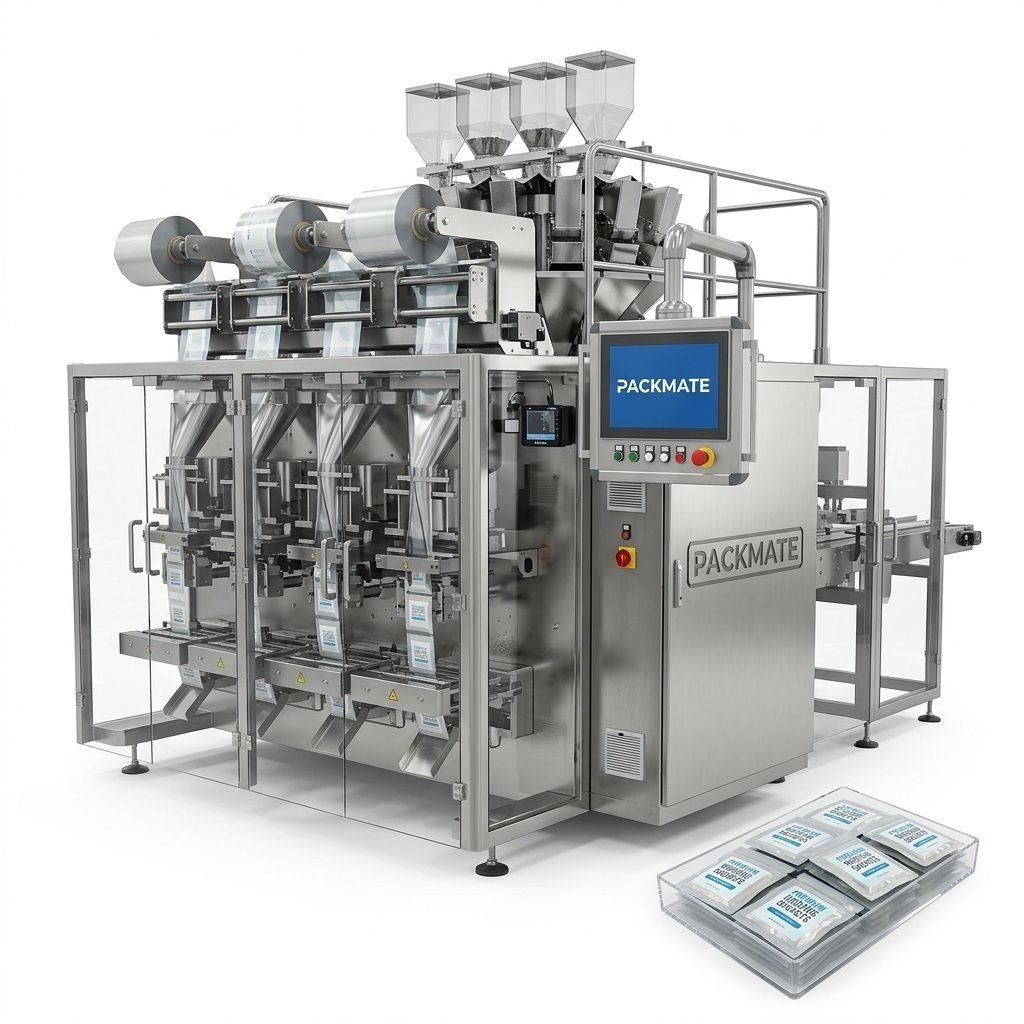
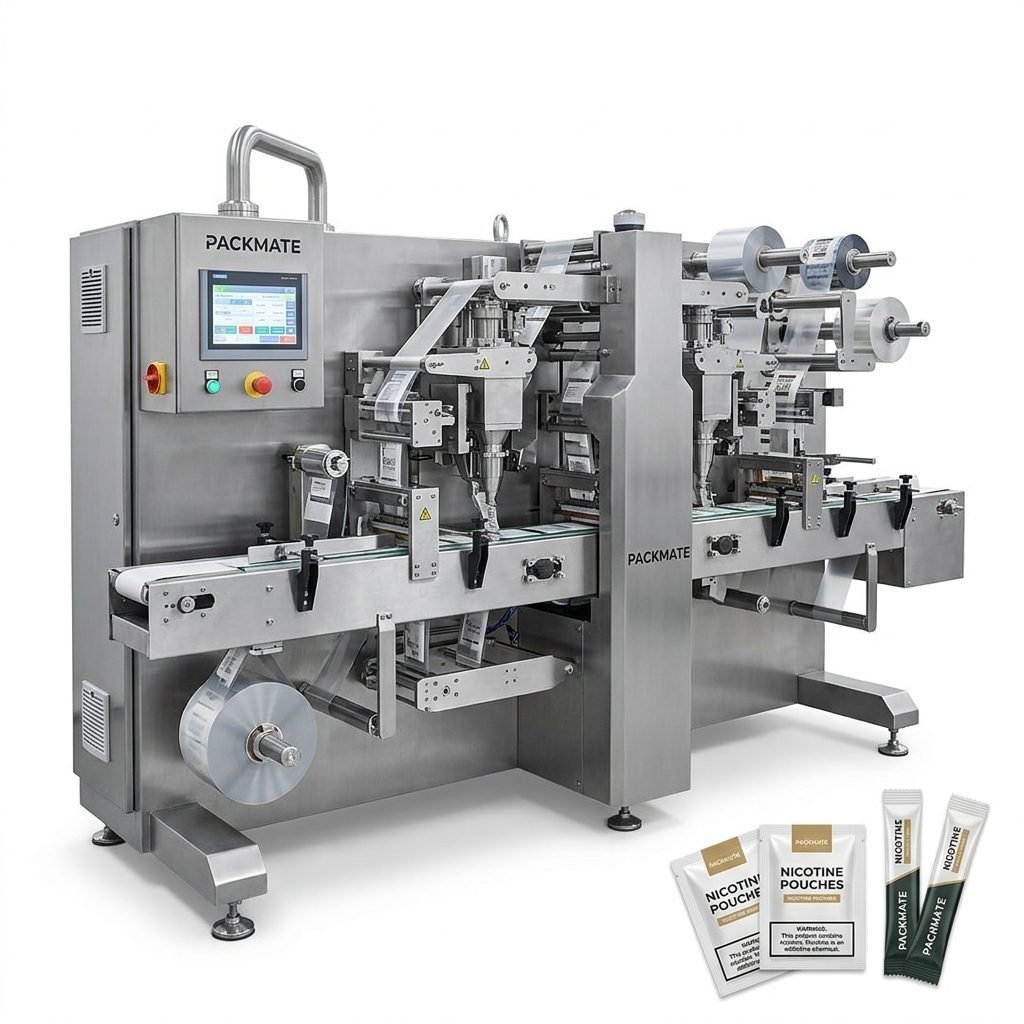
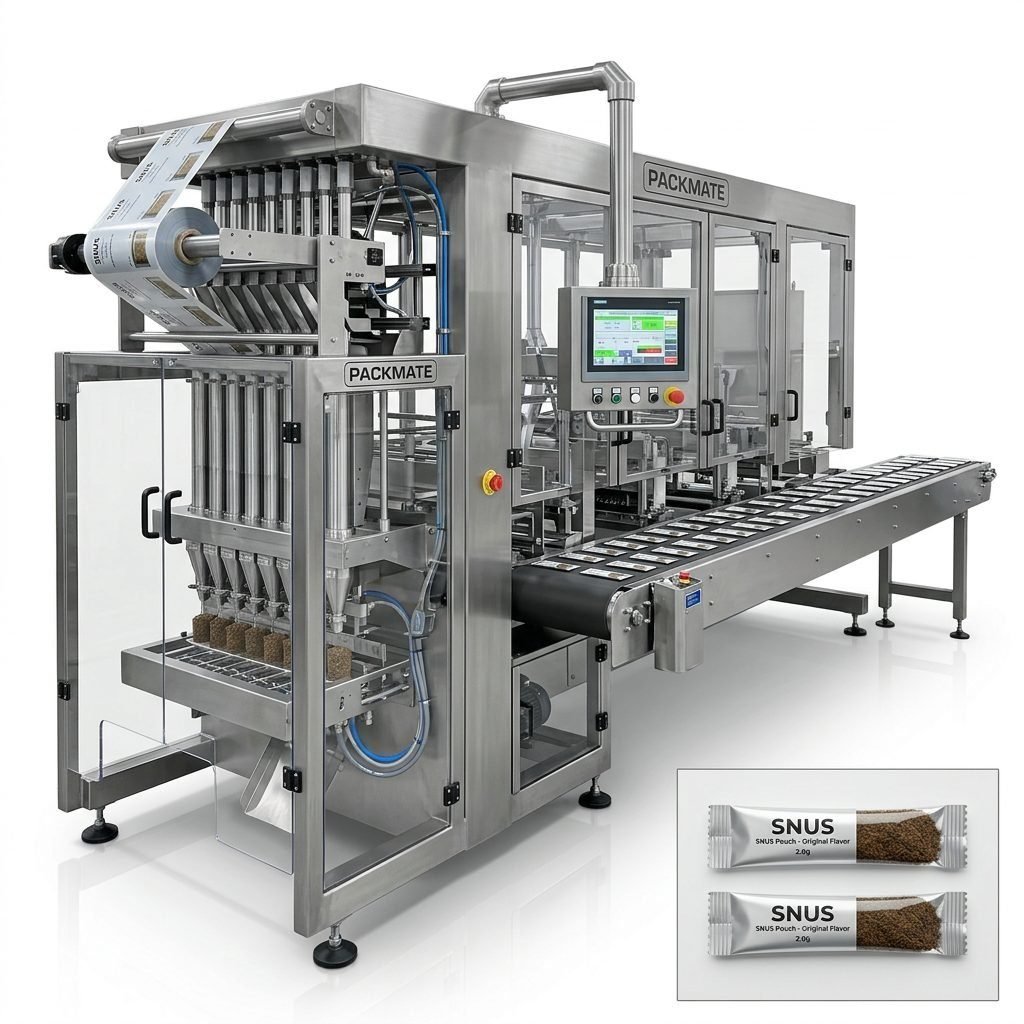
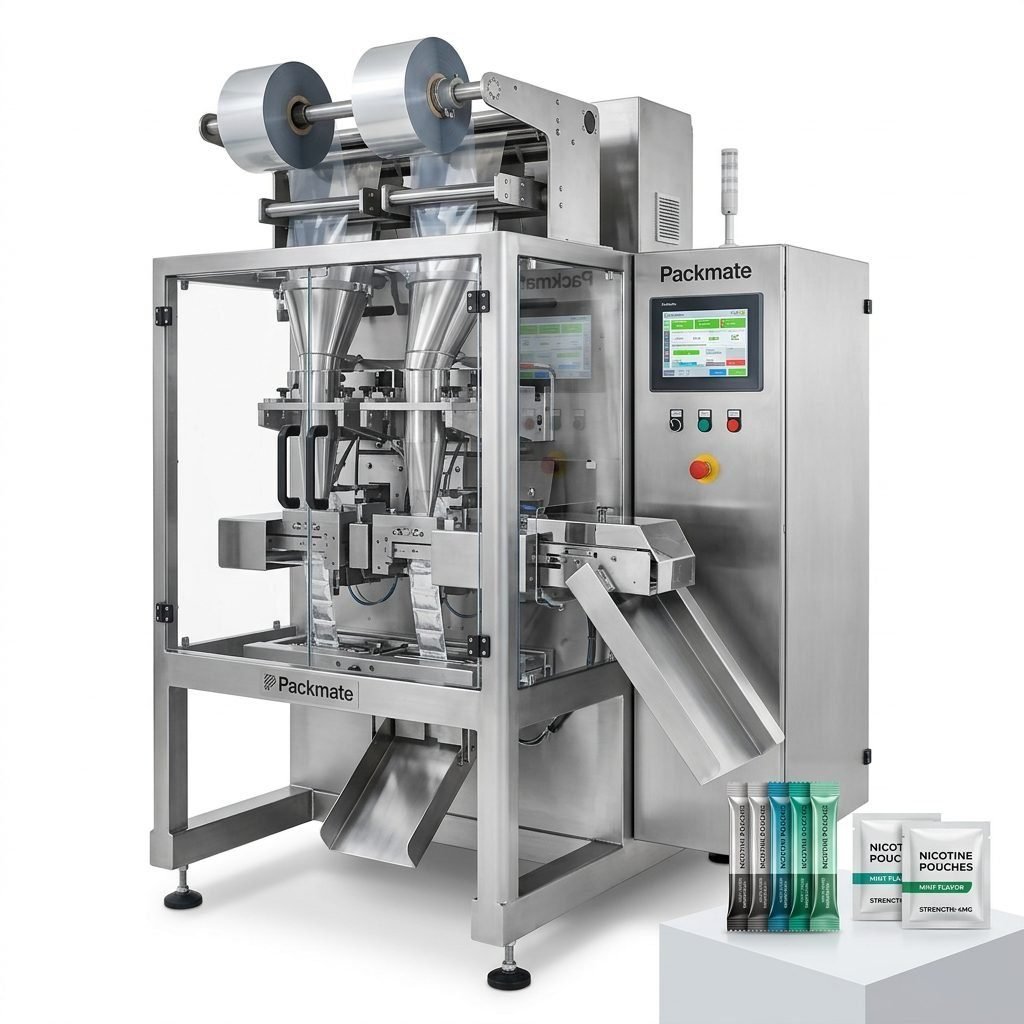
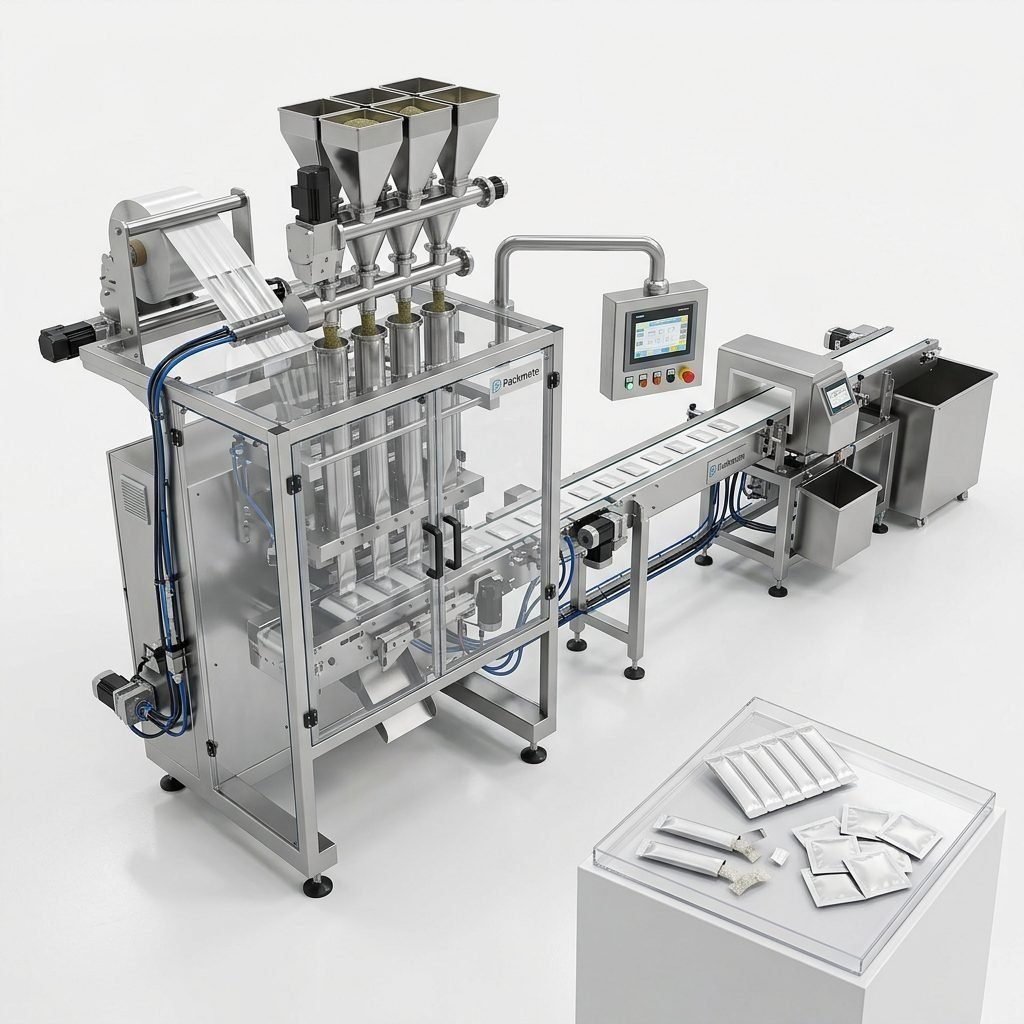
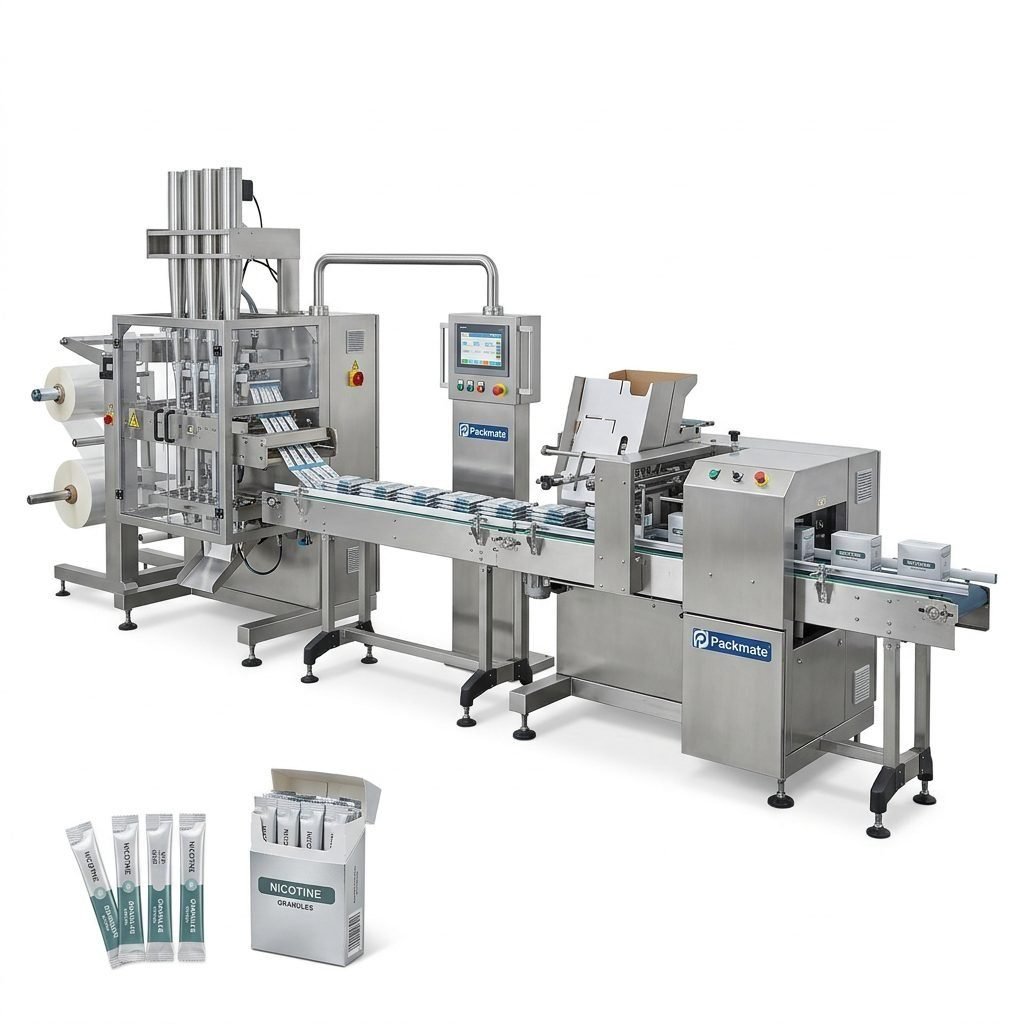
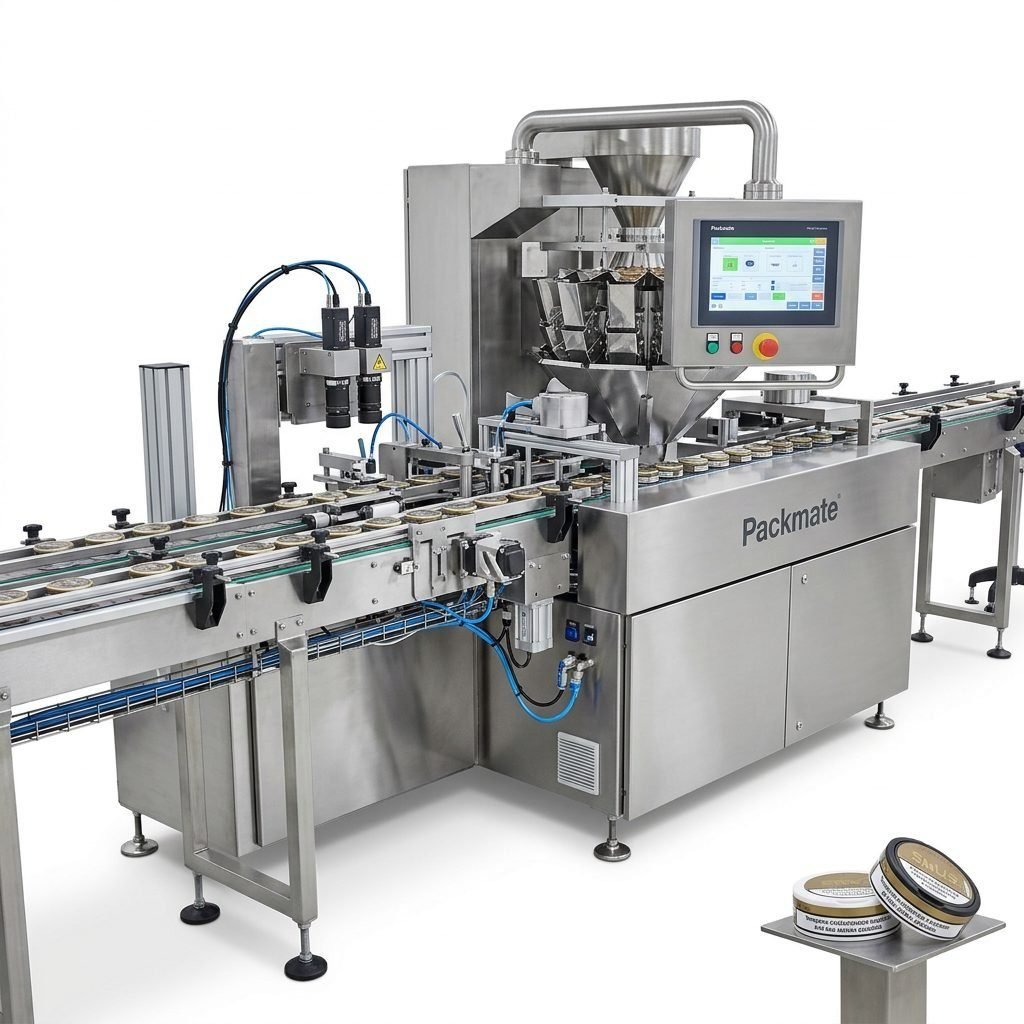
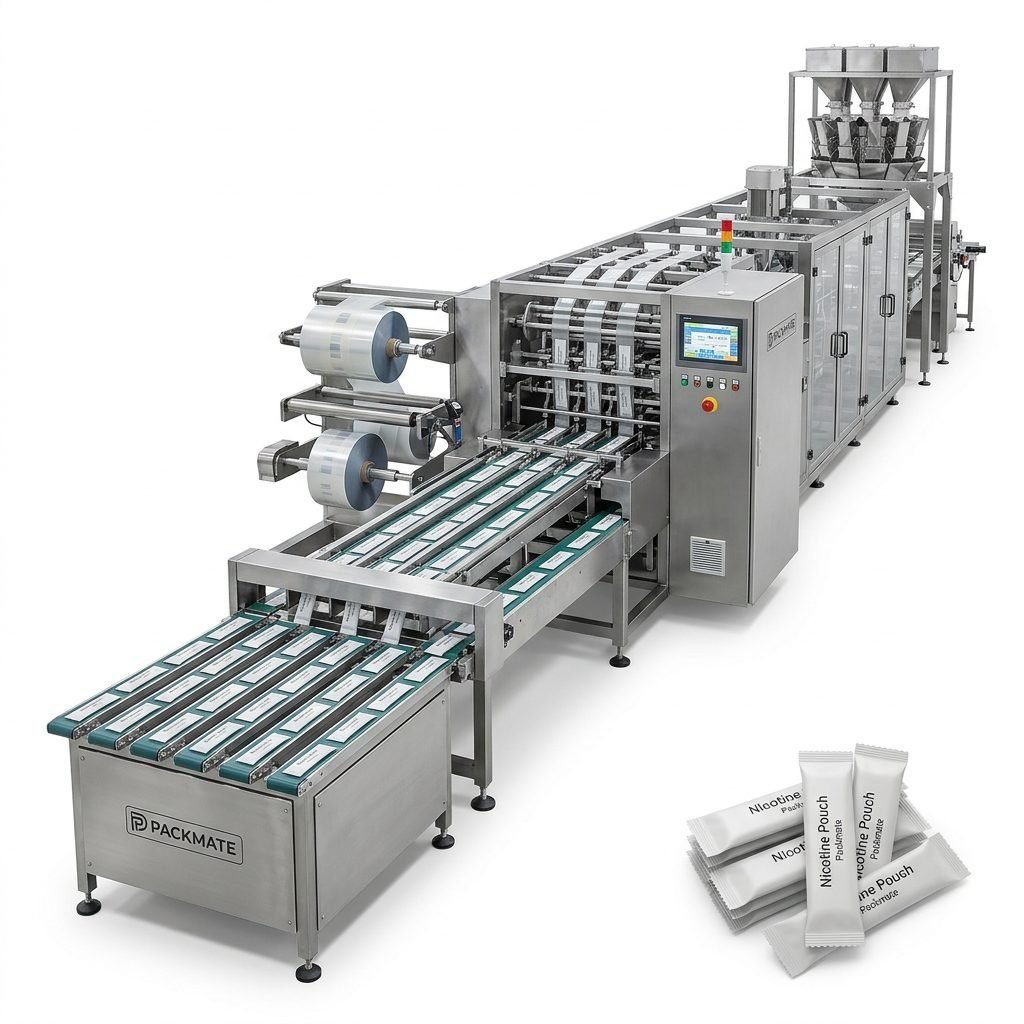
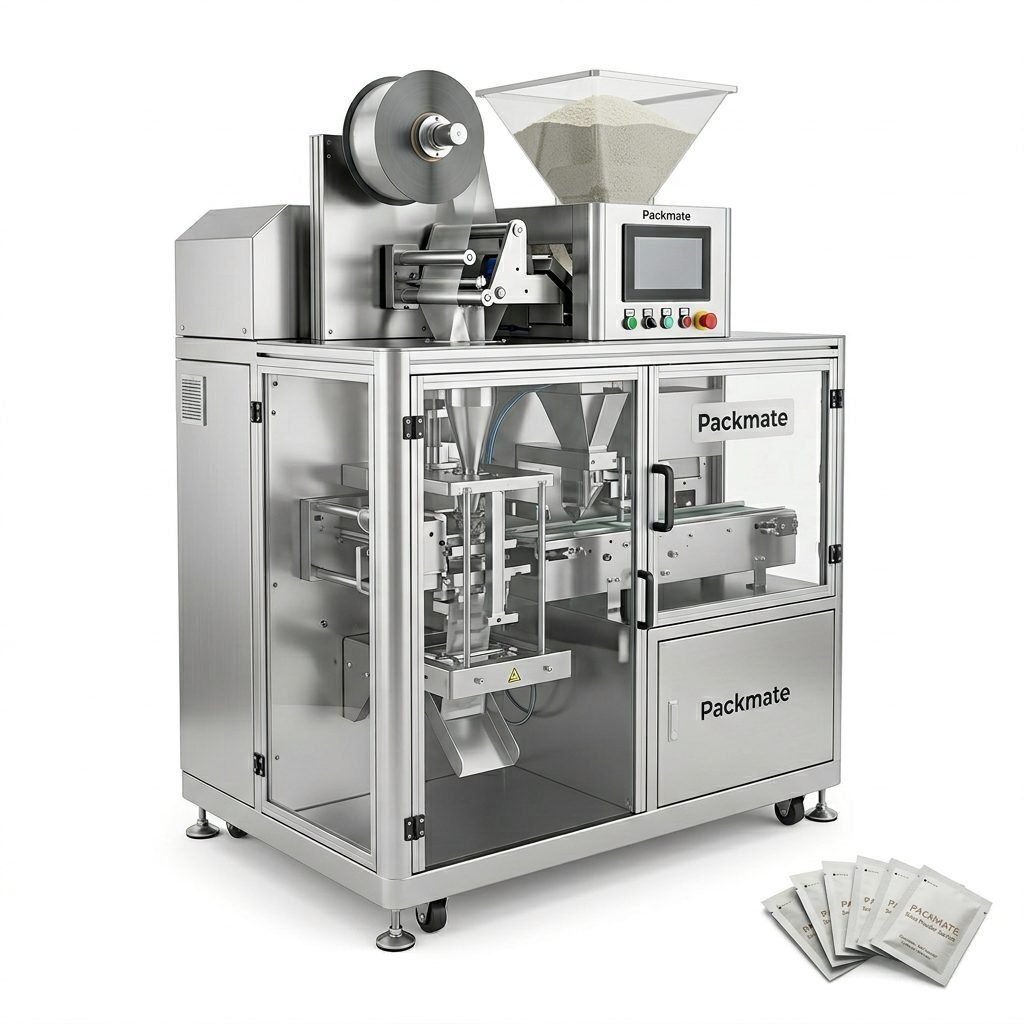
Selecting the right nicotine packaging machinery manufacturer for your Oceania operations is a strategic decision that impacts product quality, regulatory compliance, throughput, and long-term costs. This guide walks you through practical criteria, technical checks, and commercial considerations to help manufacturers, contract packers, and brand owners make confident choices and reduce risk when investing in snus and nicotine pouch packaging lines.
🔍 Understand Your Production Requirements
Before you evaluate suppliers, define your production needs clearly: target output (pouches per hour), pouch formats (stick pack, sachet, multi-lane), product forms (powder, granule, liquid), packaging material types, and any secondary packaging requirements. Clarifying these parameters prevents over-specification or undersized purchases and helps the manufacturer propose the right machine model and automation level.
✅ Typical production profiles to identify:
- Small-batch R&D vs full-scale continuous production
- Single-lane precision dosing vs multi-lane high-speed lines
- Need for integrated weighing, feeding, or pouch-making modules
⚙️ Evaluate Technical Capabilities and Machine Types
Oceania buyers should inspect machine specifications against their product characteristics. Key technical aspects include servo control systems, indexing accuracy, dosing precision, sealing technologies, and compatibility with barrier films. If you need multi-lane small-dose production, prioritize suppliers with proven multi-lane systems and compact high-speed designs.
Machine categories to compare
- Snus & Nicotine Pouch Machines — specialized for nicotine pouch formats and low-dosage repeatability; see manufacturer examples at Snus & Nicotine Packaging Machines
- Sachet & Stick Pack Machines — great for single-serve formats and flexible packaging, more information: Sachet & Stick Pack Machines
- Integrated filling & weighing lines for powders and granules — consider suppliers who offer combined systems to reduce integration risks: Weighing & Packaging Systems
🏭 Factory Strength and Manufacturing Quality
A robust manufacturing footprint is a reliable indicator of product consistency. Look for factories with dedicated CNC machining, precision assembly lines, and rigorous testing areas. A facility that spans thousands of square meters and offers multiple machine models suggests scalability and in-house capability to customize or produce spare parts quickly.
🔎 What to verify during a factory visit or virtual tour:
- Presence of CNC machining centers and assembly cells
- Standardized quality testing procedures and test reports
- Model range and customization capabilities (turnkey solutions)
📜 Certifications, Compliance, and Safety
Regulatory compliance is critical in Oceania. Confirm the manufacturer adheres to international standards (CE, ISO) and that machines can be adapted to local regulations. Compliance affects electrical setups, safety guarding, and traceability features. Choose suppliers that provide clear certificates and machine documentation to streamline validation and audits.
🤝 After-Sales Service, Spare Parts & Local Support
The manufacturer’s after-sales network is a decisive factor. Machines are long-term investments — downtime is costly. Assess lead times for spare parts, availability of remote troubleshooting, training programs for operators, and whether the manufacturer has local partners or service agents in Oceania.
Important service questions to ask:
- Typical spare parts lead time and kits supplied with the machine
- Availability of on-site commissioning and operator training
- Remote support hours and response SLA
📦 Logistics, Installation and Commissioning in Oceania
Shipping large equipment to Oceania requires attention to crate sizing, export documentation, and local import rules. Ask suppliers about their experience shipping to ports in Australia, New Zealand, and Pacific regions. Reliable manufacturers will offer installation supervision, FAT (Factory Acceptance Testing) reports, and commissioning support to minimize start-up delays.
💡 Customization, Modularity and Future-Proofing
Packaging needs evolve. Seek modular platforms that allow upgrades (additional lanes, different dosing heads, automation upgrades). A supplier that provides modular add-ons reduces total cost of ownership. Also confirm software openness for PLC/HMI integration with your factory MES or OEE systems.
Key modular features
- Swappable dosing heads and hoppers
- Expandable multi-lane configurations
- Standardized communication protocols (Ethernet/IP, MODBUS)
📈 Total Cost of Ownership (TCO) vs Purchase Price
Focus on TCO rather than the lowest purchase quote. Consider energy consumption, mean time between failures, spare parts pricing, expected maintenance intervals, and operator training needs. A slightly higher upfront cost can deliver lower operating costs and improved uptime.
TCO checklist:
- Energy efficiency and electrical requirements
- Spare parts cost and common failure modes
- Ease of maintenance and required skill level
📚 References, Case Studies and Demonstrations
Request case studies relevant to Oceania or similar markets. Video demonstrations and customer references help validate performance. If possible, witness a live run on the exact model or ask for a FAT video that showcases the machine producing your product format. Review the manufacturer’s past projects and partners to confirm real-world reliability — see examples in their case gallery here: Case.
📅 Lead Times, Project Management and Warranties
Confirm realistic lead times and a project plan covering design approval, manufacturing milestones, shipping, and on-site commissioning. Warranties should be clear, with defined coverage for mechanical parts, electrical components, and wear items. A reputable manufacturer provides a written warranty and service terms.
🔎 Questions to Ask Prospective Manufacturers
- How many machines of this model have you delivered worldwide, and can you provide references?
- Can you supply machine specifications tailored to nicotine pouch dosing and sealing?
- What certifications do your machines and factory carry (CE, ISO)?
- Do you offer turnkey solutions including feeding, weighing, and secondary packaging?
- What are your spare parts lead times for Oceania shipments?
✅ Why a Specialist Nicotine Packaging Supplier Matters
Working with a specialist manufacturer brings deep domain knowledge about snus and nicotine pouch formats, dosing control for small doses, and hygienic design considerations. Suppliers with extensive experience can recommend optimal machine models and offer tailored turnkey lines — for product and machine examples, see their Filling & Packaging Lines and auxiliary equipment pages: Auxiliary Packaging Equipment.
📞 Engaging the Manufacturer: Practical Steps
- Prepare a clear RFQ with product specs, materials, required output, and desired automation level.
- Request machine datasheets, video demonstrations, and references from similar projects.
- Schedule a factory visit or virtual walkthrough and ask for FAT documentation.
- Clarify lead times, shipping logistics to your Oceania port, and commissioning support.
- Negotiate warranty terms, spare parts packages, and training programs.
If you want to evaluate a reputable specialist with turnkey capability and global experience, review the supplier profile and contact resources here: About Packmate and Contact Us.
Frequently Asked Questions
1. What certifications should I expect?
Look for CE and ISO compliance for international trade and documented electrical and safety approvals. Ensure the supplier can provide machine-level certificates and factory quality documentation.
2. How do I test a machine before purchase?
Request Factory Acceptance Testing (FAT) videos or an on-site demo with your actual materials. Many suppliers also offer pilot runs and produce sample packs for approval.
3. What support is available after installation in Oceania?
Confirm remote troubleshooting, spare parts shipping times, local service partners, and training options. A clear SLA and contact protocol are essential to minimize downtime.
4. Can machines be customized for novel pouch shapes or materials?
Reputable manufacturers provide modular designs and customization services to adapt sealing stations, take-away conveyors, and forming plates for unique pouch shapes and barrier films.
5. How important is a turnkey solution?
Turnkey solutions reduce integration risk, shorten commissioning time, and provide a single point of responsibility for performance guarantees. If you plan complex automation, a turnkey partner is highly recommended.