Nicotine pouches (including snus-style products) are regulated differently across global markets, and producers, packagers, and equipment suppliers must align packaging designs and production processes with tight regulatory requirements. This guide explains the core compliance obligations, labeling rules, and practical best practices for packaging nicotine pouches, with actionable steps for manufacturers and buyers of packaging lines.
Regulatory Landscape: High-Level Overview ⚖️
Regulatory frameworks for nicotine pouches vary by jurisdiction. In the European Union, the Tobacco Products Directive (TPD) and national laws impose specific labeling and product notification rules. In the United States, state and federal rules (including FDA requirements where applicable) govern nicotine-containing products and their packaging. Some markets adopt stricter child-safety and marketing restrictions, while others prioritize product informatics such as ingredient lists and batch traceability.
Key regional features
EU: Notification to national authorities, health warnings, nicotine content labeling, and restrictions on flavor descriptors are common.
UK: Post-Brexit rules often mirror EU practice but require separate notifications.
US: FDA oversight applies primarily to tobacco products; nicotine-containing consumer products may face state-by-state requirements and consumer protection laws.
Nordic markets: Sweden and Norway have long experience with snus—detailed labeling and product registration can apply.
Labeling Rules: What Must Appear on Nicotine Pouch Packs 🧾
Correct labeling is a cornerstone of compliance. Most authorities require clear text on packs to inform consumers and regulators. Minimum elements typically include ingredients, nicotine strength per pouch, net quantity, manufacturer details, batch number, and health warnings where mandated.
Must-have label elements:
- Brand and product name (no misleading health claims)
- Nicotine content (mg per pouch and/or mg/g)
- Ingredient statement or reference to an accessible ingredient list
- Batch/lot number and production date or best before
- Manufacturer/importer name and address
- Mandatory health warnings and age restriction icons where required
Design considerations for labels
Fonts must be legible at practical pack dimensions. Use contrast between text and background for readability; do not hide required warnings in artwork. Keep descriptive marketing copy separate from mandated statements. When using multilingual labels, verify that required statements appear in the official language(s) of the target market.
Child Safety and Packaging Structure 🔒
Many regulators require child-resistant packaging for nicotine-containing products. This impacts primary pouch design, secondary cartons, and even retail display packs. Beyond child-safety, tamper-evident features and freshness seals can be regulatory expectations or best-practice measures.
Packaging mechanisms to consider:
- Child-resistant lids or multi-step opening mechanics
- Tamper-evident bands or seals on outer cartons
- Barrier materials to preserve moisture and flavor
- Clear iconography for age restriction and safety
Materials, Migration, and Safety Testing ✅
Packaging materials in direct contact with nicotine pouches must be food-grade or otherwise proven safe. Migration testing, odor compatibility, and moisture control evaluations are common. Use validated suppliers and retain Certificates of Analysis (CoA) for barrier films, inks, adhesives, and closures.
Conduct suitability tests under accelerated aging (heat and humidity) to predict shelf-life. Document test results in technical files to demonstrate due diligence to authorities and customers.
Traceability, Batch Coding and Recordkeeping 📦
Regulatory inspections often focus on traceability. Implement robust batch coding (visible on pack and on inner components), production logs, and retention samples. Ensure coding is durable and legible after transport and typical retail handling.
Traceability best practices:
- Unique batch/lot numbering tied to production date and line ID
- Central digital records for raw material batches and CoAs
- Retention samples of finished packs for the defined period
Machine and Line Requirements for Compliance 🏭
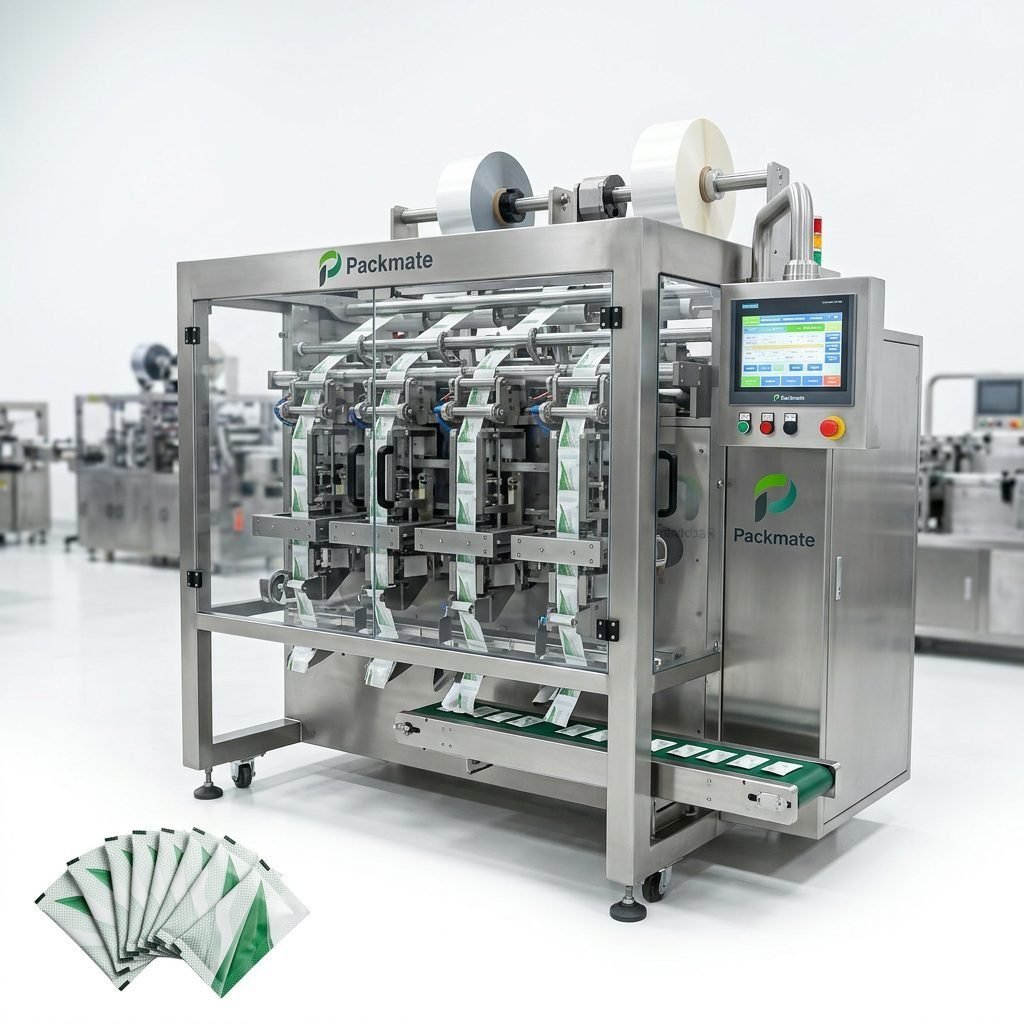
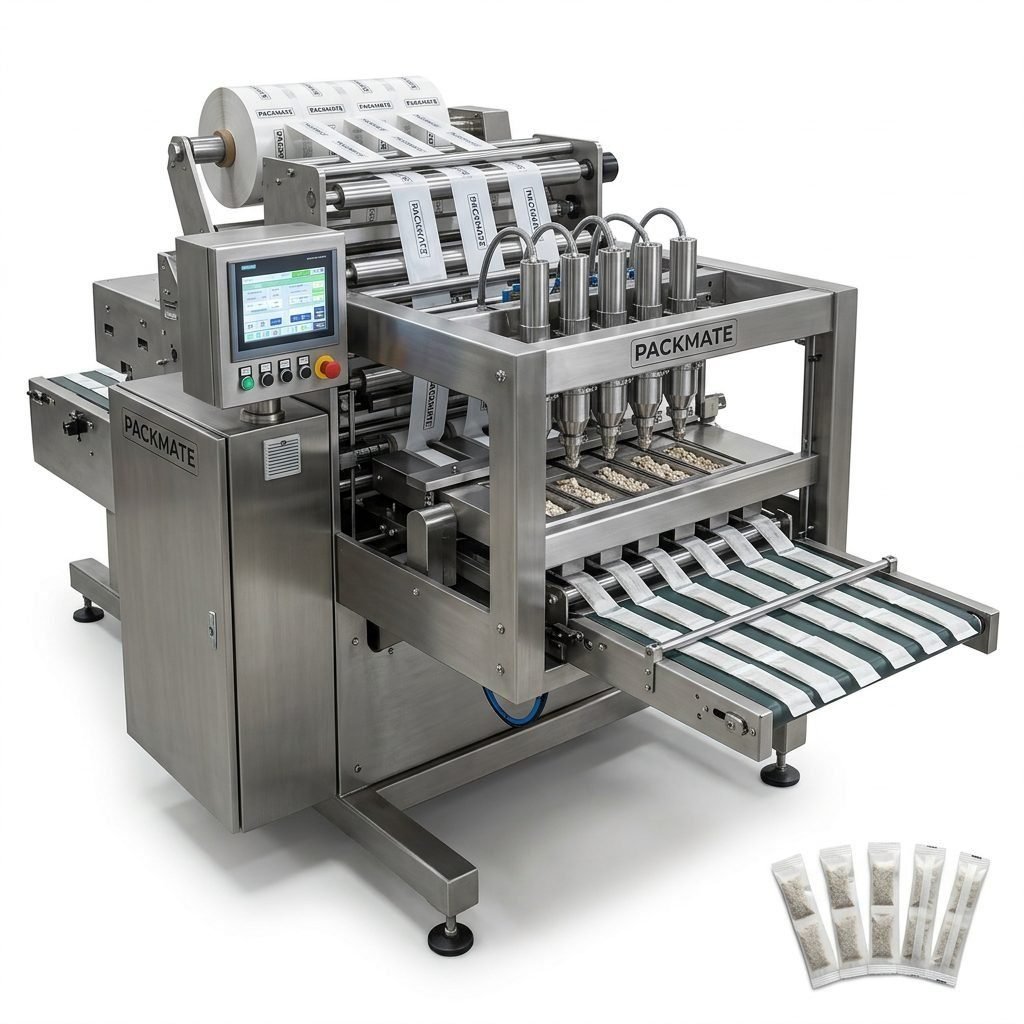
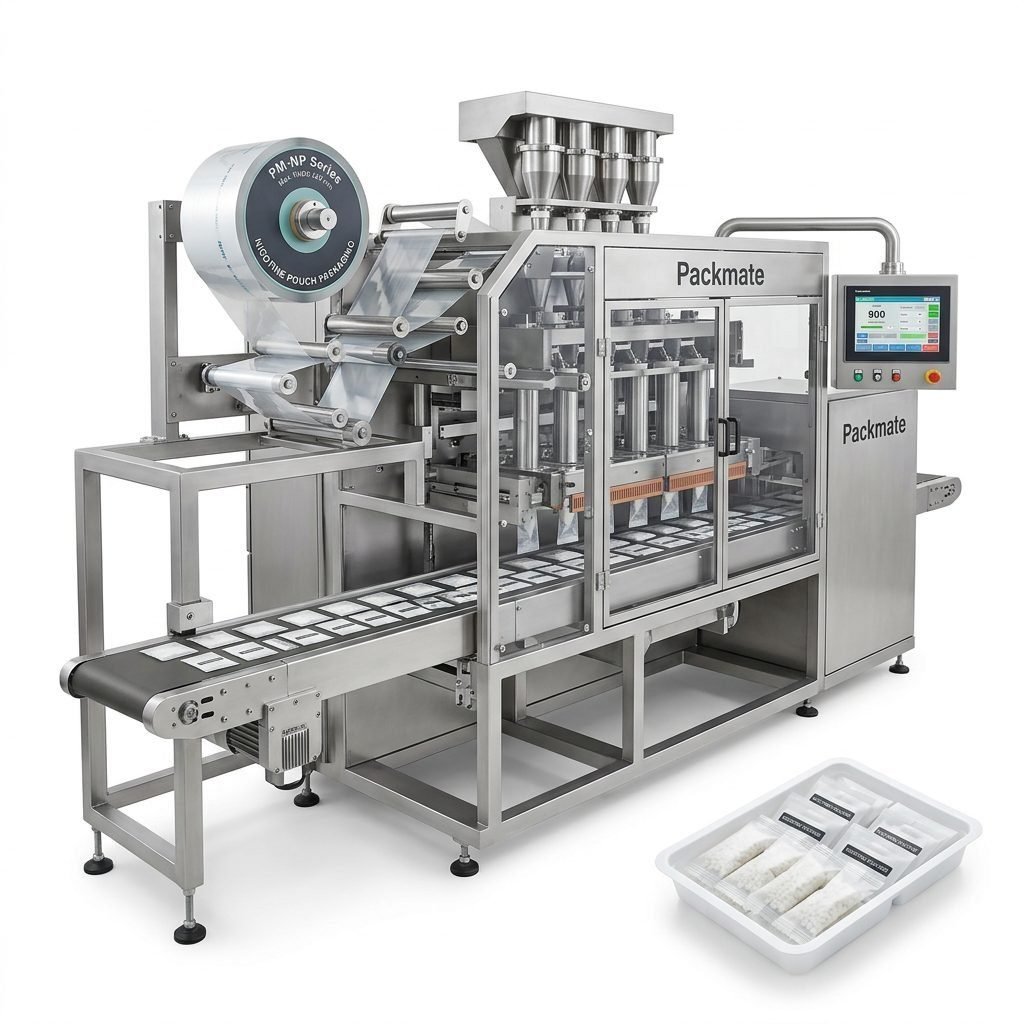
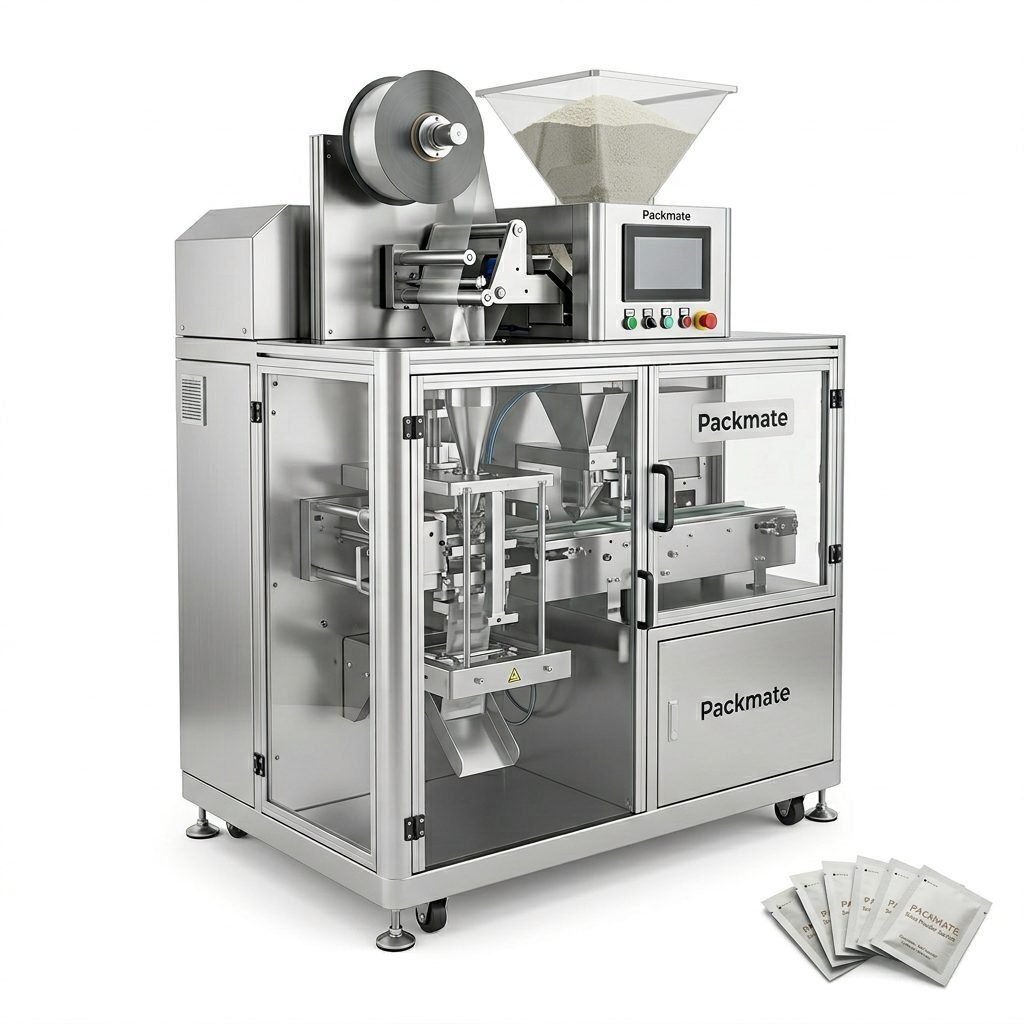
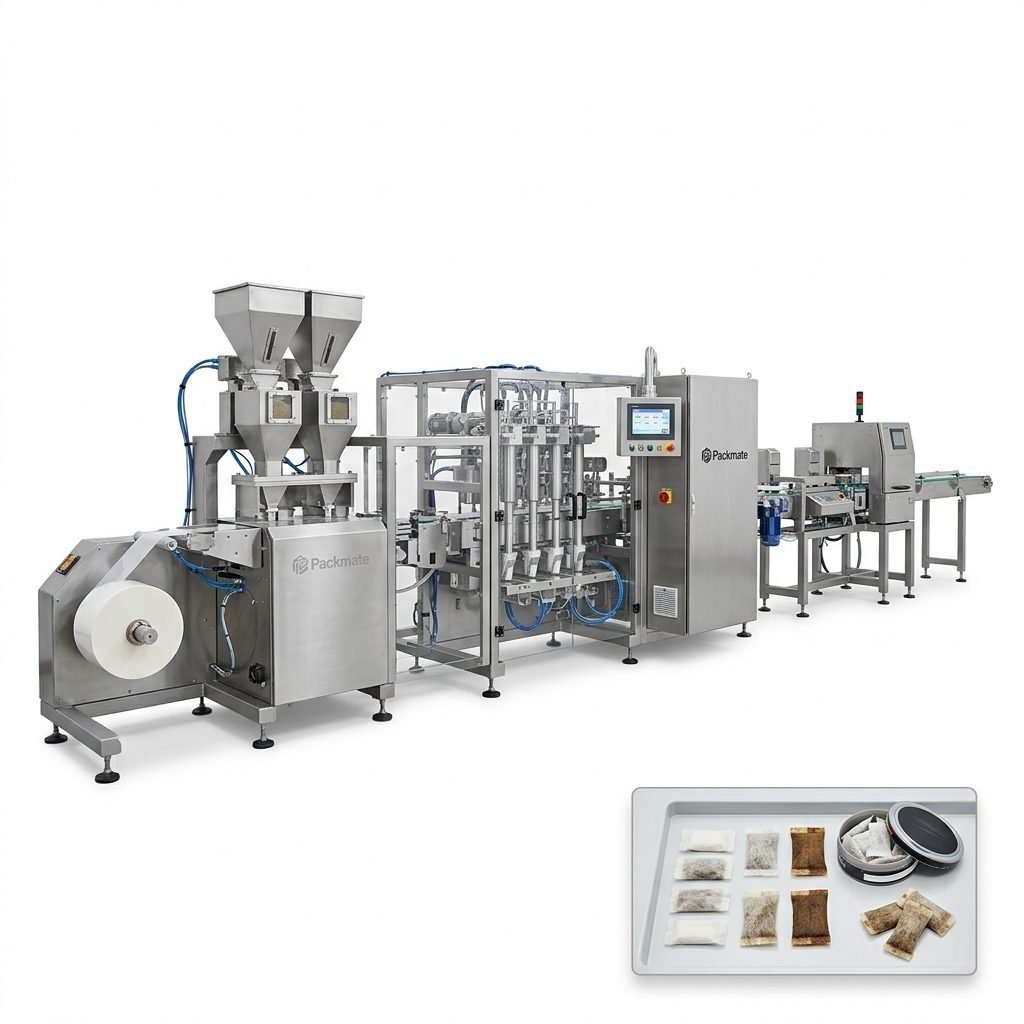
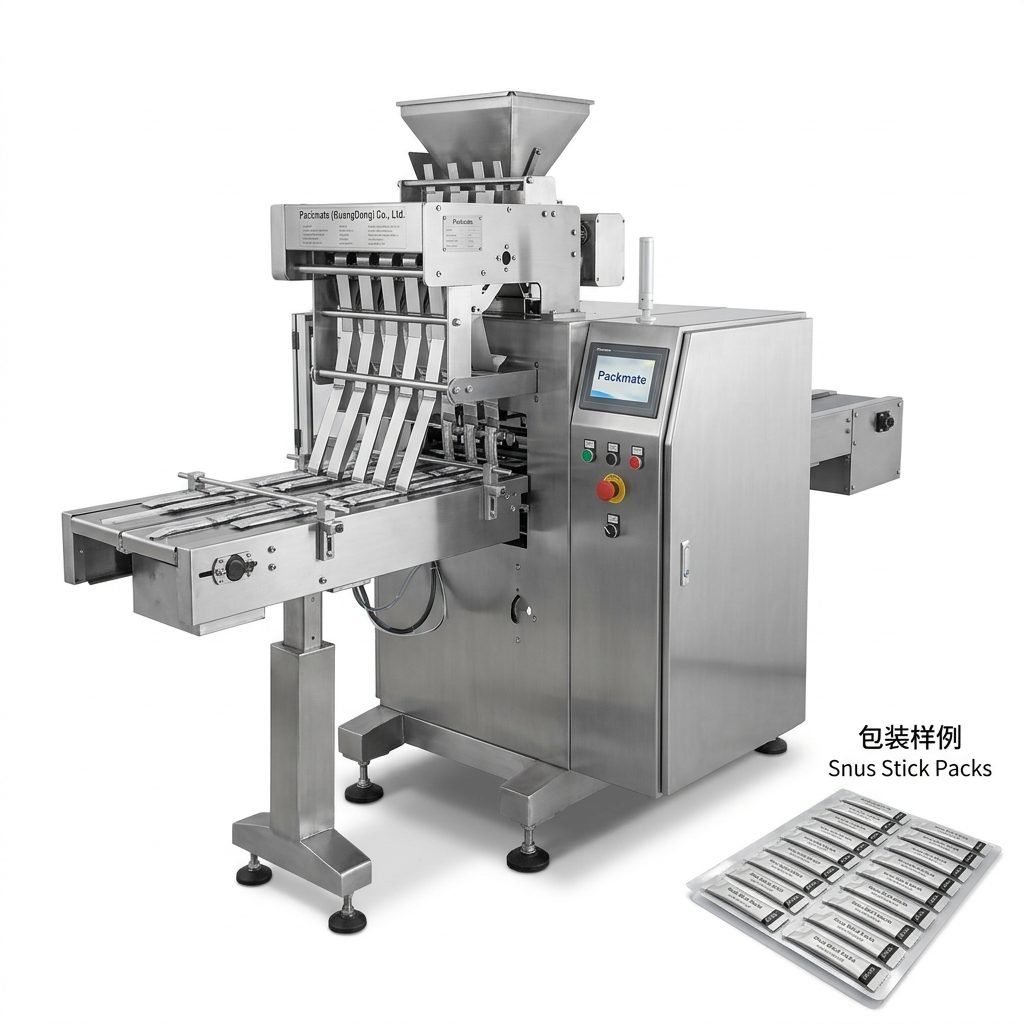
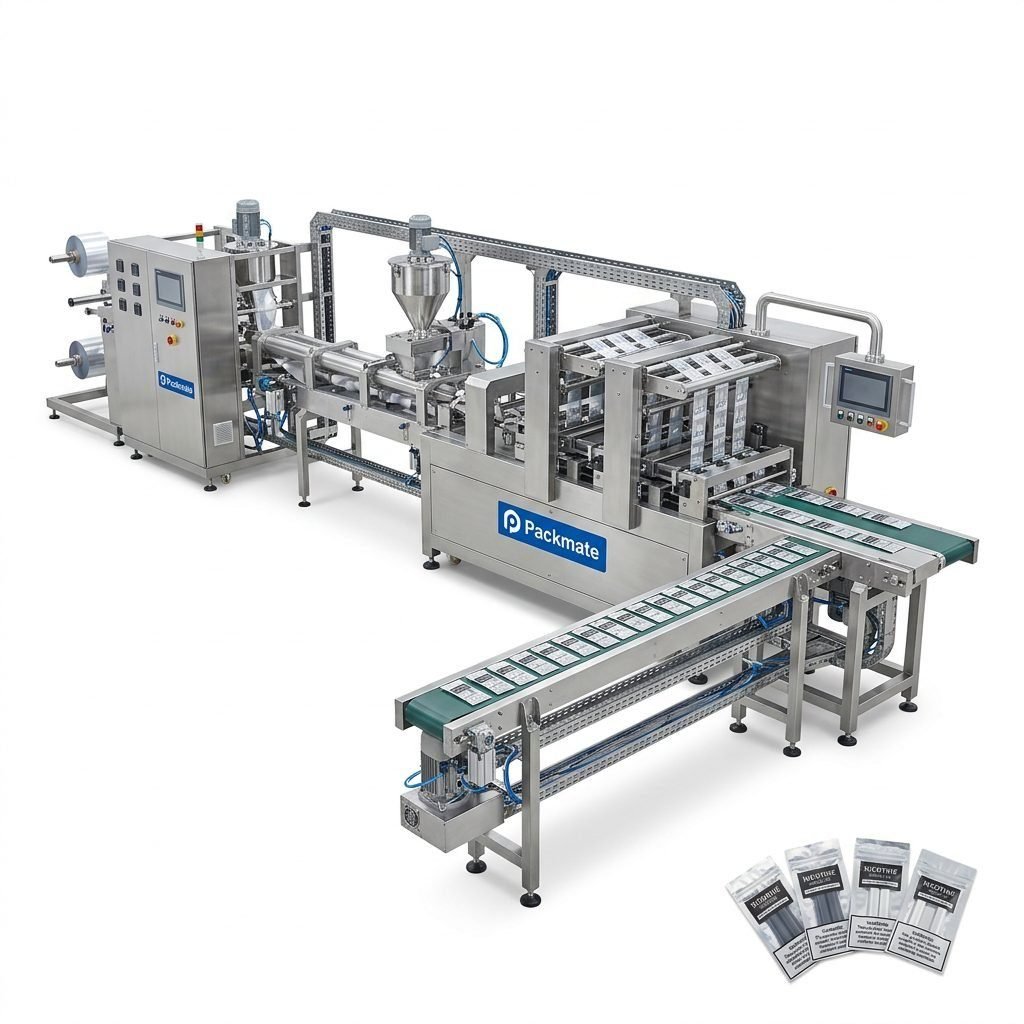
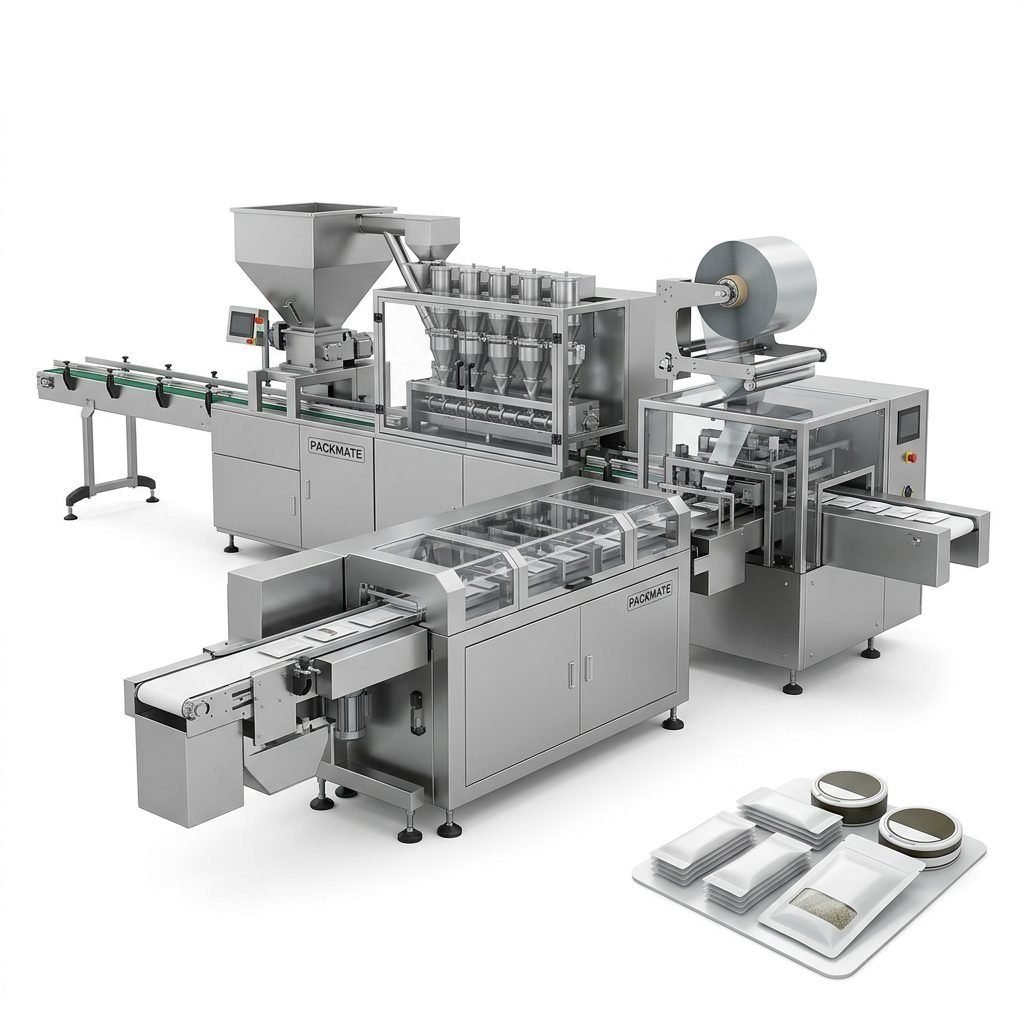
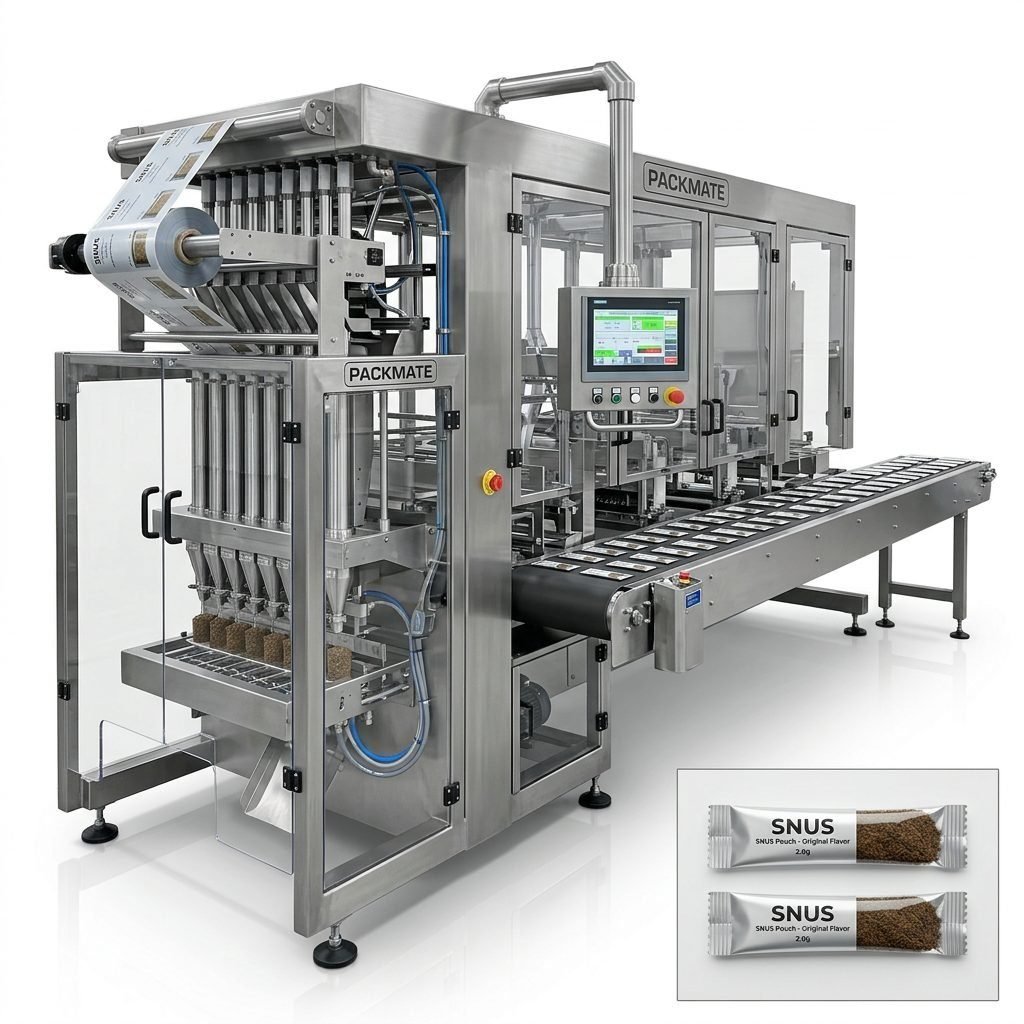
Packaging machinery must support consistent label placement, accurate pouch filling, and reliable sealing to help maintain compliance. Automated systems reduce human error for weight control and batch coding. High-precision multi-lane machines are commonly used for small-dose nicotine pouches to maintain uniform fill and minimize variance.
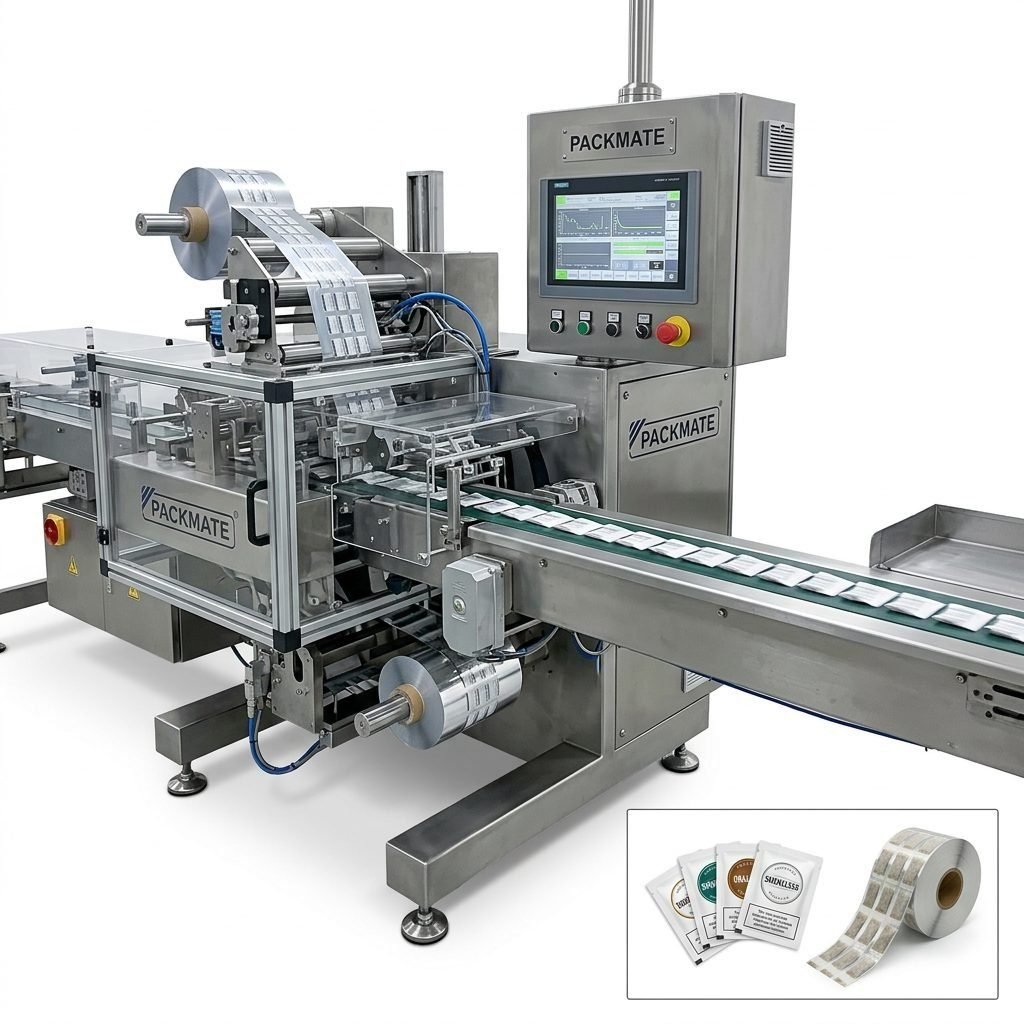
Consider equipment features such as integrated checkweighers, vision inspection for label content and print quality, inkjet or laser coding systems for batch data, and servo-controlled wrappers for exact sealing temperatures. If you are evaluating machines, review capabilities on trusted manufacturers’ product pages such as
Snus & Nicotine Packaging Machines and
Bag & Pouch Packaging Machines.
Automated quality controls to prioritize
Vision systems to detect missing warnings or incorrect language, metal detection for foreign bodies (where applicable), and inline moisture checks for pouch humidity are practical investments. Implement alarms and automatic stoppage for out-of-spec fills or failed seal detection.
Best Practices for a Compliance-Driven Packaging Program 🛠️
A reliable compliance program integrates regulatory review, quality control, supplier management, and training. Assign a responsible compliance owner, maintain an updated regulatory matrix for target markets, and schedule periodic label audits to ensure continued conformity as rules evolve.
Operational checklist (high level):
- Regulatory matrix updated quarterly
- Pre-production label proofs and sign-offs
- Incoming material CoAs and supplier audits
- Inline QC for labeling, coding and sealing
- Full batch documentation stored in retrievable format
International Market Entry: Practical Steps 🌍
When launching a nicotine pouch product in a new market, begin with a regulatory gap analysis. Determine notification or registration requirements, translate mandatory labels into official languages, and test packaging materials under expected supply chain conditions. Engaging local regulatory consultants or authorized representatives early reduces costly rework.
For turnkey production capabilities and advice on multi-lane packaging lines that serve international demand, engineering partners with industrial experience in snus packaging can help accelerate time-to-market and ensure equipment selection matches compliance needs. Explore proven solutions such as
Sachet & Stick Pack Machines and
Filling & Packaging Lines.
Documentation and Technical Files 📚
Maintain a technical file containing product specification sheets, ingredient lists, migration and stability test reports, packing drawings, label proofs, batch records, and supplier CoAs. These files are often requested during regulatory reviews or by import authorities and should be organized and indexed.
How long to retain documents?
Retention periods vary by jurisdiction, but a common practice is to retain commercial and technical documentation for at least two to five years after the last production date for the product. Check local legal requirements and any customer-specific clauses.
Case Example: Combining Compliance and High-Performance Packaging
A manufacturer launching a flavored nicotine pouch in multiple regions implemented a multi-lane pouch line with integrated vision inspection for label language accuracy and a laser coder for indelible batch marking. The result: fewer label rejections, improved traceability, and faster recalls when necessary. For equipment and turnkey line options, companies can review supplier case studies and production references such as the manufacturer’s Case page and contact their service team via the Contact Us page.
Practical Tips for Suppliers and OEMs 🧩
– Keep sample packs and packaging reels as retained evidence.
– Use serialized dummy packs during validation runs to test label placement and readability.
– Maintain a change-control process for any artwork or material changes that could affect compliance.
– Train production and QC staff on recognizing non-conforming labels and pack defects.
Quick compliance checklist before a production run:
- Finalized multilingual label proofs signed off
- Batch coding system configured and tested
- Materials CoAs verified and accessible
- QC inspections and vision parameters set
- Retention sample plan and storage ready
Summary: Balancing Compliance and Commercial Needs
Packaging nicotine pouches requires a systems-level approach: regulatory awareness, robust labeling practices, child-safety design, validated materials, and machine capabilities that support consistent production. Investing in proper documentation, inline QC technology, and supplier partnerships helps reduce regulatory risk and improves market confidence.
Need more help?
For manufacturers exploring compliant production lines, equipment providers with expertise in snus and nicotine pouch packaging can provide tailored solutions. Review product categories and technical offerings on pages such as
Weighing & Packaging Systems and contact suppliers for specification sheets and validation protocols.
Common Questions
Q: Are nicotine strength values required on every pack?
A: In most jurisdictions where nicotine pouches are regulated, nicotine strength (mg per pouch or mg/g) must be clearly stated. Confirm with local authorities for exact numeric formats and decimal rules.
Q: Do I need child-resistant packaging for retail pouches?
A: Many markets require child-resistant features for nicotine products. The specific design and testing method vary; consult national guidance and consider third-party child-safety testing where required.
Q: How long should I keep technical files and retention samples?
A: Retention times differ by market, but a standard approach is 2–5 years after production. Keep documentation that demonstrates compliance and supports product investigations.
Q: What machine features most improve compliance?
A: Vision inspection for label and warning placement, reliable batch coding systems (laser/inkjet), checkweighers, and automated rejection for non-conforming packs are high-value features.
Q: Where can I find turnkey solutions and machine references?
A: Explore supplier product pages and case studies to evaluate fit-for-purpose lines. Relevant resources include the manufacturer’s About Packmate and Service pages for after-sales and validation support.