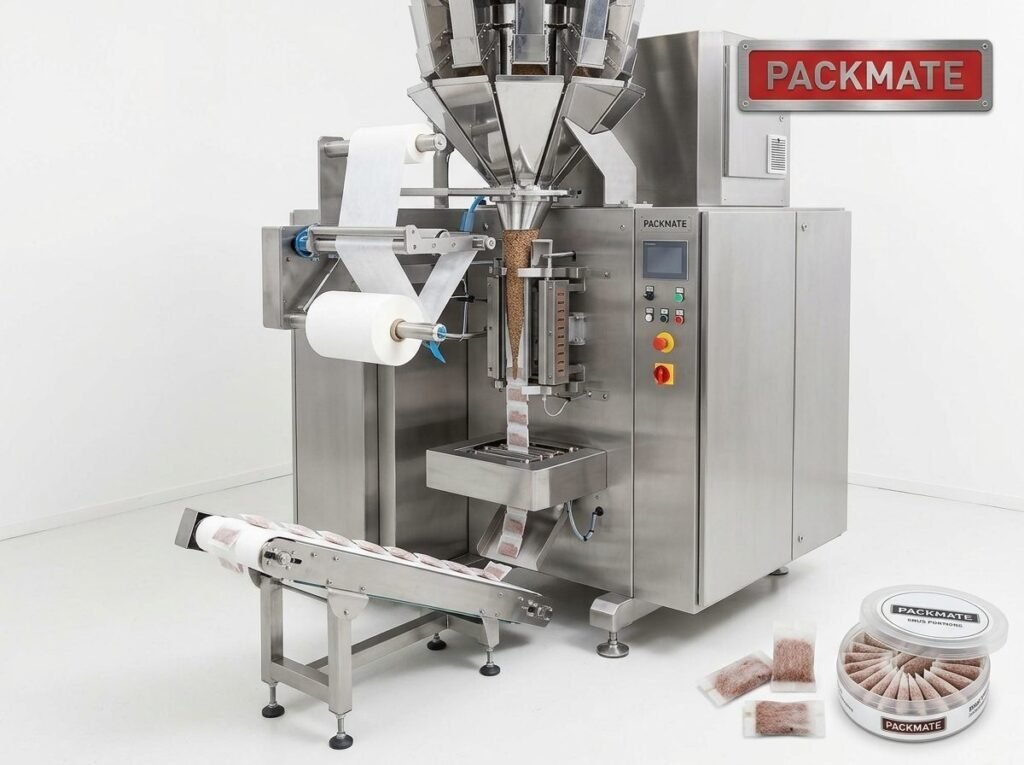
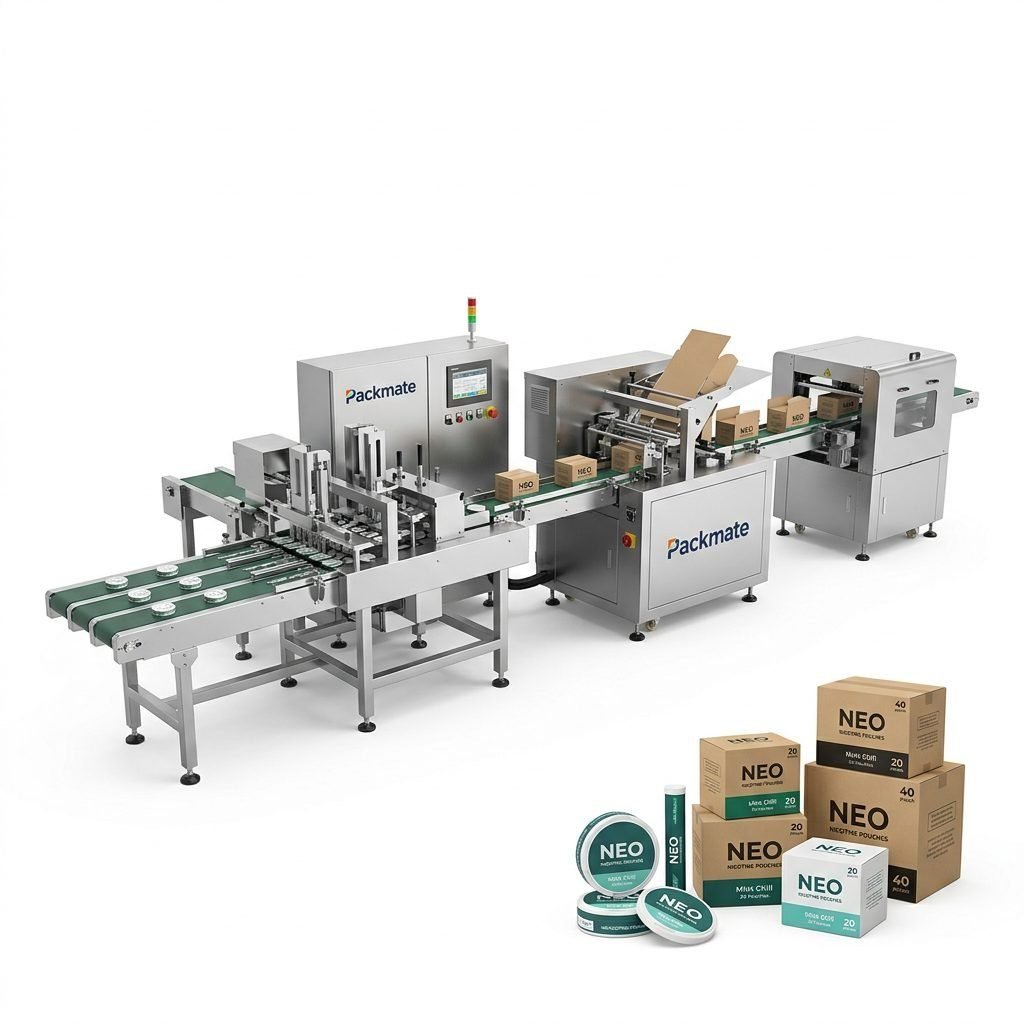
Choosing the right snus packaging machine in Indonesia requires a practical mix of technical knowledge, supplier vetting, and a clear understanding of your production goals. This guide walks you through everything from machine types and production planning to regulatory compliance and after-sales support so you can make a confident, ROI-driven decision.
Why Choosing the Right Snus Packaging Machine Matters
The wrong machine can cost time and money through breakdowns, poor package quality, or non-compliance with local regulations. A well-chosen packaging line not only protects product integrity but also improves throughput, minimizes waste, and supports consistent branding. In the growing Indonesian market for nicotine pouches and snus, reliability and scalability are especially important.
Key Benefits of a Properly Matched Machine
✔️ Higher uptime through robust engineering, ✔️ Consistent portioning for small-dose products, and ✔️ flexible format changeovers that support product diversification.
Types of Snus Packaging Machines to Consider
Different packaging formats require different machinery. Understanding the main machine types helps narrow choices fast:
Stick Pack Machines
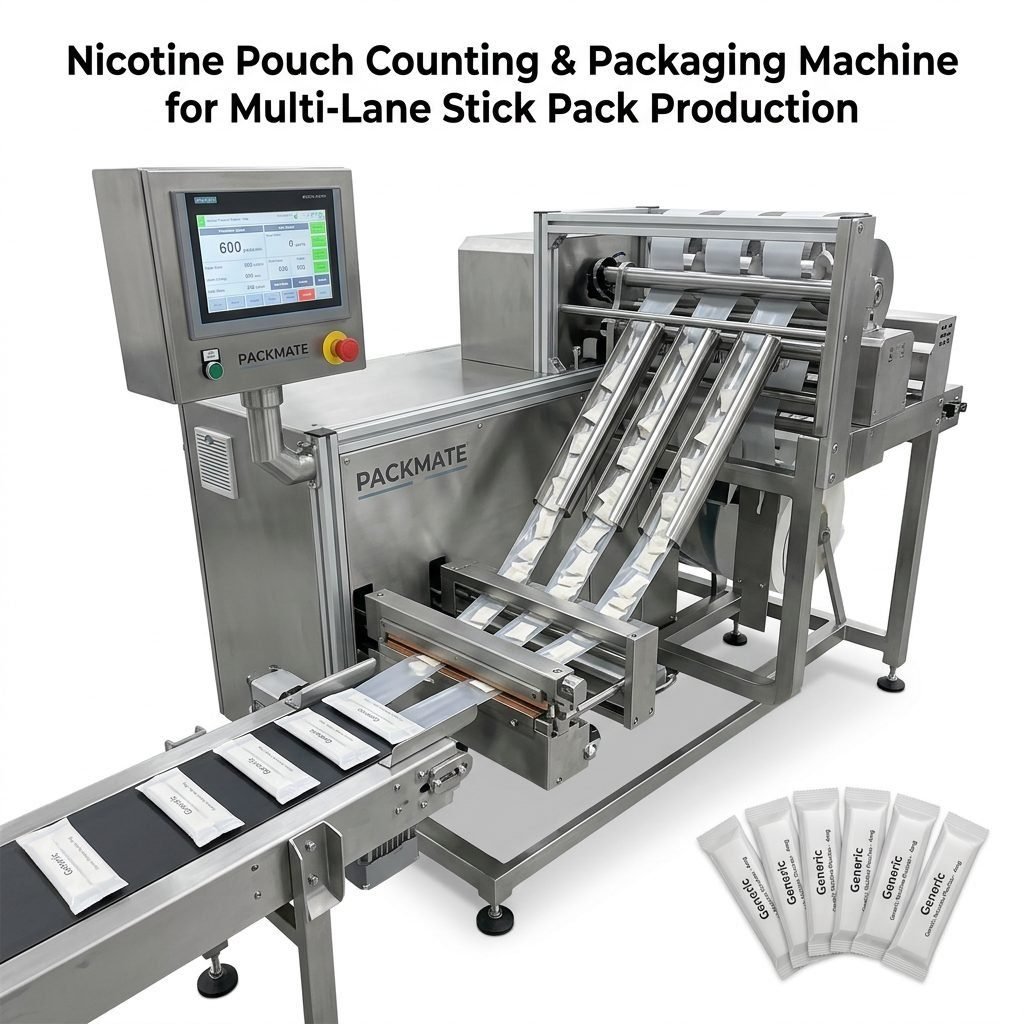
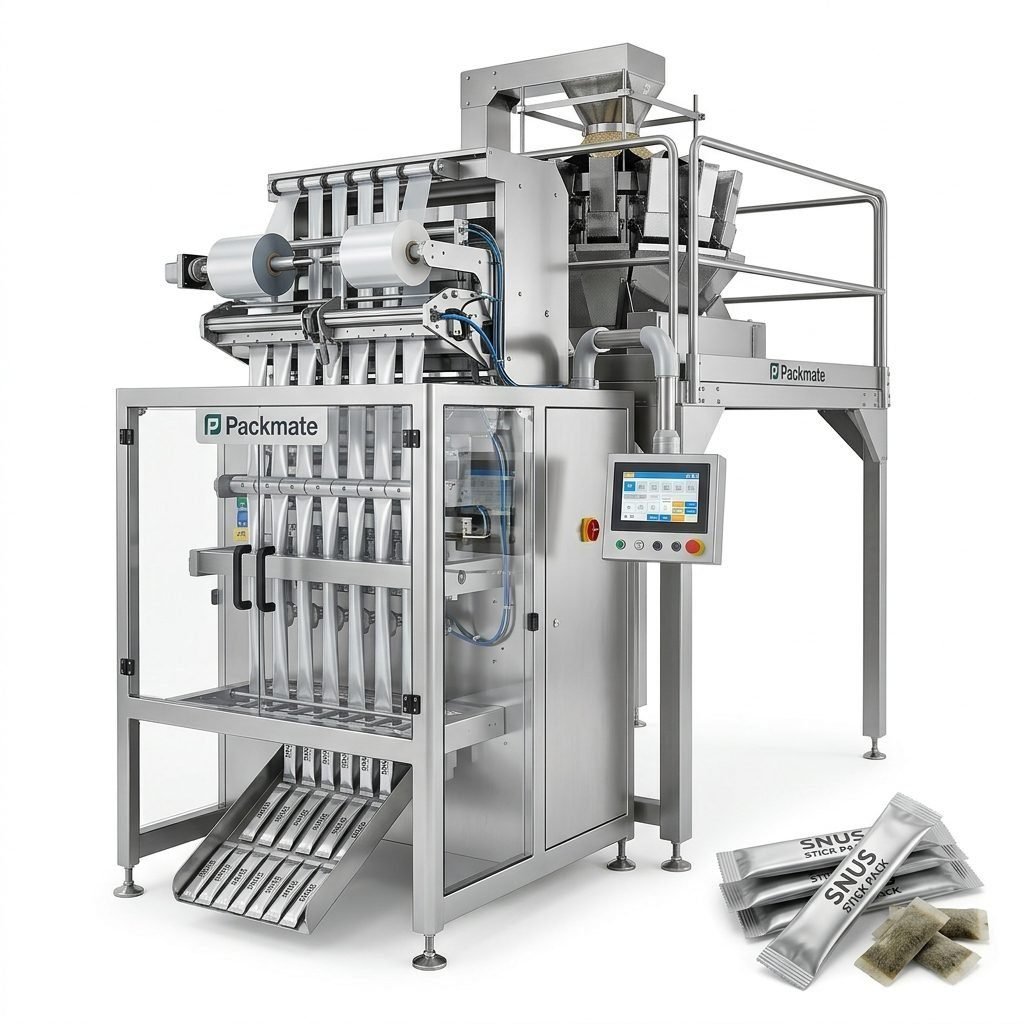
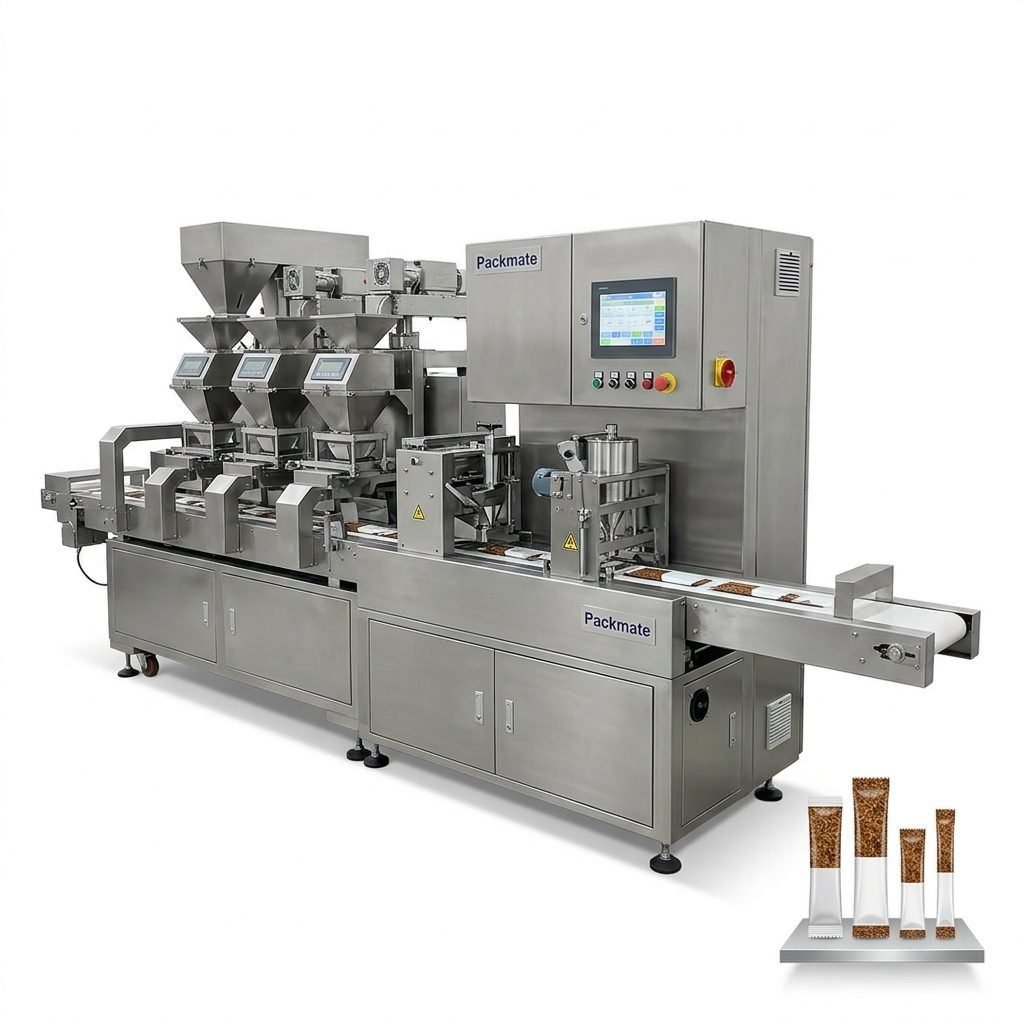
Ideal for single-dose, stick-style nicotine pouches. Stick pack machines offer fast speeds and compact packaging. If your product is sold as single-use sticks or sachets, these lines provide high output with minimal footprint.
Sachet & Multi-Lane Systems
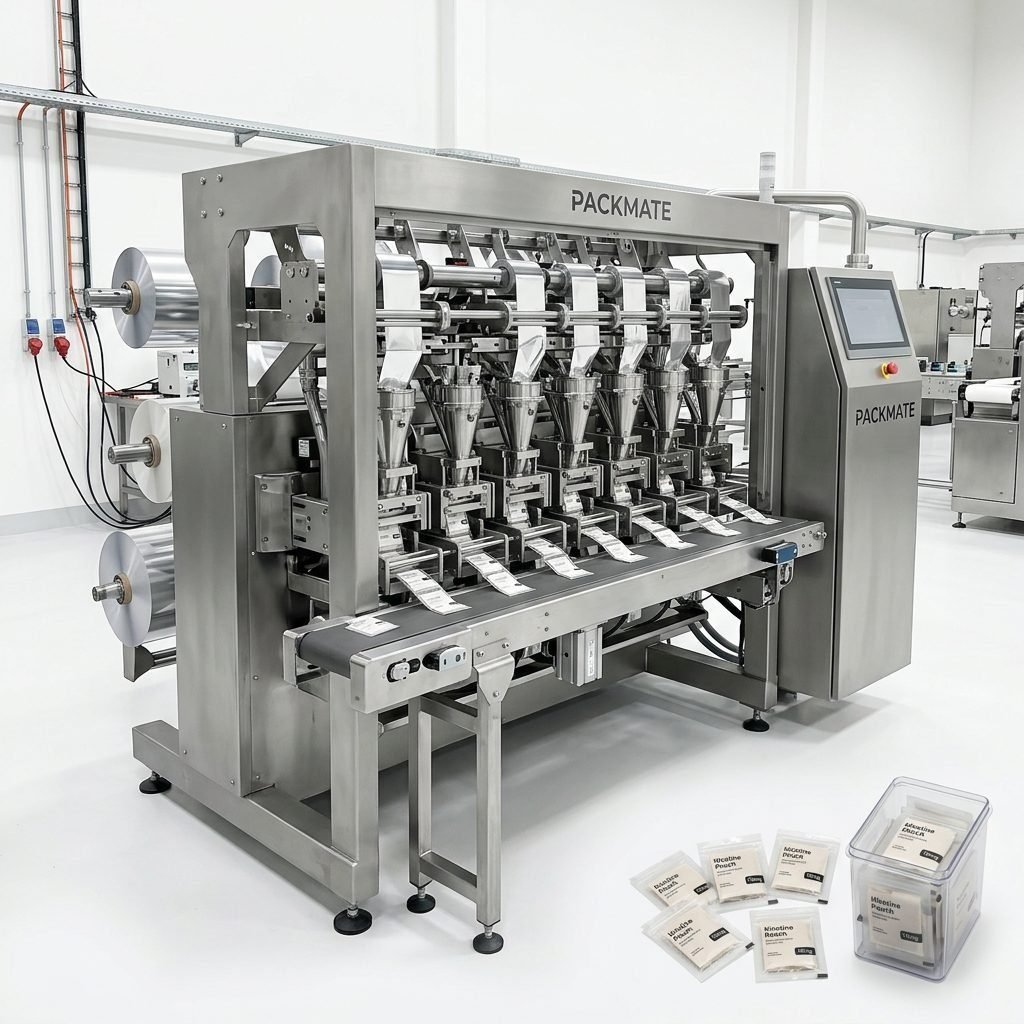
Multi-lane sachet systems are great for small-dose pouches produced in parallel lanes. They maximize throughput for small-dose formats and are commonly used in professional snus production.
Learn more about available models at Sachet & Stick Pack Machines.
Pouch & Bag Machines
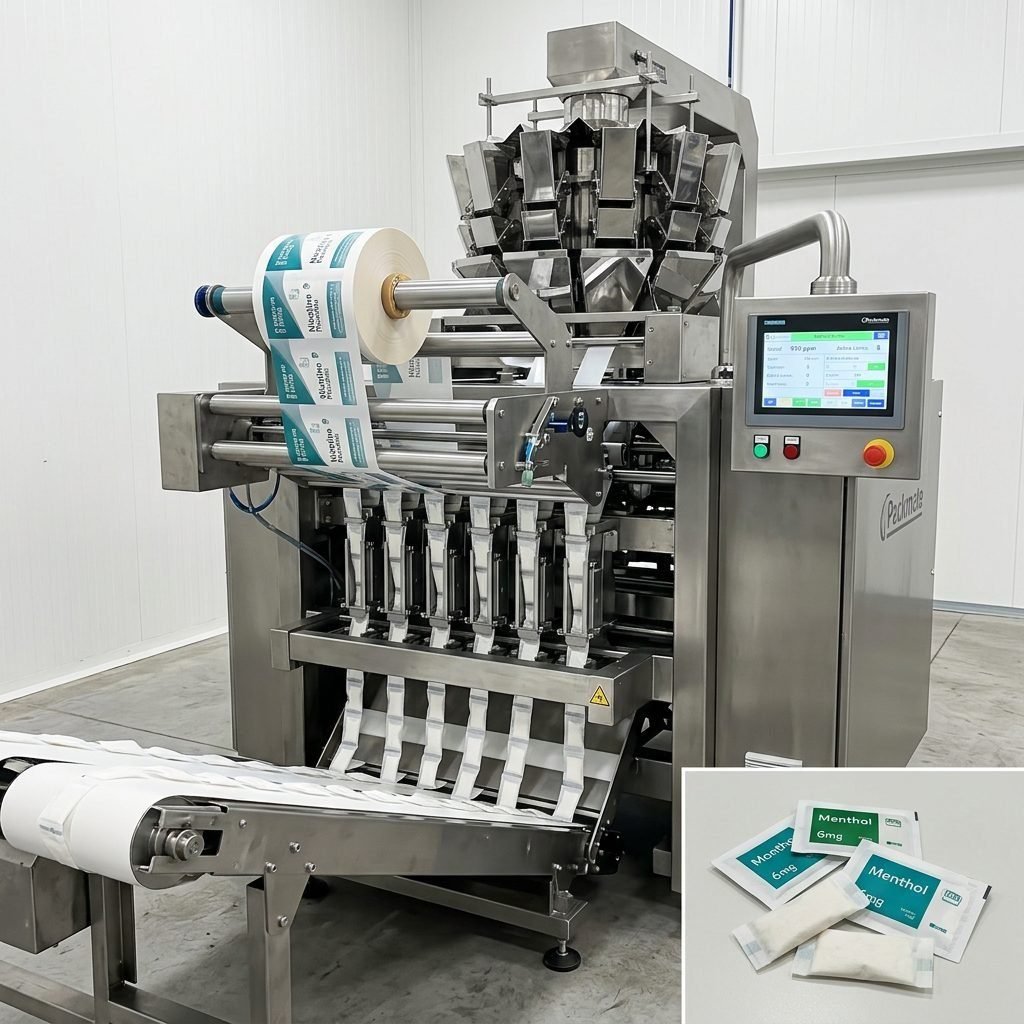
For pouchified snus or nicotine sachet sets, bag & pouch packaging machines deliver sealed, branded pouches that are shelf-ready. See product options at Bag & Pouch Packaging Machines.
Essential Selection Criteria
Evaluate machines across several technical and commercial axes to ensure long-term success. Below are the most decisive factors.
1. Production Capacity & Speed
Estimate daily and monthly output targets. Machines come with nominal speeds (bags/min or pouches/min); however, real-world output depends on operator skill, product characteristics, and downtime. Choose a machine with headroom above your current requirement to accommodate growth.
2. Product Format & Compatibility
Material type (paper, foil, laminated films), pouch size, and fill type (powder, granule, or wet mix) determine which filling and forming modules are required. A flexible design reduces future capital expenditure when launching new SKUs.
3. Accuracy & Portion Control
For nicotine pouches, portion accuracy is non-negotiable. Look for proven weighing or dosing systems with tight tolerances and minimal drift over long runs.
4. Automation & Integration
Consider upstream (weighing, filling) and downstream (cartoning, palletizing) integration needs. Modern PLC/HMI controls with recipe management simplify format changeovers and ensure repeatability.
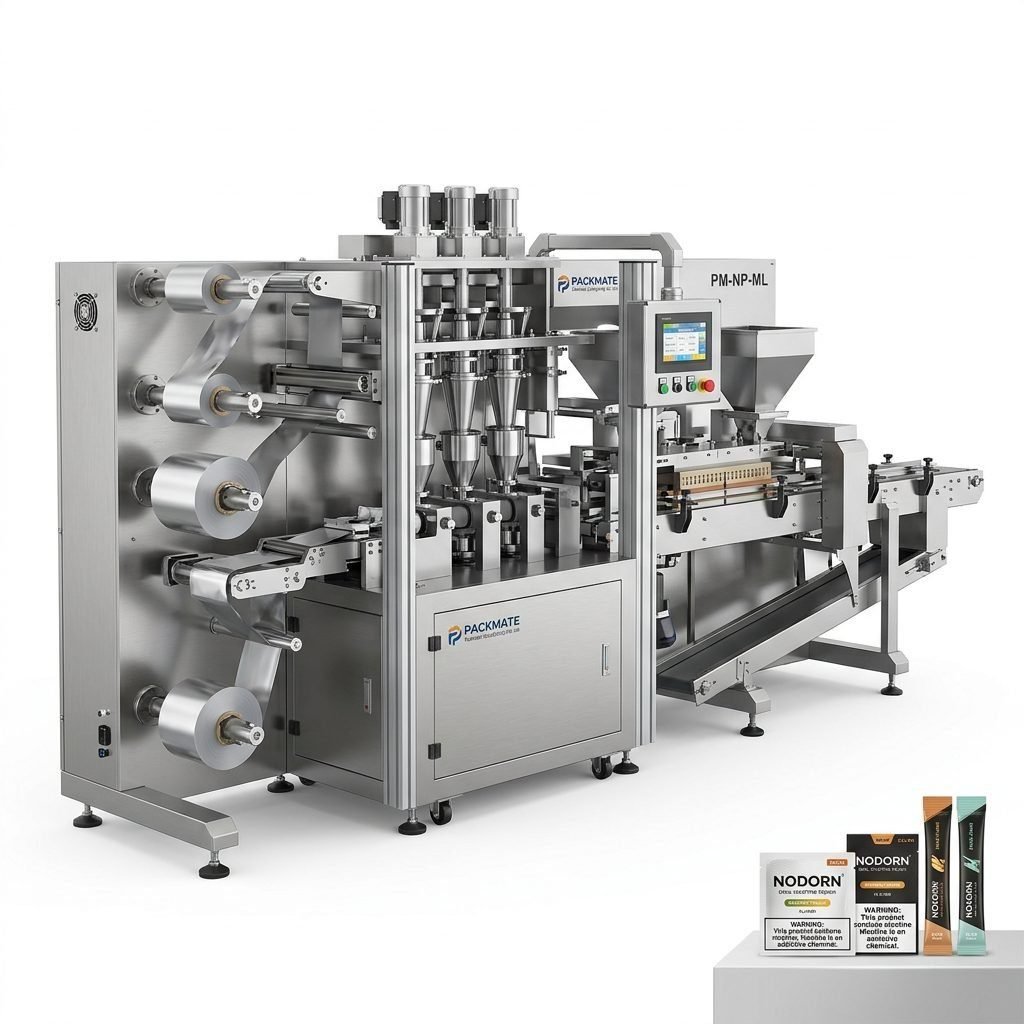
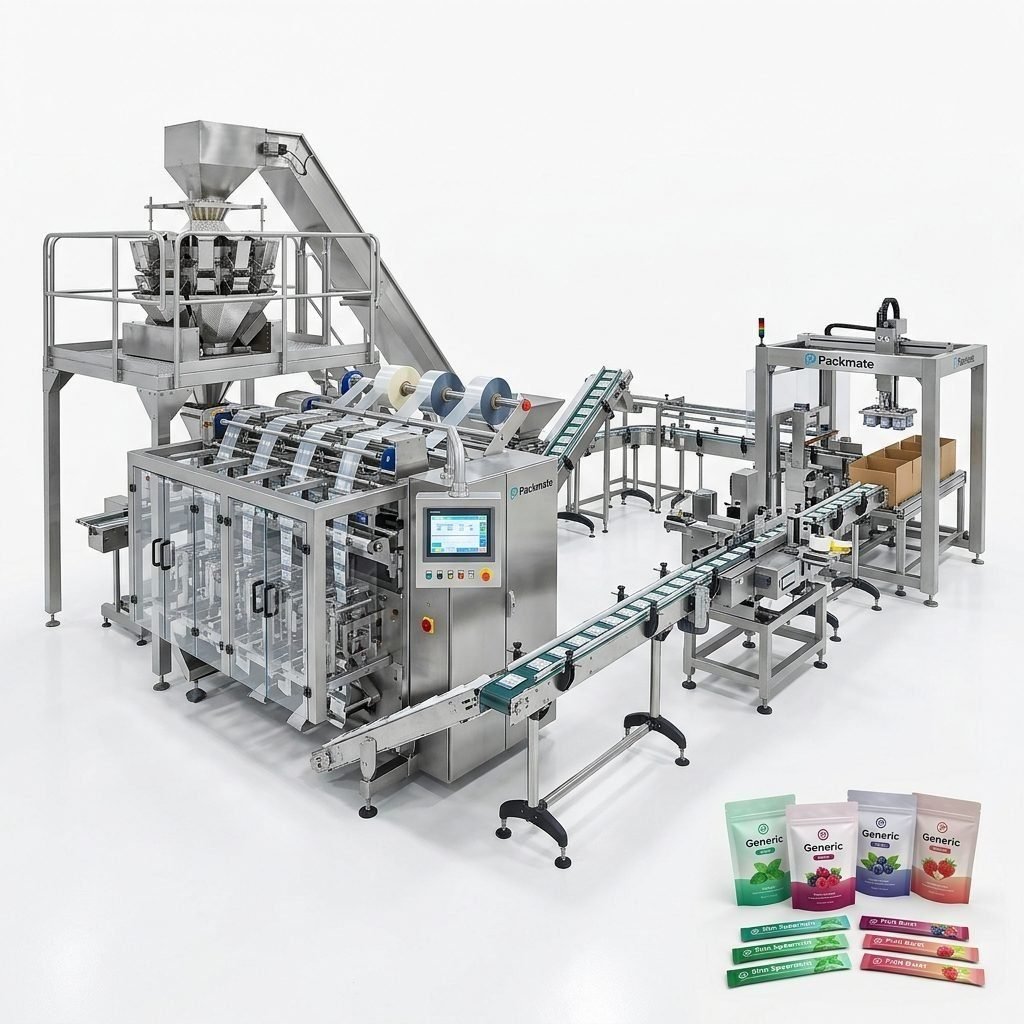
Packmate offers integrated solutions — explore full lines here: Filling & Packaging Lines.
Compliance, Certification & Safety
Machines must meet local and international safety and quality standards. CE and ISO certifications are common indicators of compliance and reliable engineering. Ensure the machine vendor provides documentation for electrical, mechanical and hygiene standards relevant to Indonesian regulations.
Important Certifications
⚠️ Ask for CE and ISO certificates, and confirm traceability for electrical components and safety interlocks. Verify compliance documentation before purchase.
Evaluating the Manufacturer & After-Sales Support
Manufacturer capability and service are as critical as machine specs. Long-term uptime depends on spare parts availability, technical training, and remote support options.
What to Verify with Suppliers
– Factory size and machining capabilities (CNC centers, assembly lines) — larger, specialized factories typically deliver better tolerances.
– Years of industry experience and relevant references for snus or nicotine pouch lines.
– On-site training, commissioning, and spare parts lead time.
– Local representation or authorized service partners in Indonesia.
Packmate Snus Machine, with 30+ years of engineering and a 20,000㎡ manufacturing facility, illustrates the type of manufacturer worth evaluating. Read more About Packmate and review case examples at Case.
Cost Considerations & Return on Investment
Budgeting for a packaging line includes machine cost, installation, tooling, spare parts, staff training, and ongoing maintenance. Compute ROI using expected throughput, product margin, and reduced labor/packaging waste.
Quick ROI Checklist
🔧 Calculate payback by factoring: machine throughput × product margin − operating costs. Include downtime assumptions and spare part inventory value.
Installation, Commissioning & Training
Professional installation and operator training reduce ramp-up time. Confirm vendor responsibilities: mechanical installation, electrical hookup, SAT (site acceptance test), and operator/caretaker training for routine maintenance.
Spare Parts & Preventive Maintenance
Maintain an agreed list of critical spares (seals, belts, sensors) and recommended preventive actions. A structured spares policy avoids long downtime in remote regions.
How to Run a Supplier Comparison
Use a consistent checklist for bids: machine specs, warranty, spare-part pricing, lead time, installation scope, and reference customers. Request factory acceptance testing (FAT) videos or live demos when possible.
Sample Comparison Table Items
• Nominal speed and tested speed
• Portioning accuracy
• Material compatibility
• Format changeover time and tooling cost
• Warranty & service terms
Real-World Considerations for Indonesia
Consider local utilities, climate, and logistics. High humidity can affect certain films and powders, so choose materials and machine finishes that resist corrosion. Also confirm import duties, shipping time, and installation availability to avoid surprises.
Local Support & Spare Part Stocking
Having a local parts stock or a vendor who can ship quickly to Indonesia is a major advantage. Ask potential suppliers about lead times for commonly replaced items.
Recommended Next Steps Before Buying
1) Define production targets and product formats.
2) Shortlist machines that meet production and material needs.
3) Request FAT videos and references.
4) Obtain total-cost-of-ownership estimates.
5) Confirm warranty, training, and spare-part commitments.
Pro Buyer Tip
📌 Negotiate a performance clause in the contract: specify minimum tested throughput and portion accuracy with penalties for non-compliance.
Where to Explore Machines & Support
Visit manufacturer product pages to review model ranges and technical brochures. For integrated snus solutions, check the Snus & Nicotine Packaging Machines catalog and the Weighing & Packaging Systems to understand upstream and downstream integration opportunities.
Seeing Machines Live
Attend trade shows or schedule a factory visit. Live demonstrations reveal real operating behavior and allow you to test format changes and cleaning procedures.
Learn when and where vendors exhibit: Our Exhibition.
Final Checklist Before Purchase
✔️ Production target confirmed
✔️ Material & format compatibility checked
✔️ FAT / demo reviewed
✔️ Warranty and spare parts terms agreed
If you want a quick consultation, vendors typically provide pre-sales support — contact the supplier to arrange assessments: Contact Us.
Conclusion
Selecting the right snus packaging machine in Indonesia is a strategic decision that affects product quality, cost structure, and scalability. Focus on production requirements, material compatibility, manufacturer capability, and post-purchase support. With careful evaluation and clear performance expectations, you can secure a packaging line that sustains growth and ensures consistent product delivery.
Frequently Asked Questions
Q1: How do I determine the right machine speed for my plant?
A1: Start with your target daily production and calculate the required pouches per minute considering shift length and expected uptime. Add 15–30% headroom for growth and unforeseen downtime.
Q2: Are multi-lane machines better than single-lane machines for snus pouches?
A2: Multi-lane systems offer higher throughput per machine footprint and are ideal for small-dose pouches. However, they can be more complex to maintain. Choose based on your production scale and maintenance capability.
Q3: What certifications should I request from a machine vendor?
A3: At minimum, ask for CE and ISO certificates, electrical component documentation, and hygiene-related compliance if your product has food-like regulations.
Q4: How important is local spare-part availability?
A4: Very important. Slow spare-part shipments can cause extended downtime. Prefer suppliers who maintain regional stock or guaranteed fast shipping to Indonesia.
Q5: Can the same machine handle different pouch materials?
A5: Many modern machines are designed for flexible material handling, but you should confirm compatibility for each film type and test with your actual materials during FAT or pilot runs.