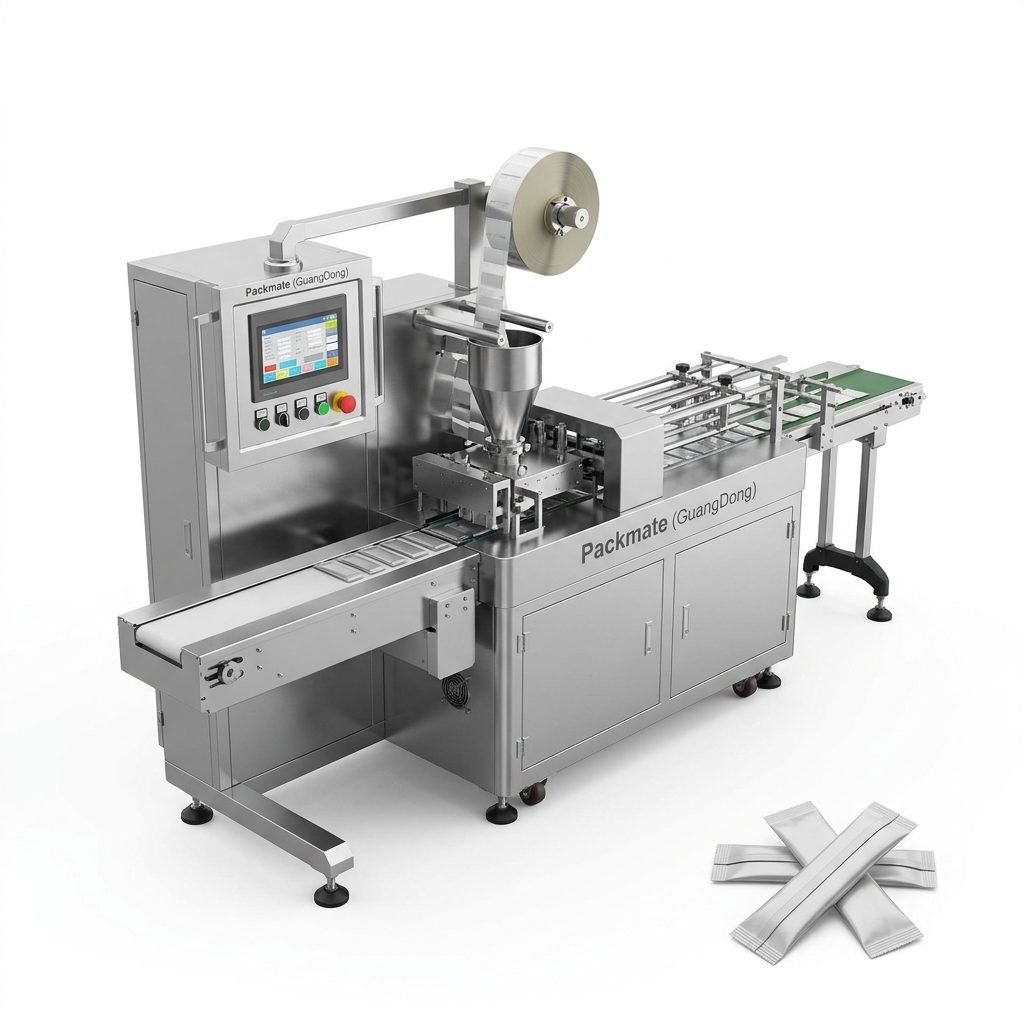
Choosing the right snus packaging machine for your operation in Croatia requires more than a quick search — it demands a clear understanding of product types, production capacity, regulatory compliance, and long-term service support. This guide walks you through every step, so whether you’re launching a new nicotine pouch line or upgrading existing equipment, you’ll know what questions to ask and which features truly matter.
Understand Your Product and Packaging Format
🔍 First, define the exact product you need to package. Snus and nicotine pouches vary in texture, fill weight, moisture, and particle size. These differences influence the ideal packaging format: stick pack, sachet, multi-lane pouches, or small-dose single sachets. Choosing a machine built for your product type avoids frequent jams and ensures consistent pouch formation.
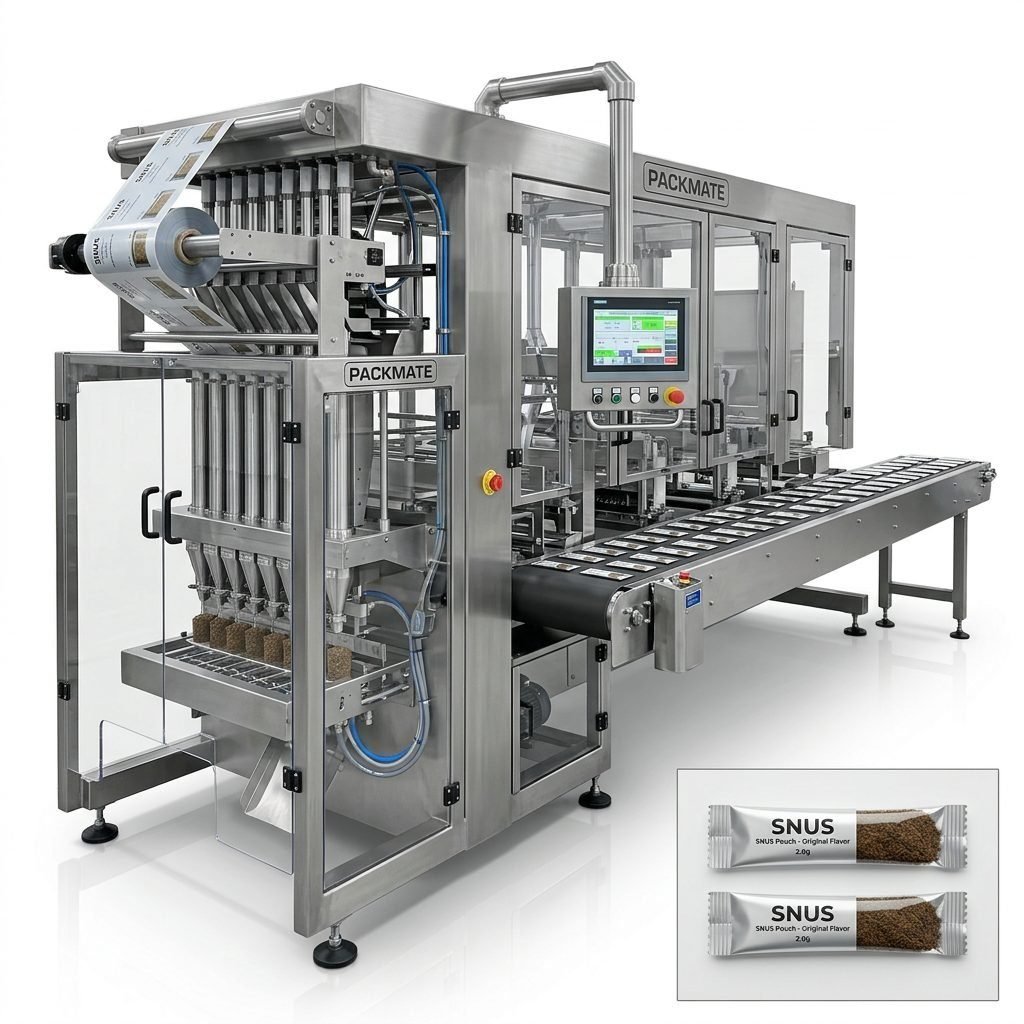
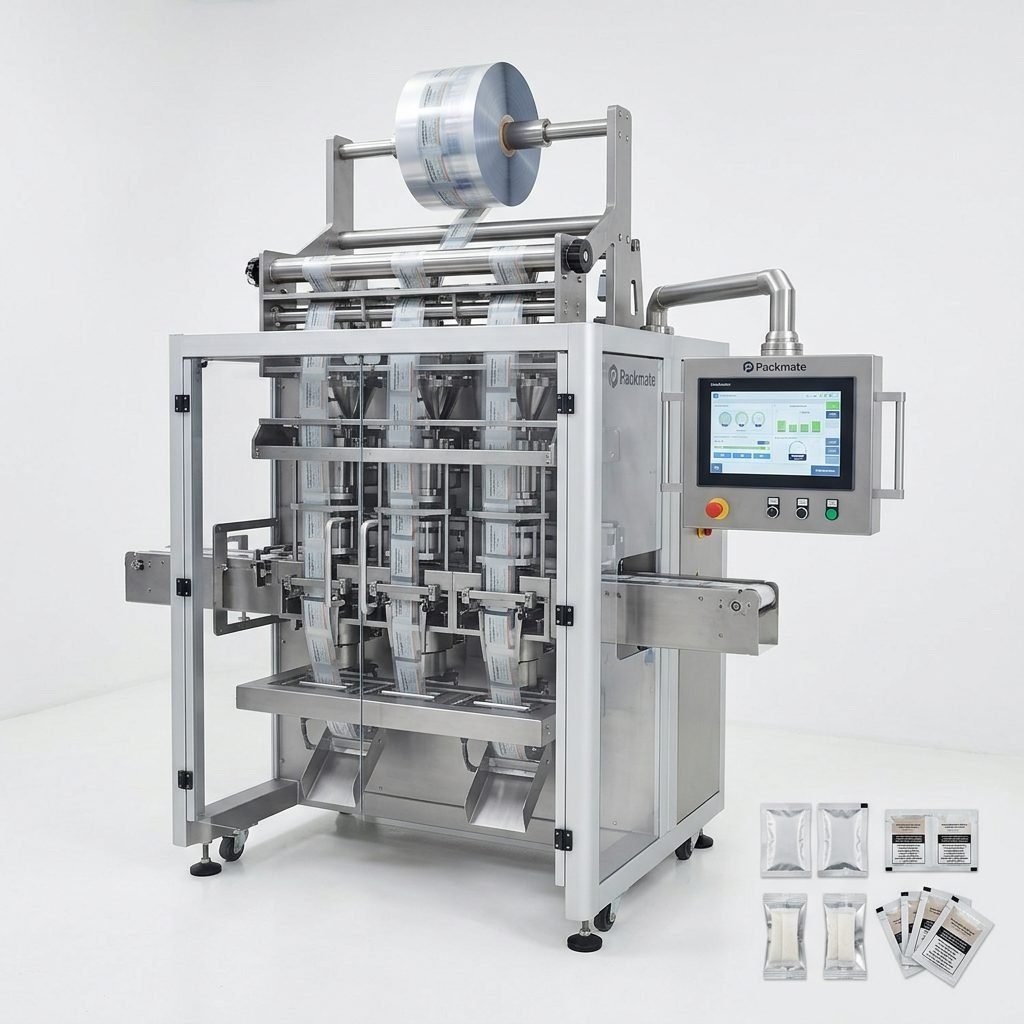
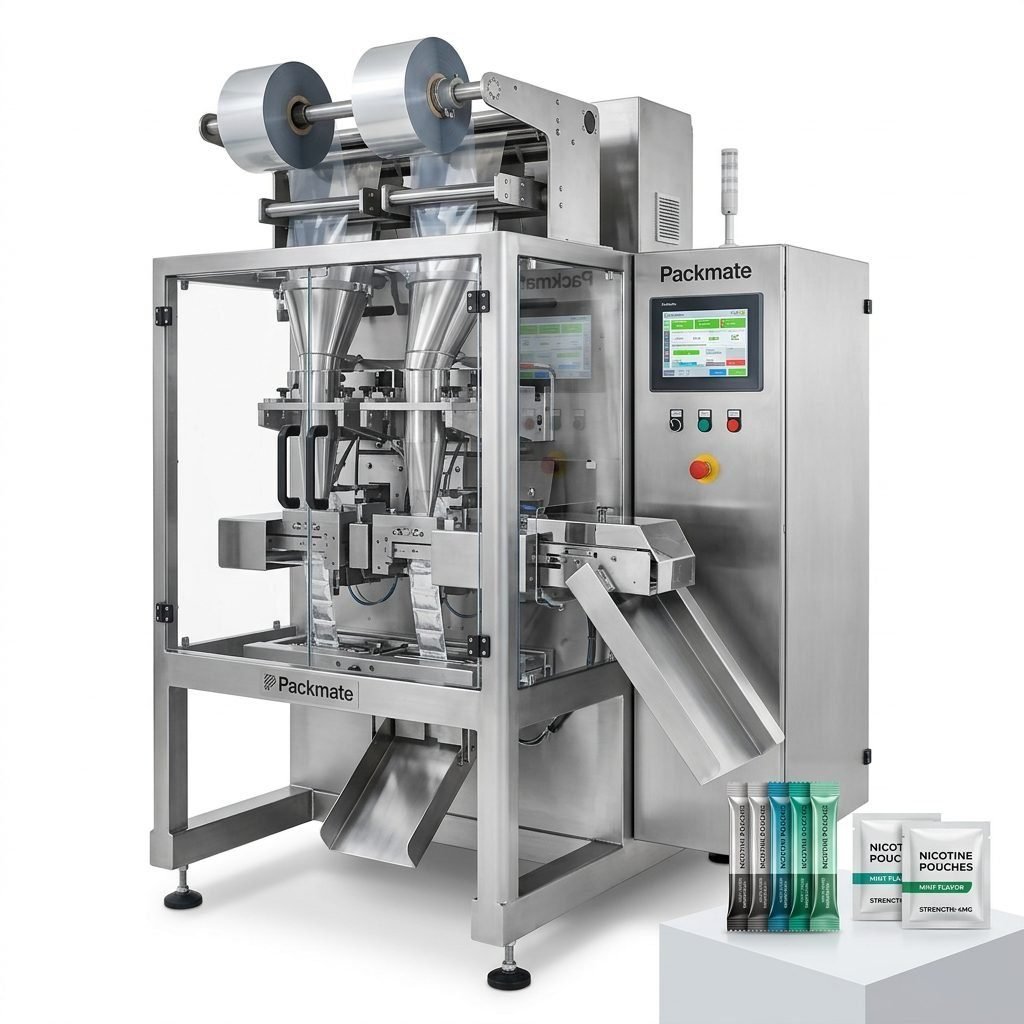
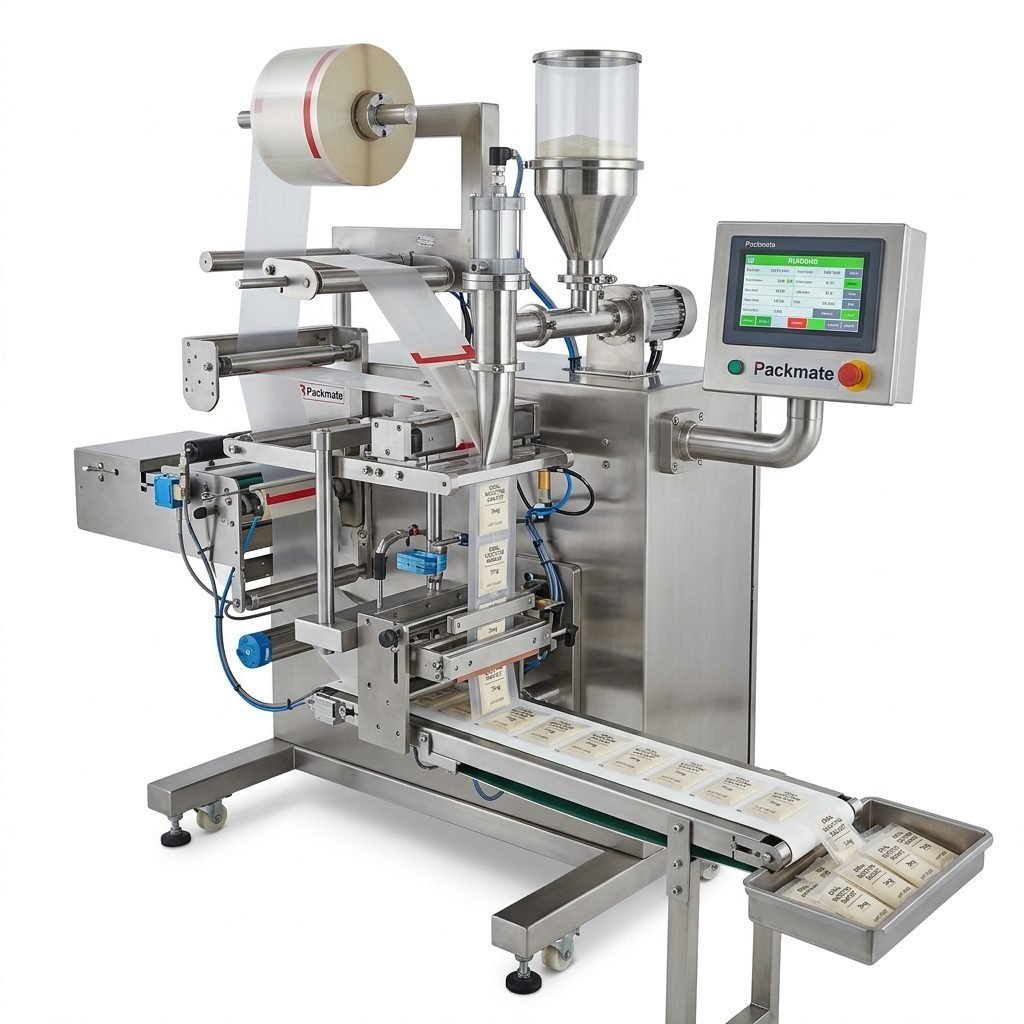
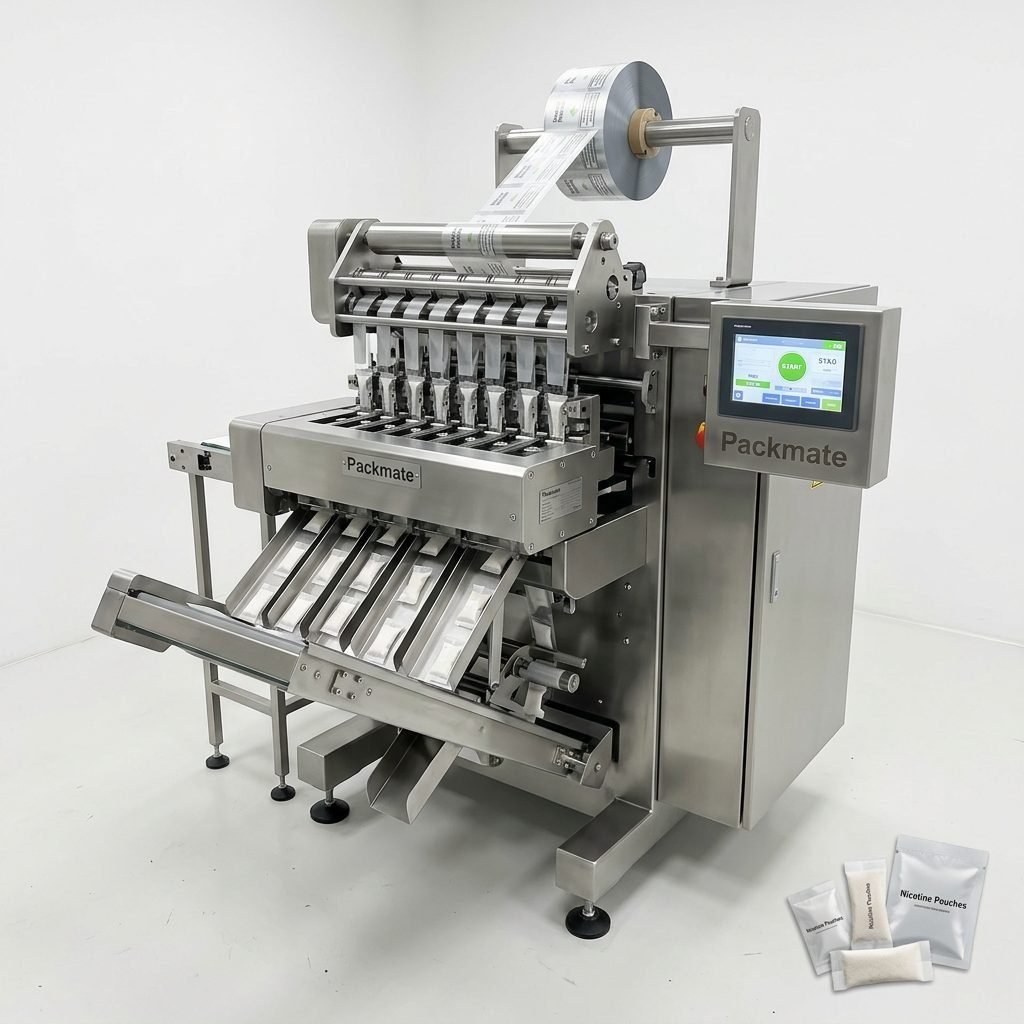
Key decision: determine whether you need single-lane precision for premium small-dose pouches or multi-lane high-speed production for mass output. Machines designed for nicotine pouches and snus are tuned for small-dose accuracy — look specifically at machines in the Snus & Nicotine Packaging Machines category: Snus & Nicotine Packaging Machines.
Production Capacity and Speed Requirements
⚙️ Establish your target output: daily, weekly, and monthly. Consider peak seasons or growth plans. Packaging lines differ dramatically in capacity — from compact machines suitable for 1,000s of pouches per hour to multi-lane systems exceeding tens of thousands per hour. Prioritize a machine that meets current needs but has headroom for growth.
Pro tip: when comparing machines, check both theoretical maximum speed and realistic run speed under your product conditions. Request on-site or video demonstrations that use your actual pouch material and filling formulation.
Machine Types and Which One Fits Croatia’s Market
Different packaging technologies serve different business models:
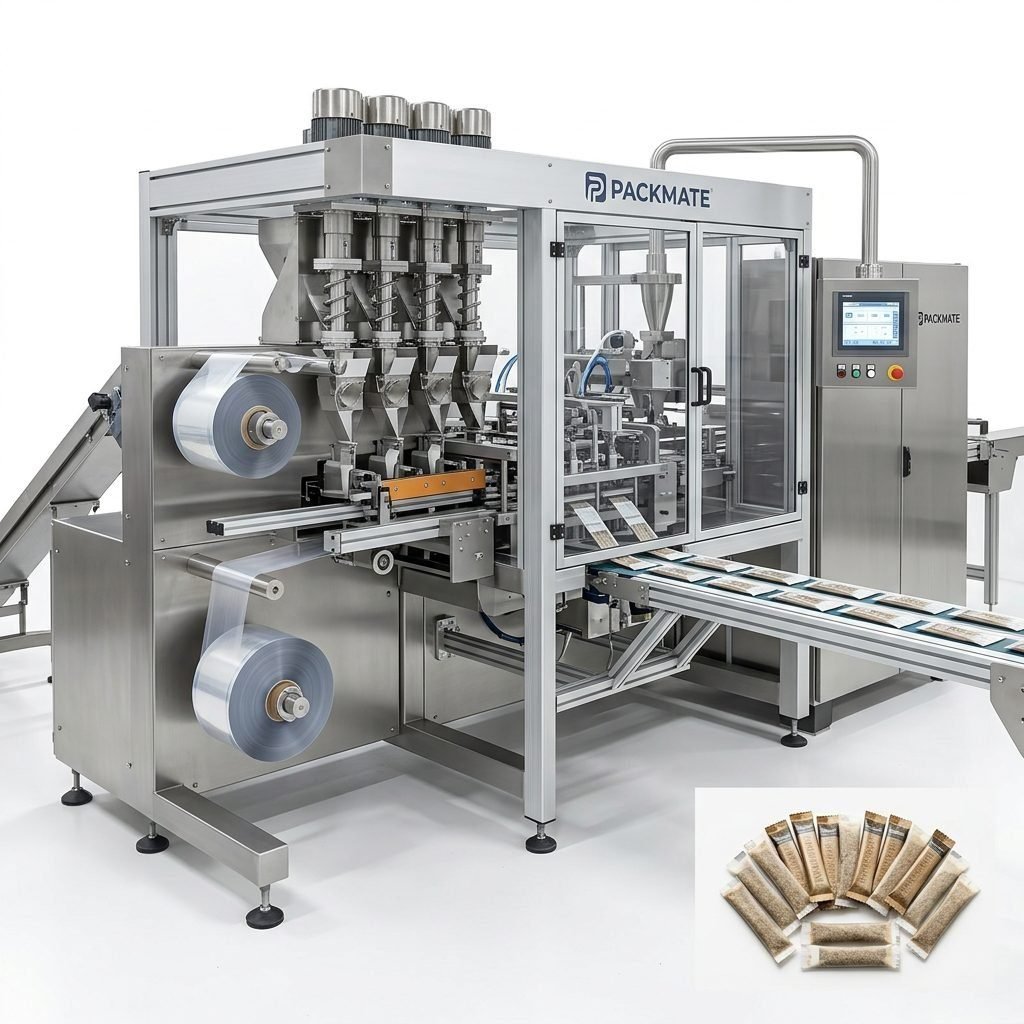
• Stick pack machines: compact, ideal for single-dose or flowable formulations.
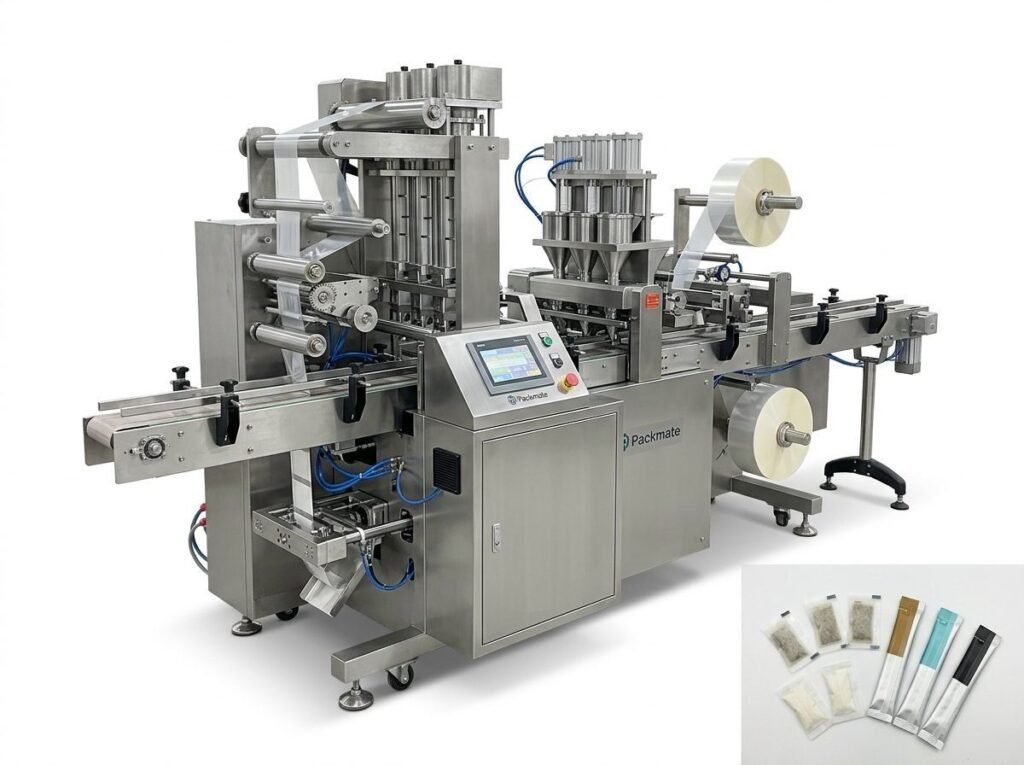
• Sachet & stick pack machines: versatile for sachets and stick variants — common for promotional lines. See examples here: Sachet & Stick Pack Machines.
• Multi-lane pouch systems: best for scaling up production of small-dose snus pouches with high throughput.
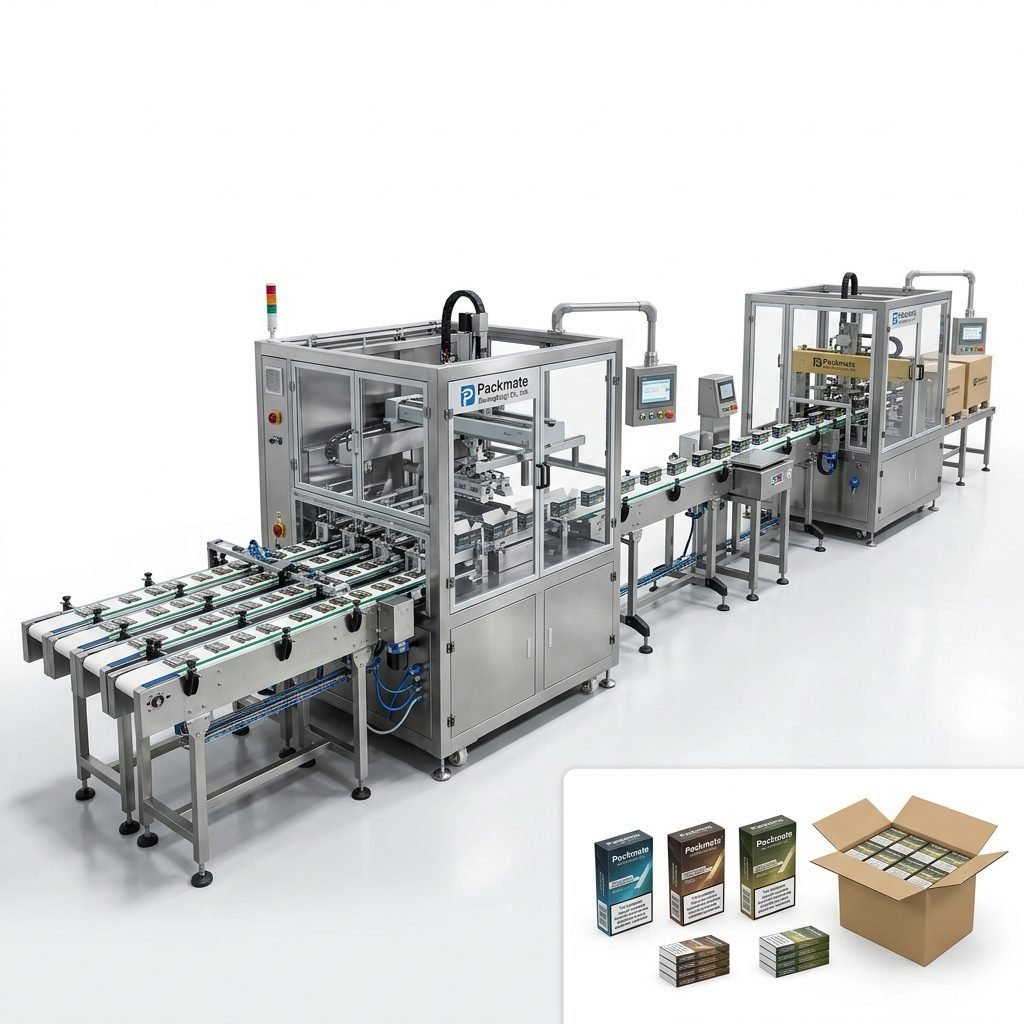
• Integrated filling & packaging lines: combine weighing, filling, sealing, and inspection to reduce manual handling (Filling & Packaging Lines).
Choosing by Business Stage
Startups in Croatia might favor modular or compact units with low capital expenditure and simpler operation. Established brands or contract manufacturers should evaluate robust multi-lane systems with automated weighing and pouch inspection to maximize uptime.
📌 Highlight: Packmate offers a wide range of solutions including stick pack, sachet, and multi-lane lines tailored for nicotine pouch production — explore product families and lines to match different scales: Snus & Nicotine Packaging Machines and Filling & Packaging Lines.
Regulatory and Certification Considerations
✅ Croatia, as part of the EU market framework, expects suppliers to meet recognized safety and quality standards. Machines with CE and ISO compliance demonstrate conformity with essential directives and quality management practices. When choosing equipment, verify the supplier can provide full documentation for import and commissioning.
Document checklist: CE declaration, ISO certificates, operation & maintenance manuals, electrical drawings, and calibration certificates for weighing systems. For reference, review manufacturer certificates: Certificate.
Evaluate Machine Reliability and Build Quality
Durability is everything. Look for machines with high-quality components: precision CNC-machined parts, stainless steel frames (where hygiene is required), and industrial-grade PLCs and servo systems. A solid manufacturing facility with advanced CNC and assembly lines is a good indicator of consistent build quality.
Why it matters: Long-term stability reduces downtime, maintenance costs, and product waste. Packmate’s 20,000㎡ factory with advanced CNC centers highlights a level of manufacturing capability most buyers seek. Learn more About Packmate: About Packmate.
Automation, Integration, and Industry 4.0 Readiness
As production scales, seamless integration between upstream weighing/filling and downstream packaging is vital. Choose suppliers who can deliver turnkey lines, including auxiliary equipment like weighing systems and conveyors. Systems with remote diagnostics, recipe management, and data logging save time and improve traceability.
Explore complementary systems: Weighing & Packaging Systems and Auxiliary Packaging Equipment.
Service, Spare Parts, and Local Support in Croatia
After-sales support greatly impacts your total cost of ownership. Prioritize suppliers that provide:
• Fast spare parts availability (local stock or fast shipping).
• Remote troubleshooting and on-site commissioning support.
• Training for operators and maintenance staff.
• Comprehensive service contracts and preventative maintenance plans.
Ask suppliers: what is their average lead time for critical spare parts, and can they provide remote support during the first production runs?
📎 Practical step: request references or case studies in similar markets — real-world performance tells you how a line behaves in production. See international cases: Case.
Total Cost of Ownership and ROI
Price is only one component of the investment. Consider:
• Initial capital expenditure (machine, installation, tooling).
• Operating costs (energy consumption, compressed air, spare parts).
• Labor (automation reduces operator demands).
• Waste rates and yield losses.
• Service and upgrade agreements.
Modeling ROI: build a 3–5 year forecast comparing scenarios: basic machine vs. automated line. Often, higher initial spend for integrated automation pays back quickly via reduced labor and higher throughput.
Factory Acceptance Test (FAT) and Commissioning
Never skip FAT. A thorough Factory Acceptance Test demonstrates machine performance using your product, verifies packaging integrity, and confirms control recipes. FAT should include a documented run book: parameters, cycle speeds, and acceptable tolerances. After shipment, plan for on-site commissioning and final acceptance testing.
Logistics and Installation in Croatia
Arrange customs clearance and consider installation site requirements: floor loading capacity, electrical supply, compressed air quality, and drainage. Work with suppliers who provide pre-shipment checklists and remote guidance for site preparation.
Sustainability and Energy Efficiency
Sustainable production is increasingly important. When evaluating machines, assess energy-efficient drives, reduced material waste through accurate dosing, and recyclable packaging compatibility. These factors lower operating costs and improve environmental performance — key considerations for brand reputation and regulatory compliance.
🔔 Reminder: request energy consumption and air usage figures during FAT; energy-efficient designs often yield measurable operating savings.
Choosing the Right Supplier: Questions to Ask
When engaging vendors, use this checklist:
• Can you provide machines tested with our product?
• What are warranty terms and response times for on-site service?
• Do you offer turnkey lines and integration with weighing/filling systems?
• Can you provide references and performance records from similar installations?
• Are spare parts stocked locally or available quickly?
Packmate’s global reach and participation in international exhibitions ensures buyers can see live demos and meet technical teams — check their exhibition schedule for demonstrations: Our Exhibition.
Final Checklist Before Purchase
1. Product compatibility confirmed via samples.
2. Performance verified in FAT with documented acceptance criteria.
3. Clear spare parts and service plan.
4. Compliance documentation for EU/Croatia requirements.
5. Installation and training schedules agreed.
Why Packmate Is a Consideration
With over 30 years of engineering experience and a broad portfolio of snus and nicotine packaging machines, Packmate offers modular and turnkey packaging solutions. Their factory capabilities and global service presence make them a solid partner for companies entering or expanding in Croatian markets. Contact details and service options are available here: Contact Us.
📌 Quick summary: match machine type to product, verify throughput and FAT results, ensure regulatory documentation, and secure strong after-sales support. These actions minimize risk and maximize return on your snus packaging investment.
Common Questions (FAQs)
Q1: How do I know if my product needs a multi-lane system or a single-lane precision machine?
A1: Consider your target output and pouch size consistency. Small-dose premium pouches often benefit from precision single-lane or few-lane designs; high-volume commodity lines benefit from multi-lane throughput.
Q2: What certifications should a packaging machine supplier provide for Croatia/EU?
A2: At minimum, request CE conformity, ISO quality system evidence, and electrical safety documentation. Also confirm calibration certificates for weighing devices.
Q3: Can I get a complete turnkey line including weighing and filling?
A3: Yes. Many manufacturers offer integrated lines combining weighing & packaging systems and auxiliary equipment — verify integration and FAT of the whole line.
Q4: What is a realistic lead time from order to commissioning?
A4: Lead times vary by configuration and customization. Standard units may ship in weeks; custom turnkey lines often require months. Discuss timelines early and include FAT and shipping in planning.
Q5: Where can I see demonstrations or real installations?
A5: Attend industry exhibitions or request case studies and video demos from the supplier. Packmate participates in global exhibitions and shares real-world cases for buyer review: Case.