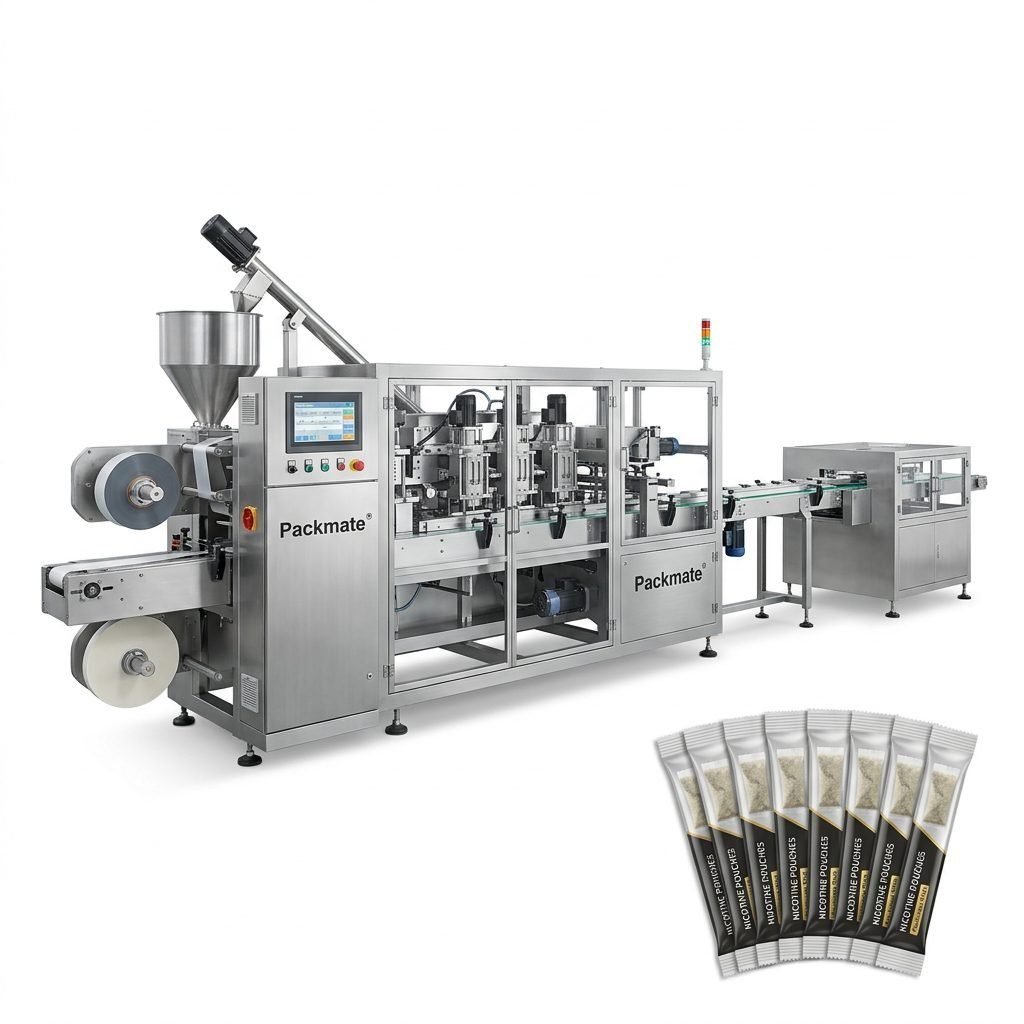
Choosing the best snus packaging machine in South Korea requires more than price comparison. It demands a clear understanding of product format, production capacity, regulatory compliance, supplier capability, and long-term service. This guide walks you through practical steps, technical considerations, and procurement tips so you can select a snus or nicotine pouch packing solution that fits your manufacturing goals and local market needs.
🔍 Understand the Snus Packaging Landscape in South Korea
South Korea’s growing market for nicotine pouches and related smokeless products requires flexible, hygienic, and precise packaging solutions. Local regulations emphasize traceability, packaging safety, and labeling standards—so your chosen equipment should support accurate dosing, batch coding, and easy integration with inspection and labeling systems.
Key market drivers
Manufacturers often prioritize high throughput, low product waste, and compact footprint lines that can be scaled from pilot runs to full production without major rework. Multi-lane systems and modular lines are popular for their ability to increase capacity quickly while sharing common utilities and controls.
⚙️ Machine Types: Which One Matches Your Product?
Packaging format dictates the machine class. The most common choices are stick pack, sachet (pouch), and multi-lane pouch systems. Each offers different benefits in speed, material usage, and compatibility with nicotine pouch sizes.
Sachet & stick pack machines
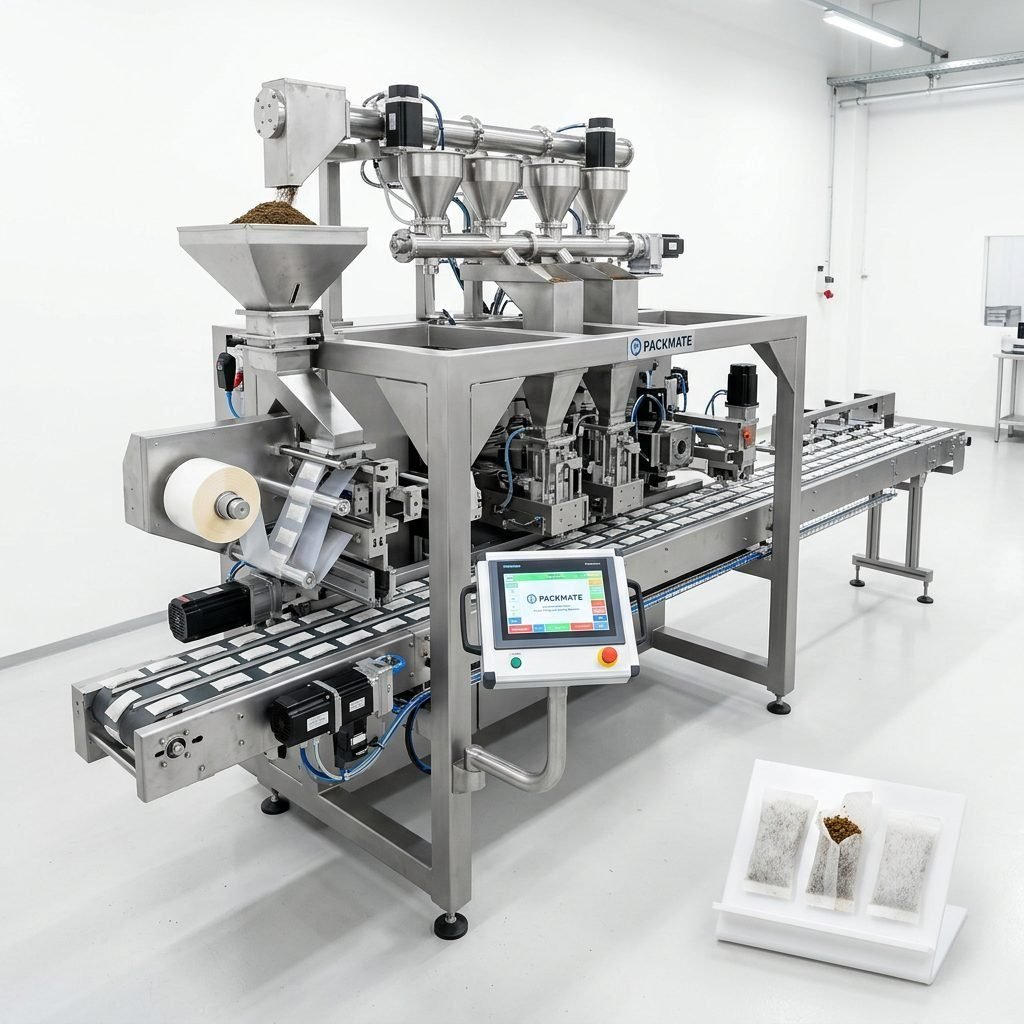
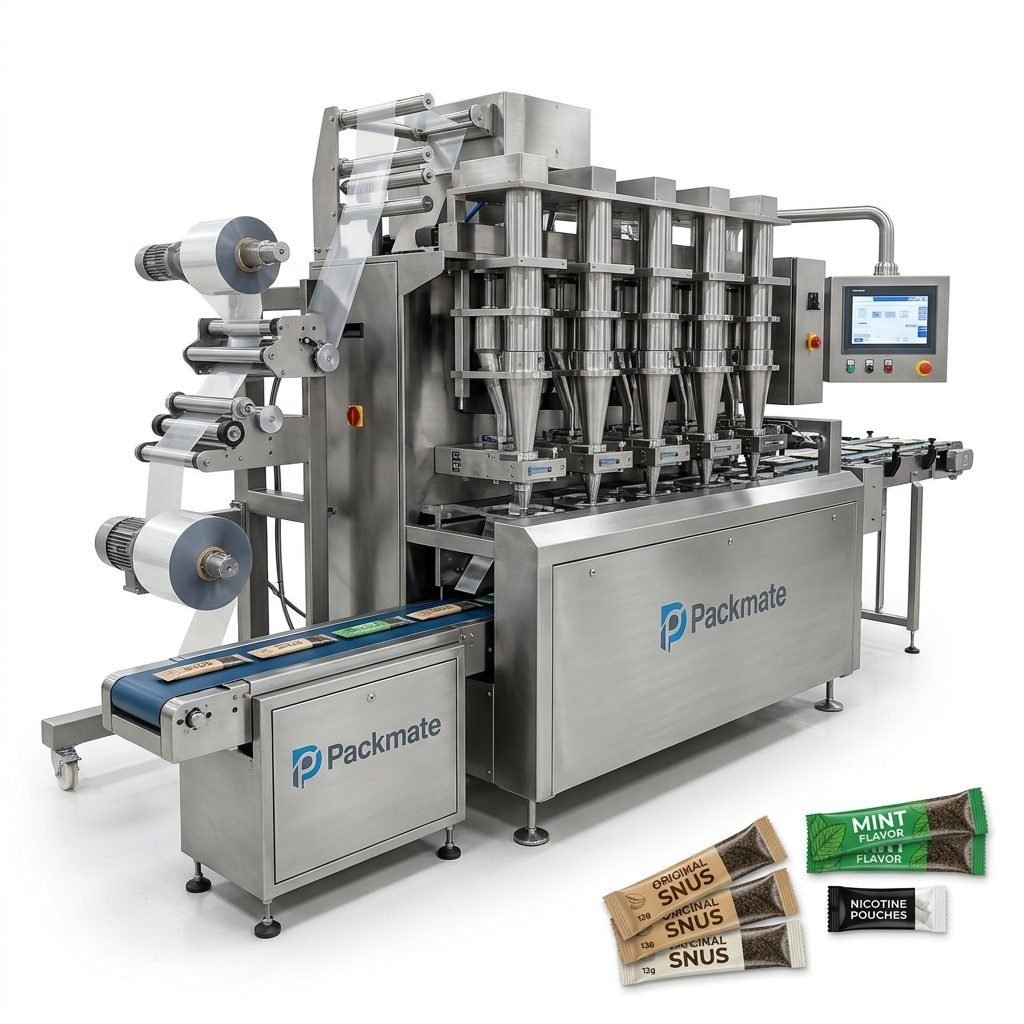
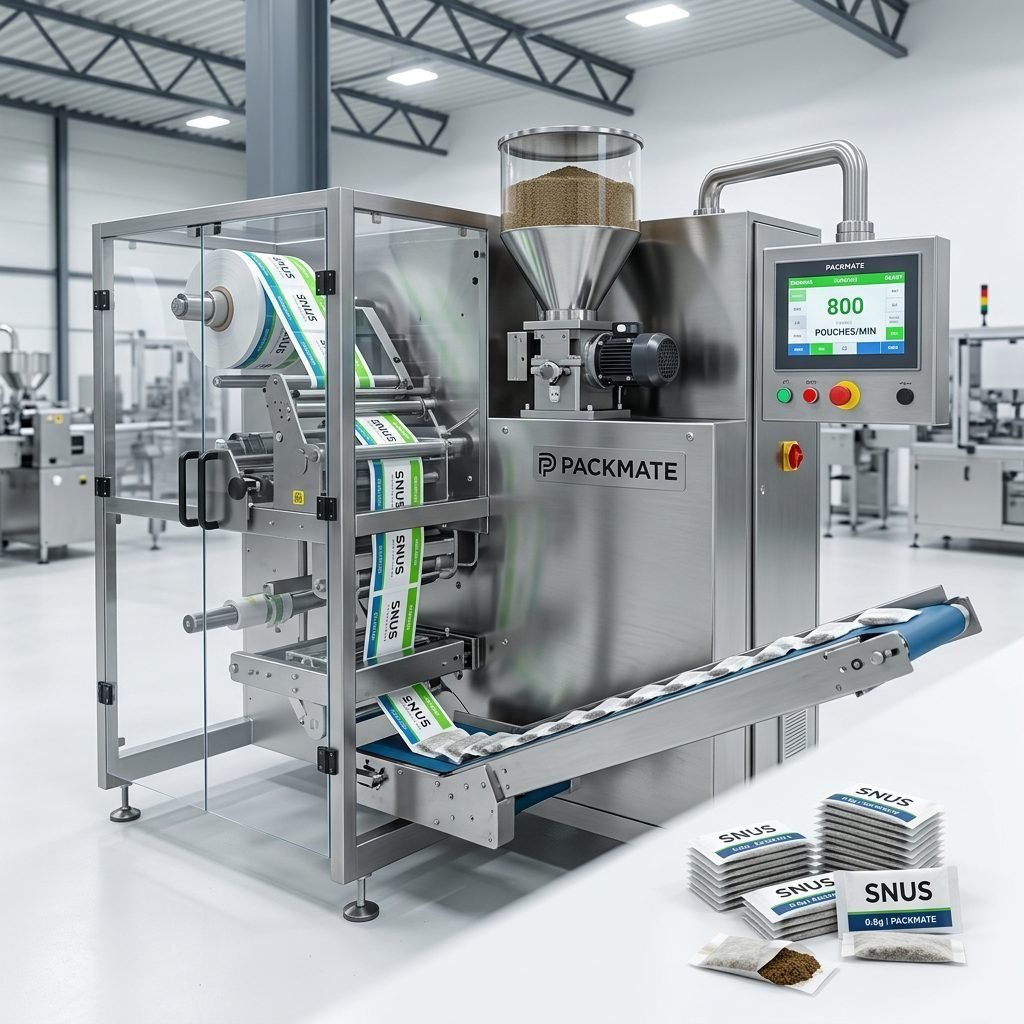
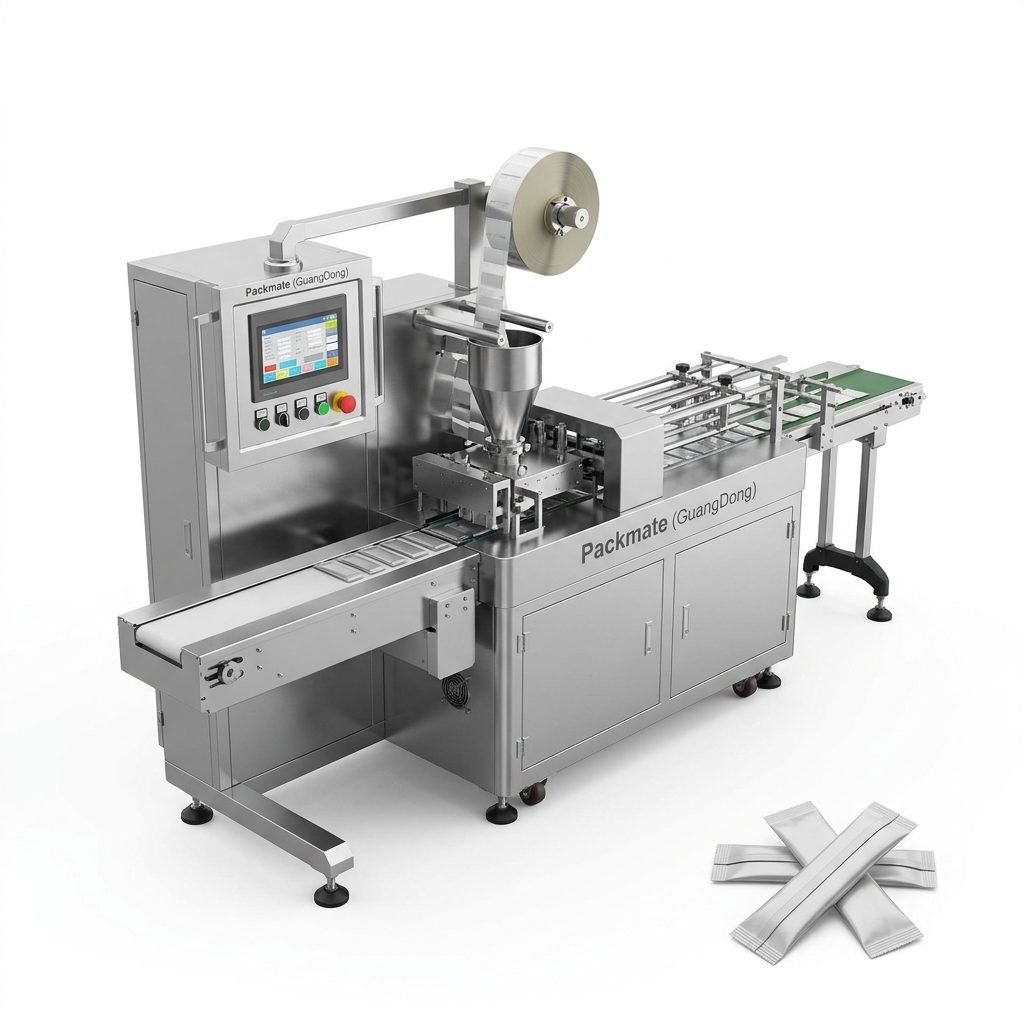
Sachet and stick pack machines are ideal for single-dose or slim portion formats. They deliver precise fill, attractive sealing, and efficient film use. If your product requires tight portion control and high presentation value, consider machines engineered for sachet/stick formats. Learn more about available models: Sachet & Stick Pack Machines.
Multi-lane pouch systems
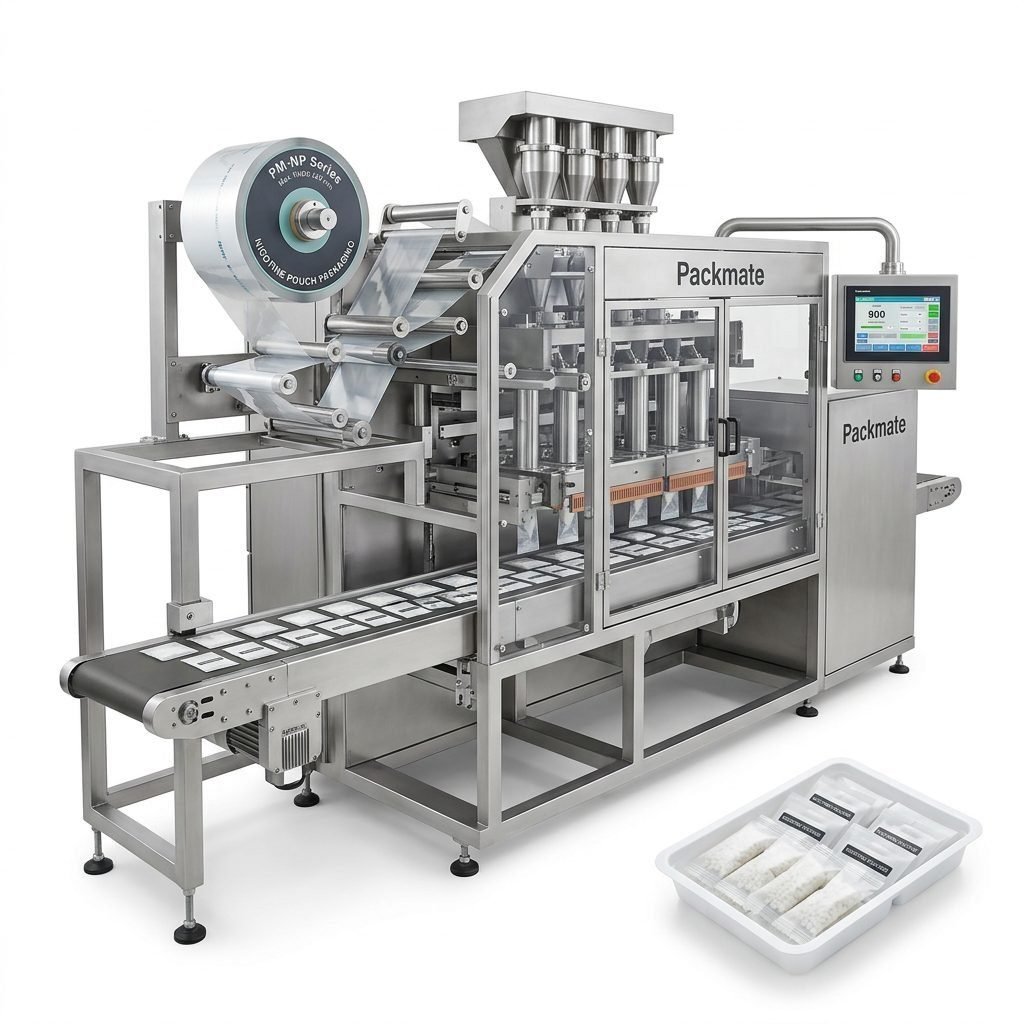
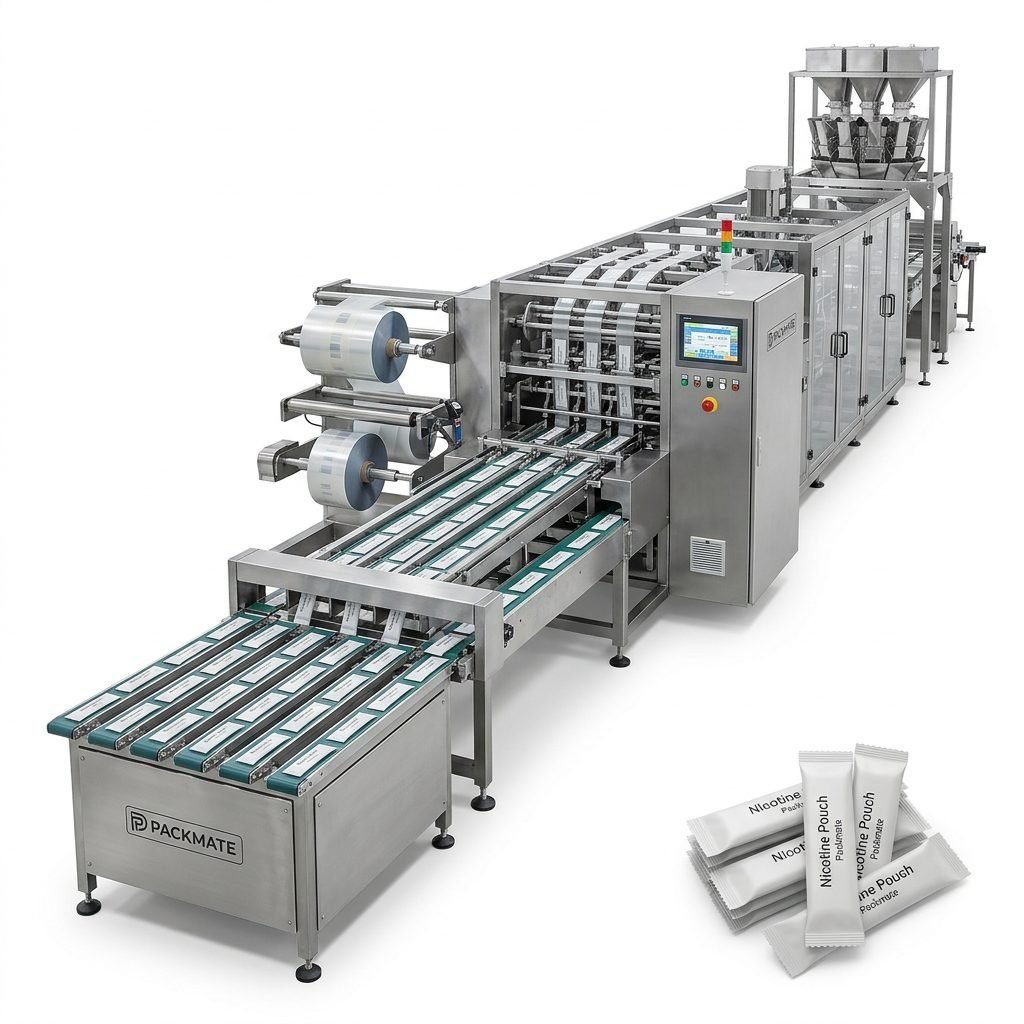
For high-volume production of small-dose pouches (multi-lane formats), choose systems with synchronized feeding, robust dosing, and reliable sealing across lanes. Multi-lane lines reduce per-unit cost and are preferred by contract packers and larger brands.
📈 Production Capacity & Performance Metrics
Define your target output (pouches per minute/hour/day) before evaluating machines. Consider both nominal speed and realistic effective throughput after including changeovers, maintenance, and inspection stoppages.
Always ask vendors for OEE (Overall Equipment Effectiveness) data from existing customers—this reveals true line performance under real conditions.
Cycle time, changeover, and product mix
Fast cycle times matter, but quick and simple changeovers between flavors, sizes, or materials can save far more downtime. Evaluate tooling change procedures, quick-release components, and recipe management in the machine HMI.
🧩 Filling Technology and Accuracy
Choose filling solutions that match your product form—powder, granule, paste, or wet blend. For nicotine pouches, precise dosing is critical to maintain product consistency, avoid overfill/underfill fines, and control raw material consumption.
Weigh-based vs volumetric dosing
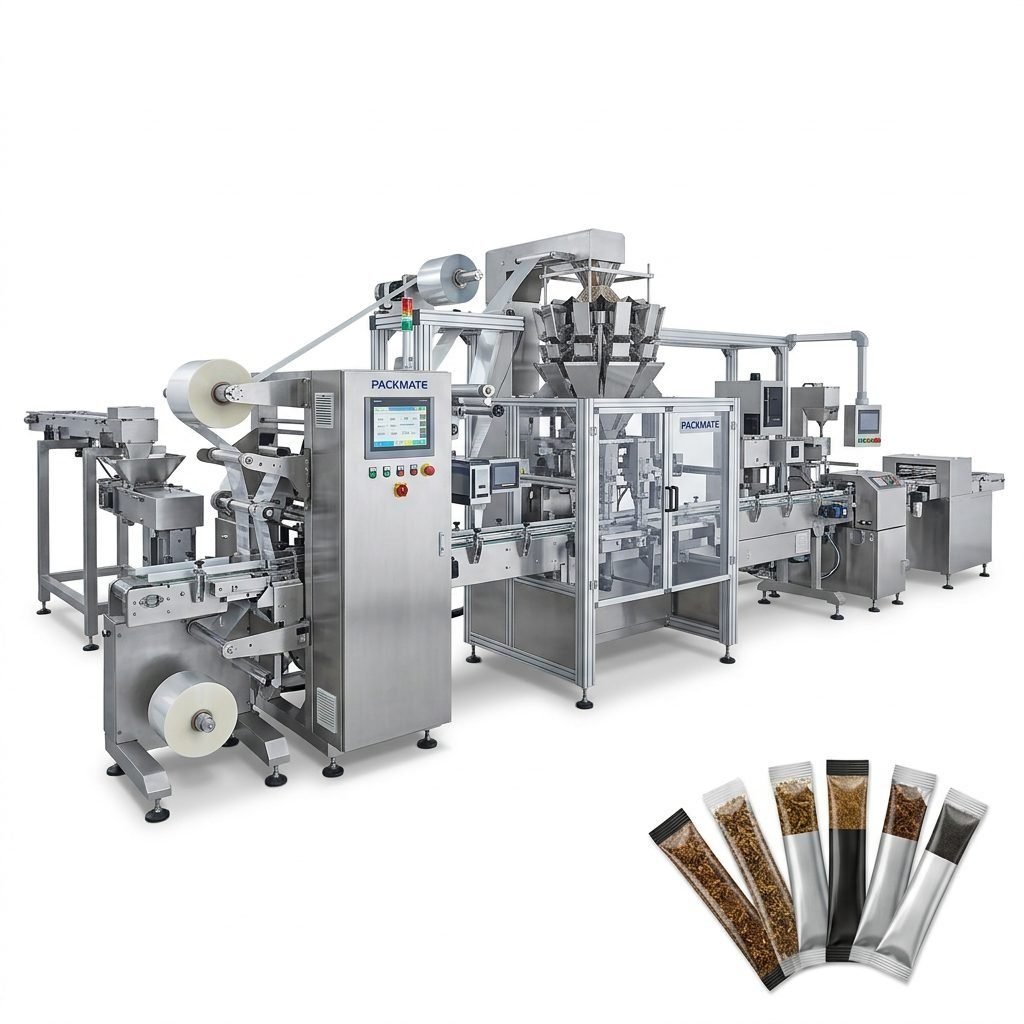
Weigh-based (loss-in-weight) systems excel in accuracy for variable-density blends. Volumetric systems are simpler and cheaper but may need frequent calibration. If your formula includes different particle sizes or moisture, favor weigh-based dosing—see related systems: Weighing & Packaging Systems.
✅ Hygiene, Materials & Regulatory Compliance
Stainless steel contact parts (SUS304 or SUS316), easy-to-clean surfaces, and enclosed filling areas reduce contamination risks. Confirm the machine design supports Good Manufacturing Practice (GMP) workflows and can integrate coding, vision inspection, and metal detection as needed.
Ask for CE, ISO, and any other relevant certificates. Reliable manufacturers publish certificates and machine test reports—see Packmate’s credentials: Certificate.
🔧 Service, Spare Parts & After-Sales Support
After-sales support is often the deciding factor. Local spare parts availability, trained service technicians, remote diagnostics, and spare parts kits shorten downtime and protect production schedules.
What to request from suppliers
Request documented spare parts lists, lead times, support SLAs, and examples of remote troubleshooting. Ask about on-site commissioning, operator training, and periodic preventive maintenance programs—Packmate provides turnkey solutions and global support networks: Service.
💰 Cost, ROI & Total Cost of Ownership
Purchase price is only part of the story. Calculate total cost of ownership (TCO) considering energy use, consumables, spare parts, labor, maintenance, and expected uptime. Faster machines with higher automation can lower labor costs and reduce waste, improving ROI.
Case example inputs for ROI
Include expected throughput, product margin, packaging film cost, operator hours saved, and projected uptime. Vendors with real-world case studies can help model ROI—view production cases here: Case.
🏭 Supplier Evaluation: Factory Capability & Reputation
Visit the factory if possible or ask for a video tour. Factory size, CNC capabilities, assembly lines, and test benches indicate a manufacturer’s ability to deliver robust machines and to customize when required. Packmate’s 20,000㎡ facility and decades of experience reflect this level of capability—learn more about the company: About Packmate.
Beware of suppliers without on-site quality control, traceable component origins, or solid customer references in similar product categories.
🚚 Logistics, Installation & Training in South Korea
Clarify shipping responsibilities (FOB, CIF, DDP), customs documentation, and local installation support. A supplier offering on-site commissioning, operator training, and initial production runs will reduce the time-to-market and avoid integration headaches.
🧾 Contract & Warranty Essentials
Ensure contracts cover warranty terms, acceptance tests (FAT & SAT), delivery milestones, penalties for delay, and spare parts lead times. A transparent defect and repair policy protects your investment.
📋 Practical Selection Checklist
Use this checklist when comparing proposals:
🔹 Production capacity vs your target output
🔹 Dosing accuracy and filling technology
🔹 Material compatibility and sealing quality
🔹 GMP hygiene features and easy cleaning
🔹 Spare parts availability and service SLAs
🔹 OEE, proven case studies, and factory visits
🔹 Certifications (CE/ISO) and compliance documentation
🚀 Next Steps: From Inquiry to First Run
1) Prepare product specs (weight, dose tolerance, pouch format, film type). 2) Request machine proposals and FAT videos. 3) Verify references and visit the supplier if possible. 4) Agree on delivery, installation, and acceptance testing. 5) Plan for operator training and spare parts stocking.
For direct inquiries and tailored solutions for snus and nicotine pouch lines, contact a specialized manufacturer who offers integrated lines, customization, and global turnkey services: Contact Us.
Final recommendations
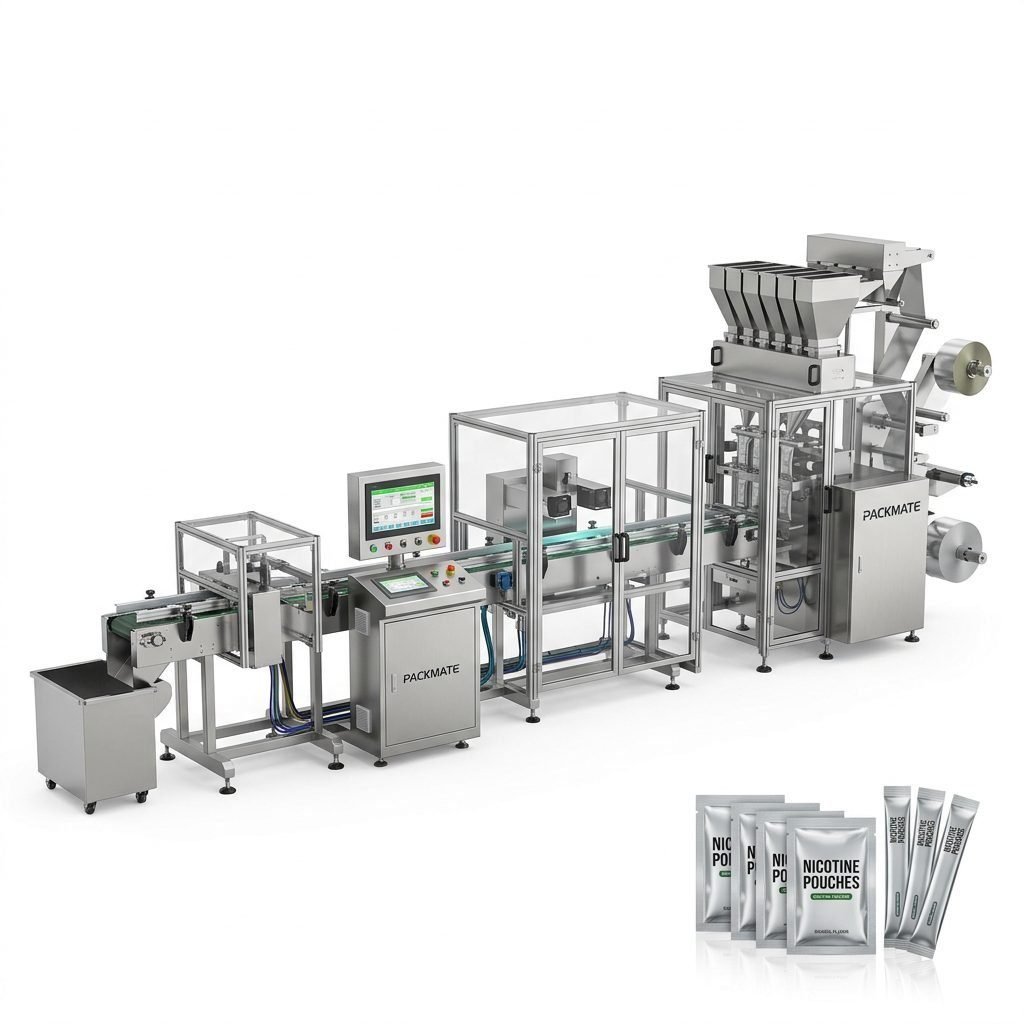
Prioritize accuracy, hygiene, and support over the lowest upfront price. A machine that minimizes waste and downtime often delivers the best long-term value. When evaluating suppliers, consider their track record in snus/nicotine packaging and their ability to supply complete lines including auxiliary equipment: Snus & Nicotine Packaging Machines.
Frequently Asked Questions
Q1: How do I determine the right machine speed for my business?
A1: Estimate your sales forecasts, desired buffer stock, and available shifts. Factor in changeover time and a realistic OEE. Request performance data from vendors under similar conditions to validate expected speed.
Q2: What certifications should a snus packaging machine have for export to Korea?
A2: CE and ISO are common international standards. Also confirm the machine can meet local labeling, material safety, and any tobacco/nicotine-specific regulation requirements.
Q3: How much spare parts inventory should I keep on hand?
A3: Keep fast-wearing items (seals, belts, sensors, fuses) enough for 1–3 months of production. Discuss lead times with the supplier to optimize stock levels.
Q4: Can I upgrade my line from sachet to multi-lane in the future?
A4: Some manufacturers design modular lines to be upgradable. Verify the supplier’s customization capabilities and whether control systems support future modules.
Q5: What after-sales services should I expect?
A5: Expect commissioning, operator training, spare parts lists, remote support, and options for on-site maintenance contracts. Clear SLAs for response times are essential.