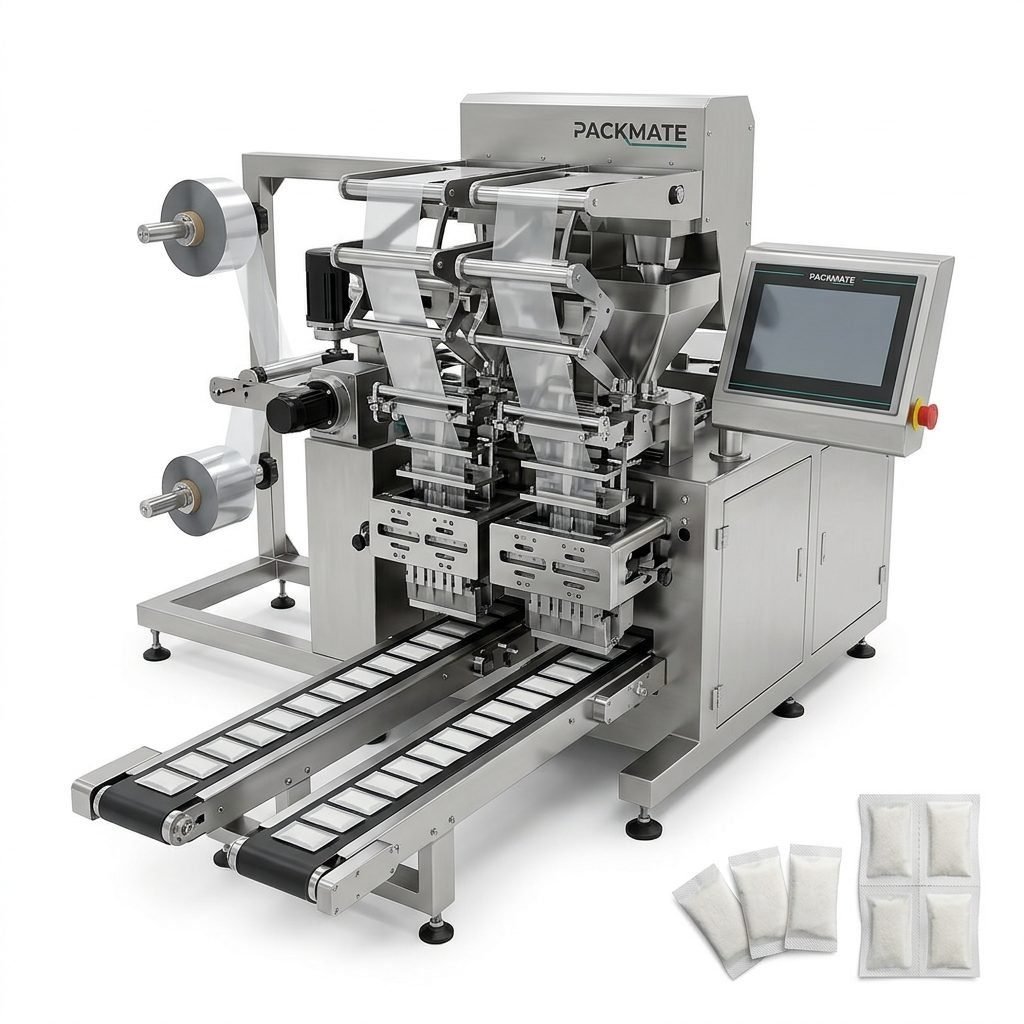
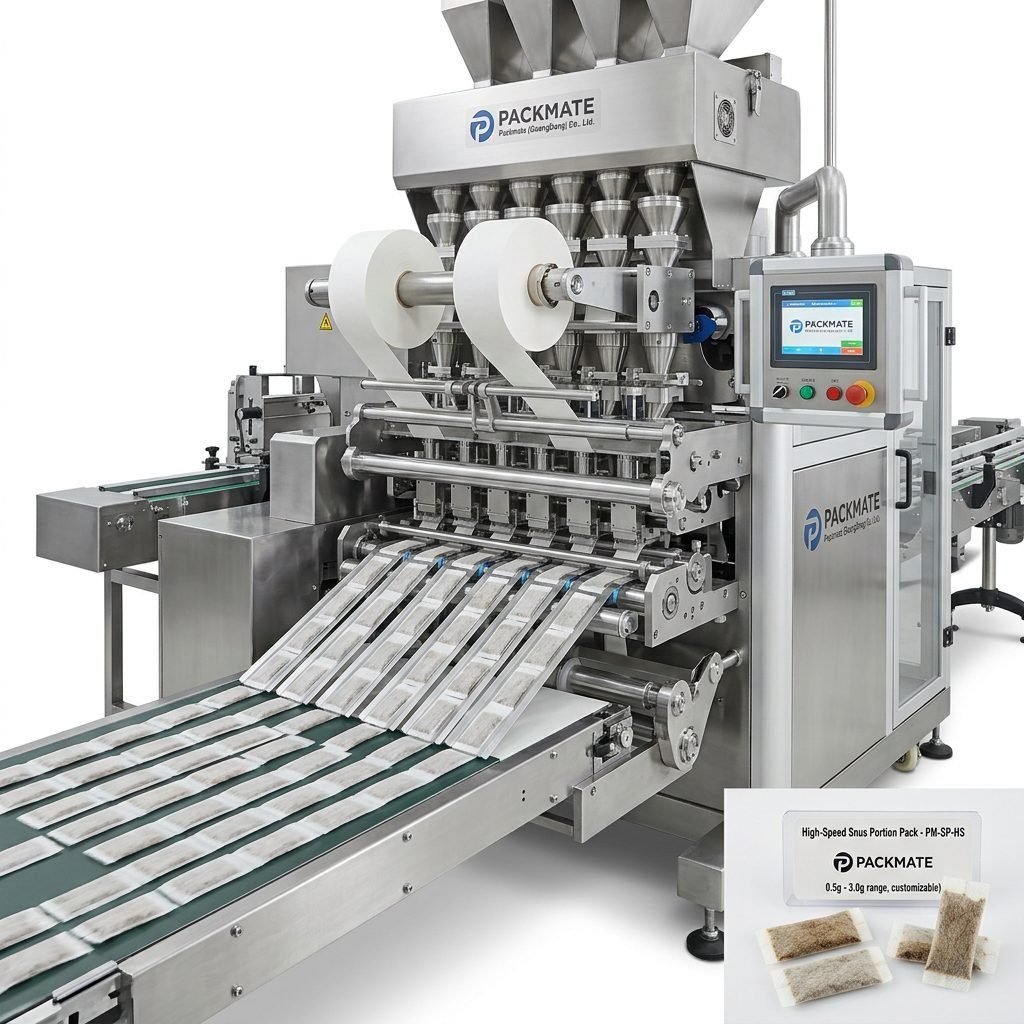
Choosing the right nicotine packaging machine in Monaco requires a careful balance of regulatory compliance, production efficiency, product protection, and long-term service. Whether you are launching a premium nicotine pouch brand or scaling up an established operation, the right equipment ensures consistent dosing, attractive presentation, and reliable uptime. This guide walks you through the key factors to evaluate, practical buyer questions, and how to shortlist suppliers like Packmate Snus Machine when comparing options for the Monaco market.
Understand Local Regulations & Market Requirements
Monaco follows strict EU-influenced rules and high consumer-safety expectations. Before selecting machinery, ensure your production process and the machine’s materials and safety features align with local labeling, nicotine handling, and waste regulations. Compliance with international certifications such as CE and ISO is essential for legal operations and market acceptance.
Practical checklist for regulatory readiness
⚠️ Verify machine documentation (certificates, safety declarations).
⚠️ Ensure materials in contact with product are food/pharma-grade where applicable.
⚠️ Confirm traceability and batch coding capabilities for recalls and tracking.
Match Machine Type to Your Product Format
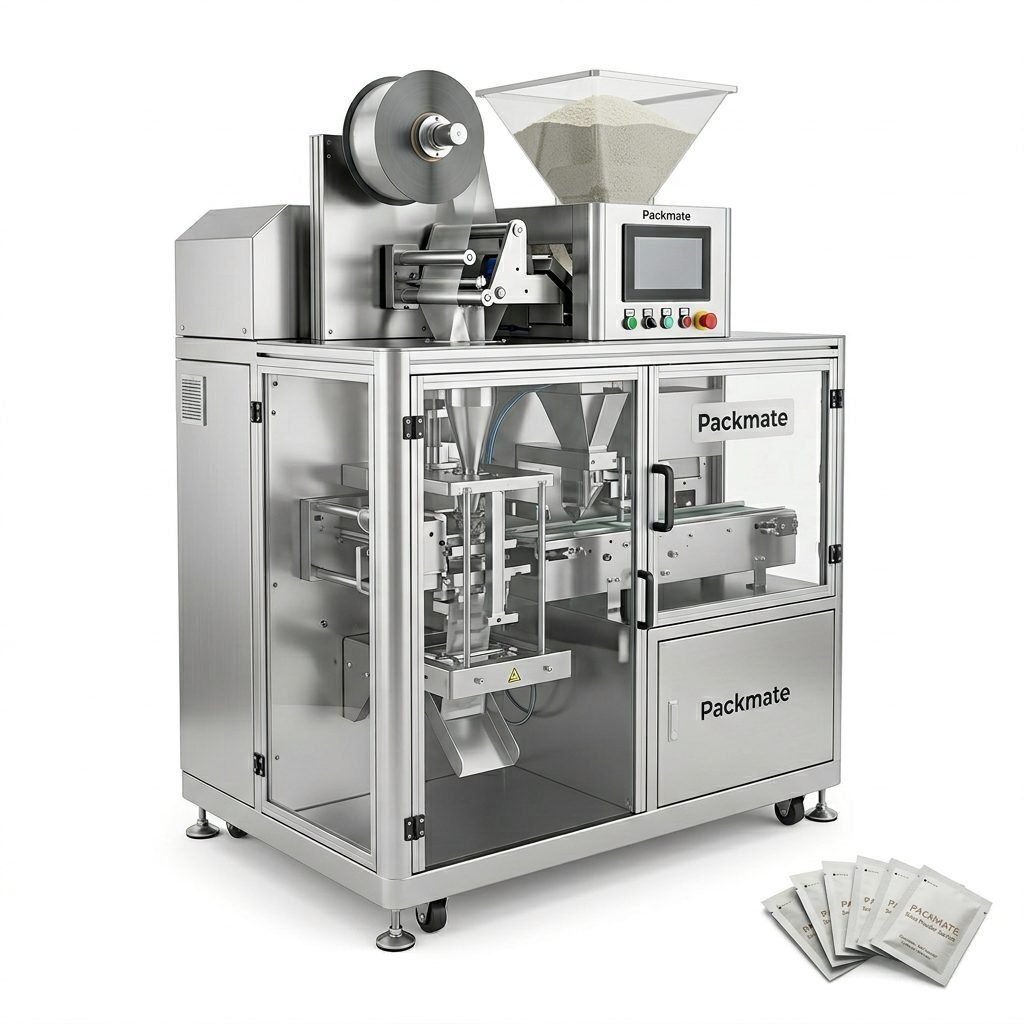
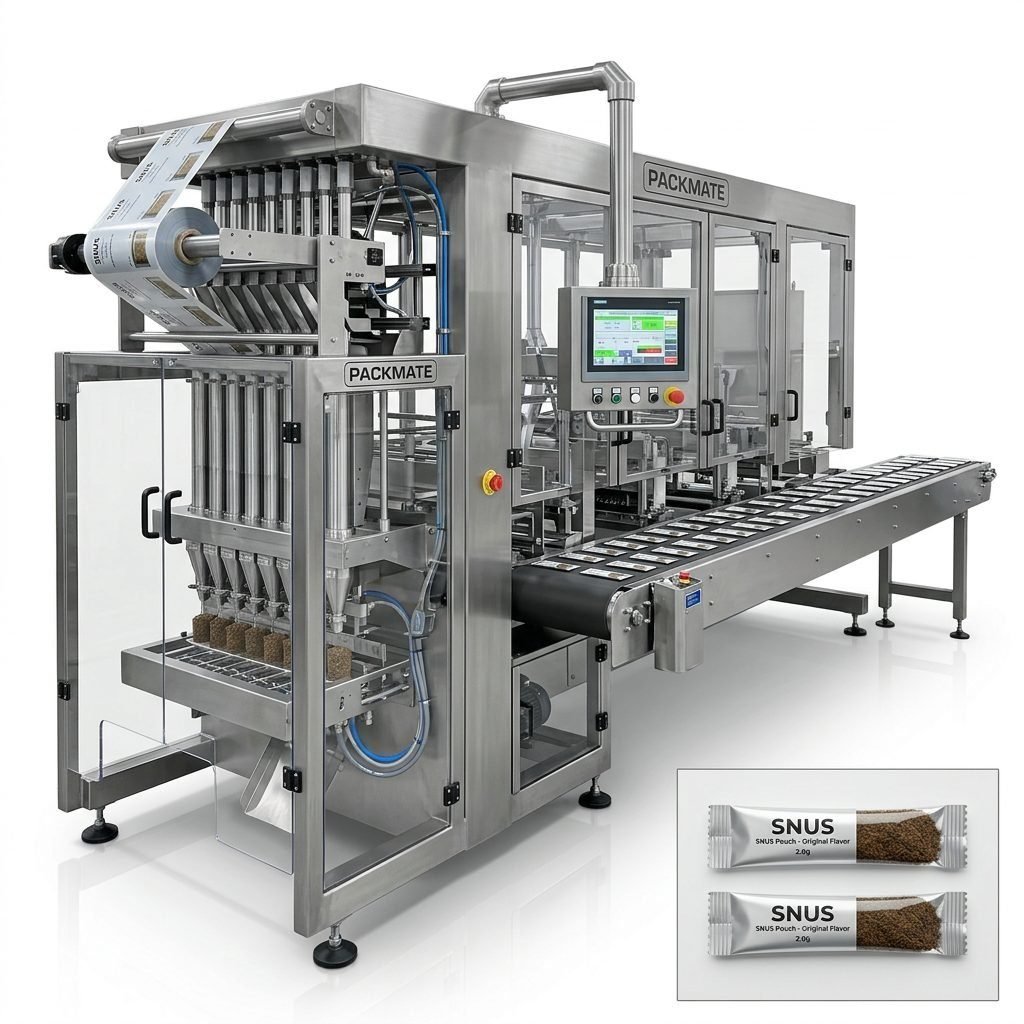
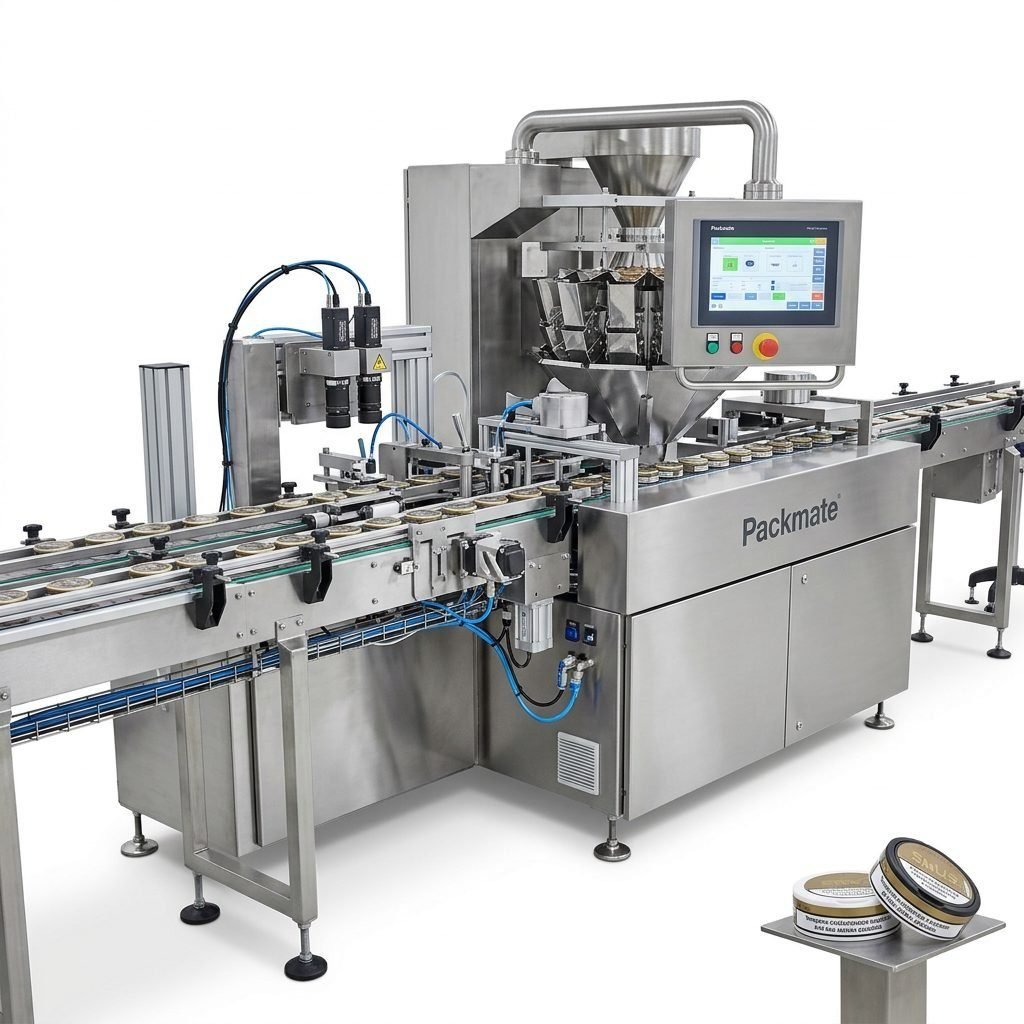
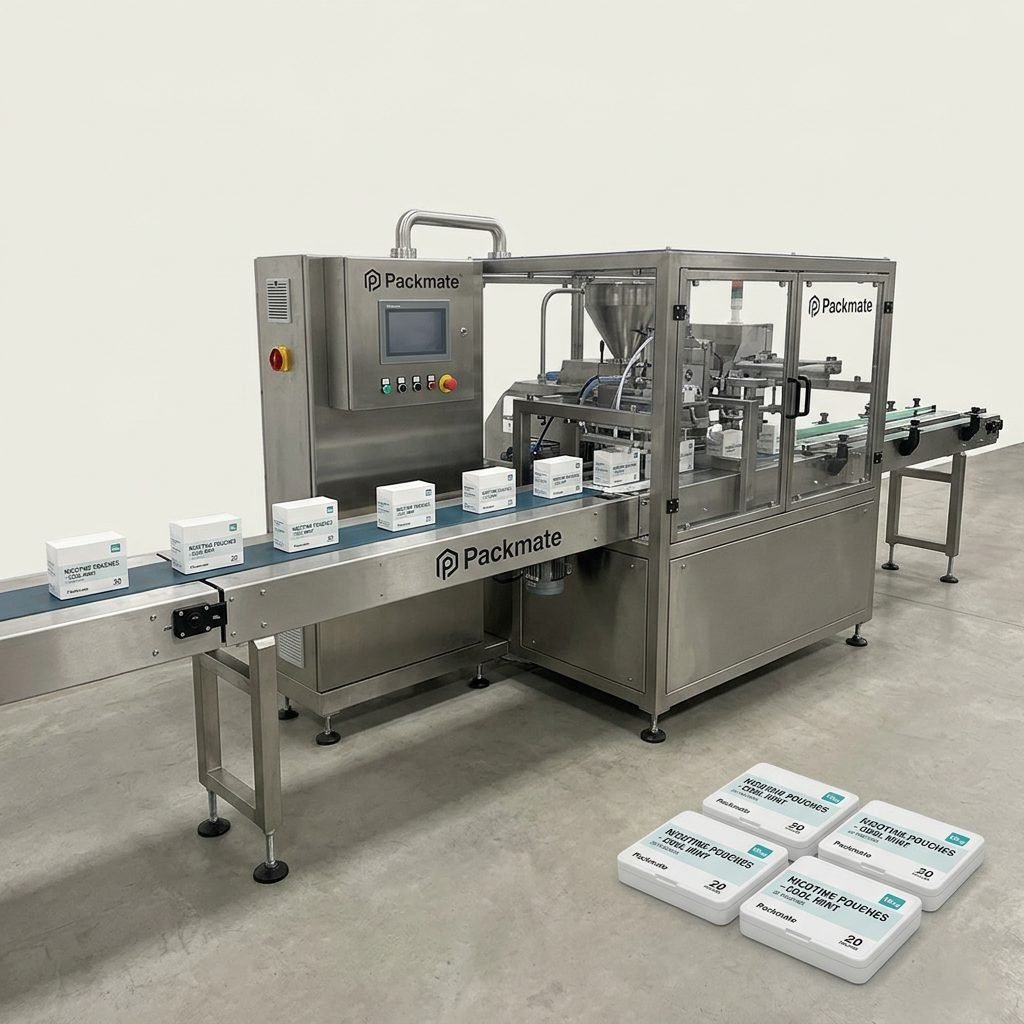
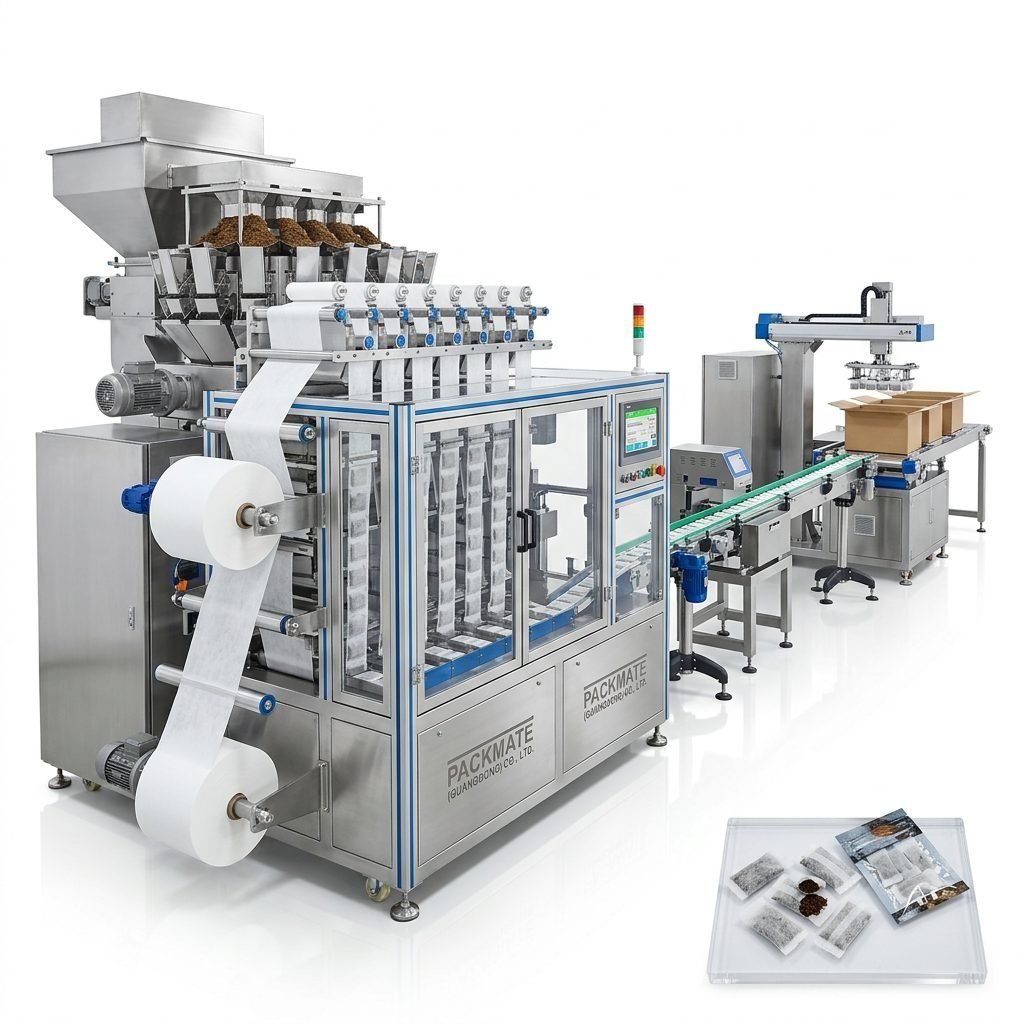
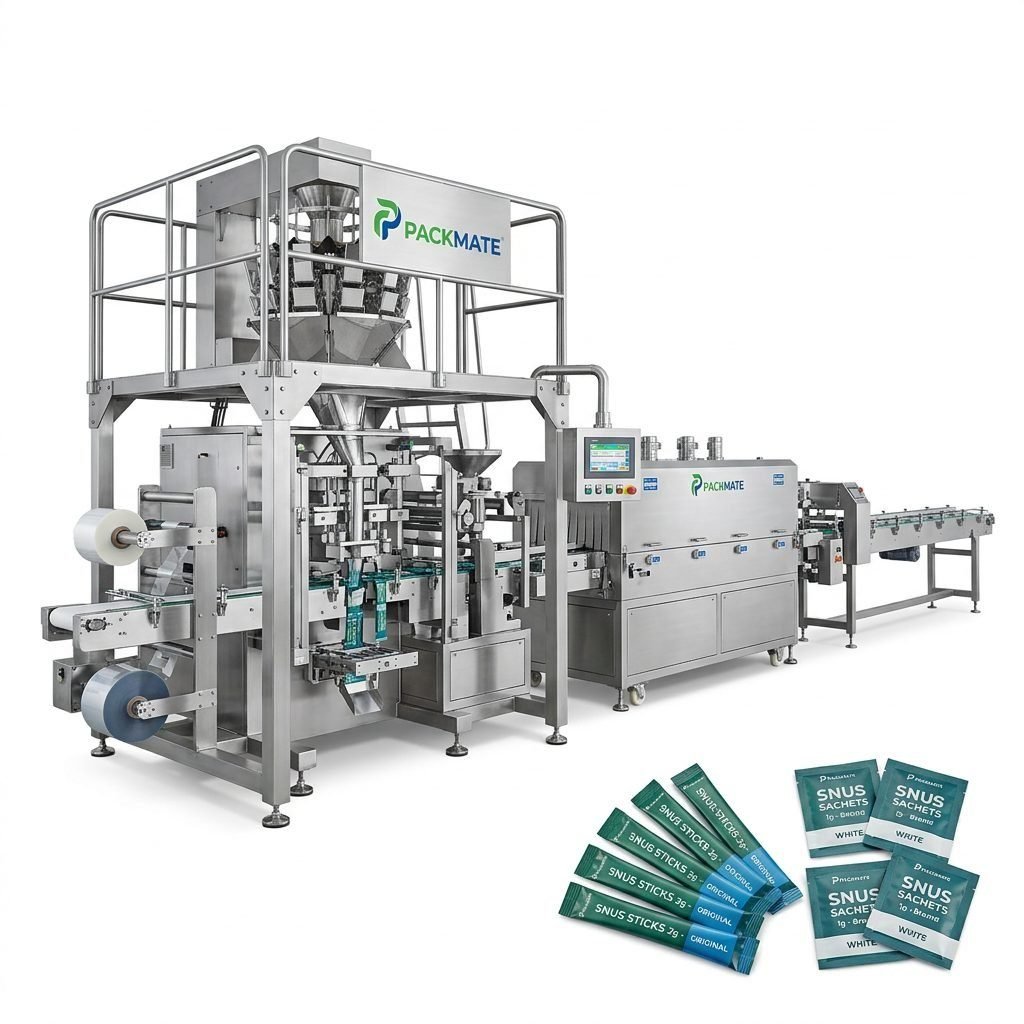
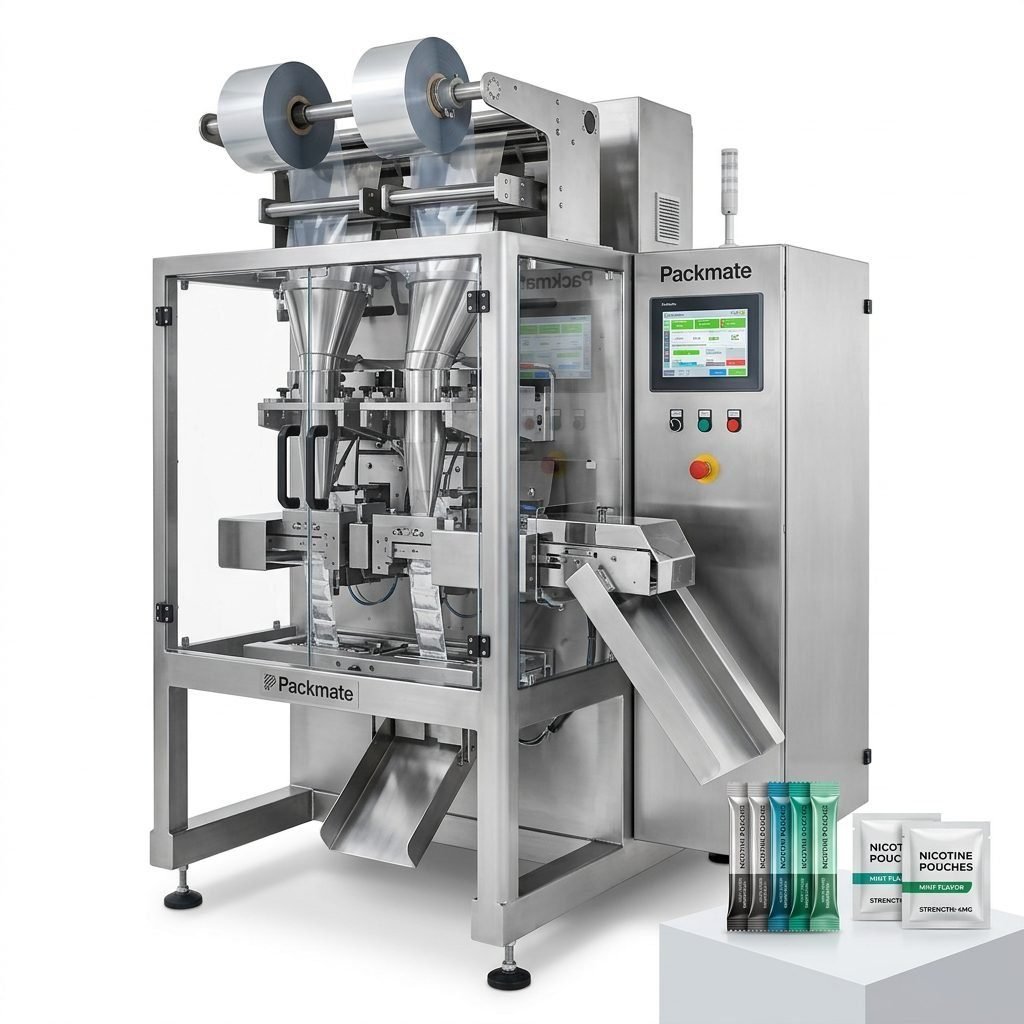
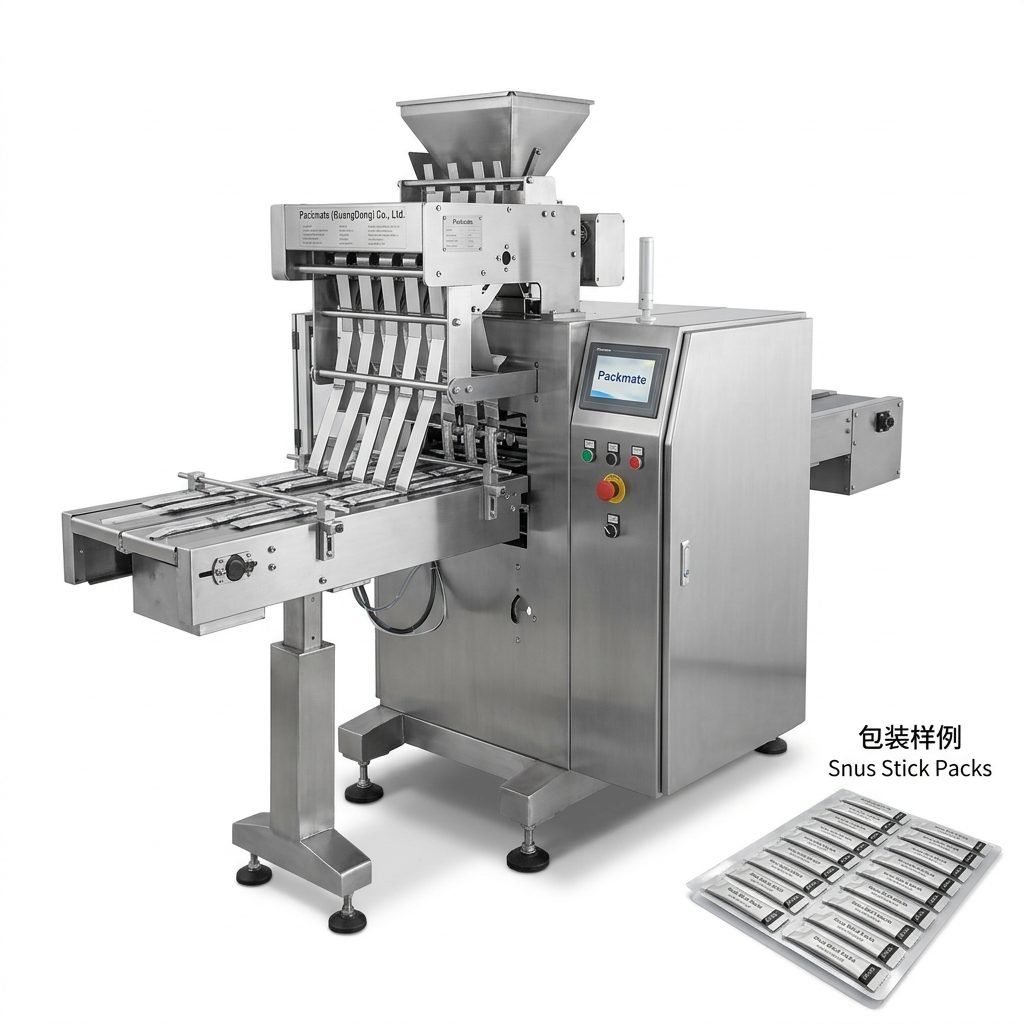
Nicotine pouches and snus products are packed in diverse formats — single-dose pouches, sachets, stick packs, or multi-lane small pouches. Choose a machine designed for your pouch style to avoid costly retrofits. For reference, explore specialized systems such as Snus & Nicotine Packaging Machines and multi-format lines like Sachet & Stick Pack Machines.
Key considerations
🔧 Pouch size range and sealing method.
🔧 Multi-lane capability for high throughput.
🔧 Compatibility with fillers (powder, granule, paste) and downstream cartoning.
Pro tip: If you plan product variations (different weights or flavors), prioritize machines with quick-change tooling and recipe memory to reduce downtime and waste.
Evaluate Production Capacity & Speed
Calculate required throughput: units per minute, per hour, and daily. Consider peak demand and potential expansion. Machines are rated on theoretical max speed — real-world throughput depends on product handling, operator skill, and changeover times.
✅ Multi-lane systems multiply output without increasing floor footprint, making them ideal for dense markets like Monaco where facility space is at a premium. Review machine cycle charts and request real-case performance data from suppliers.
Accuracy & Quality of Fill
Nicotine dosing requires tight tolerances. Evaluate weighing and dosing systems for consistency, and ask for Coefficient of Variation (CV) performance metrics. High-precision filling reduces waste and regulatory risk from out-of-spec products.
Must-have feature: Integrated check weigher or in-line weight verification with automatic rejection to protect quality and compliance.
Materials, Hygiene & Cleaning
Machines handling nicotine pouches need to minimize contamination and facilitate cleaning. Look for stainless steel contact surfaces, hygienic conveyor design, and easy-access panels for routine cleaning. Consider CIP (clean-in-place) or tool-less disassembly for parts interacting directly with product.
Automation, Controls & Industry 4.0
Modern packaging lines include PLC controls, HMI recipe management, fault diagnostics, and remote support capability. These features reduce operator errors and speed troubleshooting. Ask about compatibility with your MES/ERP and remote monitoring features for predictive maintenance.
🔌 Ensure the control language and displays are user-friendly for your Monaco-based team and consider multilingual HMI if you have diverse operators.
Footprint, Installation & Utilities
Measure your available production floor space and consider machine footprint including maintenance access zones. Confirm utility needs: electrical phases, compressed air, and vacuum systems. Monaco facilities often have specific utility constraints; early planning avoids costly onsite modifications.
Installation timeline considerations
⏱️ Ask suppliers for estimated delivery, installation, commissioning, and operator training timelines. A reputable manufacturer can provide turnkey services and local partner support.
After-Sales Service, Spare Parts & Training
Long-term uptime depends on responsive service and readily available spare parts. Prioritize suppliers offering:
– On-site commissioning and operator training
– Fast spare parts delivery and local stocking options
– Remote diagnostics and service contracts
– Extended warranty options
Supplier credibility check: Review client references, success cases, and exhibition appearances. Packmate, for example, highlights global exhibition presence and case studies — see real project references at Case.
Customization & Flexibility
Your packaging line should support future product variations: pouch sizes, materials, barrier films, and artwork. Evaluate a supplier’s ability to deliver modular upgrades, additional lanes, or new tooling without replacing the entire line.
Total Cost of Ownership (TCO) & ROI
Purchase price is only part of the equation. Calculate TCO including installation, training, spare parts, energy consumption, and expected downtime. Model ROI based on production targets, yields, and product price points. Cost-effective machines with lower waste and higher uptime often deliver faster ROI.
Finance tip: Ask about leasing or financing plans, and request a forecasted break-even analysis from suppliers.
Why Supplier Experience Matters
Experienced manufacturers bring refined engineering, proven tooling libraries, and smoother commissioning. Packmate Snus Machine, for example, leverages decades of engineering history to supply specialized snus and nicotine pouch lines. Learn about capabilities and factory strength via About Packmate and review their product families such as Bag & Pouch Packaging Machines.
Factory Acceptance Test (FAT) & Site Acceptance Test (SAT)
Schedule a FAT to verify machine performance before shipment. FAT reduces risk and ensures you receive equipment configured to your specifications. Follow up with SAT after installation to confirm in-situ performance.
FAT checklist items
– Speed and throughput verification
– Dose accuracy and weight checks
– Sealing integrity under different film types
– Recipe recall and HMI usability tests
Practical Questions to Ask Potential Suppliers
🔍 What is your machine’s proven throughput with products similar to ours?
🔍 Can you provide references in the nicotine pouch/snuff market?
🔍 What certifications and quality control procedures do you maintain?
🔍 What is included in standard warranty and support packages?
🔍 Do you offer on-site training and spare parts kits upon delivery?
Check provider transparency: Suppliers that share factory details, machine videos, and client case studies typically offer better long-term service visibility.
Selecting a Local Partner or Importing
For Monaco, you may choose a local integrator or import turnkey from an experienced global supplier. Local partners speed installation and compliance liaison; global suppliers often bring broader R&D and product lineage. Decide based on your priorities: speed-to-market, customization, or total cost.
Sustainability & Waste Reduction
Select machines with minimal scrap, efficient film usage, and energy-saving drives. Sustainable operations are increasingly important for brand image in European markets, including Monaco.
Making the Final Decision
Combine technical performance, service terms, TCO, and references to create a scoring matrix. Weight factors like accuracy, uptime, and supplier responsiveness higher than initial price. Request sample production runs and a detailed project timeline before signing.
Shortlisting template (example)
1) Compliance & certifications
2) Performance (speed, accuracy)
3) Service & spare parts availability
4) Flexibility & upgrade path
5) TCO & ROI
Suggested next step: Arrange a site visit or virtual demo. Seeing machines run similar products will clarify real-world throughput and hygiene considerations.
Where to Learn More & View Machines
Visit supplier catalogues and product pages for detailed specifications and line configurations. For a consolidated view of product families and turnkey solutions, review Packmate’s offerings such as Weighing & Packaging Systems and complete Filling & Packaging Lines.
Conclusion
Selecting the right nicotine packaging machine for Monaco involves technical, regulatory, and commercial considerations. Prioritize accuracy, hygiene, serviceability, and supplier experience. Use FAT/SAT, reference checks, and a clear TCO model to make a confident investment that supports compliance and future growth.
Frequently Asked Questions
Q1: How important are CE and ISO certifications when importing machines into Monaco?
A1: Very important — certifications demonstrate compliance with safety and quality norms, simplify customs clearance, and build trust with local authorities and customers.
Q2: What lead time should I expect for a customized multi-lane nicotine pouch line?
A2: Lead times vary but typically range from 12 to 26 weeks including FAT, depending on customization depth. Confirm supplier timelines early and include commissioning in the schedule.
Q3: Can one machine handle multiple pouch sizes and formats?
A3: Many modern machines support a range of sizes with quick-change tooling and recipe management. Verify the exact size range and changeover procedures with the supplier.
Q4: What after-sales support is critical for operations in Monaco?
A4: Fast spare parts delivery, remote diagnostic capability, local service partners, and on-site training are critical to minimize downtime in a small-market environment.
Q5: Where can I see real-world examples of nicotine packaging lines?
A5: Review supplier case studies and exhibition showcases. Packmate provides global case references and participates in trade exhibitions — see their case page for examples at Case.