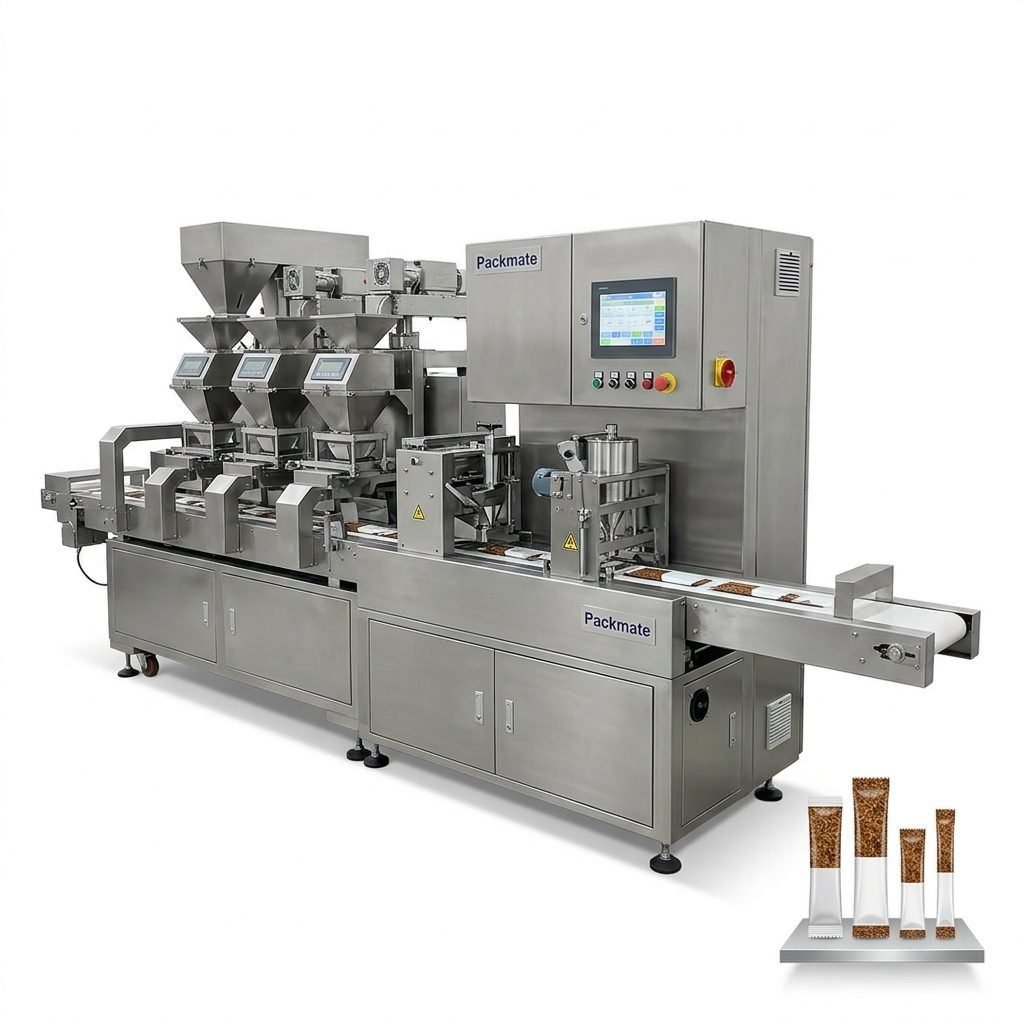
Entering the snus and nicotine pouch market in Honduras? Choosing the right packaging machine manufacturer is one of the most strategic decisions you will make. A reliable partner ensures product consistency, regulatory compliance, efficient production, and long-term support. This guide walks you through the practical steps to select the best snus packaging machine manufacturer in Honduras for your business needs, highlights critical evaluation criteria, and explains how to align machine capabilities with your production roadmap.
Understand Your Production Requirements First
Before you start contacting manufacturers, define your product and process requirements clearly. Ask the following:
What type of product? Nicotine pouches and snus can be powders, micro-granules, or moistened pouches. Each requires specific handling, dosing and sealing technologies.
What daily output do you need? Are you starting with a low-volume pilot or scaling up to multi-lane, high-speed production? Output targets determine whether you need single-lane sachet machines or multi-lane lines.
What packaging format and materials? Stick packs, sachets, multi-pouch cards, or cans will each influence machine choice. Consider film types, barrier properties and sealing temperatures.
Key Manufacturer Evaluation Criteria
When evaluating manufacturers, focus on technical capability, service, quality and compliance. The most reliable partners combine decades of engineering experience with strong after-sales support and certified quality systems.
🔍 Engineering Experience: Look for manufacturers with extensive experience in snus/nicotine packaging and a proven history of multi-lane systems. Companies with 20–30+ years often provide more robust designs and fewer surprises on delivery.
⚙️ Range of Models: A wide product range—from single-lane sachet machines to multi-lane automated lines—allows you to scale without changing suppliers.
🏭 Manufacturing Capacity & Facilities: Inspect whether the manufacturer operates advanced CNC machining centers, precision assembly lines and rigorous testing processes. These factors directly affect machine durability and consistency.
Certifications & Compliance
Ensure the manufacturer complies with international standards such as CE and ISO. Compliance demonstrates commitment to safety, quality control and global regulatory requirements. If you plan to export products, certification becomes essential for market entry.
Customization and Turnkey Solutions
Not every product or plant layout is standard. Ask whether the manufacturer provides turnkey solutions—this includes equipment, layout engineering, integration with upstream/downstream systems and optional auxiliary equipment. Customization capability saves time and avoids integration headaches.
✅ Turnkey Experience: A vendor who offers complete lines and has delivered installations globally will better manage electrical standards, automation protocols, and staff training.
Local Support vs. Global Manufacturer
In Honduras, local presence or regional support matters. A manufacturer with local representation or a dedicated regional service team reduces downtime and speeds up spare parts delivery. At the same time, global manufacturers with field experience across continents offer production-proven designs and mature service networks.
Balance these factors: a local distributor for rapid service and a global manufacturer for engineering depth is often the ideal combination.
Spare Parts and Maintenance
Availability of spare parts, preventive maintenance kits, and clear maintenance documentation are crucial. Ask about spare parts lead times for Honduras, recommended inventory levels and whether the manufacturer can provide remote troubleshooting or on-site technicians.
Performance Metrics to Verify
When evaluating proposals, verify real-world performance metrics rather than just theoretical specs:
– Actual throughput at your pouch weight and film type
– Machine uptime statistics from existing clients
– Changeover times between SKUs and formats
– Packaging yield (reject rates) and consistency
📊 Ask for case studies and performance data from similar installations—these are the most reliable predictors of actual results.
Visit a Live Demo or On-site Installation
Nothing replaces seeing machines run with your product or at least a similar product. Arrange a factory acceptance test (FAT) or a live demo. If a demo in the vendor’s factory is not possible, request videos showing the exact model in production and detailed acceptance test reports.
If the manufacturer has global installations, request contact details for clients who have similar lines so you can ask direct questions about reliability, spare parts and support responsiveness.
Technical Documentation and Training
Comprehensive documentation (mechanical drawings, electrical diagrams, PLC code descriptions) and operator & maintenance training are non-negotiable. Ensure the supplier offers training at your site as part of commissioning and provides user manuals in English and optionally Spanish for Honduran teams.
Total Cost of Ownership (TCO) — Not Just Initial Price
The lowest initial price can be costly long-term. Evaluate:
– Energy consumption and efficiency
– Consumables and spare parts pricing
– Routine maintenance labor and downtime impact
– Warranty terms and the cost of extended support
💡 Calculate a 3–5 year TCO to compare suppliers fairly. Include expected productivity gains from automation and reduced labour costs.
Integration with Existing Lines and Future Scalability
Plan for growth. Choose machines that can be integrated into future automated lines, with modular designs that support additional lanes, secondary packing, cartoning or case packing. Discuss interfaces (PLC, OPC-UA, remote access) to ensure compatibility with your plant control systems.
Compatibility with Regulatory Requirements
Nicotine-containing products face regulatory scrutiny. Confirm the machine design supports traceability features, batch coding, and any factory acceptance tests required by your local authority. The right manufacturer will help you design a compliant production line.
Why Packmate Snus Machine is Relevant to Your Search
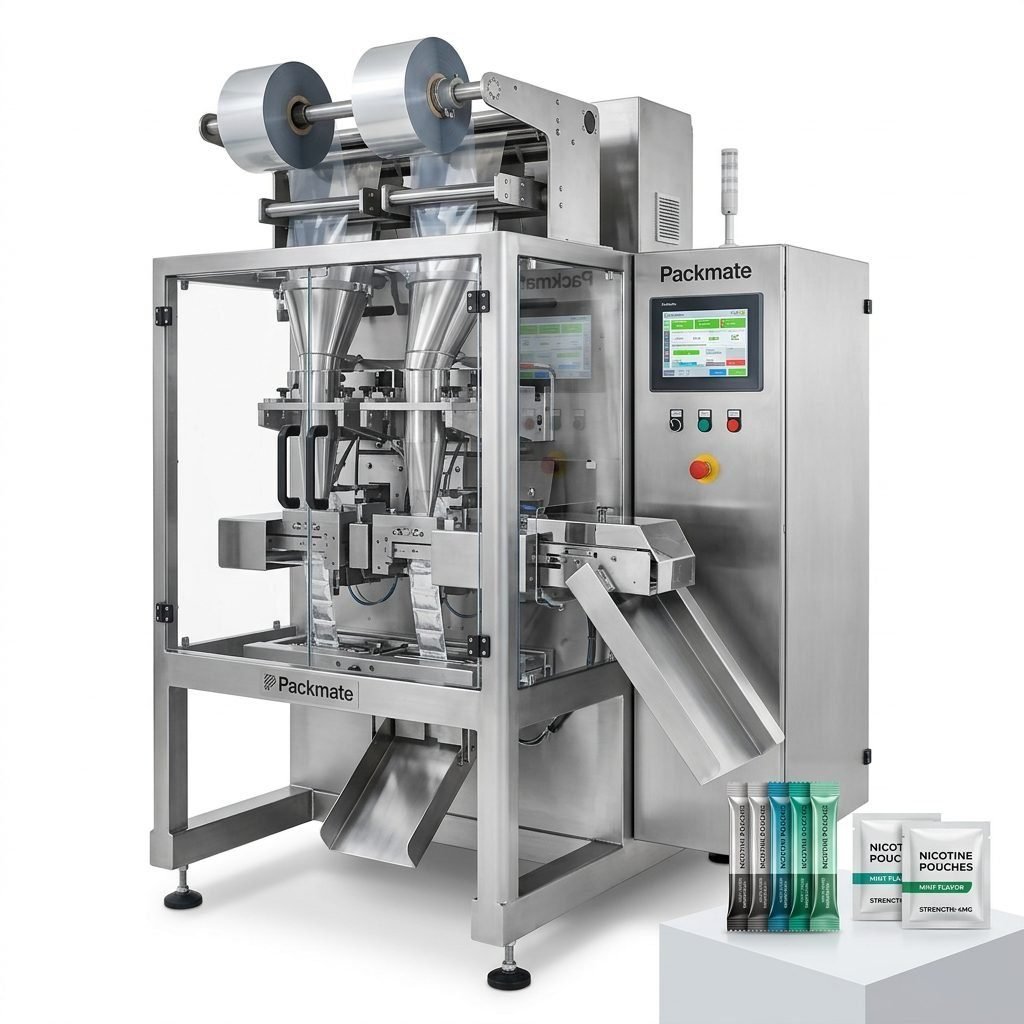
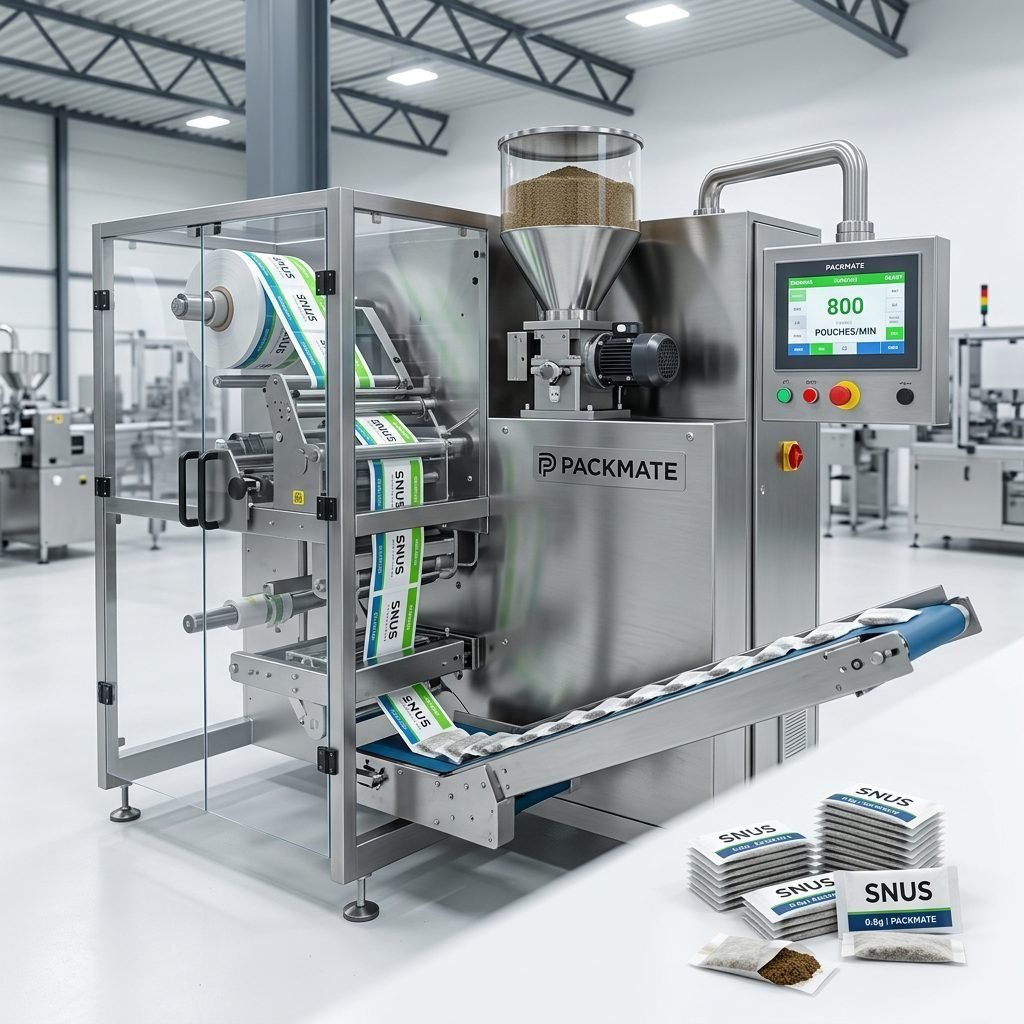
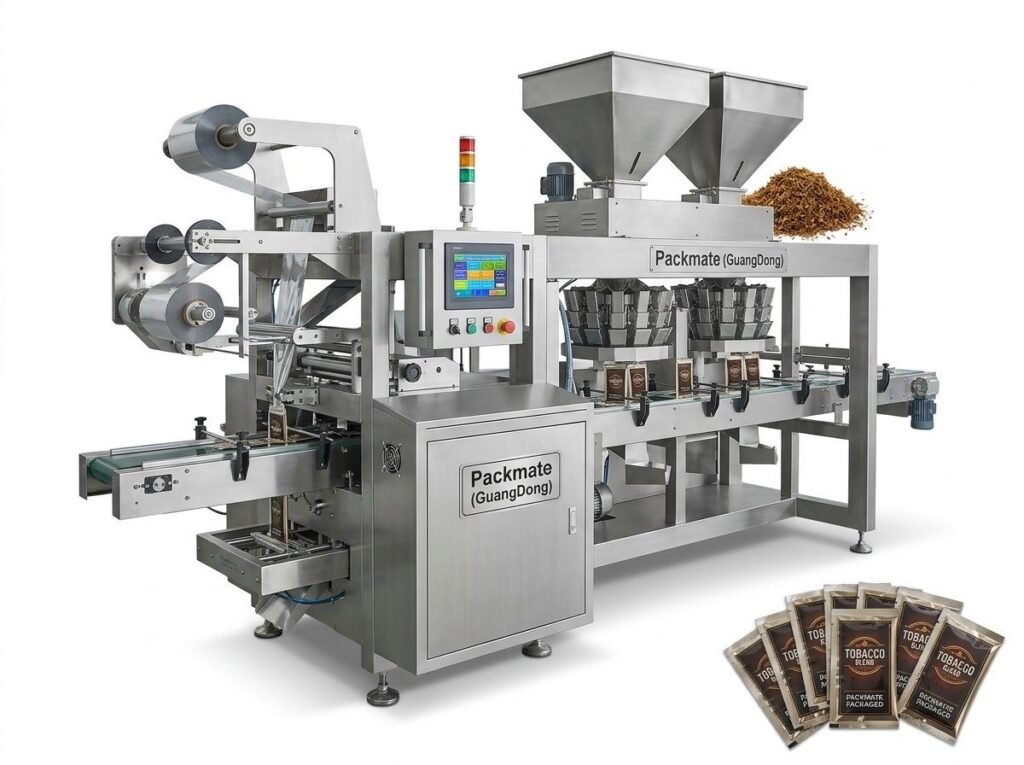
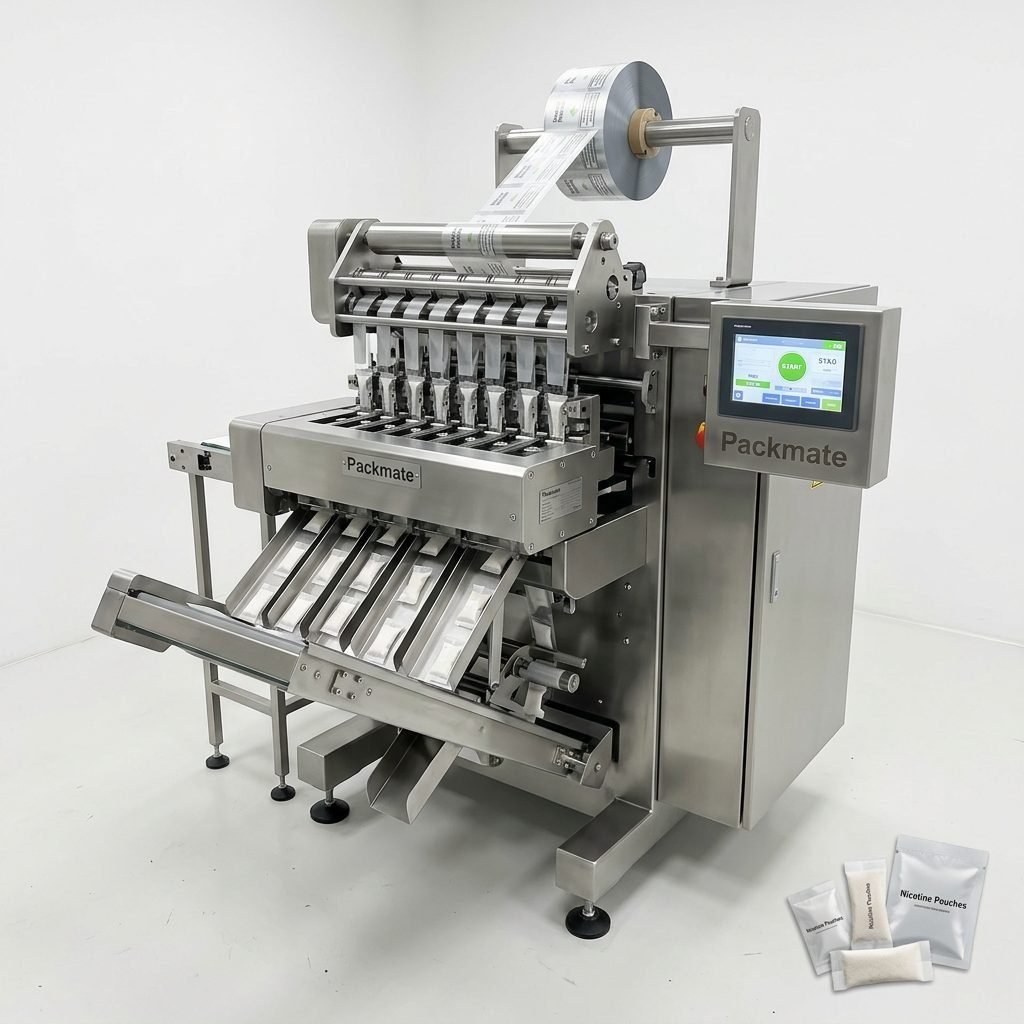
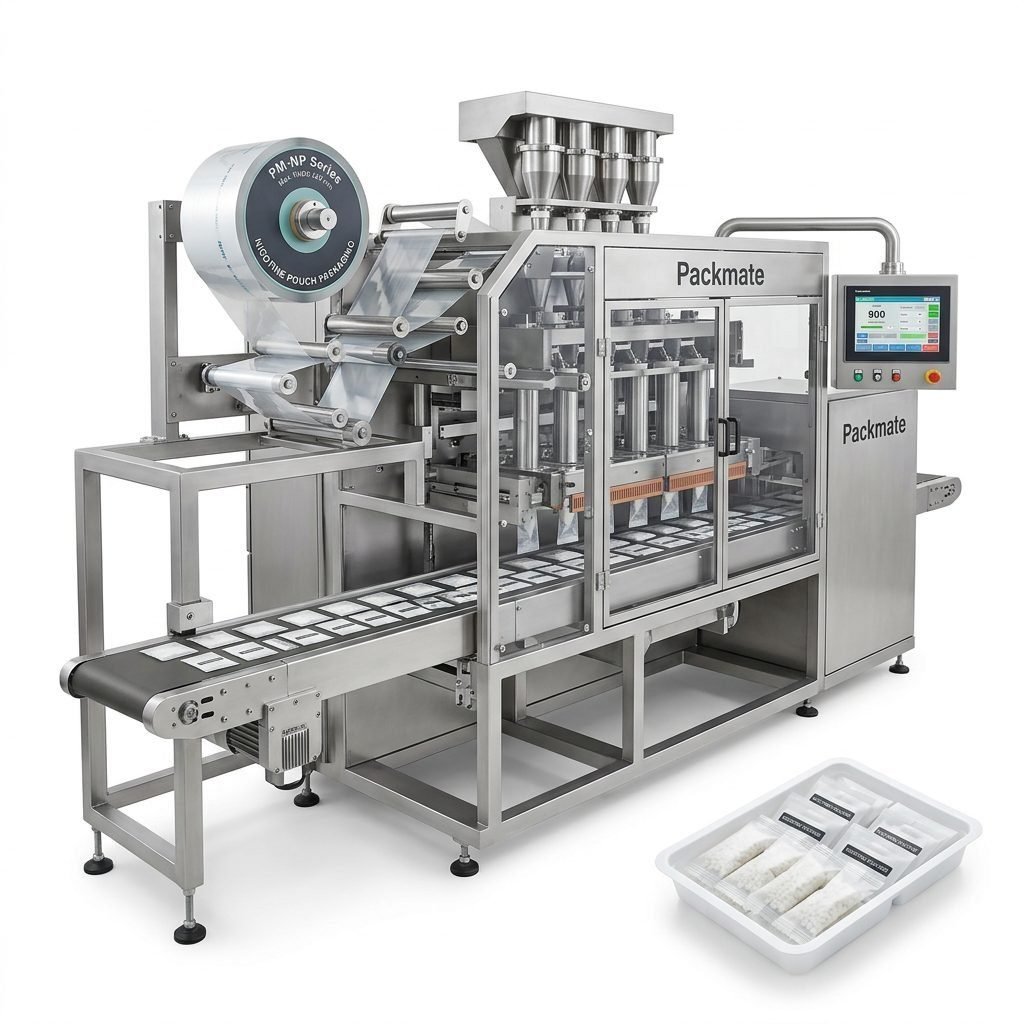
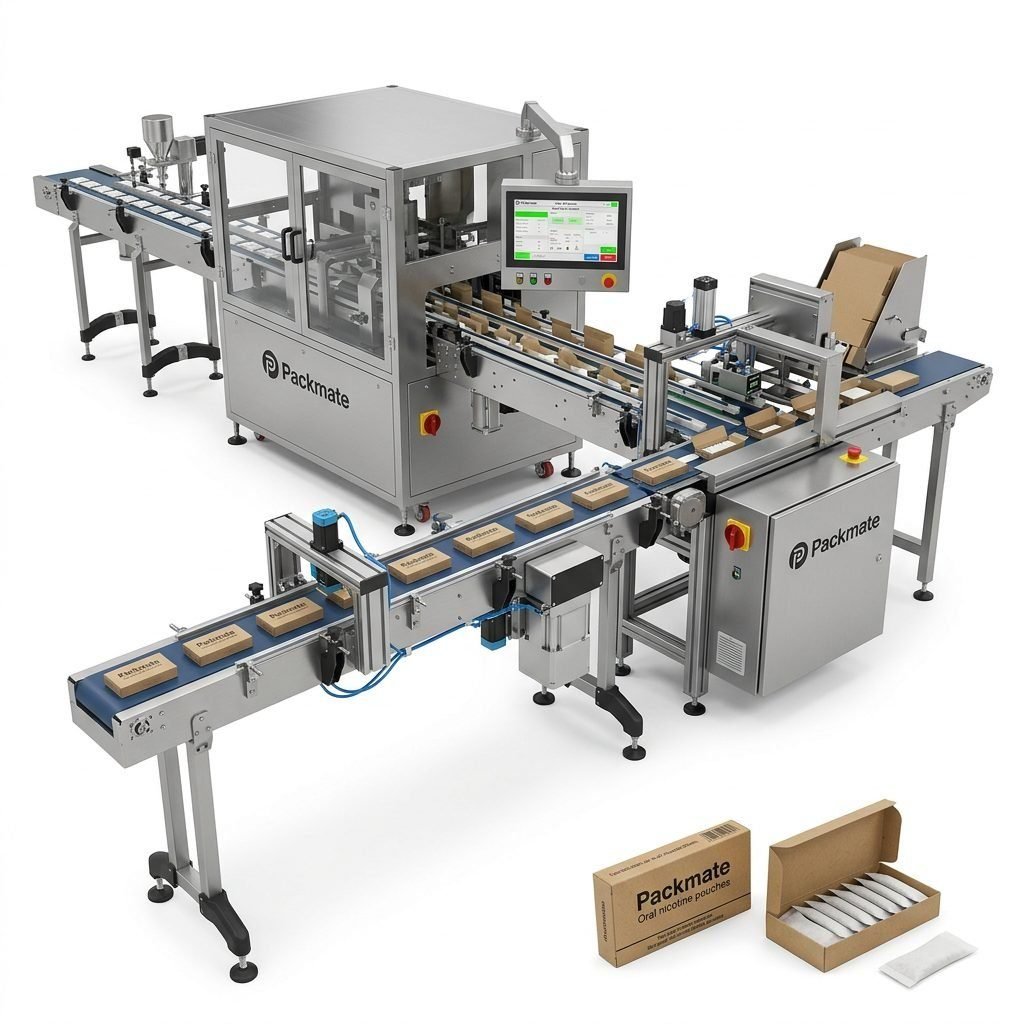
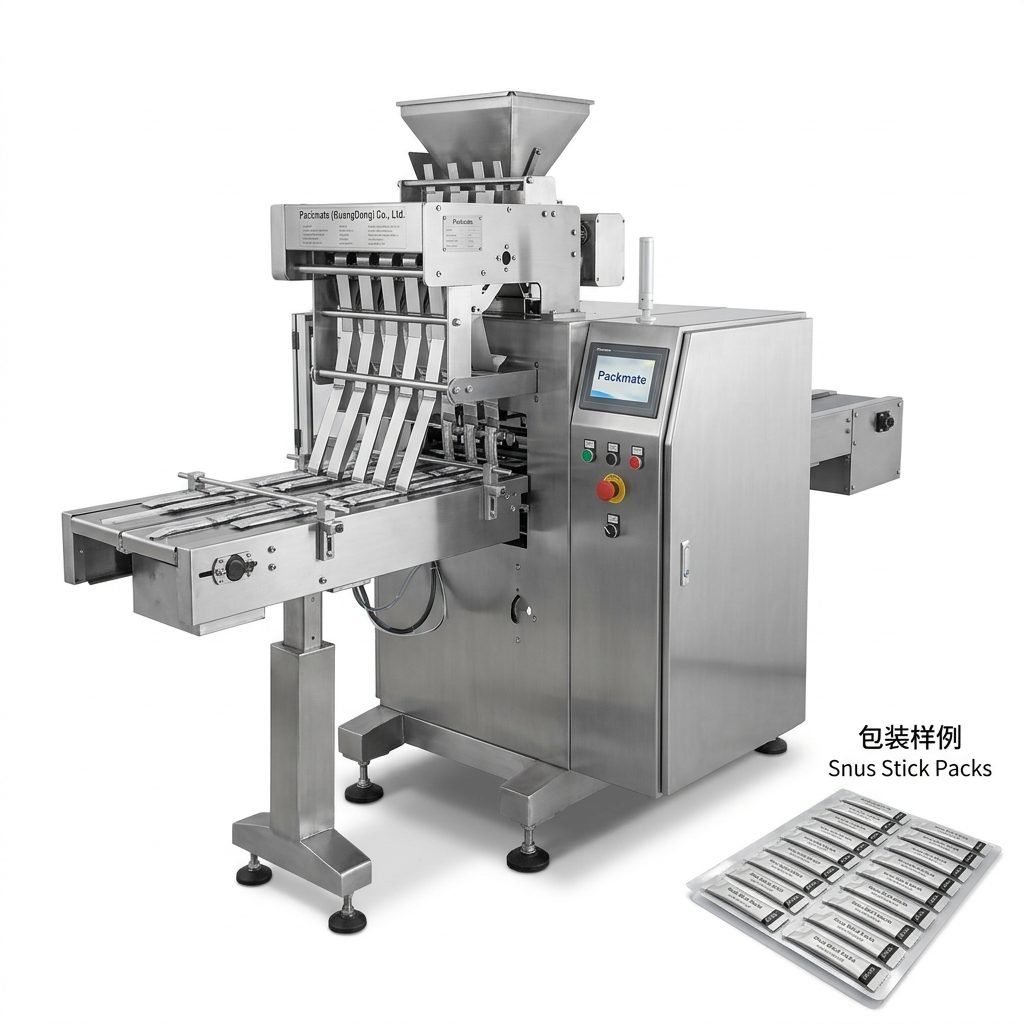
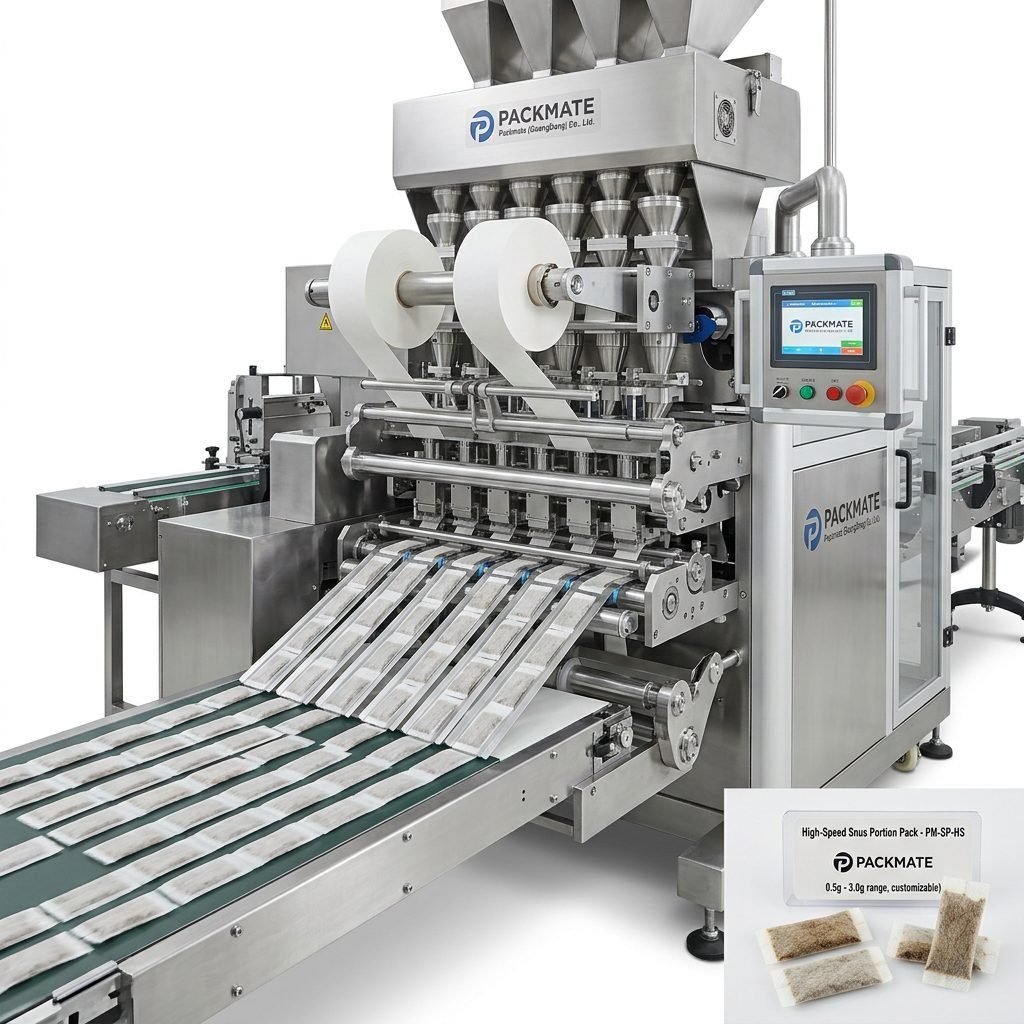
If you need a proven partner, consider manufacturers with decades of packaging experience. For example, Packmate Snus Machine brings over 30 years of engineering expertise, a 20,000㎡ factory with advanced CNC centers, and a wide product portfolio including Snus & Nicotine Packaging Machines and Sachet & Stick Pack Machines. Their turnkey approach supports full production lines, from filling to multi-lane packaging and downstream case packing.
Explore more about their capabilities on the About Packmate page, review case studies for real-world references, and check certificates to validate compliance.
Checklist: Questions to Ask Potential Manufacturers
🔧 What is the machine’s actual throughput for my product weight and pouch size?
🔧 Can you provide FAT/PAT reports and videos of similar machines running my product?
🔧 What are lead times for machines, spare parts and consumables to Honduras?
🔧 Do you provide installation, commissioning and on-site training in Honduras?
🔧 What warranty, remote support and service contracts are available?
🔧 Can the line be expanded or upgraded for higher capacity later?
Negotiation Tips and Contract Clauses
When negotiating, secure these contract points:
– Detailed delivery schedule with penalties for delays
– Clear acceptance criteria and FAT/PAT protocols
– Spare parts package and pricing for first 12–24 months
– Training scope and documentation languages
– Remote support SLA and on-site response time commitments
Finance and Warranty
Consider payment terms, financing options and extended warranties. Some trusted manufacturers offer structured payment plans tied to delivery milestones and successful FAT completion.
Making the Decision: Practical Steps
1. Shortlist 3–5 manufacturers with relevant experience and certifications.
2. Request detailed proposals, reference installations and FAT documentation.
3. Visit demos or client installations where possible.
4. Evaluate TCO and negotiate contract terms focused on uptime and support.
5. Finalize supplier and document acceptance criteria clearly.
🔑 Pro tip: Prioritize a manufacturer that offers both robust equipment and a clear, localizable service plan for Honduras. This combination minimizes risk and protects your production continuity.
Useful Resources and Next Steps
Explore product categories and technical details to refine your specification. Useful links include the manufacturer’s product pages for Snus & Nicotine Packaging Machines, Bag & Pouch Packaging Machines, and Weighing & Packaging Systems for integrated solutions.
Contact potential suppliers early to discuss your timelines, local regulatory needs and spare parts logistics. When in doubt, ask for references and FAT records—they reveal much about real-world performance.
Final Advice
Choosing the right snus packaging machine manufacturer in Honduras combines careful technical evaluation with pragmatic considerations about support, spare parts and scalability. Invest time in vendor due diligence—inspect facilities where possible, verify certifications, and ensure the partner you choose will support your growth beyond the initial installation.
Frequently Asked Questions
Q1: How long does it take to get a complete snus packaging line installed?
A1: Typical lead times vary by complexity—single machines may ship within weeks; full multi-lane turnkey lines usually require 12–30 weeks including design, manufacturing and FAT.
Q2: What after-sales support should I expect?
A2: Expect commissioning, operator and maintenance training, spare parts supply, remote troubleshooting and optional on-site service contracts. Confirm response times for Honduras specifically.
Q3: Can a supplier help with regulatory compliance and traceability features?
A3: Reputable manufacturers will support batch coding, serialization and traceability, and can advise on regulatory testing and documentation needed for market approval.
Q4: Is it better to buy multi-lane equipment from day one or start small and upgrade later?
A4: This depends on capital, demand forecasts and time-to-market needs. A modular approach often balances lower initial investment with upgrade paths for growth.