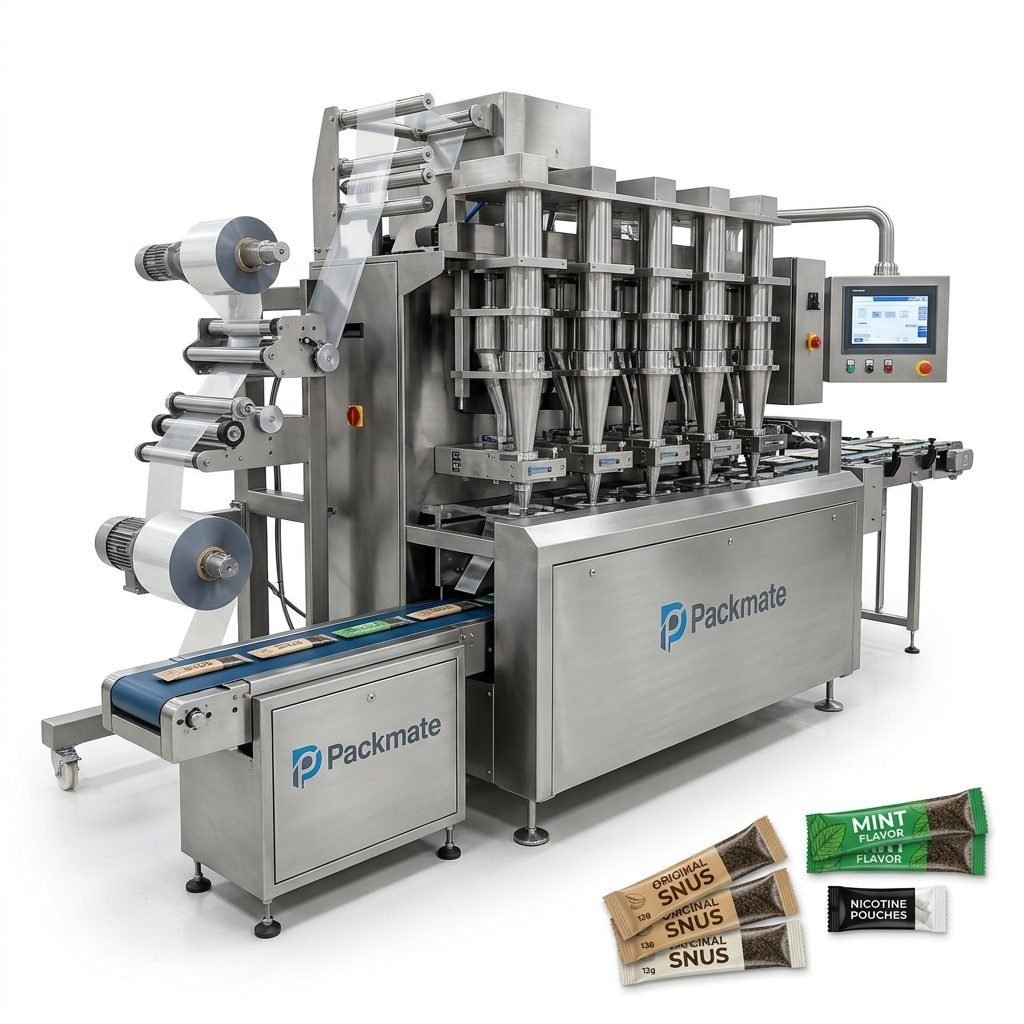
Choosing the right snus packaging machinery for the Norway market requires more than just comparing prices. You need machines that meet strict regulatory demands, deliver consistent dose control, support flexible packaging formats, and provide long-term service and spare parts. This guide walks you through the practical steps to evaluate, select, and buy the best snus packaging equipment — with an emphasis on real-world considerations, ROI, and supplier credibility.
Understand Norway’s Market and Regulatory Context
🔎 Norway’s market for snus and nicotine pouches is unique: consumer expectations favor precise portioning, premium pouch feel, and reliable shelf life. At the same time, regulations and import controls require traceability and compliance with food and product safety standards. When evaluating equipment, prioritize machines that support hygienic design, easy cleaning, and clear documentation for audits and certification.
Key regulatory and market points
• Product traceability and batch coding capability.
• Sealed, tamper-evident pouch options for retail acceptance.
• Ability to handle different moisture-sensitive blends and packaging laminates.
• Integration with labeling, serialization, and foreign language printing if exporting.
Define Your Production Needs First
Before talking to vendors, document your product specs and business objectives. This includes daily throughput targets, pouch formats (stick, sachet, multi-lane), dose ranges, and future scalability needs. Clear specifications will prevent overspending on unnecessary features or buying undersized machines that become bottlenecks.
✅ Practical checklist: production target (units/hr), pouch dimensions, fill weight tolerance, number of lanes, changeover time target, packaging material specs, downstream equipment (cartoning, case packing).
Choose the Right Machine Type for Your Product
Selecting the correct machine family is essential. For snus and nicotine pouches, there are several proven options depending on desired packaging format and throughput.
Stick pack and single-dose lines
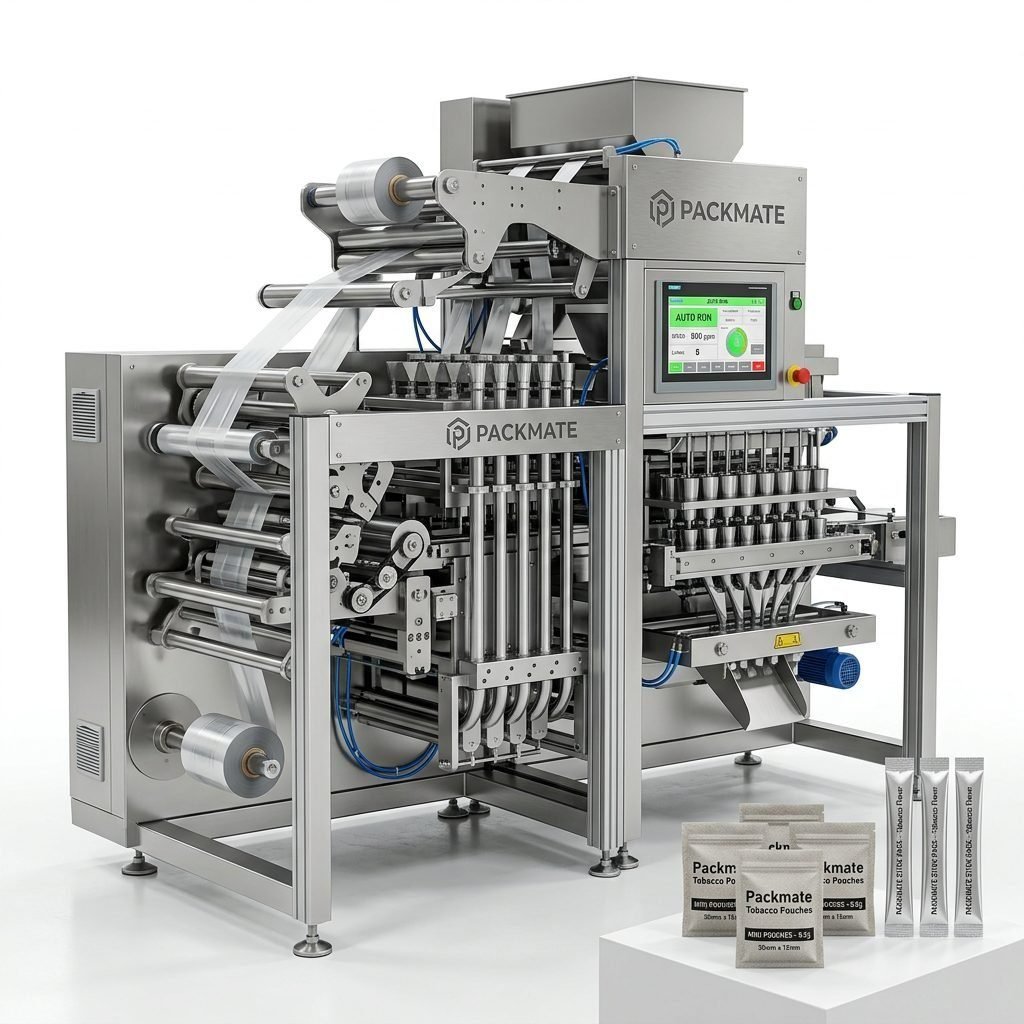
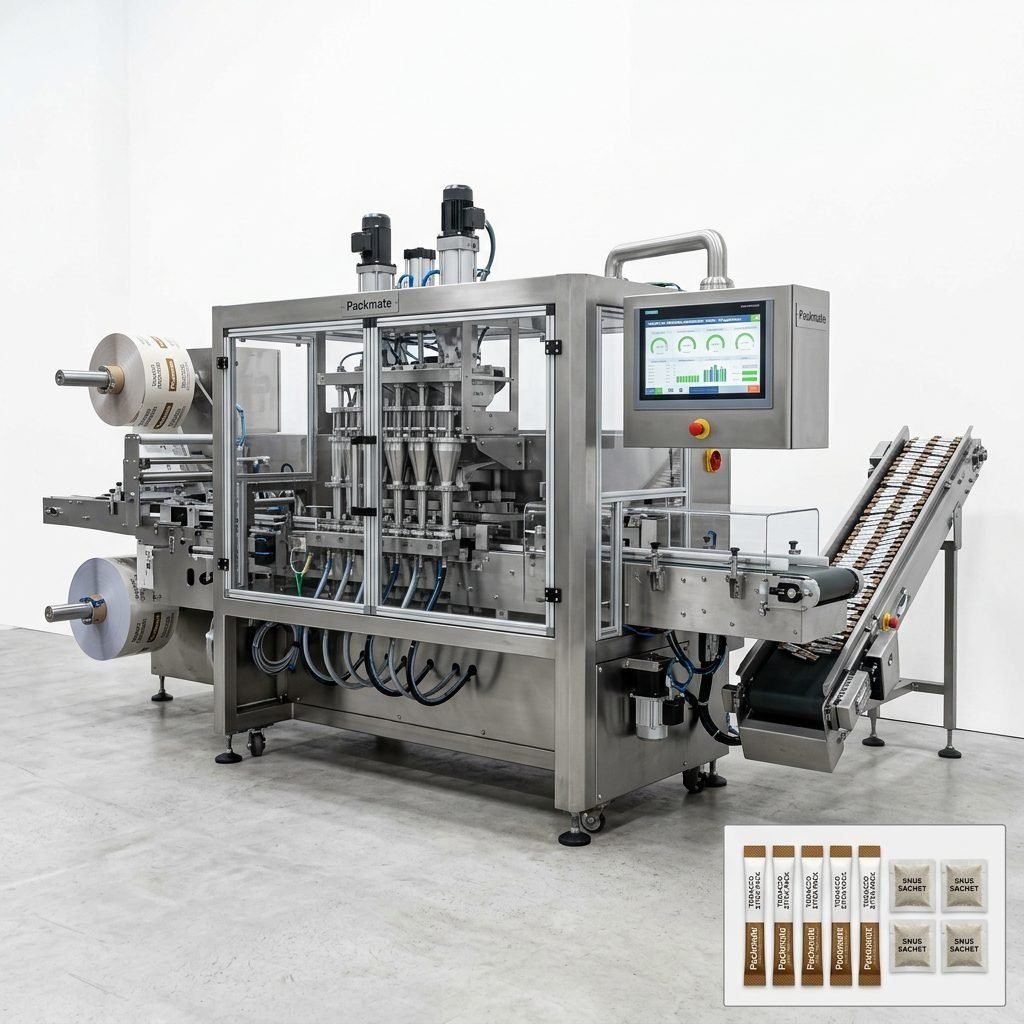
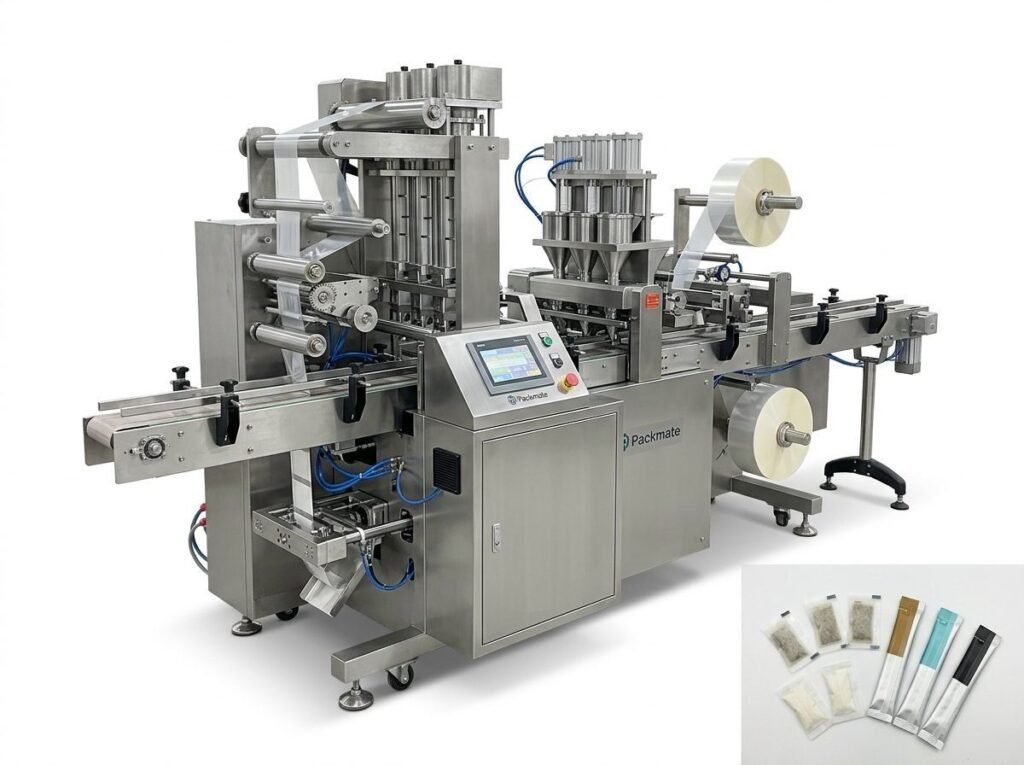
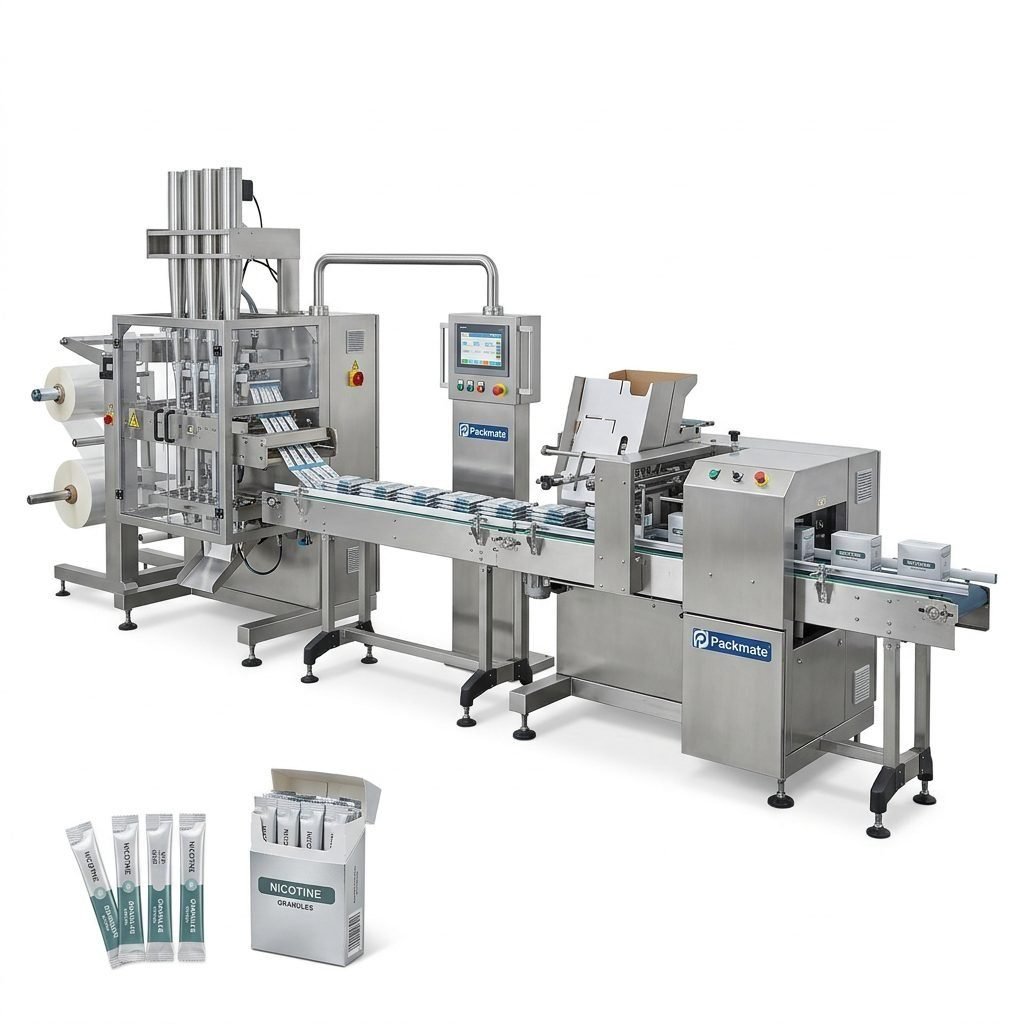
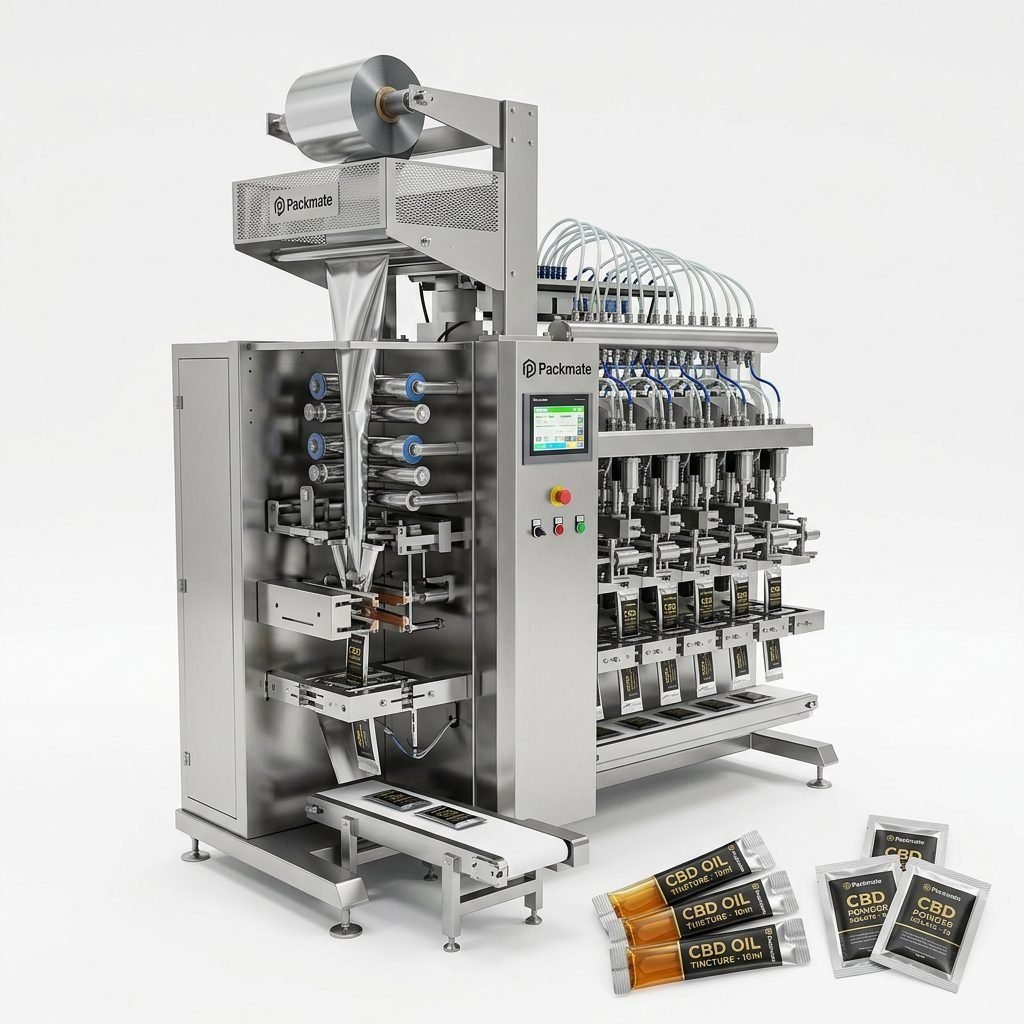
Ideal for single-portion stick formats and compact retail presentation. These systems are often highly modular and can be configured for small to medium production volumes. For reliable options, see specialist pages such as Sachet & Stick Pack Machines.
Multi-lane snus pouch lines
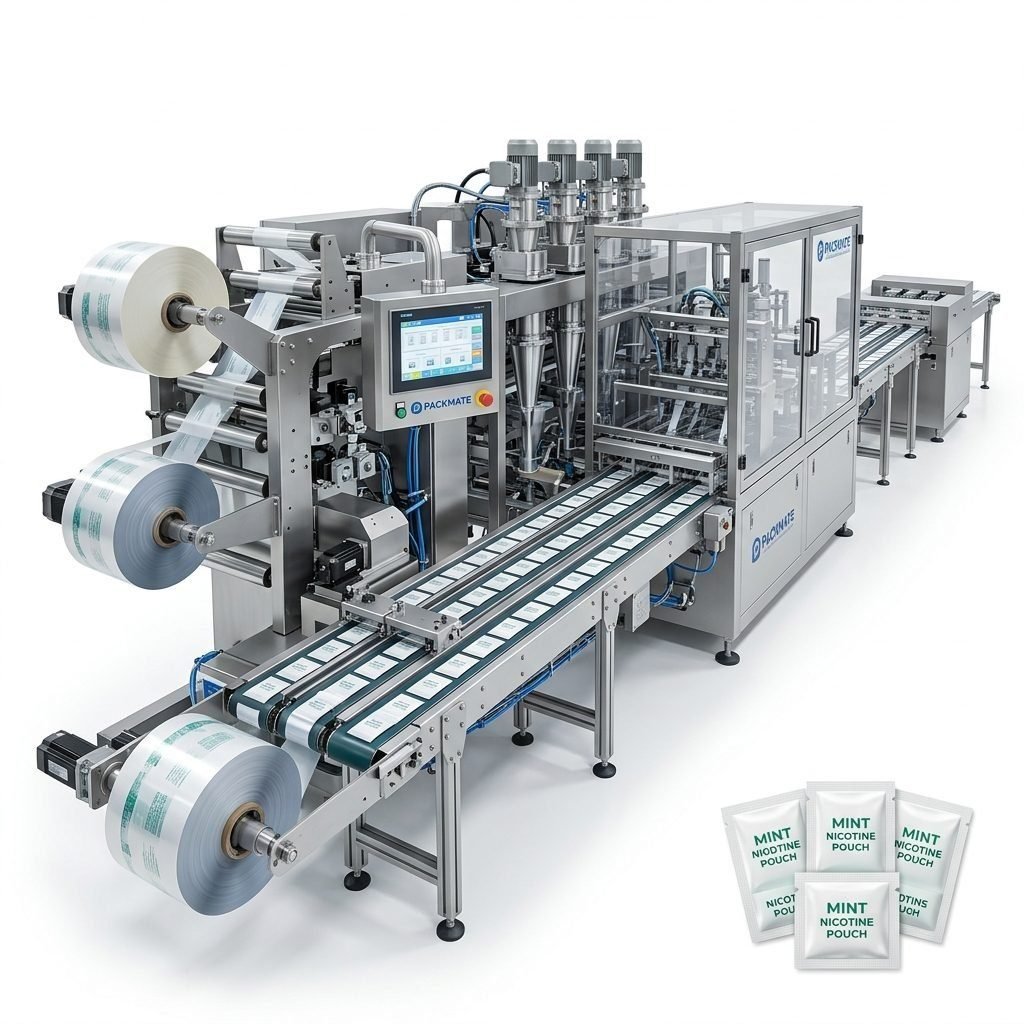
Multi-lane systems multiply output by running several lanes in parallel. They are perfect for high-volume producers who need minimal footprint. Look for robust indexing, synchronized dosing, and lane isolation features for quick maintenance.
High-precision nicotine pouch machines
For small-dose products where weight accuracy is critical, machines built specifically for nicotine pouches offer superior weigh/dose systems and gentle product handling. See product families such as Snus & Nicotine Packaging Machines.
Core Technical Criteria to Compare
When comparing suppliers and models, evaluate the following technical aspects carefully.
Throughput and scalability
Does the machine meet your current output and allow capacity upgrades? Multi-lane and modular machines make future expansion less costly.
Filling accuracy and consistency
Dose variation directly impacts regulatory compliance and product reputation. Prioritize machines with closed-loop weighing or multi-head weighers that maintain tight tolerances.
Packaging material compatibility
Confirm the machine supports your laminate structure (PE, PA, foil, barrier materials) and can handle coated and uncoated films without film jamming or wrinkling.
Changeover time & tooling
Fast, tool-less changeovers reduce downtime for format shifts. Ask suppliers for real changeover time demonstrations and spare tooling costs.
Hygienic design & cleanability
Hygienic construction minimizes product contamination risk and simplifies daily cleaning. Stainless contact parts, easy access panels, and CIP-compatible features are valuable.
Automation, Integration and Industry 4.0
Modern packaging lines must integrate upstream and downstream machines for efficient operation. Evaluate PLC/HMI architecture, recipe management, remote diagnostics, and data logging features. Industry 4.0-ready equipment reduces troubleshooting time and improves traceability.
🔧 Ask for: remote monitoring options, OEE reporting, recipe lockouts for regulatory control, and Ethernet/OPC-UA communication for plant integration.
Supplier Selection: What Matters Most
Selecting the right supplier is as important as the machine itself. Look beyond marketing and evaluate engineering capability, factory strength, and after-sales support.
Engineering experience and model range
Choose manufacturers with deep experience in snus and nicotine pouch machinery and a broad product portfolio. A company with 30+ years of engineering focus and dozens of machine models demonstrates problem-solving depth and mature designs.
Factory capacity and quality control
A large, well-equipped factory with CNC centers and precision assembly reduces lead times and improves consistency. Verify certifications like CE/ISO and request factory photos or virtual tours when possible.
After-sales support, spare parts, and training
Local or rapid-response support is critical. Confirm spare parts availability, training programs, on-site commissioning support, and remote troubleshooting capabilities. A supplier offering global turnkey solutions typically provides more complete service options — see their company overview such as About Packmate.
Evaluate Total Cost of Ownership (TCO) and ROI
Machine price is only part of the equation. TCO includes energy use, spare parts, consumables, downtime, and changeover labor. Calculate ROI based on realistic production figures and include conservative uptime estimates.
💡 TCO tip: request average energy consumption, mean time between failures (MTBF), and common spare parts pricing. Also inquire about retrofit upgrade costs to expand lanes or add automation later.
Factory Acceptance Tests (FAT) and Site Acceptance Tests (SAT)
Never skip FAT. A complete FAT demonstrates the machine running with your product and film at rated speed. Insist on formal acceptance criteria and recorded videos. After installation, SAT ensures the line performs in your environment, with local utilities and staff training completed.
What to include in FAT/SAT
• Running at full speed for extended periods.
• Weight and packaging integrity checks.
• Changeover demonstration between formats.
• Safety & interlock verification.
Customization, Upgrades and Auxiliary Equipment
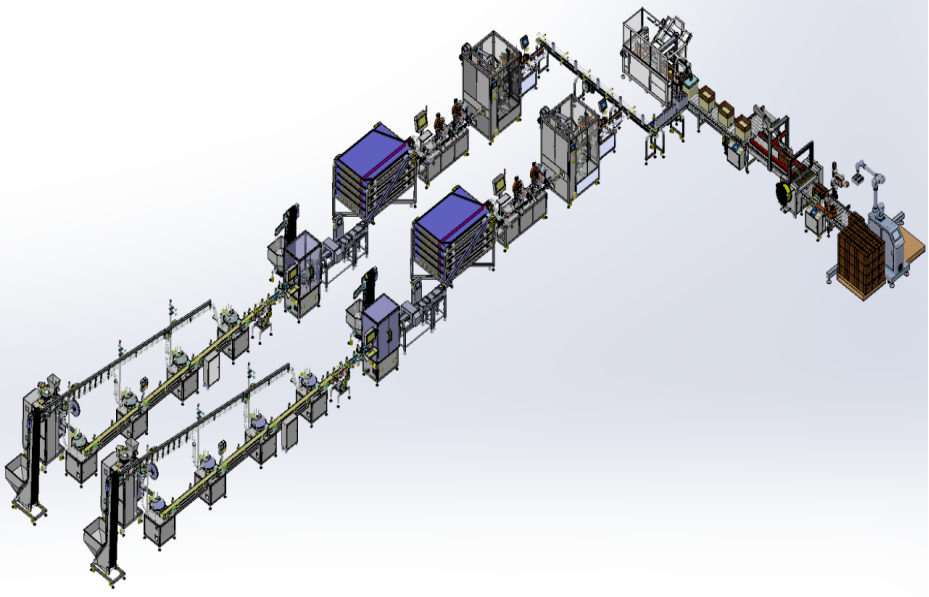
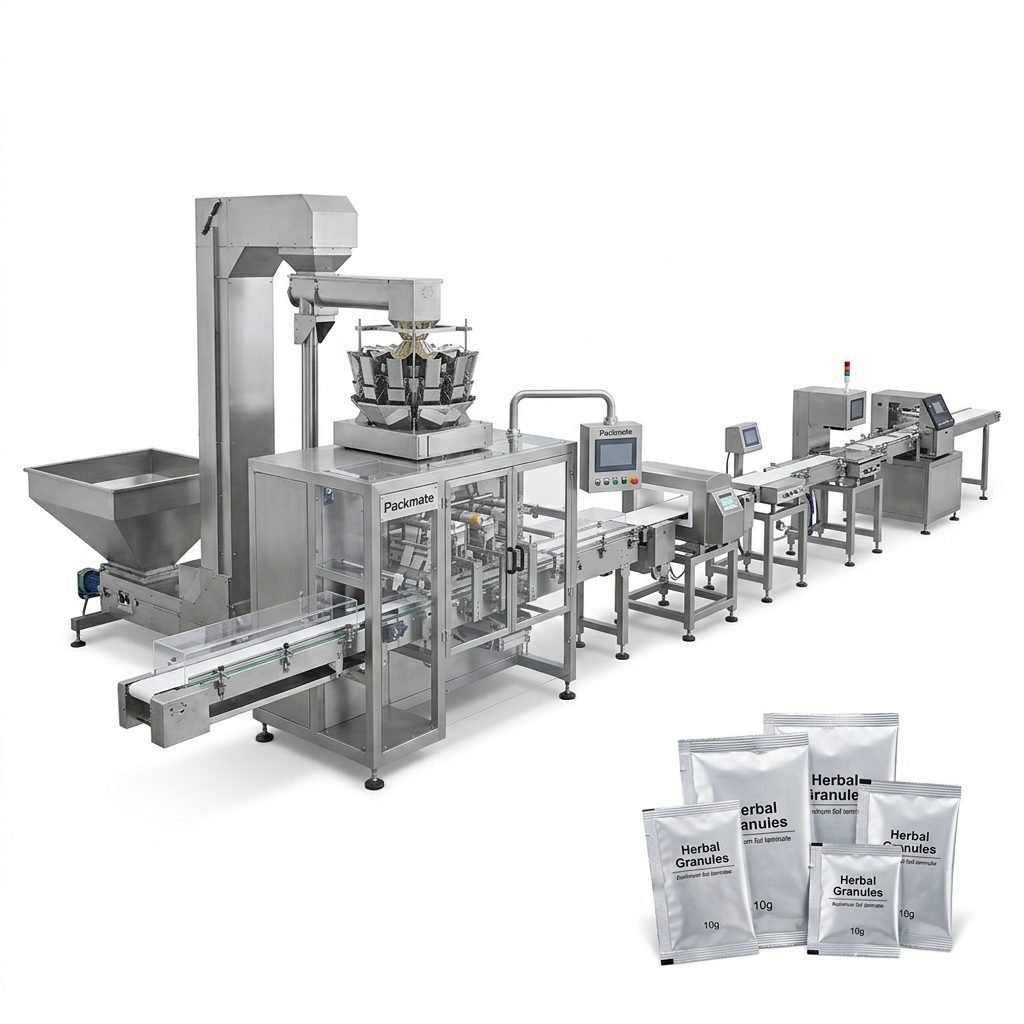
Your packaging line will often need auxiliary modules: vibration feeders, multi-head weighers, metal detectors, checkweighers, cartoners and case packers. Choose suppliers who offer integrated solutions or validated compatibility with third-party equipment. For full production lines and auxiliary choices, review the product families such as Filling & Packaging Lines and Auxiliary Packaging Equipment.
Verify References, Case Studies and Exhibitions
A reputable supplier will share case studies, customer references, and exhibition presence. Visit trade shows to see machines in operation and get live demos from experienced technicians. You can also review published case examples to assess real deployment results: Case.
Practical Buying Steps and Negotiation Tips
1) Send a detailed specification sheet to shortlisted vendors.
2) Request formal proposals that include lead time, warranty, spare parts list, and training.
3) Negotiate FAT terms, penalty clauses for missed delivery, and clear installation responsibilities.
4) Ask for a written service level agreement (SLA) covering remote support response times.
📌 Negotiation tip: include a spare parts kit and a one-year preventive maintenance visit in the purchase price — these items are often easier to secure during contract discussions.
Why Choose an Established Manufacturer
Established manufacturers bring engineering maturity, documented production processes, and a global support network. A company with decades of focused R&D, a large factory footprint, and a wide model range reduces procurement risk and offers upgrade paths as your product line evolves.
For information on certification and service presence, check the provider’s certificates and exhibition participation — these demonstrate industry recognition and commitment to quality. See the supplier’s exhibition history at Our Exhibition and certification overview at Certificate.
Site Preparation and Commissioning
Prepare your factory site with proper utilities, foundation or mounting rails, compressed air quality, and electrical supply. Confirm local installation and commissioning plans with your supplier well in advance to ensure smooth ramp-up.
Long-Term Maintenance and Spare Parts Strategy
Work with your supplier to build a spare parts inventory tailored to your production rhythm. Critical wear parts should be in-country, while less urgent spares can be ordered from the factory. Regular predictive maintenance lowers unscheduled downtime and improves ROI.
📞 Support access: confirm how to contact service engineers, response time SLAs, and whether remote debugging is available. If you want to learn more about service offerings, visit Service and Contact Us.
Final Selection Checklist
Before signing a contract, ensure you have:
- Documented FAT plan and acceptance criteria.
- Clear warranty, spare parts list and one-year PM schedule.
- Service SLA and remote support options.
- References and case studies for similar installs.
- Verified certification and factory capacity to meet lead times.
Conclusion
Choosing the best snus packaging machinery in Norway relies on balancing production needs, regulatory compliance, and long-term serviceability. Prioritize suppliers with proven experience, robust engineering, and a full-service offering. Conduct thorough FAT and SAT procedures, and secure clear agreements on spare parts and maintenance. With the right partner and clarified expectations, your packaging investment can deliver consistent quality, efficient production, and strong ROI.
Frequently Asked Questions
Q1: What is the typical lead time for a snus packaging line?
A1: Lead times vary by customization level and production schedule. Standard machines may ship in a few months; custom multi-lane lines can take longer. Confirm lead time in the proposal.
Q2: How do I ensure my machine meets Norwegian regulatory requirements?
A2: Choose machines with hygienic design, traceability options, and CE/ISO compliance. Documented FAT, clear batch coding capability, and supplier-provided certification will support regulatory needs.
Q3: Is multi-lane equipment always the best choice?
A3: Not always. Multi-lane equipment boosts throughput but increases complexity and initial cost. For smaller volumes or frequent product changes, a single-lane or modular stick pack solution may be more economical.
Q4: How important is after-sales support from the manufacturer?
A4: Extremely important. Fast spare parts delivery, remote troubleshooting, and on-site training minimize downtime and protect production. Verify local support options and SLA terms before purchase.
Q5: Where can I see real-world installations and machine demos?
A5: Visit supplier case studies and exhibition pages, or request live demos and FAT sessions. Suppliers frequently showcase machinery at international exhibitions and maintain documented case references.