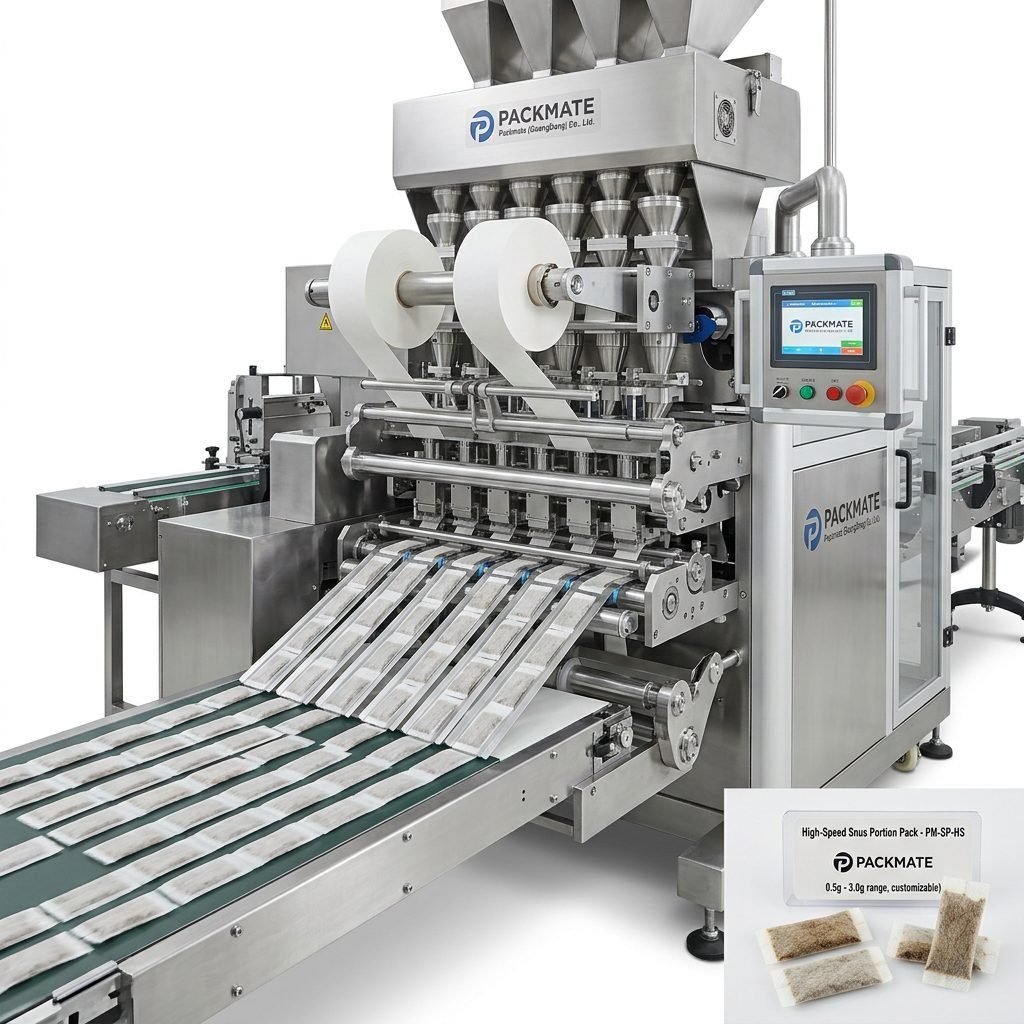
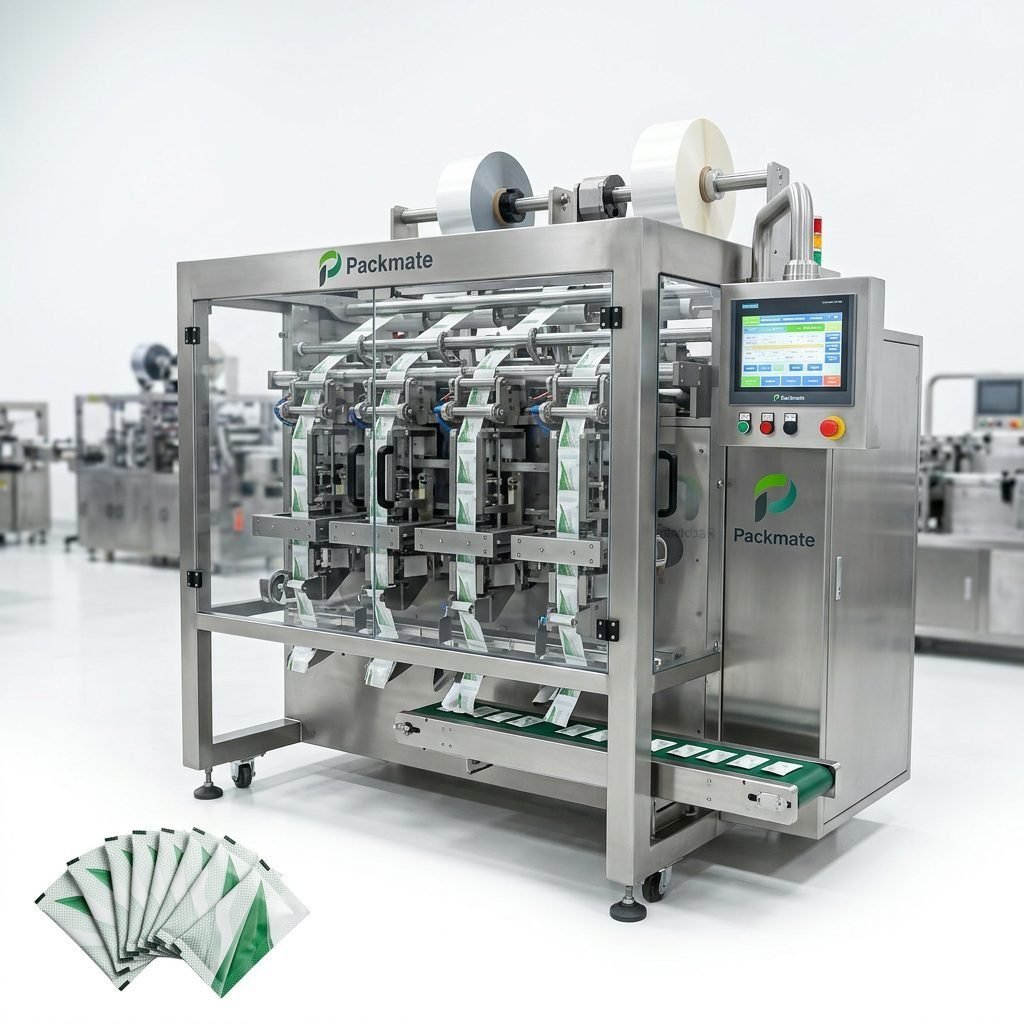
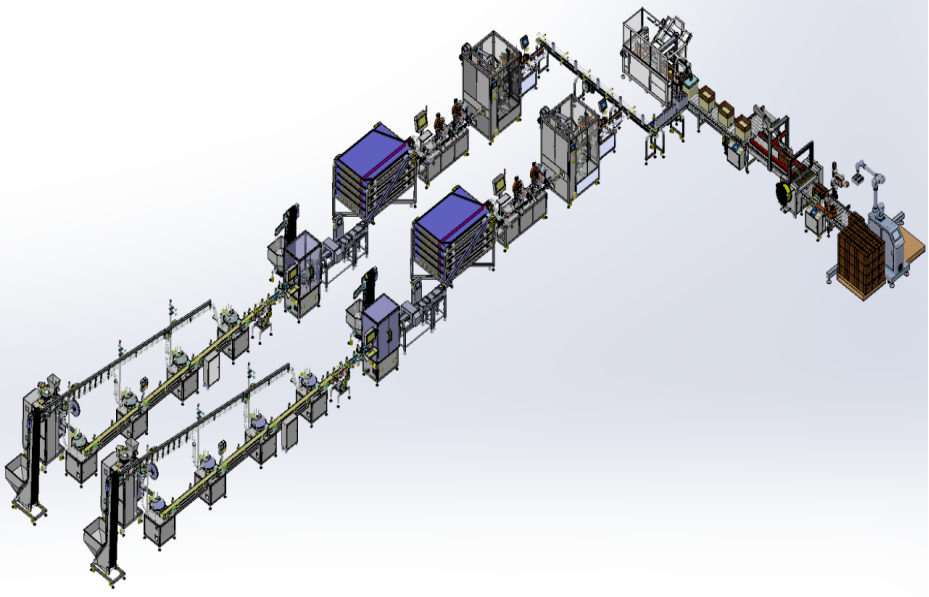
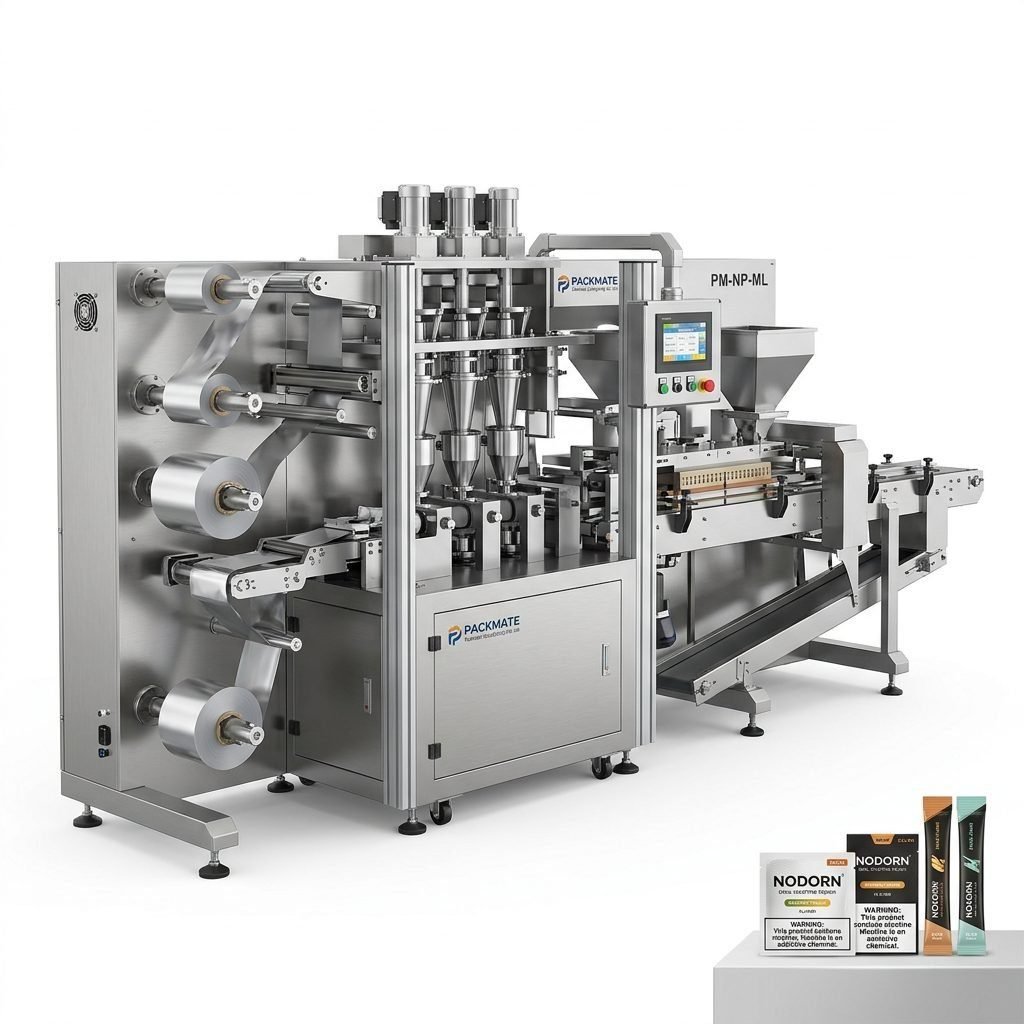
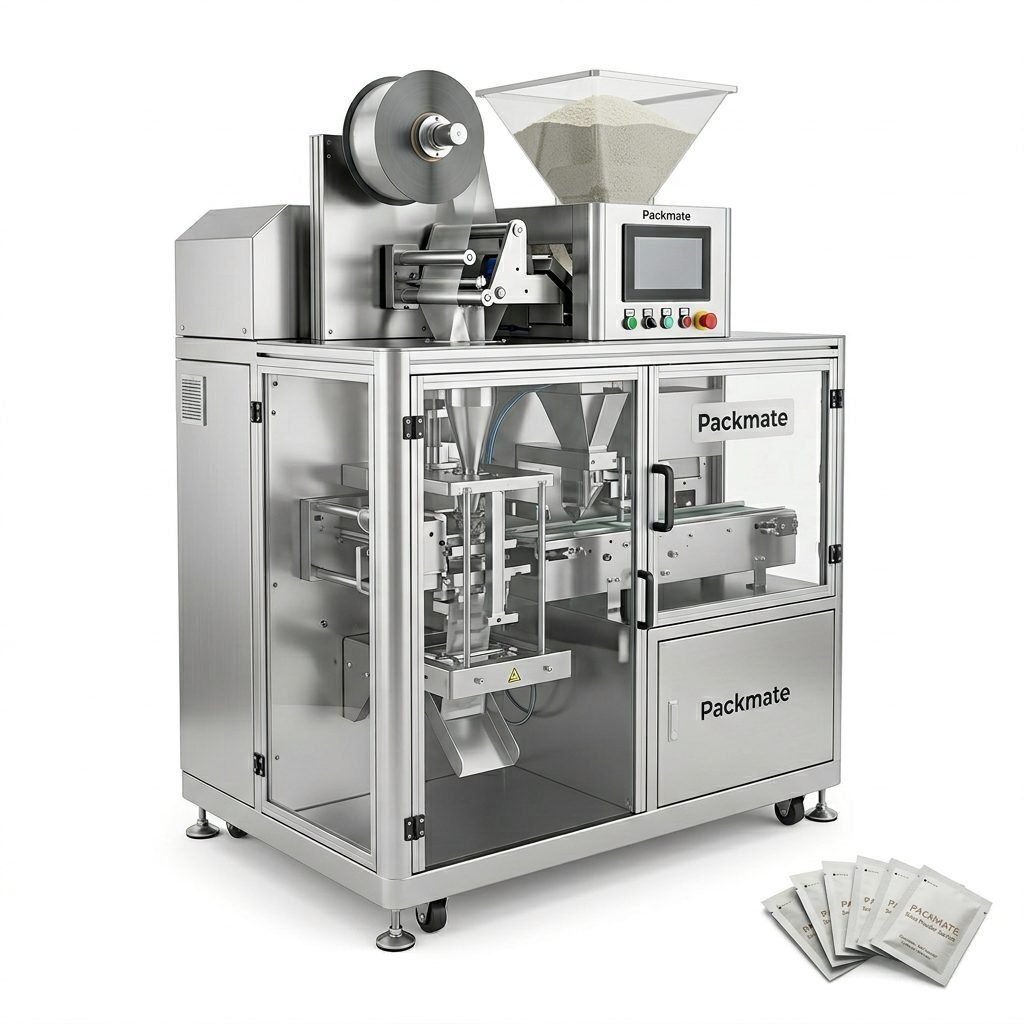
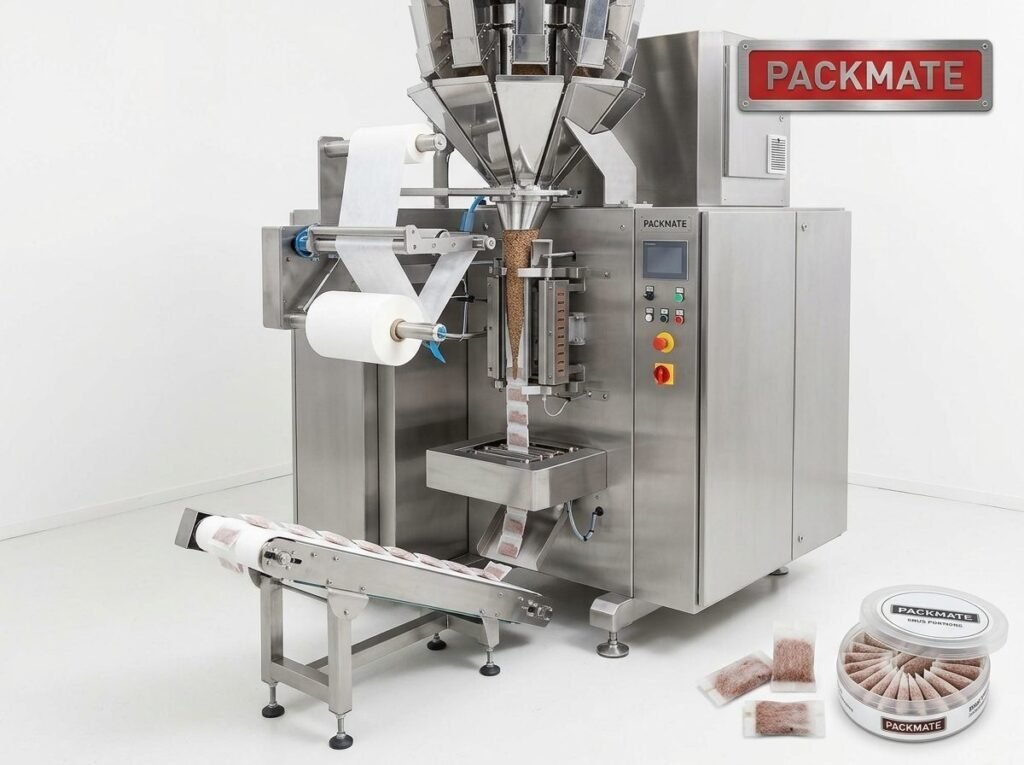
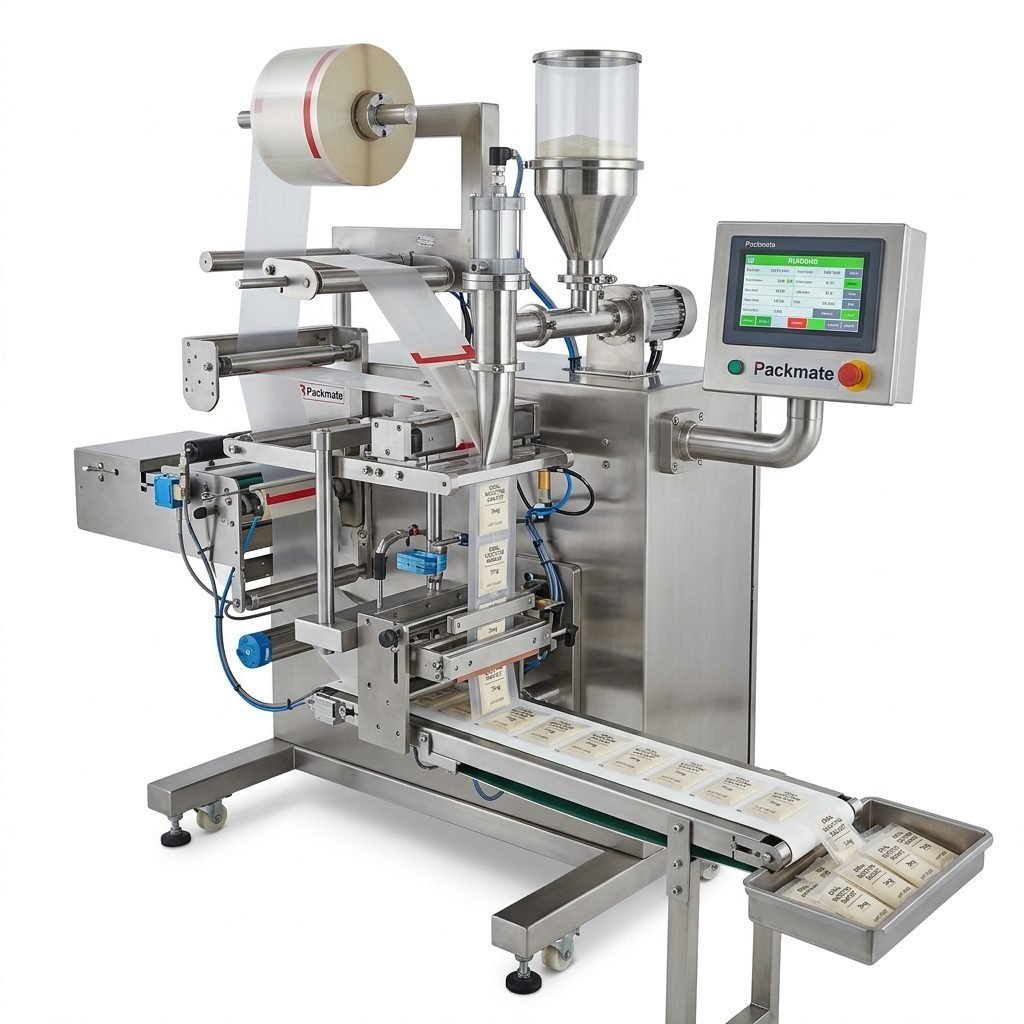
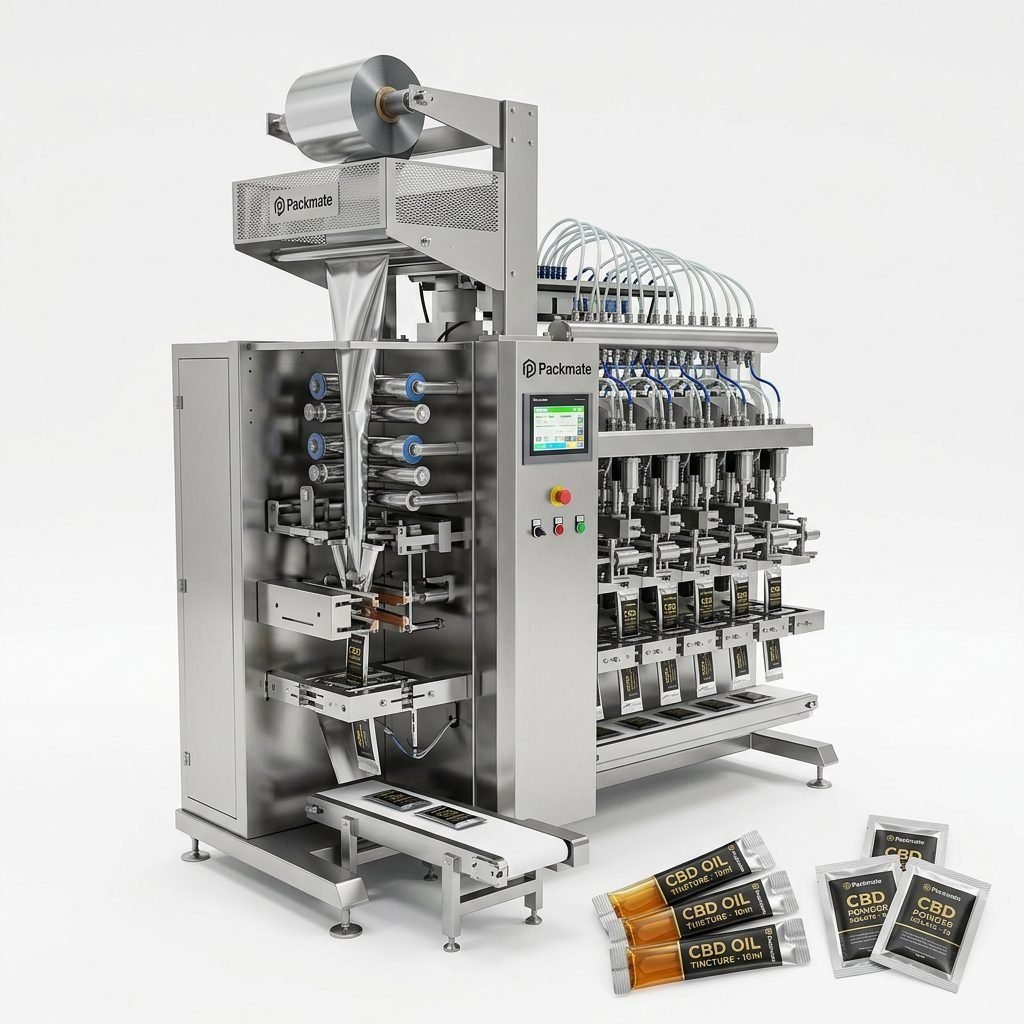
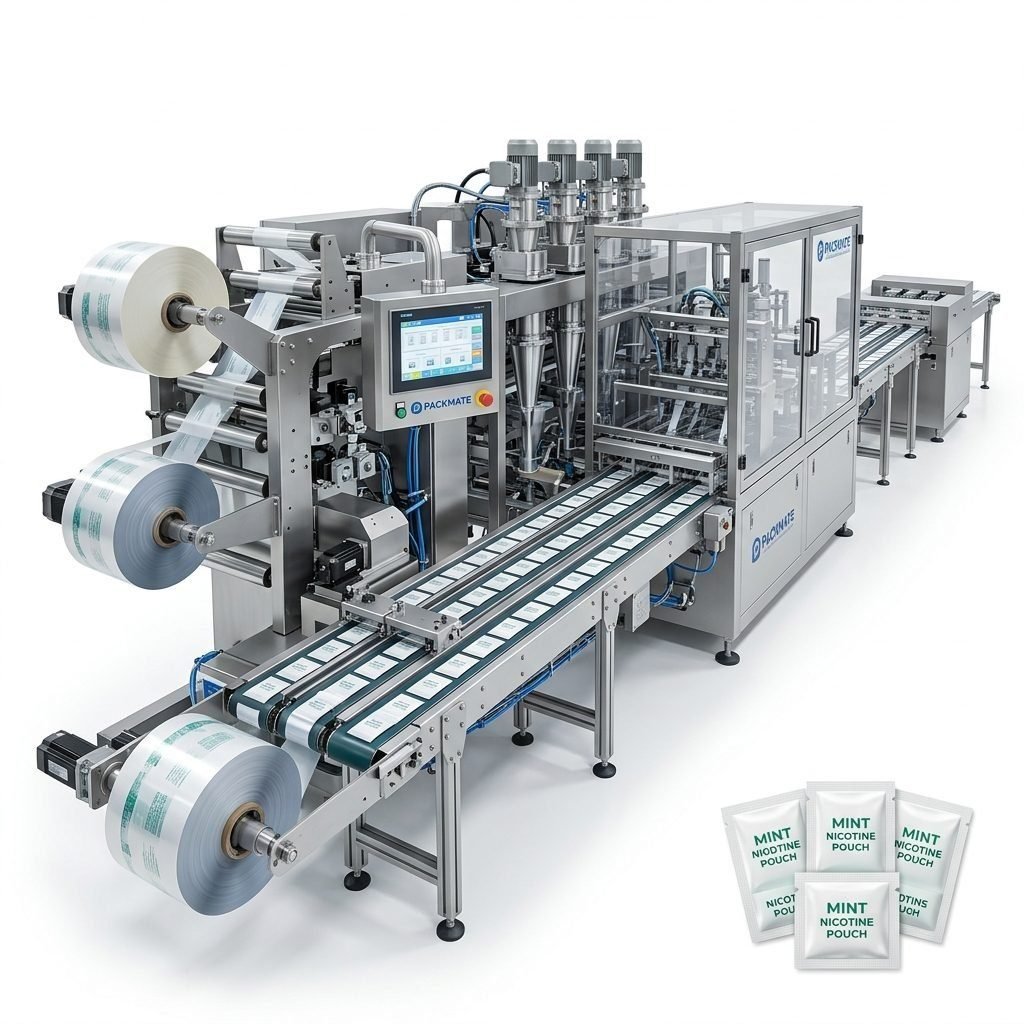
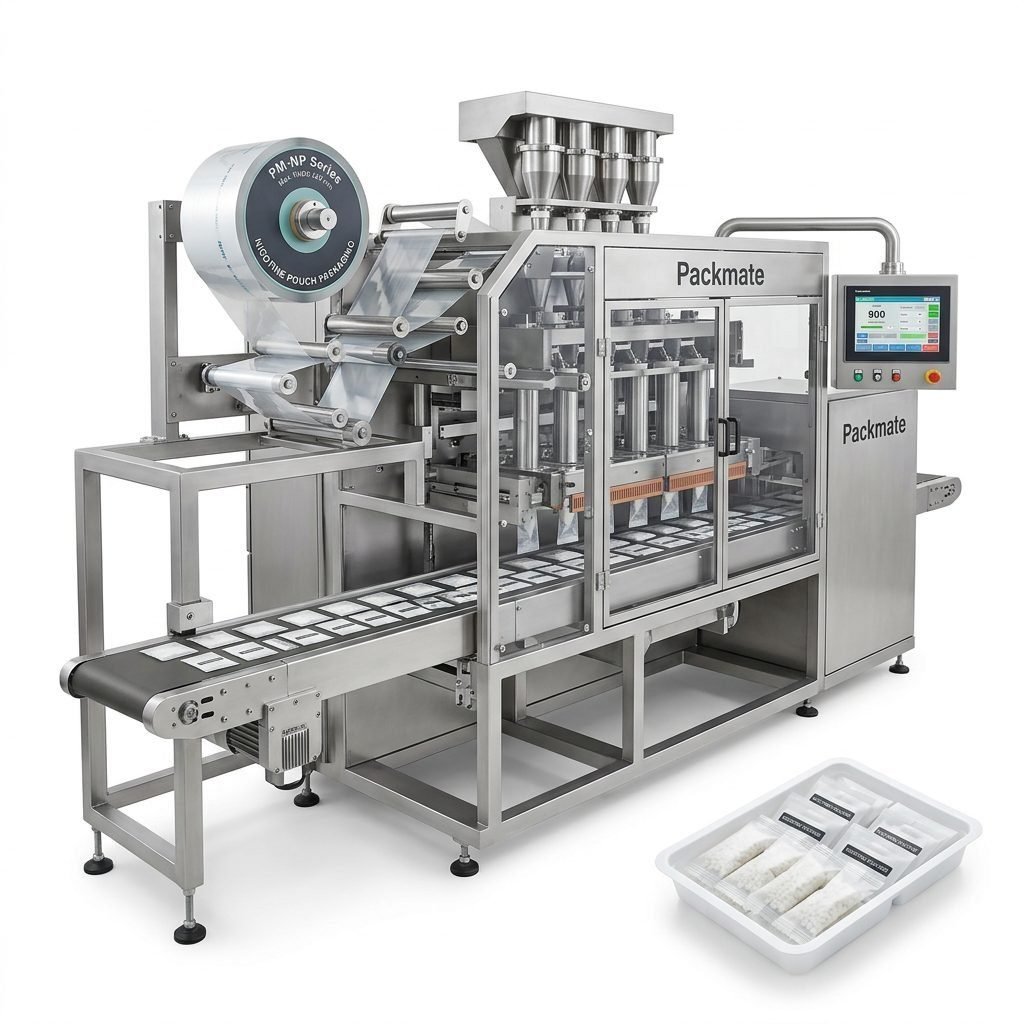
Choosing the right nicotine packaging machine manufacturer in Palestine is a strategic decision that affects product quality, operational efficiency, regulatory compliance, and long-term costs. This guide breaks down the key considerations, evaluation steps, and practical tips to help you select a manufacturer who can deliver reliable snus and nicotine pouch packaging solutions tailored to your business needs.
Understand Your Production Requirements
Start by clearly defining your production goals. Ask yourself: what is the expected daily or monthly output? Which pouch types (snus bags, stick packs, sachets, multi-lane pouches) will you produce? What are your target fill weights (mg to grams), product forms (powder, granule, liquid), and packaging materials (laminated film, foil, aluminum)?
Make a prioritized list: capacity, accuracy, footprint, automation level, and budget. This list becomes the foundation for vendor discussions and technical specifications.
Why Manufacturer Experience and Specialization Matter
Experience matters more than price when you need consistent performance. A manufacturer with decades in packaging machinery brings refined mechanical design, robust PLC/software integration, and proven solutions for nicotine pouch challenges such as dust management, precise dosing, and multi-lane synchronization.
For example, Packmate Snus Machine emphasizes 30+ years of engineering expertise and focused development in snus packaging — an advantage when you require high-performance multi-lane systems and turnkey production lines.
Key takeaway: Choose manufacturers who demonstrate product focus in snus/nicotine packaging, not generalist suppliers. This reduces integration risk and speeds up troubleshooting.
Technical Capabilities: What to Inspect
Evaluate machine architecture: servo-driven systems, modular design, easy-access maintenance points, and corrosion-resistant materials. Critical features for nicotine pouch production include dosing accuracy (very small weights), stable sealing systems for flexible films, and reliable indexing for multi-lane formats.
Ask about CNC-manufactured parts, in-house assembly capabilities, and the degree of automation offered — from basic semi-automatic units to full turnkey lines that include weighing, filling, sealing, and secondary packaging.
Questions to ask the manufacturer
• What is the machine’s guaranteed throughput and accuracy?
• What are typical material formats and film specifications?
• How does the machine handle dust control and cross-contamination?
• Which PLC and HMI brands/software are used?
• What are the maintenance intervals and recommended spare parts?
Quality Assurance, Compliance and Certifications
Regulatory compliance is essential. Ensure the manufacturer adheres to international standards like CE and ISO — these signals indicate rigorous quality control and safer equipment integration into regulated markets.
Inspect their testing procedures: final machine run-off, packaging seal tests, weight verification cycles, and electrical safety checks. Factory acceptance testing (FAT) and site acceptance testing (SAT) should be standard practice.
Red flag: Manufacturers unwilling to provide FAT videos, testing data, or references from similar installations.
Service, Support and Spare Parts Availability
After-sales service can make or break your operations. Confirm the availability of spare parts, typical lead times, and whether the manufacturer offers remote troubleshooting, on-site service, or training packages. A factory with a large manufacturing facility and robust assembly systems is more likely to manage spare parts supply and faster service turnarounds.
Packmate’s 20,000㎡ factory, for instance, suggests an ability to handle custom orders and maintain inventory for critical components — an important operational advantage.
Service checklist
✅ Local or regional technical agents
✅ Remote diagnostics and software updates
✅ Training for operators and maintenance staff
✅ Clear warranty terms and spare parts lists
Customization, Scalability and Turnkey Solutions
Your business will evolve. Look for manufacturers who can customize machines and scale lines as demand grows. Turnkey providers that supply integrated systems — weighing, filling, sealing, and secondary packaging — save time and reduce integration headaches. Review case studies and ask for references of similar turnkey installations.
For product exploration, inspect their published product ranges such as Snus & Nicotine Packaging Machines, Bag & Pouch Packaging Machines, and Sachet & Stick Pack Machines to see if their standard models align with your needs:
• Snus & Nicotine Packaging Machines
• Bag & Pouch Packaging Machines
• Sachet & Stick Pack Machines
Cost Considerations and Total Cost of Ownership (TCO)
Initial purchase price is only part of the story. Consider energy consumption, spare part costs, downtime risk, and labor requirements. Machines built with higher-quality components and precision machining may cost more upfront but typically offer lower TCO through reduced maintenance, stable accuracy, and longer lifecycles.
Ask vendors for lifecycle cost estimates and calculation examples based on your expected throughput. Include training, installation, and validation support in the total budget.
Factory Visit and Reference Checks
If possible, visit the manufacturer’s production facility. Observe assembly areas, CNC machining, quality control stations, and completed machine run-offs. A well-organized production floor with documented testing procedures is a strong indicator of reliability.
Request customer references or visit case pages to confirm real-world performance. See examples of delivered lines in relevant industries through the manufacturer’s case studies and exhibitions:
• Case studies
• Our Exhibition
Checklist for visits: assembly quality, documentation discipline, FAT/SAT evidence, and operator training demonstrations.
Lead Times, Delivery and Installation Logistics
Confirm realistic lead times for manufacturing, FAT, shipping, customs clearance, and on-site installation. For turnkey lines, alignment between electrical, mechanical and software teams is crucial to avoid delays during commissioning.
Discuss scaffolding for installation, utility requirements (power, air, water), and any civil or HVAC needs. Clear documentation and an experienced installation team will reduce commissioning time.
Warranty, Documentation and Training
Ensure the machine comes with comprehensive documentation: electrical diagrams, PLC programs, spare parts lists (with item numbers), maintenance manuals, and drawings. Training for operators and maintenance technicians should be included or available as an add-on.
Reliable manufacturers provide structured training, remote support tools, and clear warranty response times. Check the vendor’s FAQ and service pages for more information: Service, FAQs.
Final Selection: Scoring and Decision Matrix
Create a scoring matrix to compare vendors on key dimensions: technical fit, reliability, cost & TCO, service, lead time, and references. Assign weights based on your priorities. Evaluate proposals critically, verifying claims with evidence (videos, references, factory photos).
Pro tip: negotiate a phased acceptance plan tied to performance milestones (FAT results, pilot runs, and throughput validation) to mitigate risk and ensure contractual clarity.
Final reminder: prioritize long-term reliability and strong local or regional support over the lowest upfront price. The right machine is an investment in operational certainty.
Next steps and contact points
If you want detailed specifications or a factory visit, request the manufacturer’s catalog and technical list. For more information about Packmate, see About Packmate or contact their sales team: Contact Us.
Common Questions (FAQ)
Q1: How long does it take to get a customized snus packaging line delivered and commissioned?
A: Typical lead times vary by complexity. Standard single machines may be delivered in weeks; customized multi-lane turnkey lines often require several months including design, FAT, shipping, and on-site commissioning.
Q2: What certifications should I require from a nicotine packaging machine supplier?
A: Request CE, ISO quality management evidence and traceable test reports. Also verify electrical safety documentation and, if targeting specific markets, local regulatory compliance documents.
Q3: Can I scale a single-lane machine to higher outputs without replacing the entire line?
A: Many manufacturers offer modular upgrades or multi-lane alternatives. Discuss scalability during procurement and choose vendors who support staged upgrades or provide multi-lane platforms.
Q4: How do I ensure accurate dosing for very small nicotine pouch weights?
A: Use high-precision dosing systems (vibratory feeders, auger fillers, multi-head weighing) and ensure the machine vendor provides calibration procedures, test cycles, and traceable verification tools.
Q5: Where can I view case studies or get references of installed lines?
A: Check manufacturer case pages and exhibition histories for live demos and installed customer references: Case.