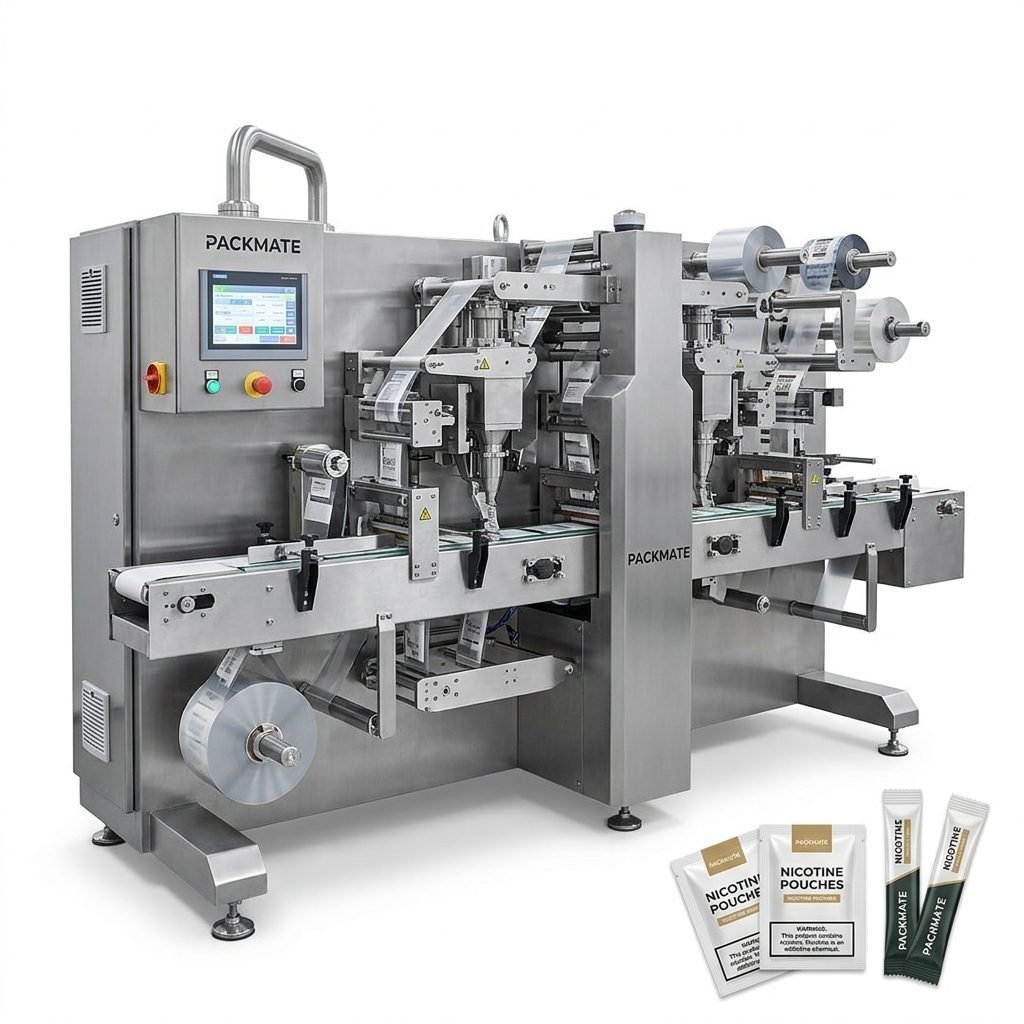
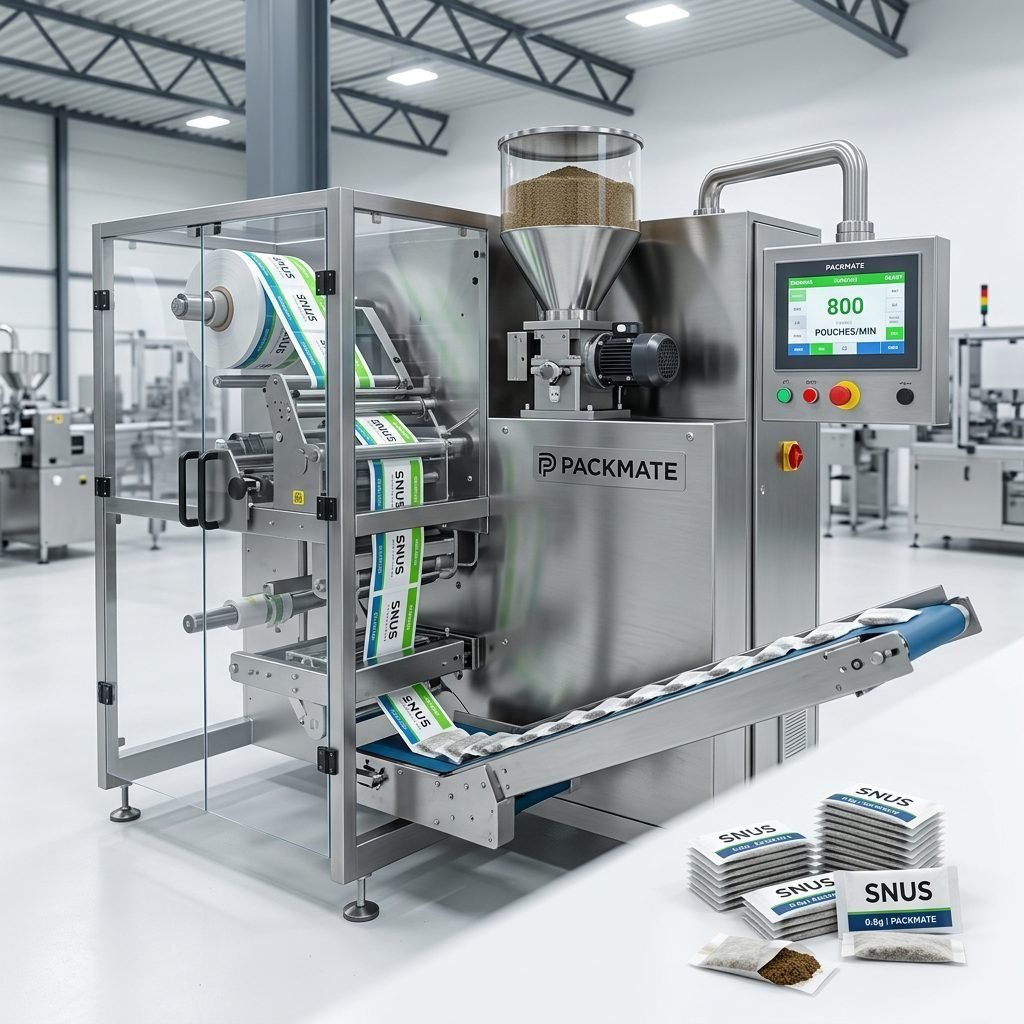
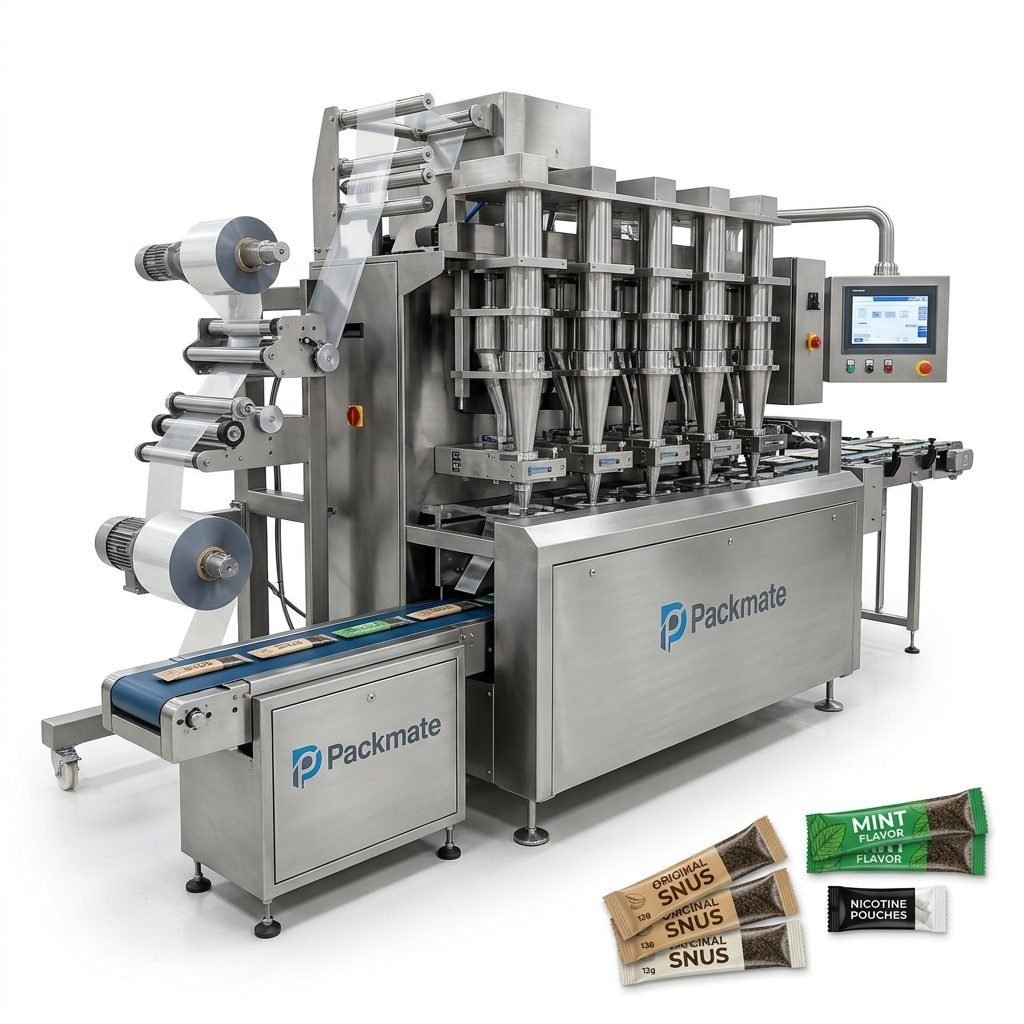
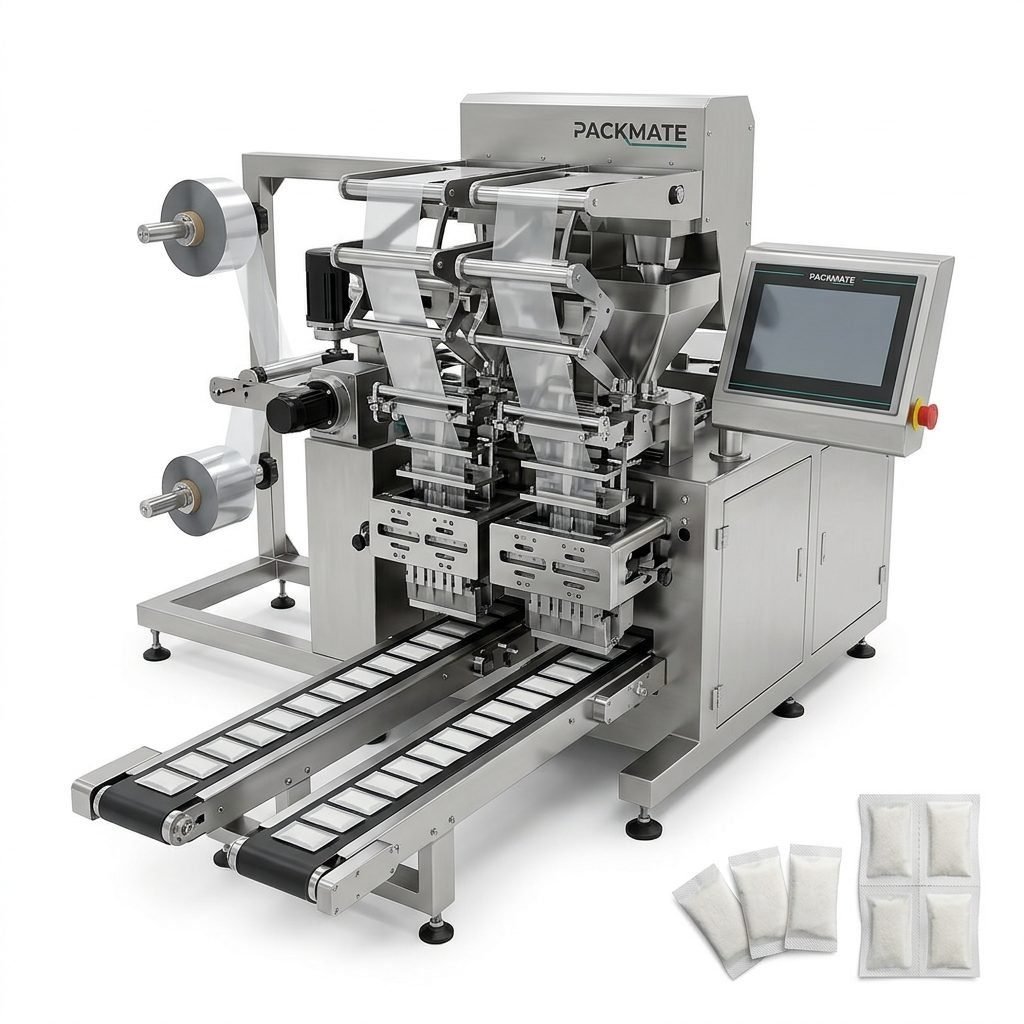
Choosing the right snus sachet packaging machine can transform your production line — boosting throughput, improving consistency, and ensuring regulatory compliance. This guide walks you through everything manufacturers and production managers need to know when selecting an automatic snus pouch/sachet packaging solution, from machine types and performance metrics to customization, maintenance, and return on investment.
What is a Snus Sachet Packaging Machine?
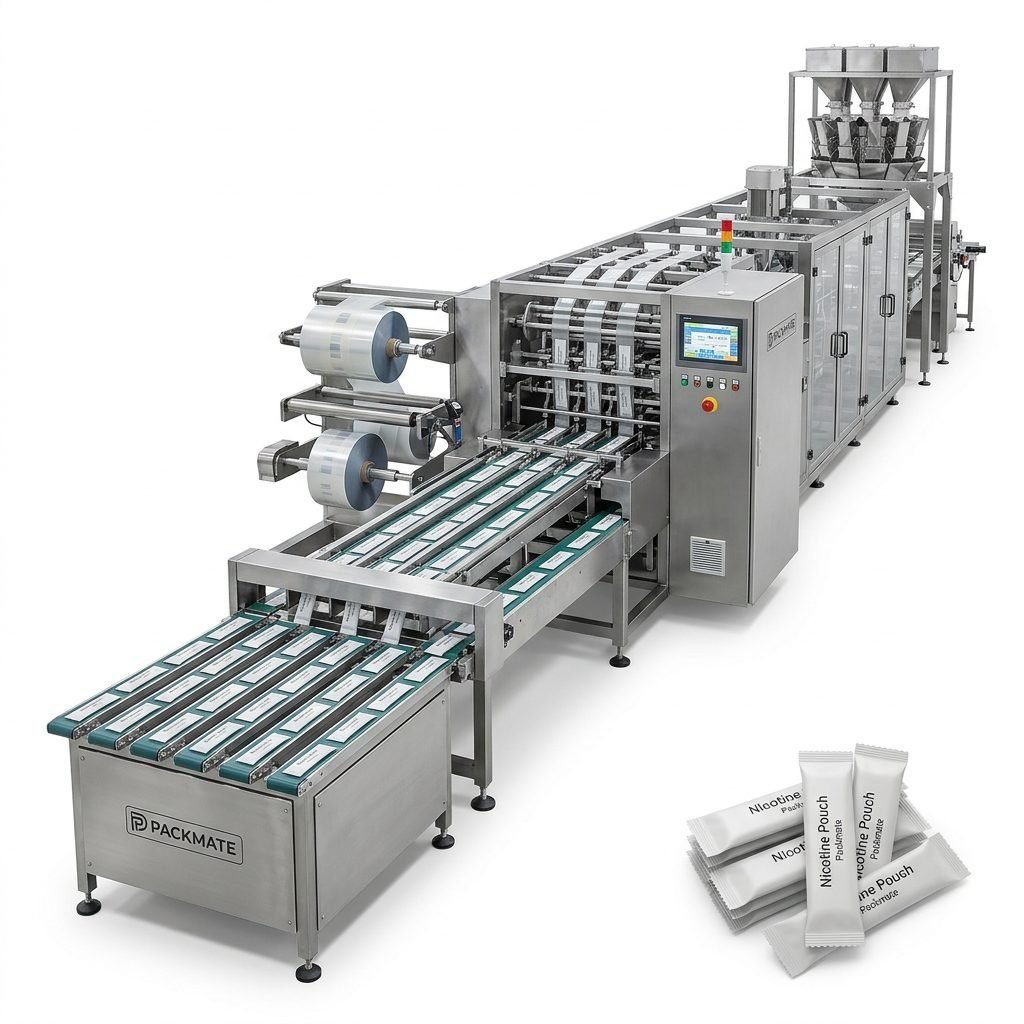
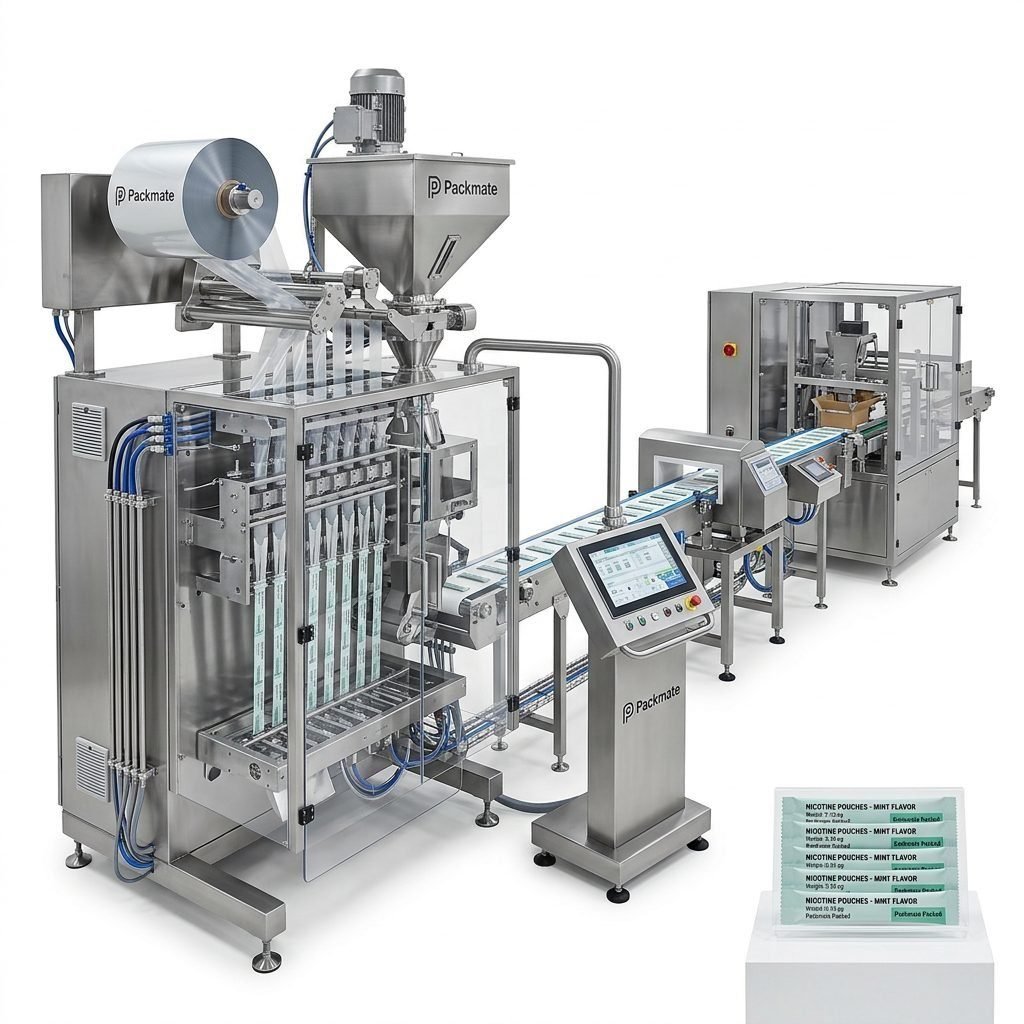
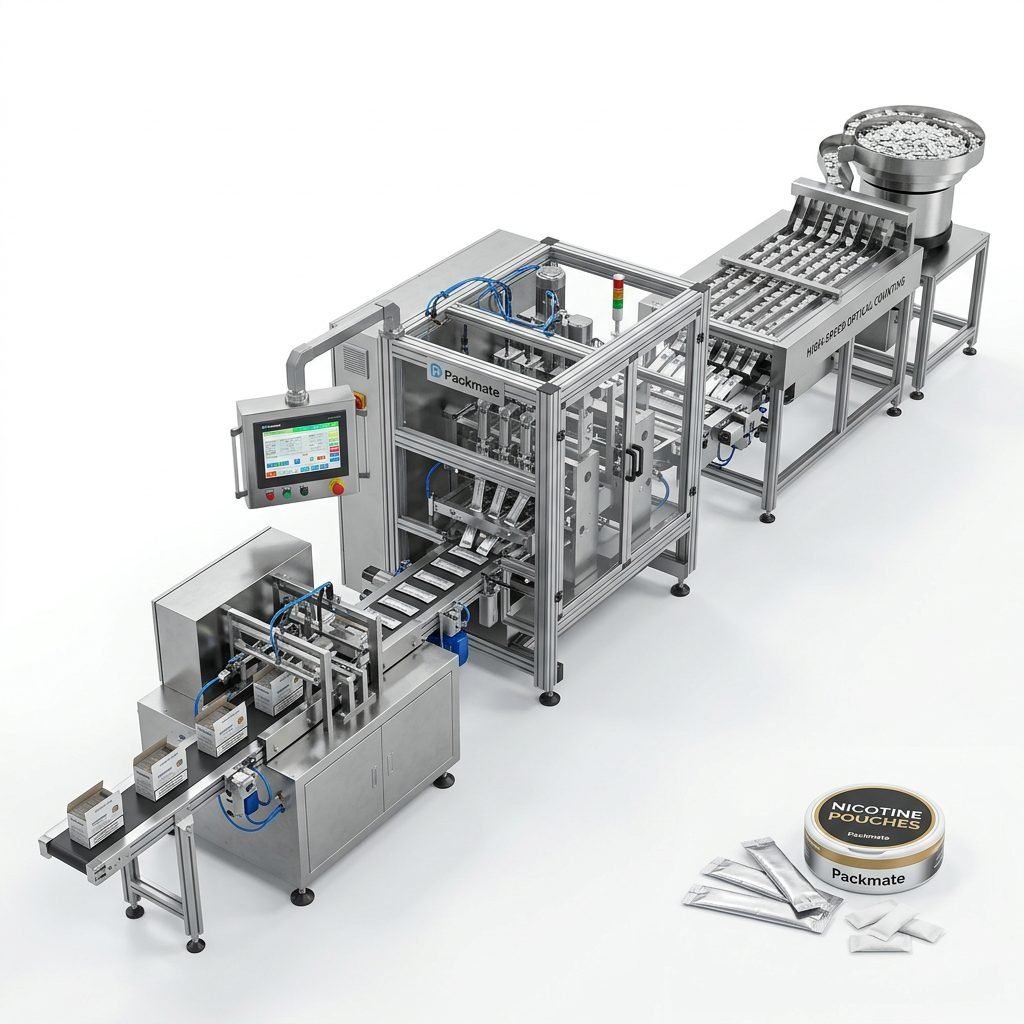
A snus sachet packaging machine is specialized equipment designed to form, fill, seal, and output small-dose pouches for products such as nicotine pouches, snus, powdered ingredients, or other powdered/granular products. These systems can operate as single-lane, multi-lane, or high-speed continuous lines and often integrate with upstream dosing and downstream secondary packaging equipment.
Why automatic solutions matter
Manual or semi-automatic production is labor-intensive and inconsistent. Modern automatic snus packaging machines deliver repeatable pouch weight accuracy, higher outputs, and better hygienic design. For manufacturers targeting export markets, automation is often required to meet quality and regulatory expectations.
Key takeaway: Investing in a high-quality automatic sachet machine reduces downtime, improves product consistency, and supports scale-up plans with minimal redesign.
Core Machine Types and Their Applications
Depending on your product format, dosing requirements and target throughput, there are several popular machine types:
- Vertical form-fill-seal (VFFS) sachet machines — ideal for single-dose pouches and high-volume outputs.
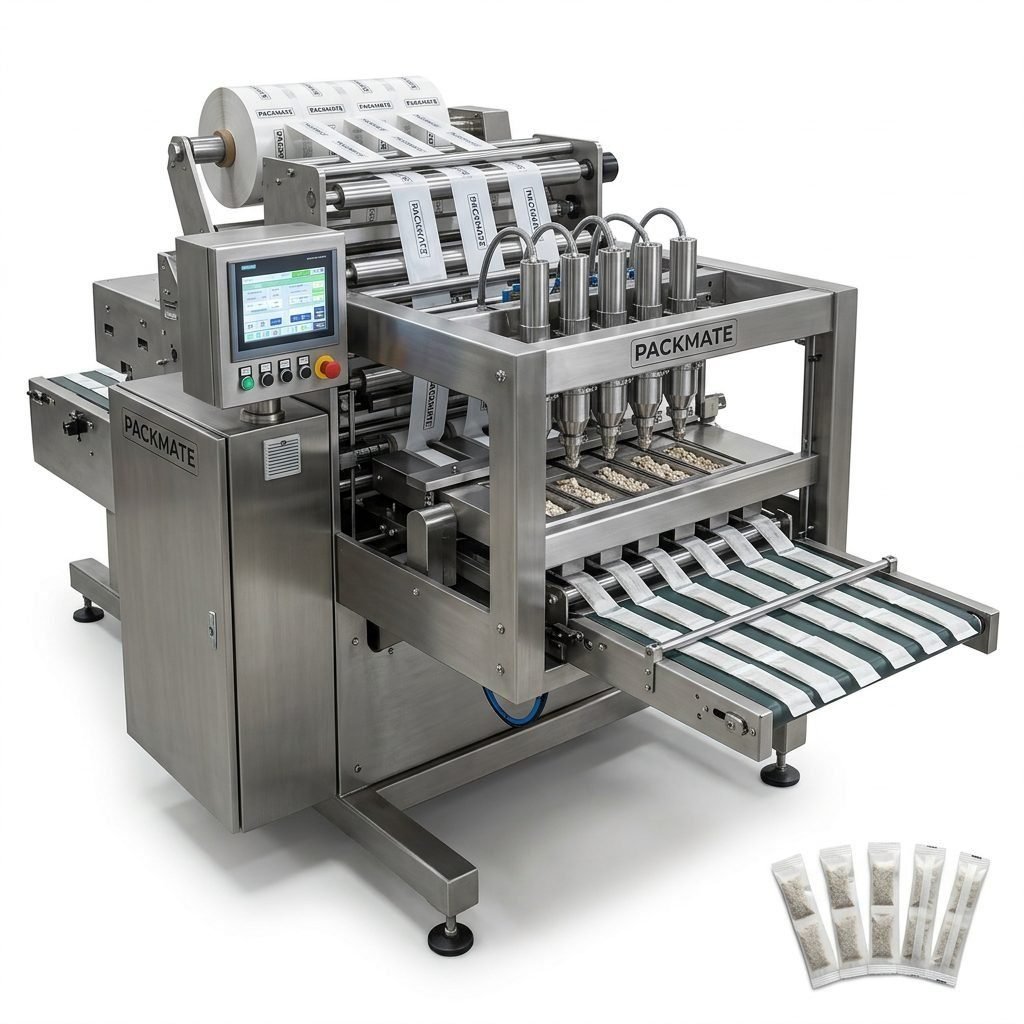
- Stick pack machines — suitable for elongated sachets or portion sticks when stick format is preferred.
- Multi-lane systems — excellent when producing many small sachets simultaneously to reach high production rates.
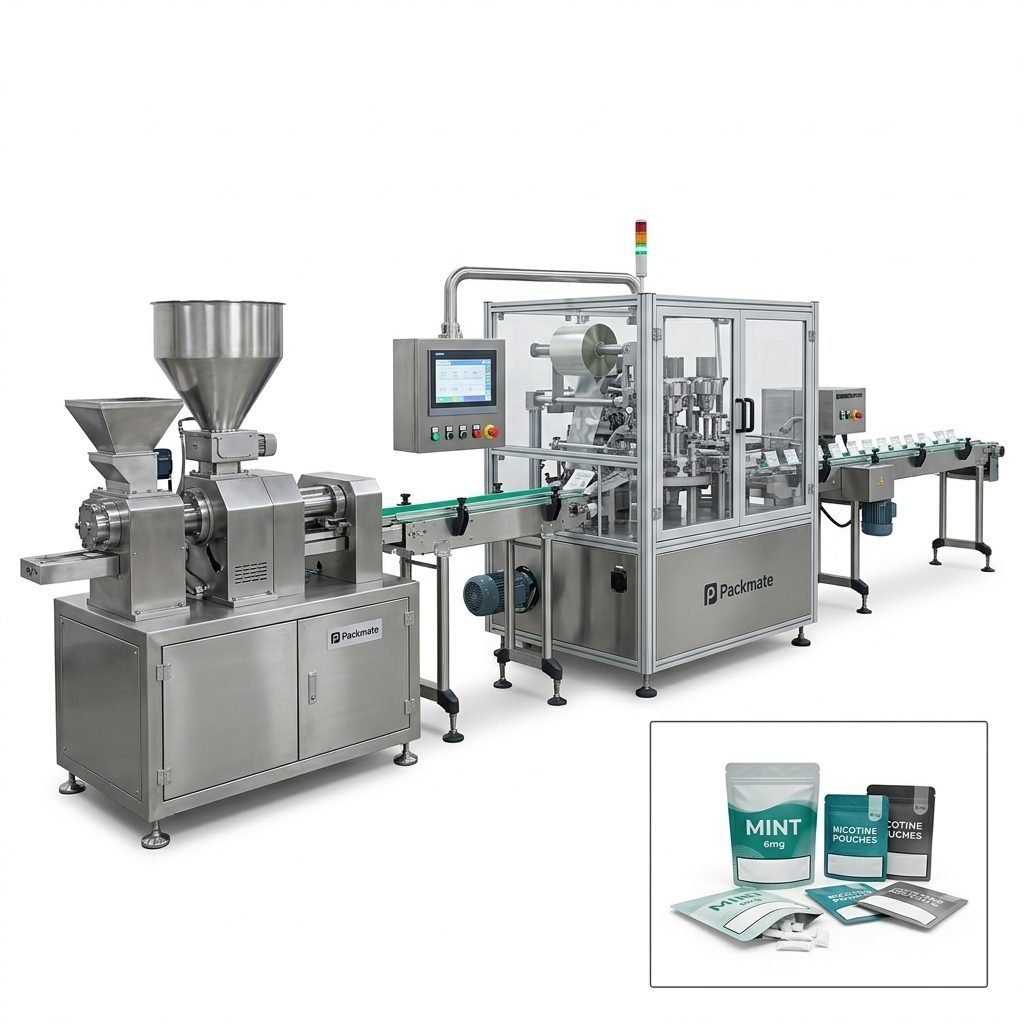
- Specialized nicotine/snust pouch systems — engineered for micro-dose filling, pouch material compatibility, and controlled humidity environments.
For detailed machine categories, explore product portfolios such as Snus & Nicotine Packaging Machines and Sachet & Stick Pack Machines.
Key Features to Evaluate
When comparing suppliers and models, pay attention to these critical features:
⚙️ Filling accuracy — Consistent weight control minimizes waste and regulatory risk.
📦 Sealing quality — Reliable seal integrity ensures shelf life and hygiene.
⏱️ Throughput & scalability — Machines that can be upgraded or expanded support business growth.
🔧 Serviceability — Easy access for cleaning and maintenance reduces downtime.
Material & Format Compatibility
Evaluate compatibility with pouch materials (paper, film laminates, biodegradable films) and product forms (powder, granule, wet blend). If your product requires a special inner liner, moisture barrier, or oxygen-scavenging layer, confirm the machine supports film roll widths, forming jaws, and sealing temperatures required by those films.
Throughput, Multi-Lane vs Single-Lane
Throughput is a combination of cycles per minute, lanes, and pouch size. A multi-lane machine multiplies single-lane cycle output but may require more complex feeding and cleaning systems. Consider:
- Projected production volumes for the next 3–5 years.
- Changeover times between SKUs and lane configurations.
- Available floor space and utilities for multi-lane setups.
Tip: If rapid SKU changes are expected, prioritize machines with quick-change tooling and easy film threading.
Automation & Integration
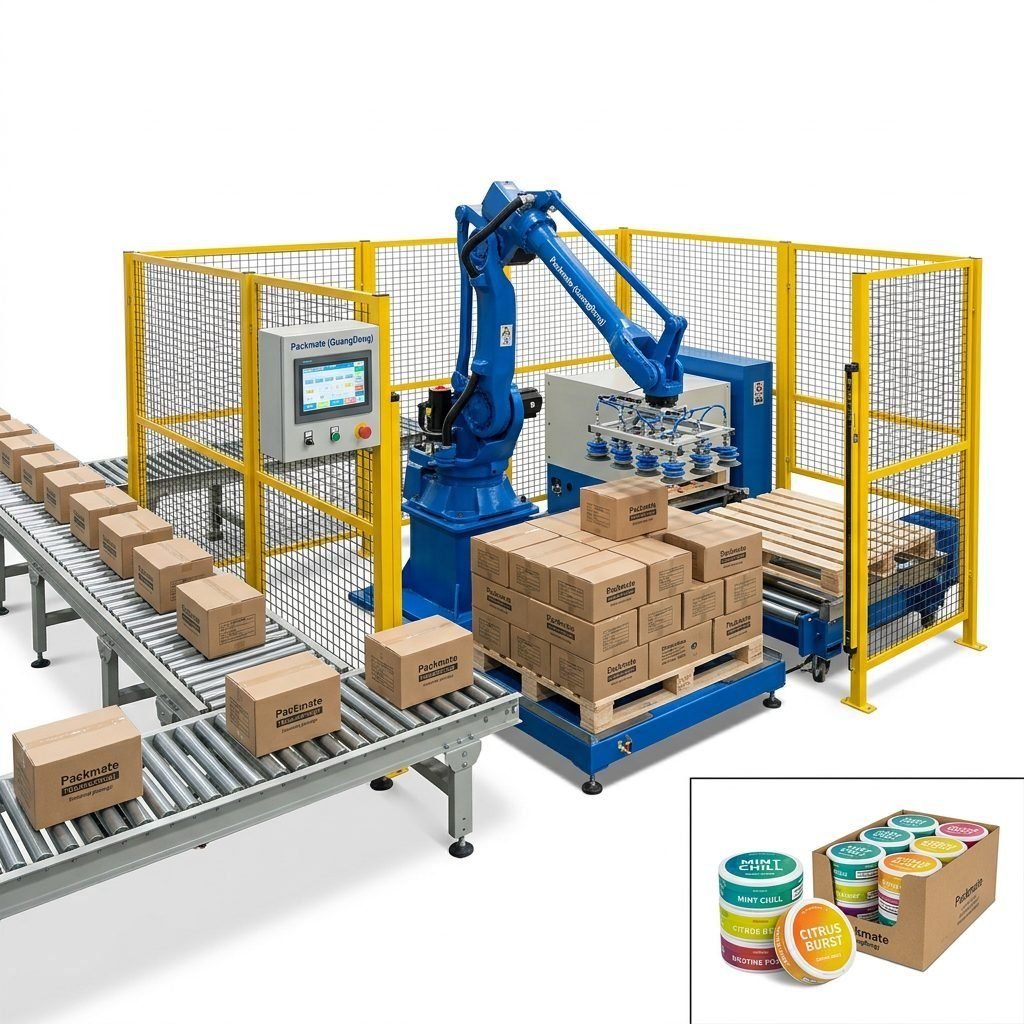
Modern lines integrate dosing (loss-in-weight, auger dosing), conveyors, metal detectors, checkweighers, and cartoning or case-packing modules. A compact, integrated solution reduces manual handling and keeps hygienic paths closed.
Manufacturers like Packmate offer turnkey solutions that combine filling, packaging, and secondary packaging. See examples in their Case studies for real-world implementations.
Control Systems & Industry 4.0
Choose machines with modern PLC/HMI controls and options for remote monitoring, recipe management, and OEE tracking. These features enable proactive maintenance and improved production visibility.
Hygiene, Materials & Regulatory Compliance
Snus and nicotine products have stringent hygiene and labeling requirements. Ensure machines are constructed from food-grade stainless steel (304/316 where appropriate), have smooth welds, and are easy to sanitize. Verify compliance with CE and ISO certifications and inquire about any local regulatory requirements for nicotine-containing products.
Service, Spare Parts & Local Support
After-sales support is critical. Ask about spare parts kits, remote troubleshooting, training packages, and technician availability. A supplier with global presence and exhibition participation can often provide faster support — explore more on the Our Exhibition page to see where they demonstrate equipment.
✔️ Ask for references — talk to existing customers about uptime and real-life support response times.
Customization & Turnkey Lines
Many manufacturers provide fully customized lines that include filling systems for powders or granules, humidity control, and end-of-line packaging. Work with a vendor that offers tailored solutions and can produce documentation, certification, and layout drawings for your facility. Learn more about corporate capabilities on the About Packmate page.
Common Custom Options
- Specialized dosing heads for micro-dosing nicotine blends.
- Multi-material roll support and pre-lamination stations.
- Integrated nitrogen flushing for improved shelf life.
- Automated infeed feeders for sachet pouches or canisters.
Footprint, Utilities & Installation
Plan for space, electrical supply, compressed air, vacuum, and waste management. Understand the machine’s required clearances for maintenance and film roll changes. A typical multi-lane sachet line will require additional service access compared to a single-lane unit.
Planning checklist: floor load capacity, door access for installation, ventilation, and local electrical safety certification.
Total Cost of Ownership & ROI
Consider more than purchase price: calculate energy consumption, spare parts, expected production yield, packaging material costs, labor reduction, and depreciation. A robust machine with high fill accuracy often pays back faster through reduced waste and less rework.
Simple ROI example
Estimate the value of reduced product giveaway (0.5–1% savings), labor hours saved per shift, and increased throughput. Use conservative figures to ensure your investment case stands up in reality.
Choosing a Reliable Manufacturer
Look for manufacturers with deep engineering experience, comprehensive factory facilities, and global references. For example, suppliers with decades of experience, advanced CNC machining centers and a large model range can offer better customization and quality assurance.
Packmate Snus Machine, as an example, provides a wide range of snus packing technologies and turnkey solutions supported by an established factory and global deployment record — see product lines under Snus & Nicotine Packaging Machines and their auxiliary systems at Auxiliary Packaging Equipment.
Questions to ask potential vendors
- Can you provide client references and case studies?
- What spare parts are recommended on hand for one year of operation?
- What warranty, training and commissioning services are offered?
- Are CE/ISO certificates available and current?
Need tailored advice? Visit Contact Us to discuss layout, performance targets and options for turnkey lines.
Installation & Commissioning Best Practices
Ensure a thorough FAT (Factory Acceptance Test) and SAT (Site Acceptance Test). Agree on acceptance criteria upfront: cycle speed, fill accuracy, sealing integrity, and demo production runs. Proper operator training during commissioning prevents common start-up issues.
Maintenance routines
Establish preventative maintenance schedules: daily cleaning, weekly lubrication, monthly calibration checks and annual overhauls. Keep critical wear parts (seals, jaws, belts) in inventory to reduce MTTR (mean time to repair).
Real-World Examples
Case studies demonstrate how complete lines reduce manual handling and improve yield. Review implementation details and performance metrics to validate vendor claims — see real projects in the supplier’s Case library.
Iconic results: faster changeovers, consistent pouch weights, and improved end-of-line packing efficiency are typical benefits reported after full-line upgrades.
Final Considerations Before Purchase
– Balance upfront capital expense with operational savings.
– Prioritize modularity if you expect SKU or capacity changes.
– Verify local technical support and spare part lead times.
– Ensure documentation, training materials and certifications are delivered with the equipment.
A trusted manufacturer with decades of experience and extensive manufacturing capabilities can be the difference between a machine that underperforms and a production center that consistently meets quality, safety, and efficiency targets.
Next steps
Prepare a short RFP including target throughput, pouch format, product characteristics (particle size, moisture), available utilities, and acceptance criteria. Share this with shortlisted vendors and request FAT demonstrations and site references.
Frequently Asked Questions
Q1: What throughput can I expect from a multi-lane snus sachet machine?
Throughput depends on pouch size, number of lanes and cycle speed. Multi-lane configurations multiply single-lane cycles — realistic estimates are provided during vendor consultations based on your pouch dimensions and desired fill accuracy.
Q2: How precise are the dosing systems for micro-dose nicotine pouches?
High-quality dosing systems (loss-in-weight, precision augers) can achieve tight tolerances suitable for micro-dosing. Always request calibration data and in-line weight checks to validate performance under your product conditions.
Q3: What certifications should I require from the supplier?
Ask for CE and ISO certifications as a baseline, plus documentation for material traceability, electrical safety, and any country-specific approvals needed for nicotine product handling and export.
Q4: Can machines be integrated with my existing upstream/downstream equipment?
Yes — many providers design custom interfaces for feeders, checkweighers, metal detectors and cartoners. Discuss communication protocols and mechanical alignment needs during the quoting phase to ensure seamless integration.
Q5: Where can I see machines running live?
Attend major packaging exhibitions or request live demos and FAT videos from vendors. Visit the manufacturer’s exhibition and case pages to find scheduled demos and customer installations: Our Exhibition and Case.