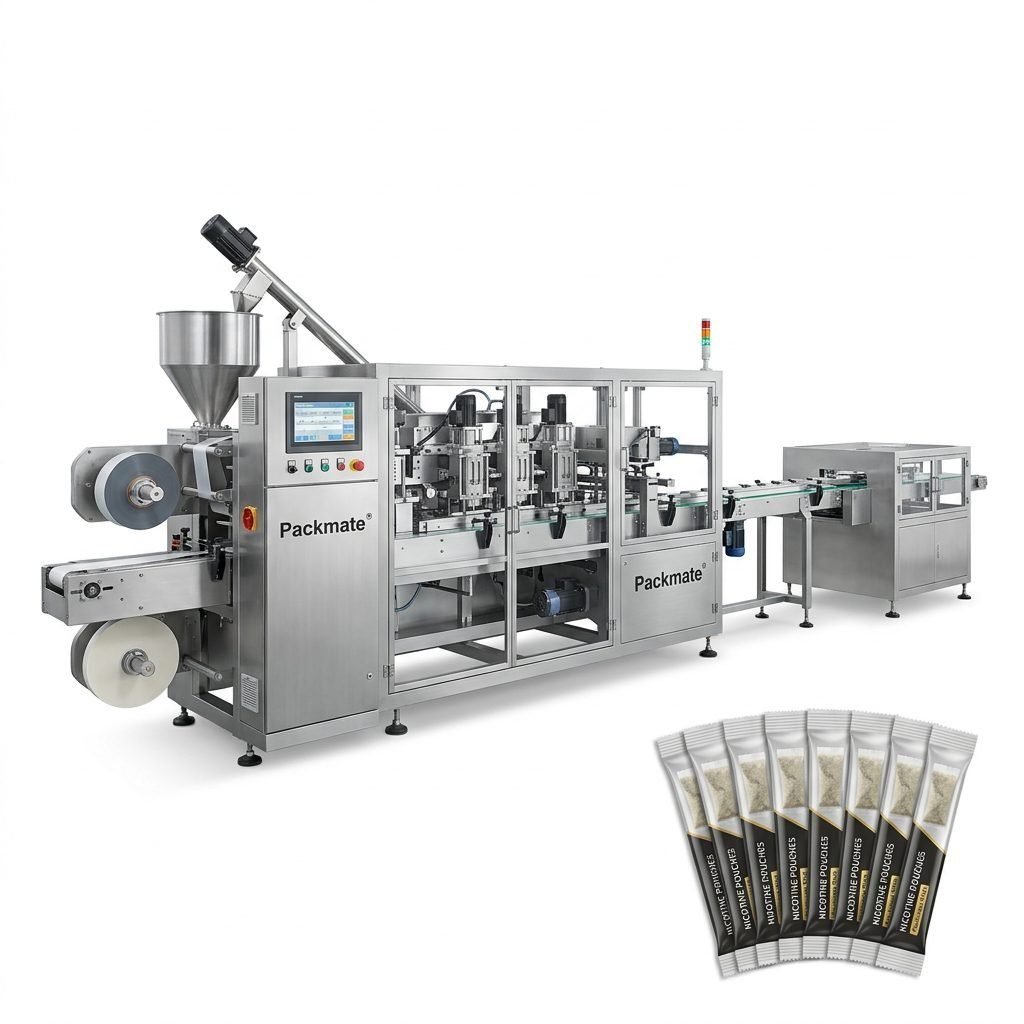
Choosing the right snus packaging machinery manufacturer in Thailand can make or break your nicotine pouch production plans. Whether you are launching a new product line or upgrading an existing packaging line, the decision involves technical, regulatory, financial, and logistical considerations. This guide walks you through a practical evaluation framework so you can select a reliable partner who delivers performance, compliance, and long-term value.
Why Thailand Is a Strategic Base for Snus Packaging
Thailand has become a competitive hub for packaging equipment and contract manufacturing in Southeast Asia. Manufacturers here combine competitive costs with skilled engineering teams and growing experience in niche sectors like nicotine pouch and snus production. If you are targeting Asian and export markets, selecting a local or regionally based manufacturer can reduce lead times, simplify logistics, and improve on-site support responsiveness.
Key benefits at a glance
🔍 Faster prototyping due to proximity to OEM workshops, ⚙️ lower shipping costs for bulky equipment, and ✅ easier factory visits for acceptance tests.
Core Criteria to Evaluate Any Snus Packaging Machinery Manufacturer
Below are the practical dimensions you should investigate when shortlisting manufacturers. Treat this as your decision checklist and use it to score potential suppliers objectively.
1. Technical expertise and product range
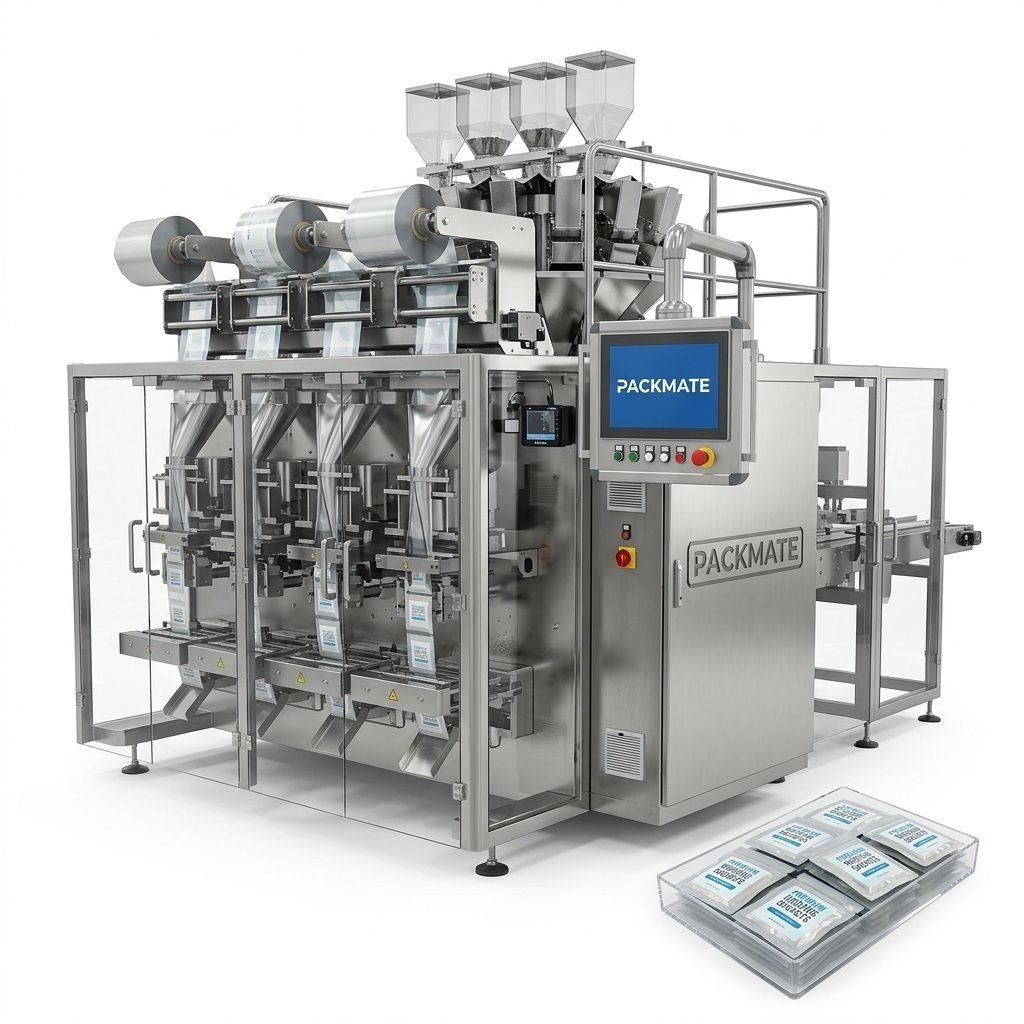
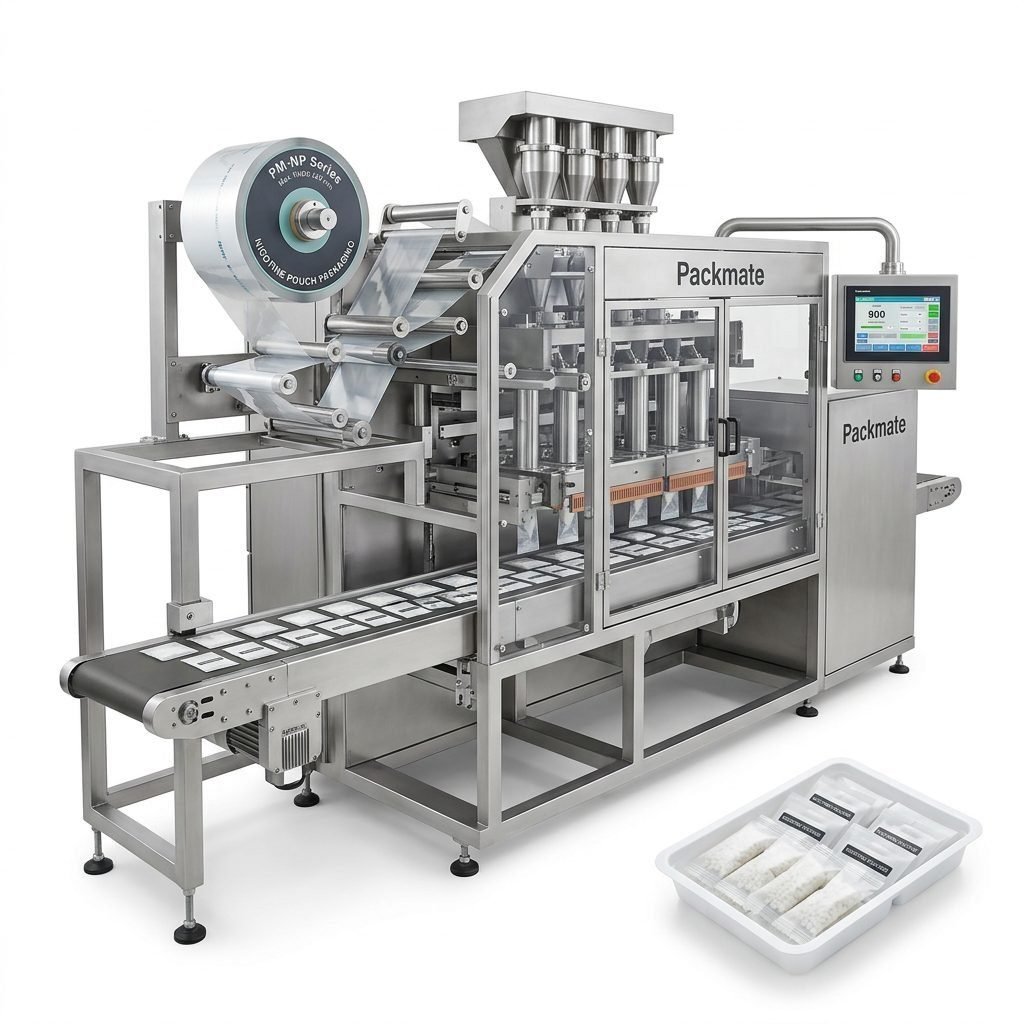
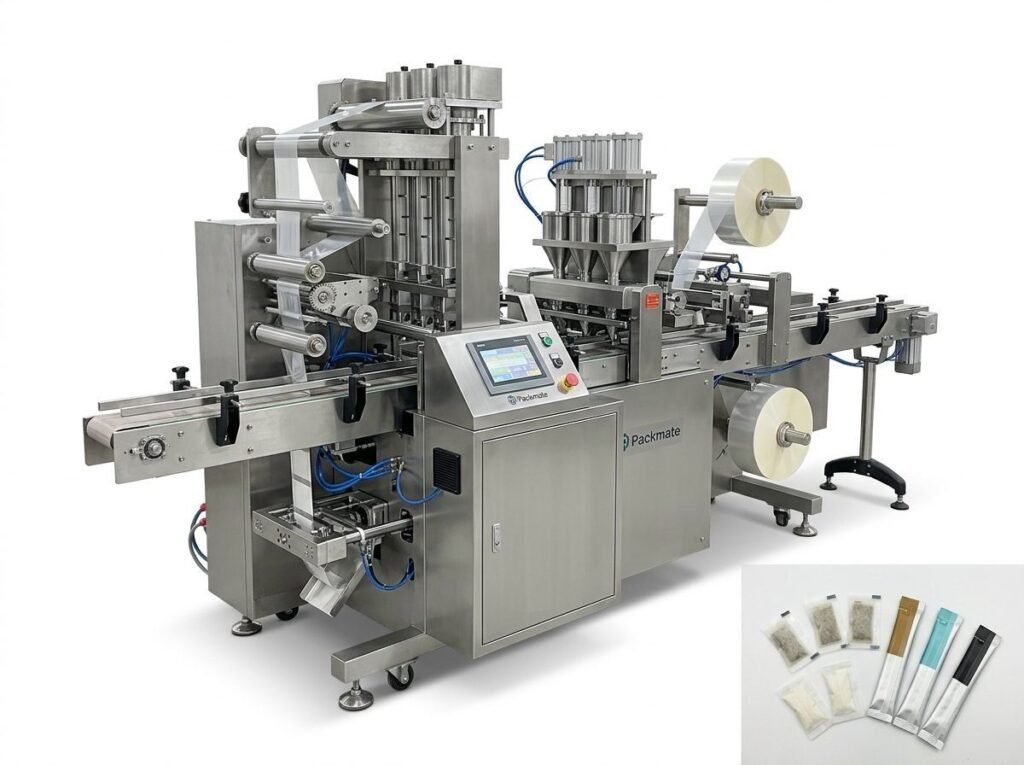
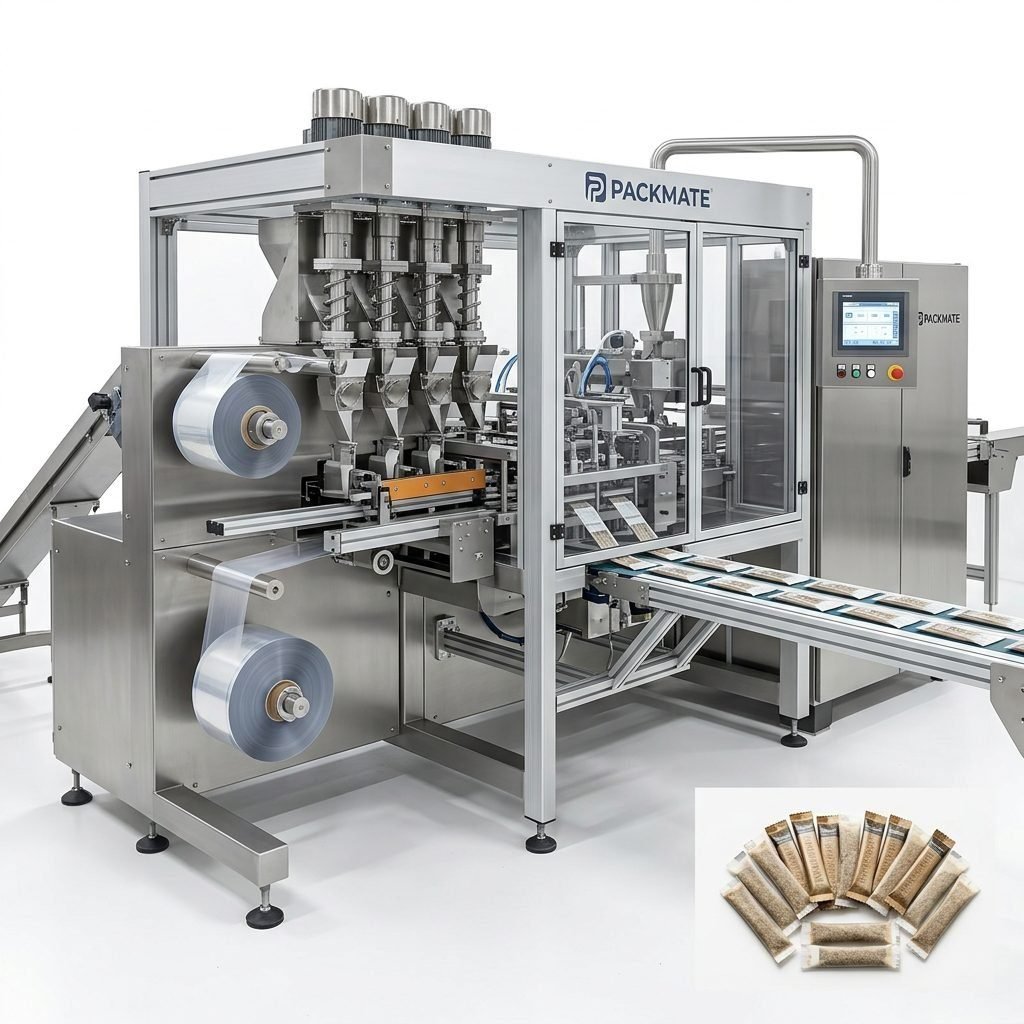
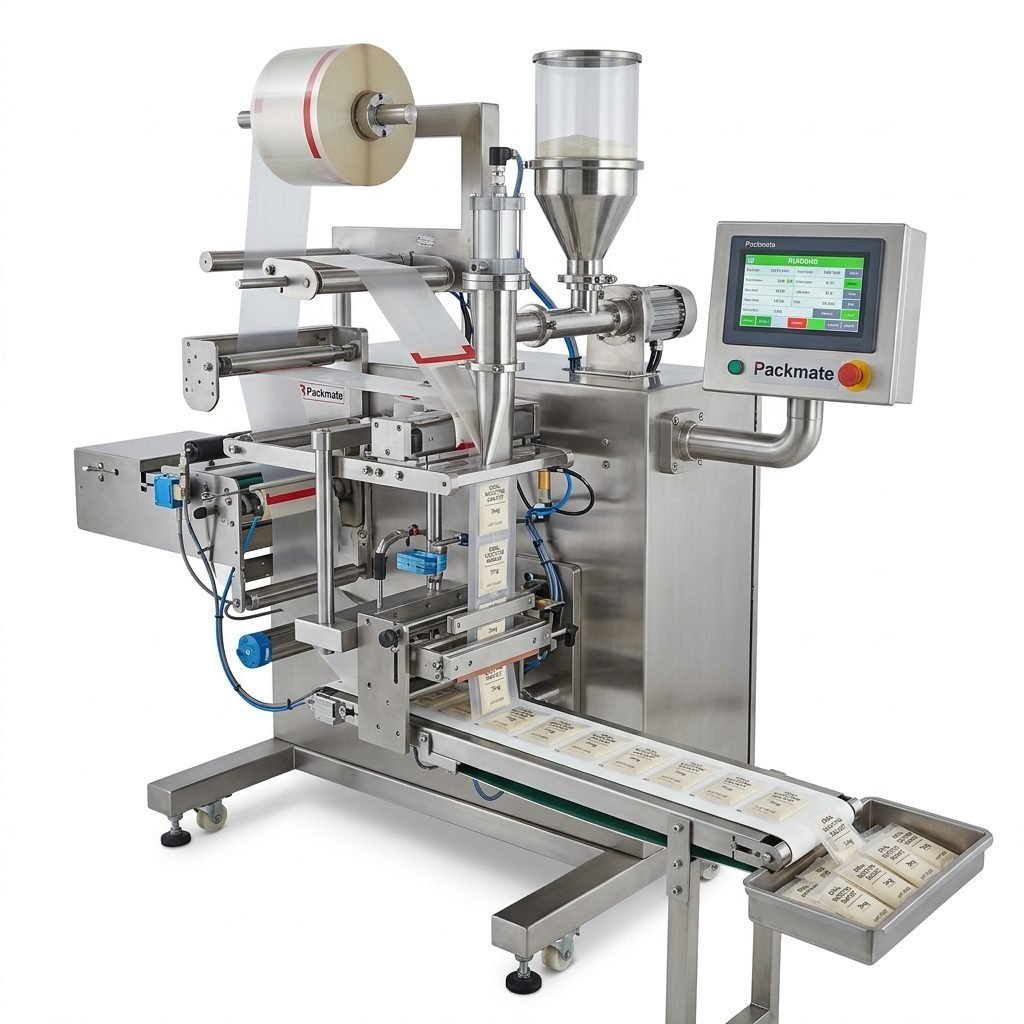
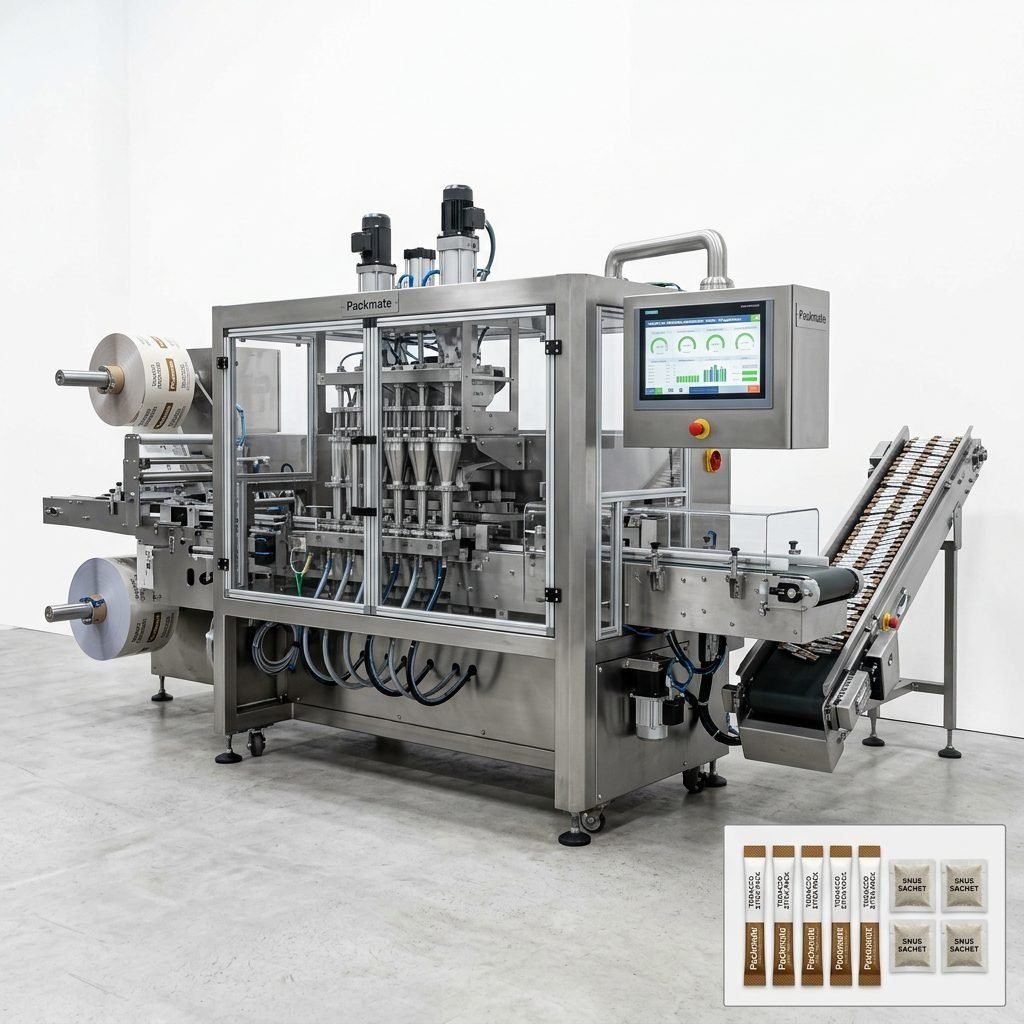
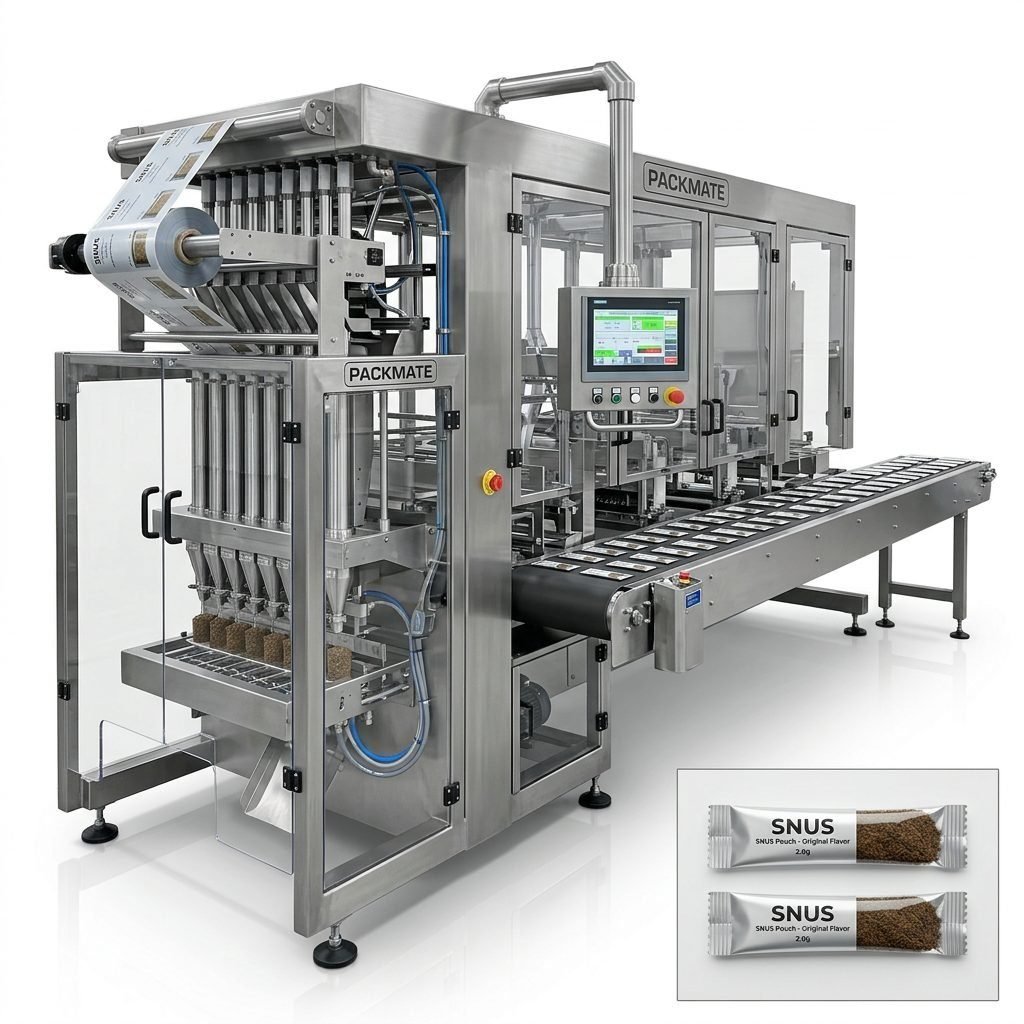
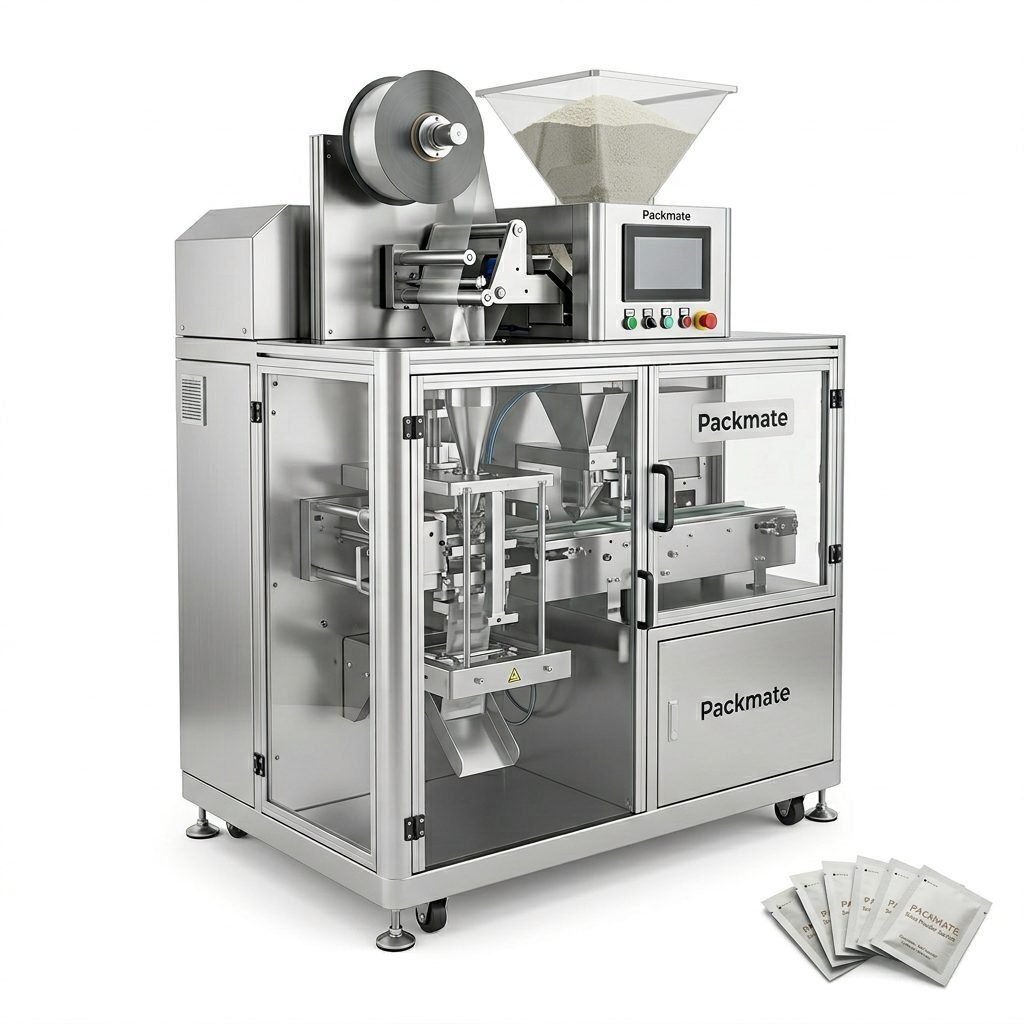
Look for companies with a proven portfolio in snus and nicotine pouch packaging. Manufacturers that offer multi-lane systems, stick pack, sachet options, and integrated weighing/filling systems demonstrate the breadth to match product variety and throughput needs. A partner that provides turnkey solutions—from filling, dosing, pouch forming, to secondary packing—reduces integration risk.
For a deeper look at specialized equipment, see manufacturers’ product lines such as Snus & Nicotine Packaging Machines and Sachet & Stick Pack Machines.
2. Factory capability and capacity
A strong manufacturer will have a well-equipped factory with CNC machining, precision assembly lines, and quality inspection stations. Check the factory size, machine model variants, and whether they can scale production to your order volumes. Packmate’s 20,000㎡ facility and over 50 machine models are examples of capacity indicators to look for.
Pro tip: Ask for a virtual factory tour or recorded machine demonstrations if an in-person visit is difficult. Manufacturers that host live demos or exhibition showcases signal confidence in machine stability and repeatability.
3. Quality management and certifications
Certifications such as CE and ISO are basic but important. They indicate compliance with international standards for safety and quality systems. Also inquire about traceability of critical components, pressure testing for filling systems, and how they perform FAT (Factory Acceptance Test) and SAT (Site Acceptance Test).
Many reputable manufacturers list their certifications and testing protocols on their company profile or dedicated certificate pages like Certificate.
Operational and Commercial Considerations
4. Customization and turnkey solutions
Your product specifications—pouch size, fill weight, sealing type, and secondary packaging—determine how much customization you need. Choose a supplier experienced in delivering turnkey lines with integrated weighing, feeding, and packaging to minimize compatibility issues. Companies that provide tailored automation usually also handle recipe storage, quick-change tooling, and multi-product flexibility.
Investigate lines that combine snus packaging machines with auxiliary equipment like those featured in Auxiliary Packaging Equipment.
5. After-sales service and spare parts availability
Rapid after-sales support, spare parts stock, and remote diagnostic capabilities are critical for minimizing downtime. Verify service lead times for Thailand and your export markets. Ask if the manufacturer provides on-site commissioning, staff training, preventive maintenance contracts, and long-term spare parts agreements.
Checklist tip: Get a written SLA that defines response time windows, repair time expectations, and spare parts delivery terms.
6. Total cost of ownership (TCO) and ROI
Price is just one component. Calculate TCO by including installation, commissioning, spare parts, consumables (like sealing material), energy consumption, and expected lifecycle. High initial cost may be justified by lower maintenance, higher uptime, and better product yields—factors that enhance ROI.
Compliance, Safety, and Market Requirements for Snus Packaging
Snus and nicotine pouch products often face strict regulatory requirements depending on target markets. Ensure your packaging line can meet labeling accuracy, batch coding, tamper-evident features, and traceability. Food-grade contact materials, cleanability, and allergen control are essential when machines handle consumable products.
Regulatory readiness
Discuss with potential manufacturers how their designs support compliance: hygienic design, CIP capabilities, and documentation for regulatory audits. Manufacturers experienced in global exports can advise on regional requirements.
How to Vet and Score Suppliers: A Practical Approach
Use a weighted scoring matrix that includes technical fit, quality, cost, lead time, service, and references. Below is a practical questionnaire you can use during supplier evaluation.
Supplier Questionnaire (shortlist)
• Provide examples of snus or nicotine pouch projects and reference customers.
• Describe machine uptime statistics and MTBF (mean time between failures).
• Detail FAT and SAT procedures and provide sample test reports.
• List spare parts availability and lead times in Thailand and abroad.
• Offer warranty terms and optional service contracts.
Factory visit checklist
When visiting, inspect machining accuracy, assembly stations, electrical cabinets, and QC records. Observe a running line to verify noise, vibration, and operator ergonomics. Validate that controls and HMI screens are user-friendly and that safety interlocks are in place.
Selecting the Right Machine Type for Your Product
Choose equipment based on pouch type, production speed, and flexibility. Single-lane machines can be cost-effective for small volumes, while multi-lane high-speed systems deliver economies of scale for large production runs. For nicotine pouches, precision dosing and consistent sealing quality are paramount.
Explore detailed product categories like Bag & Pouch Packaging Machines and integrated Weighing & Packaging Systems to match technical requirements.
Negotiating Commercial Terms and Delivery
Clarify lead times, payment milestones, and penalties for missed delivery or missed performance metrics. Ensure acceptance tests are clearly defined and that training, commissioning, and documentation are part of the contract. Consider staged payments linked to delivery milestones and successful FAT.
Negotiation tip: Include an option for extended warranty or a service hours bundle at the time of purchase to lock in favorable rates for future service calls.
Why References, Case Studies, and Exhibitions Matter
Real-world case studies and exhibition presence demonstrate that a manufacturer engages with global customers and invests in product development. Ask for references in similar product categories and market regions. Check the manufacturer’s case gallery or exhibition schedule to see recent demos and installations. For example, many companies showcase projects and trade event participation on pages like Case and Our Exhibition.
Making the Final Decision: Practical Steps
1) Shortlist 3–5 suppliers based on the criteria above.
2) Request technical proposals and perform a side-by-side comparison of TCO and performance guarantees.
3) Schedule factory visits or video demonstrations for top candidates.
4) Negotiate terms including FAT acceptance criteria, training, spare parts, and SLAs.
5) Finalize contract with a clear project timeline and payment schedule.
Working with Packmate-style partners
Companies with decades of engineering experience and a broad product portfolio are positioned to deliver turnkey lines with reliable after-sales support. Learn more about manufacturer background when assessing a partner by reviewing their corporate profile such as About Packmate and be sure to reach out via official contact channels like Contact Us.
Conclusion
Selecting the best snus packaging machinery manufacturer in Thailand requires a balanced assessment of technical capabilities, factory strength, compliance, support infrastructure, and commercial terms. Use a scorecard approach, validate claims through demonstrations and references, and lock in service and spare parts commitments before signing. A well-chosen partner will help you minimize risk, optimize production yield, and scale confidently as your market grows.
Frequently Asked Questions
Q1: How long does it typically take to install and commission a snus packaging line?
A1: Installation and commissioning vary by complexity. A single-lane machine can be installed in a few days, while a multi-lane turnkey line with integrated weighing and secondary packaging may require several weeks including FAT, site prep, and onsite training.
Q2: What documentation should a reliable manufacturer provide?
A2: Essential documents include machine manuals, electrical schematics, spare parts lists, FAT reports, CE/ISO certificates, and commissioning checklists. Also request software backup and HMI parameter guides.
Q3: How do I ensure the manufacturer can support my export markets?
A3: Verify their export history, ask for references in your target region, and confirm they can supply compliance documentation required by your customs and regulatory authorities.
Q4: Are remote diagnostics commonly available for packaging machines?
A4: Yes. Many modern machines include remote diagnostic capabilities via secure connections. Confirm data security measures, remote access protocols, and availability of remote troubleshooting before purchase.
Q5: What should I expect for spare parts lead times?
A5: Lead times depend on part criticality and stock levels. For frequently replaced parts, expect local or regional stock to offer faster delivery. Negotiate a spare parts agreement to guarantee priority fulfillment.