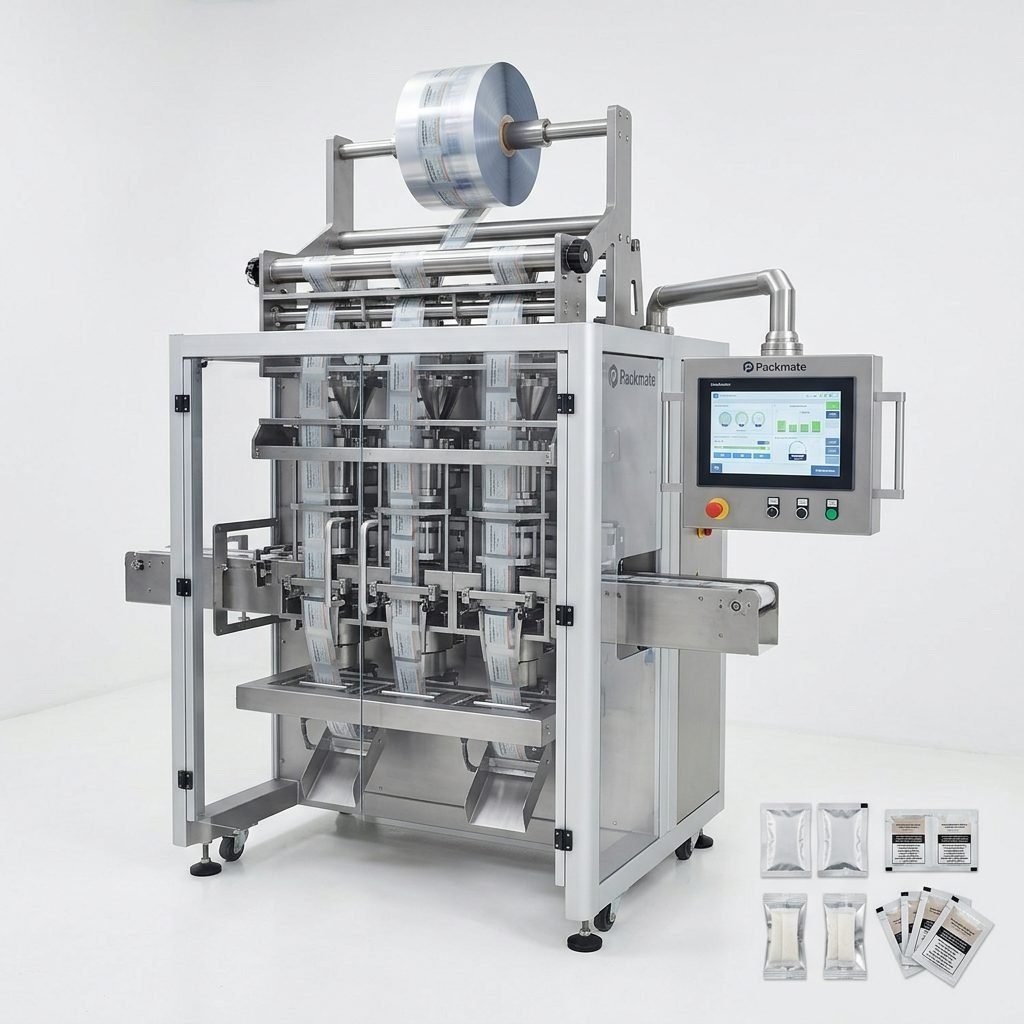
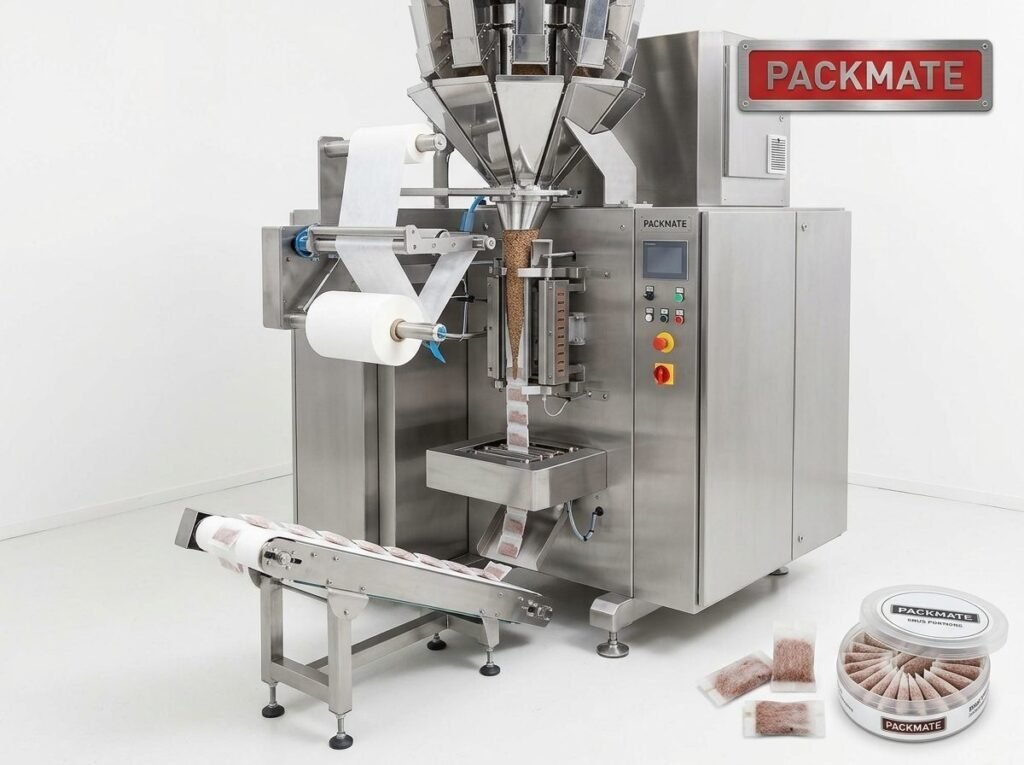
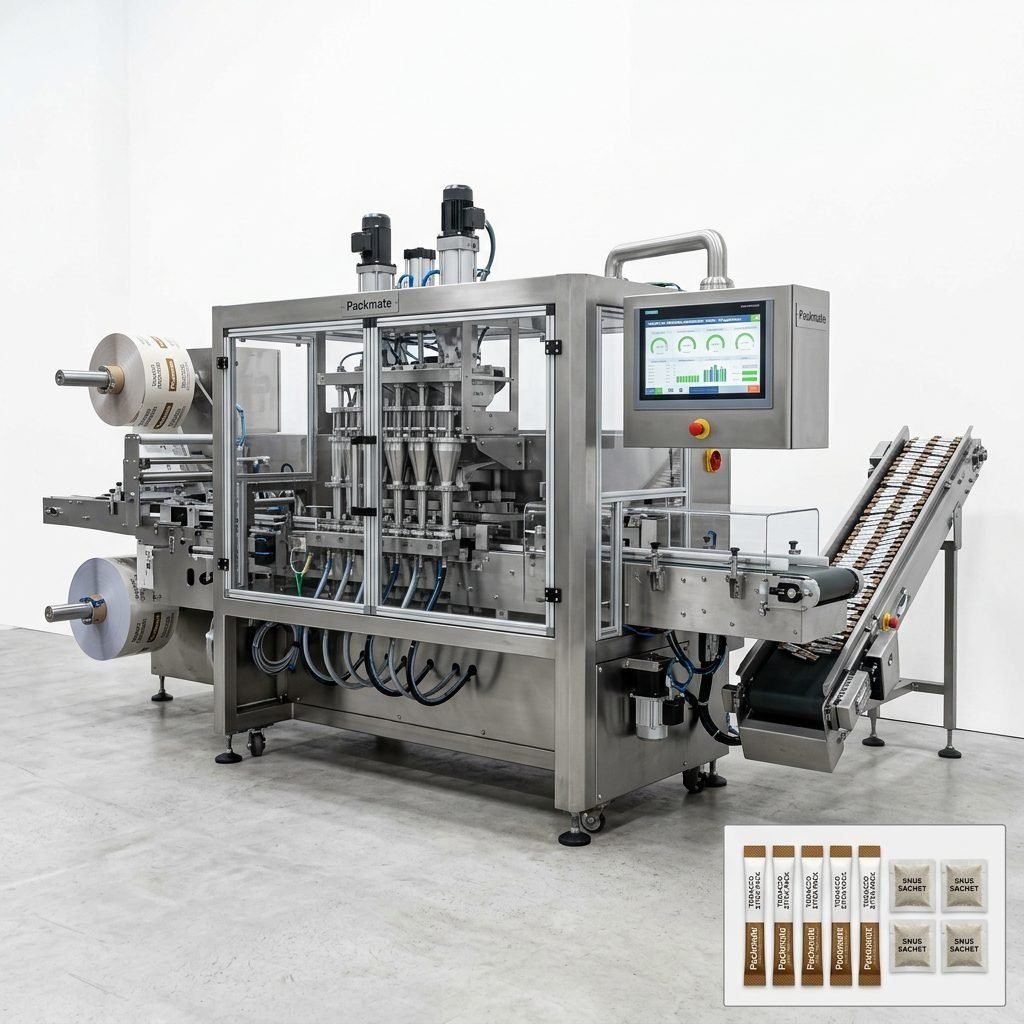
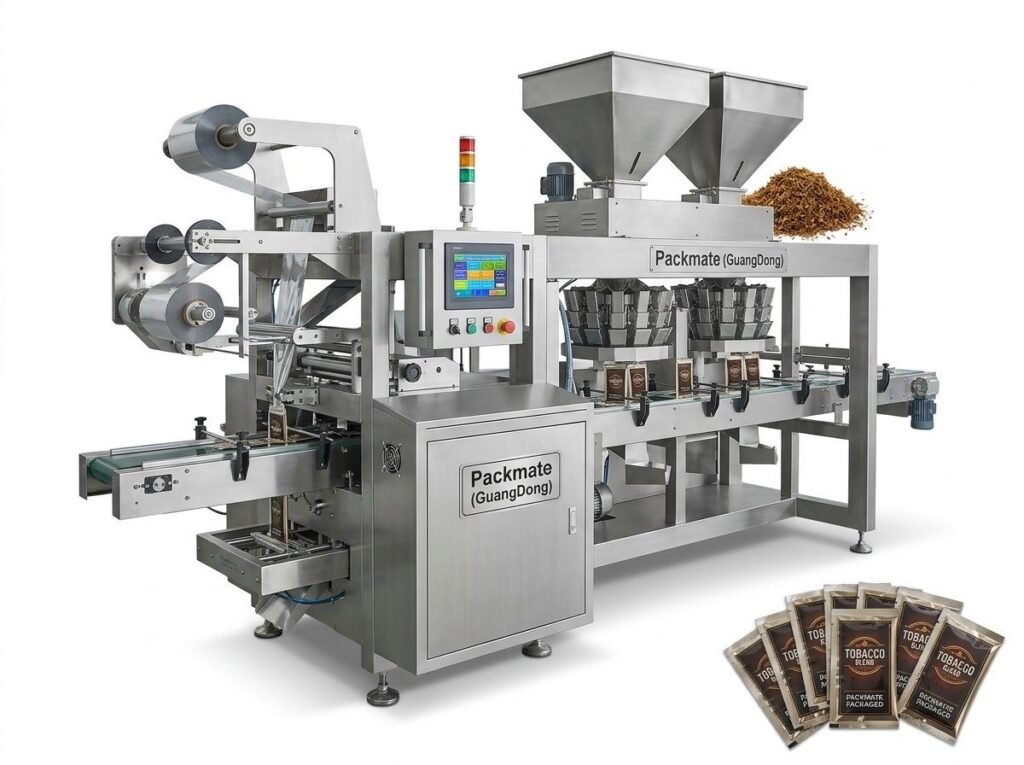
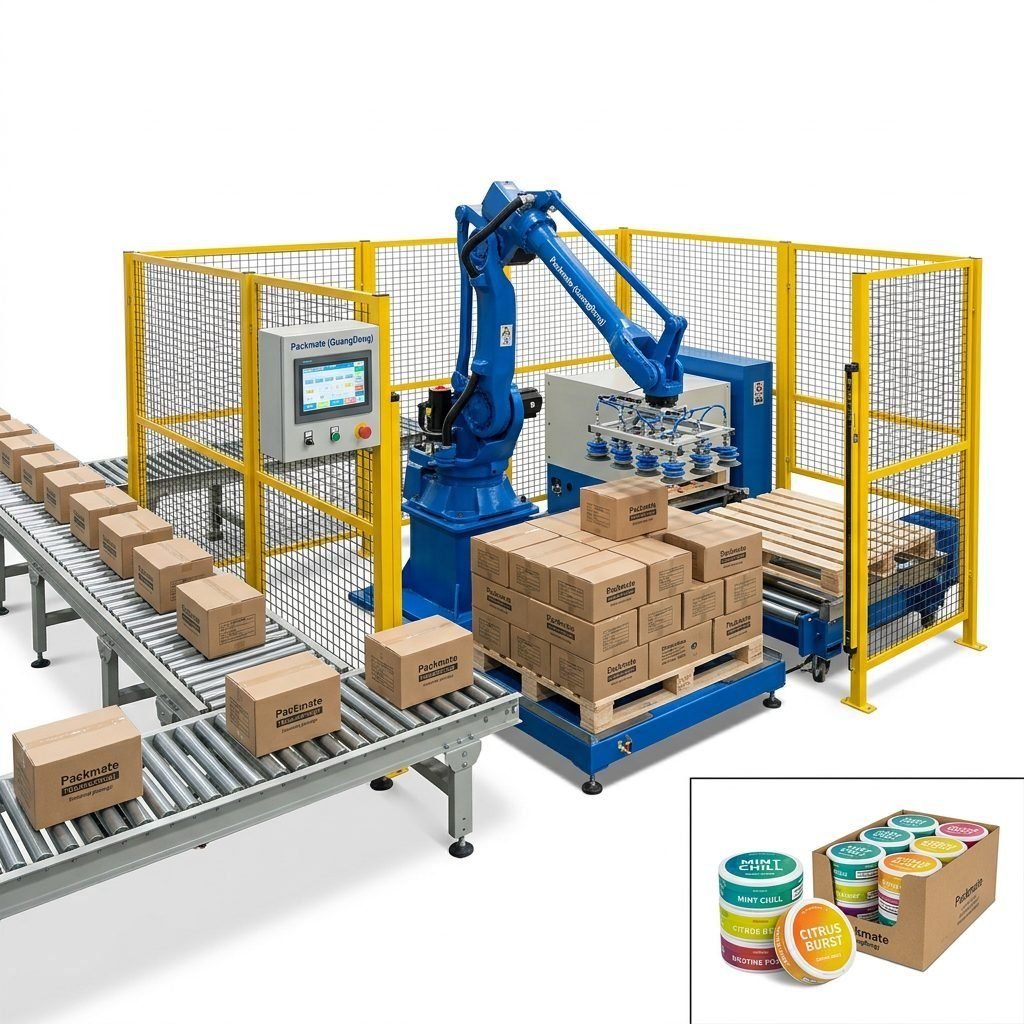
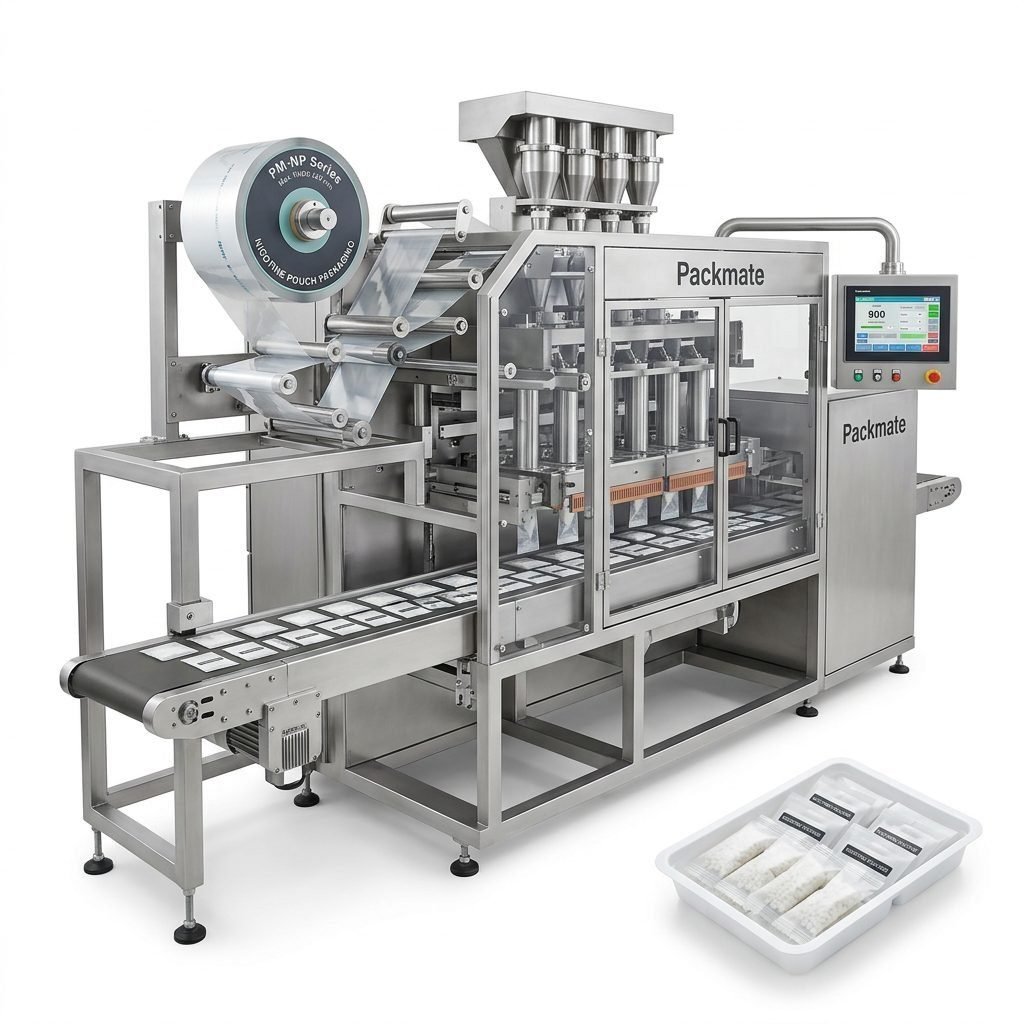
Choosing the right nicotine packaging machinery in Yemen is a critical decision for manufacturers aiming to balance safety, regulatory compliance, and production efficiency. Whether you are producing snus, nicotine pouches, or other small-dose tobacco alternatives, the right equipment impacts product integrity, worker safety, and long-term profitability.
Why the Right Machine Matters: Safety, Compliance, and Efficiency
In a market like Yemen where infrastructure and supply chains vary, opting for a high-quality packaging line reduces downtime and ensures consistent product quality. Machines built for nicotine pouch production must meet strict hygiene standards and provide controls to prevent contamination and nicotine exposure for operators. Investing in reliable equipment reduces waste and lowers costs per pouch through higher uptime and predictable maintenance cycles.
Key outcomes of choosing the right system
🔧 Reduced downtime: Robust engineering and easy-servicing components keep production running.
⚖️ Consistent dosing: Accurate filling systems ensure every pouch meets specification.
🛡️ Operator safety: Enclosed designs and safety interlocks minimize nicotine exposure risks.
Top Selection Criteria for Nicotine Packaging Machinery
Evaluate machines across technical, operational, and commercial dimensions. The following checklist highlights what matters most when sourcing equipment for the Yemen market.
1. Production capacity & speed
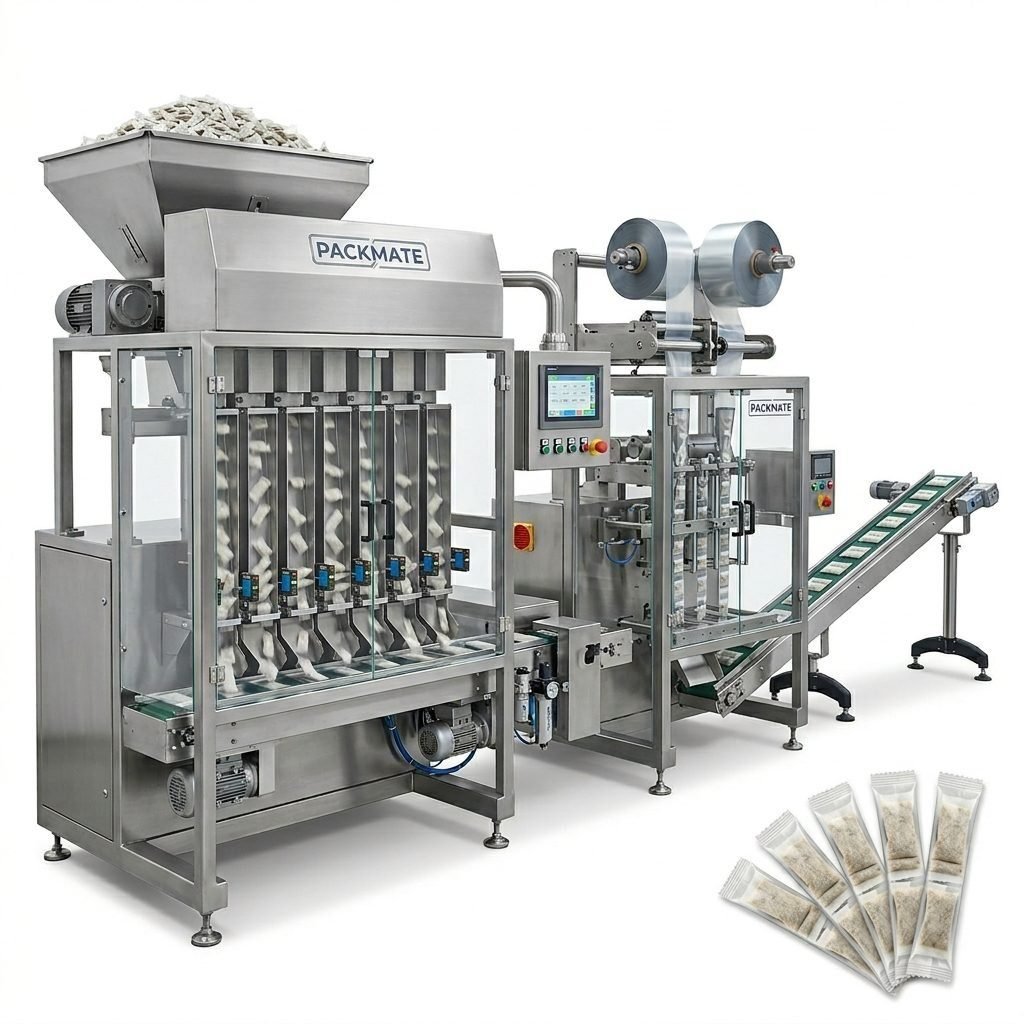
Match the machine’s throughput (pouches per minute) to your projected demand. For startups, modular equipment that scales by adding lanes or modules can be a cost-effective choice. Multi-lane systems support small-dose pouch production with higher overall output and lower per-unit labor requirements.
2. Pouch format compatibility
Ensure the machine supports the pouch types you plan to produce: snus cans, sachets, stick packs, or modern nicotine pouches. Some machines are specialized for stick packs or sachets, while others provide flexible tooling for various sizes and materials.
3. Filling accuracy & weighing systems
Precision dosing reduces product giveaway and regulatory risk. Look for integrated weighing and gravimetric systems that can handle powders, granules, and blends. For complex formulations consider combination weighing systems that guarantee speed without sacrificing accuracy.
4. Material handling & compatibility
Verify compatibility with the barrier films and pouches you intend to use. Machines that allow easy changeover and use hygienic, food-grade contact parts (stainless steel, polished surfaces) will prolong equipment life and simplify cleaning.
5. Automation & control systems
Modern HMI controls, recipe storage, and remote diagnostics improve uptime and simplify training. If your facility plans to network equipment or integrate with existing MES systems, confirm the machine supports standard industrial communication protocols.
Regulatory Compliance and Safety Considerations in Yemen
Compliance is not only a legal requirement — it protects workers and consumers. In Yemen, local rules may vary, but international certifications like CE and ISO help demonstrate compliance with recognized safety and quality standards.
Important: Choose equipment with documented CE/ISO compliance and clear machine risk assessments. Such documentation eases customs clearance, financing applications, and local approvals.
Technical Features to Prioritize
Not all machines are created equal. Prioritize features that directly affect product quality and operational resilience.
Hygienic design & materials
Smooth surfaces, minimal crevices, and easy access panels speed cleaning and reduce contamination risk. Food-grade stainless steel and protective coatings on moving parts extend service life in challenging environments.
Safety interlocks and enclosures
Enclosed machines with interlocks and emergency stops protect workers and ensure the line stops safely during abnormal conditions. For nicotine handling, consider negative-pressure enclosures or extraction systems to limit airborne exposure.
Spare parts & modular design
Machines designed with modular components and widely available spare parts reduce lead times for repairs. Ask suppliers for spare-part lists and recommended stock levels.
Operational Considerations: Installation, Training and After-Sales
A machine is only as good as the support that comes with it. Practical, local service and training are critical for long-term success in Yemen.
- On-site installation and commissioning reduce startup risk — confirm whether the supplier offers field engineers or a network of local partners.
- Operator training covering safety, basic maintenance, and changeover reduces dependency on external technicians.
- Availability of remote diagnostics and PLC/HMI backups can shorten troubleshooting time.
Tip: Prefer suppliers that publish clear service offerings and have a global spare-parts distribution network — this lowers unexpected downtime and shipping delays.
Commercial Evaluation: Price vs. Total Cost of Ownership
A lower upfront price can hide higher operating costs. Consider energy consumption, maintenance intervals, spare-part pricing, and expected lifecycle when comparing proposals. A machine with higher reliability often yields a lower cost per pouch over time.
What to include in your ROI calculation
- Initial purchase and shipping cost
- Installation, training, and certification expenses
- Consumables and spare parts annual spend
- Expected uptime and production yield
- Resale value / trade-in after useful life
Why Choose Established Manufacturers Like Packmate
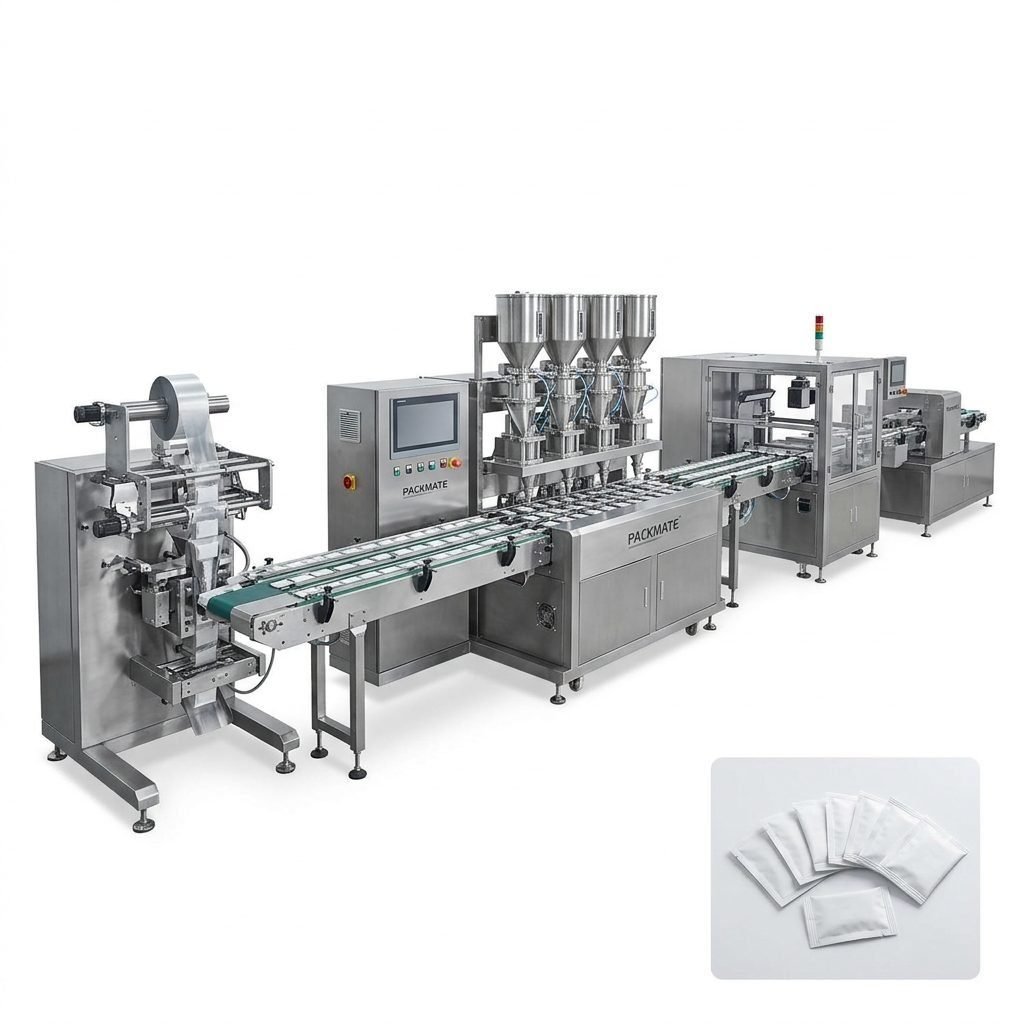
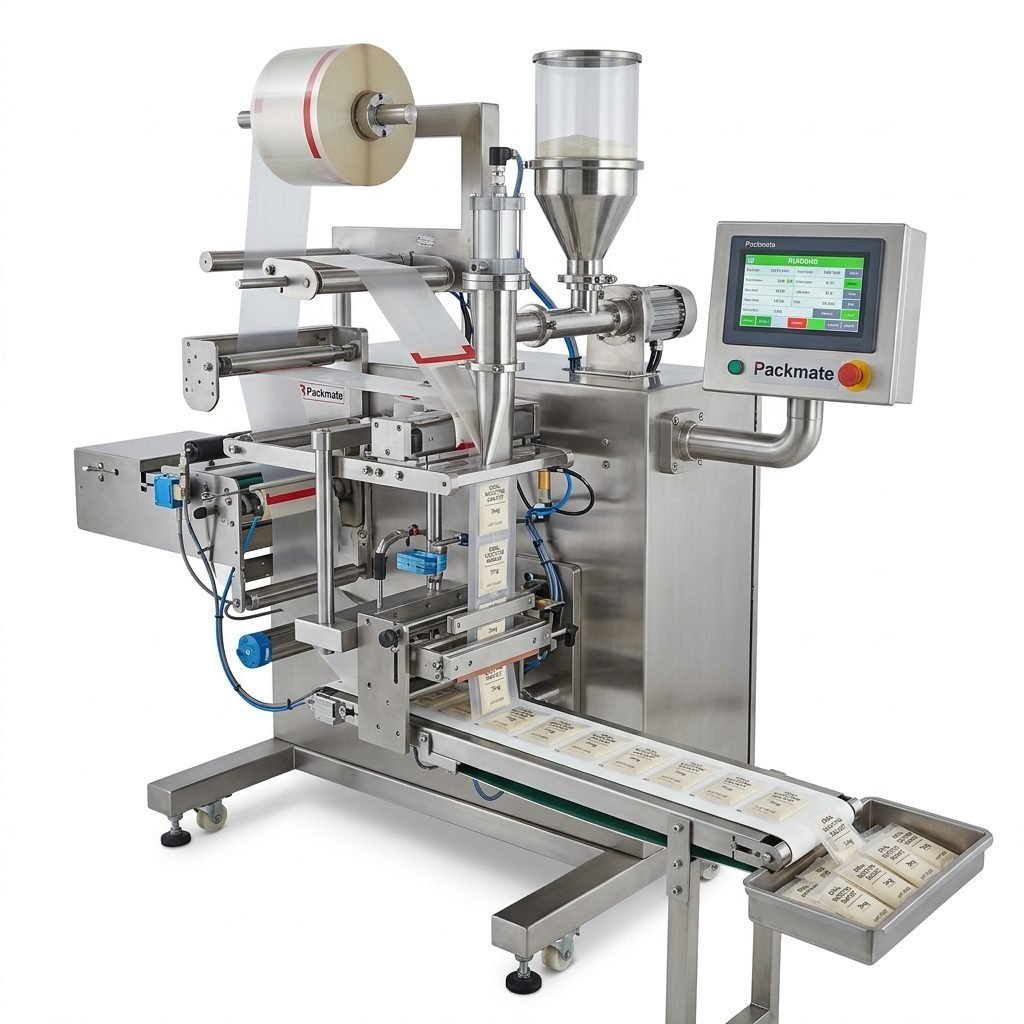
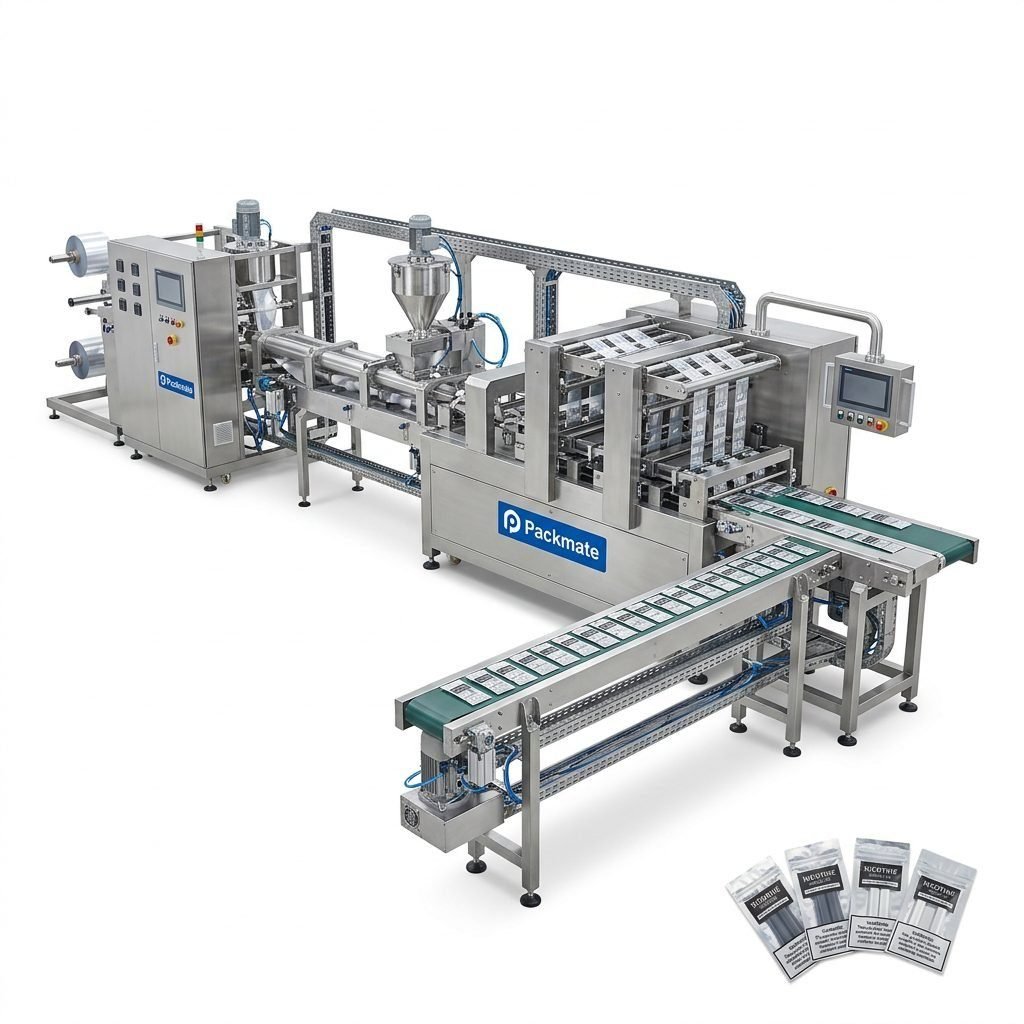
Manufacturers with deep experience in snus and nicotine packaging bring proven engineering and tested production lines. Packmate Snus Machine, for example, offers decades of packaging expertise and a wide product portfolio that includes multi-lane systems, stick pack, and sachet machines — making them a viable partner for businesses in diverse markets.
Explore product ranges like Snus & Nicotine Packaging Machines, Sachet & Stick Pack Machines, and learn about company capabilities on the About Packmate page. For service and ongoing support details view Service.
Practical Steps to Procure the Right Machine in Yemen
Follow a structured procurement process to reduce risk and to clarify expectations with suppliers.
1. Define product & capacity requirements
Document pouch dimensions, fill weights, expected daily throughput, and material specifications. This becomes the basis for technical inquiries and bid comparisons.
2. Request detailed technical proposals
Ask for drawings, performance curves, spare-parts lists, and compliance certificates. Compare not just specs but the supporting documentation and warranty terms.
3. Inspect reference installations
Where possible, visit installations or request video demonstrations of the exact model in operation. Verified case studies demonstrate real-world performance.
Quick checklist before signing: Delivery lead time, installation inclusions, training plan, warranty scope, spare parts lead time, and payment milestones.
Installation, Commissioning and Operator Training
Proper installation and commissioning are often where projects succeed or fail. Ensure the supplier provides on-site commissioning and a detailed training program for operators and maintenance staff.
- Pre-delivery checks and FAT (Factory Acceptance Test) documentation
- Site preparation guide (power, utilities, foundations, ventilation)
- Operator & maintenance manuals in English and any local language needed
- Remote support capability for rapid troubleshooting
Maintenance Best Practices to Maximize Uptime
Implement a preventive maintenance calendar based on manufacturer recommendations. Regular lubrication, belt checks, alignment, and electrical inspections prevent major failures. Maintain a small on-site inventory of frequently used parts (belts, sensors, seals).
Daily, Weekly and Monthly tasks
Daily checks: clean contact surfaces, confirm no feed blockages, verify safety interlocks. Weekly: inspect belts, fasteners, and basic calibrations. Monthly: verify dosing accuracy and schedule deeper PLC/HMI backups.
Final Recommendations for Buyers in Yemen
Prioritize suppliers with proven nicotine pouch experience, global certifications, and transparent service offerings. Evaluate total cost of ownership, not only upfront cost. Where possible, choose modular machines that allow phased investment as your business scales.
Recommended action: Shortlist 2-3 suppliers, request FAT videos of your target model, confirm spare-part lead times to Yemen, and schedule a pilot production run before full-scale purchase.
Frequently Asked Questions (FAQs)
Q1: What certifications should I ask for when buying nicotine packaging machinery?
A: Request CE and ISO certificates, material compliance certificates (food-grade stainless steel), and machine-specific risk assessments. These documents facilitate customs clearance and demonstrate adherence to international standards.
Q2: How long is a typical lead time for snus or nicotine pouch machines?
A: Lead times vary by model and customization. Standard models may ship within 8–16 weeks; highly customized or multi-lane lines can take longer. Confirm expected delivery and spare-part shipping timelines before ordering.
Q3: Can machines be adapted to local power and environmental conditions in Yemen?
A: Yes — reputable manufacturers provide options for voltage, frequency, and environmental protection. Discuss power requirements, dust control, and humidity protection during specification to ensure reliable operation.
Q4: What level of local support should I expect after purchase?
A: Suppliers often provide remote diagnostics, spare-part dispatch, and periodic field visits. For critical equipment, confirm whether the manufacturer has local partners or certified technicians who can respond quickly.
Q5: How do I validate machine performance before full payment?
A: Request a Factory Acceptance Test (FAT) and live demonstration. Insist on documented performance metrics (throughput, dosing accuracy, reject rates) and video evidence of the exact machine configuration you will receive.