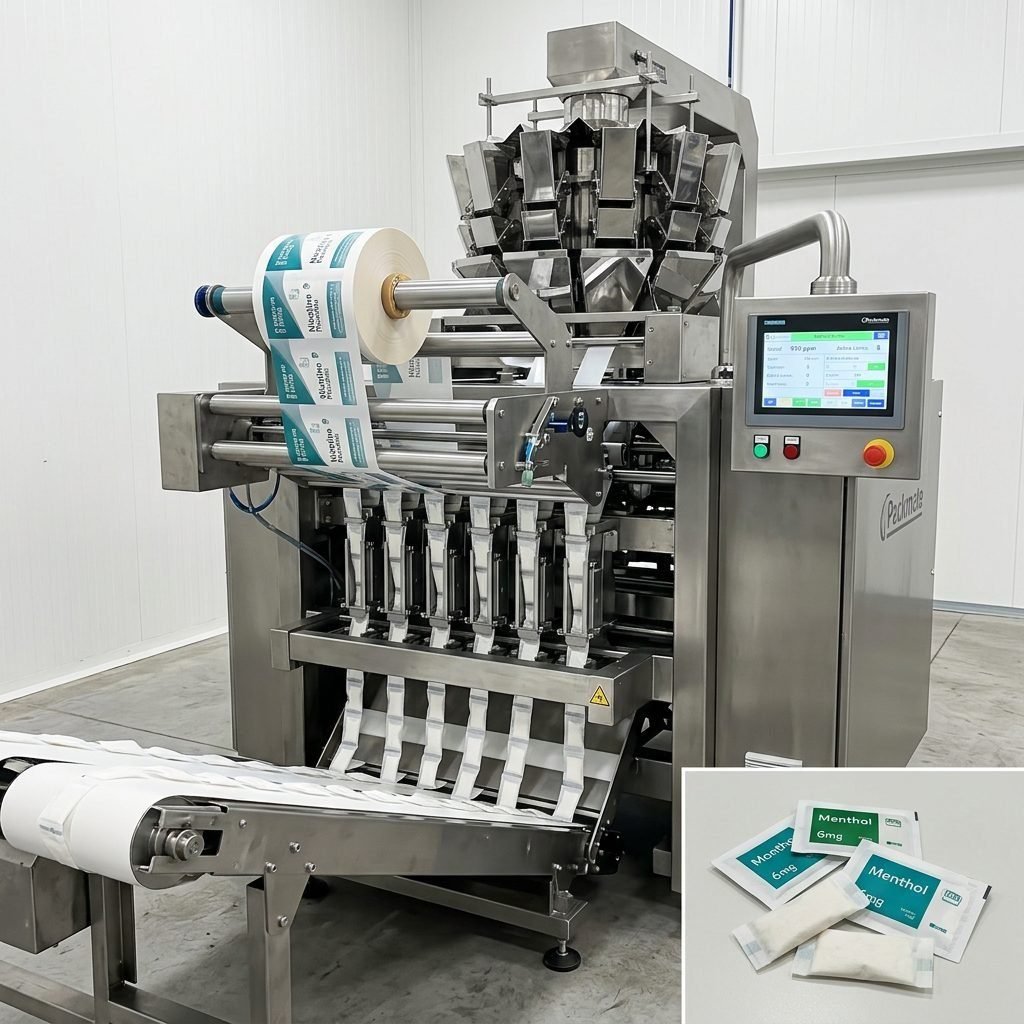
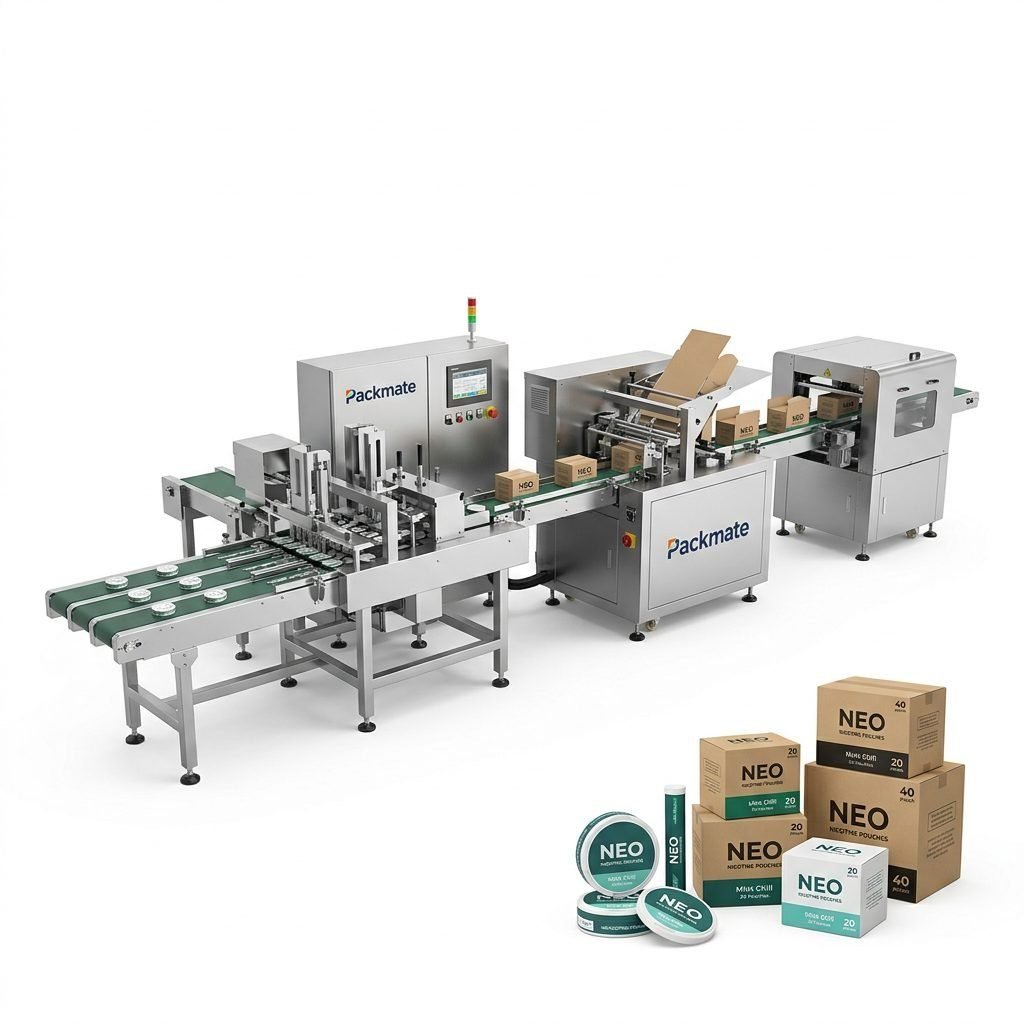
Choosing the right nicotine packaging machinery manufacturer is a strategic decision for any business looking to produce snus, nicotine pouches, or other related products in New Zealand. The right partner ensures regulatory compliance, consistent product quality, high uptime, and scalable automation that supports growth. This guide lays out practical criteria, evaluation steps, and negotiation tips to help you select a manufacturer that delivers reliable machines, strong technical support, and measurable return on investment.
Understand Your Production Requirements
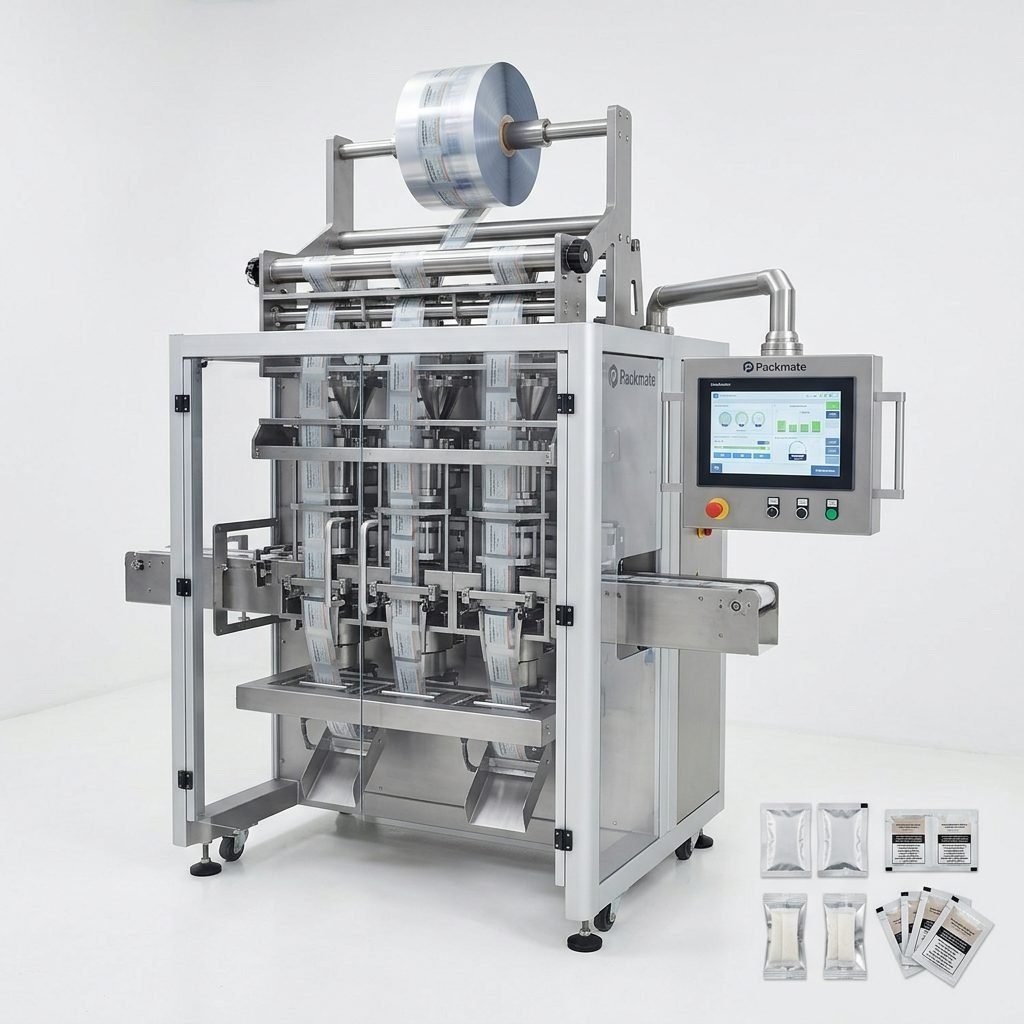
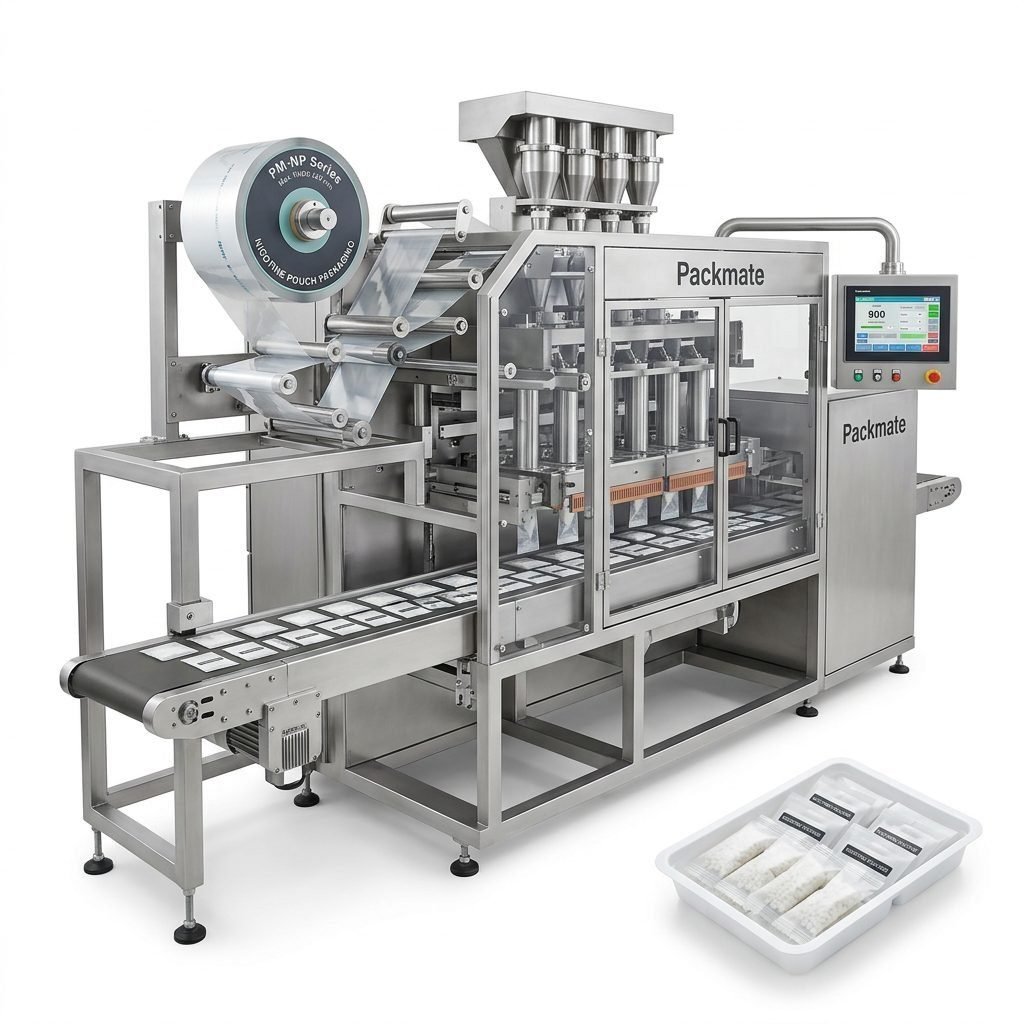
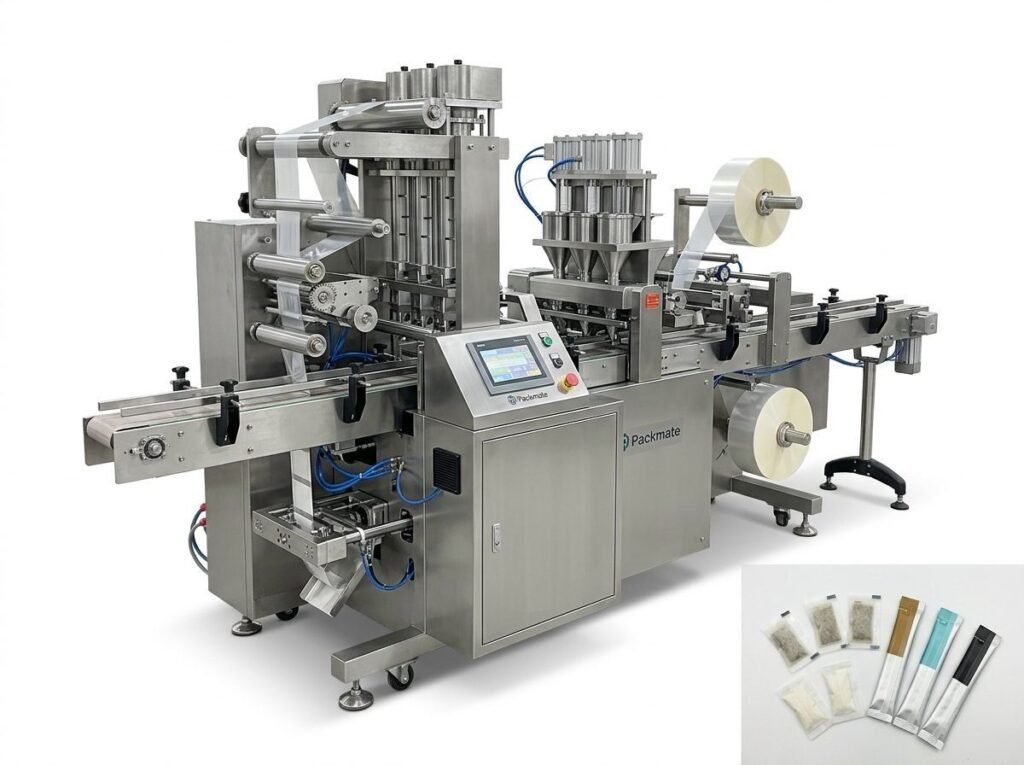
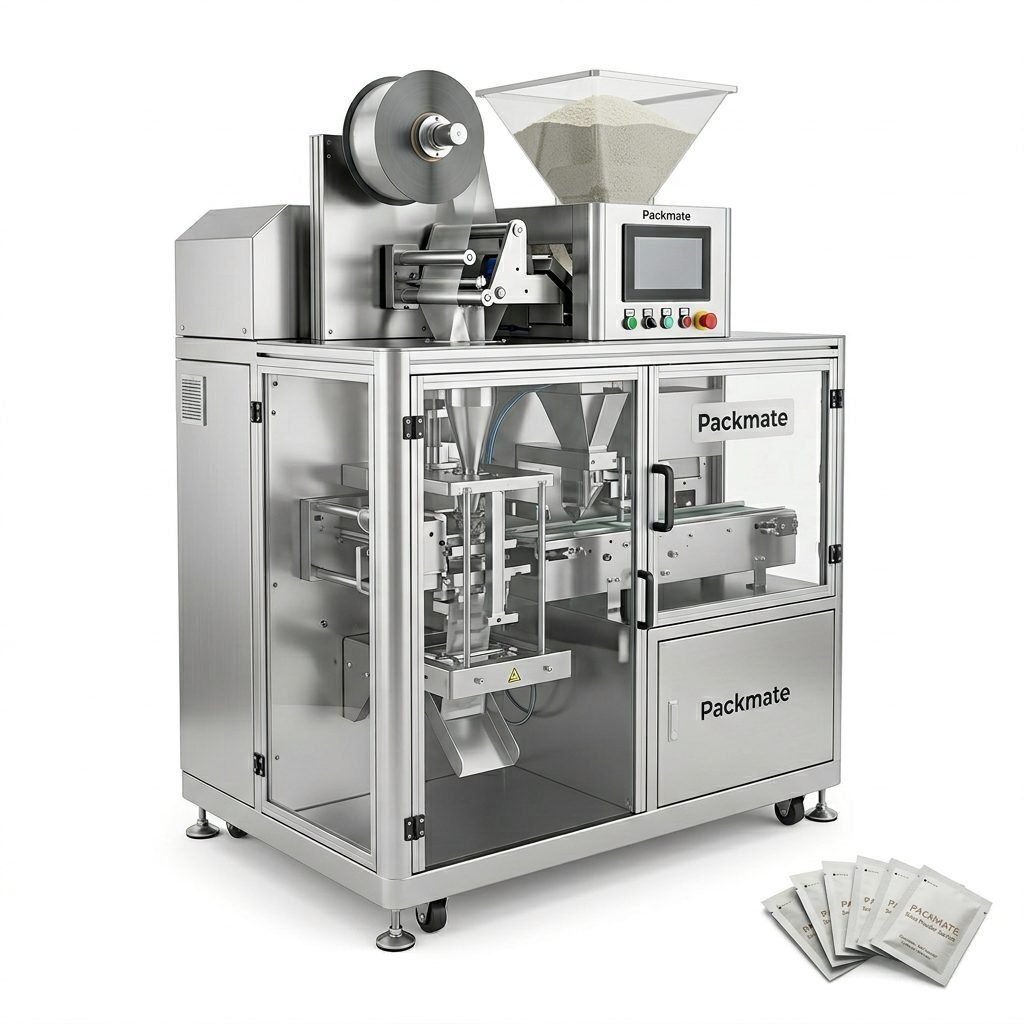
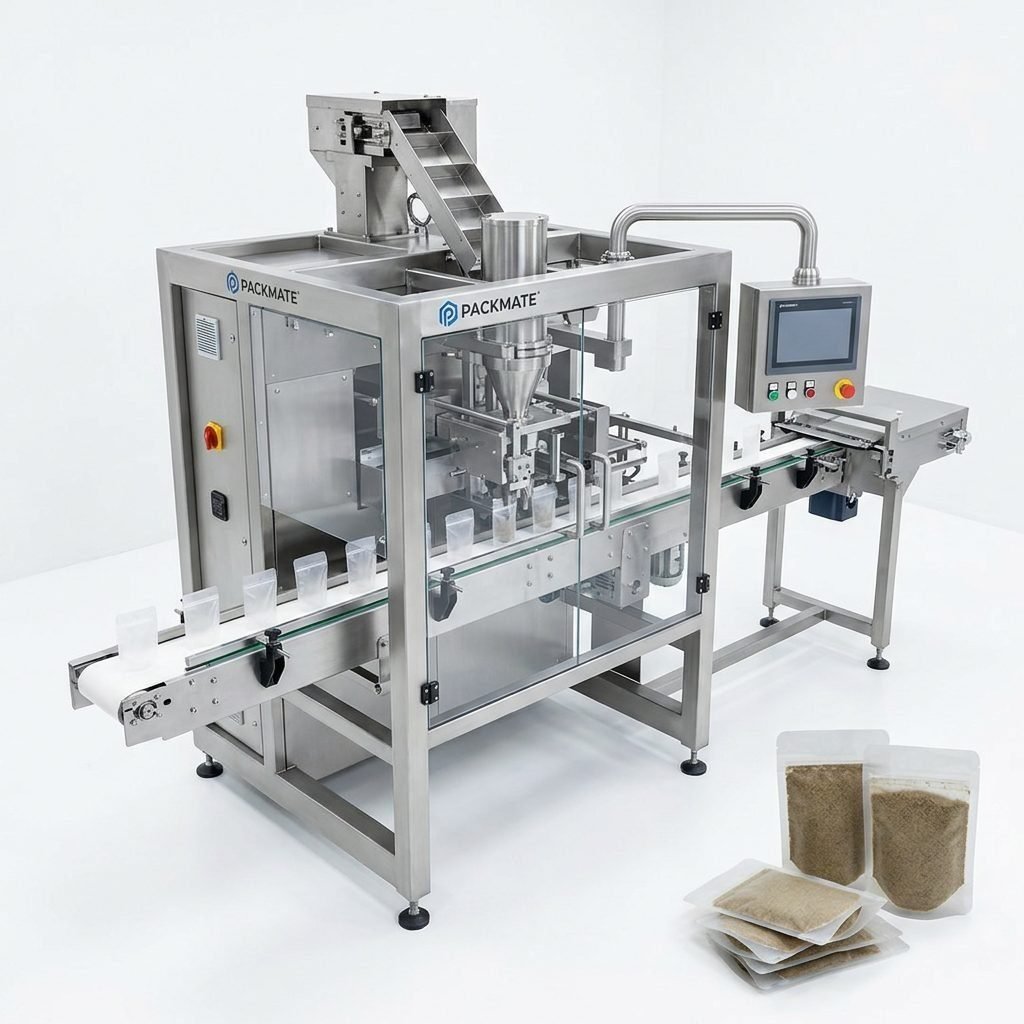
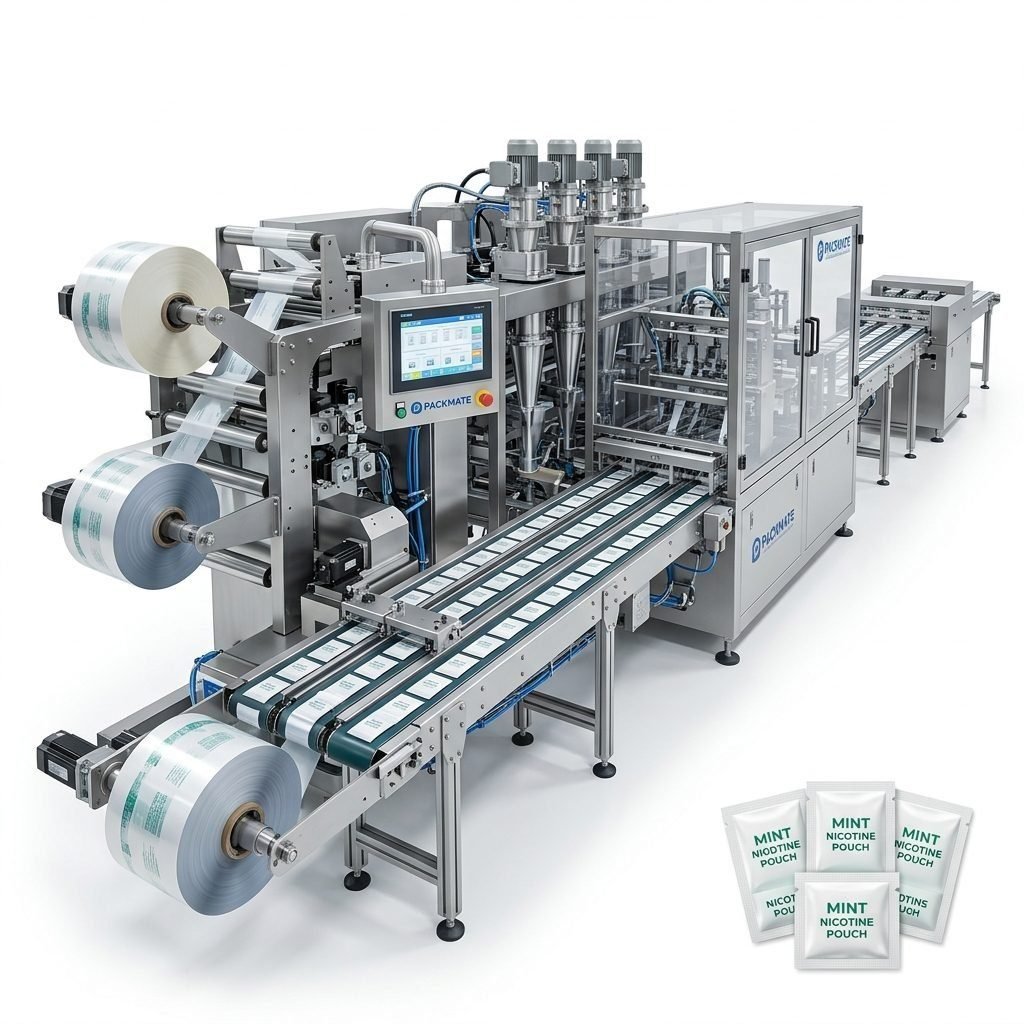
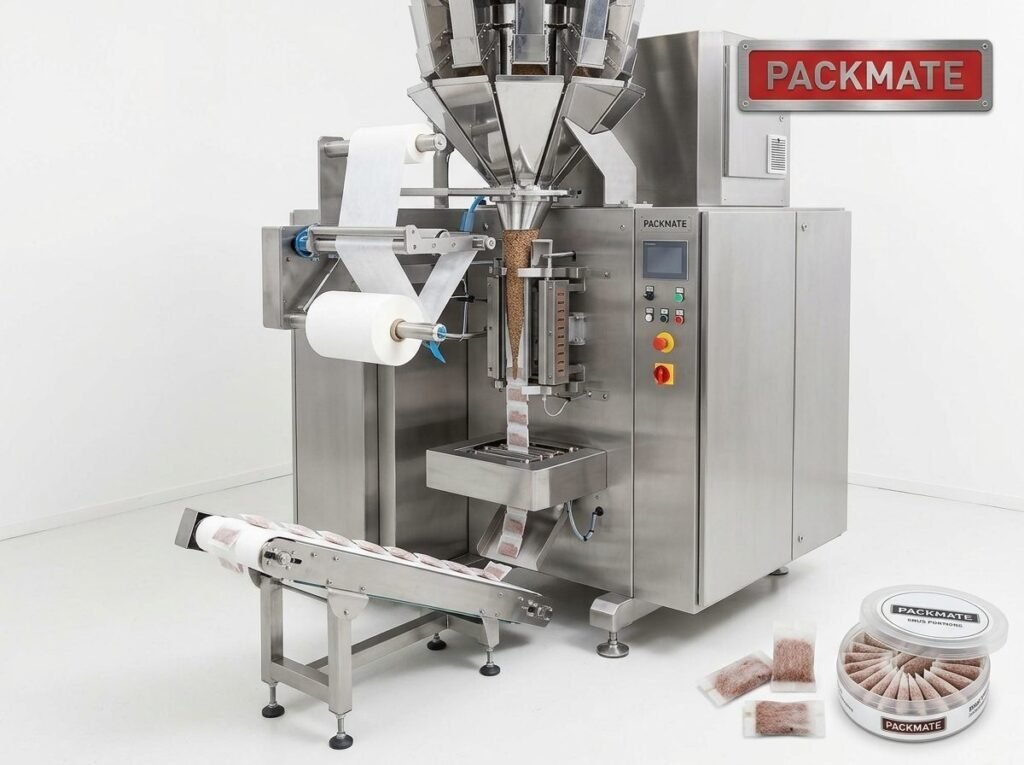
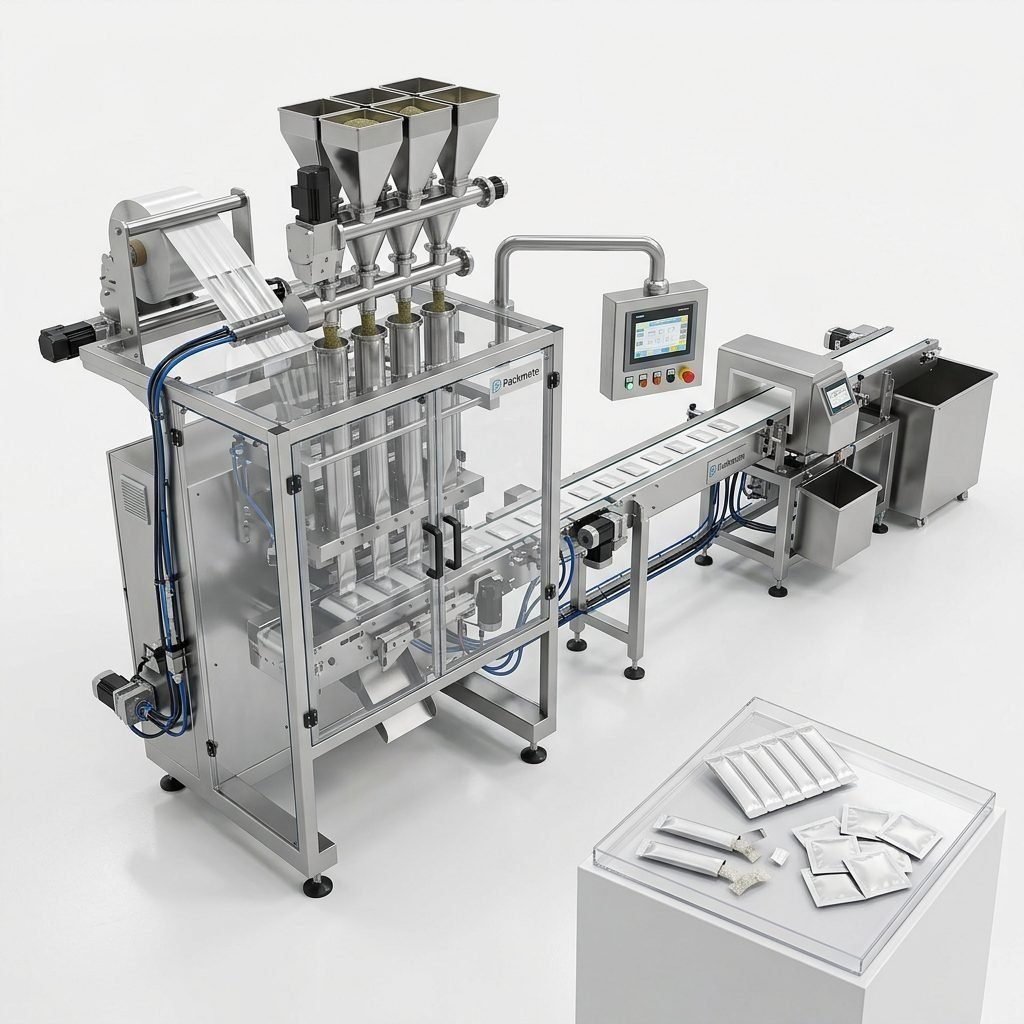
Before contacting suppliers, define your production targets. Consider daily output, pouch formats (single-dose, multi-lane, stick pack, sachet), target packaging materials, dosing accuracy, and compatibility with downstream processes like case packing or palletizing. Many manufacturers, such as those offering specialized snus lines, provide tailored systems — see a range of solutions for reference: Snus & Nicotine Packaging Machines.
🔧 Key production questions:
What is your target output per shift? How many SKUs will run on the line? Are filled weights powders, granules or liquids? These answers drive machine selection.
Capacity, Speed, and Flexibility
Machines should meet your peak capacity while allowing flexibility for lower-volume SKUs. Evaluate multi-lane options for small-dose nicotine pouches if you plan multiple simultaneous lanes. Confirm whether the manufacturer offers modular platforms so you can add lanes or functions without replacing the entire line.
Technical Capabilities and Manufacturing Strength
Assess the supplier’s engineering expertise, factory scale, and production capabilities. A manufacturer with advanced CNC machining and precision assembly indicates the ability to deliver durable equipment. For instance, a company with a 20,000㎡ facility and 30+ years of experience typically has robust quality control systems and multiple machine models to match diverse needs.
📌 Factory strength indicators: production area, CNC equipment, number of machine models (50+), and visible test processes for stability and durability.
Design for Cleanability and Food-Grade Standards
Packaging lines handling nicotine pouches often require hygienic design and materials that withstand cleaning. Check for stainless steel contact parts, sealed motors, and designs that minimize product carryover. Compliance to standards like CE and ISO is a good baseline — review certificates and ask for relevant test reports.
Evaluate Automation and Integration Options
The best manufacturer will provide end-to-end turnkey solutions including dosing, pouch forming, sealing, and downstream automation like case erecting or palletizing. If you need complete production lines, look at the supplier’s capability to integrate weighing & packaging systems and filling lines; consider checking product lines such as Weighing & Packaging Systems and Filling & Packaging Lines.
Control Systems, HMI, and Industry 4.0
Ensure the manufacturer uses well-known PLC and HMI brands and offers options for remote monitoring and data logging. Industry 4.0 features can reduce downtime and support predictive maintenance — valuable for high-value nicotine pouch lines.
Quality Assurance, Testing, and Certifications
Ask about rigorous testing procedures including full line trials, long-run stability tests, and accuracy checks. Look for CE and ISO certification as minimum compliance evidence. Also request references or case studies showing sustained performance under real production conditions; many established manufacturers publish case records you can review — for example: Case.
✅ Quality checklist:
Factory acceptance testing (FAT), site acceptance testing (SAT), performance validation, and documented traceability for critical components.
After-Sales Support and Spare Parts Availability
Consider lead times for spare parts and the supplier’s global support network. In New Zealand, rapid technical response is critical — verify the manufacturer’s ability to ship parts quickly or maintain local inventories via distributors. Confirm whether they provide commissioning, training, and long-term maintenance contracts. Visit the supplier’s service page when available: Service.
Training and Remote Assistance
Check if the vendor provides onsite training for operators and maintenance staff. Remote diagnostics, spare parts kits, and video-guided troubleshooting reduce downtime and cost of ownership.
Total Cost of Ownership (TCO) vs. Purchase Price
Don’t be swayed solely by upfront cost. Calculate TCO including maintenance, spare parts, energy consumption, expected MTBF (mean time between failures), and upgradeability. Machines with higher initial cost but better uptime and energy efficiency often deliver lower TCO and faster ROI.
💡 TCO pointers: include spare parts consumption, service response times, warranty coverage, and planned upgrades.
Regulatory Compliance and Documentation
Nicotine products face strict regulations in many markets. Confirm the supplier’s experience with regulatory requirements and their capability to supply documentation for audits: IQ/OQ/PQ protocols, material certificates, CE/ISO certificates, and mechanical/electrical drawings. Suppliers with global clientele often understand varied regulatory frameworks and can assist with compliance.
Local Service and Logistic Considerations for New Zealand
New Zealand’s geographic isolation makes logistics and local service crucial. Prioritize manufacturers who can:
- Coordinate efficient shipping and customs documentation
- Provide local distributor support or fast international spare-part shipping
- Offer remote commissioning and training when onsite visits are delayed
Warranty Terms and Performance Guarantees
Negotiate clear warranty terms covering critical components and define acceptance criteria tied to output and quality metrics. Request a written performance guarantee for throughput and accuracy.
Questions to Ask Potential Manufacturers
Use a standardized questionnaire to compare suppliers objectively. Key items include:
📌 Suggested questions:
• What are your standard lead times and do you handle export documentation?
• Can you provide FAT videos or references of similar lines in production?
• Do you offer on-site commissioning and operator training in New Zealand?
• What spare-part packages do you recommend for the first 12 months?
Vendor Due Diligence and Site Visits
If possible, visit the manufacturer’s factory or request a virtual tour. Inspect assembly practices, test rigs, and the technicians who will support installation. Check references and, when feasible, visit customer sites in similar industries to observe machines under production loads.
Evaluating Long-Term Partnership Fit
A reliable partnership is built on communication, cultural fit, and aligned commercial terms. Look for vendors who demonstrate flexibility, transparency in pricing, and a willingness to share engineering drawings and maintenance schedules.
Negotiation Tips and Purchase Considerations
When negotiating, include acceptance testing, spare parts list, training, installation timeline, and penalties for missed milestones. Consider staged payments tied to milestones such as design approval, FAT completion, and SAT acceptance.
⚖️ Contract essentials: detailed scope, delivery schedule, warranty clauses, and definition of acceptance criteria.
Why Choose an Experienced Snus Packaging Manufacturer
Manufacturers specializing in snus and nicotine pouch lines bring domain-specific expertise that reduces development time and technical hurdles. They understand dosing accuracy, sealing challenges for low-moisture products, and the multi-lane innovations needed for small-dose pouches. Explore the company background and mission to gauge experience and values: About Packmate.
Proven Track Record and Exhibition Presence
Attendance at global exhibitions and demonstrable partnerships across regions provide additional confidence. Look for manufacturers who participate in industry events and have published exhibition schedules or catalogs: Our Exhibition and Catalog.
Practical Next Steps for New Zealand Buyers
1) Prepare a detailed RFP including product specs and acceptance criteria. 2) Shortlist 3–5 vendors and request proposals and FAT evidence. 3) Evaluate total lifecycle cost, not just machine price. 4) Visit or request virtual factory tours, and confirm shipping, installation, and training timelines.
📞 Ready to engage: once you have shortlisted vendors, set clear timelines for FAT and on-site acceptance and request a detailed spare parts list for the first year to avoid surprises.
Final Advice
Selecting the best nicotine packaging machinery manufacturer is about matching technical capability with reliable service and strong commercial terms. Prioritize proven engineering, clear documentation, and a partner who understands your market and regulatory landscape. For a strong starting point, review specialized packaging equipment portfolios and verified case studies to confirm the vendor’s fit for New Zealand operations.
Useful Links
For product line details and direct contact, refer to the manufacturer’s product pages and contact options: Sachet & Stick Pack Machines, Contact Us.
Frequently Asked Questions
Q1: What minimum information should I include in an RFP?
Include product types, target throughput, pouch formats, dosing media (powder, granule, liquid), acceptable tolerances, packing materials, desired automation level, site utilities (power, compressed air), expected start date, and acceptance criteria for FAT/SAT.
Q2: How long does it typically take to receive a custom snus packaging line?
Lead times vary by complexity. Standard machines may ship in a few months; custom multi-lane turnkey lines often require 6–12 months including design, fabrication, FAT, and shipping. Confirm specific timelines with the vendor and include milestone-based payments.
Q3: What should I expect for warranty and spare parts?
Typical warranties cover 12 months for workmanship and critical parts. Good suppliers offer spare-part kits for the first year and recommended stocking lists. Negotiate clear response times for parts shipment to New Zealand.
Q4: Can I get remote commissioning or training?
Many manufacturers now provide remote commissioning, virtual training, and troubleshooting. However, on-site commissioning is recommended for final acceptance, especially for complex turnkey lines.
Q5: How do I verify a manufacturer’s claims?
Request FAT videos, customer references, and factory documentation. Ask for customer contacts in similar industries and, where possible, arrange site visits or virtual tours to validate assembly quality and testing procedures.