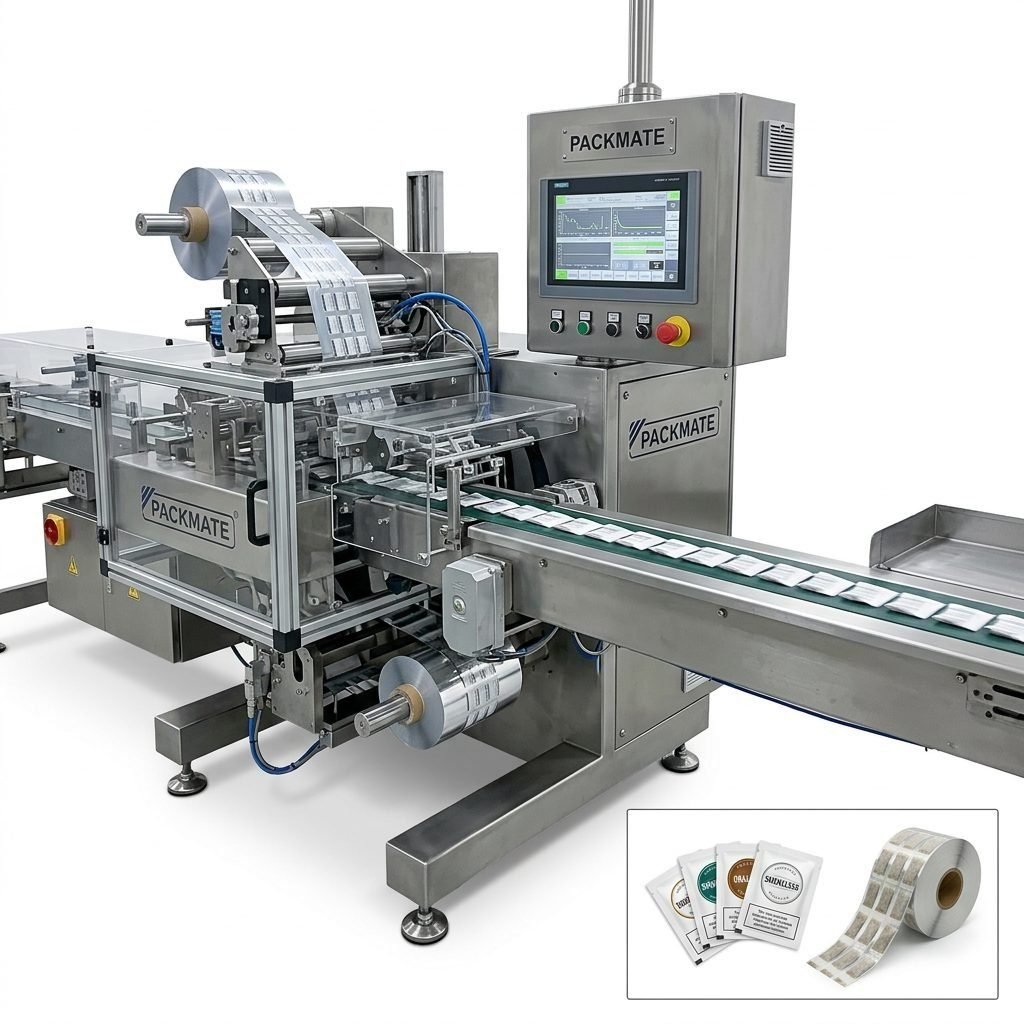
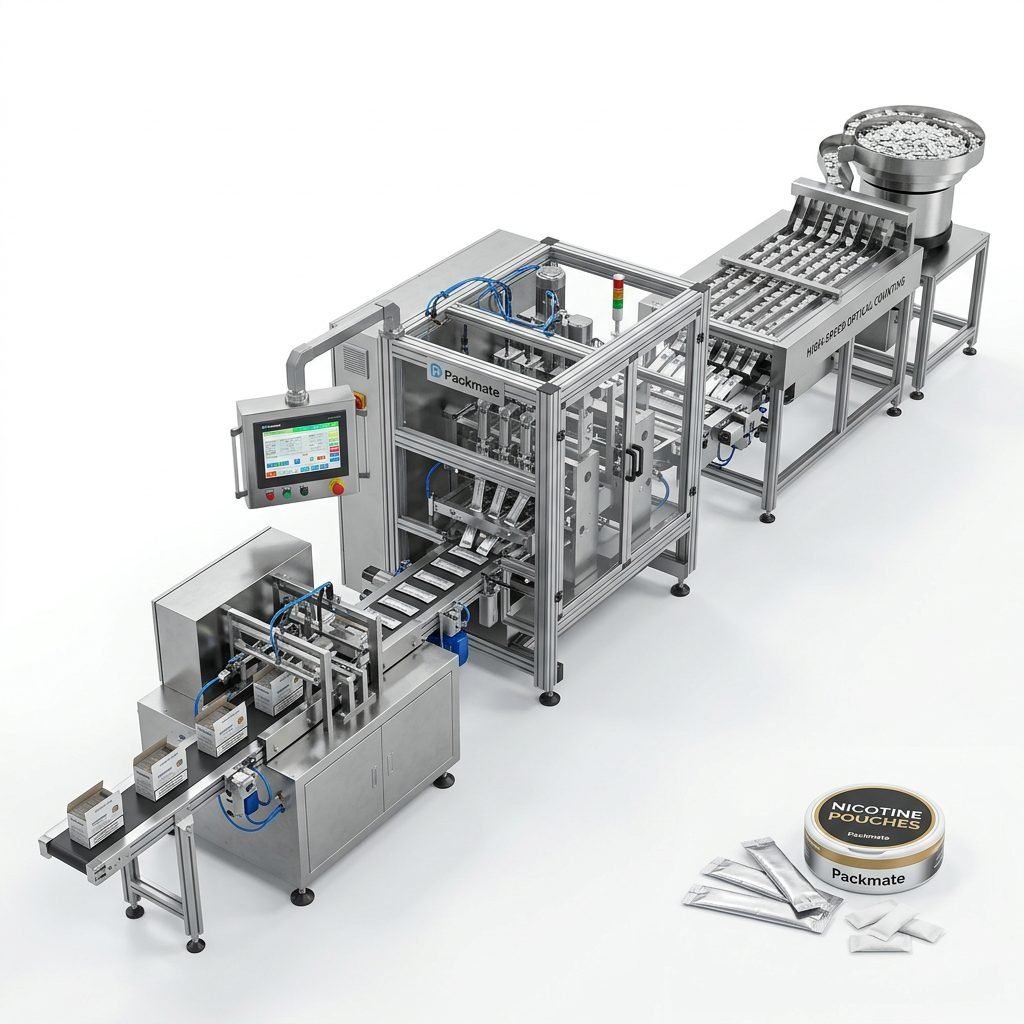
Selecting the right snus packaging machinery manufacturer is one of the most critical decisions for any business entering or expanding in the nicotine pouch and snus market in South Sudan. This guide walks you through the practical steps and evaluation criteria to ensure you partner with a supplier who can deliver reliable equipment, comply with international standards, and support your production goals as you scale.
Why the Right Manufacturer Matters for Your South Sudan Business
In a market like South Sudan, where logistics, regulatory clarity, and local support can present unique challenges, equipment reliability and supplier responsiveness are essential. A high-quality manufacturer not only supplies machines but also provides technical support, spare parts, and documentation that shorten downtime and protect margins. Choose a partner that understands snus & nicotine pouch production specifics — dosing accuracy, multi-lane synchronization, material handling, and hygiene standards.
Quick checklist: Business outcomes you should expect
✅ Consistent pouch weight and seal integrity
✅ High uptime with easy maintenance
✅ Flexible formats (stick pack, sachet, multi-lane pouches)
✅ Local and remote technical support options
✅ Certifications and compliance documentation for export and local regulation
Key Factors to Evaluate When Choosing a Manufacturer
Not all packaging machine suppliers are equal. Use the following evaluation categories to compare vendors and reduce procurement risk.
1. Product Range and Technology
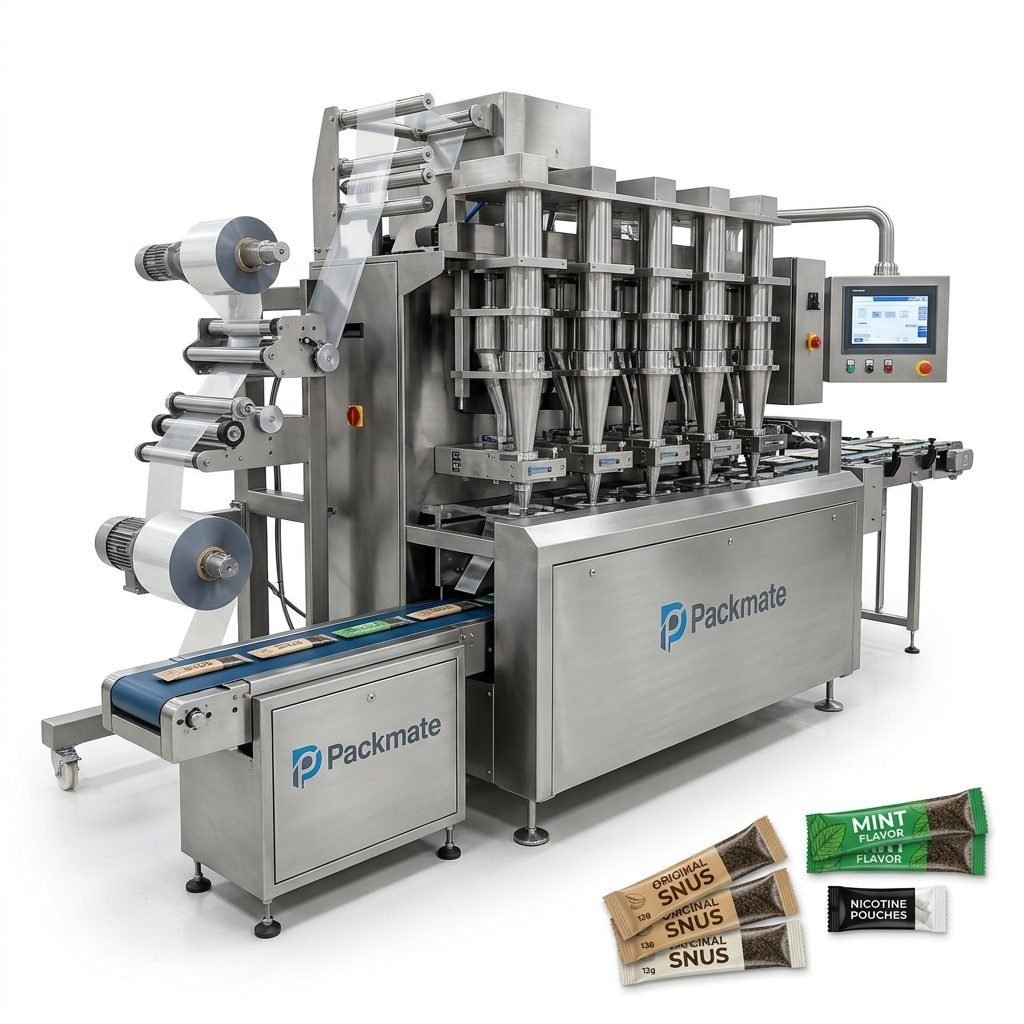
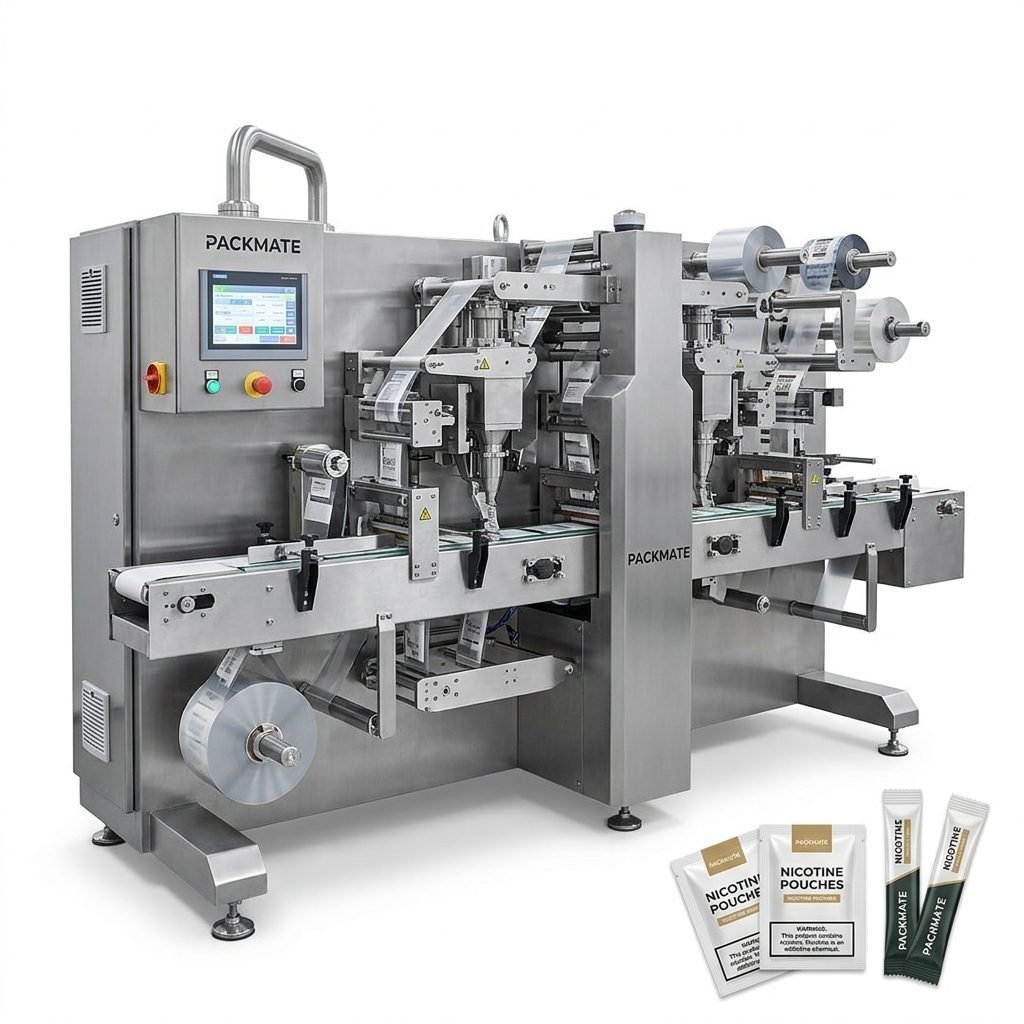
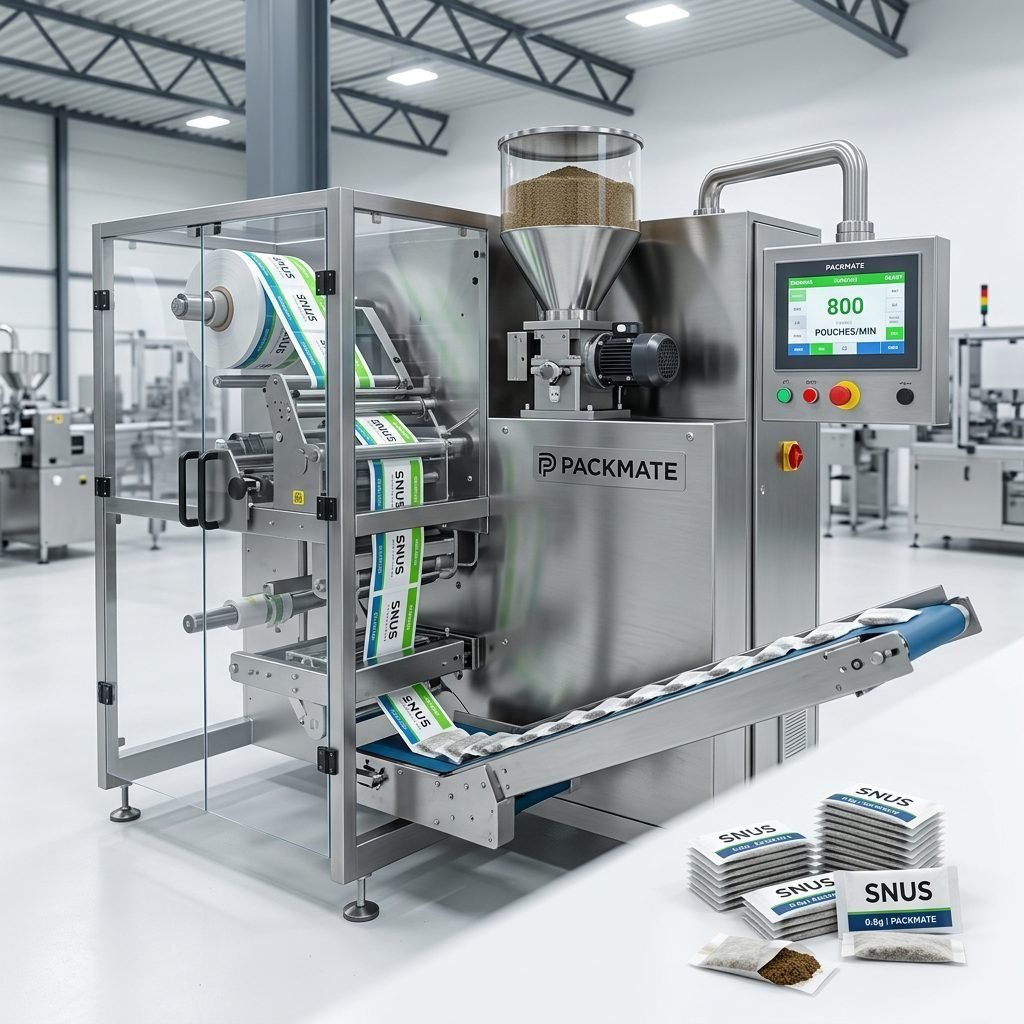
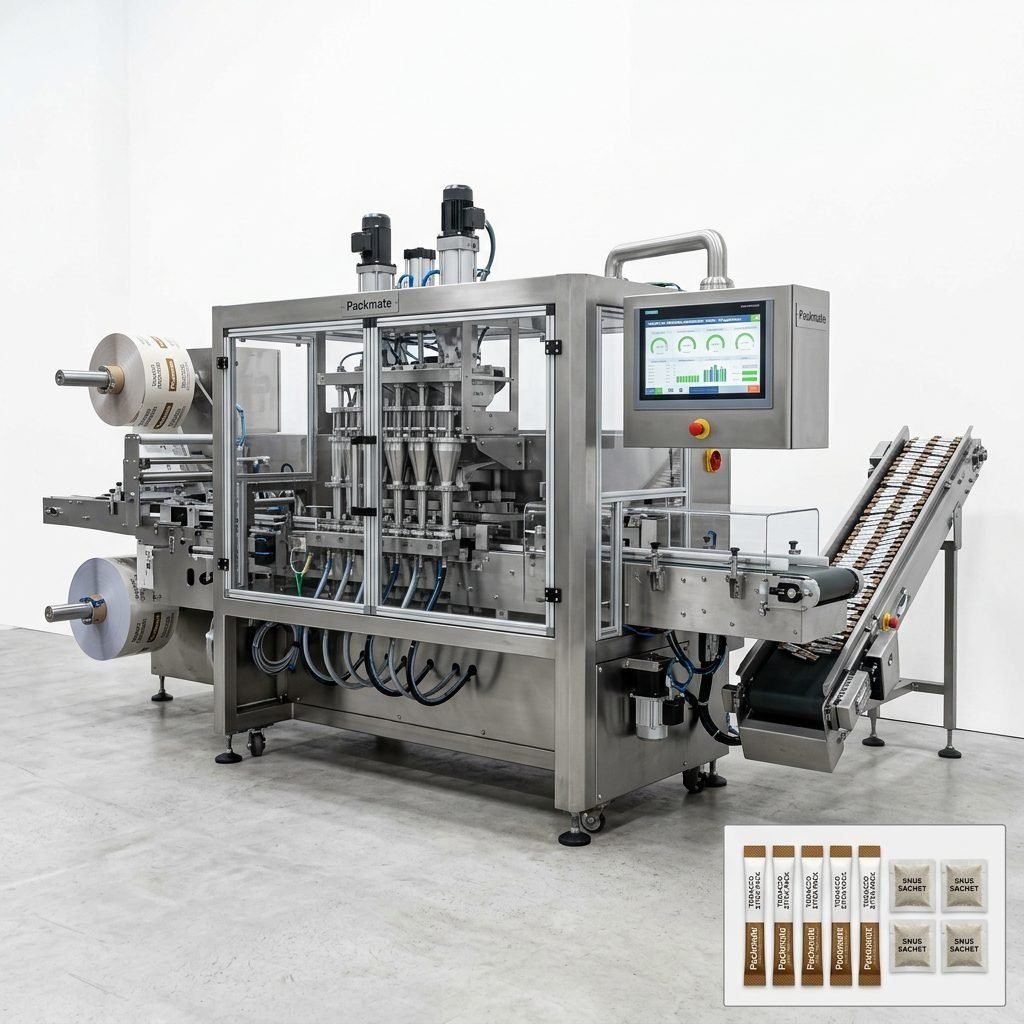
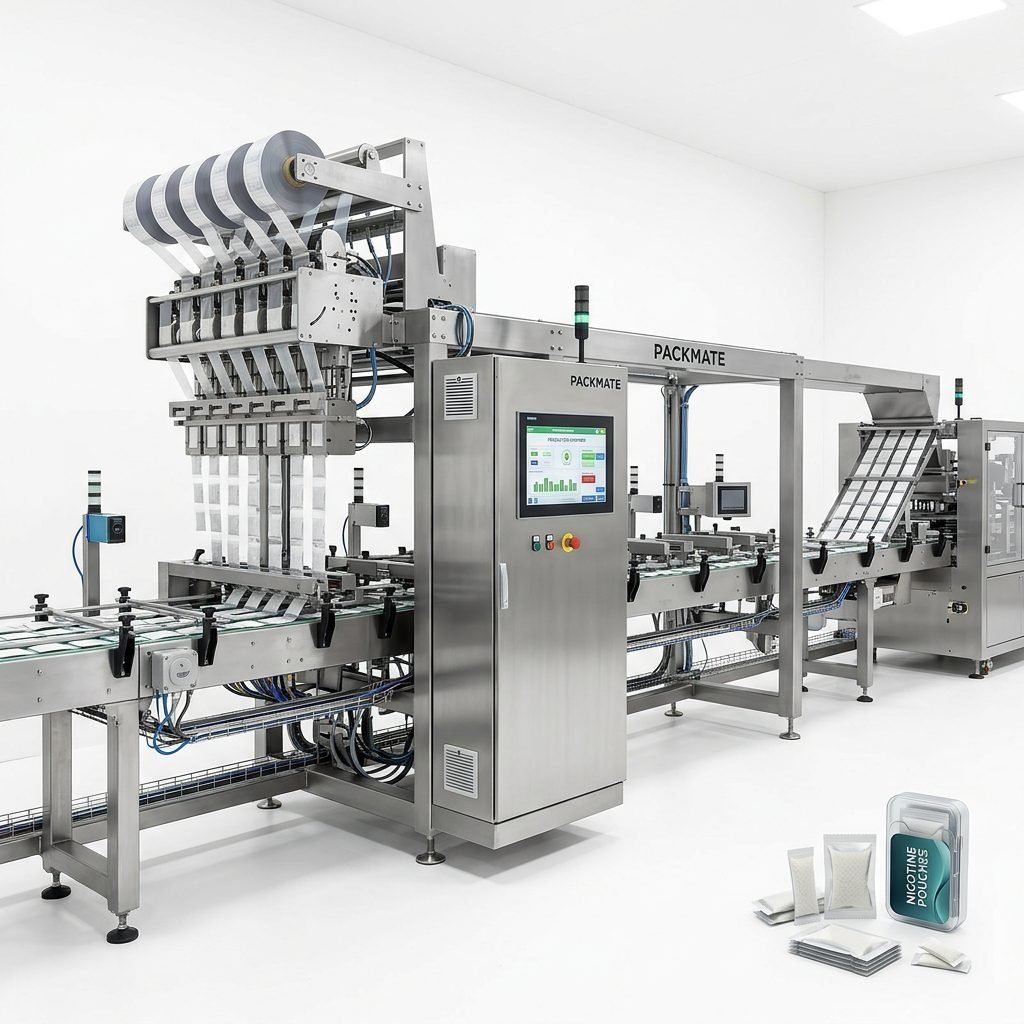
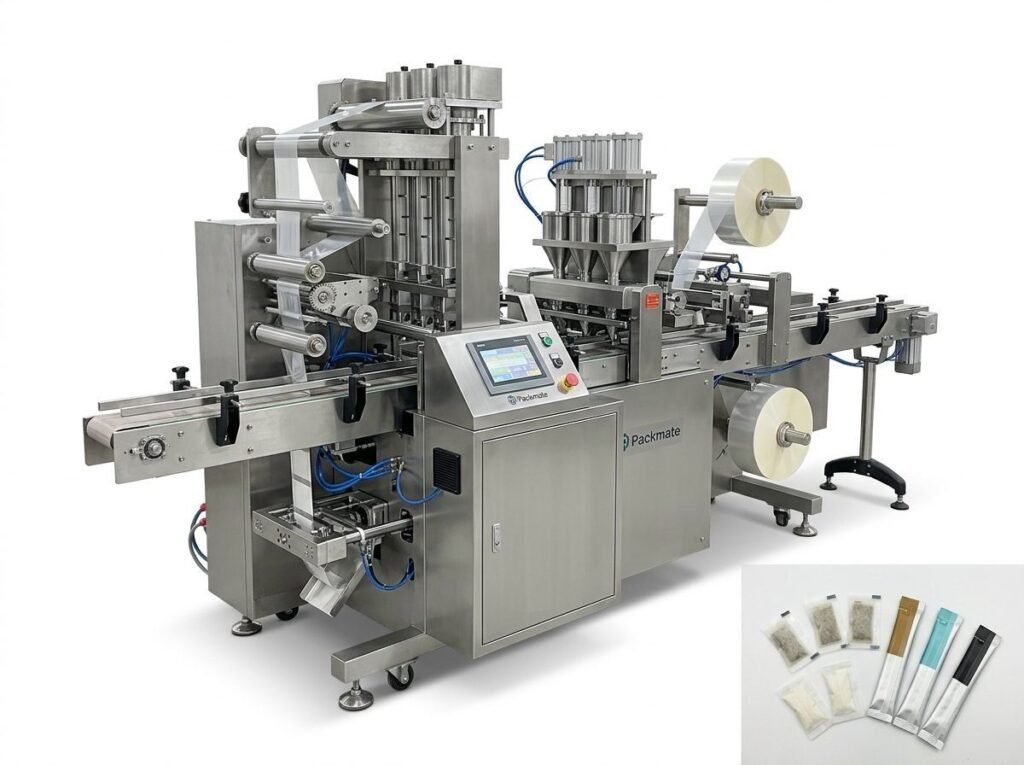
Look for manufacturers offering a broad portfolio that includes specialized snus machines as well as complementary lines. For example, suppliers that provide Snus & Nicotine Packaging Machines, Sachet & Stick Pack Machines, and Filling & Packaging Lines can help you standardize processes across product formats. Advanced features to prioritize include multi-lane capability, servo-driven dosing, in-line weighing systems, and quick-change tooling.
⚙️ Technical highlight: Machines with servo control and digital HMI deliver tighter tolerances and faster format changes — essential when moving between nicotine pouch sizes or flavors.
2. Manufacturing Capacity and Experience
A factory with proven capacity, modern CNC machining centers, and a track record matters. A supplier that has decades of experience and a sizeable facility is more likely to offer mature designs and reliable assembly processes. For reference, manufacturers with a large footprint and 30+ years of engineering experience can better support bespoke solutions and scale production lines.
3. Quality, Testing and Certifications
Verify certifications like CE and ISO, ask for factory acceptance test (FAT) documentation, and insist on thorough quality control records. A reputable supplier will provide testing reports, witness testing options, and detailed maintenance manuals to validate machine performance before shipment.
Important: Always request references and case studies to confirm long-term machine reliability under real production conditions.
4. After-Sales Support and Spare Parts Availability
Downtime kills margins. Inspect the vendor’s spare parts strategy, availability of local agents or representatives, and training offerings for operators and maintenance staff. Ask whether remote diagnostics, phone support, or field service visits are included as standard, and how spare parts are shipped to regions like South Sudan.
5. Customization and Turnkey Solutions
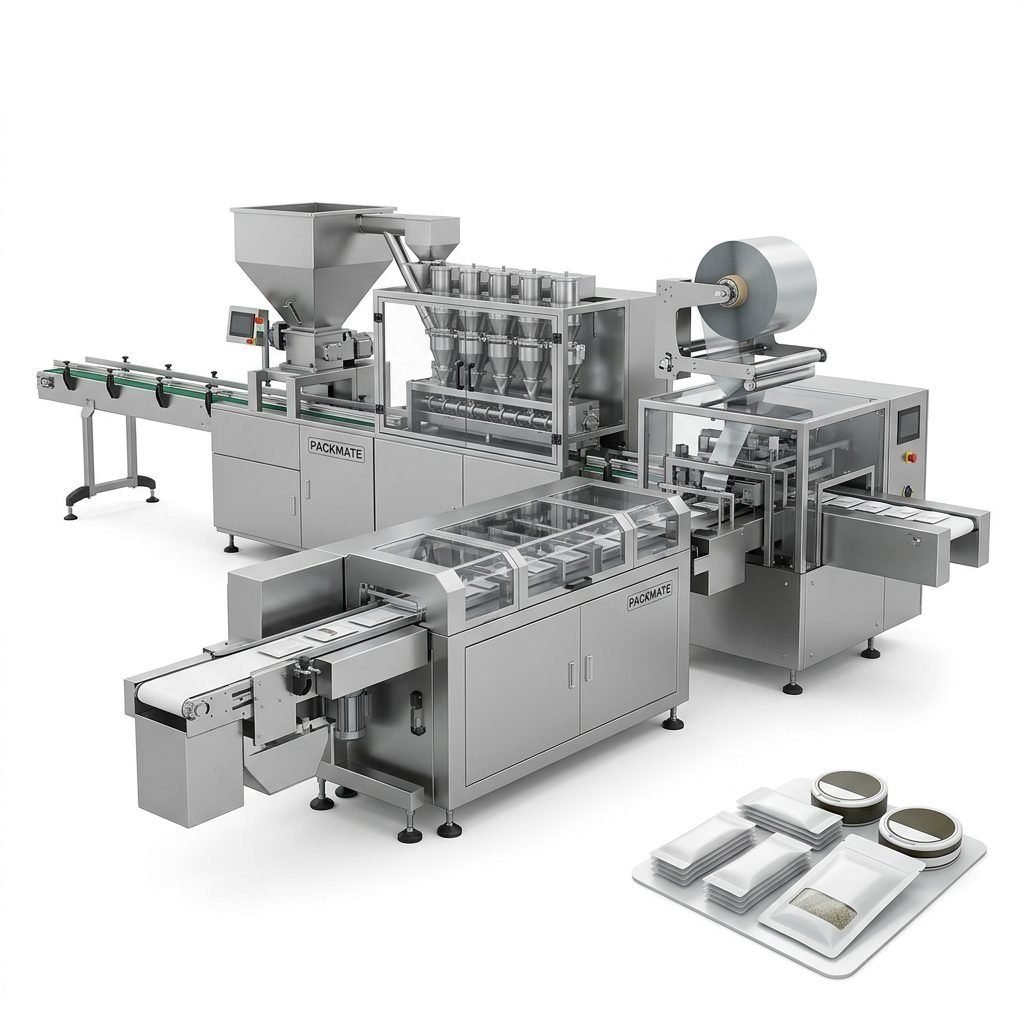
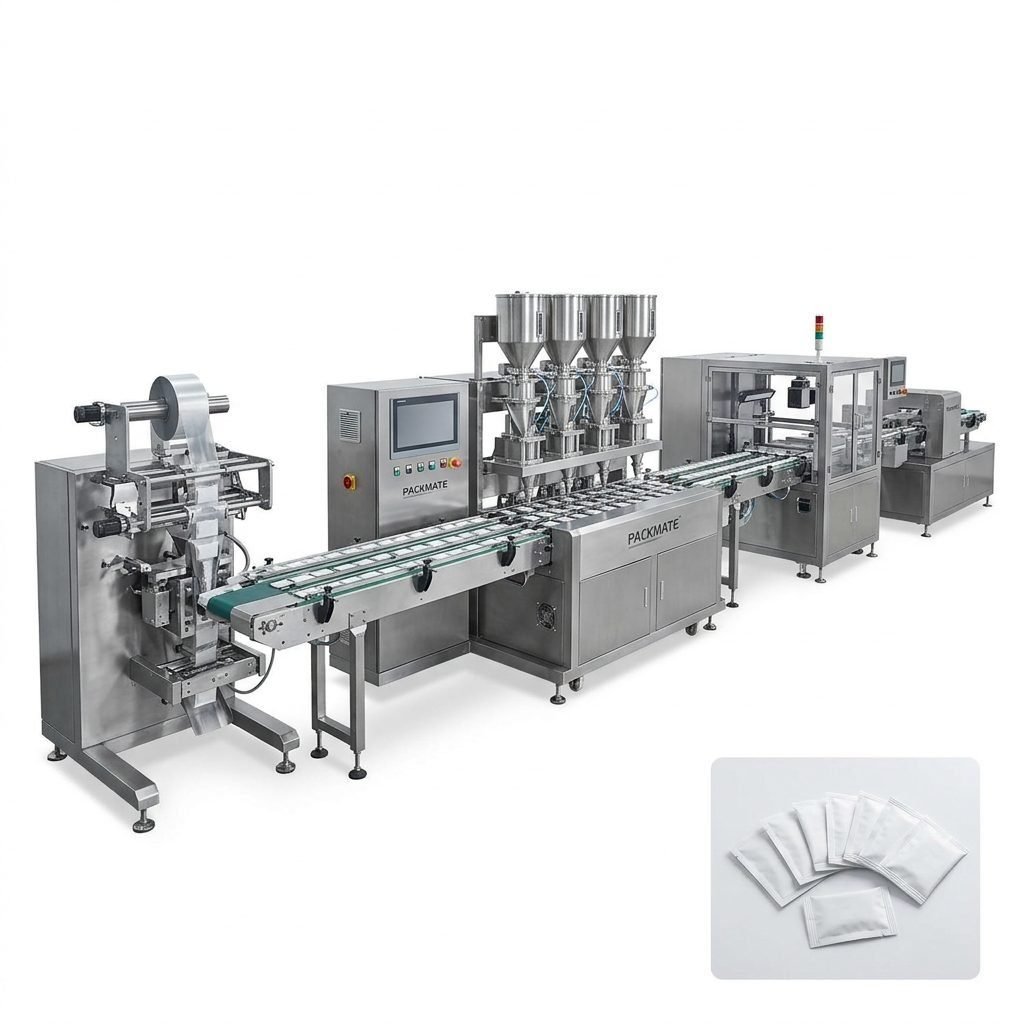
Your product format, pouch material, and regulatory labeling requirements may require machine customization. Choose a supplier that offers turnkey packaging lines and can integrate upstream and downstream equipment — weighing systems, conveyors, capping, or secondary packaging — to deliver a complete, production-ready line.
Operational and Commercial Considerations
Beyond technical specs, evaluate commercial terms and operational implications of your procurement decision.
Lead Time and Production Ramp-up
Confirm realistic lead times — from design finalization to FAT and shipment. Shorter lead times are beneficial, but not if they compromise quality. Ask about expedited options and factory scheduling transparency so you can plan installation, staff training, and regulatory approvals accordingly.
Price vs Total Cost of Ownership (TCO)
The lowest upfront price can lead to higher long-term costs. Factor in energy consumption, spare parts, mean time between failures (MTBF), training costs, and servicing agreements. A small premium for a more reliable machine often yields lower TCO and steadier production.
Shipping, Customs and Local Regulations
Account for freight cost, port handling in South Sudan or a neighboring hub, customs clearance, and any local importing regulations for nicotine-containing products. A manufacturer experienced in international shipping can help prepare accurate documentation and guide you through compliance steps.
Practical Steps to Vet a Manufacturer
Follow this sequence to minimize risk and make a data-driven supplier choice.
Step 1: Request Detailed Specifications and Video Demonstrations
Ask for mechanical drawings, electrical schematics, production capacity curves, and videos of machines running your or similar products. If possible, arrange a live remote demo or on-site visit to inspect build quality and controls.
Step 2: Factory Acceptance Tests (FAT)
Insist on FAT that simulates your production. FAT should include testing with your pouch film, filling weights, speed verification, rejection systems, and HMI validation. Confirm acceptance criteria and sign-off procedures.
Step 3: References and Case Studies
Contact existing clients, ideally those producing snus or nicotine pouches. Review published case studies and exhibition demonstrations. Established suppliers often publish these on their websites and catalogues — useful links include product lines and company profiles to validate claims.
Learn more about a manufacturer’s background through their about page and case references, for example: About Packmate and their global Case portfolio.
Tip: Attend industry exhibitions or request a recorded demonstration from the vendor’s exhibition booth to see machines operating under different workloads.
Installation, Training and Aftercare
A robust implementation plan guarantees fast ramp-up. Confirm installation scope, commissioning services, and operator training included in the contract. Ideally, the supplier will provide documented maintenance schedules, spare parts lists, and online training resources.
Remote Support and Spare Parts Strategy
Determine if the supplier offers remote troubleshooting, PLC program backups, and express shipment of critical spares. For South Sudan, consider vendors that maintain regional warehouses or reliable courier arrangements to reduce lead time on parts.
Evaluating a Supplier Example: What to Look For in Their Profile
When you review a manufacturer’s profile, focus on:
- Years of R&D and product evolution (longer history suggests mature designs)
- Factory size and equipment (CNC centers, precision assembly lines)
- Number of models and customization capability
- Certifications (CE, ISO) and test documentation
- Global customer base and exhibition history
For an example of a supplier with comprehensive capabilities—covering snus, sachet, and multi-lane production—you can explore their product categories like Bag & Pouch Packaging Machines and Weighing & Packaging Systems.
Negotiating Contracts and Service Agreements
Ensure contracts cover performance guarantees, warranty periods, spare part commitments, and acceptance criteria. Define penalties or remediation steps for missed delivery or performance gaps. A clear service-level agreement for response times to breakdowns is particularly important in remote markets.
Warranty and Spare Parts Commitments
Confirm warranty duration, exclusions, and whether warranty service includes on-site labor or only parts replacement. Clarify lead times for critical spares and any consignment stock options the supplier can offer.
Making the Final Decision
Balance technical fit, reputation, supportability, and total cost over the expected machine lifespan. Score vendors on standardized criteria — technology, quality, support, price, lead time — and choose the supplier with the best composite score aligned to your operational priorities.
Vendor Scorecard Example (simple)
1) Machine performance and features
2) Build quality and factory strength
3) After-sales support and spare parts availability
4) Compliance and documentation
5) Total cost and payment terms
Final reminder: Communicate long-term goals with the vendor — future capacity expansions, new formats, or regulatory changes — to confirm they can partner with you beyond the first purchase.
Next Steps and Useful Resources
After you shortlist potential manufacturers, request formal proposals, FAT schedules, and references. Visit product pages for detailed specifications and download catalogs if available. Useful resources include the manufacturer’s product pages and service contacts:
– Product categories and technical specs: Snus & Nicotine Packaging Machines
– Company background and capabilities: About Packmate
– Contact and service inquiries: Contact Us
Conclusion
Choosing the best snus packaging machinery manufacturer for your South Sudan operation requires a careful mix of technical validation, commercial clarity, and operational planning. Prioritize suppliers with demonstrable snus experience, strong manufacturing capabilities, clear testing and certification records, and reliable after-sales support. This approach minimizes risk and positions your business for consistent production and future growth.
Frequently Asked Questions
Q1: How important are CE and ISO certifications when buying packaging machines for snus?
A1: Very important — they indicate adherence to international safety and quality standards, which helps with export, insurance, and long-term reliability.
Q2: What lead time should I expect for a bespoke snus packaging line?
A2: Typical lead times vary from several weeks to a few months depending on customization complexity and factory schedules. Always confirm FAT dates and shipping timelines with the supplier.
Q3: Can manufacturers support installation and training in South Sudan?
A3: Many experienced suppliers provide on-site commissioning and training, or remote support where on-site visits are constrained. Clarify service scope in the contract.
Q4: How should I manage spare parts inventory for machines shipped to South Sudan?
A4: Maintain a minimal on-site stock of critical parts (belts, sensors, PLC modules) and negotiate fast-shipment spares or consignment stock with the supplier to reduce downtime.
Q5: Where can I find more detailed product information and case studies?
A5: Visit the manufacturer’s product pages and case portfolio to review machine models, specifications, and customer success stories — for instance their Case page and product listings.