Choosing the right nicotine packaging machinery for production in Norway requires balancing regulatory compliance, production capacity, product format, and long-term operational costs. This guide is designed to help production managers, engineers, and procurement teams evaluate key factors, compare machine types, and select suppliers that deliver performance, stability, and after-sales support. We focus specifically on nicotine pouches and snus packaging considerations, with practical tips to align equipment choices with Norwegian market requirements and manufacturing realities.
Understand Your Production Requirements
Before evaluating machines, define the following: expected daily output, pouch formats (single-dose pouches, sachets, stick packs), materials (aluminum foil, laminated films, paper), fill types (powder, granule, paste), and downstream operations (cartoning, case packing). Accurate answers to these questions help narrow machine options and determine whether you need single-lane, multi-lane, or fully integrated lines.
📌 Key metric: target throughput in pouches per minute and shift utilization. For example, many Norwegian producers aim for flexible lines capable of 200–800 pouches/min depending on lane count and pouch size.
Types of Nicotine Packaging Machinery and When to Choose Them
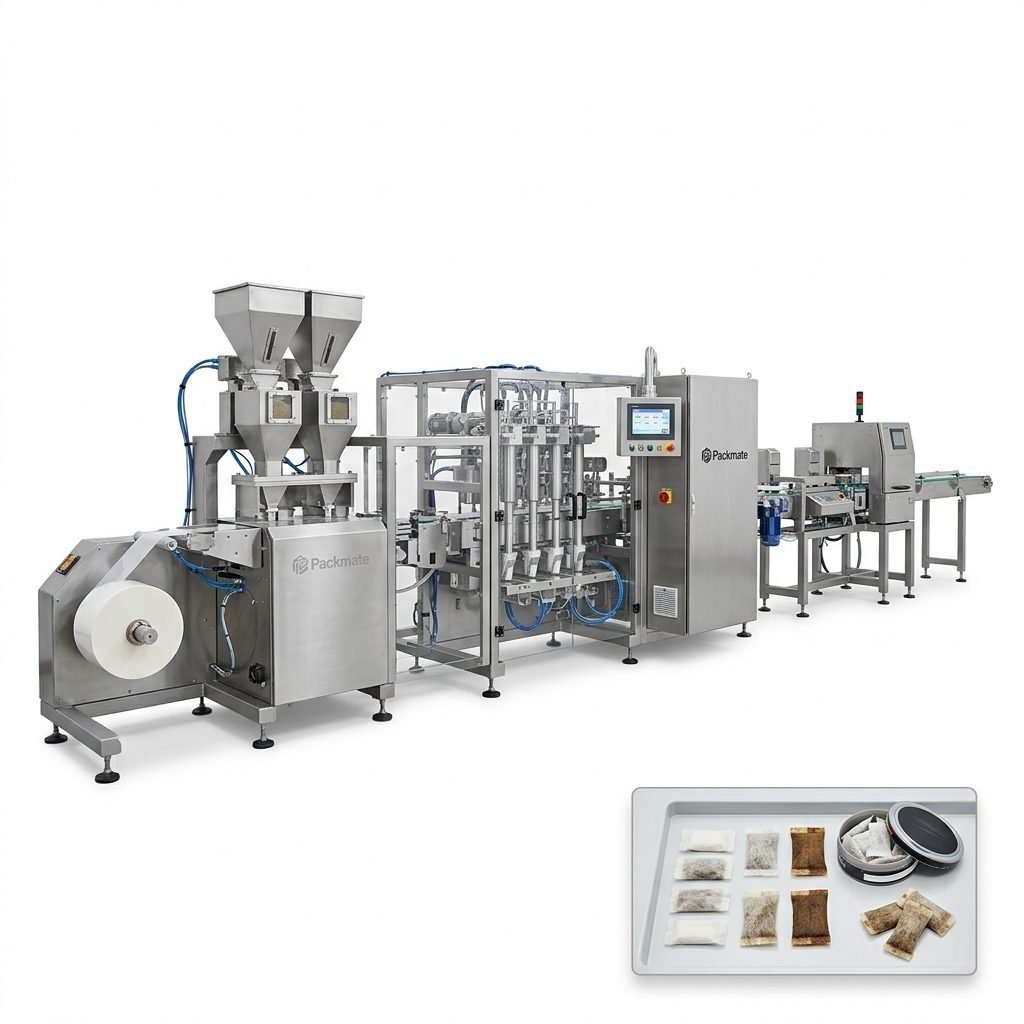
There are a few dominant packaging architectures used for nicotine pouches: vertical form-fill-seal sachet machines, stick pack machines, and multi-lane pouch systems. Each has pros and cons in terms of speed, flexibility, and product protection.
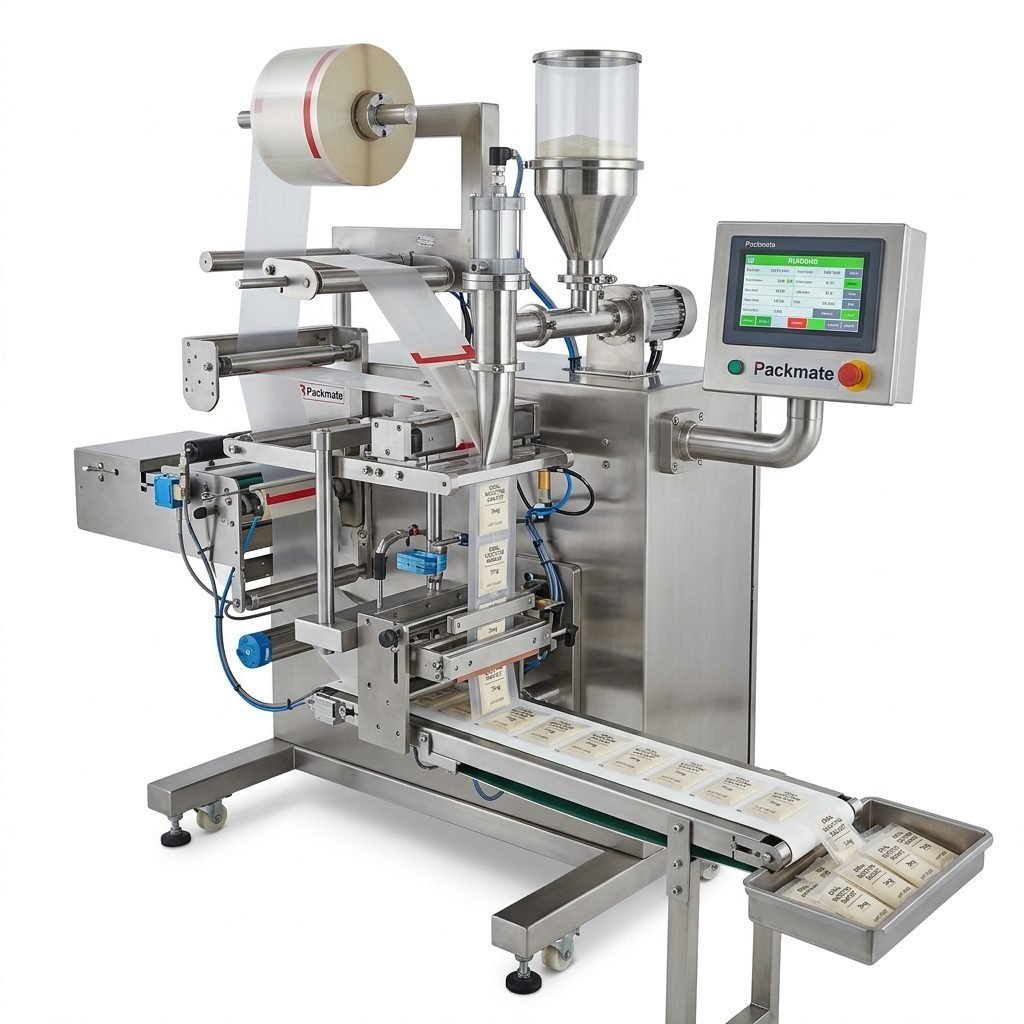
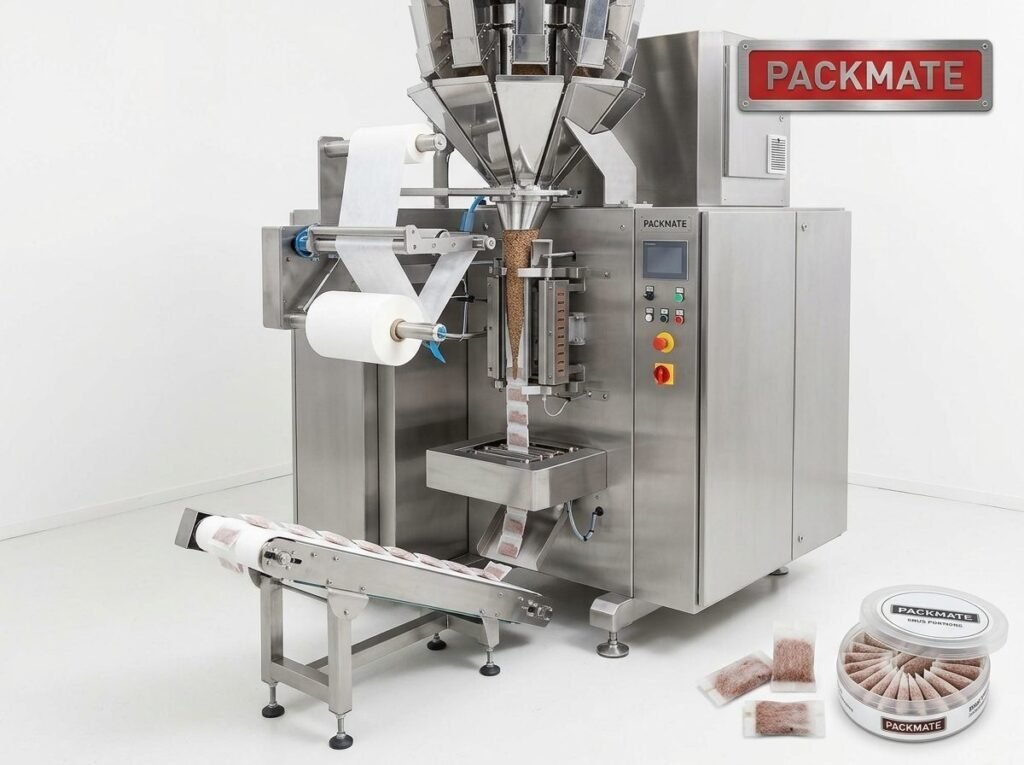
Vertical Sachet (VFFS) Machines
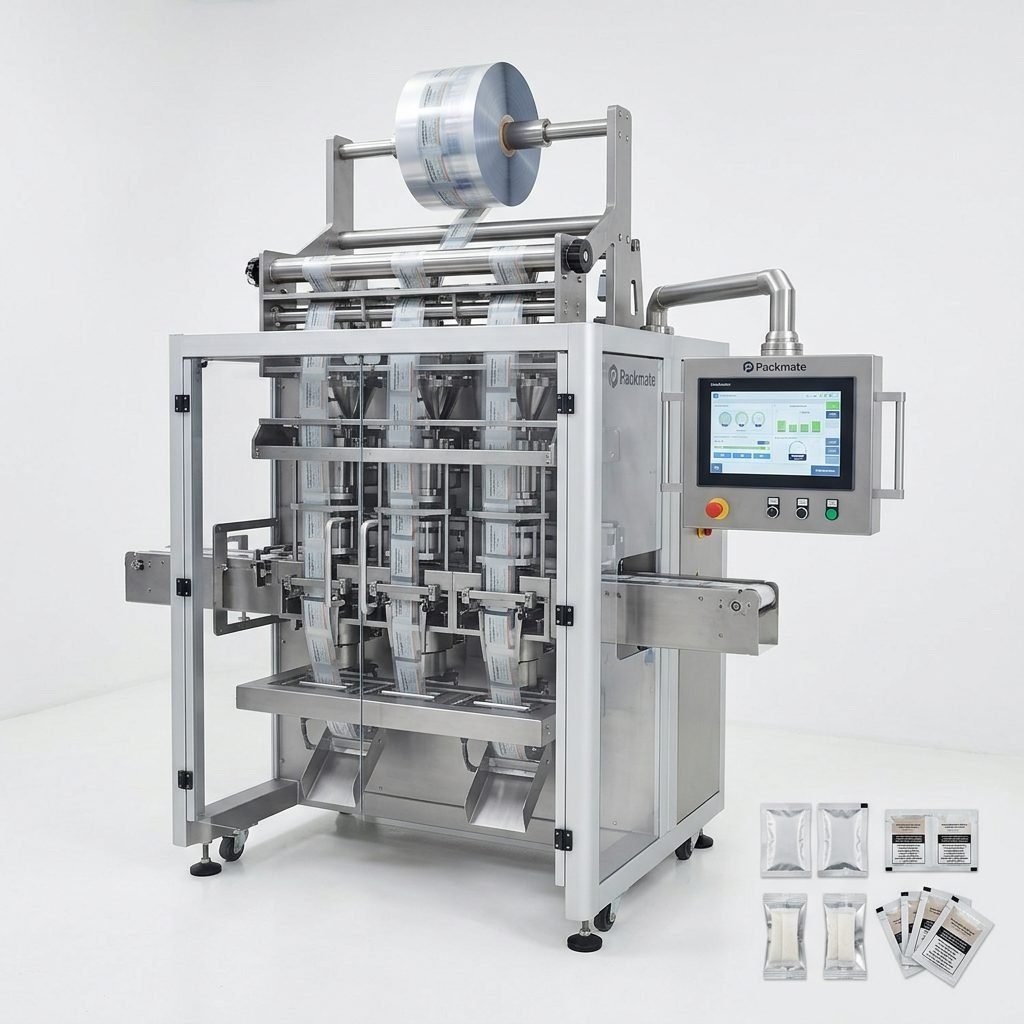
VFFS machines are ideal for a wide range of pouch sizes and are often chosen for their simplicity and relatively low initial investment. They are suitable for producers prioritizing format flexibility and moderate speeds. If your product needs careful portioning and airtight sealing, look for models with precise dosing systems and advanced sealing jaws.
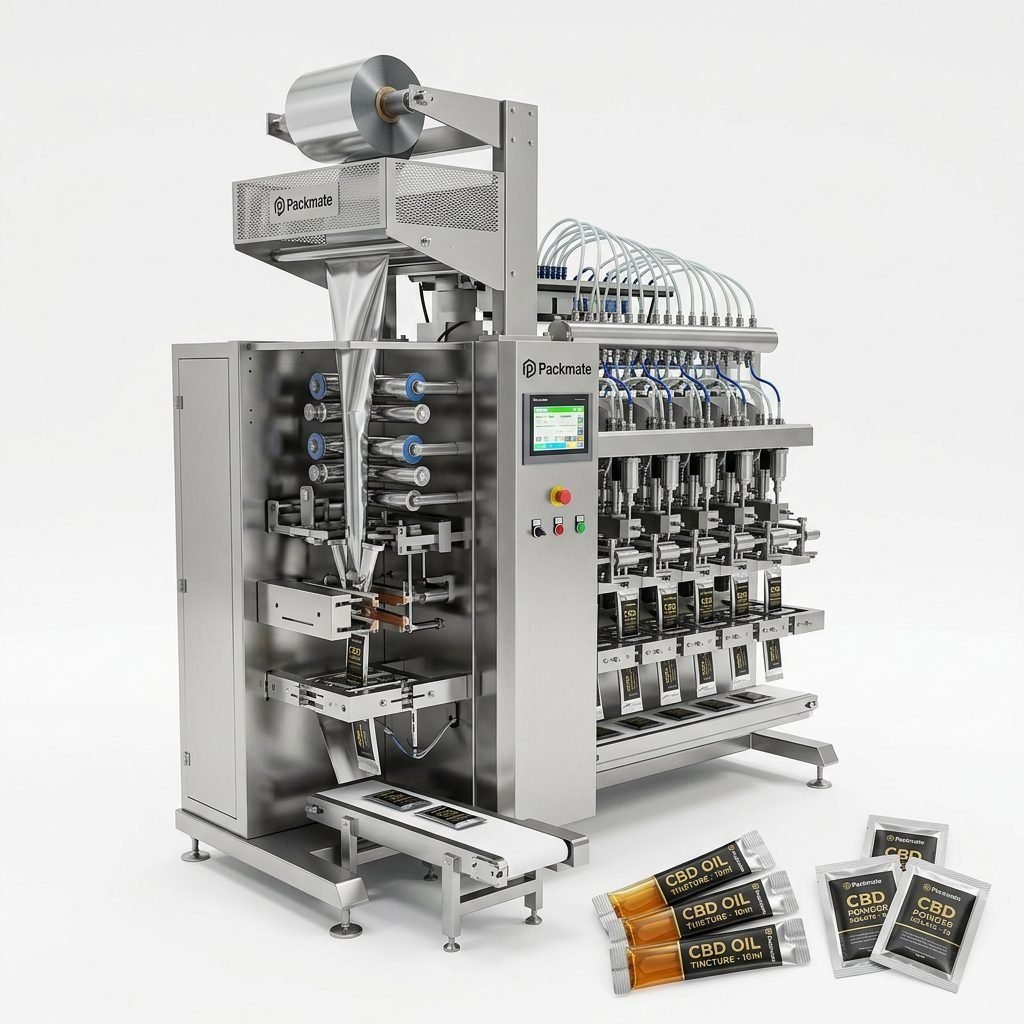
Stick Pack and Sachet-Stick Hybrid Machines
Stick pack machines are perfect for narrow, elongated pouches and high-speed continuous production. Hybrid machines that handle sachet and stick formats allow quick format changes without major tooling swaps. These are common in nicotine pouch lines where consumer-facing format variety matters. For high-mix, low-volume operations, choose a machine with rapid changeover features.
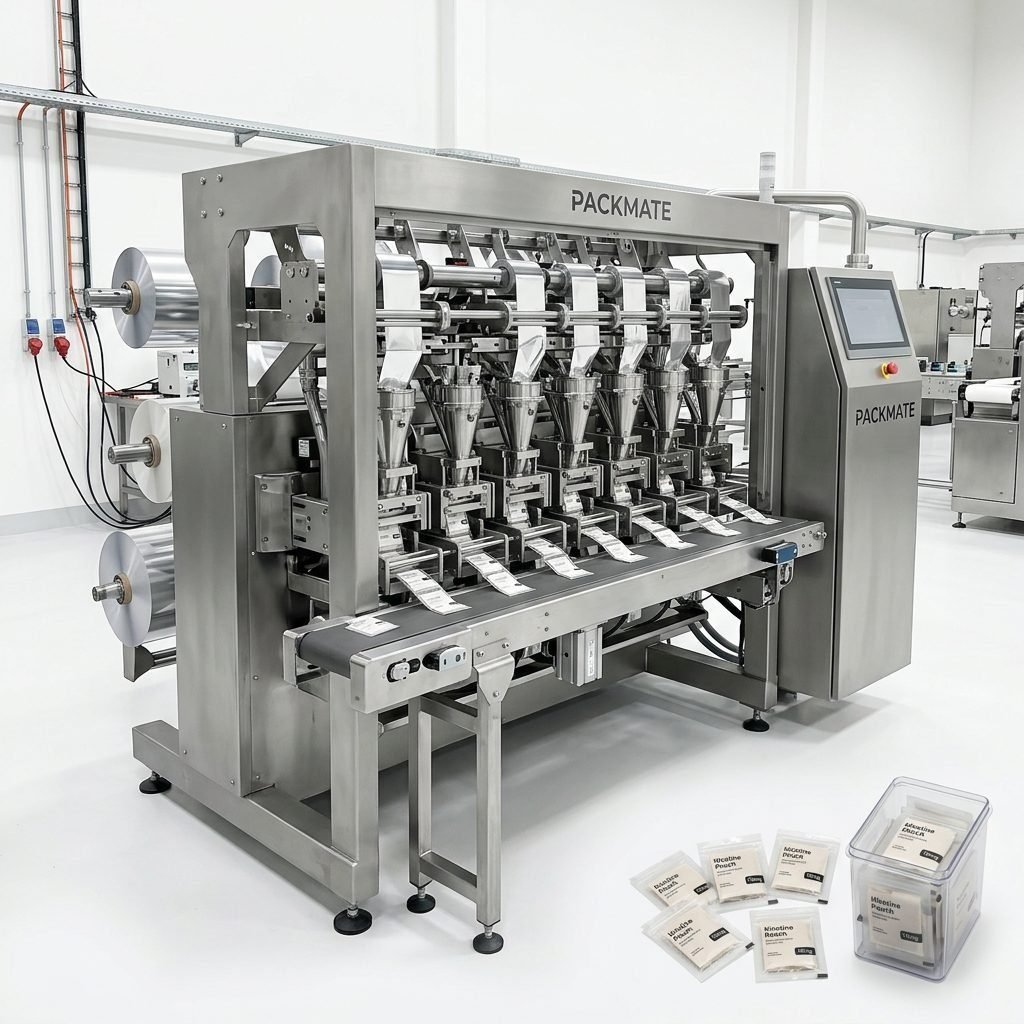
Multi-Lane Systems for Small-Dose Pouches
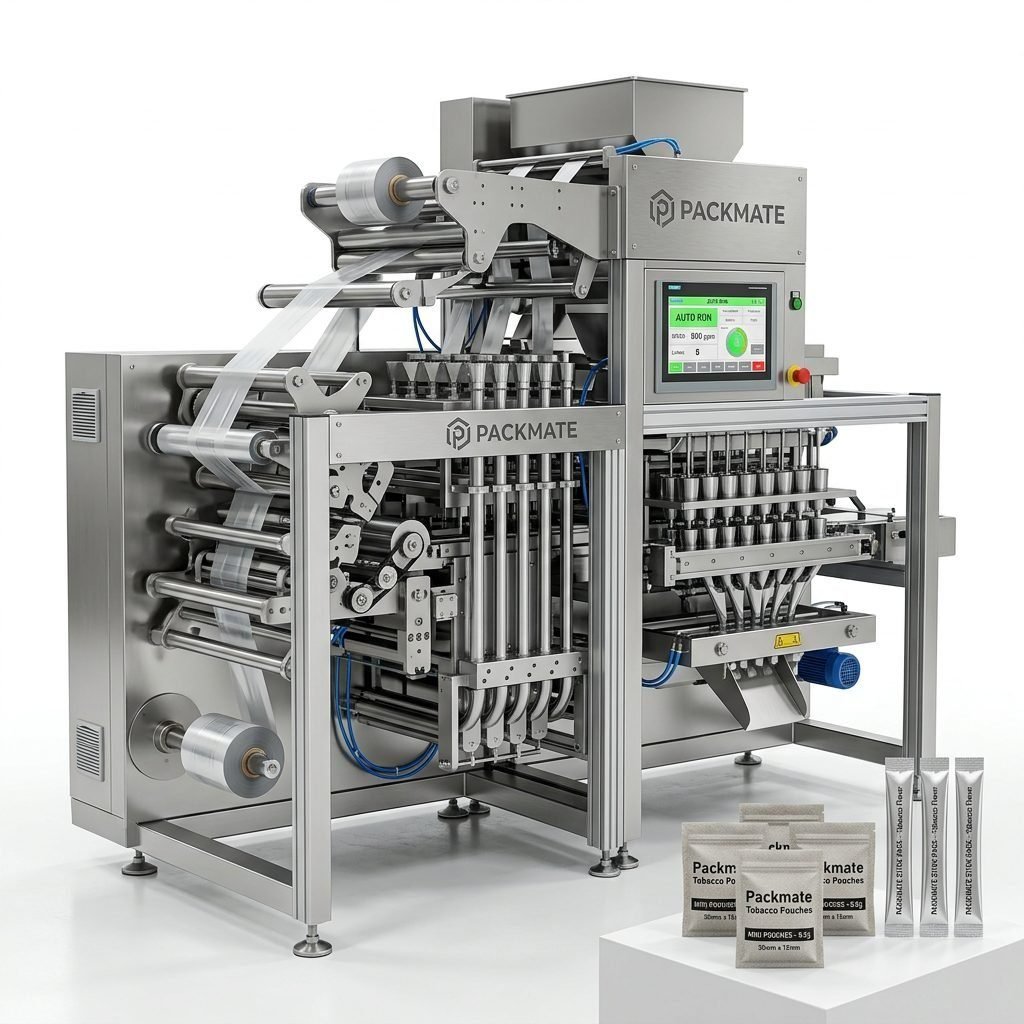
Multi-lane pouch machines are engineered for high throughput of small-dose nicotine pouches. They multiply single-lane output by running several lanes in parallel. If your product is a small-dose pouch and you need to scale rapidly, multi-lane systems offer the best throughput per footprint, but require higher initial investment and more sophisticated maintenance skills.
✔️ Practical tip: If you are uncertain, selecting modular machinery that supports lane addition or retrofittable modules helps future-proof investment.
Critical Technical Specifications to Compare
When comparing machine models, evaluate specifications beyond just maximum speed. Focus on dosing accuracy, sealing reliability, changeover time, permissible packaging materials, PLC and HMI capabilities, servo vs. mechanical drives, and integrated quality inspection options (weight check, metal detection, vision systems).
Look for machines that offer:
– High dosing accuracy to control nicotine portion consistency.
– Robust sealing systems compatible with barrier films to protect shelf life.
– Intuitive HMI for quick recipe recall and minimal operator training.
– Remote diagnostics and IoT readiness for predictive maintenance.
Regulatory and Safety Considerations in Norway
Norway’s regulations for tobacco and nicotine products require strict labeling, traceability, and product safety. Machines should facilitate GMP-like hygiene standards, be easy to clean, and support serialization and batch coding integration. Verify that suppliers can provide CE certification and documentation that supports compliance audits.
Material Compatibility and Barrier Requirements
Nicotine pouches often require barrier films to prevent moisture and oxygen ingress. Confirm the machine’s compatibility with multi-layer laminates, aluminum laminates, and heat-sealable films. Some nicotine formats may require vacuum or modified atmosphere packaging; if so, choose equipment that supports MAP or has a vacuum sealing option.
Supplier Evaluation: Why Manufacturer Experience Matters
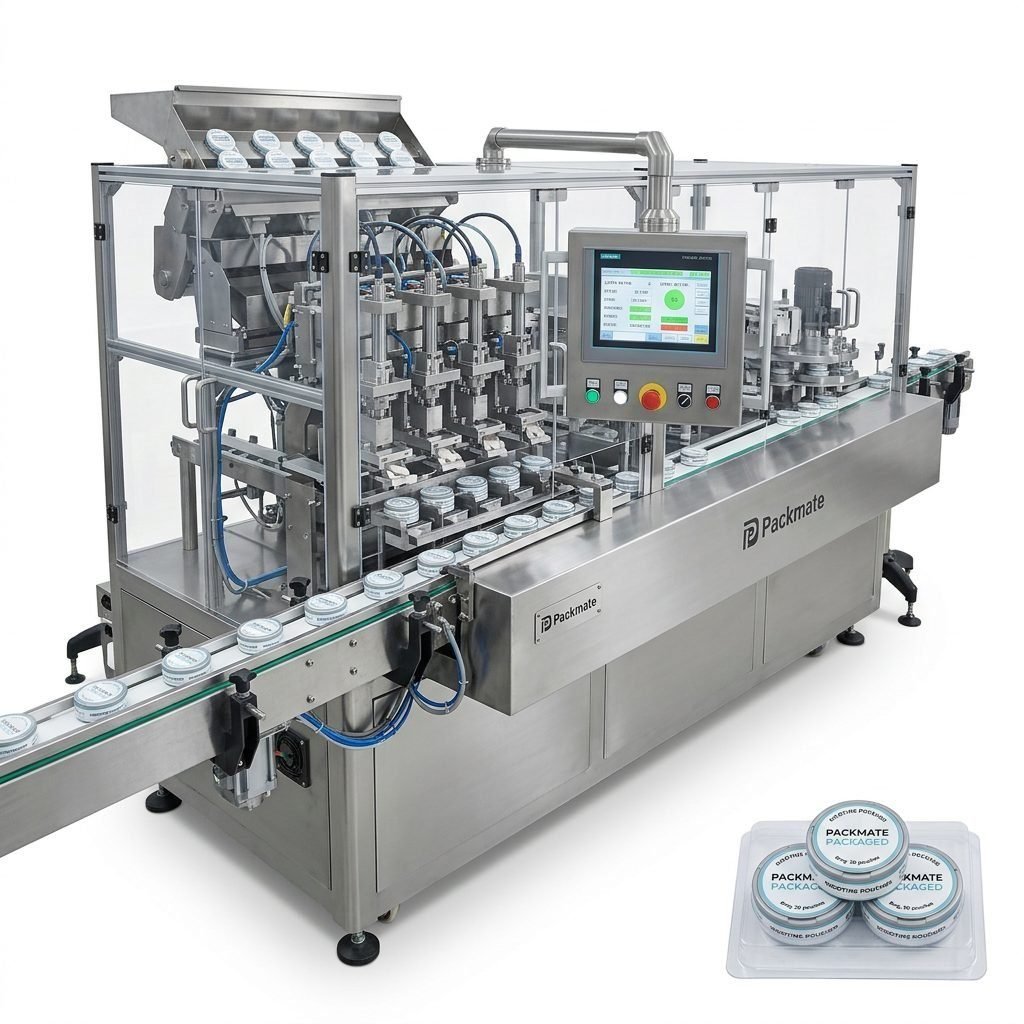
Manufacturing experience matters for durability, spare part availability, and tailored solutions. Suppliers with decades of engineering experience bring proven designs and strong quality control. For example, Packmate has over 30 years of R&D and production experience, offering specialized snus & nicotine packaging machines and multi-lane systems tailored to small-dose pouch production. Explore detailed offerings for product alignment at:
Snus & Nicotine Packaging Machines and
Sachet & Stick Pack Machines provide examples of how experienced manufacturers structure machine lines for nicotine products.
⚠️ Procurement checklist: check CE/ISO certificates, spare parts lead time, local service partner availability, warranty terms, and training packages.
Service, Spare Parts, and Local Support in Norway
After-sales support is a decisive factor. Confirm supplier capability for timely spare parts, remote support (VPN/HMI), and availability of trained technicians. Ask for references from customers in similar climates and markets. If a manufacturer offers a European service network or documented remote support, downtime risk is reduced. You can learn more about supplier credentials and company background at the manufacturer’s About page:
Total Cost of Ownership (TCO) vs. Capital Expenditure
Calculate TCO, not just purchase price. Include energy consumption, consumable costs (film, adhesives), maintenance intervals, spare parts pricing, and expected obsolescence. A slightly higher-capability machine may yield lower TCO through higher uptime and less manual intervention. Factor in training costs, installation, and validation if you operate in regulated environments.
Packaging Line Integration and Automation
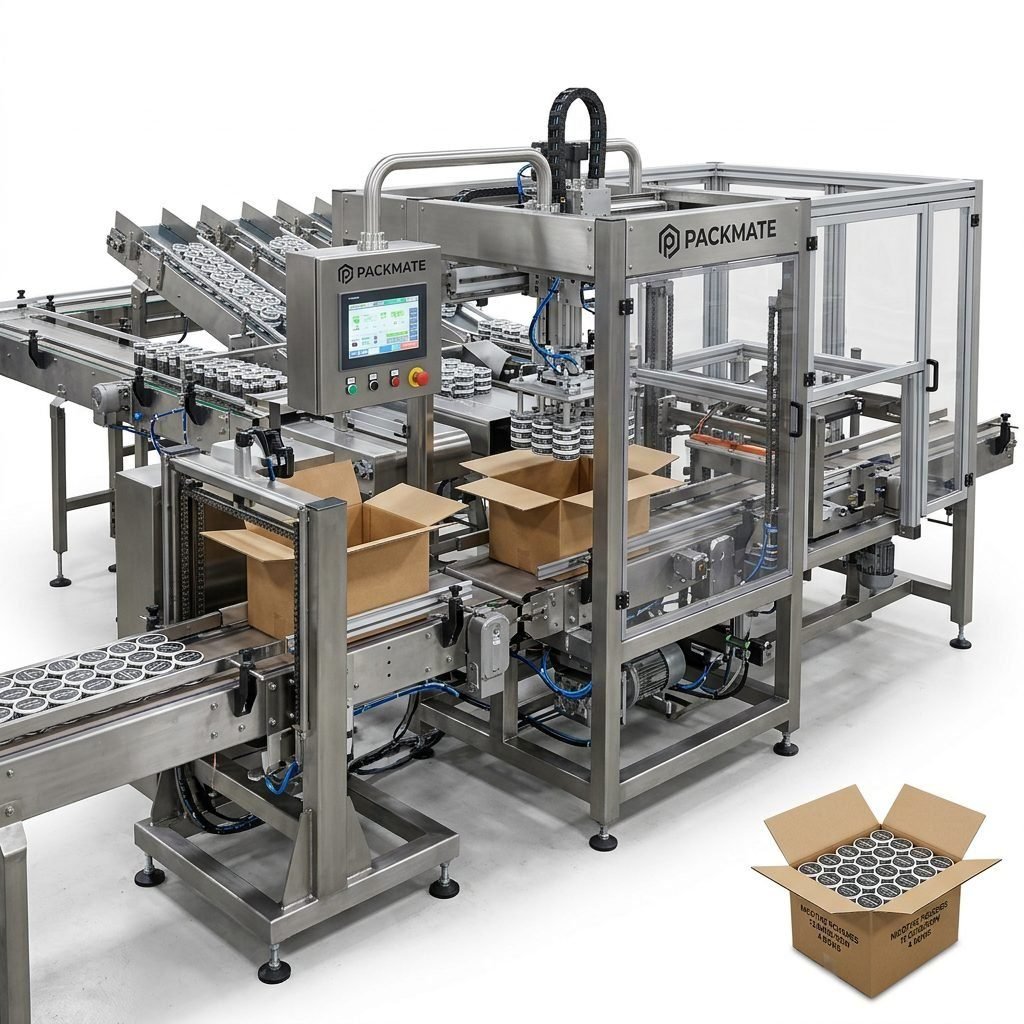
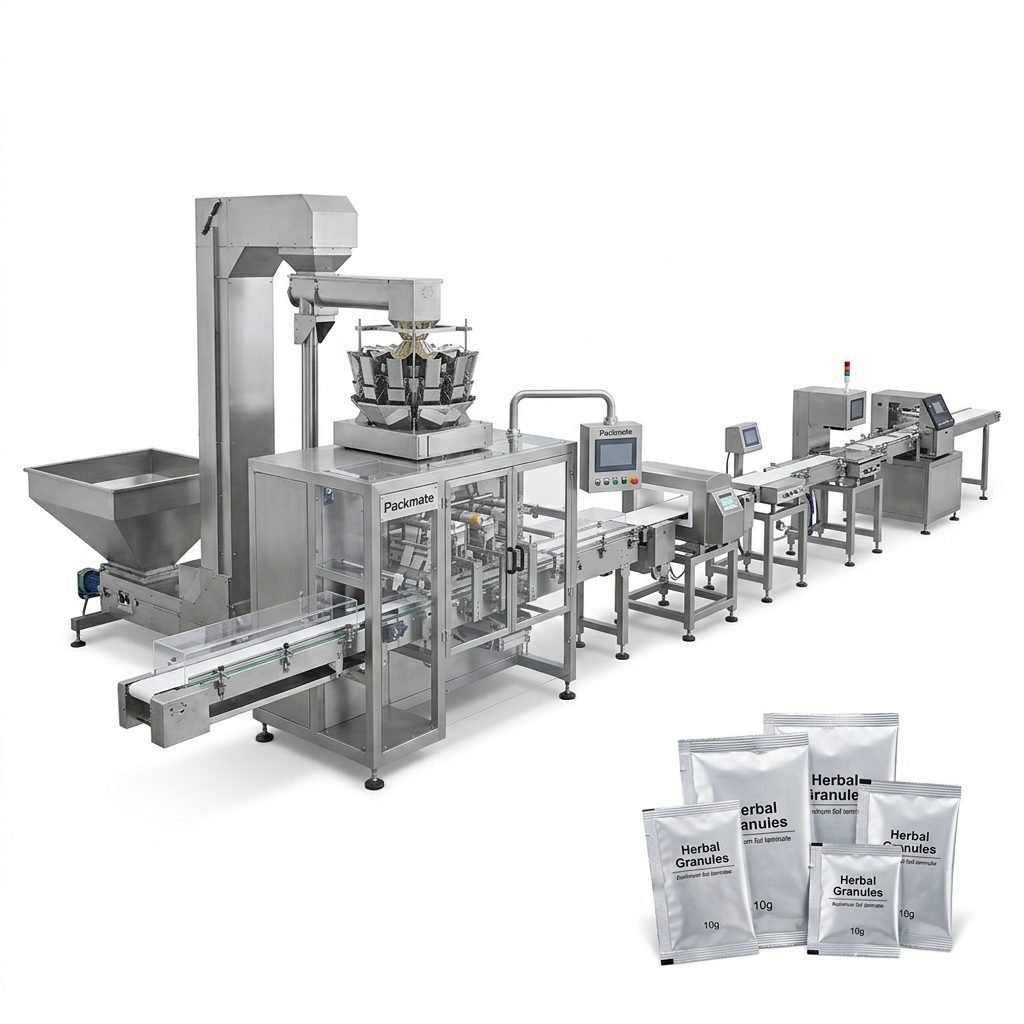
Evaluate how the packaging machine integrates with upstream dosing/weighing systems and downstream cartoning and case packing lines. Modular systems that support conveyors, pick-and-place robots, and vision inspection create a robust production ecosystem. For integrated solutions, explore weighing & packaging systems and filling lines to ensure smooth handover between processes:
Weighing & Packaging Systems and
Filling & Packaging Lines show common integrations used by producers.
🔧 Maintenance insight: prefer servo-driven components for precision and lower mechanical wear; ensure spare parts kits are included or readily available.
Factory Acceptance Test (FAT) and Site Acceptance Test (SAT)
A proper FAT reduces installation headaches. Request a FAT demonstration with your specific pouch material, nicotine blend, and target speed. Ensure the supplier conducts SAT after installation to validate production recipes and operator training. Documentation from these tests is essential for commissioning and regulatory audits.
Sustainability and Energy Efficiency
Norwegian customers increasingly value sustainability. Ask for data on energy consumption per 1,000 pouches, recyclable material compatibility, and machine designs that minimize waste during changeovers. Efficient machines reduce long-term operating costs and support corporate sustainability goals.
Making the Final Decision: A Practical Roadmap
1) Define production and regulatory requirements. 2) Shortlist machines by format and throughput. 3) Request machine demos with your materials. 4) Evaluate TCO and service agreements. 5) Verify certifications and run FAT/SAT. If you want to evaluate supplier cases and past installations, review manufacturer case studies and exhibition records to see machines in real-world operation:
Case studies and
exhibition records provide insight into proven deployments.
Final Recommendations
– For startups or low-volume pilots: choose compact VFFS or single-lane stick pack machines with modular growth paths.
– For mid-sized producers: hybrid sachet/stick machines with good changeover performance and integrated dosing offer flexibility.
– For large-scale nicotine pouch manufacturing: invest in multi-lane systems with advanced automation to maximize throughput and reduce labor dependence.
When ready to speak to suppliers or request quotes, gather your product specs, film samples, target throughput, and regulatory expectations. A reputable supplier will guide you through customization, test runs, FAT, and commissioning.
If you’d like to contact an experienced manufacturer for tailored nicotine pouch packaging solutions, visit the manufacturer’s contact page to start a conversation about turnkey production lines and service options:
Common Questions (FAQs)
Q1: What machine type is best for nicotine pouches with very small doses?
A1: Multi-lane pouch machines are typically best for small-dose nicotine pouches due to their ability to multiply throughput while keeping portion accuracy high.
Q2: How important is dosing accuracy and how is it validated?
A2: Dosing accuracy is critical for consumer safety and regulatory compliance. Validate dosing via weight checks (in-line weighing systems) and routine calibration. Integrated weighing & packaging systems can automate checks and reject out-of-spec portions.
Q3: Can machines be adapted for different film types and barrier laminates?
A3: Yes, many modern machines support a wide range of films. Confirm compatibility during FAT and supply sample films for testing with your nicotine formulation.
Q4: What post-sale services should I prioritize when choosing a supplier?
A4: Prioritize spare parts availability, local technical support or rapid remote diagnostics, operator training, and a clear warranty policy. These reduce downtime and keep production stable.
Q5: How do I start the procurement process?
A5: Prepare a detailed RFP with product specs, expected volumes, film samples, and regulatory needs. Request FAT with your materials and check references or case studies from the supplier to ensure successful past deployments.