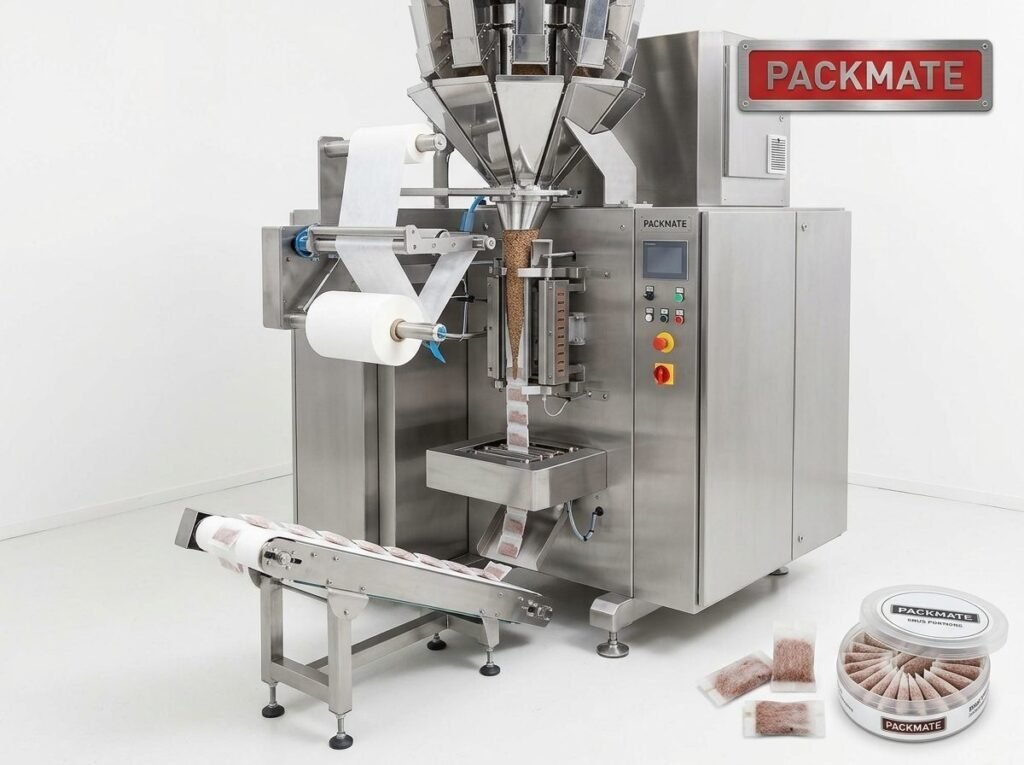
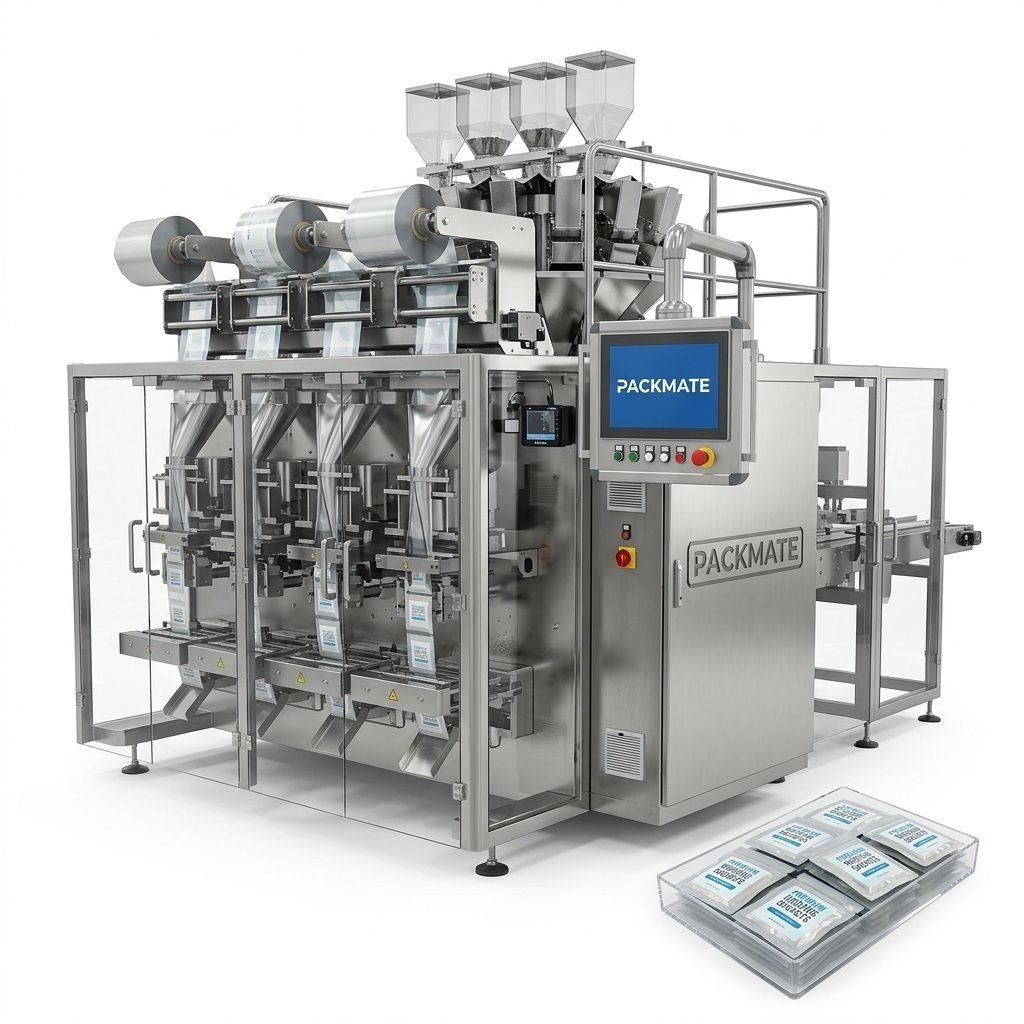
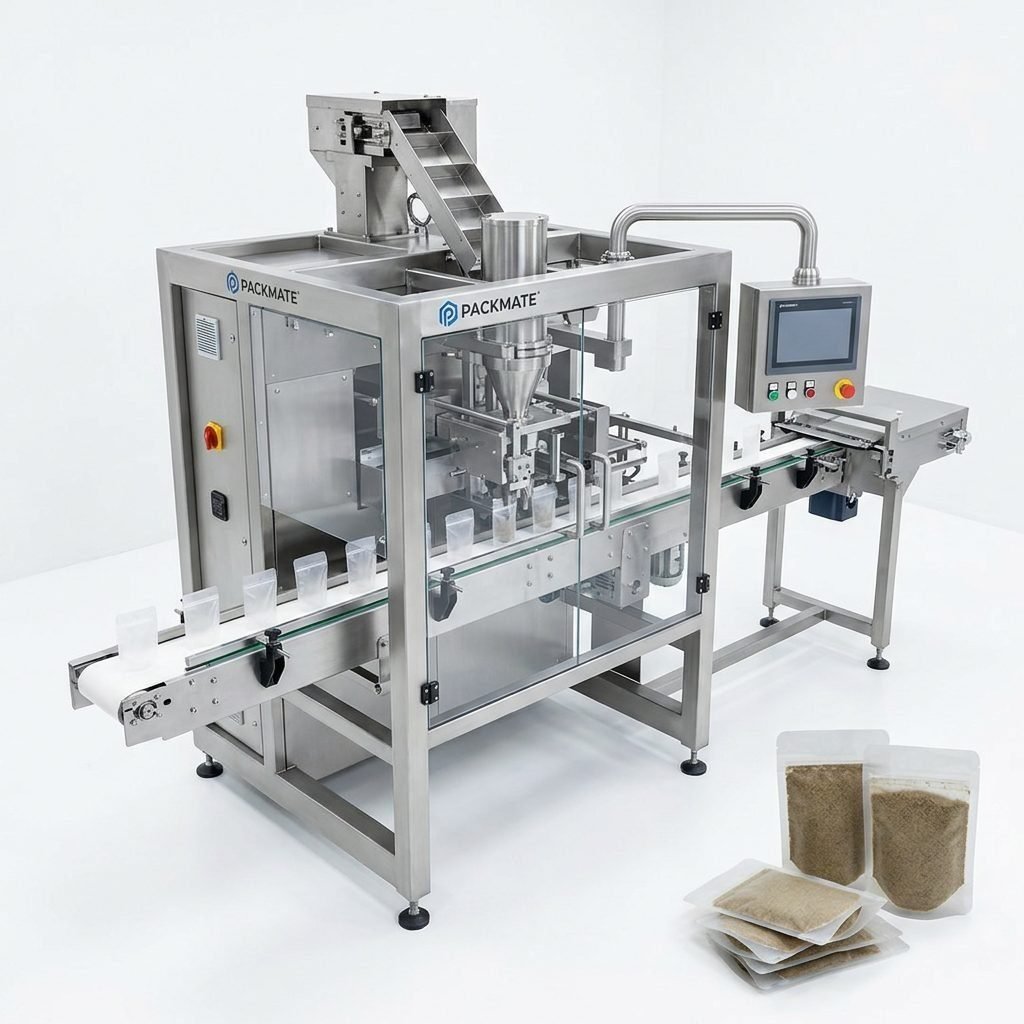
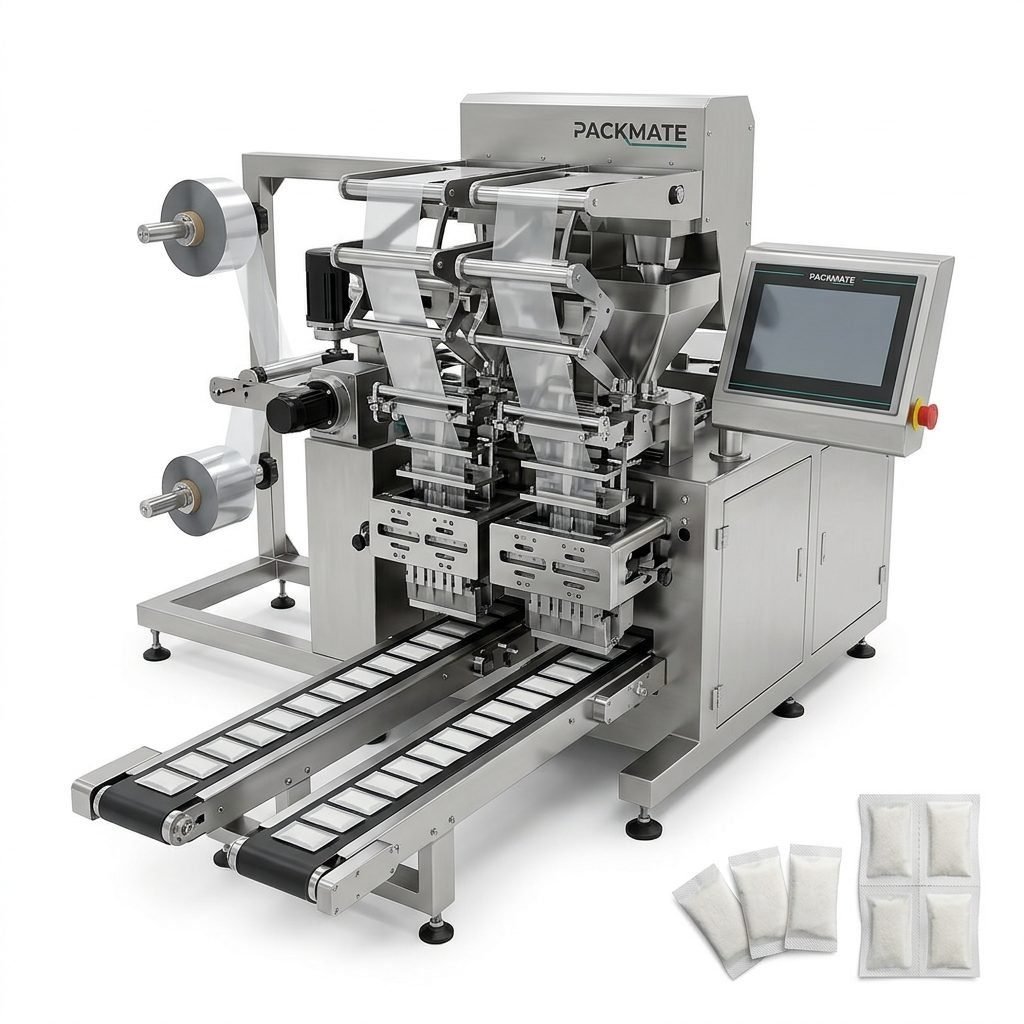
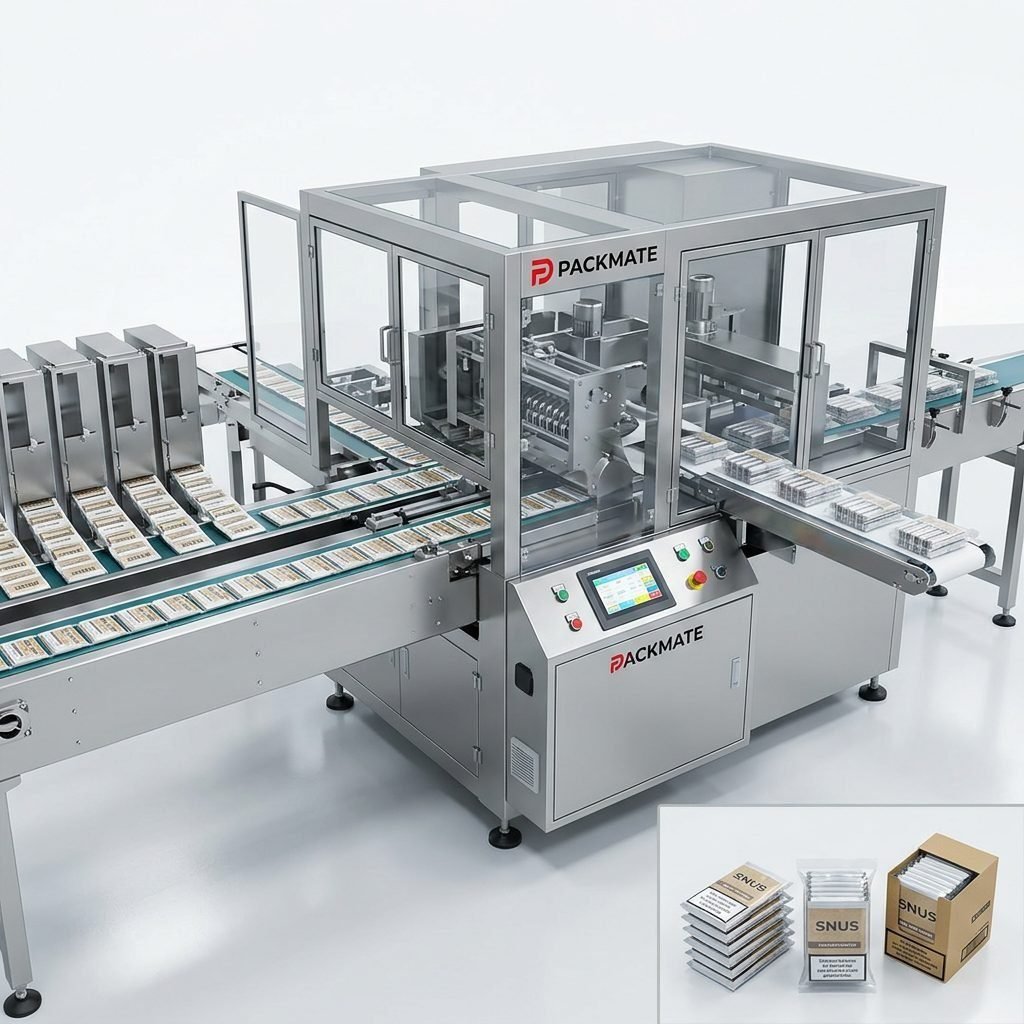
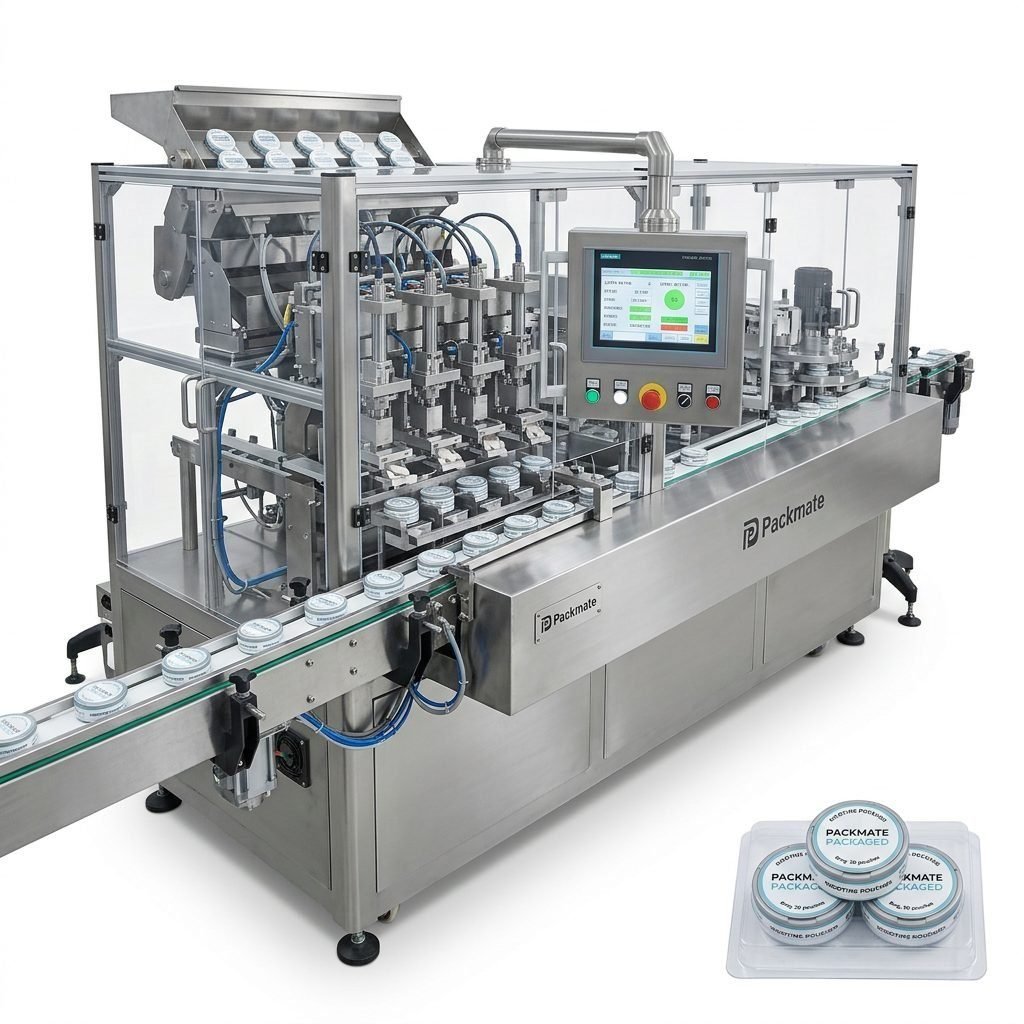
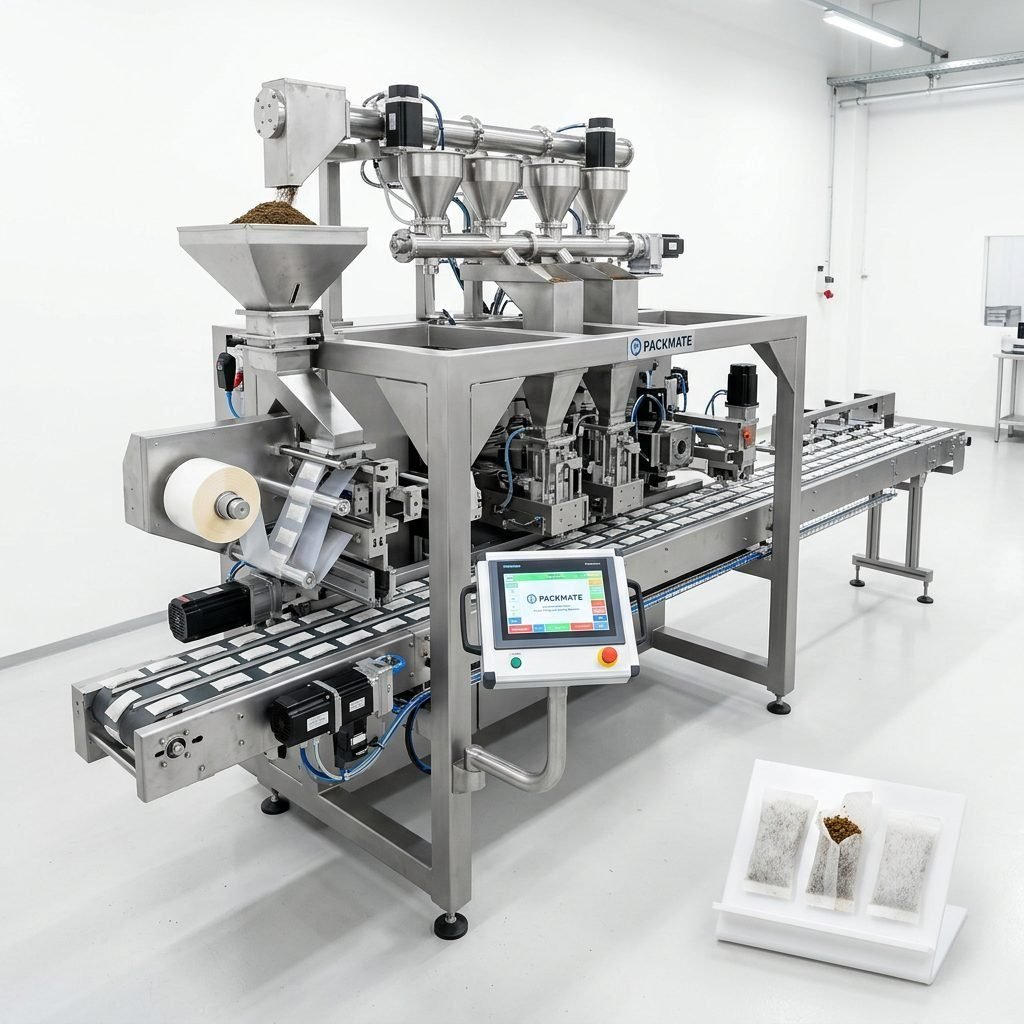
Choosing the right nicotine packaging machinery in Gambia requires a careful balance of regulatory awareness, production goals, and local operational realities. Whether you are launching a new nicotine pouch line or upgrading existing equipment, understanding machine types, throughput, quality control, and supplier support will save time and investment. This guide walks you through practical steps and highlights critical decision points to ensure safe and efficient production.
⚙️ Understand the types of nicotine packaging machinery
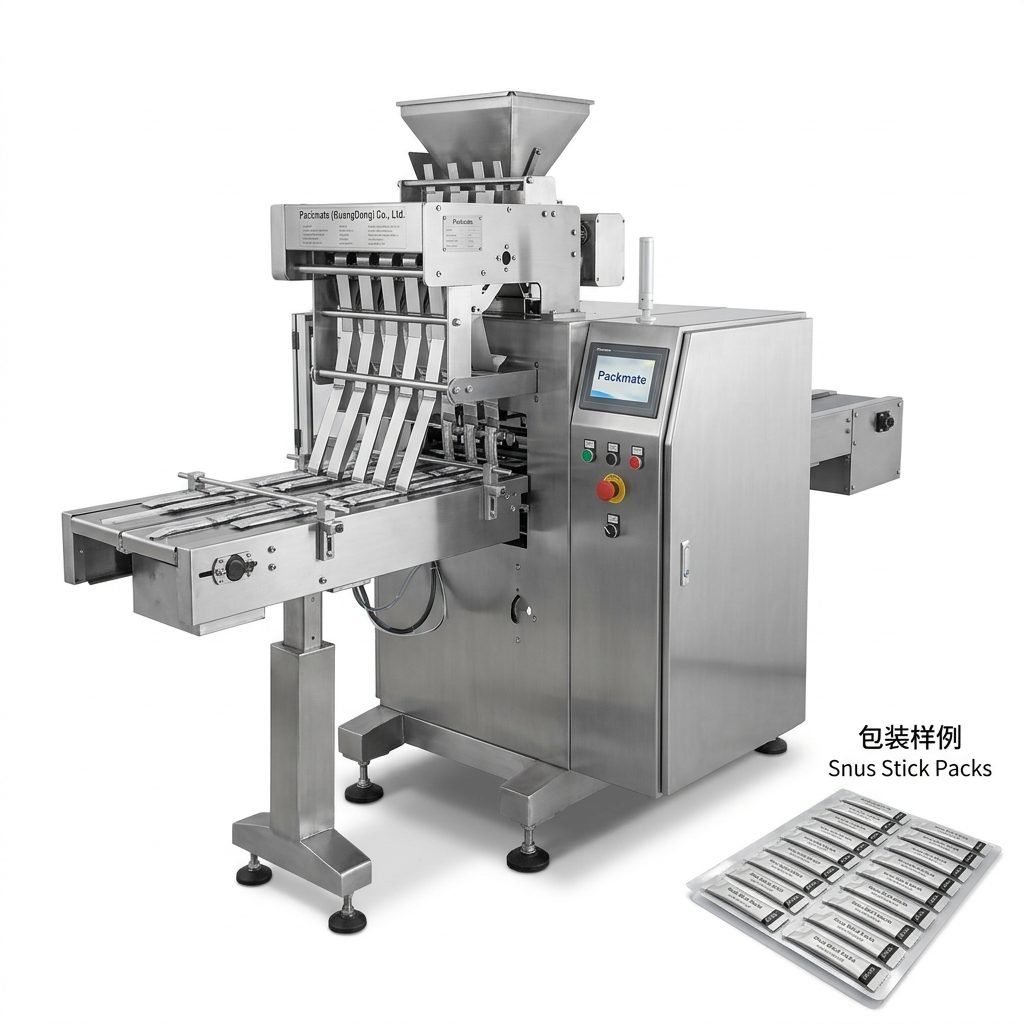
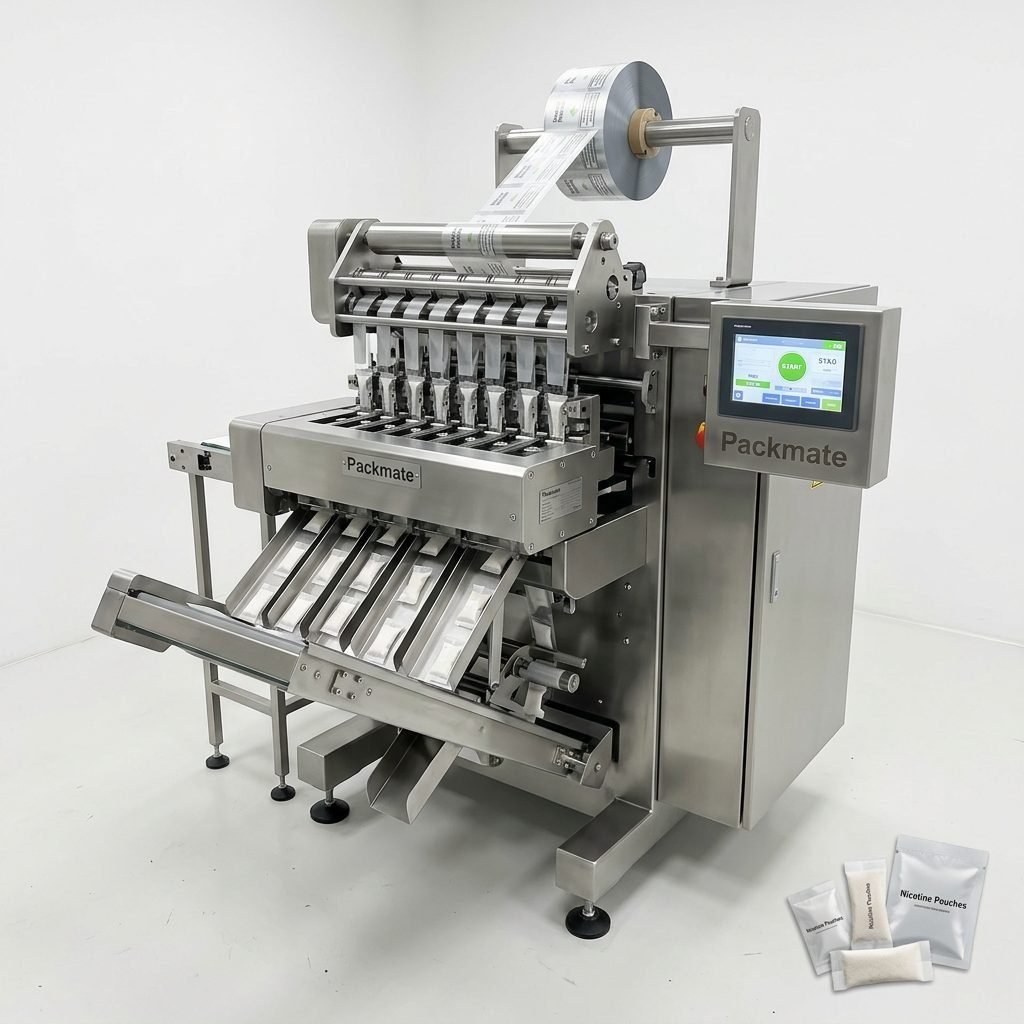
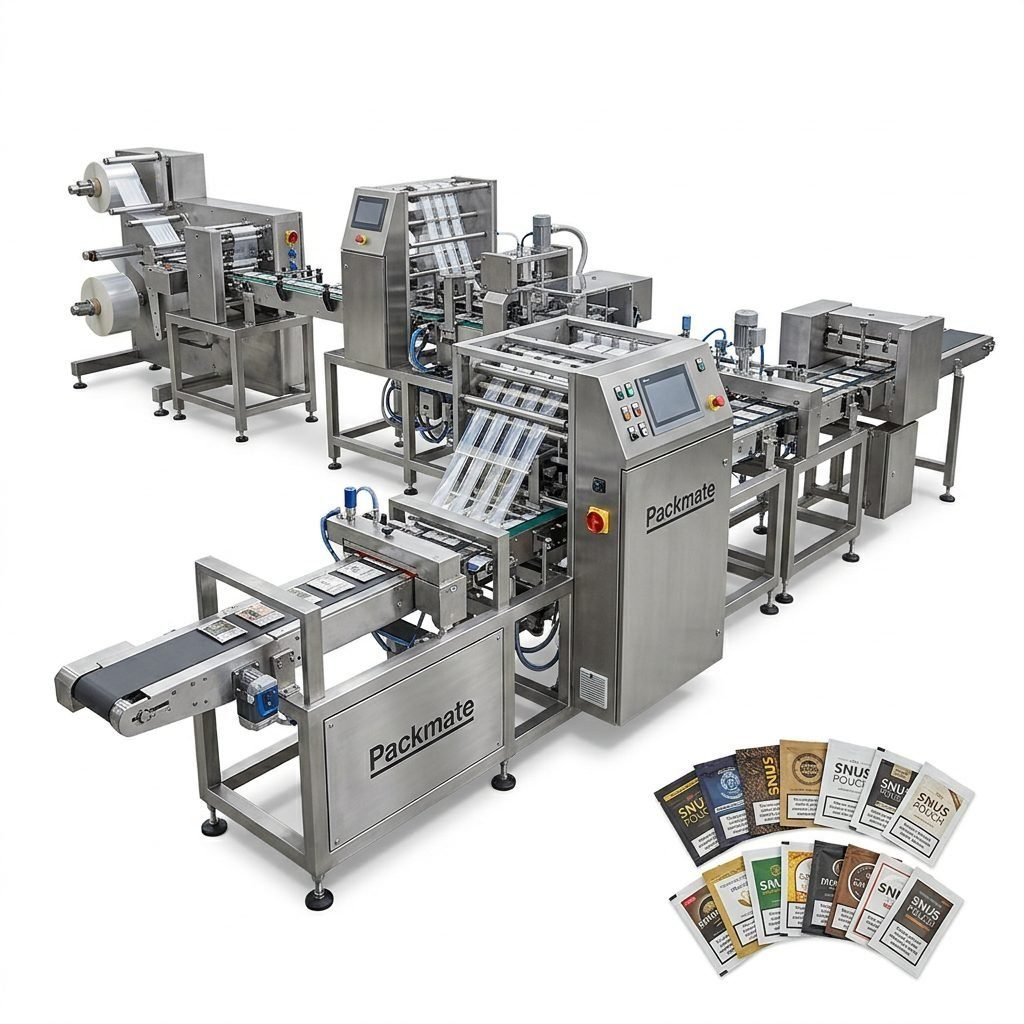
Nicotine pouch and snus packaging machines come in several configurations. The most common options include stick pack, sachet, multi-lane pouch machines, and fully automated turnkey lines that integrate weighing, filling, sealing, and cartoning. For compact operations or pilot runs, a single-lane sachet or stick pack machine may suffice. For high-volume commercial production, multi-lane snus/nicotine packaging machines dramatically increase throughput and reduce unit cost.
Key machine families to consider:
- Multi-lane snus/nicotine pouch machines for high-volume output (recommended for commercial scale).
- Stick pack and sachet machines for single-use portions and flexible packaging formats. See Sachet & Stick Pack Machines for examples.
- Weighing & packaging systems that integrate dosing with packaging when precise nicotine dosing is critical.
🔍 Evaluate production capacity and scalability
Estimate current and future production needs in pouches per minute and per shift. Machines are specified by lanes and speed: a four-lane high-speed pouch machine can produce several times more than a single-lane device. If you expect growth, prioritize modular systems that allow adding lanes or automated downstream equipment such as cartoners and case packers.
✅ Compliance, safety, and international standards
Ensure equipment meets international certifications such as CE and ISO for electrical safety and quality control. Packmate Snus Machine, for example, designs machines compliant with these standards and provides thorough documentation. Compliance is not optional — it protects your workforce and consumers and facilitates export opportunities.
Safety & regulatory checklist:
- CE / ISO certifications and machine test reports.
- Material traceability and cleanability for nicotine handling.
- Electrical safety, emergency stop systems, and guarding.
💡 Material handling and dosing accuracy
Nicotine pouches require precise dosing and consistent fill weight to ensure product uniformity and legal compliance. Consider integrated weighing systems or high-precision volumetric or auger fillers depending on your formulation (powder, granule, or paste). Accurate dosing equipment reduces waste, lowers rework rates, and protects brand reputation.
🔧 Mechanical reliability and maintainability
Reliability is essential for continuous production. Look for robust components (high-quality bearings, servomotors, and precision cams), easy access for maintenance, and clear spare parts availability. A machine manufacturer with established CNC machining centers and rigorous testing processes will offer better long-term reliability. Packmate’s 20,000㎡ factory and advanced CNC capabilities are examples of manufacturing strength to consider when choosing a partner.
🛠 After-sales support and spare parts
After-sales service can make or break your production uptime. Confirm the supplier provides :
- Remote diagnostics, spare parts kits, and on-site service options.
- Training for operators and maintenance staff.
- Comprehensive documentation, including wiring diagrams and parts lists.
Supplier credibility indicators:
- Years of engineering experience and factory capacity.
- Case studies and global cooperation records (see Case for examples).
- Certifications, exhibition presence, and customer testimonials.
📦 Packaging formats and materials compatibility
Choose machines compatible with the packaging materials you plan to use (foil, laminated films, or paper-laminates). Machines designed for flexible packaging should offer adjustable sealing temperatures and dwell times. If you plan to offer multiple formats — pouches, sachets, or stick packs — consider suppliers who provide modular solutions or multiple machine families, such as Bag & Pouch Packaging Machines or Filling & Packaging Lines.
📈 Total cost of ownership (TCO) analysis
Upfront machine price is only part of the investment. Calculate the total cost of ownership by including installation, operator training, spare parts, energy consumption, expected uptime, and depreciation. High-efficiency machines with lower waste and faster changeovers frequently yield a lower TCO even when the purchase price is higher.
🔁 Flexibility and format changeover time
Fast format changeovers reduce downtime and increase responsiveness to market demand. Look for quick-change tooling, stored parameter recipes in PLC or HMI, and toolkits for common size changes. These features are especially valuable for contract manufacturers or producers with frequent SKU variations.
Operational efficiency checklist:
- Average changeover time between SKUs.
- Operator-friendly HMI and quick recipe load.
- Compatibility with automation for feeding and secondary packaging.
🌍 Local considerations for Gambia
Operating in Gambia brings specific considerations: supply chain reliability, import regulations, local power stability, workforce training, and proximity to service engineers. Choose equipment suppliers who offer clear shipping and customs documentation, remote support, and spare parts logistics. A partner with a global service network or experience exporting to Africa will reduce lead times and logistical issues.
📑 Documentation and training
Insist on full documentation — electrical drawings, mechanical layouts, spare parts lists, and operating manuals in English. On-site commissioning and operator training are crucial for knowledge transfer. Many established manufacturers also offer video tutorials and remote commissioning to complement on-site visits.
🔗 Partner selection and reference checks
Verify references, visit case studies, and ask for performance metrics from similar installations. Manufacturers who exhibit at international trade shows and maintain detailed case records demonstrate commitment to international customers. Explore Packmate’s global cooperation and exhibition history to evaluate their industry presence.
📌 Practical purchase checklist
Use this checklist when requesting quotes:
- Desired throughput (pouches/minute and per shift).
- Packaging material types and pouch formats.
- Dosing accuracy specifications and preferred fillers.
- Certifications required (CE, ISO) and testing documentation.
- Spare parts lead times and after-sales service terms.
- Training plan for operators and maintenance staff.
🔎 Sample supplier validation questions
When speaking with potential vendors, ask detailed questions: Can you provide a factory acceptance test report? What are the mean time between failures (MTBF) and recommended spare parts? Do you provide turnkey solutions including upstream filling and downstream cartoning? Trusted manufacturers often publish catalogs, certifications, and case studies; review these resources closely (see Catalog, Certificate, and Case).
🔗 Useful resources and links
For more detailed product families and technical specs, review:
- Snus & Nicotine Packaging Machines
- Sachet & Stick Pack Machines
- Weighing & Packaging Systems
- About Packmate
- Service
🔚 Final recommendations
In summary, prioritize machines that meet your throughput needs, offer precise dosing, and have reliable after-sales support. Invest time in supplier validation, request factory testing evidence, and incorporate TCO into your buying decision. Local logistics and regulatory compliance in Gambia are equally important — choose partners experienced with international deliveries and documentation.
📞 Next steps
Reach out to manufacturers with a clear technical brief and request quotations for comparable configurations. If you need turnkey solutions, evaluate companies that can supply integrated lines from filling to final packaging and offer commissioning and training support. You can contact suppliers directly via their contact pages to arrange machine demonstrations or virtual factory tours.
❓ Frequently Asked Questions
Q1: What machine type is best for small-scale nicotine pouch production in Gambia?
A1: For small-scale production, single-lane sachet or stick pack machines with precise dosing are usually most cost-effective. They require lower initial investment and can be scaled later by adding lanes or auxiliary equipment.
Q2: How important is certification when buying packaging machinery?
A2: Certifications like CE and ISO indicate compliance with international safety and quality standards and are crucial for safe operation and international trade.
Q3: What support should I expect after purchase?
A3: Expect remote diagnostics, spare parts availability, operator training, and on-site commissioning. Confirm service response times and spare parts lead times before purchase.
Q4: Can machines be customized for unique pouch formats?
A4: Many manufacturers offer modular tooling and customization. Discuss format specifications, material types, and dosing needs to ensure compatibility.
Q5: Where can I find proven suppliers and real-world case studies?
A5: Review manufacturers’ case pages, catalogs, and exhibition records. Reputable suppliers provide detailed case studies and references; see Case and Our Exhibition for examples.