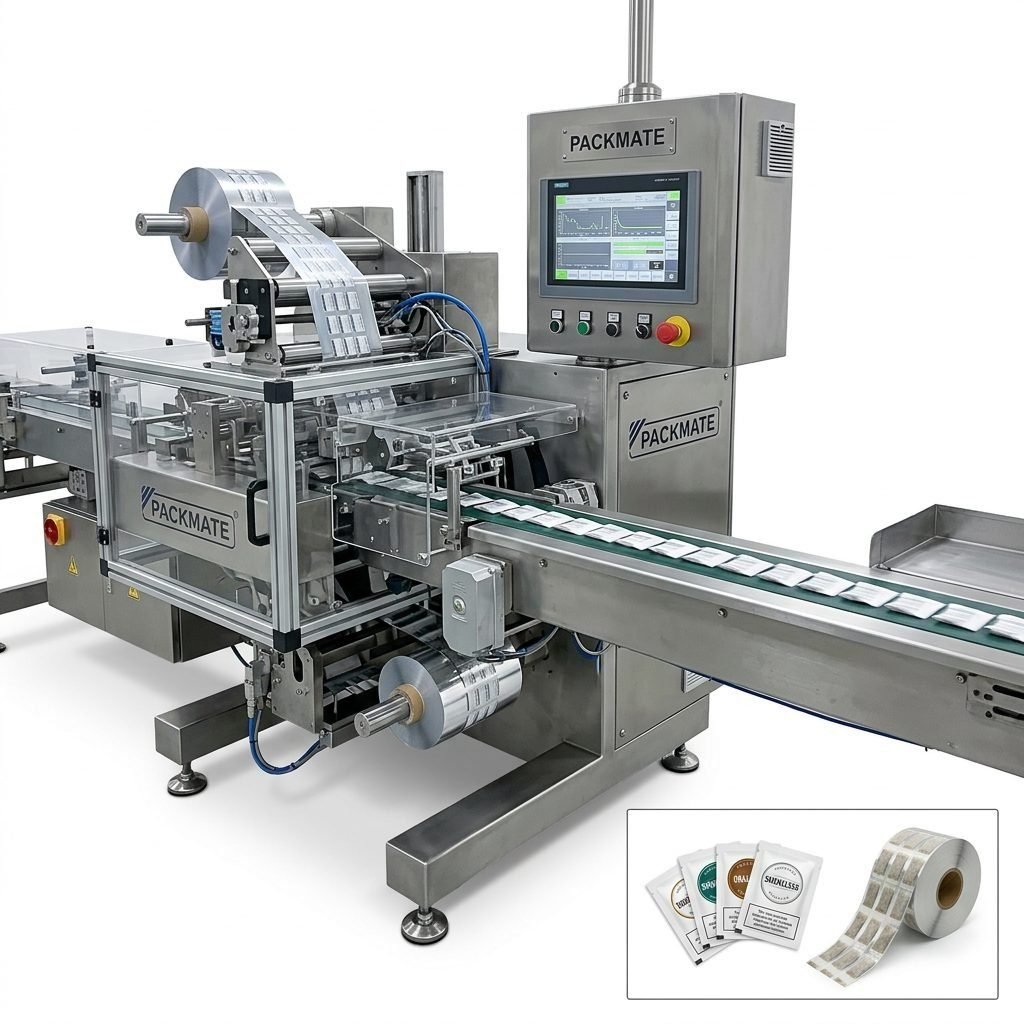
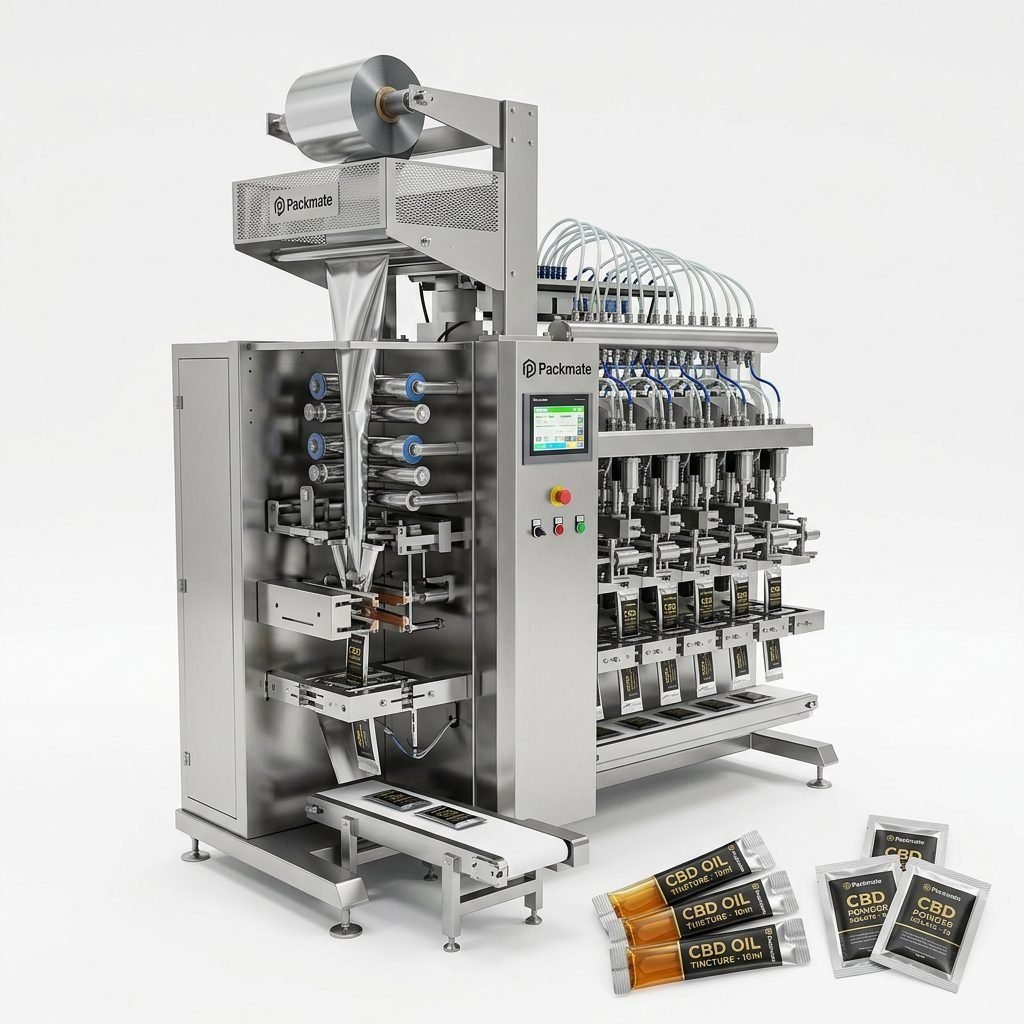
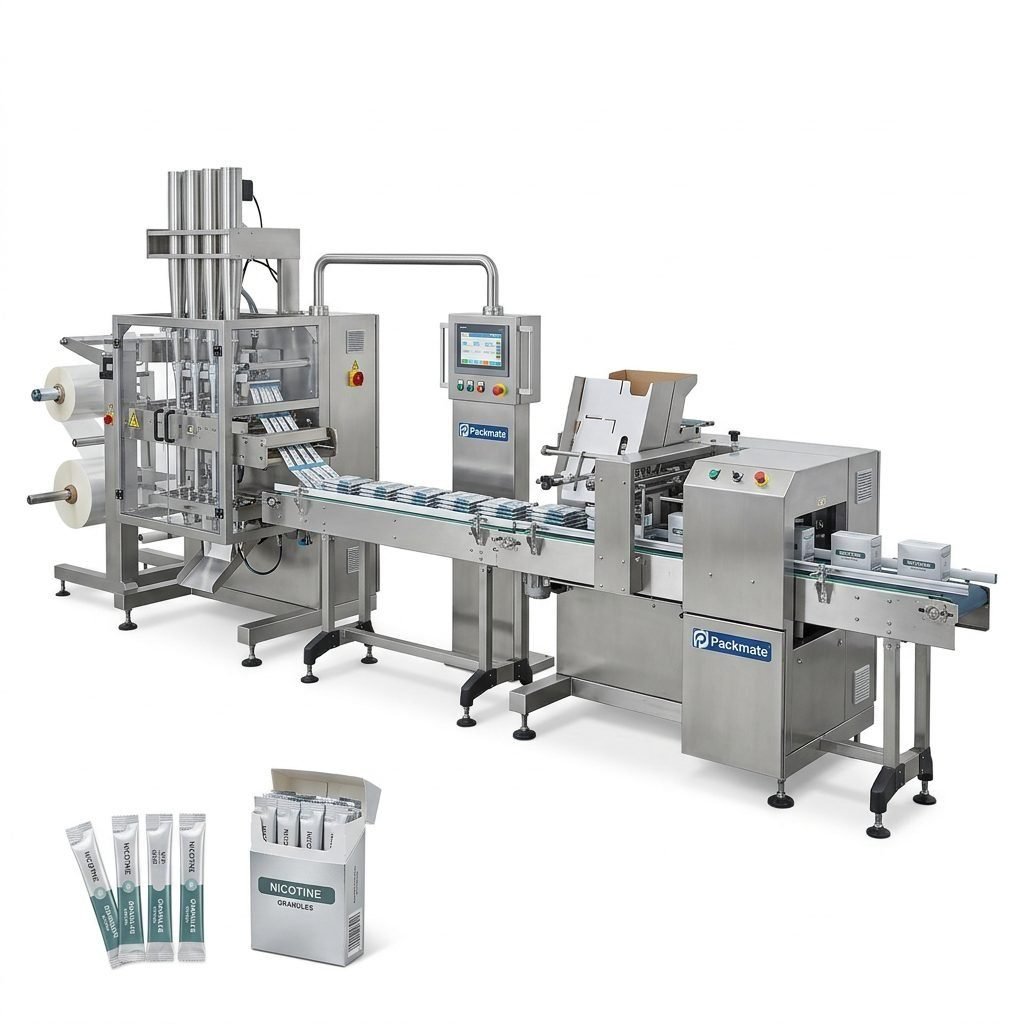
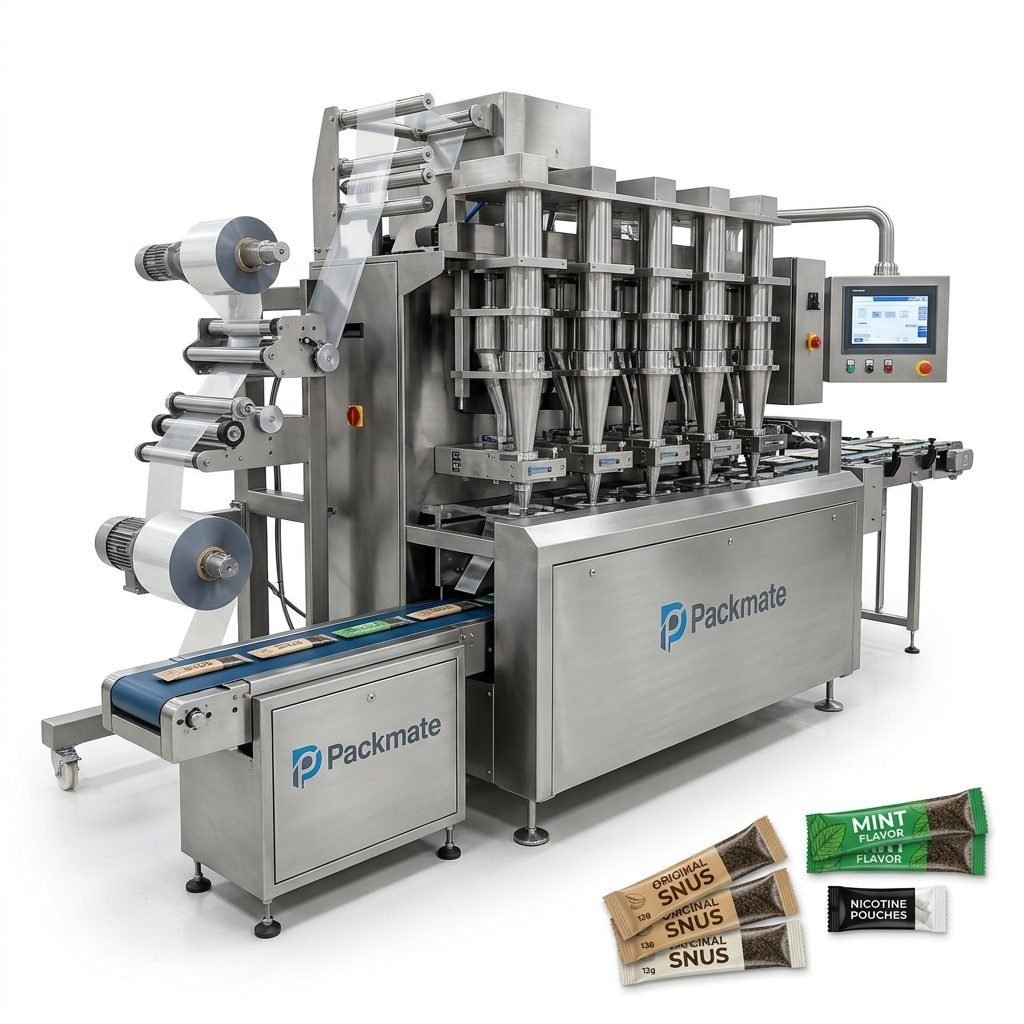
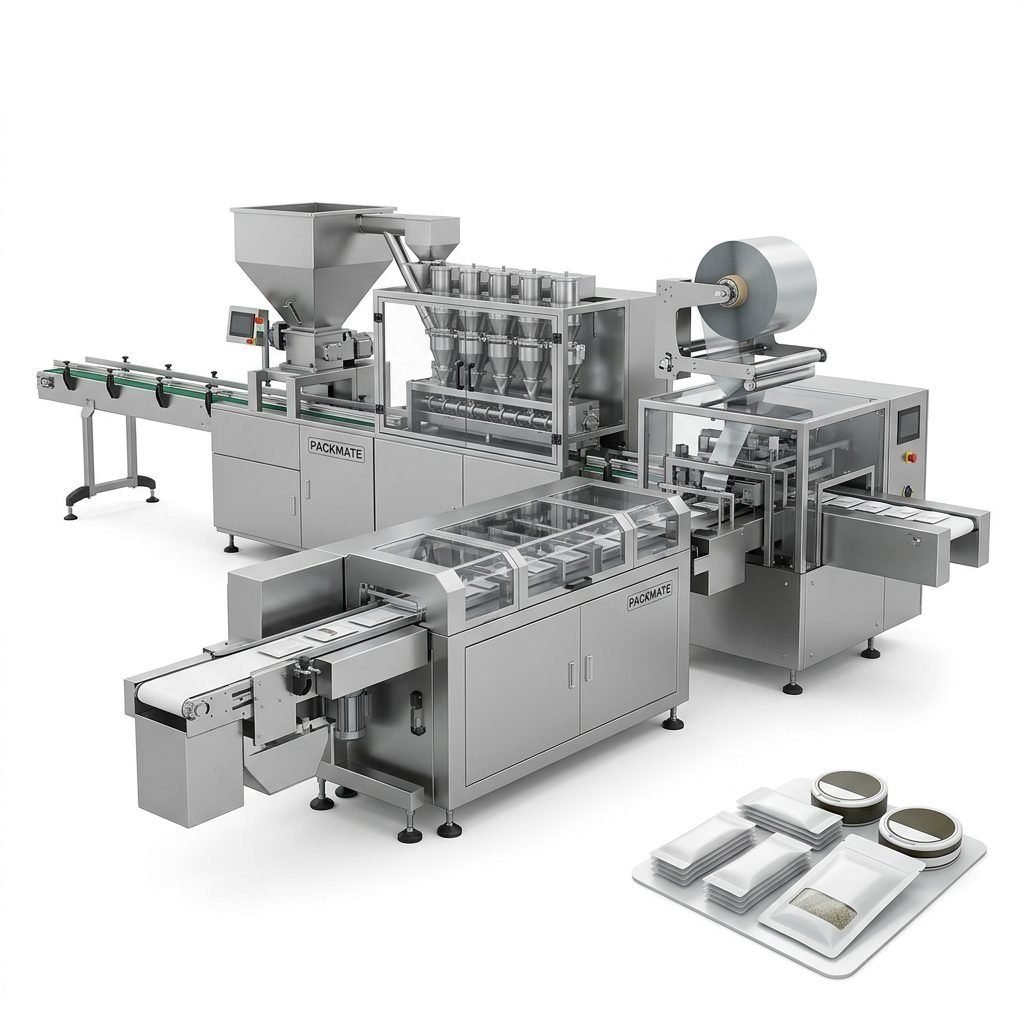
Choosing the right snus packaging machine manufacturer for your business in Cuba is more than a procurement decision — it’s a strategic investment that affects product quality, production efficiency, regulatory compliance, and long-term operating costs. This guide walks you through the practical evaluation criteria, technical considerations, and negotiation strategies to help you select a reliable supplier who will support your growth in the nicotine pouch and snus market.
Understand Your Product and Production Needs
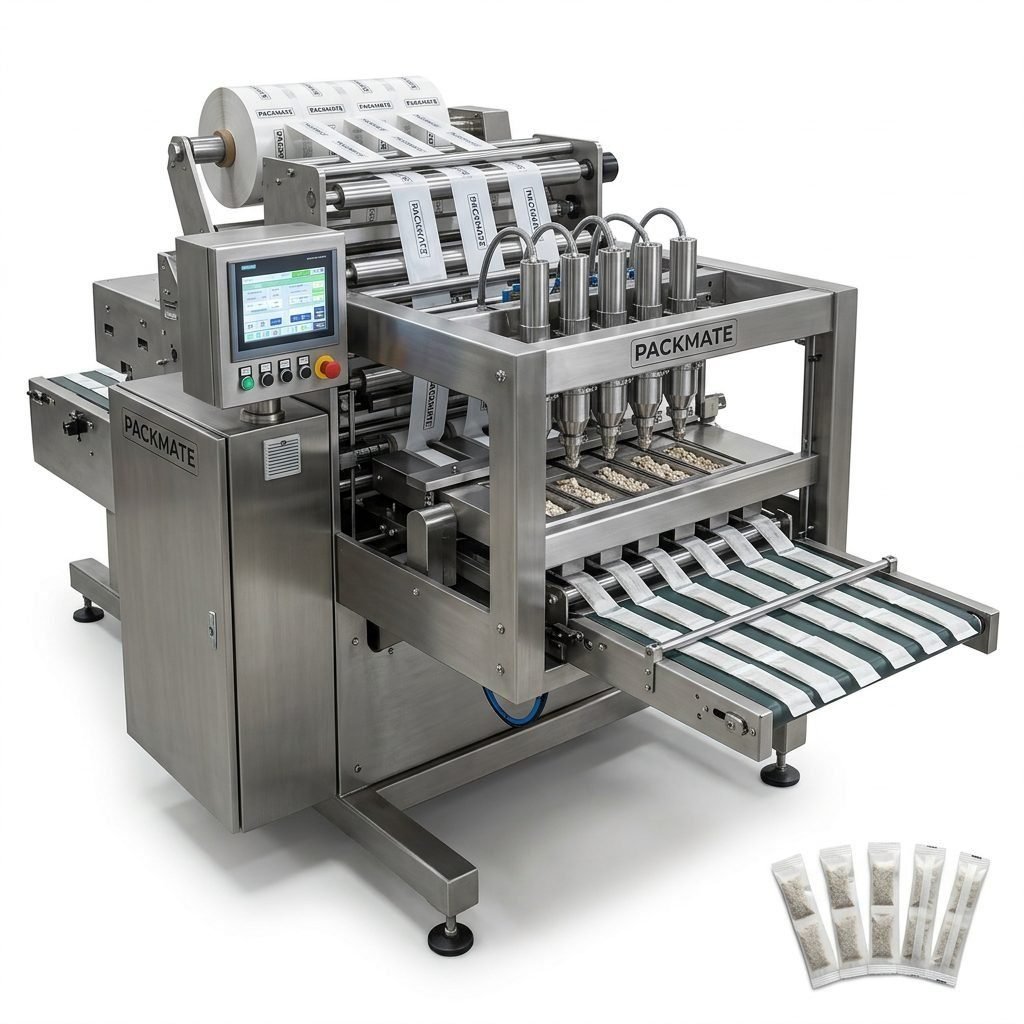
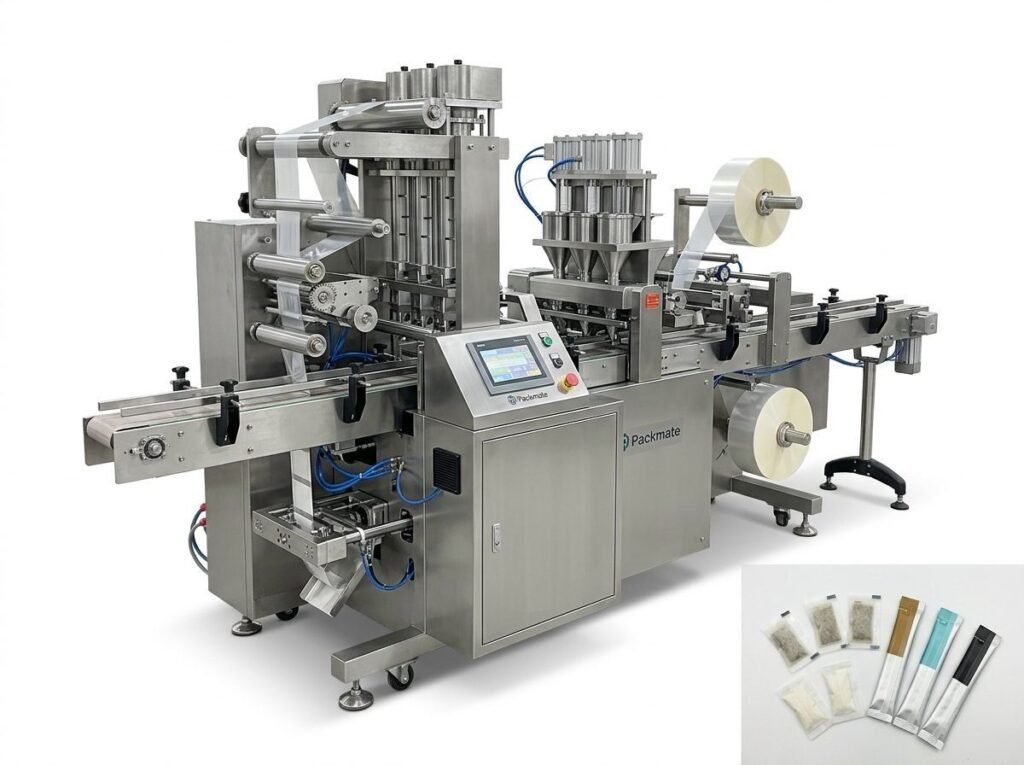
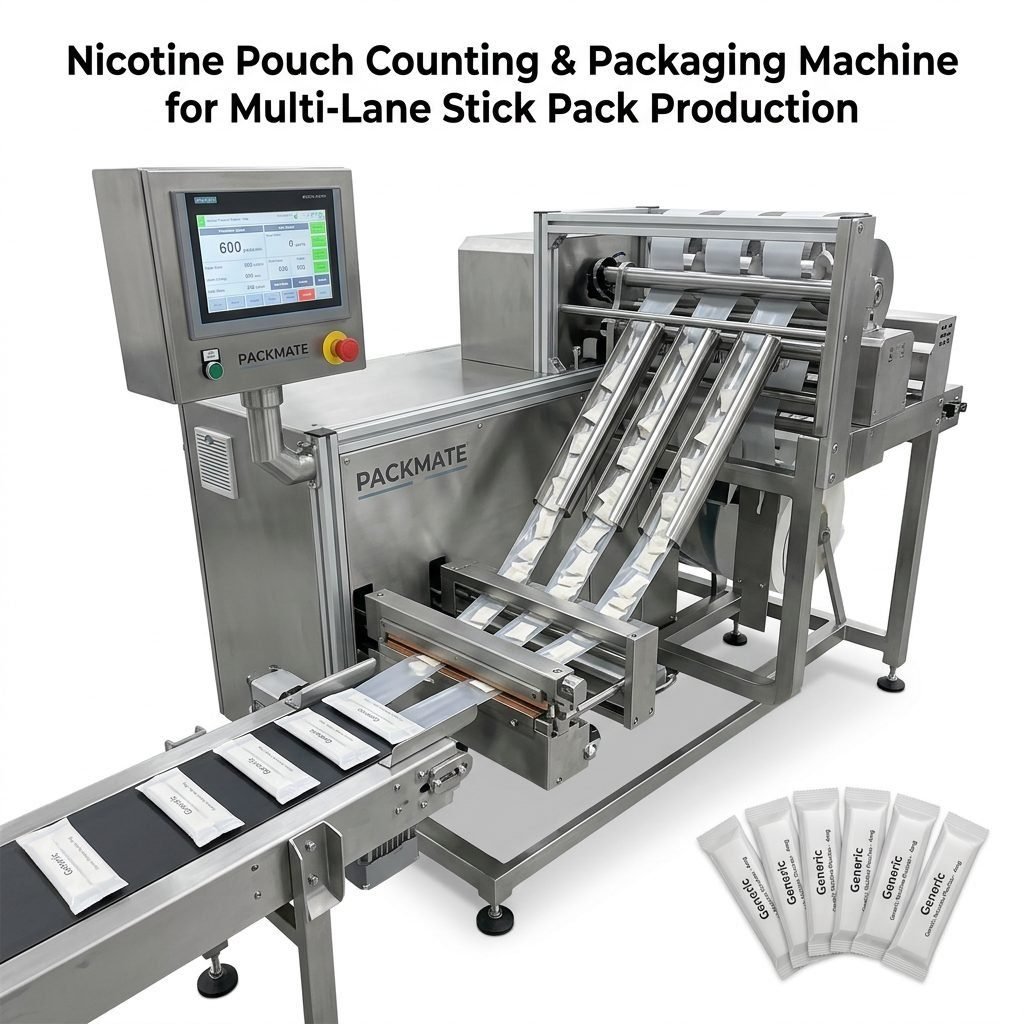
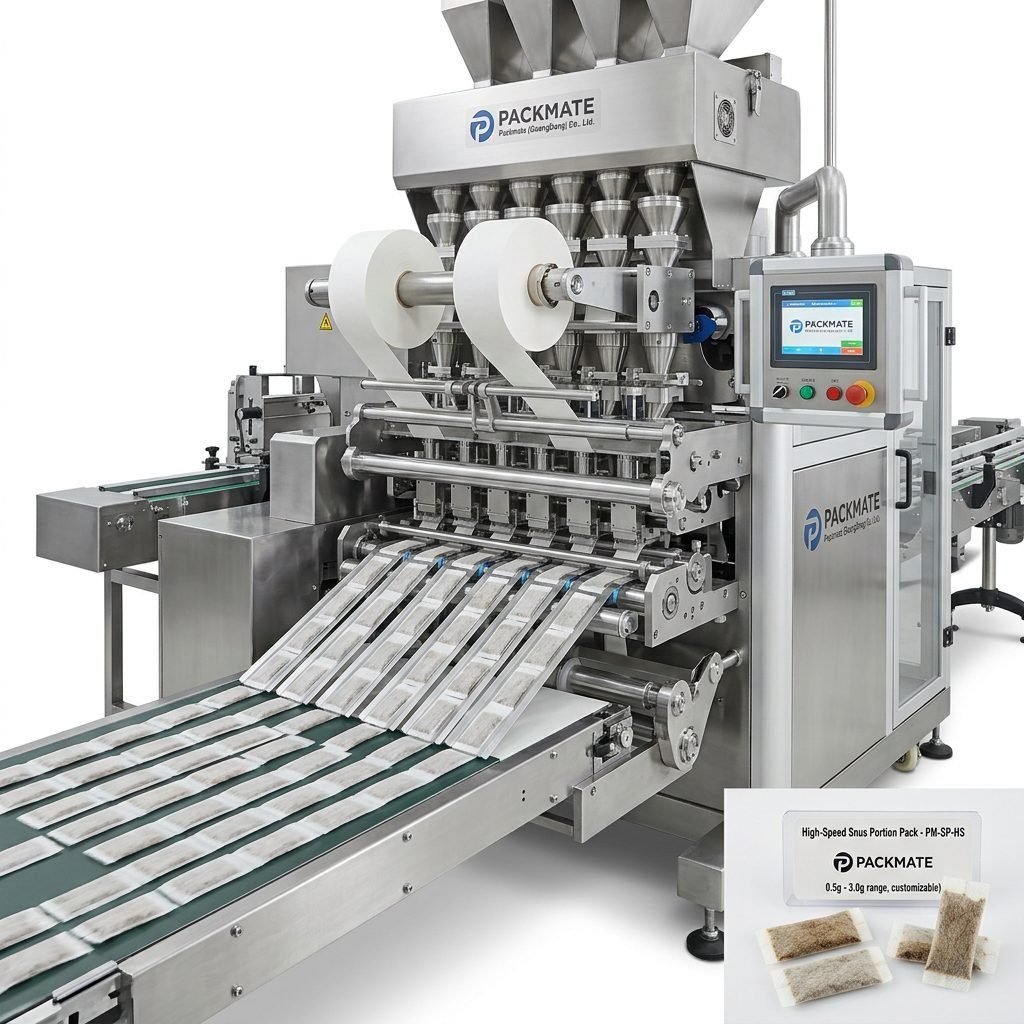
A clear specification of your product — pouch size, dose, material, packaging style (stick pack, sachet, multi-lane pouches), and desired hourly output — is the foundation of vendor selection. Manufacturers like Packmate specialize in multiple lines such as stick pack and sachet machines and offer tailored multi-lane systems designed for small-dose pouches. If you have projected monthly volumes or expected growth rates, include those figures when you request proposals so vendors can propose the appropriate configuration and scale.
Key input details to prepare: product weight range, pouch dimensions, sealing requirements (foil/laminate), powder vs granule handling specifics, required CIP/cleaning standards, target cycle speed (pouches/min), and uptime targets.
Why Manufacturer Credentials Matter
When sourcing packaging equipment for regulated or high-value products, vendor credentials and factory capability are crucial. Look for a supplier with proven experience in nic-pouch or snus lines, a sizeable production facility, and international certifications. For example, Packmate’s profile highlights 30+ years of engineering experience, a 20,000㎡ manufacturing base and compliance with CE and ISO standards — indicators of mature engineering processes and quality management systems.
What to verify
– Factory area and machinery: CNC machines, precision assembly lines, and test systems.
– Model range and customization: availability of multi-lane and turnkey solutions.
– Certifications: CE, ISO, and other third-party verifications that support export and regulatory acceptance.
– Global references and case studies: installations in markets similar to yours.
Machine Types and Technical Features to Compare
Different packaging styles require different machinery and peripheral equipment. Evaluate the following features carefully:
Core machine capabilities
– Precision dosing and weighing systems to manage small nicotine pouch weights.
– Multi-lane configurations for increased throughput while maintaining dosing accuracy.
– Flexible format changeover: tool-less or rapid changeover systems reduce downtime.
– Integrated quality checks: metal detectors, vision systems for seal integrity and print verification.
– Durable materials and sanitary design for easy cleaning if required.
Tip: request machine runtime footage and performance data under load conditions close to your expected production. Machines often behave differently when running your specific mix of materials.
Performance Metrics and Acceptance Testing
Define acceptance criteria in your purchase order and contract: speed (pouches/min), accuracy tolerances, reject rates, and uptime guarantees. Ask for FAT (Factory Acceptance Test) and SAT (Site Acceptance Test) protocols. A reputable manufacturer should provide FAT results and allow witness testing at their factory, showing the exact production configuration you will receive.
Suggested acceptance checklist
– Consistent dosing within agreed tolerances over a representative run.
– Stable sealing and no compromise on product integrity.
– Demonstrated changeover time and documented maintenance intervals.
– Electrical and software compliance for your market (voltage, PLC standards).
Service, Spare Parts and Local Support
Local support in Cuba or ability to provide timely remote assistance and fast spare parts delivery is essential. Investigate the vendor’s spare parts logistics, typical lead times, and whether they maintain a global spare parts network. Consider service agreements that include scheduled maintenance, remote troubleshooting, and on-site training for your operators and engineers.
Service checklist: guaranteed response times, on-site service manuals, operator training plans, and availability of consumables and spare parts.
Warranty, Documentation and After-Sales Terms
A clear warranty and thorough documentation minimize future disputes. Ensure you receive mechanical drawings, electrical schematics, spare parts lists, PLC programs, and operator manuals in English or your working language. Also agree on warranty duration and scope — what parts are covered and under what conditions. Ideally, warranty should start from successful SAT at your facility.
Factory Visits and Reference Checks
Visiting a manufacturer’s facility or watching live demonstrations at exhibitions helps validate claims. Schedule visits to observe assembly lines, CNC capabilities, and quality control processes. Request references and contact other customers to ask about reliability, responsiveness, and long-term performance. Vendor case pages and exhibition lists can provide useful context; explore product ranges and case studies for deeper insight.
Useful resources: About Packmate, real-world examples at Case, and detailed product categories such as Snus & Nicotine Packaging Machines.
Customization and Turnkey Solutions
If your product or production line requires bespoke solutions, choose a supplier able to design and deliver turnkey lines — integrating filling, weighing, pouch forming, sealing, and secondary packaging. Many successful suppliers provide modular solutions where you can add auxiliary equipment or upgrade multi-lane capabilities. Confirm the vendor’s engineering resources and capacity to undertake customization.
Integration considerations
– PLC and HMI compatibility with your plant standards.
– Physical footprint and utility requirements (power, compressed air, HVAC).
– Compatibility with upstream and downstream equipment (fillers, conveyors, cartoners).
– Software and data logging for traceability and production analytics.
Cost, Financing and Total Cost of Ownership
Price is only one part of the decision. Evaluate the total cost of ownership including energy use, spare parts consumption, maintenance intervals, and expected life of critical components. Seek clarity on optional extras, installation charges, shipping, taxes, and any customs duties applicable to imports into Cuba.
Financial tips: consider staged payments tied to milestones (design approval, FAT, shipment, SAT) to protect both parties and ensure delivery commitments.
Logistics, Compliance and Import Considerations for Cuba
Importing heavy machinery requires pre-planning: customs clearance, local electrical standards, and possible adaptation to local utilities. Confirm whether the supplier can provide export documentation, packing lists, and assistance with shipping and customs. Manufacturers with international experience typically offer export-ready documentation and can coordinate freight forwarding to ease your project’s logistics.
Negotiation and Contract Best Practices
Aim for a contract that clearly defines deliverables, timelines, quality metrics, terms for spare parts and training, warranty clauses, and liquidated damages for missed milestones. Include acceptance criteria and clearly specify responsibilities for installation, testing, and final commissioning. When possible, incorporate a clause for remote assistance and software updates.
Checklist to Shortlist Suppliers
Use a scoring matrix to compare vendors on these criteria: technical fit, experience with snus/nicotine pouches, manufacturing capability, certifications, after-sales support, financial terms, and references. Visit shortlisted factories or request extended video demonstrations to validate what is on paper.
Shortlist essentials: proven multi-lane systems, traceable quality control, FAT/SAT support, spare parts promise, and a documented training program.
Why Packmate Could Be a Strong Option
Suppliers with a long history in packaging engineering and a broad portfolio, including snus and nicotine pouch lines, provide both product depth and the engineering know-how needed for complex installs. Packmate’s portfolio spans snus and nicotine packaging machines, sachet & stick pack machines, weighing systems, and full filling & packaging lines — useful if you plan to expand or diversify your products in the future. Explore product categories such as Bag & Pouch Packaging Machines and support services listed under Service.
Final selection and implementation phases
After selecting a manufacturer, the implementation timeline typically follows design confirmation, production, FAT, shipment, site installation, SAT, and start-up training. Plan for a realistic ramp-up period where staff become proficient and process parameters are optimized. Document lessons learned and maintain a close relationship with the vendor for continuous improvement.
Conclusion
Choosing the best snus packaging machine manufacturer in Cuba requires a structured approach: define your product needs, verify factory capability and certifications, confirm technical performance with FAT/SAT, ensure robust after-sales support, and plan for logistics and compliance. By focusing on total cost of ownership and vendor reliability, you can select a supplier who is a partner in building a stable and scalable packaging operation.
Frequently Asked Questions
Q1: What documentation should I request before buying a snus packaging line?
A1: Request factory certifications (CE/ISO), FAT reports, machine specifications, electrical schematics, spare parts lists, and references from installed customers.
Q2: How important is FAT and can it be witnessed remotely?
A2: FAT is critical to verify performance. Many vendors offer live streaming or recorded FATs; however, onsite witnessing provides the best assurance. If travel is limited, ensure detailed procedures and recorded runs are provided.
Q3: How do I ensure spare parts availability in Cuba?
A3: Confirm lead times and whether the manufacturer maintains a regional parts inventory. Negotiate a spare parts kit for critical wear items to be shipped with the machine or stocked locally.
Q4: Can a supplier deliver a turnkey line including filling and secondary packaging?
A4: Yes. Many experienced manufacturers provide integrated turnkey solutions covering filling, weighing, pouch forming, sealing, and secondary packaging. Validate their integration experience through case studies.
Q5: Who should I contact to start discussions with a reputable supplier?
A5: Reach out via official contact channels such as the manufacturer’s contact page and request technical consultation, factory visit arrangements, or a formal quotation. For instance, you can use suppliers’ contact information on their Contact Us page to initiate the conversation: Contact Us.