Choosing the right nicotine packaging machine in Algeria involves more than price comparison. It requires an informed look at production goals, regulatory compliance, machine performance and long-term support. This guide walks you through the essential factors to evaluate, the common machine types for nicotine pouches and snus, and practical steps to ensure a smooth purchase and operation. Whether you manufacture small-batch niche products or plan high-speed multi-lane lines, you will find actionable criteria and checklists to make the best decision for your facility.
Understanding the Algeria Market and Regulations
Algeria’s regulatory environment for nicotine products is evolving. Manufacturers must consider local import rules, labeling requirements and any nicotine-specific restrictions. Before selecting equipment, confirm the packaging formats that are accepted in your target channels (retail, distribution, export). Knowing regulatory constraints helps you select machines that can print, inspect and seal packages to the required standards.
Key market considerations
📌 Production volumes and SKU variety — low-volume craft lines need flexible machines; large commercial operations require robust high-speed, multi-lane systems.
📌 Packaging formats — pouches, sachets, stick packs and cans each demand different feeding, forming and sealing technologies. For a range of formats, consider modular solutions that adapt without full replacement.
📌 Export plans — if you plan to export, prioritize machines certified to international standards such as CE and ISO, which simplify cross-border approvals.
Types of Nicotine Packaging Machines
Selecting the right machine type is foundational. Below are the common systems you will encounter and the typical use cases for nicotine pouch and snus products.
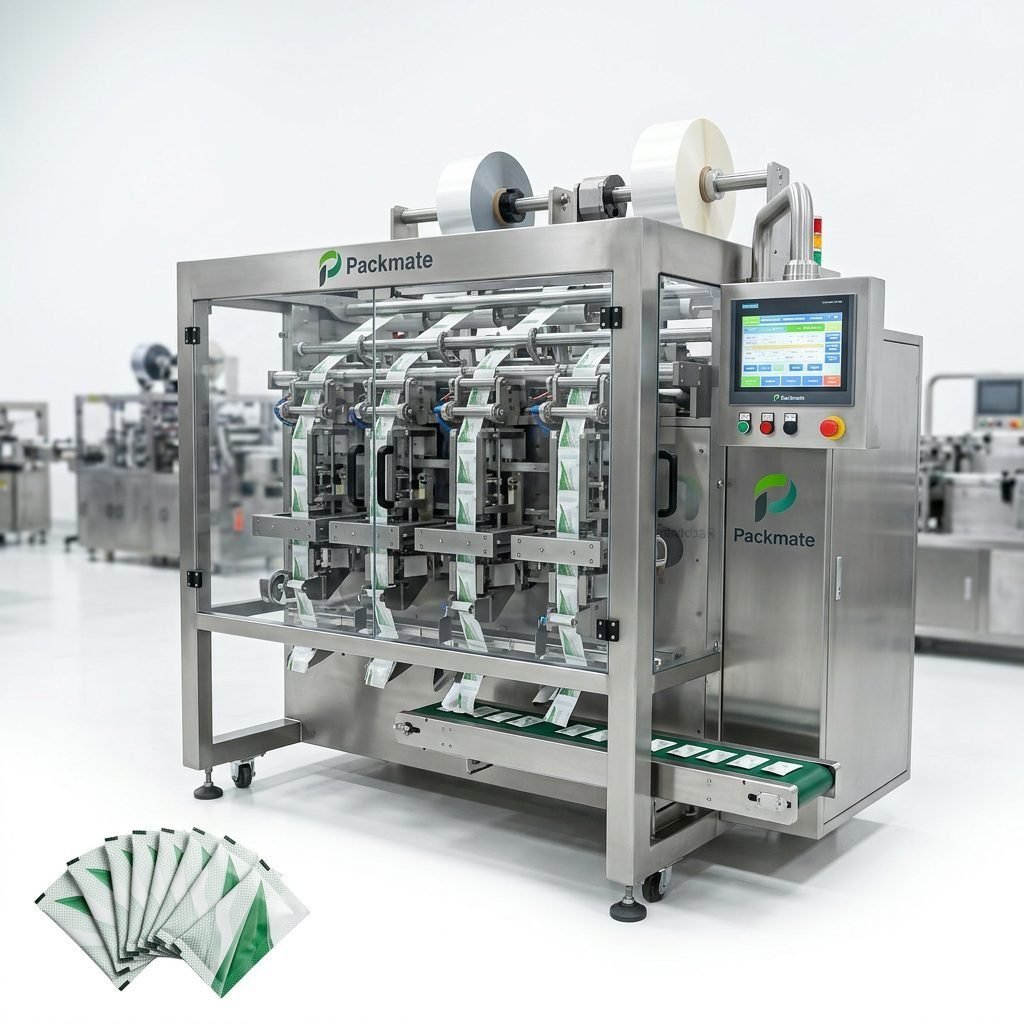
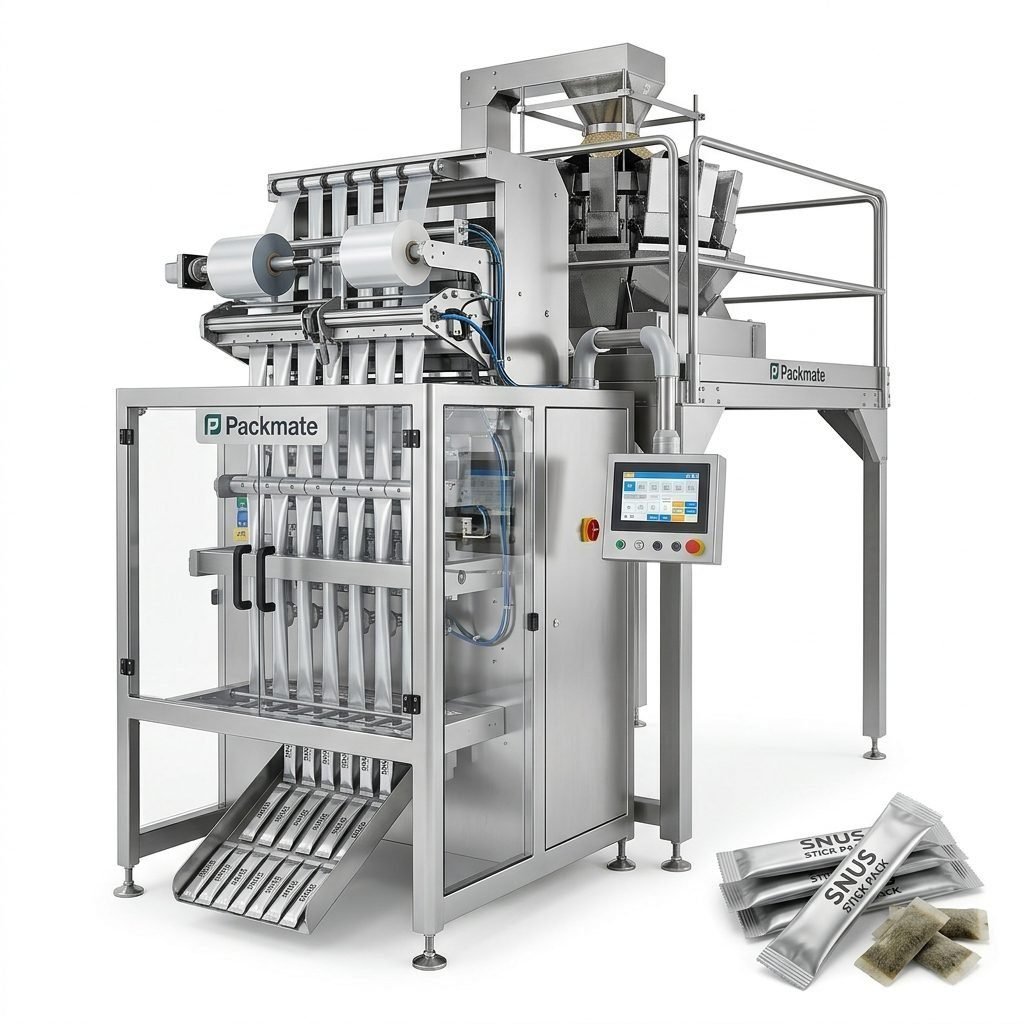
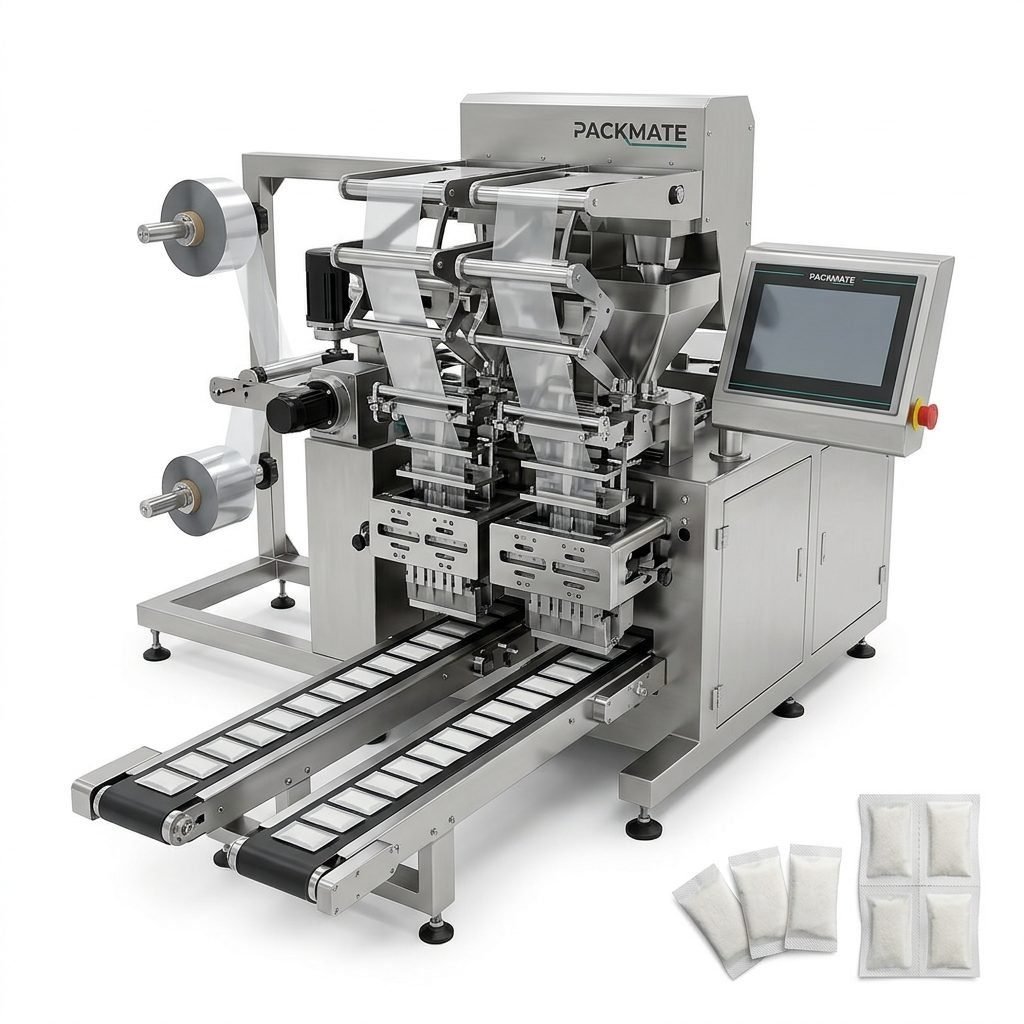
Sachet & Stick Pack Machines
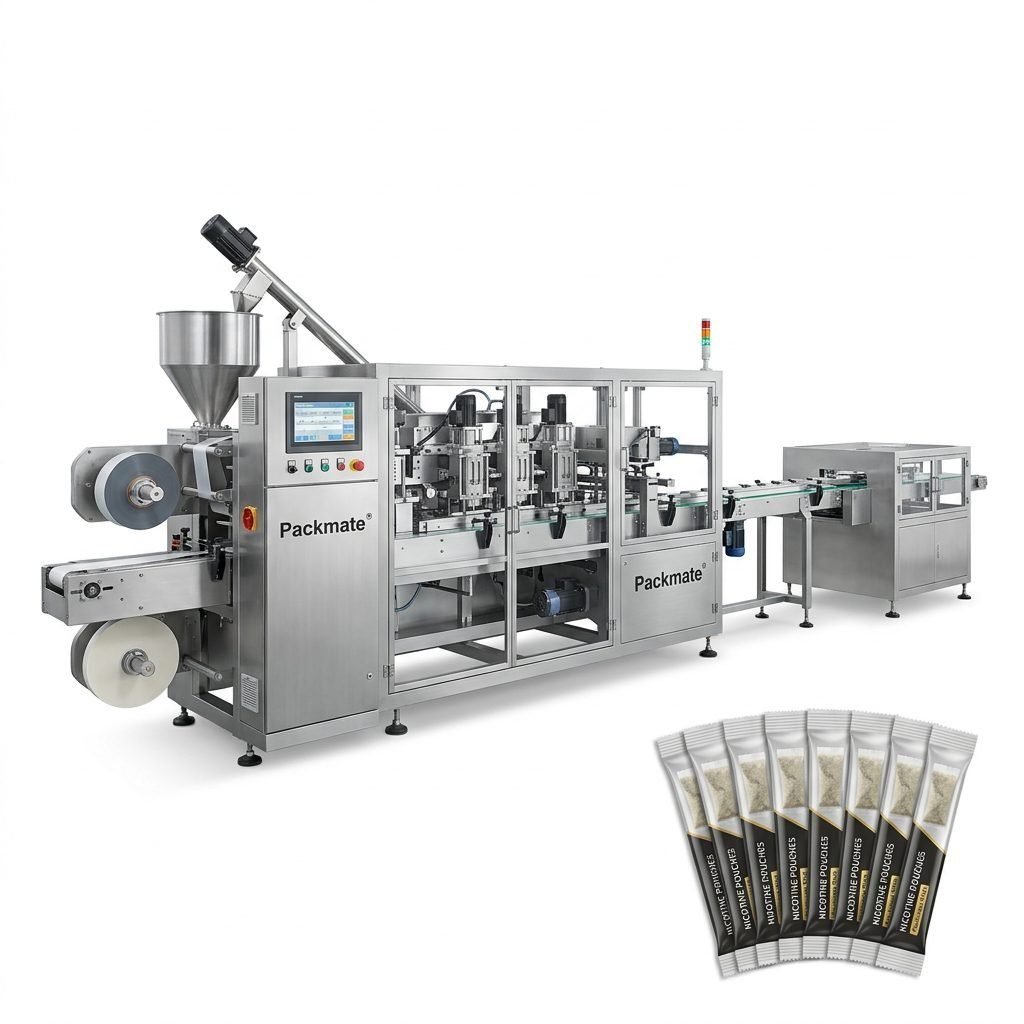
These are ideal for single-dose nicotine pouches or stick-style sachets. They offer high speed and compact layouts for powder, granular and small pouch fill operations. See typical models here: Sachet & Stick Pack Machines.
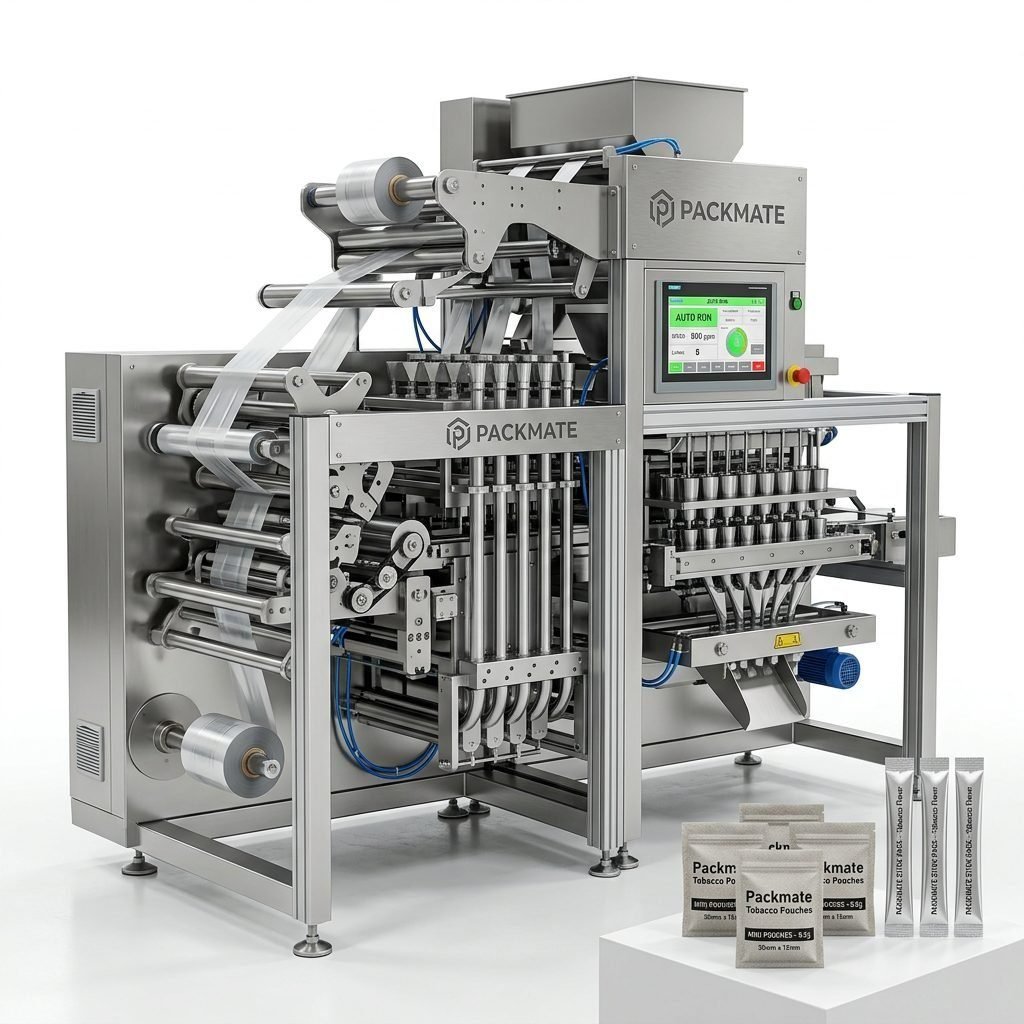
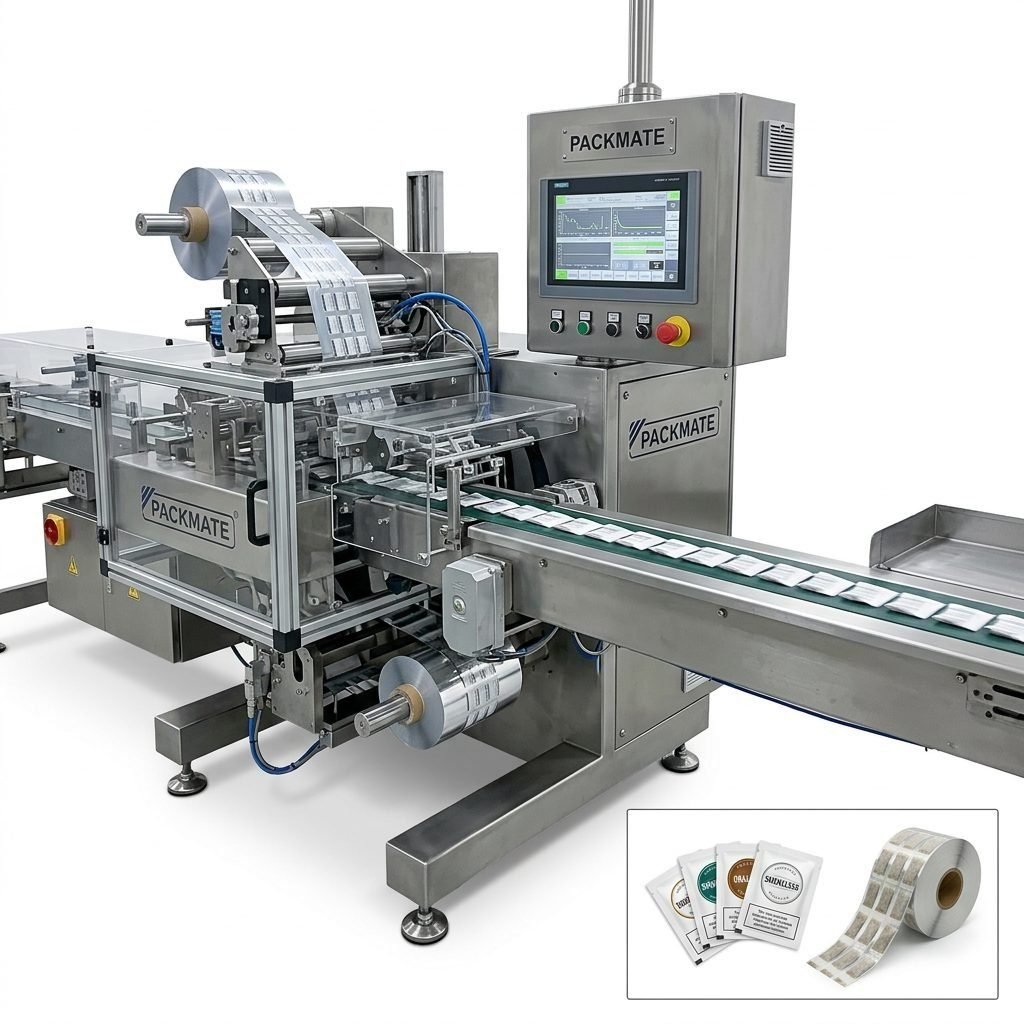
Multi-lane Snus / Nicotine Pouch Machines
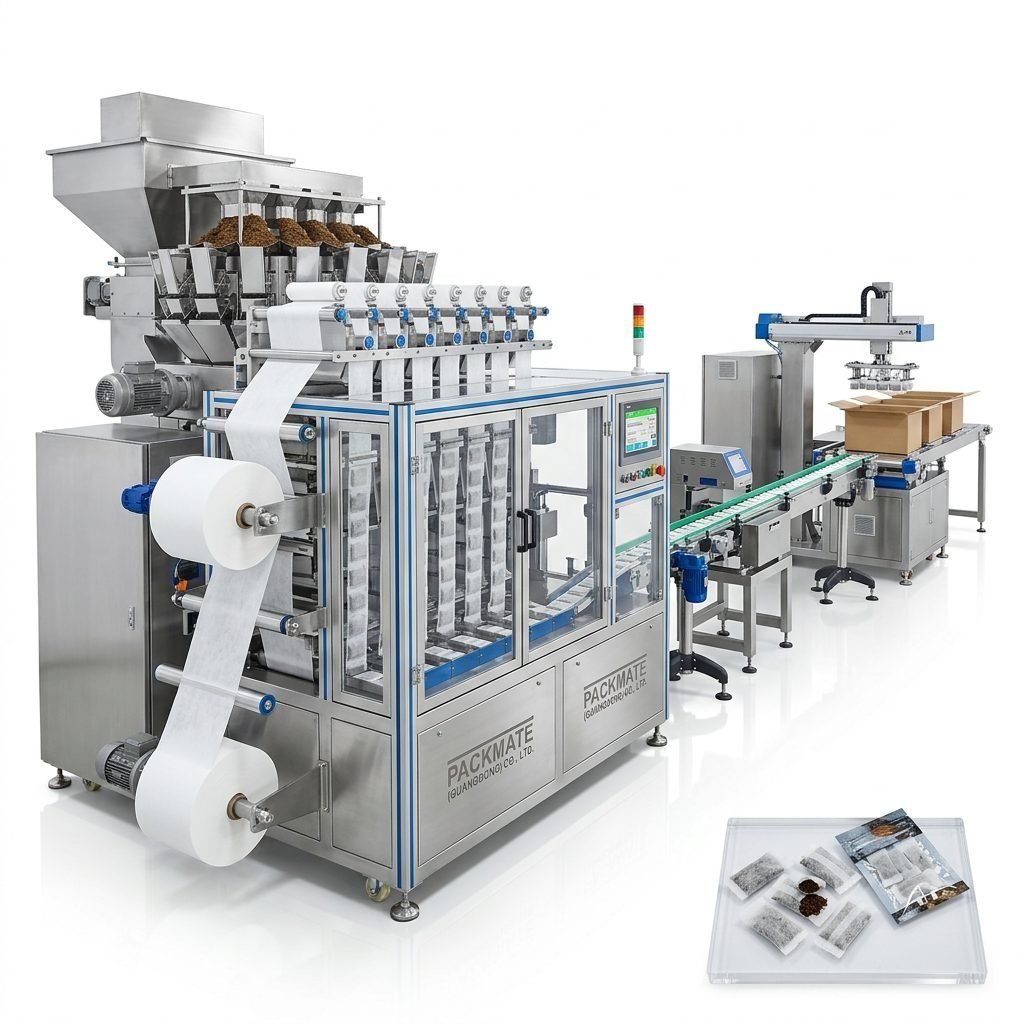
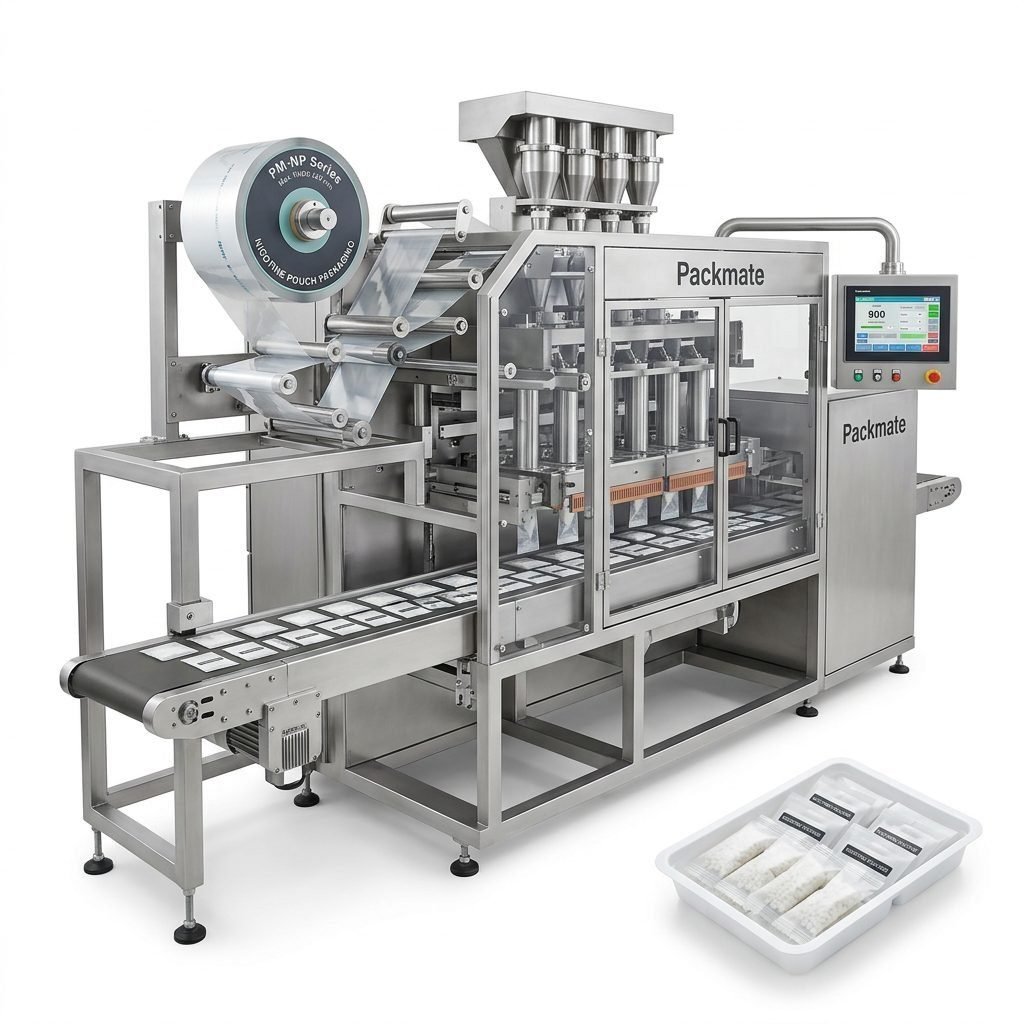
Multi-lane machines multiply output by operating several lanes in parallel — essential for small-dose nicotine pouches where per-unit cycle time is short. These systems emphasize synchronization, dosing accuracy and consistent sealing across lanes. Explore multi-lane options: Snus & Nicotine Packaging Machines.
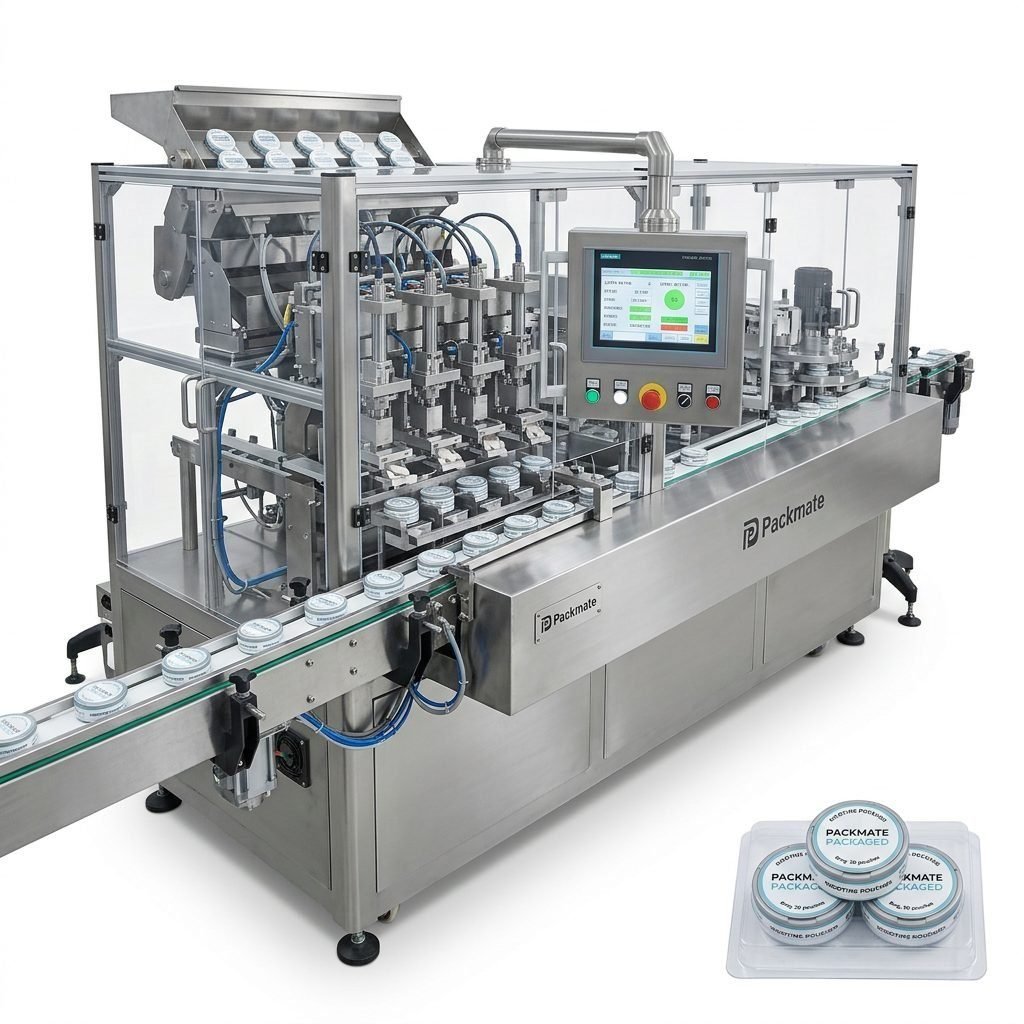
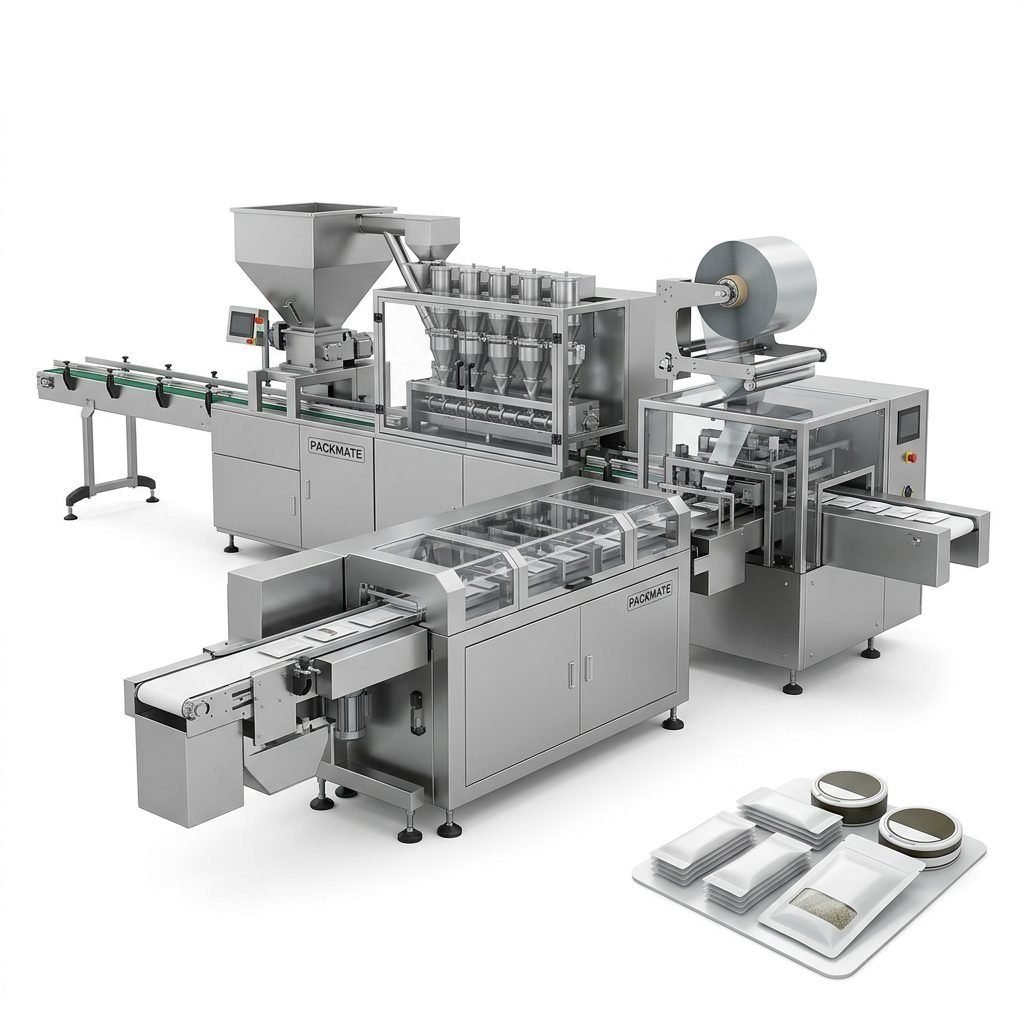
Filling & Integrated Packaging Lines
For turnkey production, integrated lines combine weighing, filling, sealing and secondary packaging. They reduce manual handling and improve throughput consistency. If you need a complete solution, review turnkey options: Filling & Packaging Lines.
Quick guidance: For small businesses start with single-lane sachet or stick pack machines. For growth-oriented operations, invest in scalable multi-lane systems or modular turnkey lines that integrate weighing and secondary packaging.
Key Technical Factors to Evaluate
When comparing machine models and vendors, evaluate technical specifications that directly affect production cost, quality and uptime.
Speed and Throughput
⚡ Assess theoretical maximum speed and practical throughput under your product recipe. Multi-lane configurations may list high cycles per minute, but real throughput depends on dosing time, sealing quality checks and downstream packing.
Filling Accuracy and Dosing
Precision dosing minimizes product giveaway and ensures compliance with declared weights. Check the machine’s dosing method (volumetric, auger, vibratory, or weighing hoppers) and the typical tolerance achievable for your material. Machines integrated with weighing systems offer the best repeatability for variable-density blends.
Sealing Quality and Material Compatibility
A reliable seal prevents moisture ingress and preserves product shelf life. Verify compatibility with your selected pouch film, lamination structure and barrier requirements. Ask for sample sealing tests and request a video of actual production if possible.
Automation, Changeover and Tooling
Fast changeover saves downtime for multiple SKUs. Look for quick-change tooling, recipe-based PLC controls and simple HMI interfaces. Modern machines provide stored recipes to recall settings in seconds.
Quality Inspection and Traceability
Integrated inspection systems (checkweighers, vision systems, leak detectors) are crucial for nicotine products. Traceability features like batch coding and line data logging ease recall management and regulatory reporting.
Supplier Selection and After-Sales Support
A strong supplier relationship reduces project risk. Prioritize manufacturers with proven nicotine/snusr packaging experience, transparent lead times and robust service infrastructure.
🔧 Verify the vendor’s factory capabilities, such as CNC machining, assembly lines and quality control systems. Packmate, for example, highlights a 20,000㎡ facility and 30+ years of industry experience — indicators of manufacturing maturity. Learn more at: About Packmate.
Must-have service offerings: commissioning & training, spare parts availability, remote support, preventive maintenance contracts and documented response times for on-site repairs.
Practical Site and Installation Considerations
Ensure your facility can host the equipment you plan to buy. Common issues include power capacity, compressed air quality, floor load, utility routing and cleanroom or hygiene requirements.
📦 Confirm shipping dimensions, local crane or forklift access for installation, and whether vendor technicians will require work permits or visas for on-site commissioning in Algeria.
Electrical and Environmental Needs
Machines often specify voltage, phase and frequency. Check the environmental tolerance for ambient temperature and humidity, especially if your packaging materials are moisture sensitive.
Cost, ROI and Total Cost of Ownership
Assess both CAPEX and OPEX. Lower initial cost can hide higher OPEX if spare parts are expensive or downtime is frequent. Calculate ROI considering:
• Labor savings from automation.
• Material efficiency and reduced giveaway via accurate dosing.
• Reduced waste from consistent sealing and inspection.
• Service and spare parts cost over a 5-year horizon.
Tip: Request life-cycle cost scenarios from vendors that include productivity projections, spare parts schedules and average downtime statistics.
Inspection, Testing and Acceptance Criteria
Before final acceptance, require factory acceptance tests (FAT) and site acceptance tests (SAT) with your product. FAT should include running several hours with your materials, checking sealing, dosing and packaging integrity.
Ask for documented performance metrics: mean time between failures (MTBF), mean time to repair (MTTR) and spare parts list with part numbers and recommended stock levels.
How to Negotiate a Purchase: Checklist
Use this checklist to standardize offers and ensure apples-to-apples comparisons.
✅ Detailed machine specification and model number.
✅ FAT video and test report with your product.
✅ Warranty terms, spare parts list and service level agreements (SLA).
✅ Training scope, commissioning schedule and acceptance criteria.
✅ Total delivered cost including packing, shipping, duties and local installation.
Maintenance Best Practices and Spare Parts Strategy
Planned maintenance keeps lines running. Establish a parts stocking policy for wear items (seals, cutters, belts) and critical spares (PLC modules, motors). Negotiate spare kits for the first year and remote diagnostic access.
Consider a service contract that includes scheduled preventive maintenance visits from certified technicians to minimize unexpected downtime.
Why Choose an Experienced Snus/Nicotine Specialist Supplier
Specialist suppliers bring domain-specific knowledge — from dosing small nicotine pouch volumes to sealing sensitive barrier films. They also provide validated recipes and tooling optimized for nicotine products, reducing development time and material waste.
For a portfolio of machines and integrated solutions, check providers that list snus and nicotine equipment along with auxiliary systems and weighing integrations: Weighing & Packaging Systems and Auxiliary Packaging Equipment.
Final procurement reminder: align the machine specs with your regulatory plan, sample the machine with your product at FAT, and secure clear SLA terms for deployment in Algeria.
Next Steps and Contact Points
Once you shortlist vendors, request on-site visits, FAT demonstrations and customer references. If you would like to explore complete production lines or require turnkey capabilities, review suppliers’ case studies and catalogs to match your scale and budget. Example resources: Case and Catalog.
For direct vendor contact and quotations, use the supplier contact page: Contact Us.
Closing summary
Choosing the right nicotine packaging machine in Algeria blends technical assessment, regulatory alignment and supplier due diligence. Prioritize dosing accuracy, sealing integrity, service support and clear acceptance testing. Investing time in FAT, spare parts planning and staff training yields faster ramp-up and lower total cost of ownership.
Frequently Asked Questions
Q1: What machine type is best for small-batch nicotine pouch production?
A1: For small batches, single-lane sachet or stick pack machines offer flexibility and lower upfront cost, while allowing quick changeovers between SKUs.
Q2: How important are certifications like CE and ISO for equipment imports into Algeria?
A2: Very important — certifications simplify customs clearance, ensure safety standards and support export compliance. Certified equipment is generally preferred by regulators and distributors.
Q3: What level of spare parts should I keep on hand after installation?
A3: Keep critical spares for wear and failure-prone items (cutters, belts, sensors, seals) and any custom tooling. A 6–12 month kit is typical for new lines until MTBF is well understood.
Q4: Can a supplier perform FAT with my specific nicotine pouch blend?
A4: Reputable suppliers will run FAT with your materials. Insist on FAT videos and data reports showing weight accuracy, seal quality and lane synchronization under production speed.
Q5: Where can I find examples of integrated snus packaging lines and weighing systems?
A5: Visit suppliers’ product pages for integrated solutions, such as the Filling & Packaging Lines and Weighing & Packaging Systems.