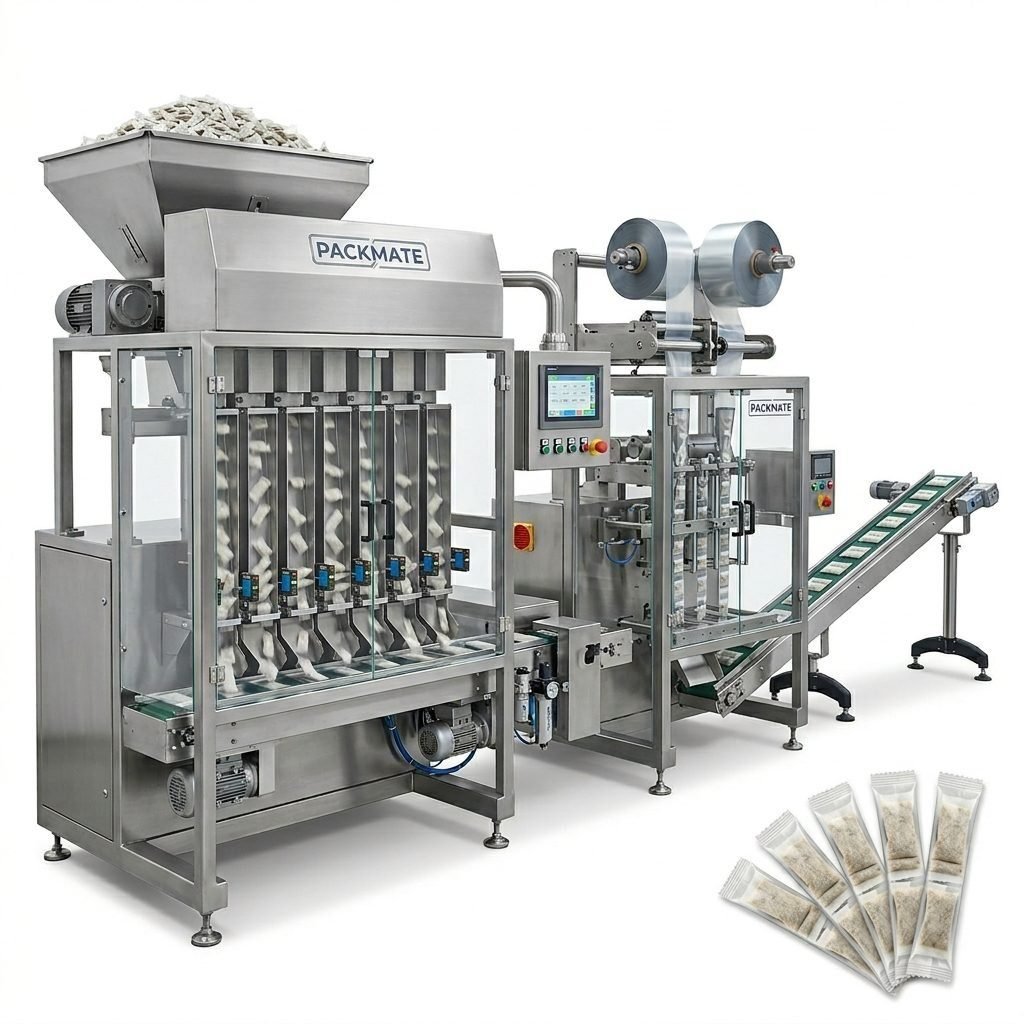
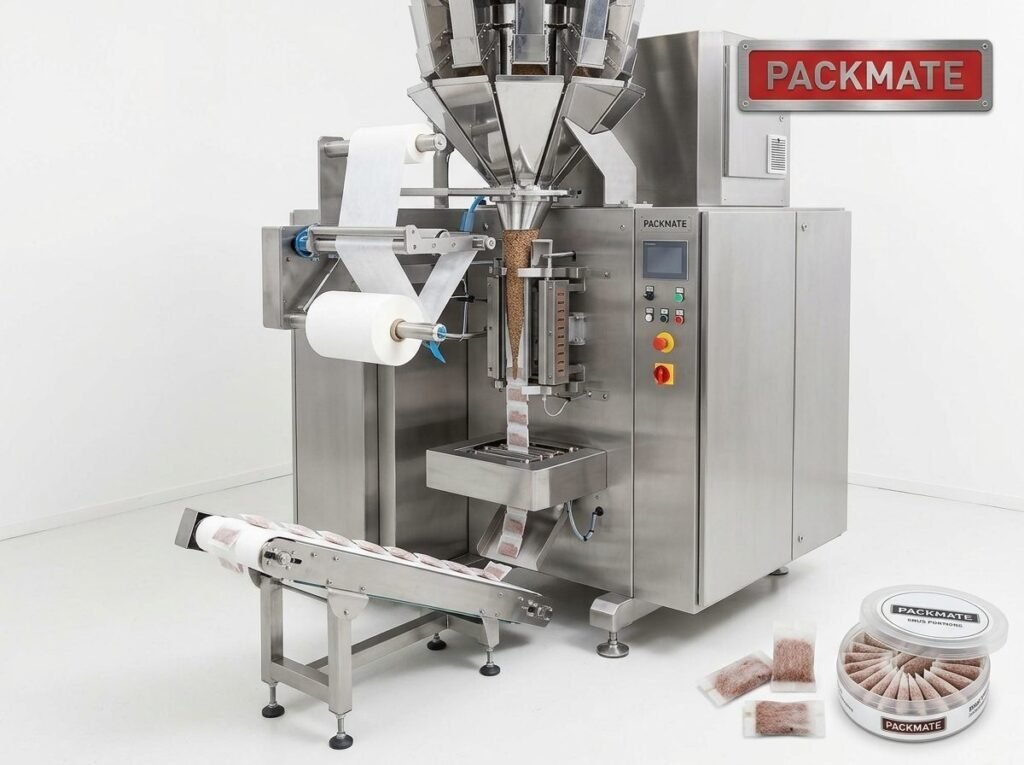
Choosing the right nicotine packaging machinery manufacturer for your business in Bahrain is a strategic decision that affects product quality, regulatory compliance, production efficiency, and long-term cost of ownership. This guide walks you through practical criteria, evaluation steps, and negotiation tips so you can confidently select a supplier who delivers reliable snus and nicotine pouch packaging solutions tailored to your needs.
Understand Your Production Requirements
Begin by defining your core production needs: daily output targets, pouch formats (single-dose nicotine pouches, snus sachets, stick packs), product types (powder, granule, liquid), and any multi-lane high-speed requirements. Knowing whether you need a compact bench-top solution or a fully automated turnkey line will determine which manufacturers can realistically meet your goals.
Key technical specs to list
• Target throughput (pieces/min or pouches/min) — this drives machine size and motor ratings.
• Number of lanes and pouch dimensions — impacts sealing and dosing systems.
• Filling accuracy and hygroscopic product handling — critical for nicotine pouches.
• Integration needs (weighing, metal detection, secondary packaging).
• Cleanability and material contact surface requirements (SS316, food-grade finishes).
Tip: Document your production profile in a simple one-page specification sheet. Share this with prospective manufacturers to get accurate proposals.
Evaluate Manufacturer Experience & Specialization
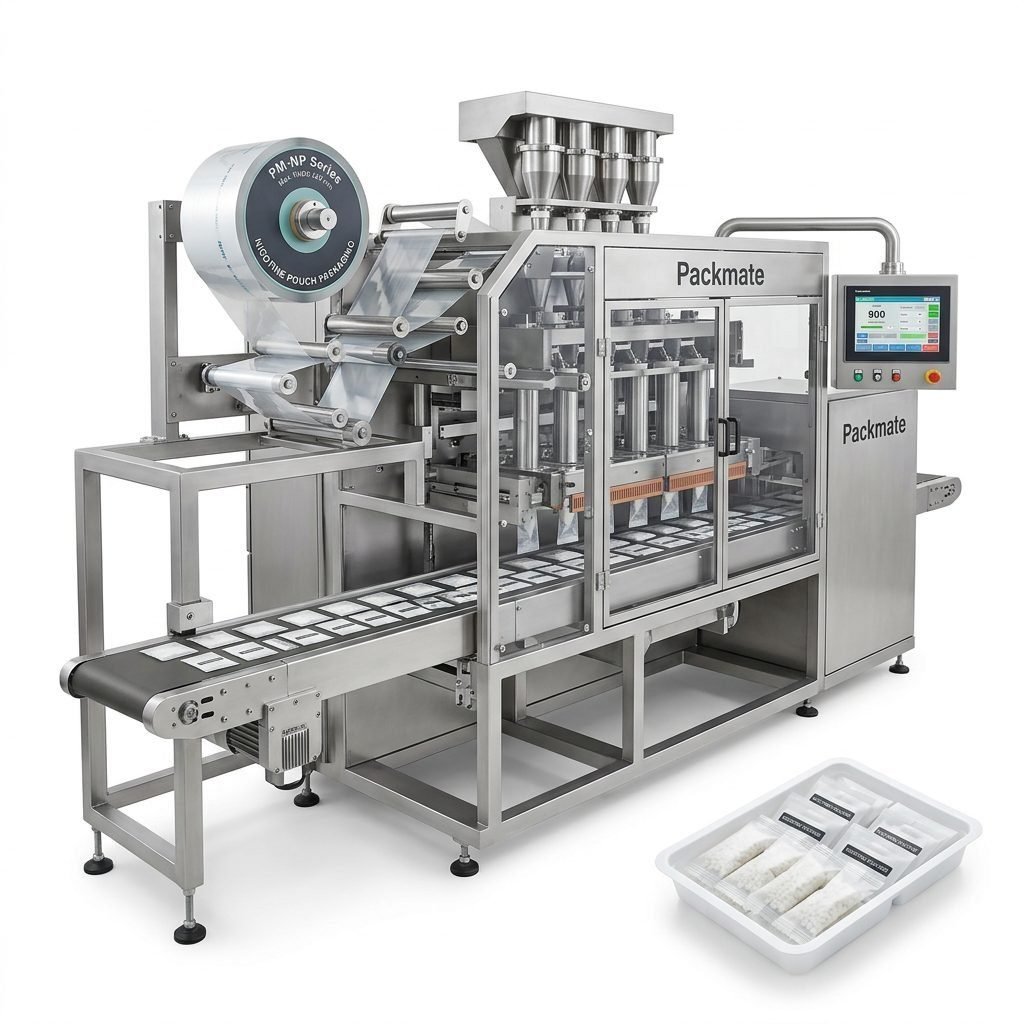
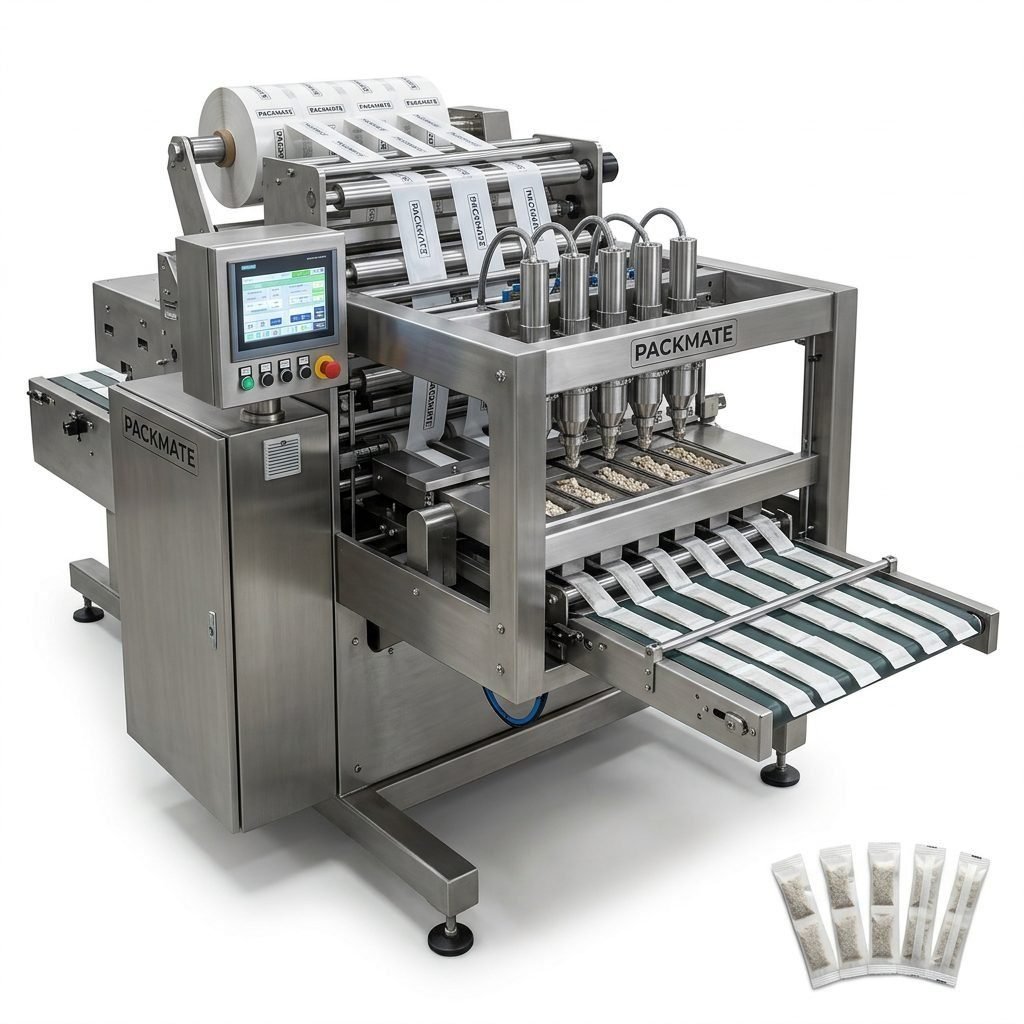
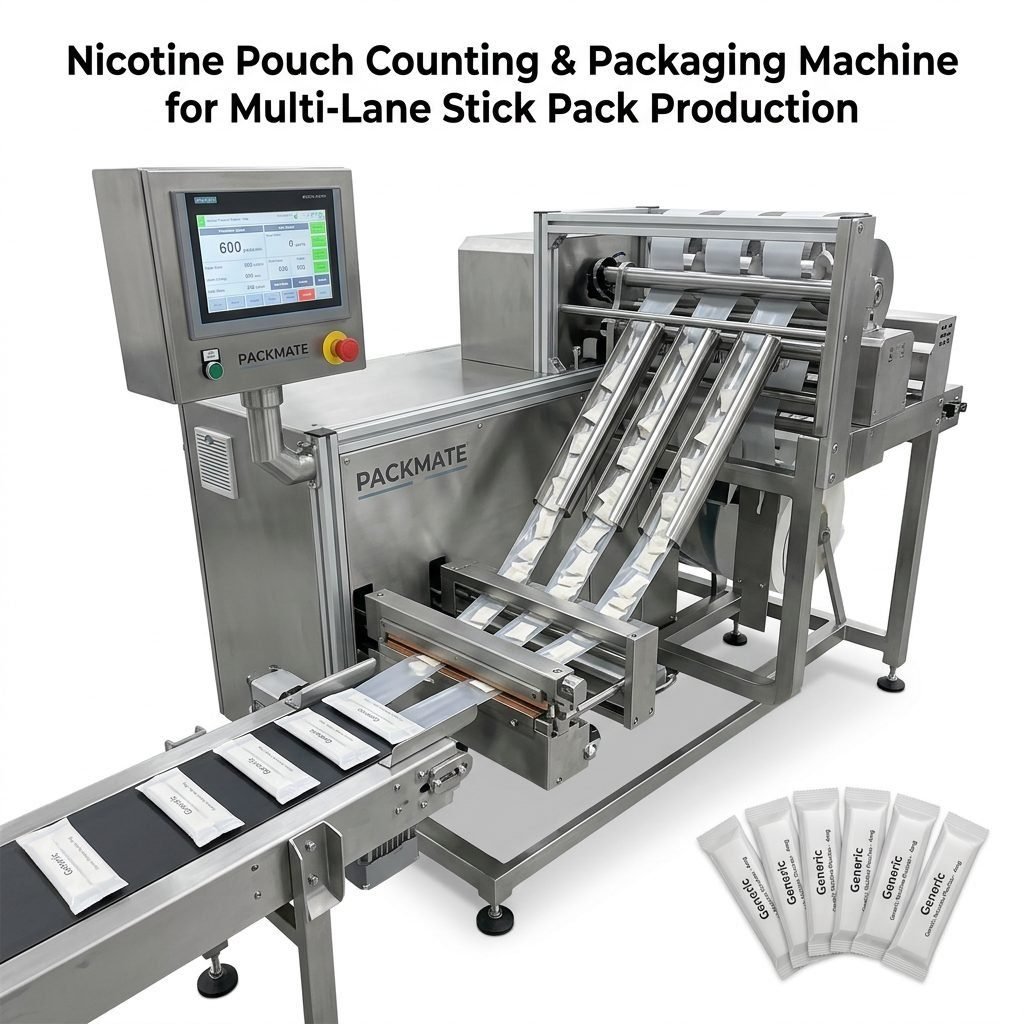
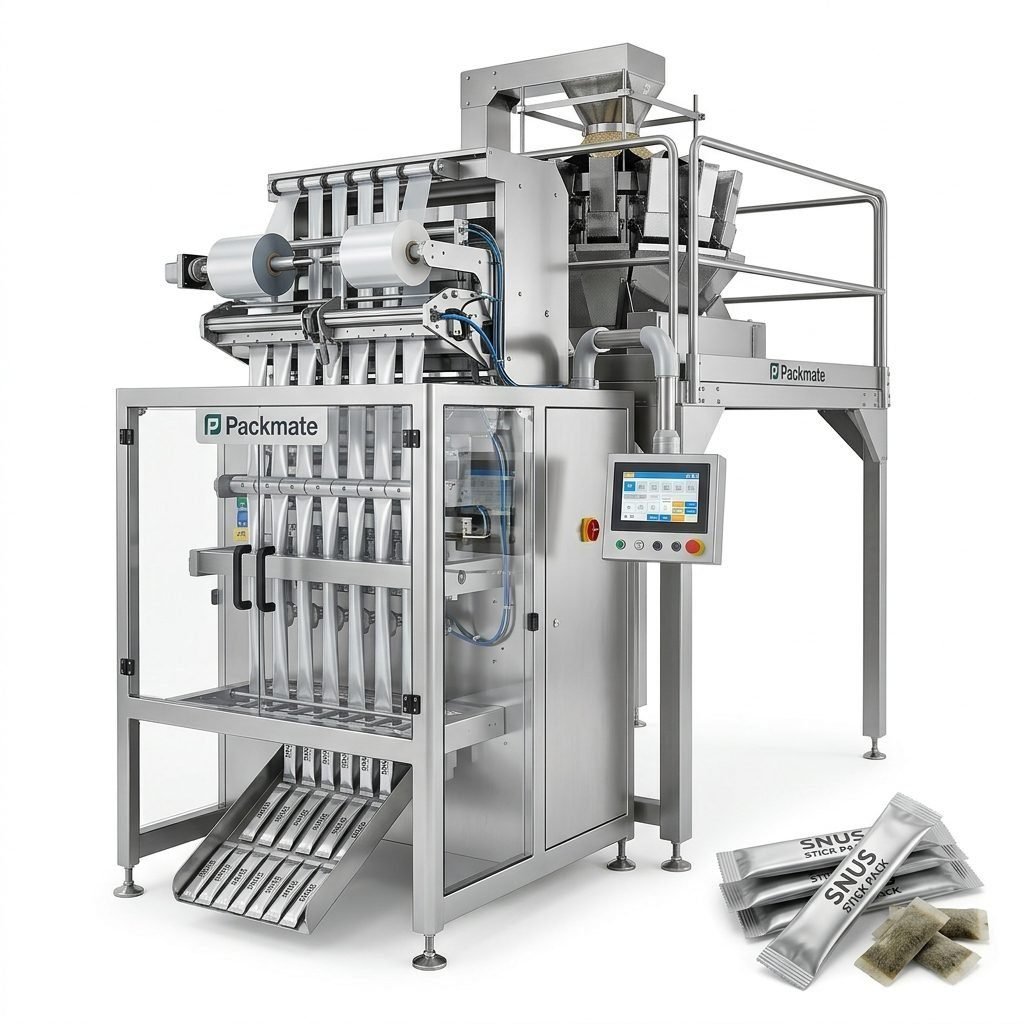
Manufacturers with specific experience in snus and nicotine pouch machinery will understand the niche challenges — dosing small volumes, sealing delicate films, and maintaining consistent dosing across lanes. Look for companies with a demonstrated track record in nicotine pouch equipment, advanced multi-lane systems, and a history of supplying turnkey lines.
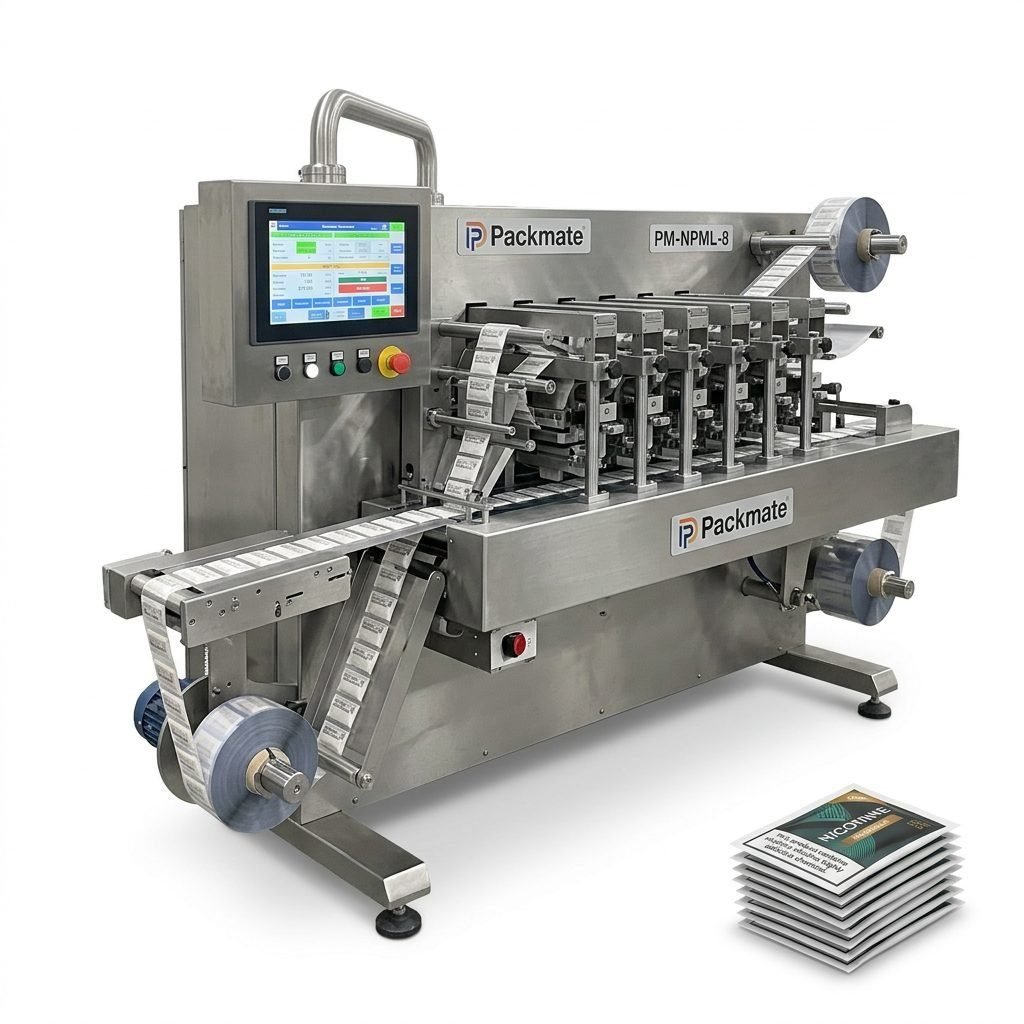
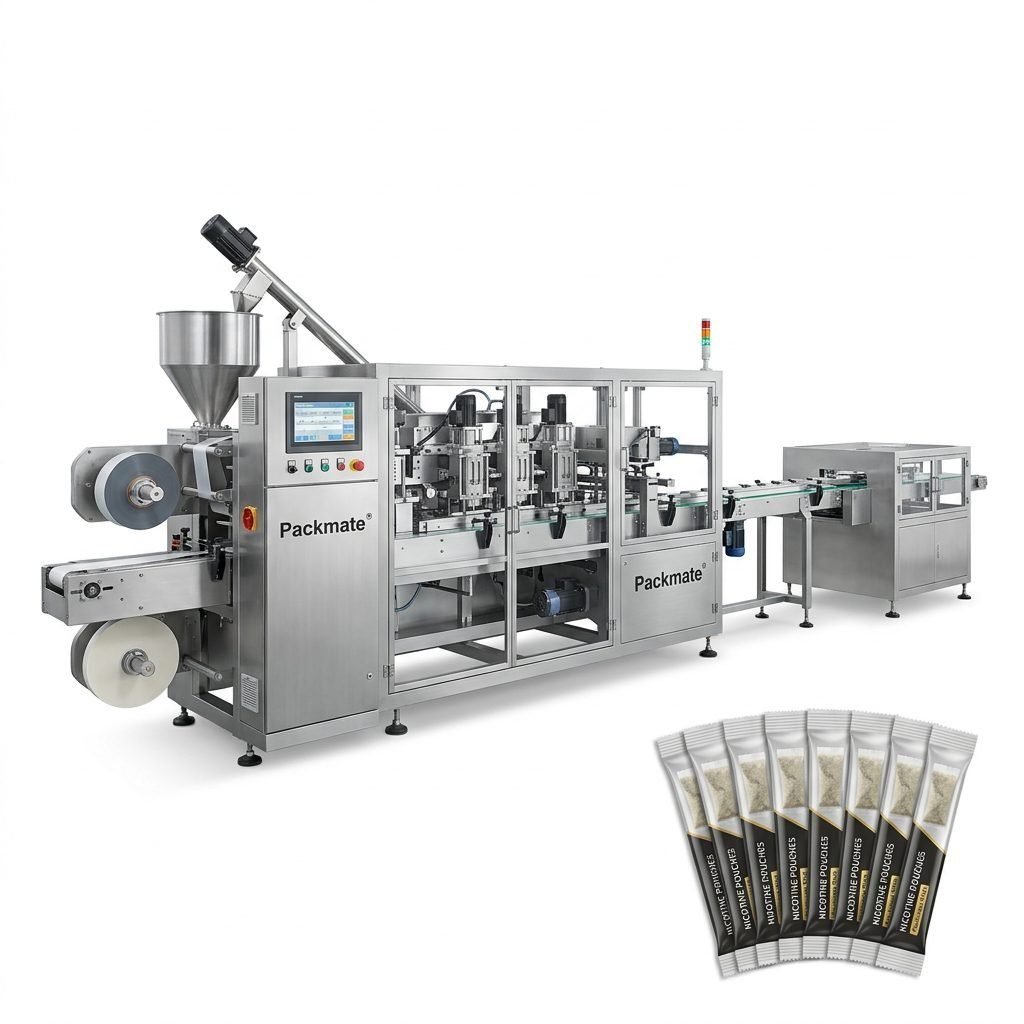
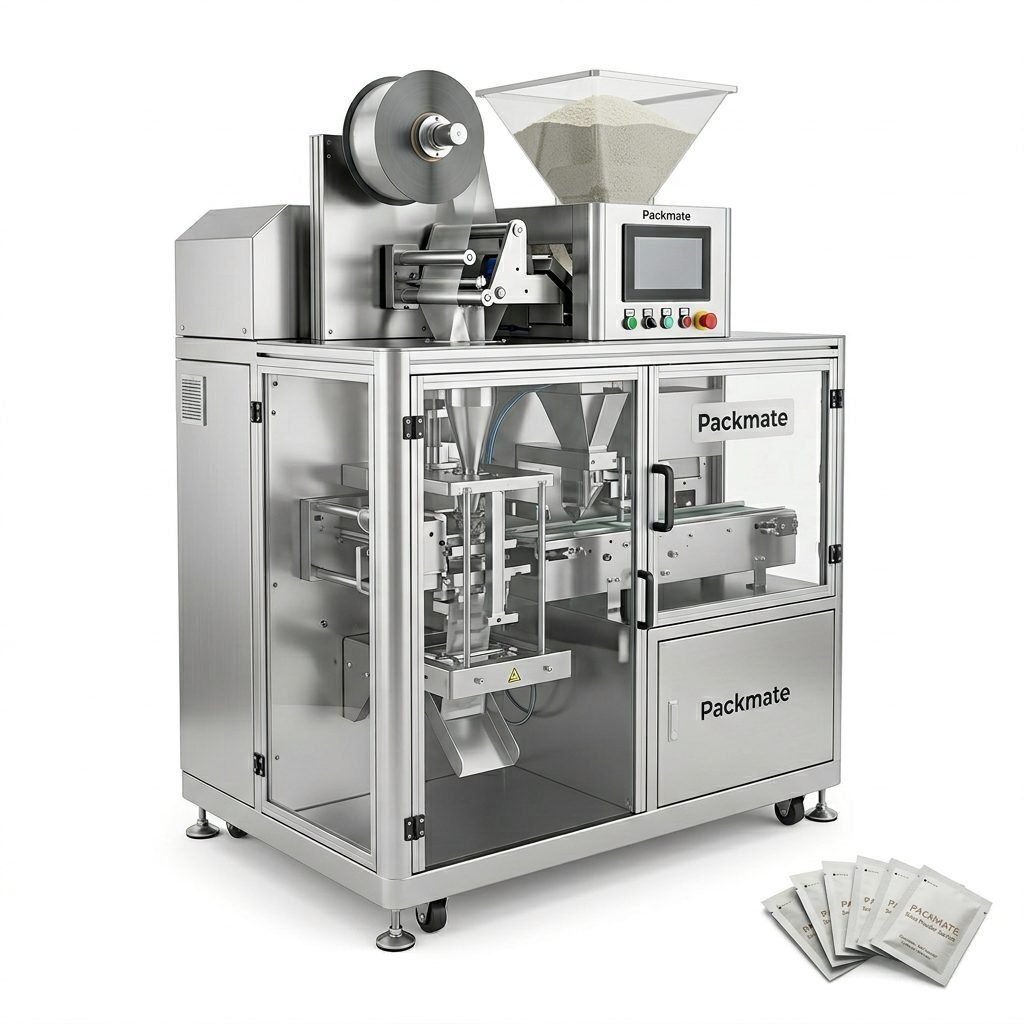
For example, specialist suppliers often present dedicated product lines such as Snus & Nicotine Packaging Machines and Sachet & Stick Pack Machines, which can be a strong sign of relevant expertise.
Questions to ask
• How many years has the manufacturer produced nicotine pouch equipment?
• Can they provide case studies or references for similar installations?
• Do they offer multi-lane solutions for small-dose products?
Factory Capabilities and Quality Control
A strong manufacturing footprint ensures consistent machine quality and timely delivery. Evaluate the factory size, machining centers, assembly lines, and quality testing processes. Manufacturers with advanced CNC centers and strict QC systems are more likely to deliver machines that meet specifications and offer long service life.
Verify certifications such as CE and ISO, which indicate adherence to international quality and safety standards. If available, request a virtual factory tour or visit the facility to inspect production workflows and test stations.
Customization & Turnkey Solutions
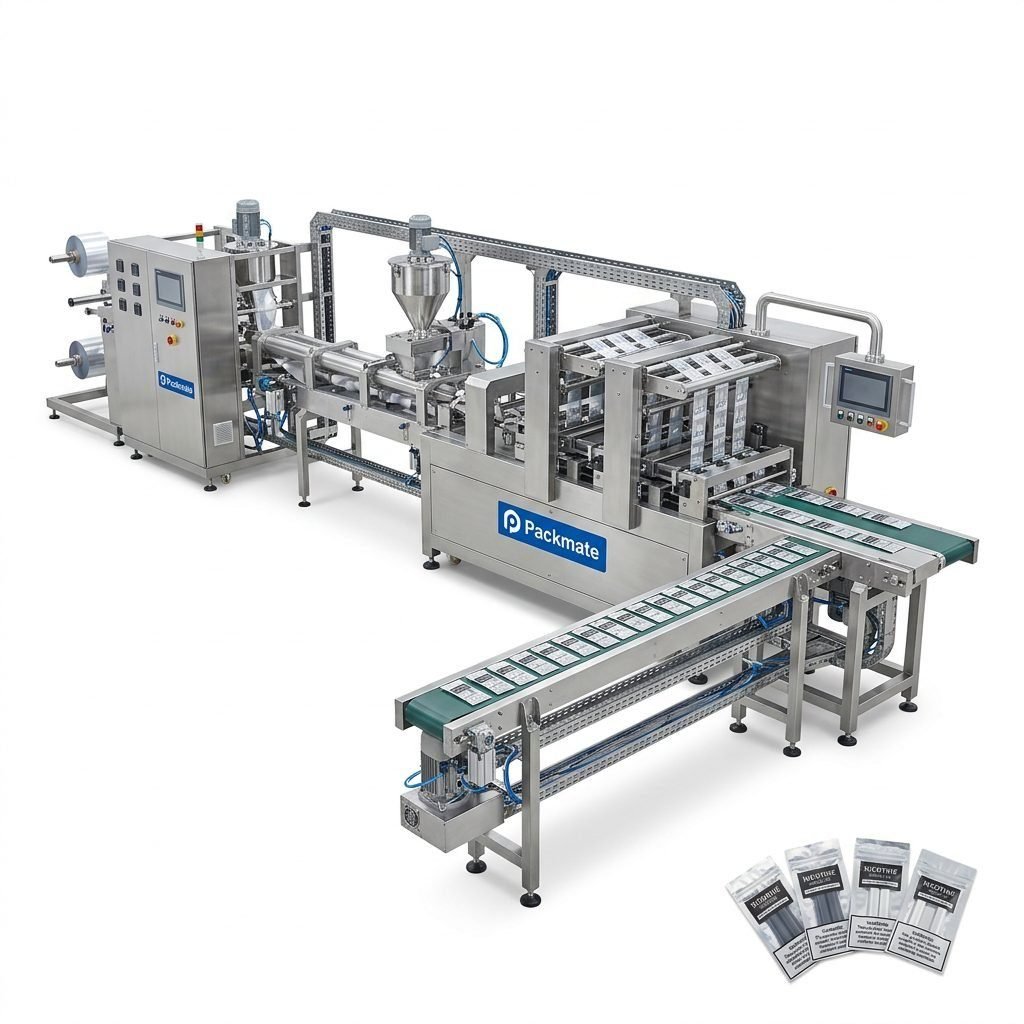
Many businesses require customized solutions: combination lines, integrated weighing systems, and output-specific secondary packaging. Choose a manufacturer who offers flexible customization and can supply complete production lines, rather than piecemeal machines. Turnkey suppliers reduce integration risk and ensure compatibility across subsystems.
Explore related product modules such as Weighing & Packaging Systems and Filling & Packaging Lines that can be integrated into a full solution.
⚙️ Must-have: Clear documentation of the turnkey scope, responsibilities for integration, FAT (Factory Acceptance Test) procedures, and acceptance criteria.
Performance, Reliability and After-Sales Support
Performance and reliability are measured by uptime, repeatability, and ease of maintenance. Manufacturers should provide MTBF/MTTR metrics, spare parts lists, and recommended maintenance schedules. After-sales support — rapid spare parts shipping, remote diagnostics, and trained field service engineers — is essential to minimize downtime.
Check if the supplier offers commissioning, operator training, and local service arrangements. A supplier with global operations or regional partners can often provide faster on-site response in Bahrain.
Service & lifecycle support
• Availability of spare parts & fast shipping.
• Remote support and control software updates.
• On-site commissioning and operator training programs.
• Preventive maintenance contracts and upgrade pathways.
Compliance, Safety, and Regulatory Considerations in Bahrain
Make sure the machinery complies with local and international regulations applicable to nicotine products and food-contact equipment. CE marking, ISO certificates, and hygienic machine design are indicators of compliance. Additionally, verify electrical standards and machine safety features to meet Bahraini workplace requirements.
Engage with local regulatory consultants early in the procurement process to align machine specifications with import, labelling, and quality requirements for nicotine products in Bahrain.
Total Cost of Ownership (TCO) and ROI Analysis
Purchase price is just one component. Evaluate the TCO, which includes installation, spare parts, energy consumption, operator labor, downtime cost, and scheduled maintenance. A slightly more expensive machine with higher uptime and lower operating costs can deliver a better ROI.
📈 ROI checklist: expected throughput vs. target, margin per pouch, reduction in rework/ waste, and maintenance labor hours saved.
Ask for Demonstrations, References, and Case Studies
Request live or recorded machine demonstrations under load and ask for customer references in similar markets. Reviewing case studies helps you understand real-world performance and long-term reliability. Suppliers that participate in global exhibitions and showcase production lines typically have more mature R&D and product portfolios.
See examples of global cooperation and exhibition presence at their company pages like Case, Our Exhibition, and About Packmate for additional confidence.
Inspection, Testing and Acceptance Criteria
Define acceptance criteria before purchase. Typical tests include sealing integrity, fill accuracy, lane-to-lane consistency, cycle speed at rated output, and hygiene checks. Insist on a Factory Acceptance Test (FAT) and Site Acceptance Test (SAT) with documented results to ensure contractual obligations are met.
Sample acceptance checklist
• Achieve guaranteed throughput under normal operating conditions.
• Validate dosing accuracy across the expected product range.
• Demonstrate consistent pouch sealing across all lanes.
• Confirm operator HMI usability and recipe management.
Logistics, Delivery and Installation in Bahrain
Determine packaging, crating, and shipping responsibilities. Complex lines may require modular shipment and careful on-site assembly. Confirm the lead time and incoterms (EXW, FOB, CIF) to understand who handles customs clearance and local transportation. Where possible, choose a manufacturer used to shipping to the Middle East with existing logistics partners.
Warranty, Spare Parts and Long-Term Partnership
A robust warranty period, transparent spare parts pricing, and local stocking options reduce lifecycle risk. Look for suppliers that offer training for your maintenance team and clear documentation — electrical drawings, PLC backups, and parts lists. A long-term partnership mindset helps when upgrades or process changes are needed.
🔁 Partnership indicator: Does the manufacturer provide lifecycle upgrade plans and regular software/firmware improvements?
How to Compare Final Proposals
When you receive quotes, compare them side-by-side using a weighted matrix covering: technical fit, lead time, warranty, after-sales response time, spare parts availability, training offerings, and price. Assign weights to what matters most — for example, uptime and spare parts might be more important than initial price.
Scoring example
• Technical fit: 30%
• Reliability & references: 20%
• After-sales & spare parts: 20%
• Price & TCO: 20%
• Delivery & support in Bahrain: 10%
Negotiation & Contract Tips
Negotiate clear milestones, payment terms tied to FAT/SAT acceptance, and penalties for missed delivery dates. Include a clause for training, documentation handover, and minimum spare parts on delivery. Ensure language around intellectual property, software licenses, and warranty coverage is explicit.
If you need support during operations, check the supplier’s service offerings such as preventive maintenance programs, which can often be purchased as an add-on to the base contract.
Final Selection Steps
1) Shortlist 2–3 manufacturers based on fit and references.
2) Request FAT and site visit or live demo.
3) Validate spare parts flow and local support in Bahrain.
4) Negotiate contract with clear acceptance criteria and service commitments.
5) Plan installation, commissioning, and operator training.
Why a Specialist Manufacturer Matters
Specialist manufacturers focused on snus and nicotine pouch packaging bring refined dosing solutions, film handling expertise, and multi-lane synchronization that generalist suppliers may lack. These capabilities reduce waste, improve product consistency, and speed up time-to-market.
Learn more about specialized equipment lines and supporting modules by exploring relevant product pages like Bag & Pouch Packaging Machines and Auxiliary Packaging Equipment.
Next Steps: Contacting and Vetting Suppliers
Prepare your specification sheet and a list of questions before contacting suppliers. Share expected product samples and volume forecasts. When engaging with a potential supplier, request a formal proposal, FAT schedule, and contactable references. Use the supplier’s online resources like catalogs, certificates, and FAQs to accelerate your vetting.
For direct inquiries, review manufacturer services and contact details on their official pages such as Service and Contact Us.
Conclusion
Selecting the best nicotine packaging machinery manufacturer in Bahrain requires a balanced assessment of technical fit, manufacturing capability, compliance, after-sales support, and total cost of ownership. Prioritize specialized experience in snus and nicotine pouch solutions, insist on clear FAT/SAT criteria, and secure robust warranty and spare parts arrangements. With careful vetting and a clear procurement strategy, you can achieve reliable production performance and long-term value for your nicotine pouch operations.
Frequently Asked Questions
Q1: What certifications should I expect from a nicotine pouch machine supplier?
A1: Look for CE and ISO certifications, hygienic design documentation for food-contact surfaces, and electrical compliance relevant to import into Bahrain. Certification pages and records are often available on supplier sites.
Q2: How long is a typical lead time for a multi-lane snus packaging line?
A2: Lead times vary by customization and factory load but typically range from 12 to 26 weeks for fully customized multi-lane lines. Standard models may ship faster. Confirm lead time in writing and include FAT milestones.
Q3: What after-sales support should I insist on?
A3: Insist on spare parts availability, remote diagnostics, commissioning support, on-site training, and clear warranty terms. Consider preventive maintenance contracts to ensure long-term reliability.
Q4: Can I integrate weighing and filling systems with the pouch machine?
A4: Yes. Many manufacturers offer integrated systems — check modules such as weighing & packaging systems and filling lines to ensure compatibility and a single-source approach.
Q5: How do I verify a supplier’s claims about machine performance?
A5: Request FAT with your product under realistic conditions, ask for customer references, and review case studies and exhibition demonstrations. Validated FAT results are the most reliable proof of performance.