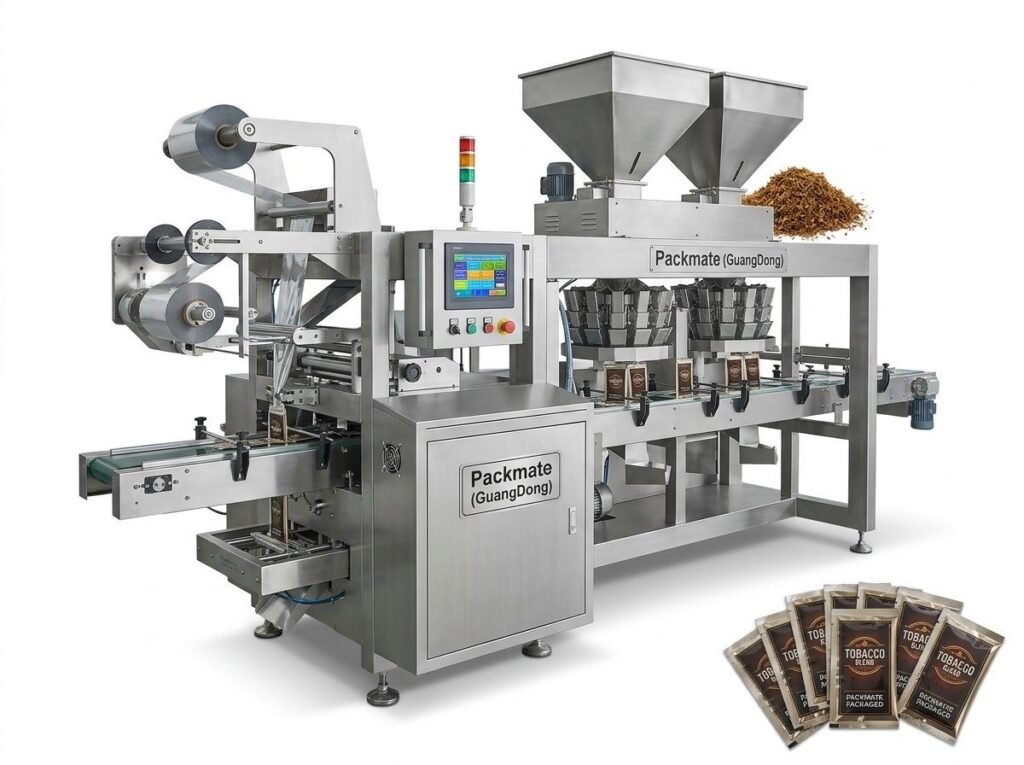
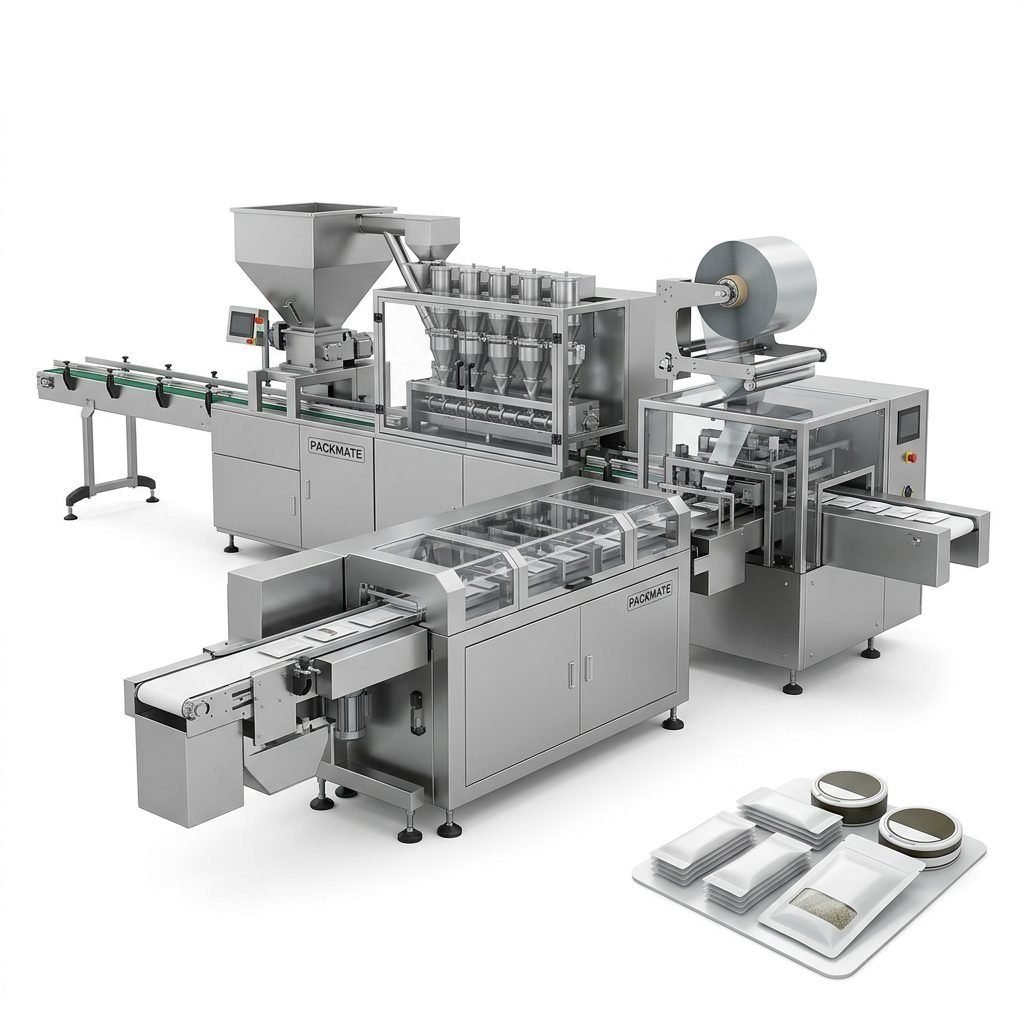
Investing in a Snus packing machine is a strategic step for manufacturers and entrepreneurs in the nicotine pouch and snus market. This guide walks through realistic price expectations, the main cost drivers, and the hidden expenses to consider when budgeting for a snus packing line. Whether you want a compact sachet machine for small-scale production or a high-speed multi-lane turnkey line, understanding the pricing landscape helps you make informed purchasing and financing decisions.
What Types of Snus Packing Machines Affect Price?
Machine type is the first and most obvious factor. Each style serves different product formats and production goals:
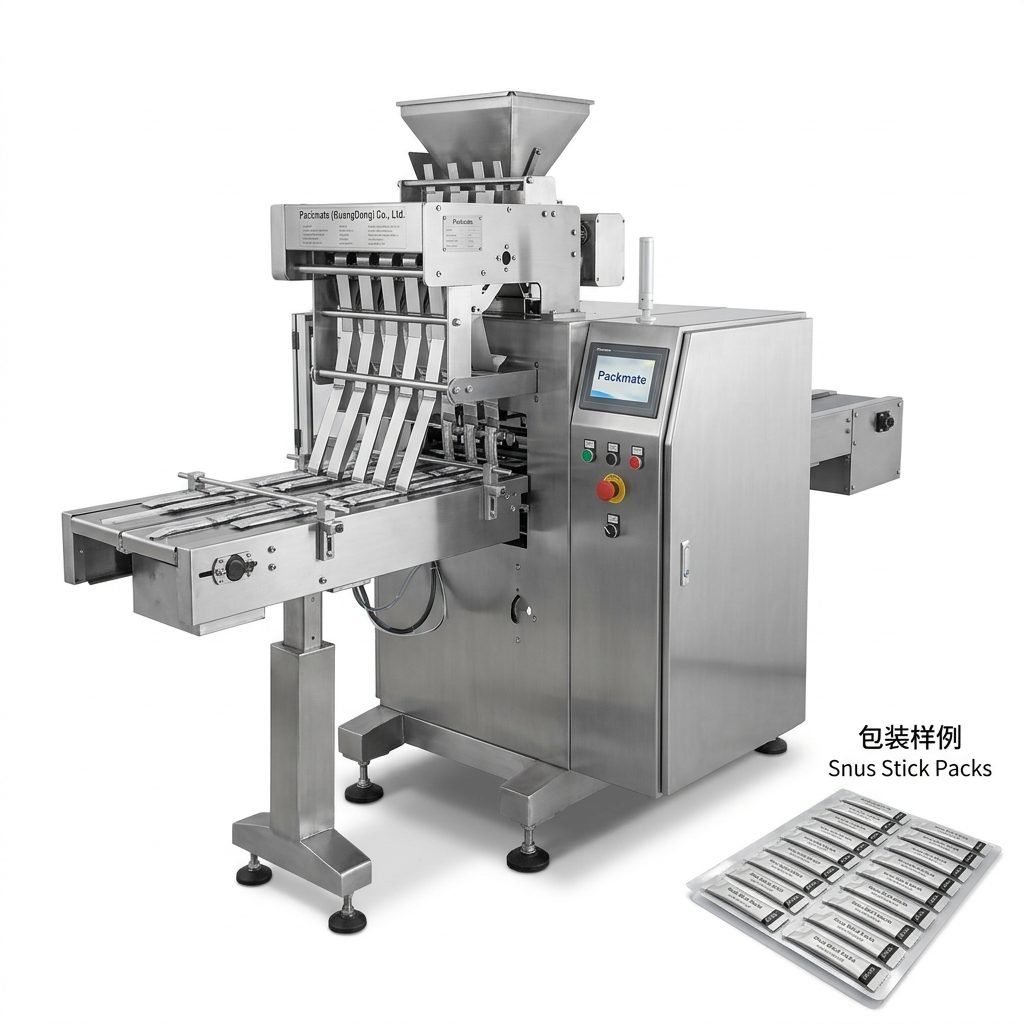
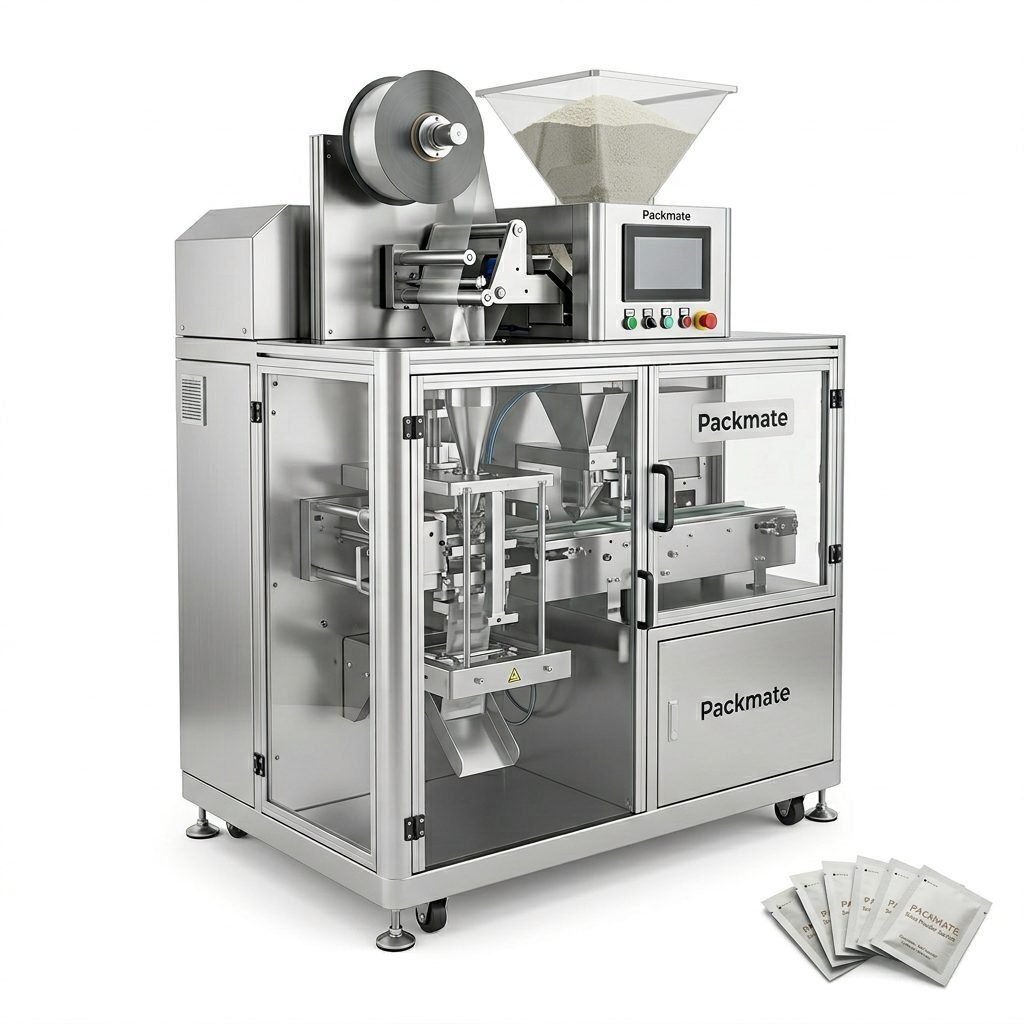
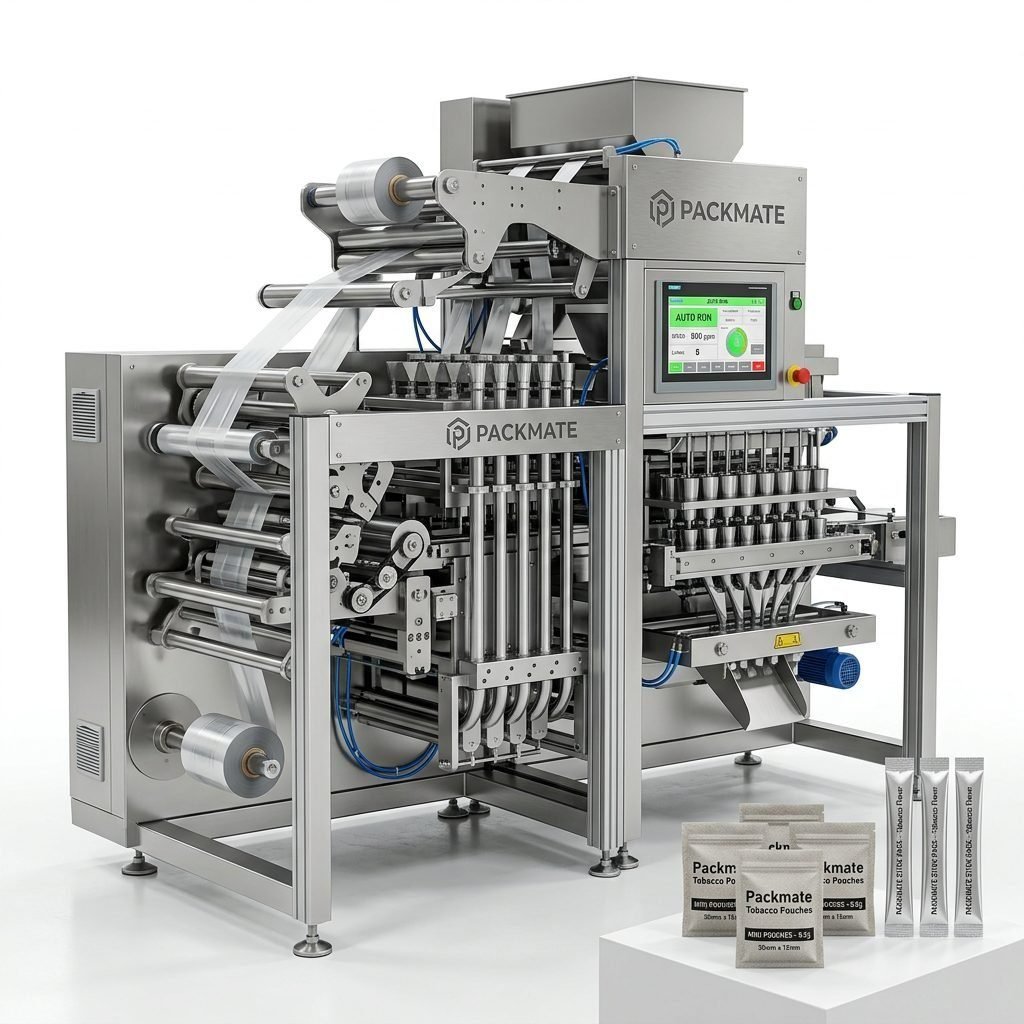
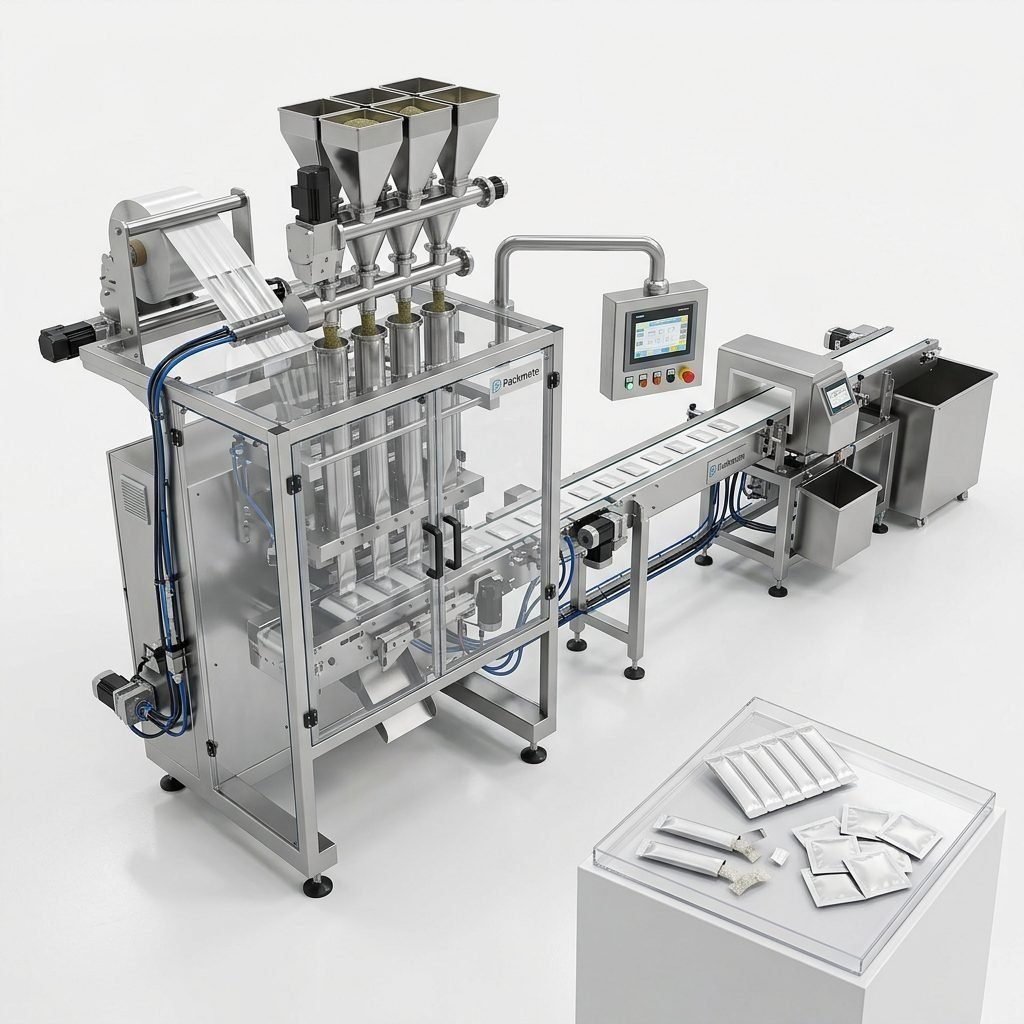
Stick pack and sachet machines are common for single-dose pouches. They vary from semi-automatic benchtop units to fully automatic sachet systems with integrated feeding and sealing.
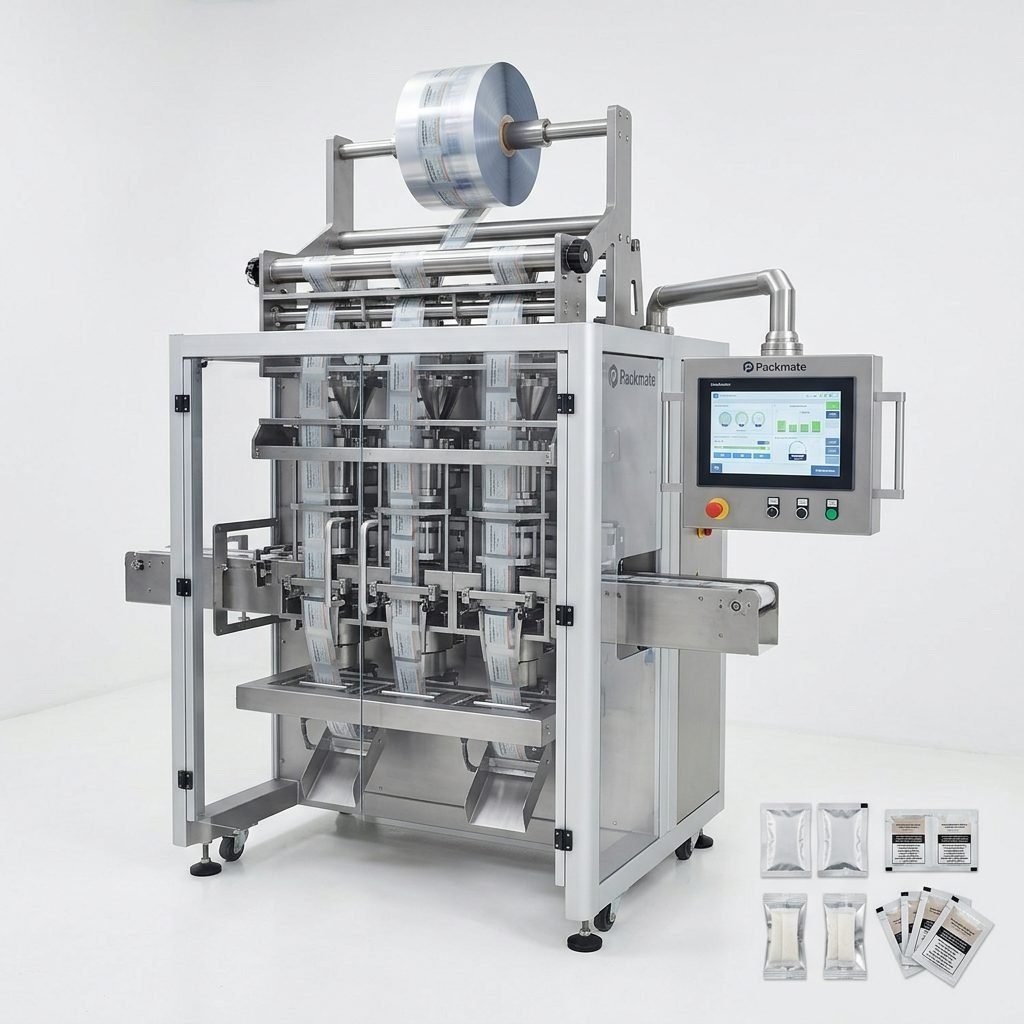
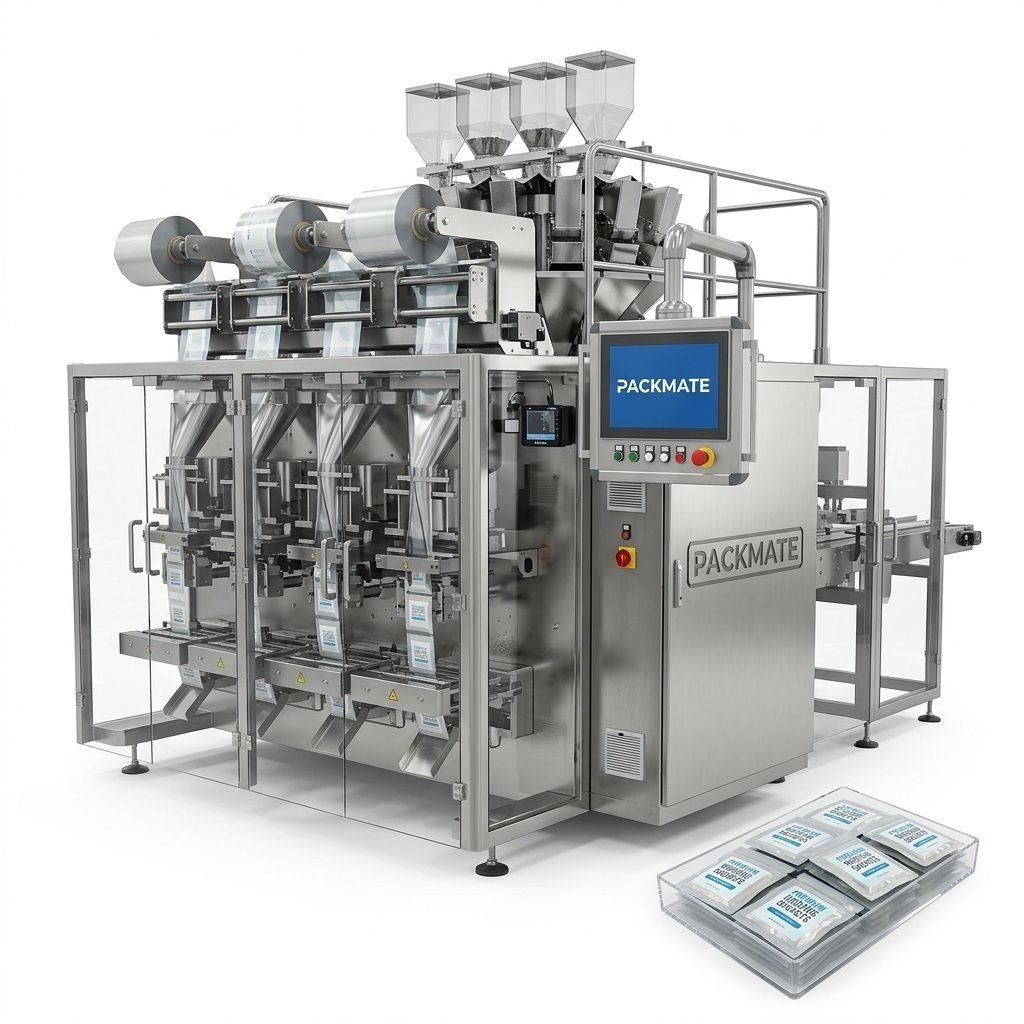
Multi-lane systems dramatically increase output by packaging multiple lanes at once and are significantly more expensive than single-lane machines.
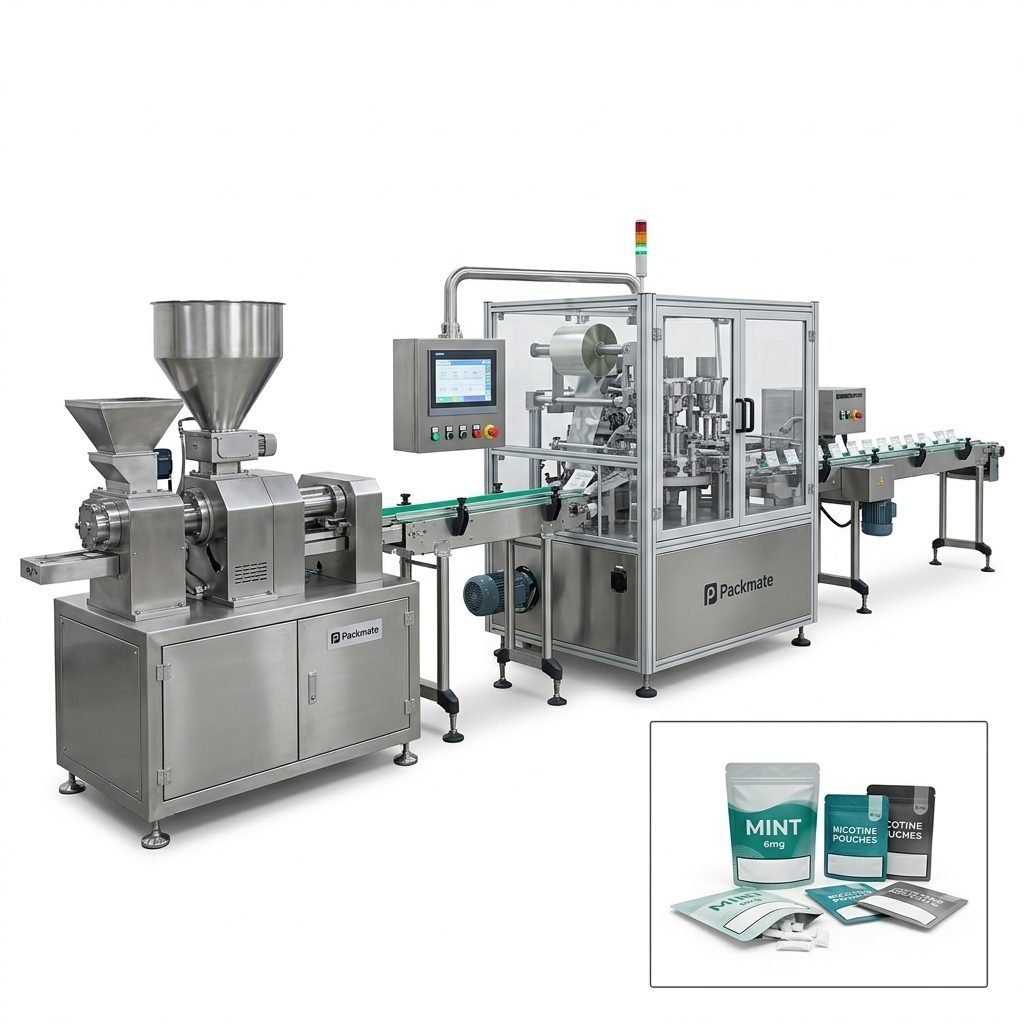
Auxiliary and peripheral equipment like dosing/weighing systems, conveyors, metal detectors, and cartoning machines add to the total project cost when building a production line.
Typical Price Bands
Use these approximate ranges as a starting point. Actual quotes will depend on specification details and optional features.
• Entry-level / benchtop sachet machines: $15,000 – $40,000 — suitable for R&D, pilot runs, or small craft producers. These units may be semi-automatic and have limited PLC control.
• Mid-range automatic sachet/stick pack machines: $40,000 – $120,000 — full automatic operation, stable feeding, better PLC/HMI, and moderate speed for commercial production.
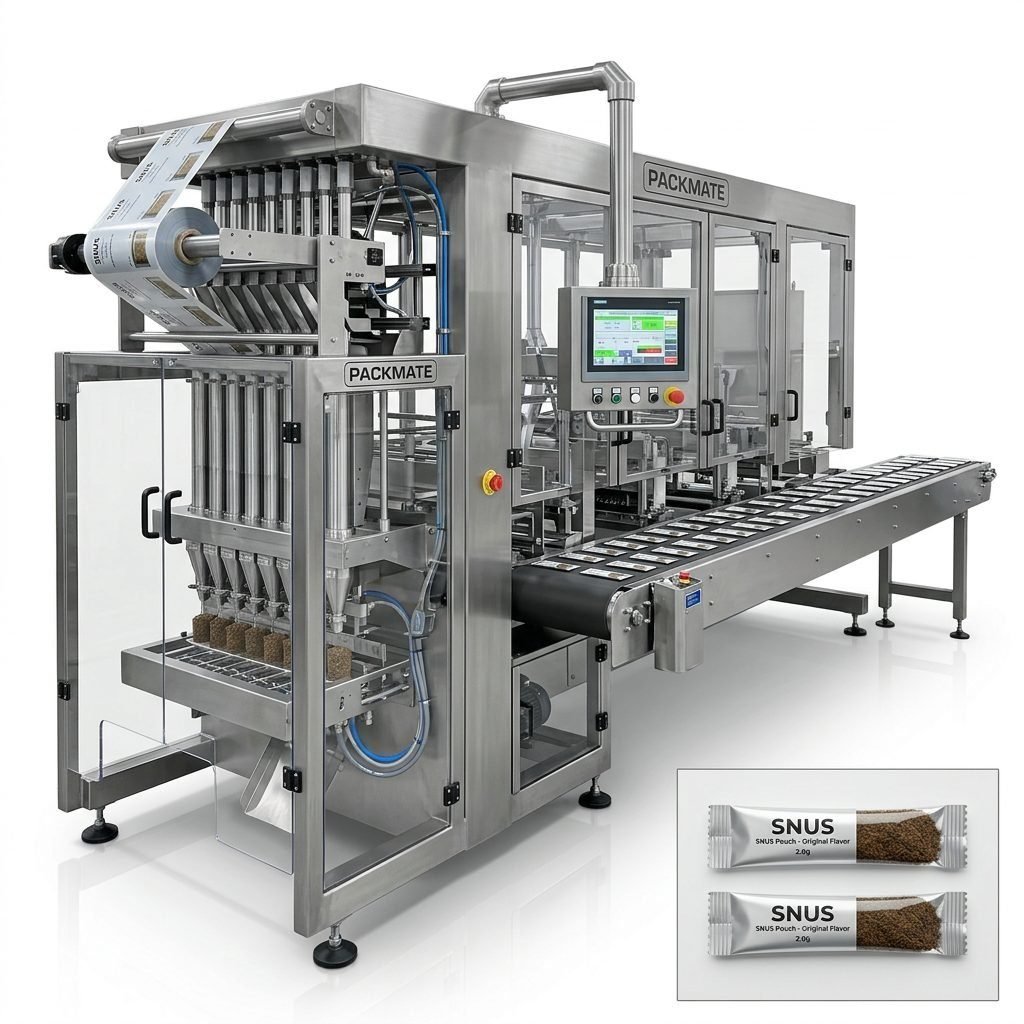
• High-end multi-lane snus packing machines: $120,000 – $400,000+ — engineered for high throughput, multi-lane synchronization, advanced servo systems, and industry-grade components.
• Complete turnkey lines: $300,000 – $1,000,000+ — includes dosing/weighing, filling, multi-lane packer, conveyors, inspection, and packaging end-of-line equipment. Custom engineering and factory acceptance testing (FAT) increase cost.
Key Cost Drivers — What Raises or Lowers the Price?
Understanding the variables that drive price helps you tailor a solution and negotiate better terms.
- Production speed (packs per minute): the faster the machine, the higher the cost.
- Number of lanes: multi-lane systems require precision synchronization and more complex mechanics.
- Automation level: PLC controls, servo drives, and automated changeover systems add to the price.
- Material handling and dosing technology: high-precision weighers and volumetric fillers are more expensive but reduce product giveaway.
- Compliance & certifications: CE, ISO, and custom food/pharma-grade finishes increase build quality and cost.
- Customization and tooling: bespoke forming sets or unique pouch formats require additional engineering time and tooling fees.
Example: Why a Multi-Lane Machine Costs More
A 4-lane high-speed snus machine must coordinate four independent product streams, requiring high-precision cams or multiple servos, stronger frame construction, and more complex film handling. These mechanical and electronic upgrades increase material cost, assembly time, and calibration, which is reflected in the price.
Hidden and Ongoing Costs to Budget
The purchase price is only part of the equation. Account for installation, training, spare parts, and ongoing maintenance:
• Installation & commissioning: on-site setup, utility connections, and FAT/SAT testing — typically 5-15% of equipment cost.
• Spare parts & wear components: seals, cutters, belts, forming jaws — maintain an inventory; annual cost varies by use intensity.
• Operator training: essential for uptime and quality; often included for a limited period but advanced training may cost extra.
• Shipping, import duties & insurance: international freight and customs can add significantly to the landed cost.
• Downtime and product changeovers: budget for productivity losses during initial setup and adjustments.
How to Get the Best Price Without Sacrificing Quality
Smart procurement balances cost, performance, and long-term reliability. Consider these tactics:
- Request detailed quotes that list options separately so you can compare baseline machines.
- Ask for references and case studies from the manufacturer to verify uptime and service responsiveness.
- Verify certifications and material finishes if you operate in regulated markets.
- Negotiate spare parts packages and local support to reduce total cost of ownership.
- Plan for scalability: choosing modular systems that accept future upgrades can be cost-effective long-term.
Why Choose a Manufacturer with Proven Experience
Companies with decades of engineering experience, robust CNC capabilities, and structured QA processes deliver machines with predictable performance and easier serviceability. A manufacturer who offers turnkey lines and clear global case histories reduces risk for new production setups.
Packmate Snus Machine — What They Offer
Packmate Snus Machine is a specialist in snus and nicotine pouch packing solutions, with more than 30 years of packaging engineering experience and a 20,000㎡ manufacturing facility. They provide a broad portfolio from stand-alone pouch machines to fully integrated lines and global after-sales support.
Explore relevant product categories and technical offerings:
• Snus & Nicotine Packaging Machines — product details
• Bag & Pouch Packaging Machines — product details
• Sachet & Stick Pack Machines — product details
Real-World Quote Components — Example Breakdown
Here’s a hypothetical breakdown for a mid-range 2-lane automatic snus packing machine order:
• Machine base price: $85,000
• Integrated dosing/weigher: $25,000
• CIP/food-grade finish and documentation: $8,000
• Spare parts kit & tooling: $4,000
• Shipping & installation (international): $10,000 – $20,000
• Total landed estimate: $132,000 – $142,000
Financing and ROI Considerations
For many buyers, financing helps spread the capital expense while realizing production gains. Calculate ROI by estimating:
- Incremental output per shift (packs/hour x working hours)
- Material cost savings from reduced giveaway and higher yield
- Labor savings from automation
- Reduced downtime through better-designed systems
How to Request Accurate Quotes
To receive comparable and accurate quotations, prepare a clear request for quotation (RFQ) with the following information:
- Target product format, pouch type, and dimensions
- Target production speed and projected shifts per day
- Primary materials and film specifications
- Required certifications or hygiene standards
- Site utility specifications and space constraints
Manufacturers often provide tailored proposals once these parameters are clear. For real case references and machine demos, check Packmate’s case studies and exhibition presence:
• Case studies — see examples
• Exhibitions & demos — upcoming events
Warranty, Service & Support
Warranty periods and service contracts should be clearly defined in the purchase agreement. Prioritize vendors who offer:
- Fast spare part delivery
- Remote diagnostics and software support
- On-site commissioning and training
- Extended maintenance plans
Quick Checklist Before Purchase
✅ Have you specified output rate and format clearly?
✅ Are materials and film specs included in the RFQ?
✅ Does the quote include installation, FAT, and training?
✅ Are spare parts and a service contract available?
Conclusion
Machine cost varies widely depending on the configuration, speed, and level of automation. Expect entry-level machines at the lower tens of thousands, mid-range automatics in the tens to low hundreds of thousands, and high-end multi-lane turnkey solutions reaching into the high hundreds of thousands or more. To get the best outcome, request detailed RFQs, compare options, and evaluate total cost of ownership rather than purchase price alone.
Further Resources
For detailed product families and technical catalogs, visit:
• Weighing & Packaging Systems — equipment list
• Filling & Packaging Lines — solutions
• For company background and certifications — About Packmate
Common Questions
Q1: How much should I budget for a basic automatic snus pouch machine?
A1: Expect roughly $40,000 to $120,000 depending on speed, lane count, and dosing precision.
Q2: What additional costs should I plan beyond the machine price?
A2: Include installation, shipping, customs, spare parts, training, and potential facility upgrades — usually an extra 10-20% minimum.
Q3: Are turnkey lines worth the investment?
A3: For established producers aiming for high throughput and quality consistency, turnkey systems reduce integration risk and can save time and cost over piecemealed solutions.
Q4: How do I evaluate a supplier’s reliability?
A4: Check production history, factory capabilities, certifications (CE/ISO), customer case studies, and the availability of local or remote service.
Q5: Where can I find real machine examples and specifications?
A5: Visit the manufacturer’s product pages and case studies for machine models, specifications, and customer installations.