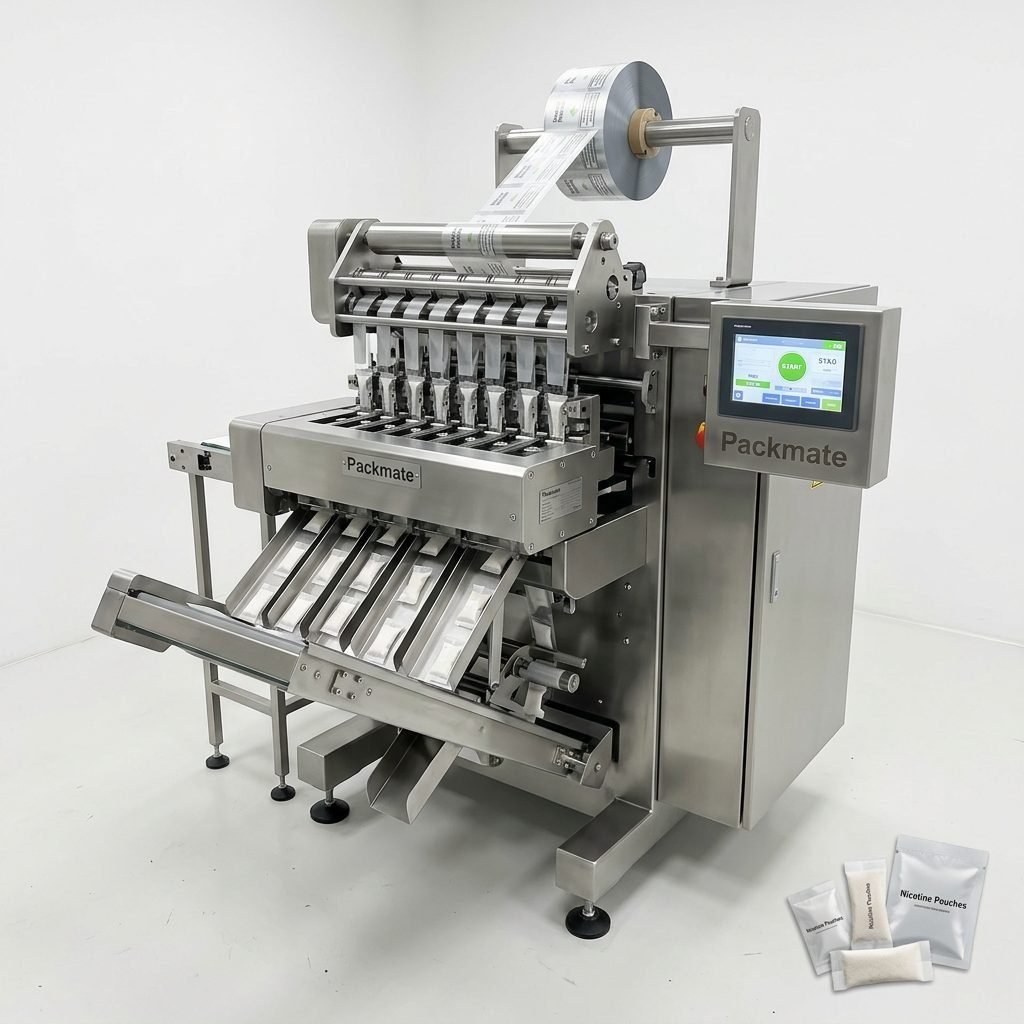
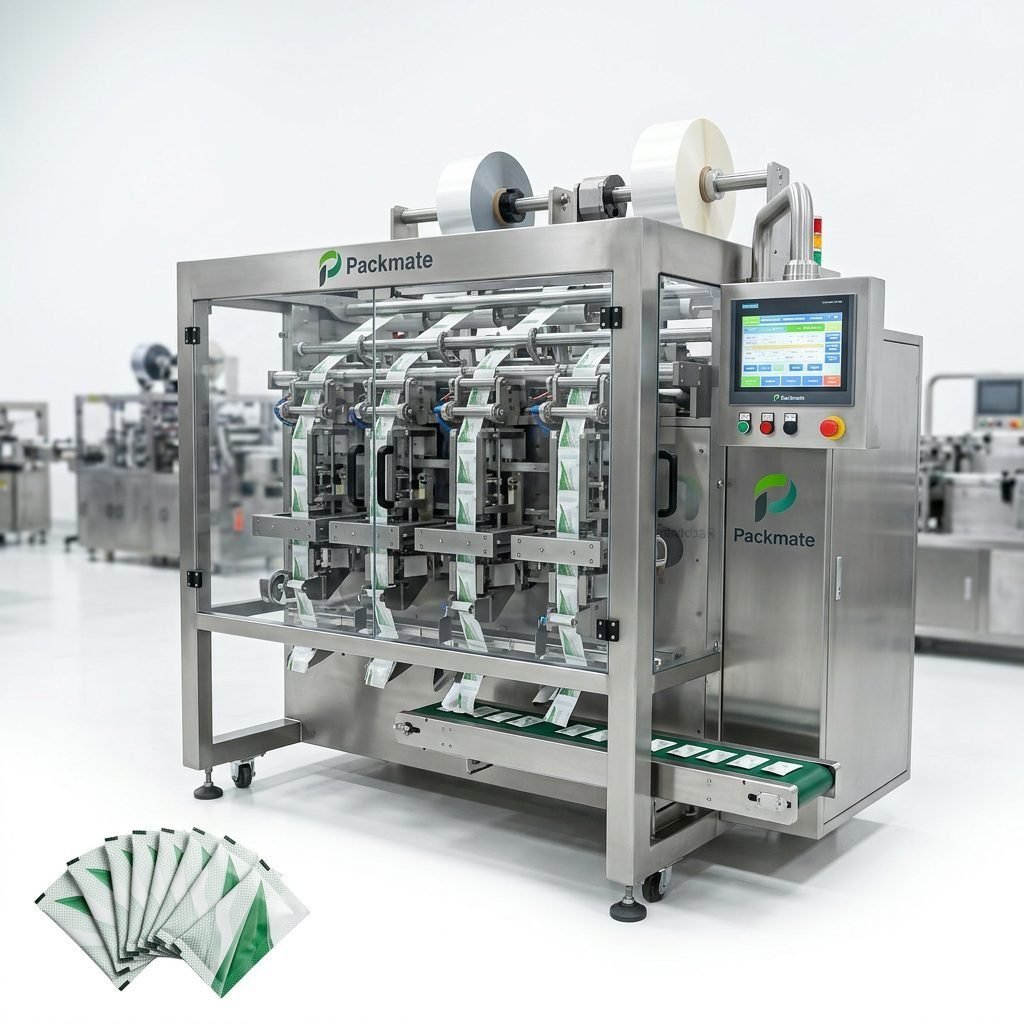
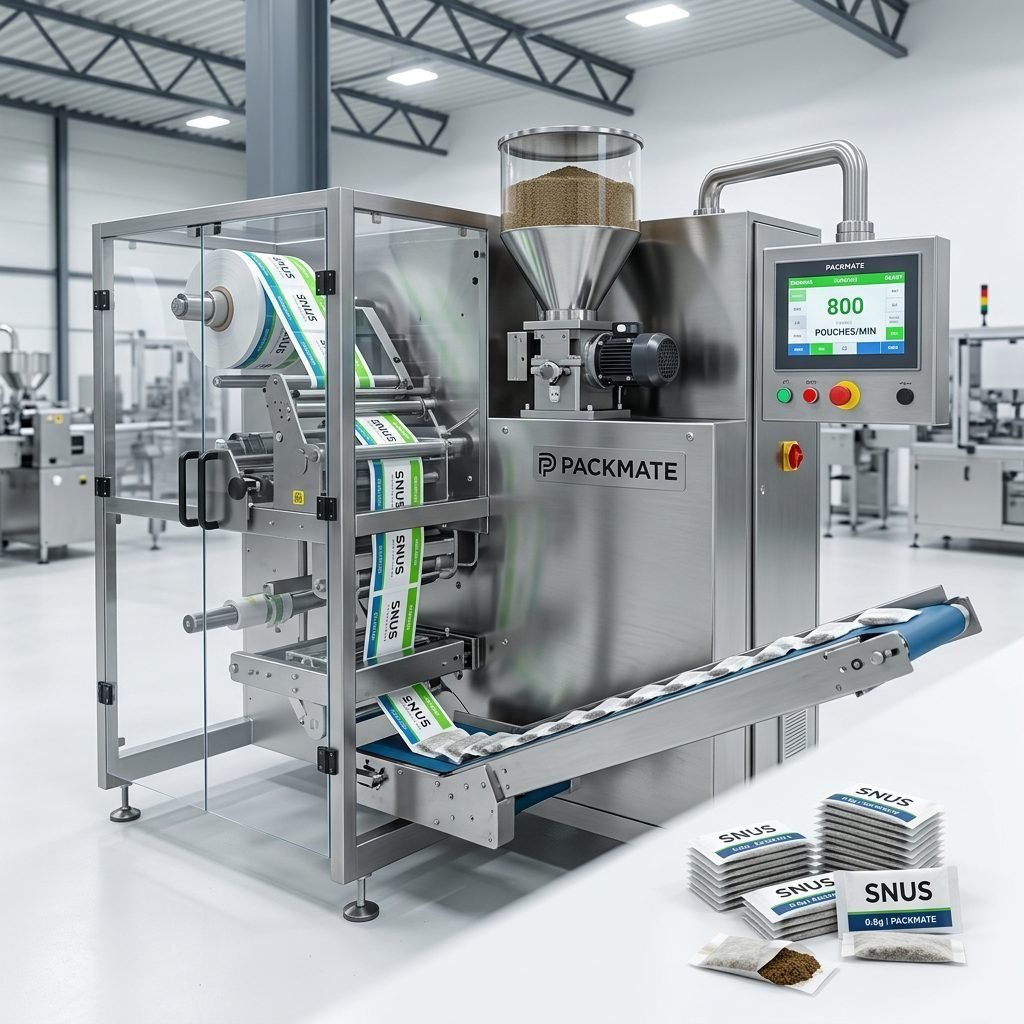
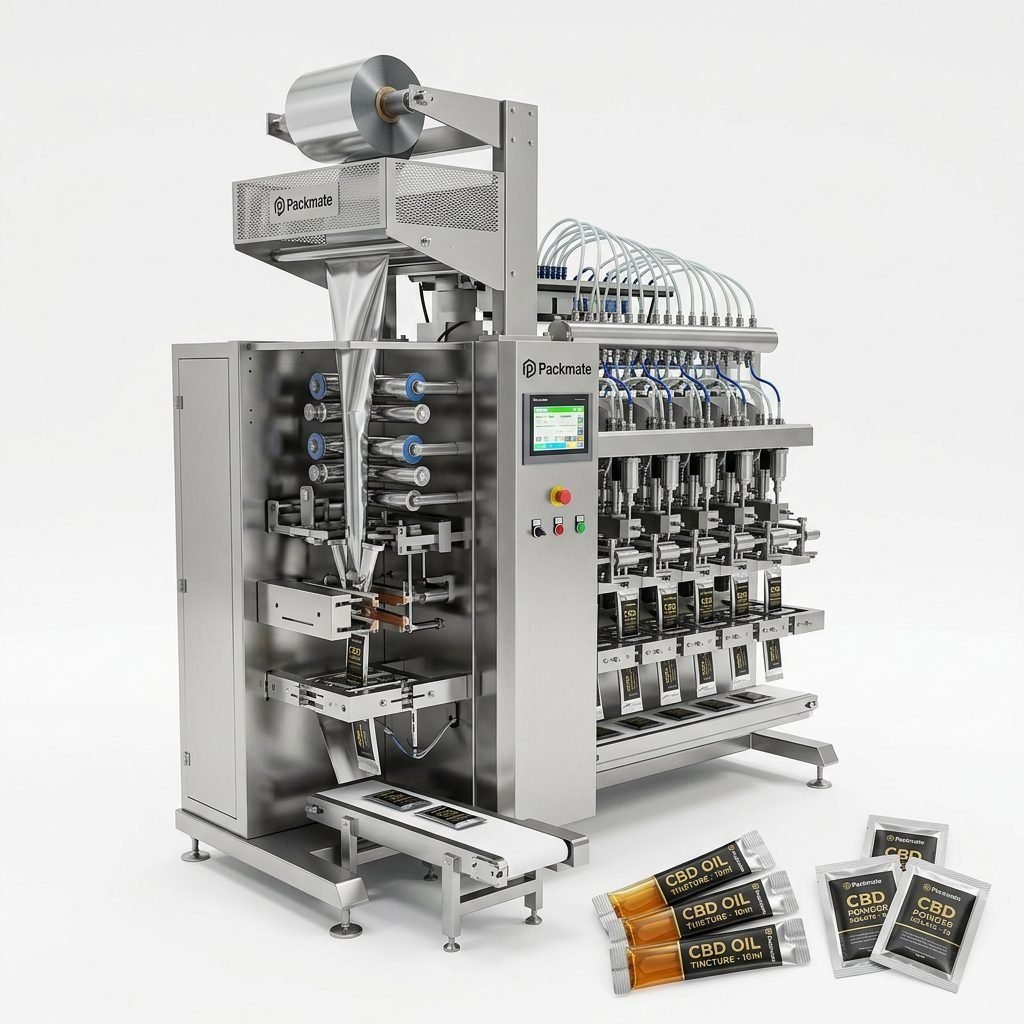
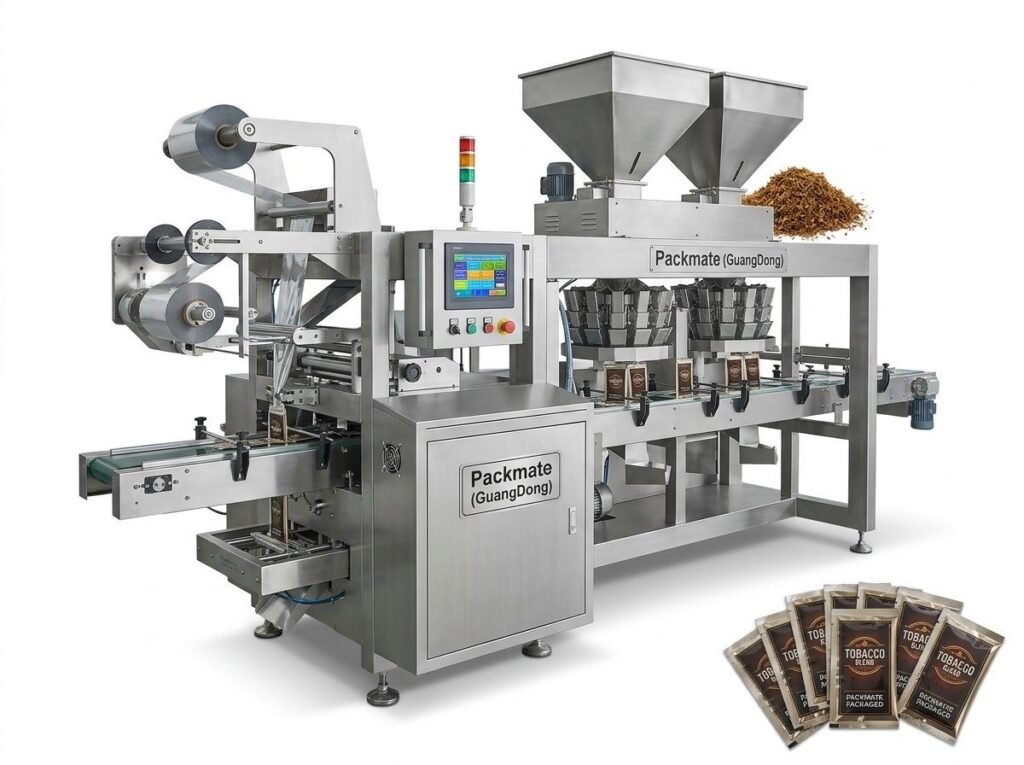
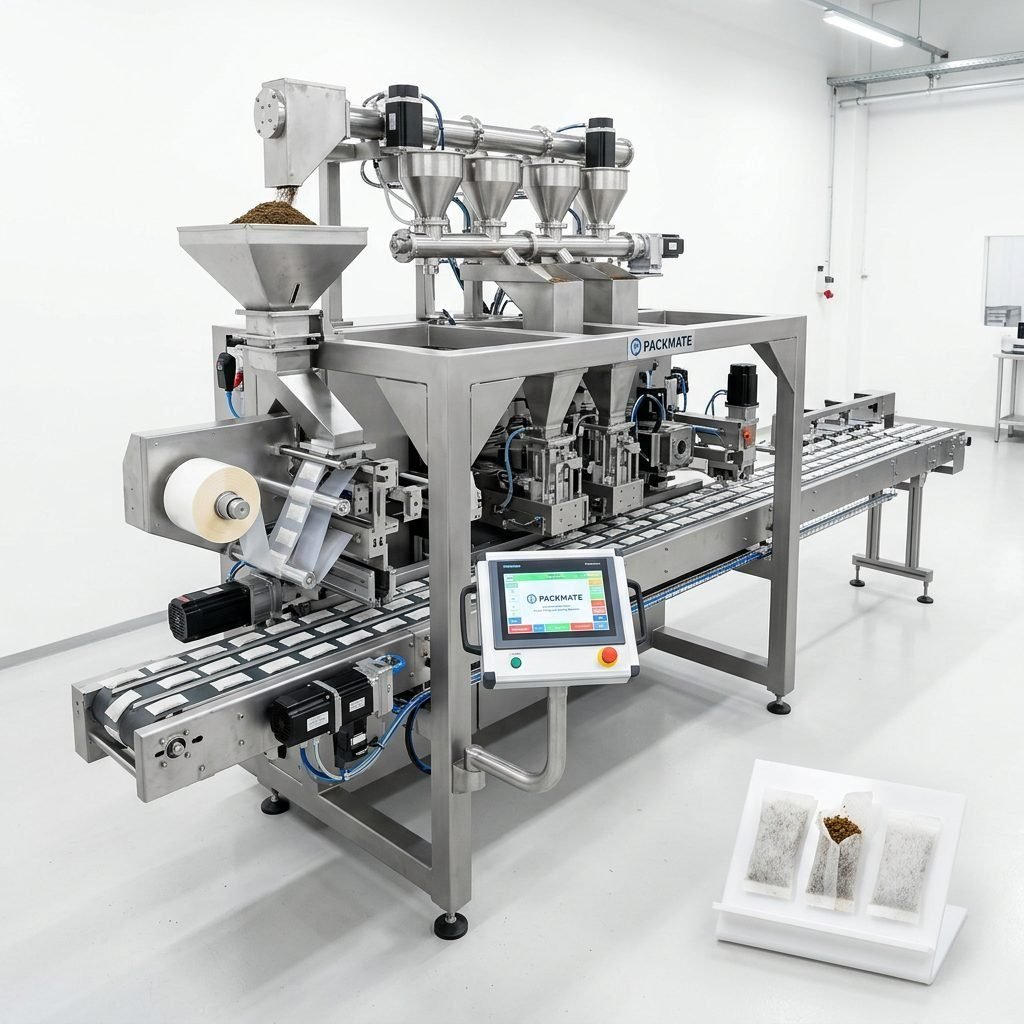
Entering the nicotine pouch and snus market in Slovenia requires careful selection of a packaging machinery manufacturer that can meet stringent European regulations, deliver reliable performance, and support your growth. This guide walks you through practical, commercial, and technical criteria to identify the best partner for your business — from initial evaluation and on-site testing to long-term service and ROI considerations.
🔍 Understand Your Product and Production Needs
Before contacting suppliers, define your product specifications: pouch type (snus, nicotine pouches, stick packs, sachets), dosing accuracy (mg per pouch), production capacity (pouches per minute and shifts per day), packaging materials (foil, paper, compostable films), and desired lane configuration (single or multi-lane). These parameters determine the type of machinery you need and influence floor layout, utility demands, and future scalability.
Key technical parameters to document
• Desired output (units/hour)
• Acceptable weight tolerance per pouch (± mg)
• Types of fill (powder, granule, liquid, blend)
• Film specs (thickness, sealant layers)
• Integration needs (weighing systems, metal detection, labeling)
✅ Evaluate Manufacturer Experience and Track Record
Choose a manufacturer with proven experience in snus and nicotine pouch packaging. Look for companies that specialize in multi-lane systems and small-dose production, and that demonstrate long-term engagement in this sector. A manufacturer with a broad portfolio and real case studies shows they understand production nuances, regulatory demands, and the need for repeatable accuracy.
Red flag: manufacturers without real case references or who avoid on-site factory visits. Always ask for references and independent customer feedback.
What to ask for from suppliers
• Production references from Europe or similar regulatory environments
• Case studies and performance data (OEE, uptime, yield)
• Availability of factory acceptance tests (FAT) and site acceptance tests (SAT)
⚙️ Inspect Manufacturing and Quality Control Capabilities
A manufacturer’s facility, machining centers, assembly lines, and quality control systems determine machine durability and precision. Look for companies with advanced CNC equipment, rigorous testing, and a documented quality process. Certifications such as CE and ISO are important for compliance and indicate adherence to international standards.
Suggested verification steps
• Request a virtual or on-site factory tour
• Ask about inspection protocols, tolerance reports, and test records
• Confirm certification copies (CE, ISO) and material traceability
📦 Assess Product Range and Customization Options
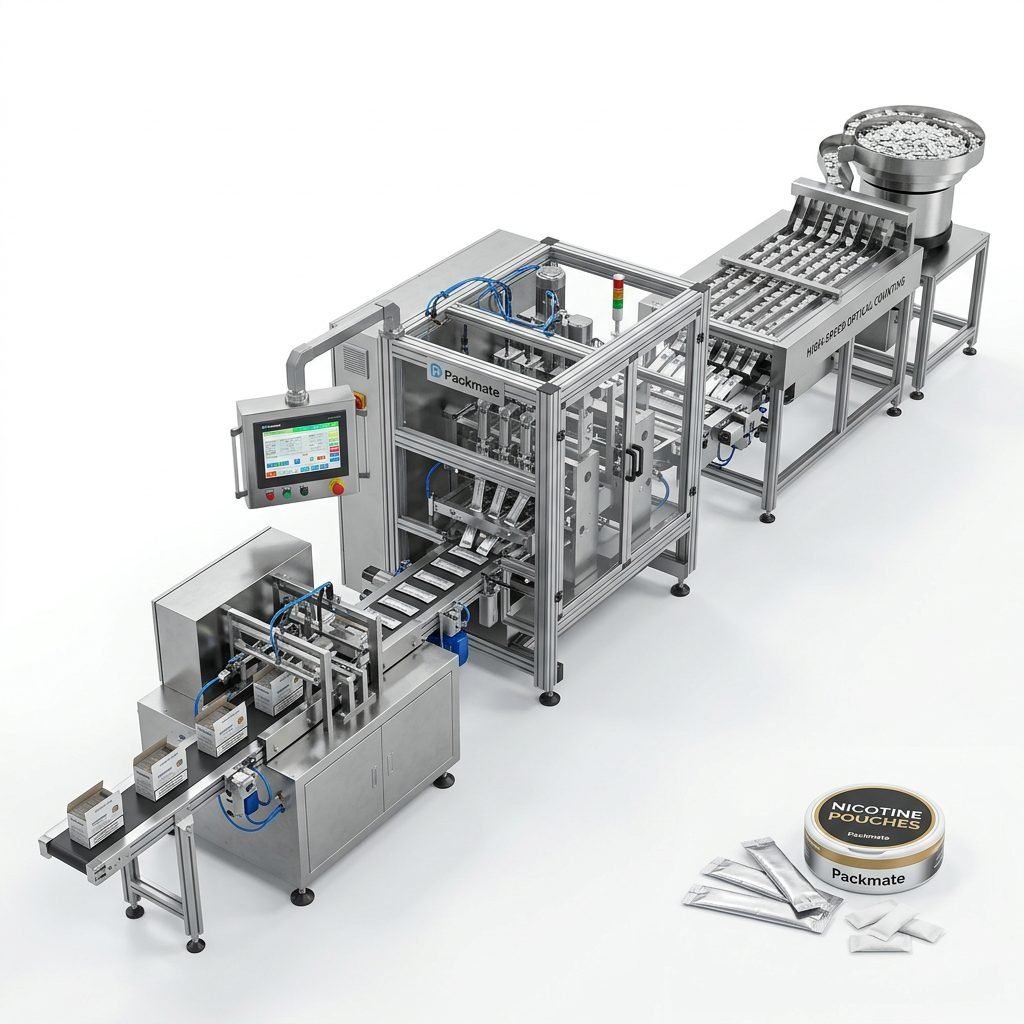
A supplier with a wide model range and customization experience can tailor lines to your exact needs. Whether you need a stand-alone snus pouch machine or a full turnkey line including weighing, filling, sealing, and cartoning, flexibility matters. Multi-lane systems and modular designs help accommodate future production increases without full line replacement.
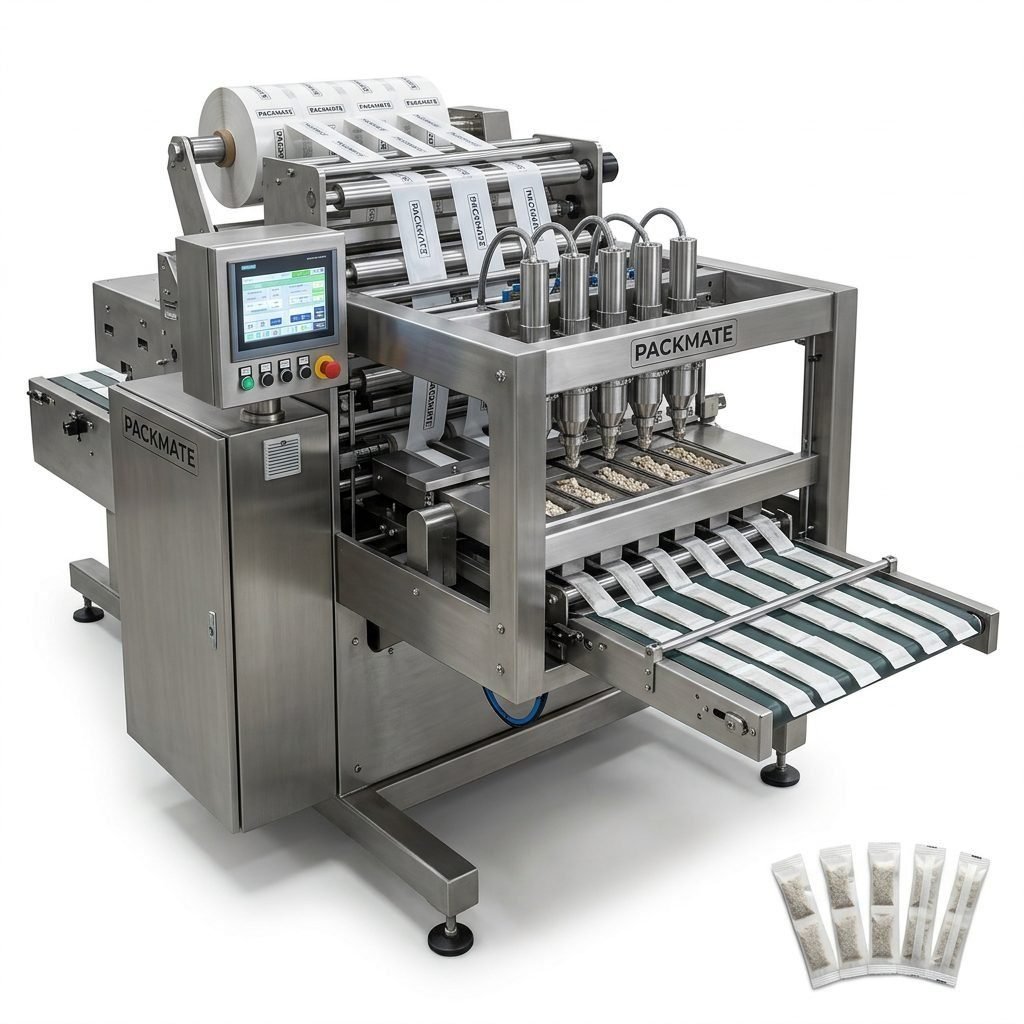
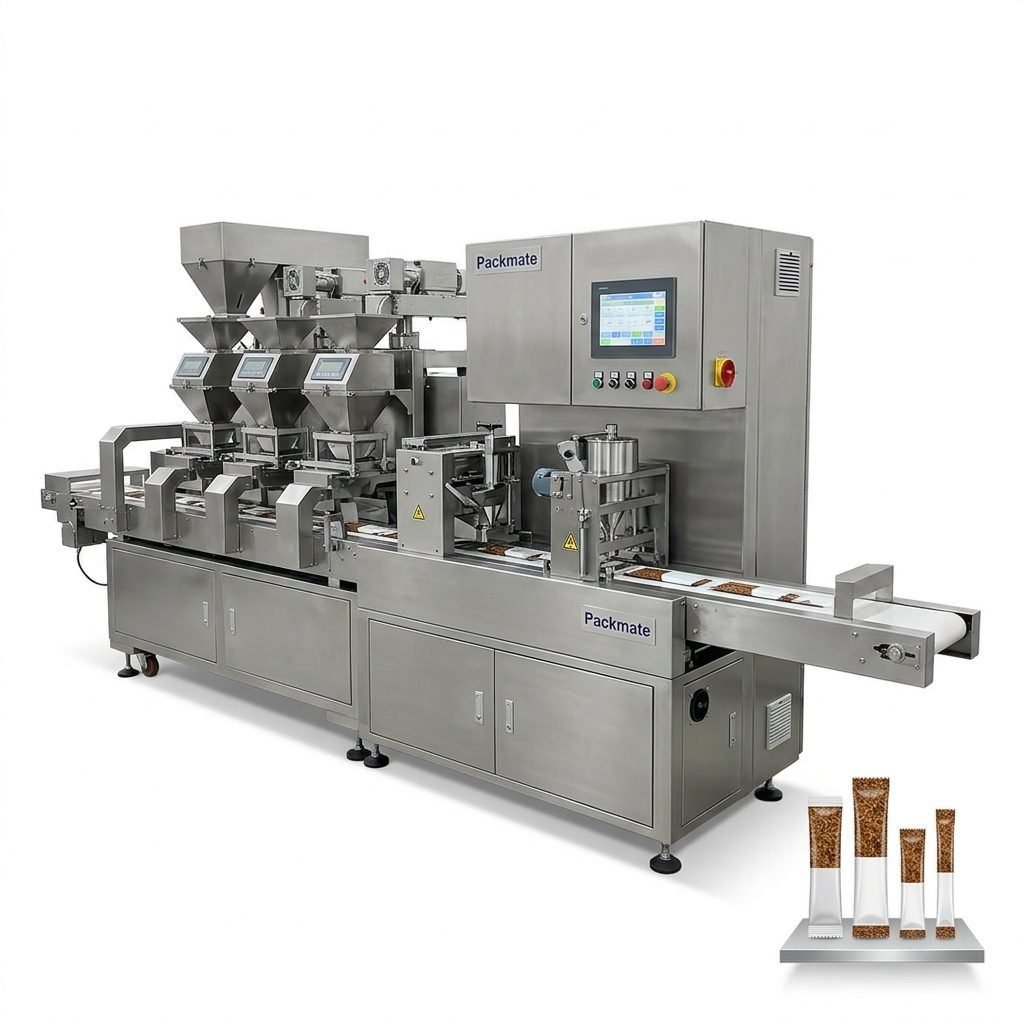
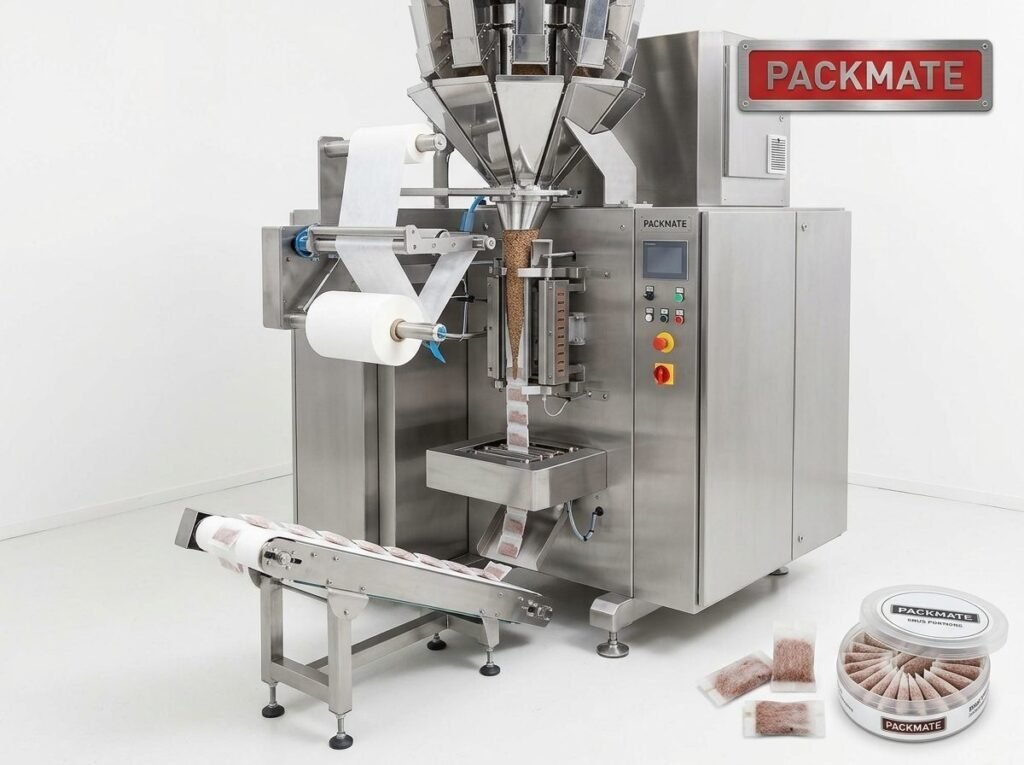
Explore detailed product offerings like Snus & Nicotine Packaging Machines and Bag & Pouch Packaging Machines, and verify that the supplier supports specific formats with proven tooling and recipes.
💡 Validate Technical Support, Spare Parts, and After-Sales Service
After-sales support is critical. Strong service includes prompt spare parts availability, remote troubleshooting, training programs for operators and maintenance staff, and clear warranty terms. Look for manufacturers who offer long-term spare parts kits and have local or regional partners to shorten downtime.
Tip: choose a supplier offering scheduled service packages and remote diagnostics to reduce mean time to repair (MTTR).
Questions about service you should ask
• Typical lead time for critical spare parts
• Availability of local service engineers or certified partners
• Remote support capabilities (VPN, PLC remote access) and training options
🌍 Consider Regulatory Compliance and Documentation
Nicotine products are tightly regulated in the EU. Ensure the machinery conforms to safety standards and hygiene requirements, and that the manufacturer provides full documentation: electrical and pneumatic schematics, CE declarations, materials compatibility, cleaning protocols, and validation support. Documentation eases conformity assessments and audits by Slovenian authorities.
📊 Evaluate Total Cost of Ownership (TCO) and ROI
Purchase price is only part of the story. Consider energy consumption, consumables (sealing jaws, belts, nozzles), maintenance frequency, labor requirements, and expected uptime. A higher initial investment in a more robust, efficient line may yield lower TCO via reduced rejects, energy savings, and higher throughput.
Prepare a simple TCO model comparing scenarios (basic machine vs. premium automated line) to estimate payback period and sensitivity to production growth.
🛠️ Factory Acceptance Testing (FAT) and Installation
A reputable manufacturer will offer FAT at their facility, demonstrating machine performance using your materials and pouch formats. FAT should include runs at target speed, weight checks, sealing integrity tests, and data logging. After delivery, ensure the supplier provides certified installation, commissioning, and operator training.
Essential FAT checklist: material qualification, speed and yield verification, safety interlocks, and PLC/HMI configurations.
🚚 Logistics, Lead Times, and Local Support in Slovenia
Discuss delivery schedules, customs handling, and installation logistics. If the manufacturer is based outside the EU, ensure they provide full shipping support and clear Incoterms. Presence of local agents or a European service hub shortens response times and simplifies spare parts delivery.
🔧 Training and Documentation for Continuous Operation
Operator and maintenance training is often undervalued. Request structured training packages, manuals in English (and local language if possible), and video tutorials. Documentation should cover troubleshooting, spare parts lists, preventive maintenance schedules, and calibration procedures.
📈 Scalability and Future-Proofing
Your initial production needs may grow. Prioritize modular machinery that can be upgraded (additional lanes, in-line checkweighers, vision systems). Discuss upgrade pathways and retrofittable options so production capacity can expand with demand without replacing core machines.
🔗 Real-World Validation and References
Review customer references and case studies to validate supplier claims. If available, attend live demonstrations at exhibitions or the supplier’s factory. Case studies reveal common issues and how suppliers resolved them — invaluable for risk assessment.
You can review production examples and company history on About Packmate, and see machine categories such as Snus & Nicotine Packaging Machines and Filling & Packaging Lines to better understand fit-for-purpose equipment.
🧾 Contract Terms, Warranties, and Acceptance Criteria
Carefully review contractual terms: warranty duration, acceptance criteria for delivery, payment milestones tied to FAT/SAT, penalties for missed lead times, and intellectual property for custom tooling. Define clear KPIs for performance, and ensure dispute resolution and spare parts guarantees are included.
📞 Final Selection: Putting It All Together
Rank shortlisted manufacturers by: technical fit, quality controls, service & spare parts, EU compliance, TCO, and references. Request formal quotations with detailed breakdowns (machine scope, electrical & pneumatic specs, training, FAT, spare parts) and compare apples-to-apples. When possible, negotiate a trial order or phased purchase to mitigate risk.
Pro tip: include a clause for an extended performance warranty or acceptance recheck after 3–6 months of production to ensure the line meets throughput and quality targets.
🔎 Example Checklist to Share with Suppliers
• Detailed product specs and target outputs
• Expected materials and supplier for films or pouches
• Required certifications and test documentation
• FAT and SAT criteria, including yield and weight tolerances
• Training scope and spare parts list
• Service response times and local support plan
Where to find more information and examples
For examples of machines and turnkey solutions, review the manufacturer’s product sections such as Snus & Nicotine Packaging Machines, or read real deployment stories on the Case page. When evaluating vendors, use the Contact Us page to request factory tours, FAT schedules, and detailed quotations.
📌 Summary: How to Choose the Best Manufacturer for Slovenia
Selecting the right nicotine packaging machinery partner requires a balanced assessment of technical capability, regulatory compliance, service readiness, and total cost of ownership. Prioritize suppliers with proven snus expertise, robust QC processes, clear FAT/SAT practices, and strong after-sales networks. Real-world case studies, transparent documentation, and willingness to perform factory acceptance testing are essential signals of a reliable partner.
Frequently Asked Questions
Q1: How long does it typically take from order to commissioning for a snus packaging line in Slovenia?
A1: Lead times vary, but a typical timeline is 12–24 weeks including design, manufacturing, FAT, shipping, installation, and commissioning. Complex turnkey lines or customizations may extend the schedule.
Q2: What certifications should I request for nicotine pouch packaging equipment?
A2: At minimum, request CE certification, ISO quality documentation, and any EU-specific safety and hygiene declarations. Suppliers should also provide material compatibility and cleaning validation support.
Q3: How can I reduce downtime and ensure fast spare parts delivery in Slovenia?
A3: Establish a spare parts agreement, request an initial spare parts kit, confirm regional distribution or partner locations in Europe, and verify remote diagnostic support for faster troubleshooting.
Q4: Is it better to buy a fully automated turnkey line or modular machines?
A4: It depends on scale and budget. Turnkey lines offer integrated control and faster ramp-up, while modular solutions provide flexibility and phased investment. Evaluate based on projected growth and available capital.
Q5: Where can I find examples of packaging lines and more technical information?
A5: Review product pages like Filling & Packaging Lines and the About Packmate page for company background and technical examples.