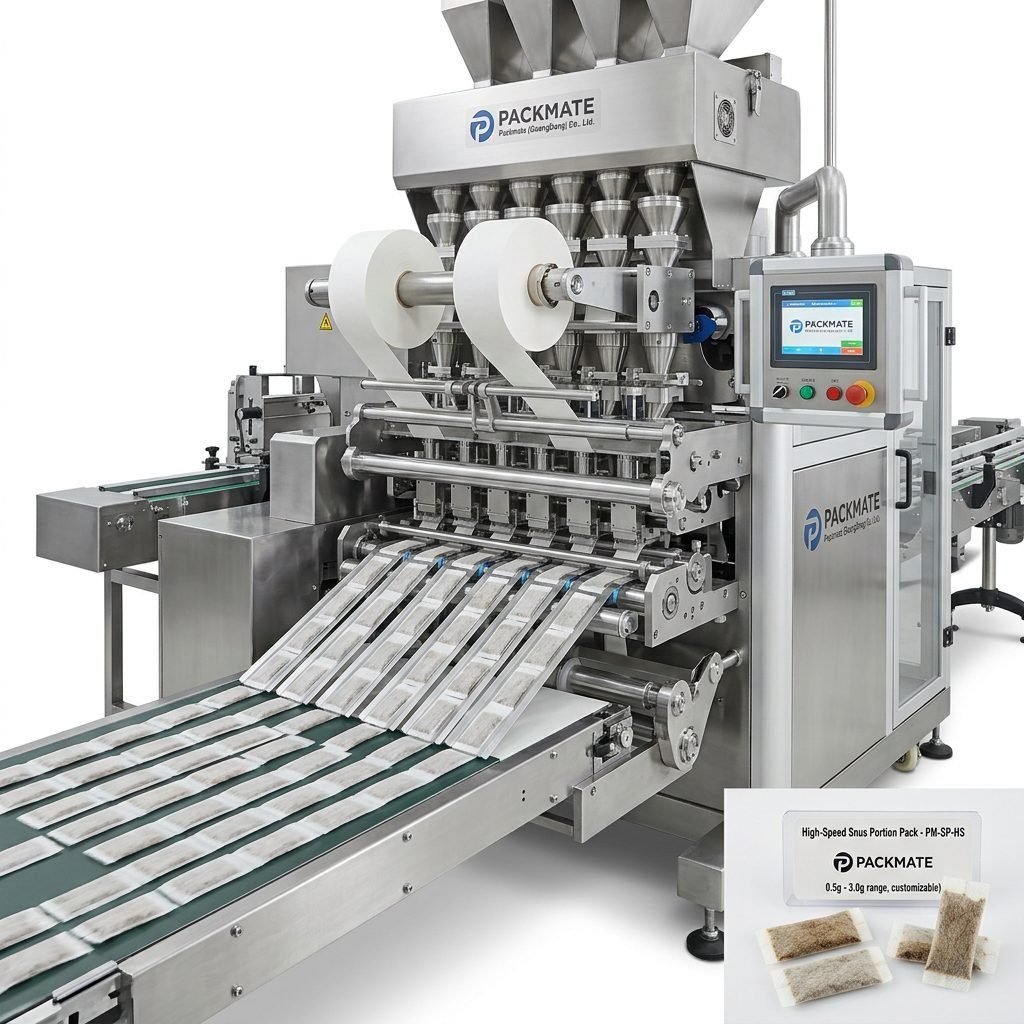
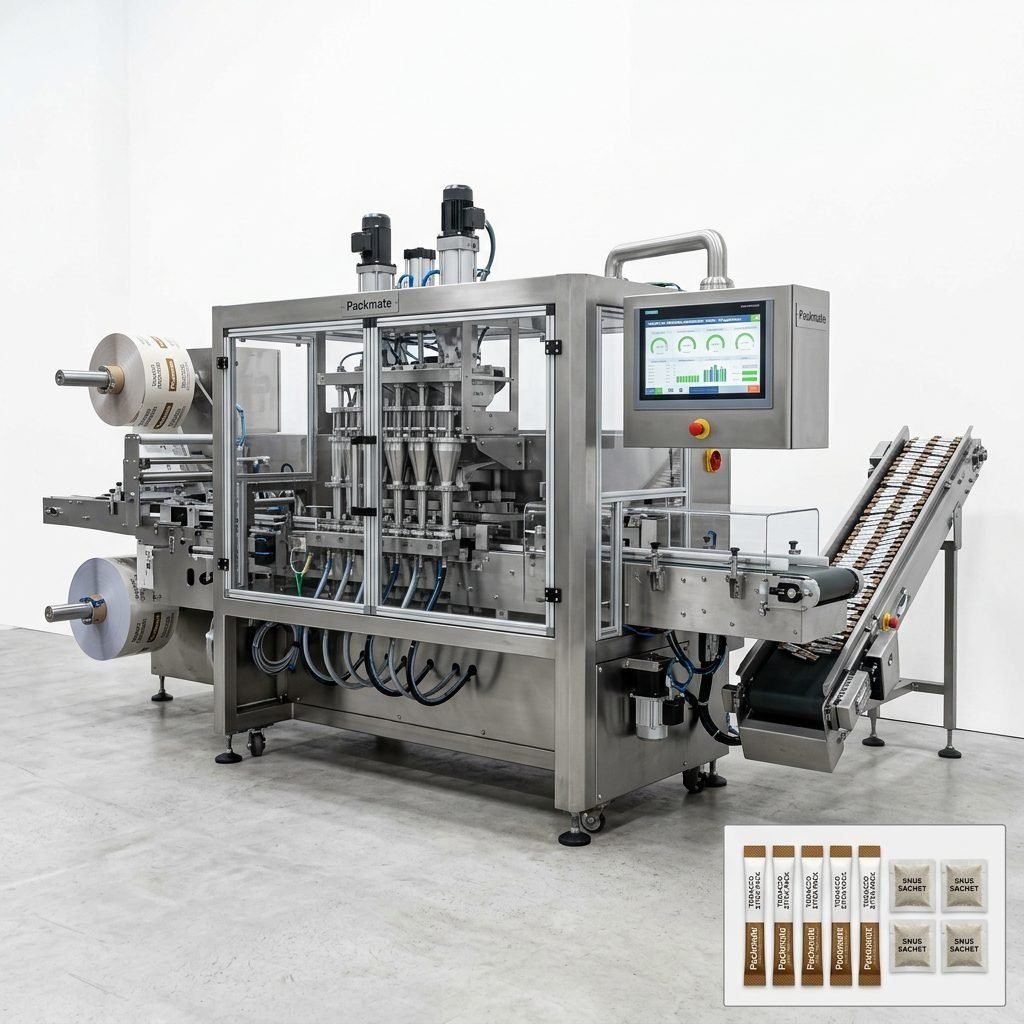
Selecting the right nicotine packaging machinery manufacturer in Panama requires more than price comparison — it demands a clear understanding of local market traits, regulatory expectations, environmental challenges and the supplier’s technical capability. This guide helps packaging managers, procurement teams and entrepreneurs in Panama evaluate manufacturers and choose a solution that delivers long-term value, operational stability and regulatory compliance.
Why the right manufacturer matters in Panama
Panama’s position as a logistics hub and its tropical climate create unique requirements for nicotine pouch and snus production lines. Machines must operate reliably in humid conditions, integrate with local utilities, and comply with both international and Panamanian regulatory frameworks. Choosing a capable manufacturer reduces downtime, speeds time-to-market and protects your brand reputation in a market where quality and traceability are critical.
Key Panamanian considerations
In Panama, business culture emphasizes direct relationships and trust. Spanish is the primary business language, shipments routinely transit the Colon Free Zone, and local humidity can affect formulation and packaging film behavior. Keep these points in mind when vetting suppliers:
● Local technical support and Spanish-speaking documentation are often decisive.
● Robust after-sales service and fast spare parts delivery cut costly downtime.
● Machines with humidity-tolerant control systems improve production consistency.
1. Verify certifications and regulatory compliance
Compliance is non-negotiable. Look for manufacturers whose equipment is built to recognized standards (CE, ISO) and who can support documentation for customs and regulatory inspections in Panama. A certified supplier provides traceable quality systems, safety guards and internationally accepted testing records.
Tip: Request copies of CE/ISO certificates and machine FAT (Factory Acceptance Test) reports before purchase.
2. Match machine type and capacity to your production plan
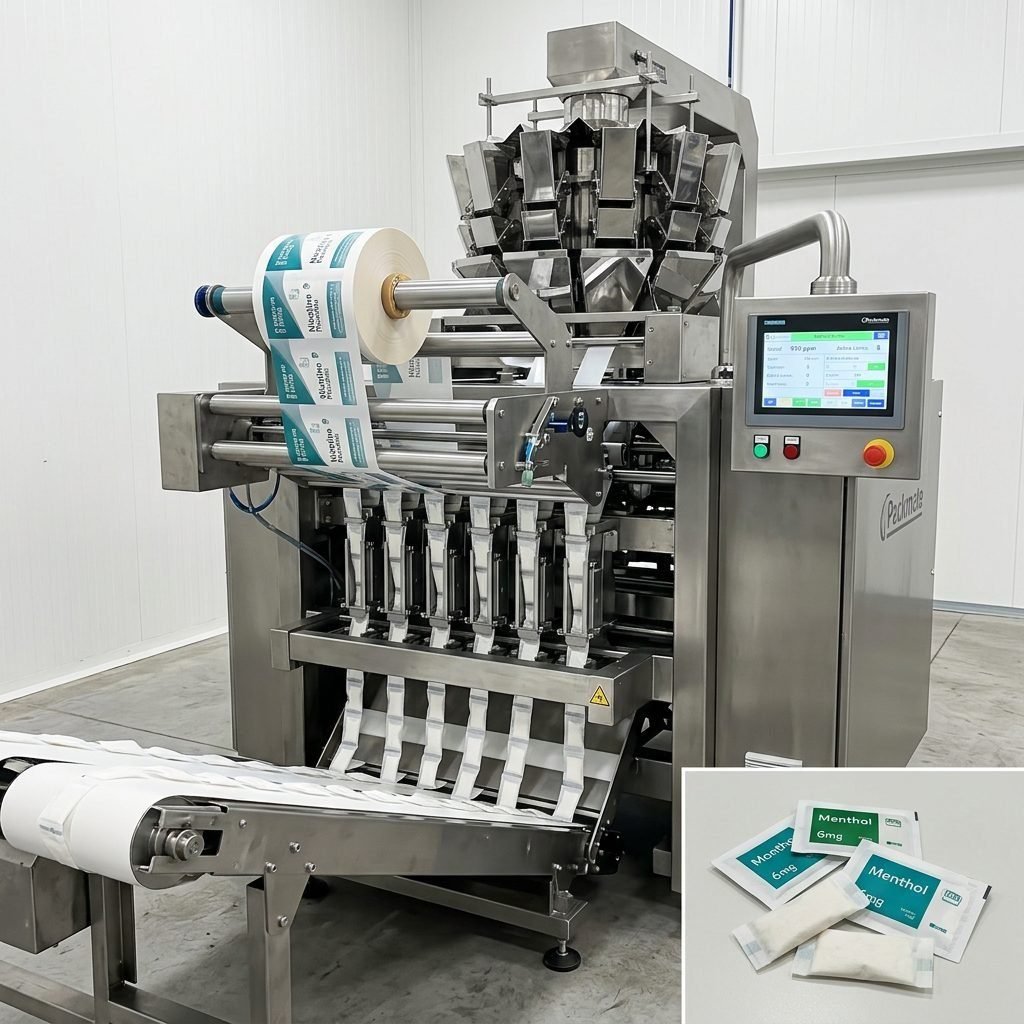
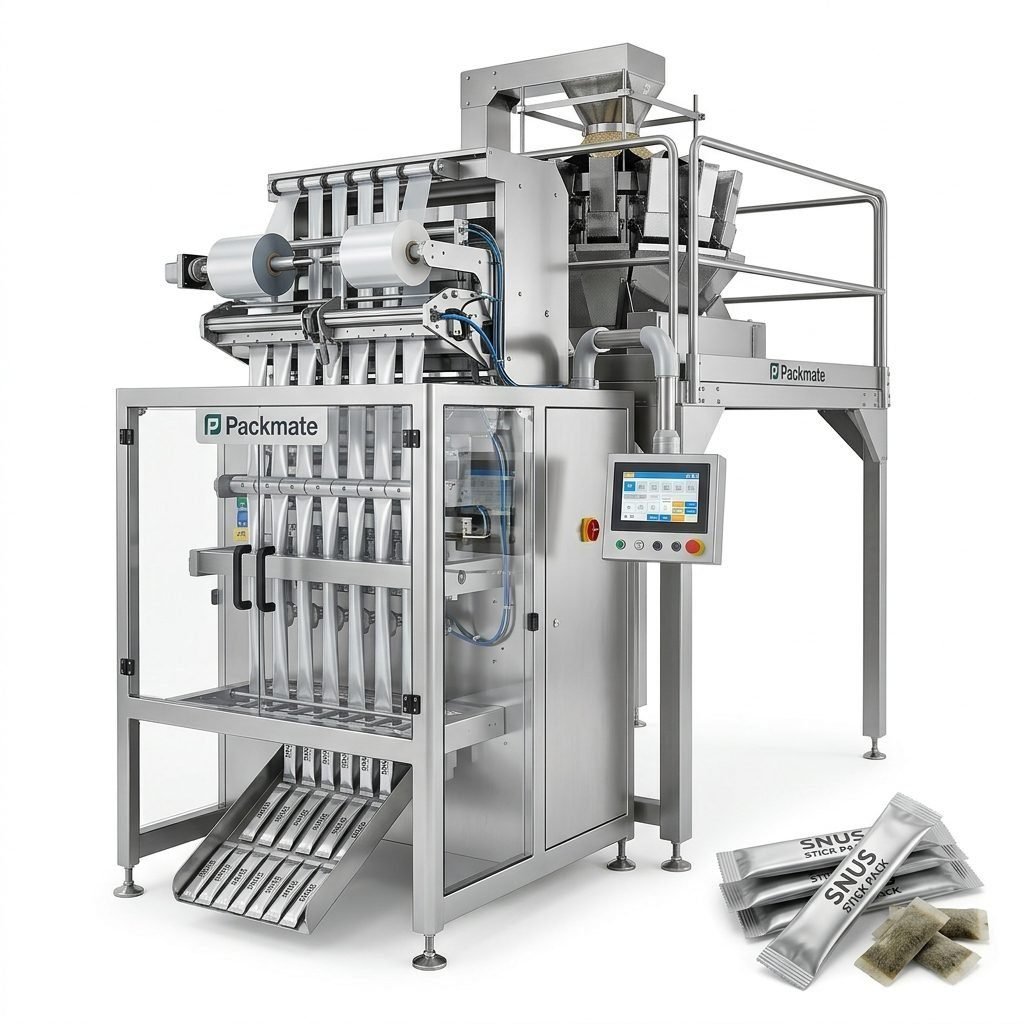
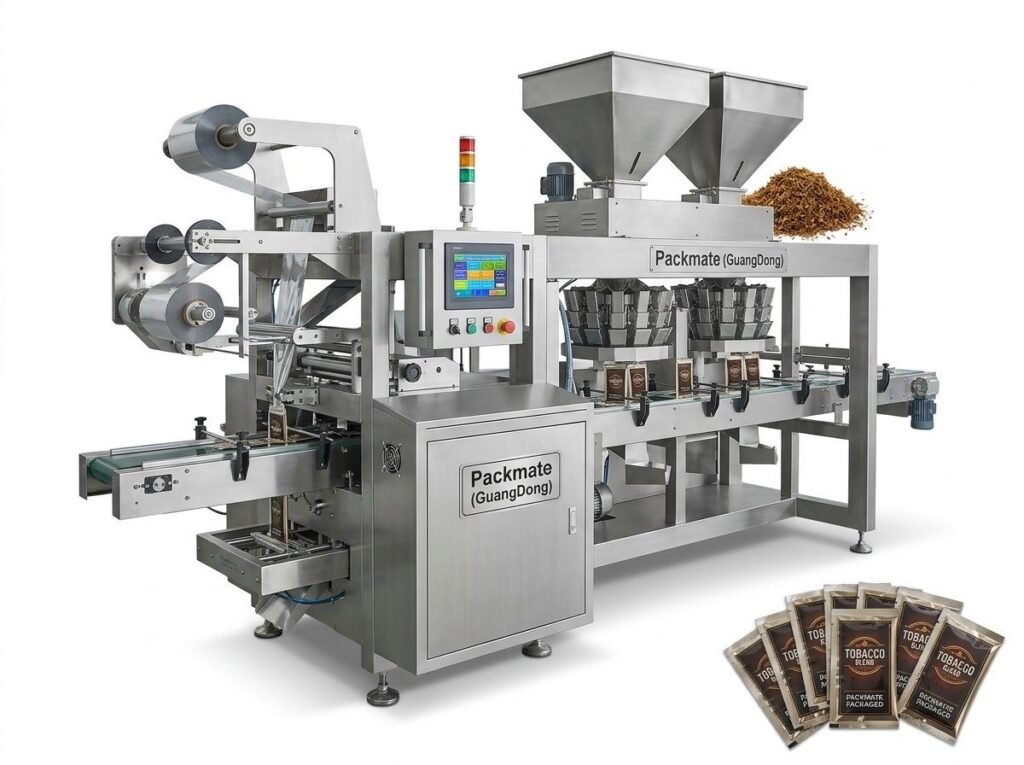
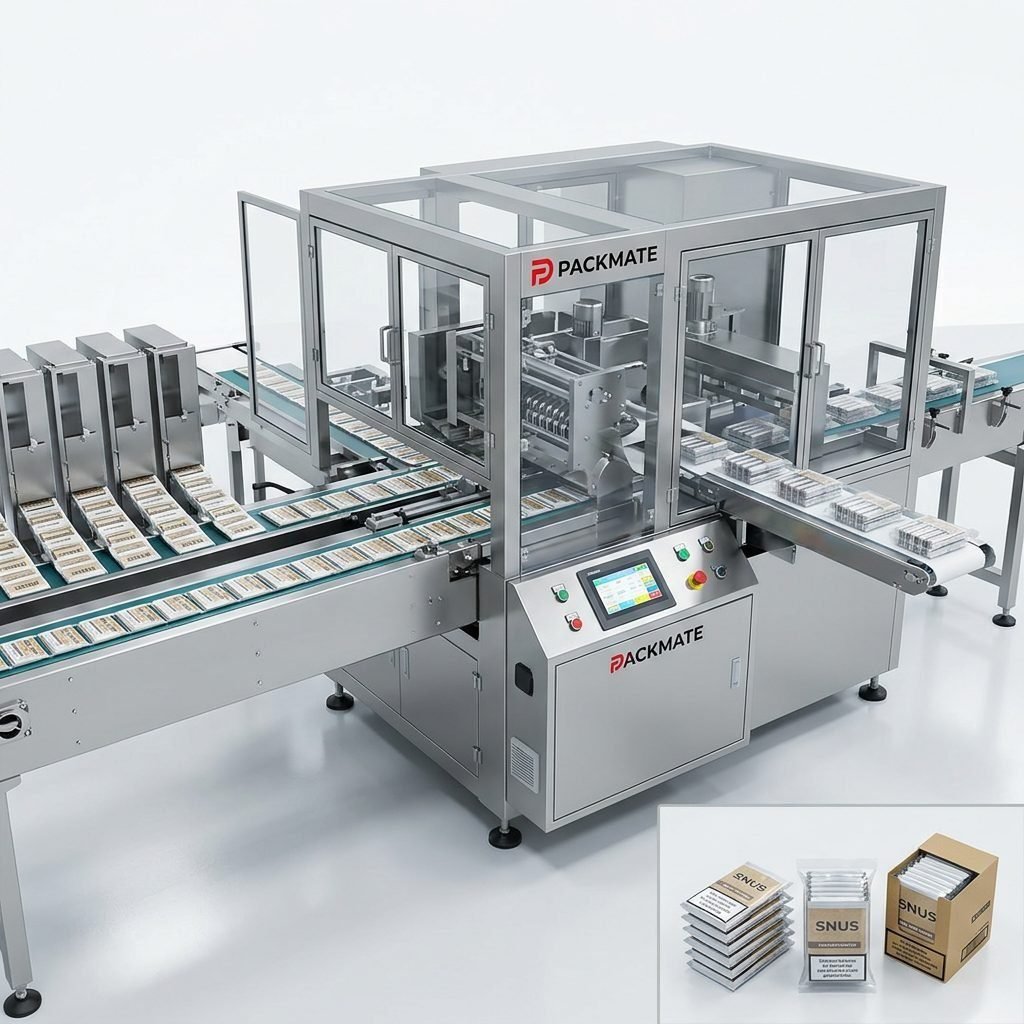
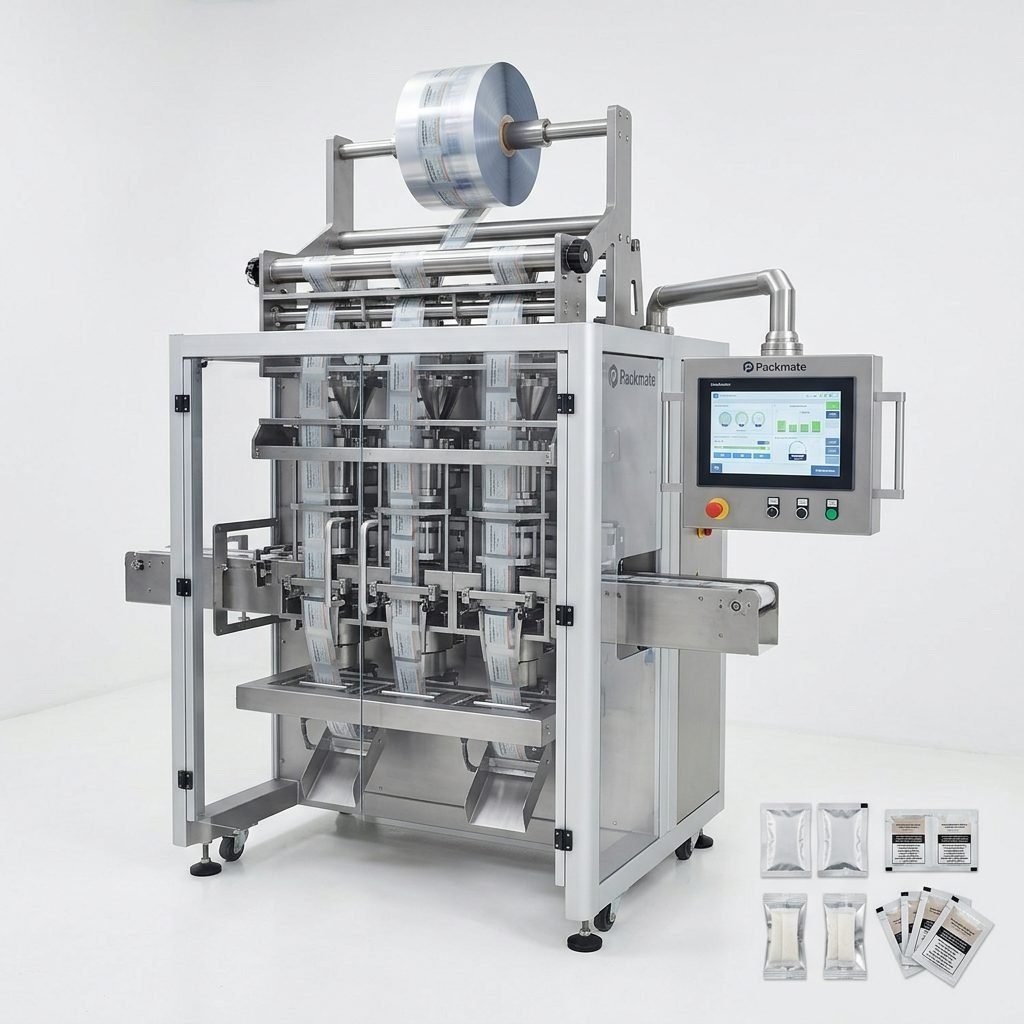
Nicotine and snus packaging technology varies: single-lane stick pack, multi-lane sachet systems, multi-lane nicotine pouch lines and complete filling-packaging integration. Define your output targets, product formats and planned SKUs:
Capacity planning — calculate daily/monthly production requirements including line efficiencies and downtime allowances.
Flexibility — choose machines that support quick format changes if you plan multiple pouch sizes or flavours.
Learn about common machine families and configurations on the manufacturer’s product pages, such as Snus & Nicotine Packaging Machines and Sachet & Stick Pack Machines.
3. Evaluate automation, integration and industry-specific features
Automation reduces labor costs and improves consistency. For nicotine pouch lines, consider:
● Multi-lane feeding systems for higher throughput.
● Accurate weight dosing and checkweighers to meet strict dose tolerances.
● Reliable sealing mechanisms that maintain seal integrity in humid environments.
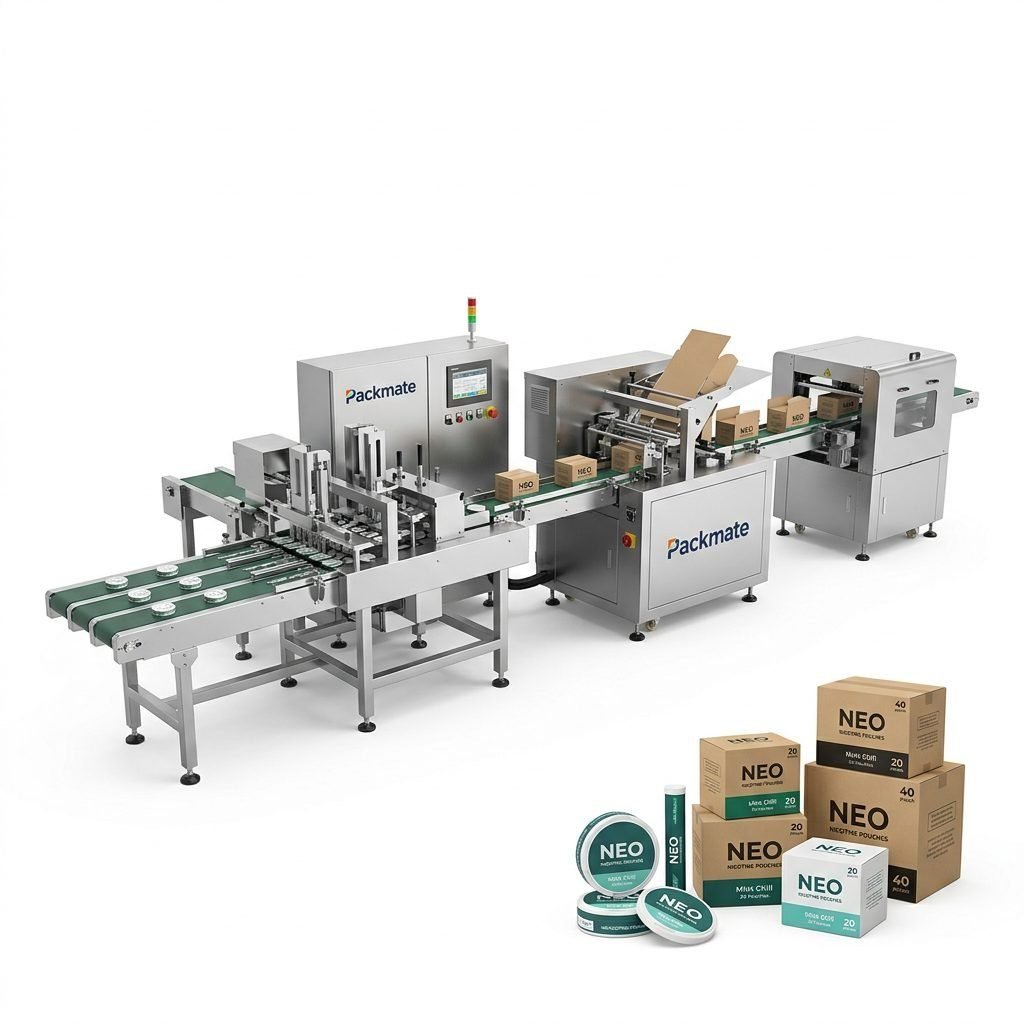
For integrated solutions, explore full lines including weighing and packaging: Weighing & Packaging Systems and Filling & Packaging Lines.
4. Inspect factory strength and manufacturing capability
Factory capacity, machining accuracy and assembly processes directly influence machine reliability. Key factory attributes to verify:
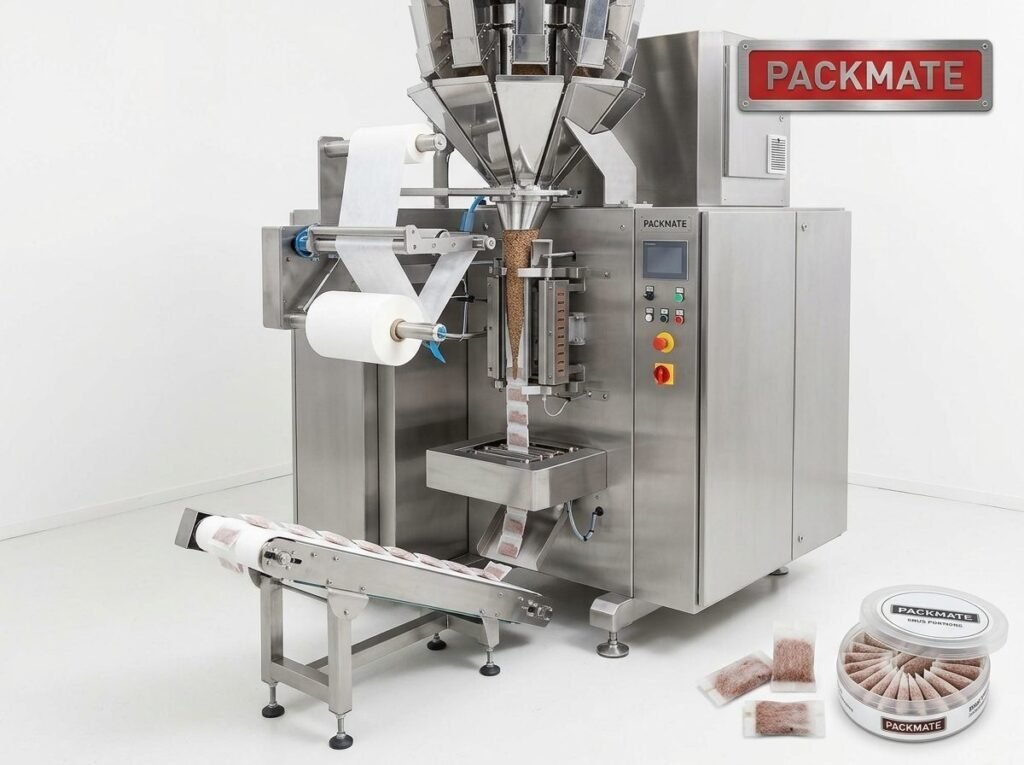
20,000㎡ manufacturing area, advanced CNC machining centers and precision assembly lines are signs of a mature manufacturer. Packmate Snus Machine, for example, highlights these capabilities and a broad model range to support varied project sizes.
Factory visit checklist
When possible, conduct a factory visit or request a virtual tour. Verify assembly areas, testing stations, spare-part inventory and FAT demonstrations. A good supplier will welcome audits and provide clear documentation.
5. After-sales support and spare parts strategy
Fast, reliable after-sales service is crucial in Panama where spare parts lead times can affect production continuity. Ask about:
● Local or regional service partners, Spanish-speaking technicians and remote support options.
● Spare parts availability (critical wear items should be stocked predictably).
● Training programs for your operators and maintenance staff.
Essential ask: Request an SLA (Service Level Agreement) or guaranteed response times for on-site visits and parts shipping to Panama.
6. Logistics, customs and import considerations for Panama
Panama offers efficient ports and the Colon Free Zone, but packaging equipment often involves long lead times and specialized shipping. Consider:
Freight and customs documentation — ensure supplier can provide comprehensive packing lists, certificates of origin and machine specifications.
Local installation support — confirm whether the supplier will assist with Customs clearance and local rigging.
7. Total cost of ownership (TCO) and ROI analysis
Purchase price is one component. Evaluate lifecycle costs: energy consumption, spare parts, maintenance, operator training and expected uptime. A machine with a slightly higher upfront cost and better reliability usually yields lower TCO in Panama’s operational environment.
8. Customization, scalability and turnkey solutions
If you require non-standard pouch sizes, specific filling technologies or inline secondary packaging, prioritize manufacturers that offer modular design and turnkey project management. Packmate, for example, emphasizes turnkey packaging lines and customized multi-lane systems suited to diverse product formats.
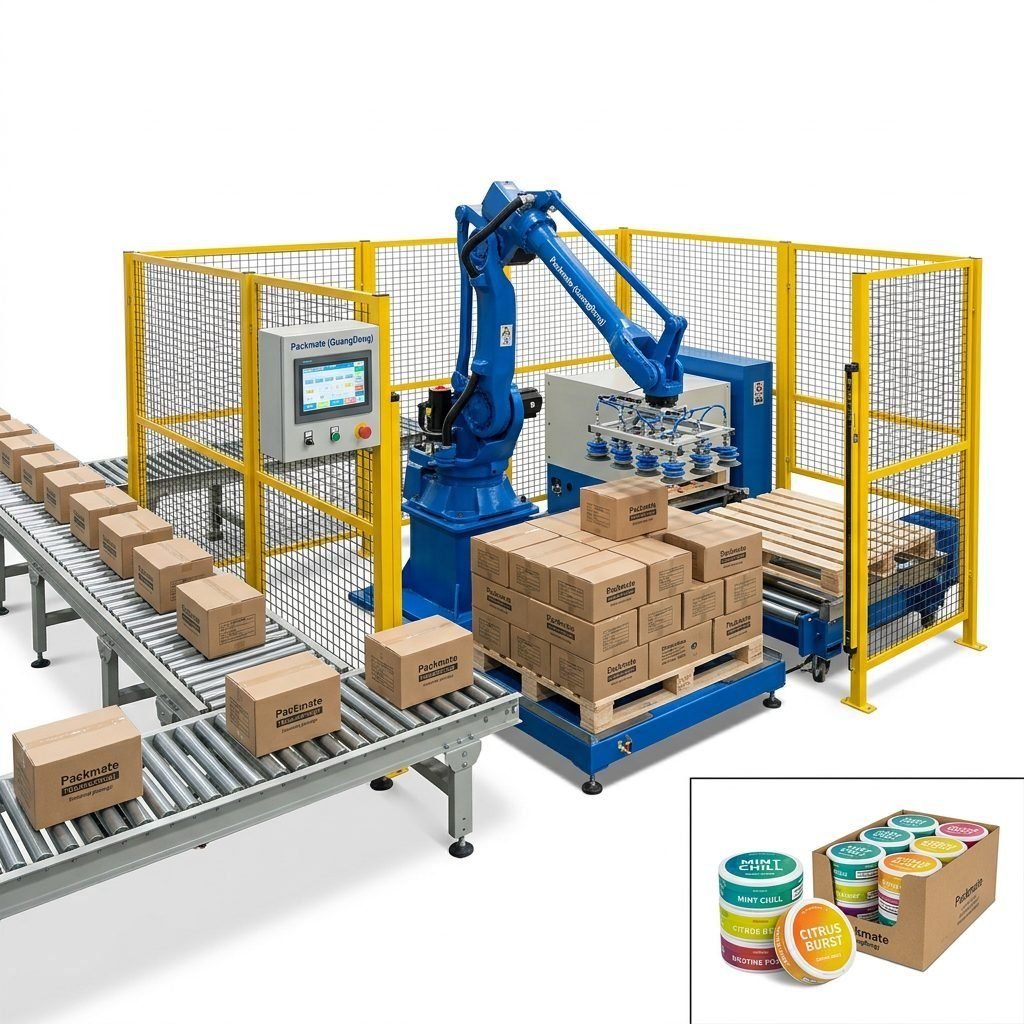
For reference on full-line offerings, explore Bag & Pouch Packaging Machines and Auxiliary Packaging Equipment.
9. References, case studies and demonstration
Always ask for case studies and client references, preferably from similar climates or markets. Watching live demonstrations (or recorded FATs) helps verify claimed capacities and hygiene features. Review documented project outcomes such as yield improvements, scrap reduction and maintenance intervals.
See example implementations and global projects at the manufacturer’s case page: Case.
Selection checklist (quick scan)
✓ Certifications (CE/ISO) and FAT reports
✓ Machine family and throughput match
✓ Spare parts availability & local support
✓ Humidity-tolerant designs & sealing quality
✓ Turnkey integration and training included
10. Practical steps to finalize a purchase
1) Shortlist 2–3 manufacturers based on specs and references.
2) Request detailed proposals including lead time, installation package and warranty.
3) Negotiate clear acceptance criteria and an FAT plan.
4) Confirm spare parts kit and training schedule.
5) Plan logistics with a local freight forwarder experienced in importing industrial equipment to Panama.
How Packmate Snus Machine aligns with buyer needs
With 30+ years of engineering experience, a 20,000㎡ factory and more than 50 machine models, Packmate offers a range of snus and nicotine pouch packaging solutions from single machines to fully integrated lines. International certifications, CNC machining capability and a history of global cooperation make suppliers like Packmate a practical option for Panama-based buyers seeking reliable turnkey solutions. For company details, see About Packmate.
📌 Final reminder: Treat the supplier relationship as strategic — well-supported machines pay back many times over through uptime, quality and regulatory confidence.
Further resources and contact
For detailed product catalogs and technical specs, consult the manufacturer’s product lines and services pages, and arrange an initial consultation: Catalog, Service, Contact Us.
Common questions
Q: How long does installation and commissioning usually take for a complete snus packaging line in Panama?
A: Timeline depends on line complexity. A single-machine setup can be commissioned in 2–4 weeks after arrival; turnkey multi-lane lines typically require 6–12 weeks including FAT, shipping and on-site commissioning.
Q: What spare parts should I stock locally in Panama?
A: Keep critical seals, sensors, belts, bearings and a basic electrical spare kit. Discuss a recommended spare-parts list with your supplier to match local lead times.
Q: Are remote diagnostics and training possible?
A: Yes — many manufacturers offer remote support, online training and video-guided troubleshooting. Ensure Spanish-language documentation and training are available for Panamanian teams.
Q: How do I verify machine performance before final payment?
A: Require a documented FAT with agreed acceptance criteria, video evidence of test runs and an on-site or virtual handover. A clear warranty and SLA should be part of the contract.
For manufacturer case studies and exhibitions that help validate experience, visit their exhibition and certificate pages: Our Exhibition, Certificate.