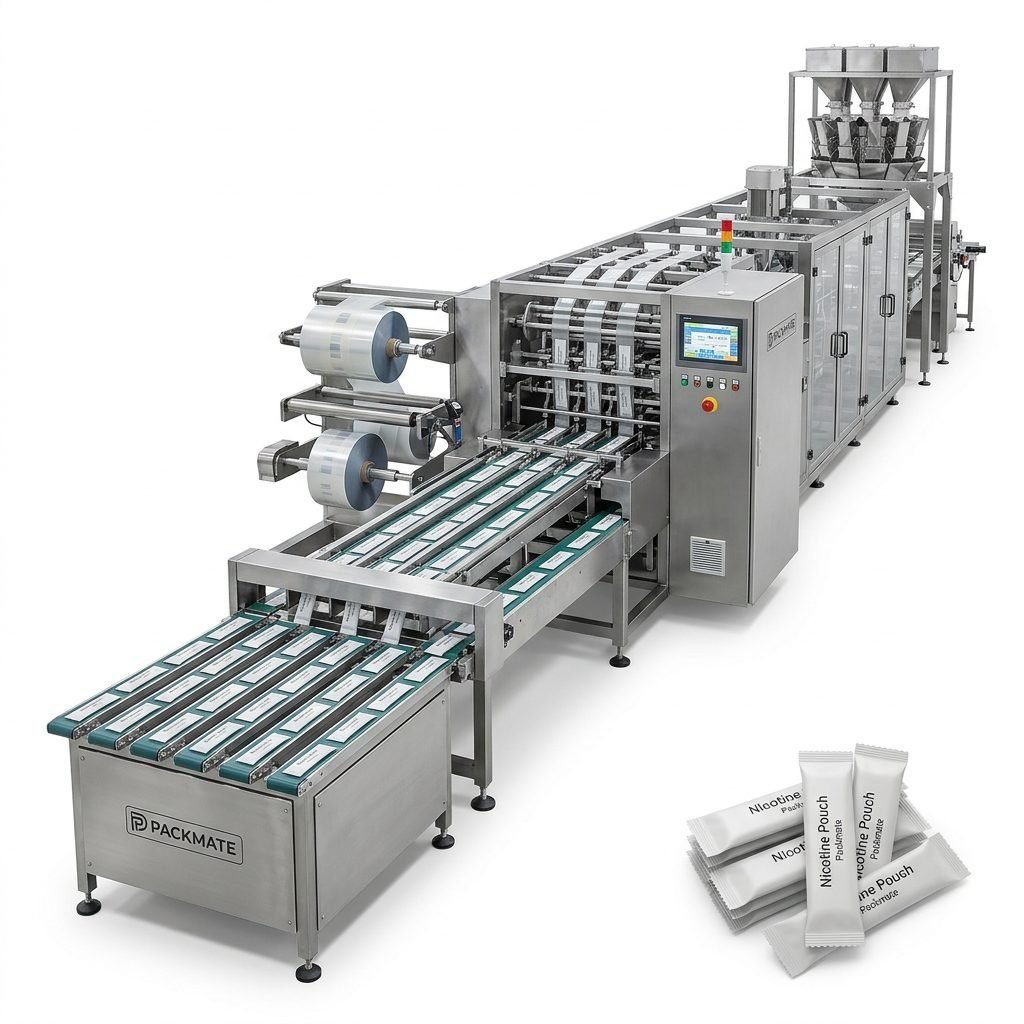
Entering the snus and nicotine pouch market in the Central African Republic requires more than a solid business plan — it demands the right packaging partner. Choosing the best snus packaging machinery manufacturer will determine your product quality, production efficiency, and long-term operating cost. This guide walks you step-by-step through the most important considerations, practical checks, and negotiation tips to select a partner who delivers reliable machines, compliant solutions, and responsive service.
Understand Your Product and Production Needs
The first step is defining your product specifications and desired output. Are you producing nicotine pouches, snus sachets, or stick packs? What are the pouch sizes, filling types (powder, granule, paste), and target daily output? These details directly influence machine type, lane configuration, and upstream/downstream equipment.
Key production questions:
✔ Desired capacity (pouches/hour), short-term and long-term.
✔ Product form: powder, granule, paste or mixed.
✔ Pouch format: sachet, stick pack, multi-lane micro-pouch.
✔ Any special materials, barrier films, or printing needs.
Match Machine Type to Output
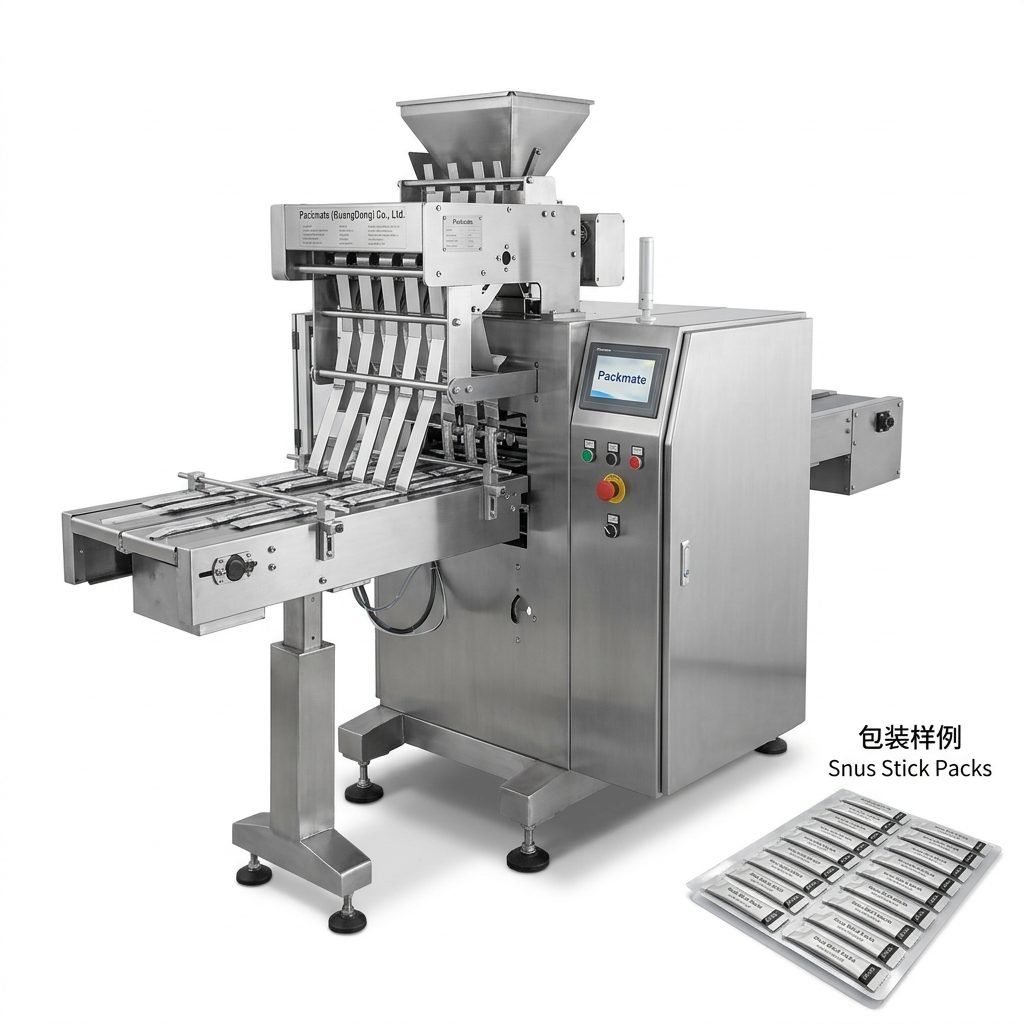
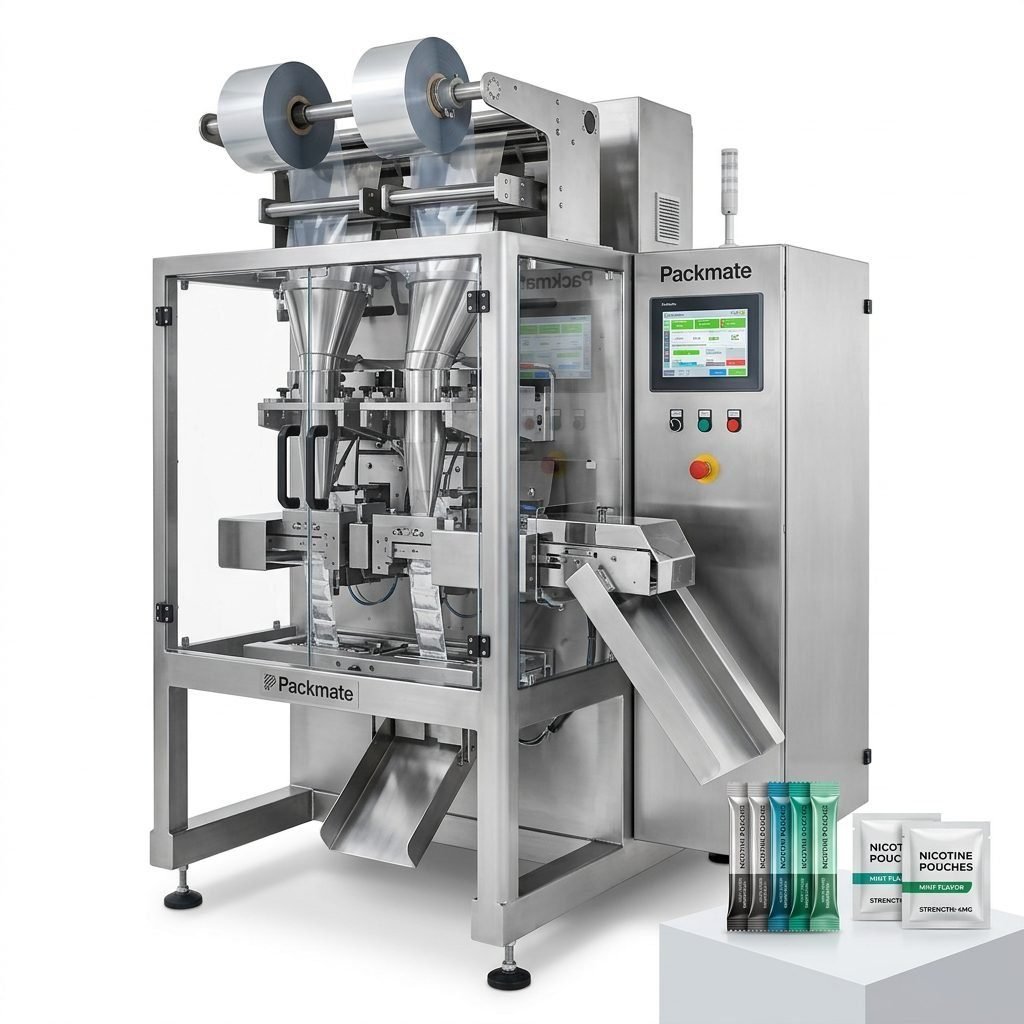
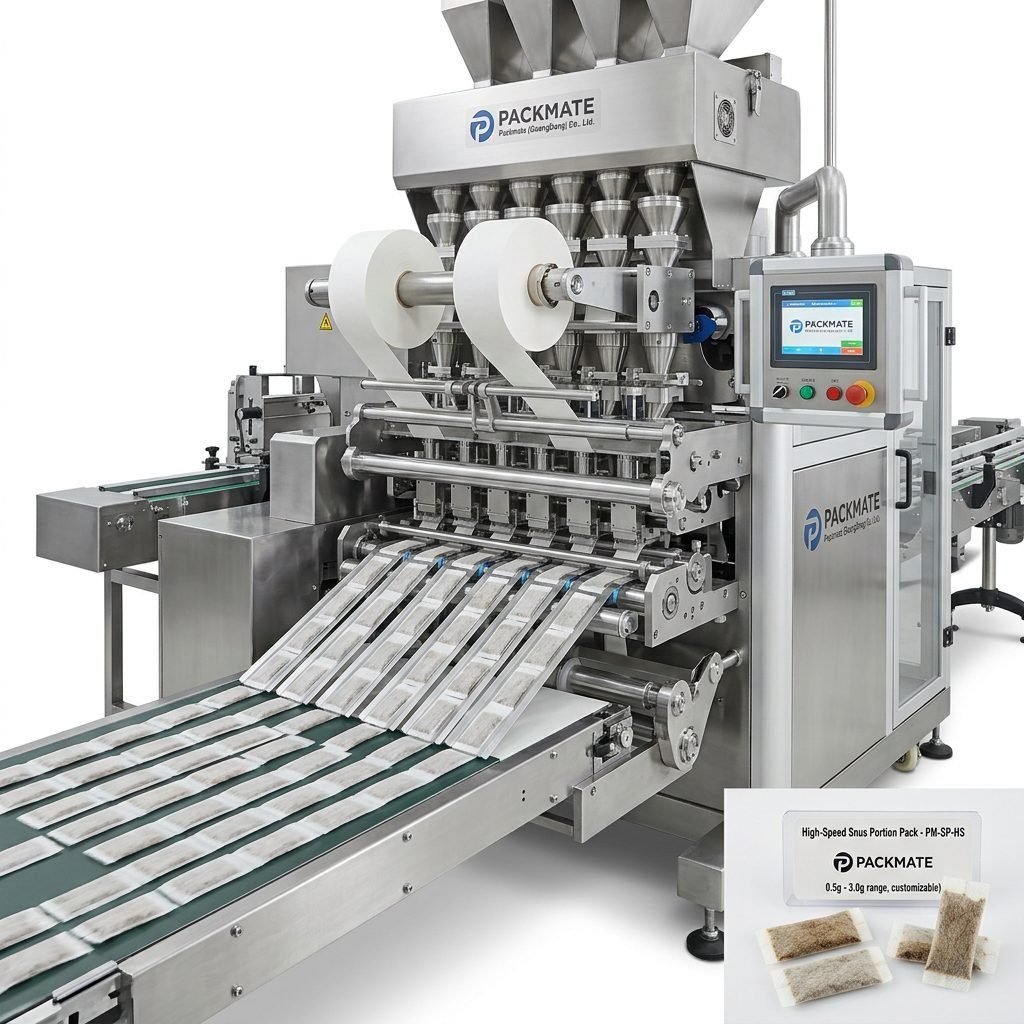
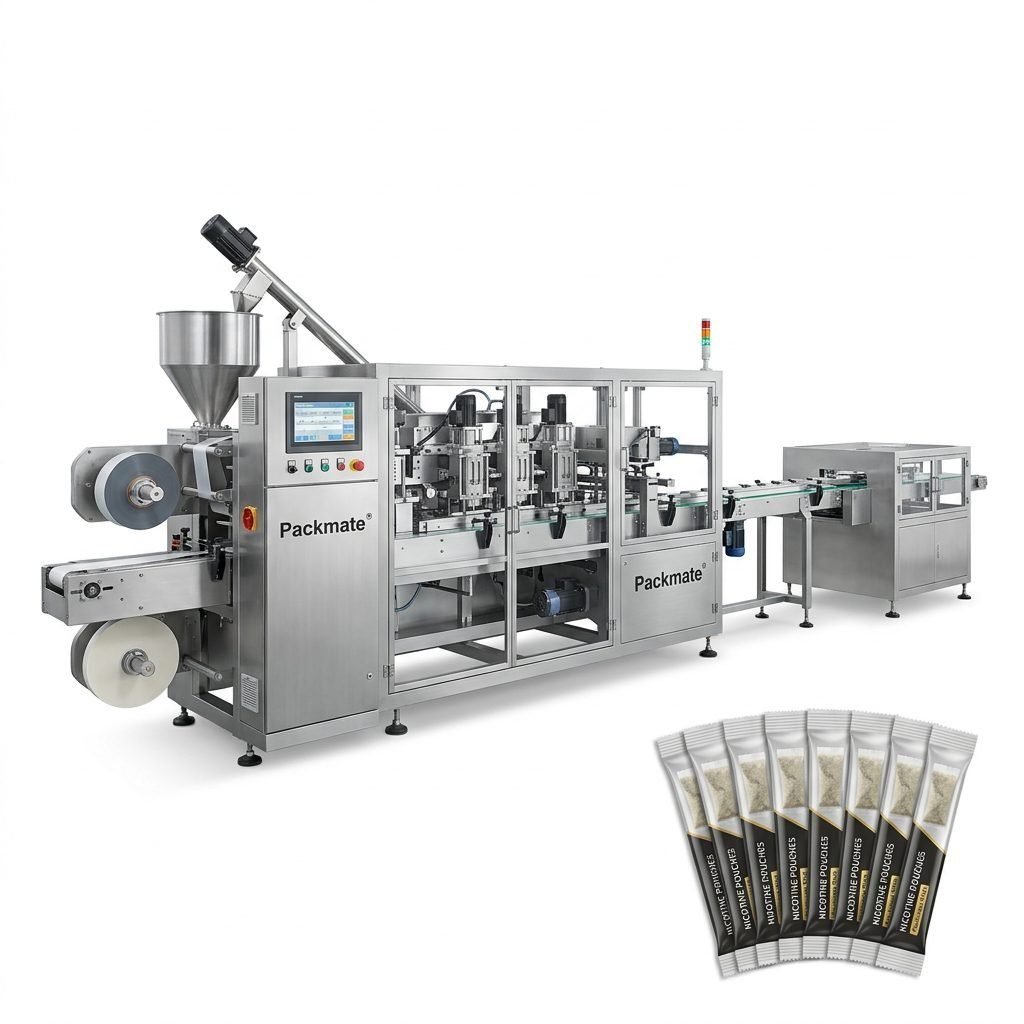
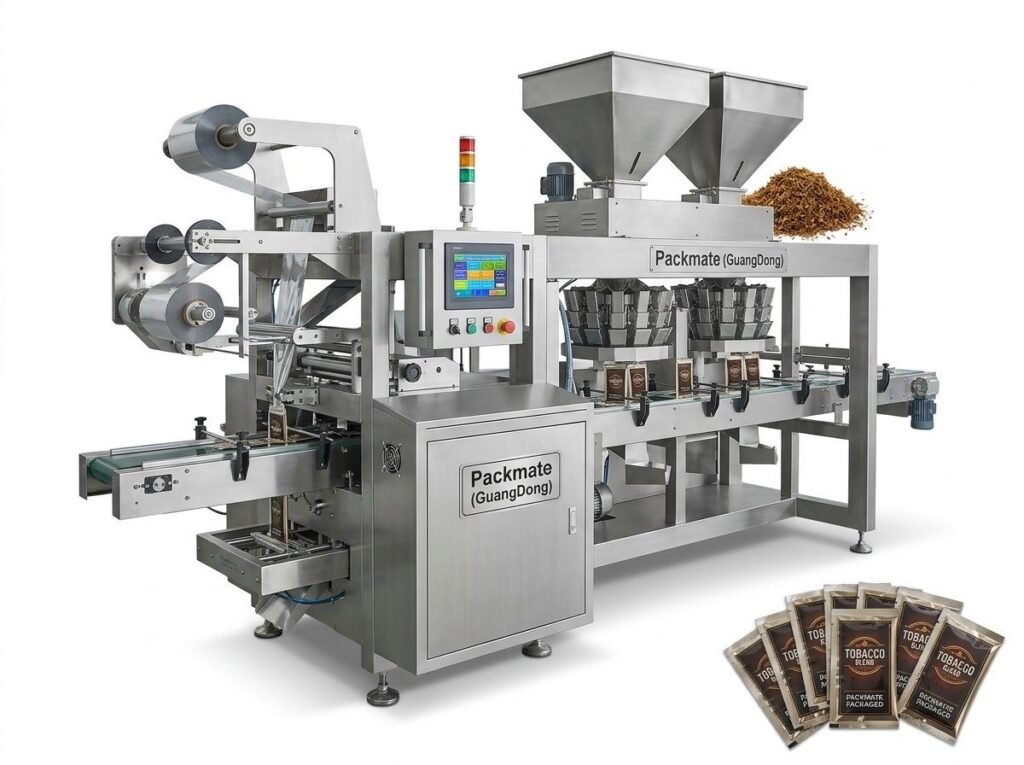
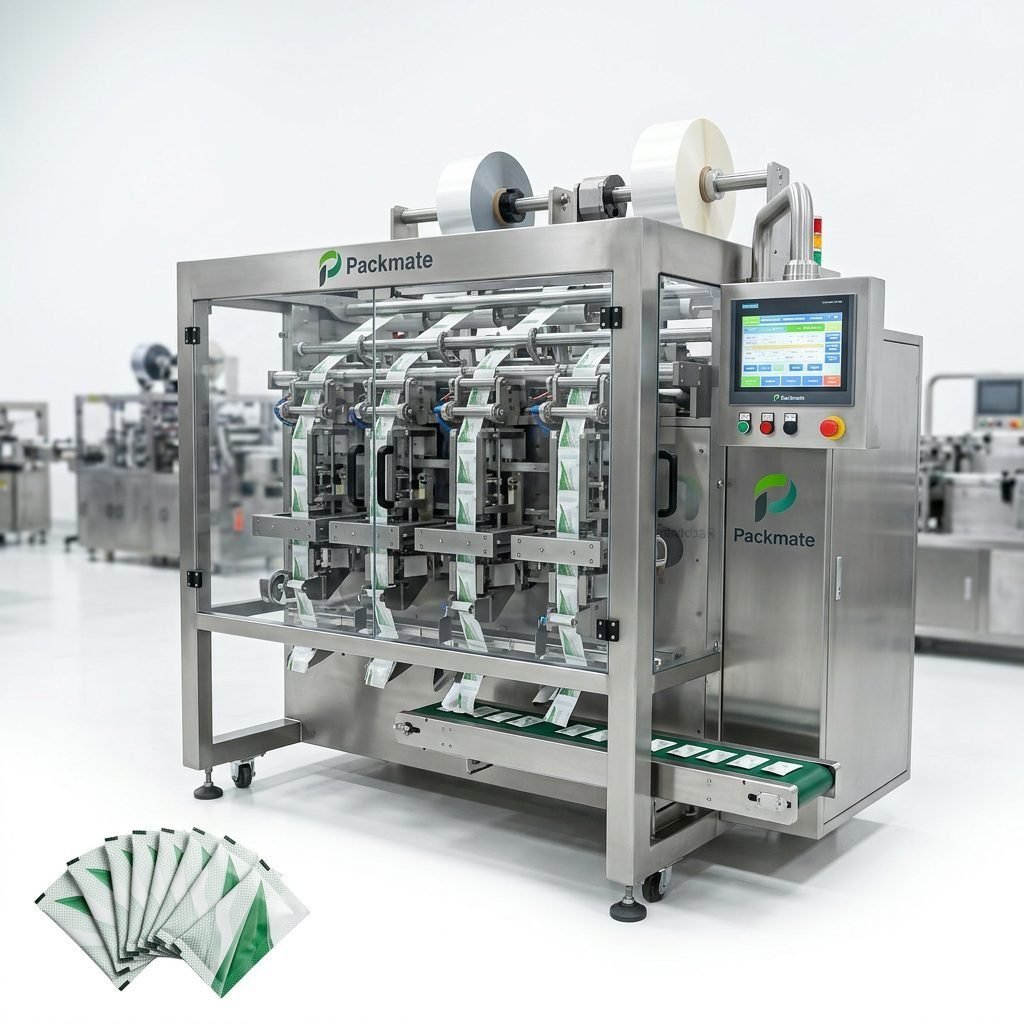
Manufacturers typically offer stick pack machines, sachet machines, and multi-lane systems. If you need high throughput with small doses (commonly the case for nicotine pouches), multi-lane systems can dramatically increase yield with a compact footprint. For single-lane flexibility and lower CAPEX, sachet or stick pack units may be the best choice.
Evaluate Manufacturer Capabilities and Factory Strength
Not all suppliers are created equal. Prioritize manufacturers with proven engineering experience, modern factories, and a track record in snus or nicotine pouch equipment. Key indicators include factory size, machining capabilities, number of machine models, and turnkey solution experience.
What to look for:
⚙️ A large manufacturing area and CNC machining centers indicate consistent quality.
📦 A supplier offering 50+ machine models can often provide solutions tailored to your needs.
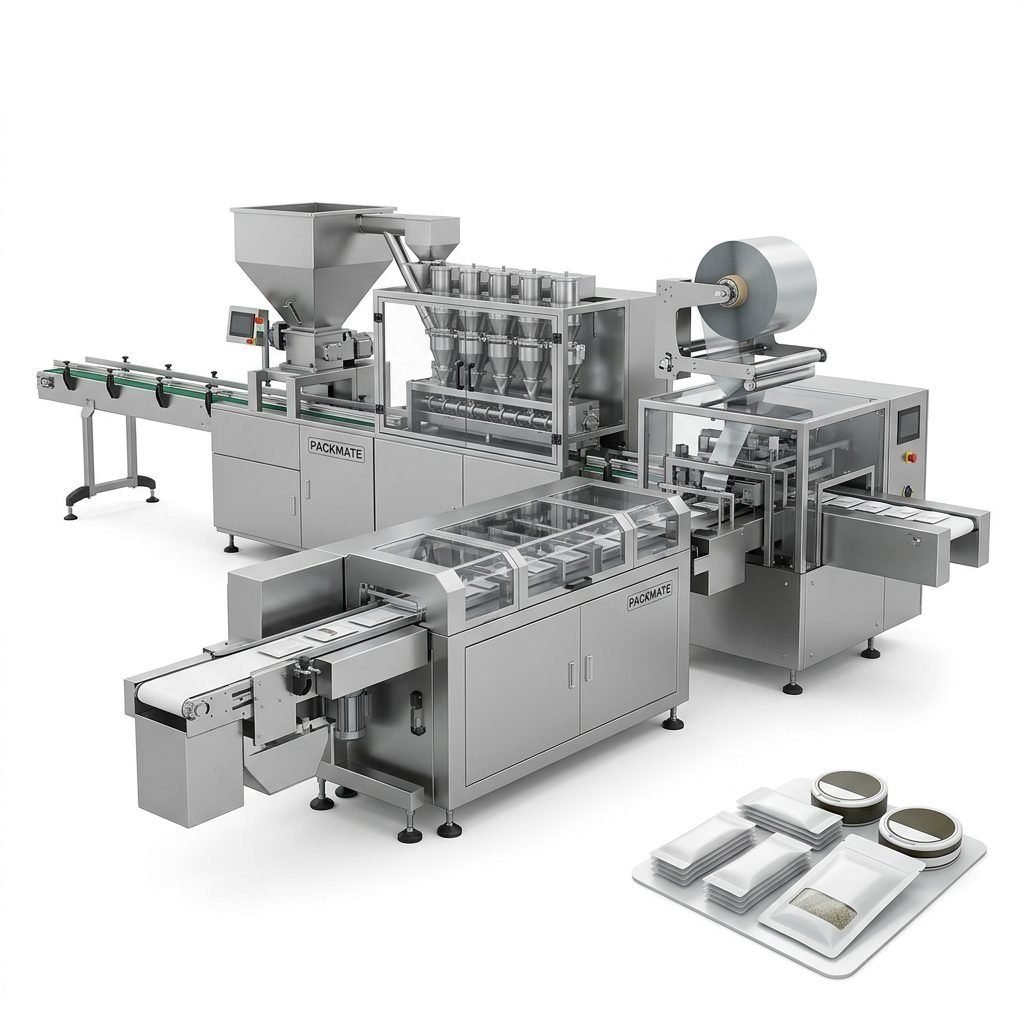
🧩 Turnkey capability — integration of weighing, filling, packaging, and auxiliary equipment.
Certifications and Compliance
Ensure the manufacturer adheres to international standards like CE and ISO. These certifications are a good sign of quality control systems and product safety. For markets with strict regulations, confirm the equipment design supports hygiene, cleanability, and traceability requirements.
Inspect Product Design and Technology
A solid machine design prioritizes accuracy, stability, and easy maintenance. Look for features such as servo-controlled dosing, modular conveyor systems, touch-screen HMI, and quick-change tooling. These elements reduce downtime and improve repeatability.
Technical must-haves:
🔧 Accurate filling systems for low-dose pouches.
🔒 Stable film unwinding and tension control for consistent sealing.
💡 PLC + HMI for recipe management and quick changeover.
After-Sales Service and Spare Parts Support
After-sales is where many projects succeed or stall. Confirm the manufacturer’s policy for spare parts supply, warranty, remote support, and on-site commissioning. For customers in the Central African Republic, ask about export experience, spare parts lead times, and local service partners.
Tip: Request a spare parts list and typical consumption rates so you can budget for routine maintenance.
Training and Documentation
Comprehensive operator and maintenance training is essential, especially for complex multi-lane lines. Verify availability of English-language manuals, wiring diagrams, and troubleshooting guides. Ask whether the manufacturer provides video tutorials or remote training sessions.
Quality Assurance and Factory Testing
A reputable manufacturer will perform FAT (Factory Acceptance Testing) and offer video demonstrations showing the machine running with real materials. FAT helps verify production speed, pouch quality, filling accuracy, and rejection rates before shipping.
FAT checklist:
📹 Video proof of running speeds and pouch integrity.
🧪 Sample pouches produced for inspection.
✍️ Signed acceptance report including performance guarantees.
Visit the Factory or Check References
If possible, visit the manufacturer’s factory to audit production practices, machining accuracy, and assembly lines. If travel is not feasible, request customer references and case studies. Reliable suppliers will share contactable references and past projects in global markets.
For example, explore machine types and real cases from suppliers who specialize in snus and nicotine packaging, such as Snus & Nicotine Packaging Machines and the Case page to see installed lines.
Logistics, Customs, and Local Regulations
Shipping heavy machinery to the Central African Republic requires solid logistics planning. Confirm the manufacturer’s export experience, freight options, and whether they assist with customs documentation. Also verify that the equipment can be adapted to local power supply and environmental conditions.
Customs and Import Considerations
Discuss Incoterms, CIF vs EXW pricing, and who handles customs clearance. A supplier with export experience to African markets is preferable — they already understand documentation, port handling, and potential delays.
Total Cost of Ownership (TCO) vs Purchase Price
Purchase price is only part of the story. Consider the machine’s energy use, spare parts consumption, expected downtime, service costs, and lifespan. A lower upfront price may lead to higher operating costs if the equipment is less accurate or requires frequent repairs.
TCO factors to estimate:
💸 Spare parts and consumables.
⏱ Expected uptime and MTTR (mean time to repair).
🔁 Frequency of format changes and required tooling.
Negotiation and Contract Essentials
When negotiating, secure clear terms for warranty, spare parts supply, delivery timelines, training, and acceptance tests. Include penalties for missed delivery or performance that fails to meet agreed metrics.
Must-have contract items: technical specifications, FAT criteria, warranty duration, spare parts list, and after-sales SLA.
Why Manufacturer Reputation Matters
Long-standing manufacturers with documented development histories and global exhibitions are more likely to provide mature machines and reliable support. Check for a clear company story and milestones — these are signs of industry commitment and continuous improvement.
Learn more about supplier backgrounds by visiting their About page and exhibition history on the Our Exhibition page.
Practical Checklist for Supplier Evaluation
Use this checklist when comparing quotes and suppliers. It helps transform subjective impressions into objective choices.
Supplier evaluation checklist:
1. Factory size and machining capability.
2. CE/ISO certifications and compliance documentation.
3. FAT videos and sample pouches.
4. Spare parts lead time and warranty terms.
5. References and case studies in similar markets.
6. After-sales response time for remote vs on-site service.
Choosing a Local Partner or Representative
A local agent or service partner in Central African Republic can greatly reduce downtime and handle customs or installation logistics. If the manufacturer has local partners, this is a major advantage; if not, clarify how the supplier will provide quick support.
Final Selection Steps
Shortlist 2–3 suppliers based on technical fit, factory credibility, and after-sales support. Request detailed proposals with lead times, shipping terms, FAT evidence, warranty details, and an itemized spare parts list. Evaluate total cost of ownership, not just initial CAPEX.
Decision reminder:
Choose the supplier that balances proven technology, clear documentation, strong after-sales support, and transparent commercial terms.
Useful Product Pages and Further Reading
If you need to compare machine types and capabilities, visit pages dedicated to related product categories such as Sachet & Stick Pack Machines and broader Filling & Packaging Lines.
Closing Thoughts
Selecting the best snus packaging machinery manufacturer for the Central African Republic hinges on matching machine capability with your product needs, confirming factory and technical competence, and securing robust after-sales support. Prioritize suppliers who provide clear FAT evidence, international certifications, and documented global case studies.
If you need a hands-on starting point, review specialized solutions on the Snus & Nicotine Packaging Machines page and contact the supplier’s team through their Contact Us page to request FAT videos, quotations, and export experience.
FAQs — Common Questions
Q: How do I verify a manufacturer’s claims about machine speed and accuracy?
A: Request FAT videos and sample pouches produced with your materials, and include performance acceptance criteria in the purchase contract.
Q: What spare parts should I stock for a snus pouch line?
A: Stock critical wear items such as sealing jaws, cutting knives, belts, sensors, and standard electronics. Obtain the manufacturer’s recommended stocking list.
Q: How long does shipping and installation typically take for a turnkey line to Central African Republic?
A: Lead times vary by supplier and complexity, but plan for manufacturing + FAT (4–12 weeks), plus international shipping and customs (4–8 weeks). Confirm timelines in writing.
Q: Do I need local service partners for maintenance?
A: Local partners speed up response times. If none are available, ensure the supplier offers fast spare parts delivery and remote support options.
Q: What certifications should the machinery have for international markets?
A: CE and ISO certifications are standard. For specific regulatory requirements in import countries, check local compliance needs and ensure the equipment design supports relevant hygiene and safety standards.