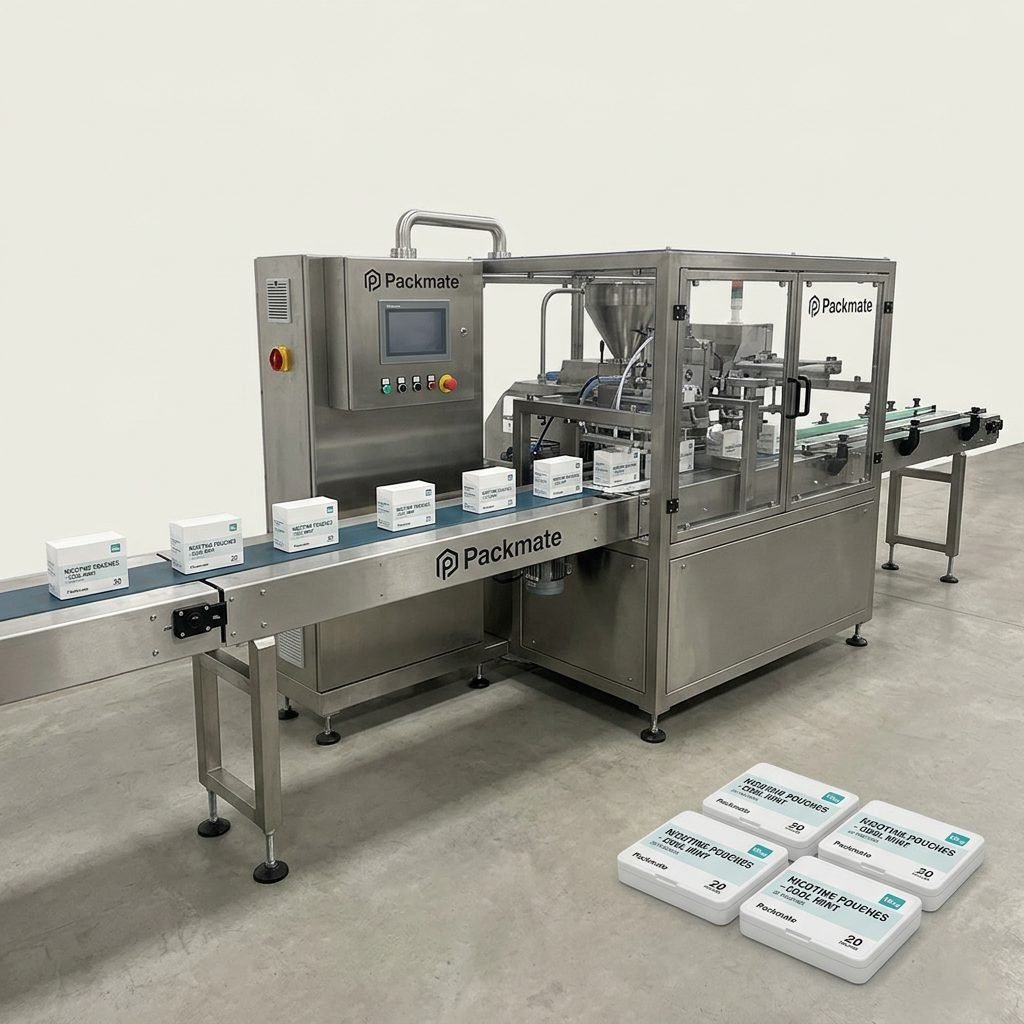
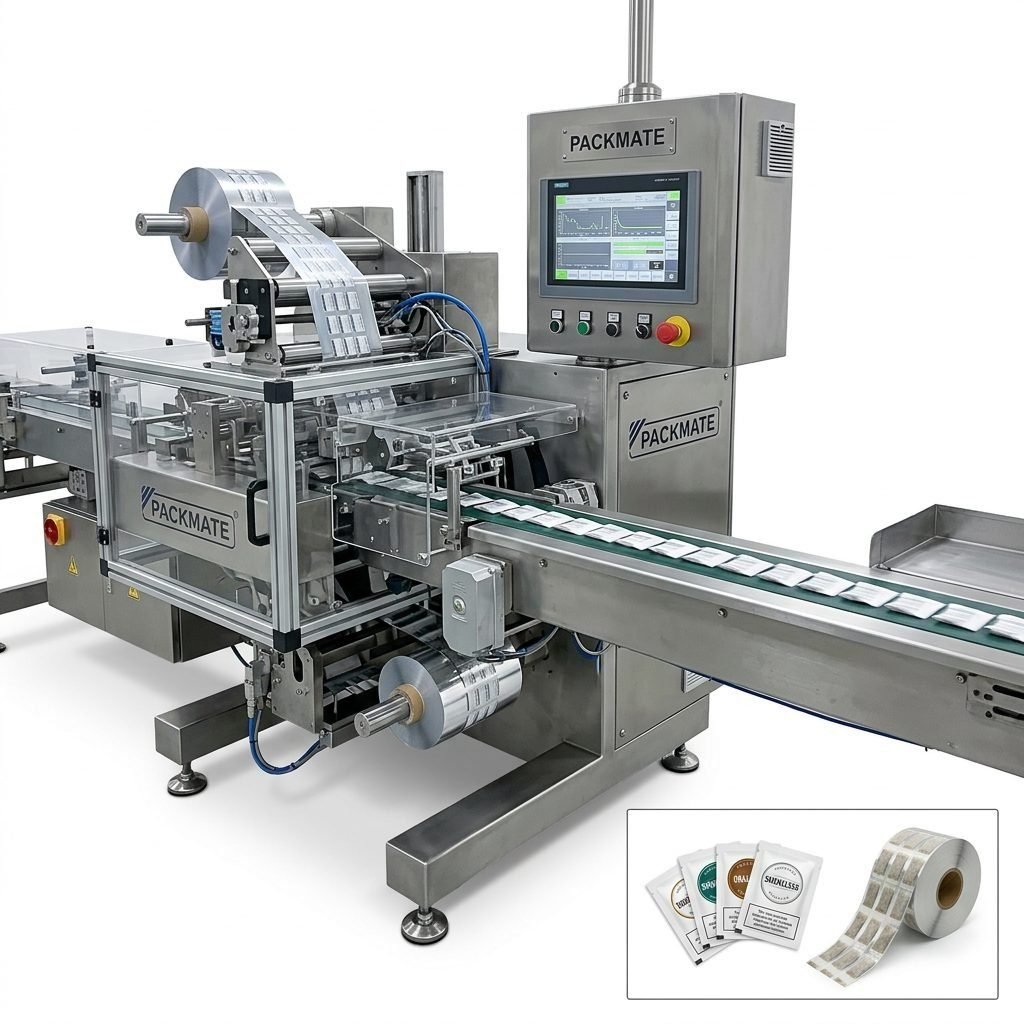
Choosing the right snus packaging machinery for the Peruvian market is a strategic decision that affects product quality, regulatory compliance, and long-term profitability. This guide walks you through practical selection criteria, machine types, performance metrics, and supplier evaluation tactics—so you can make a confident purchase that suits local production needs, distribution channels, and regulatory requirements in Peru.
Understanding the Peruvian Snus Market
Peru presents unique opportunities and challenges: a growing urban consumer base, high demand for convenience products, and increasing interest in nicotine alternatives. When evaluating packaging equipment, consider local packaging regulations, shelf-life needs due to climate, and distribution channels (retail, kiosks, online). Selecting equipment that supports flexible formats—pouches, sachets, stick packs, and multi-lane output—helps you adapt quickly to changing consumer preferences.
Why machine choice matters
A well-matched packaging line minimizes downtime, reduces product loss, guarantees consistent dose filling, and ensures clean sealing—critical for nicotine pouches and snus. Investing in the correct technology from the start reduces retrofit costs and speeds product launches.
🔔 Key point: Choose machines designed for low-dose, precision filling and consistent sealing. If you need to scale later, prioritize modular, multi-lane systems.
Core Types of Snus Packaging Machinery
1. Sachet & Stick Pack Machines
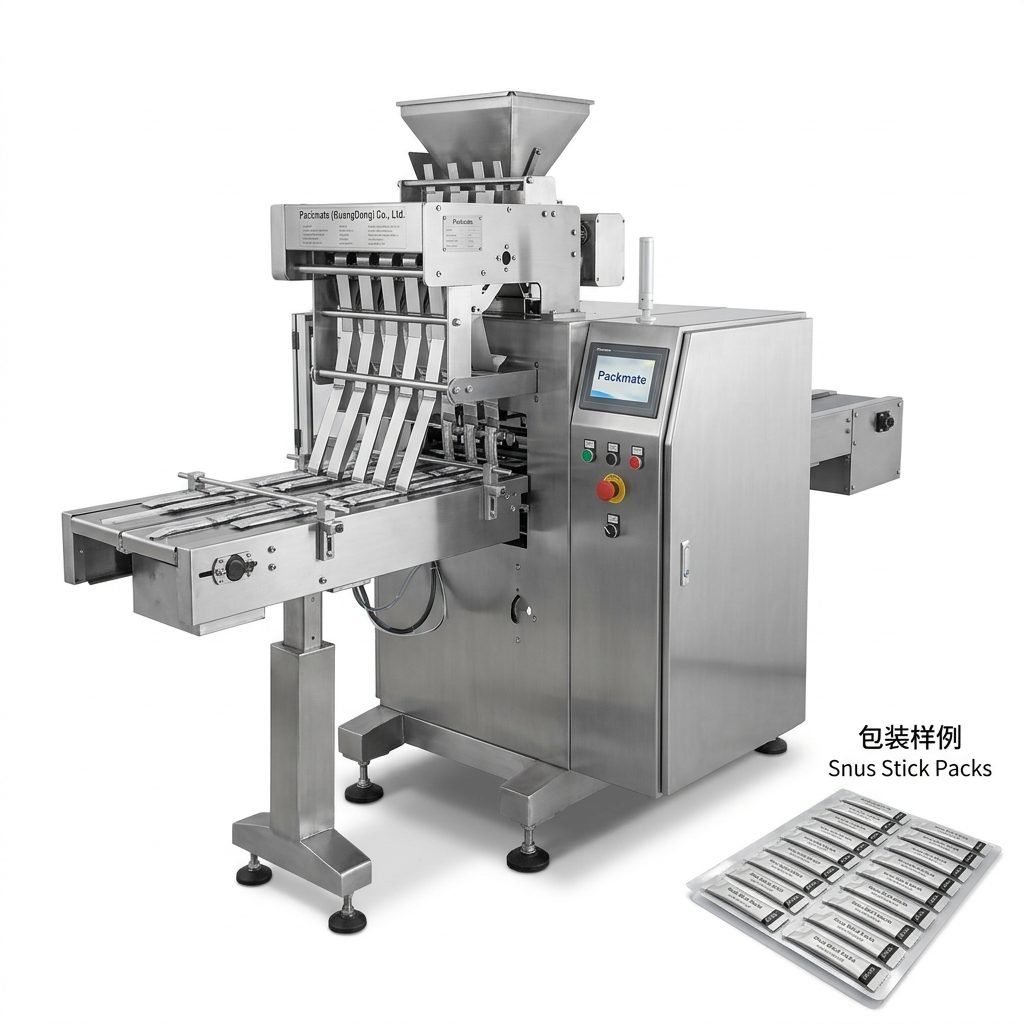
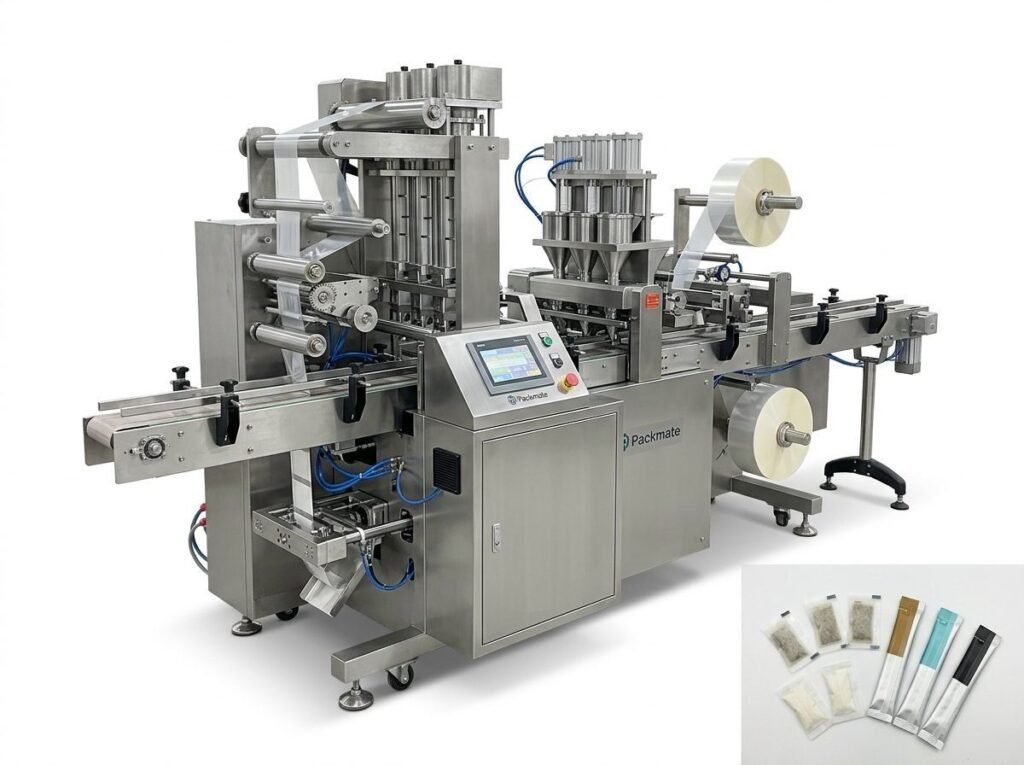
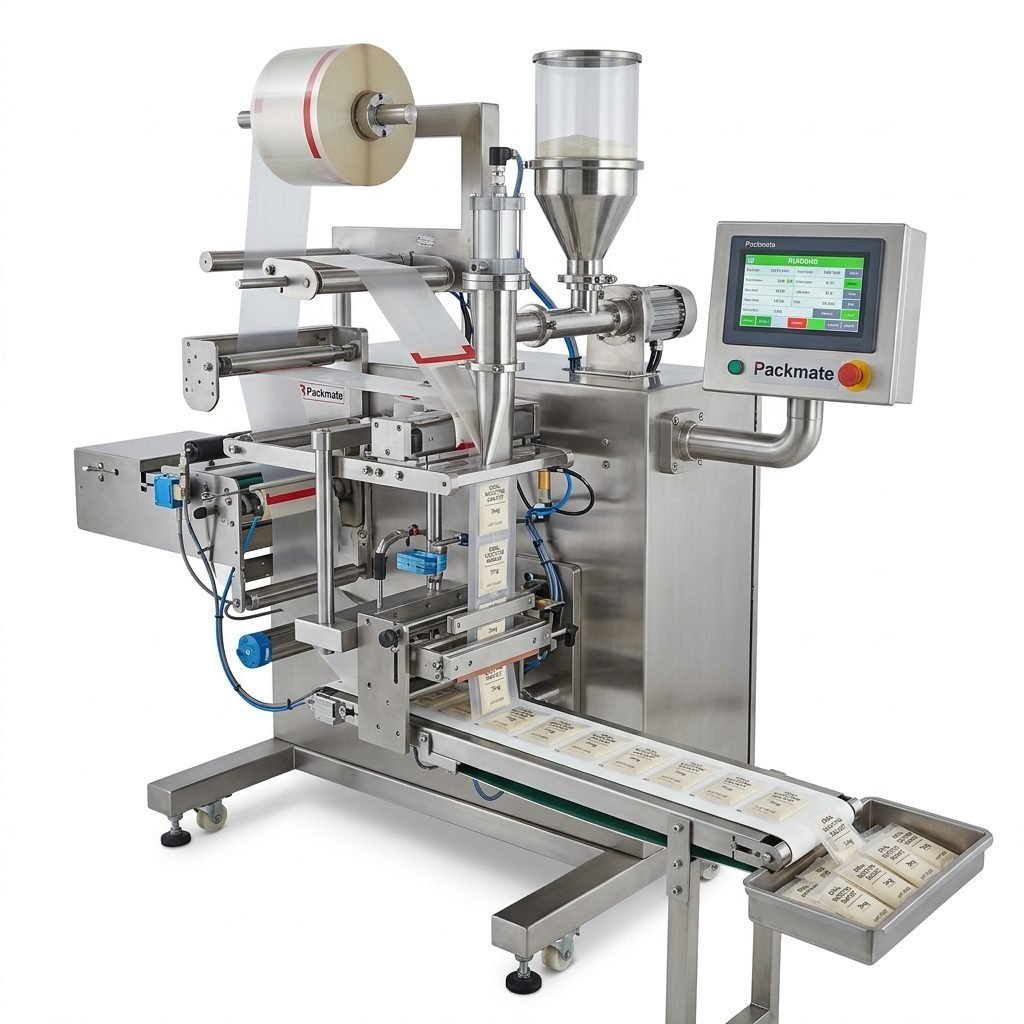
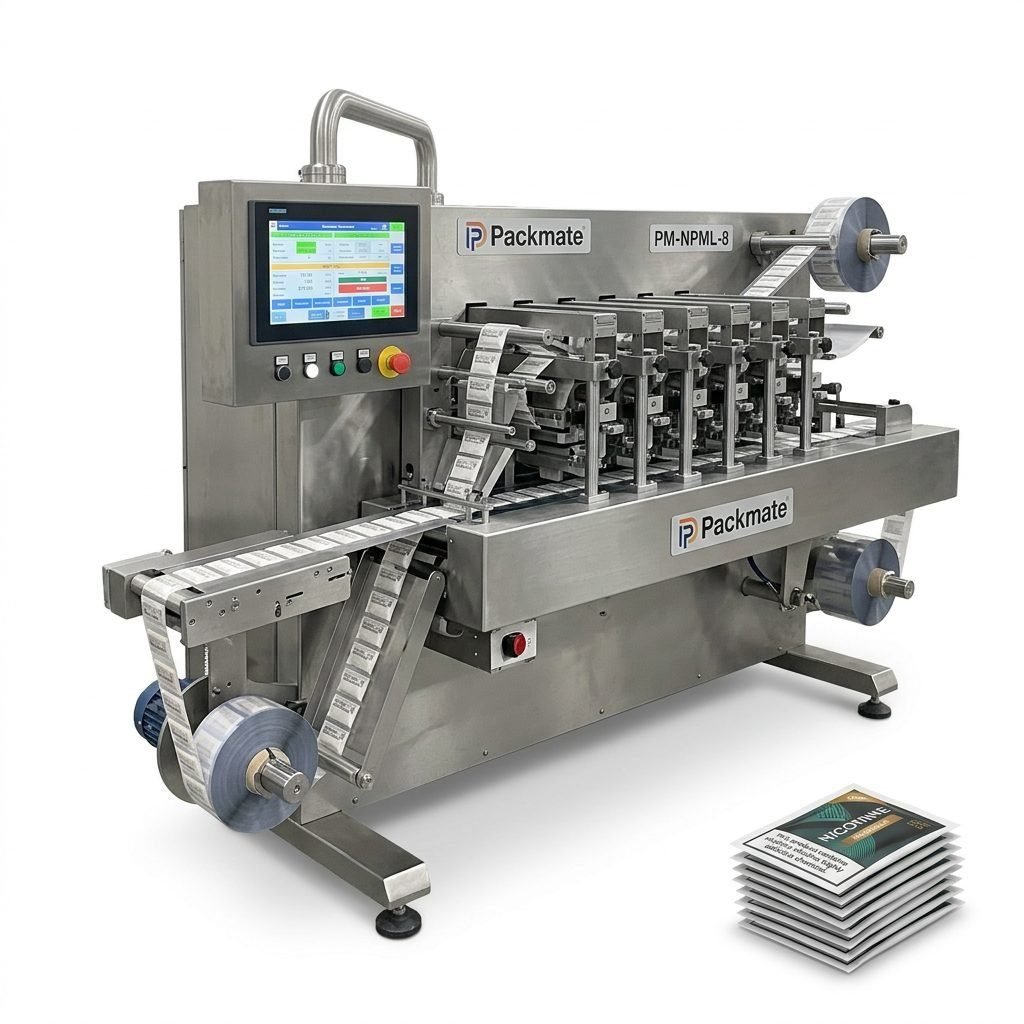
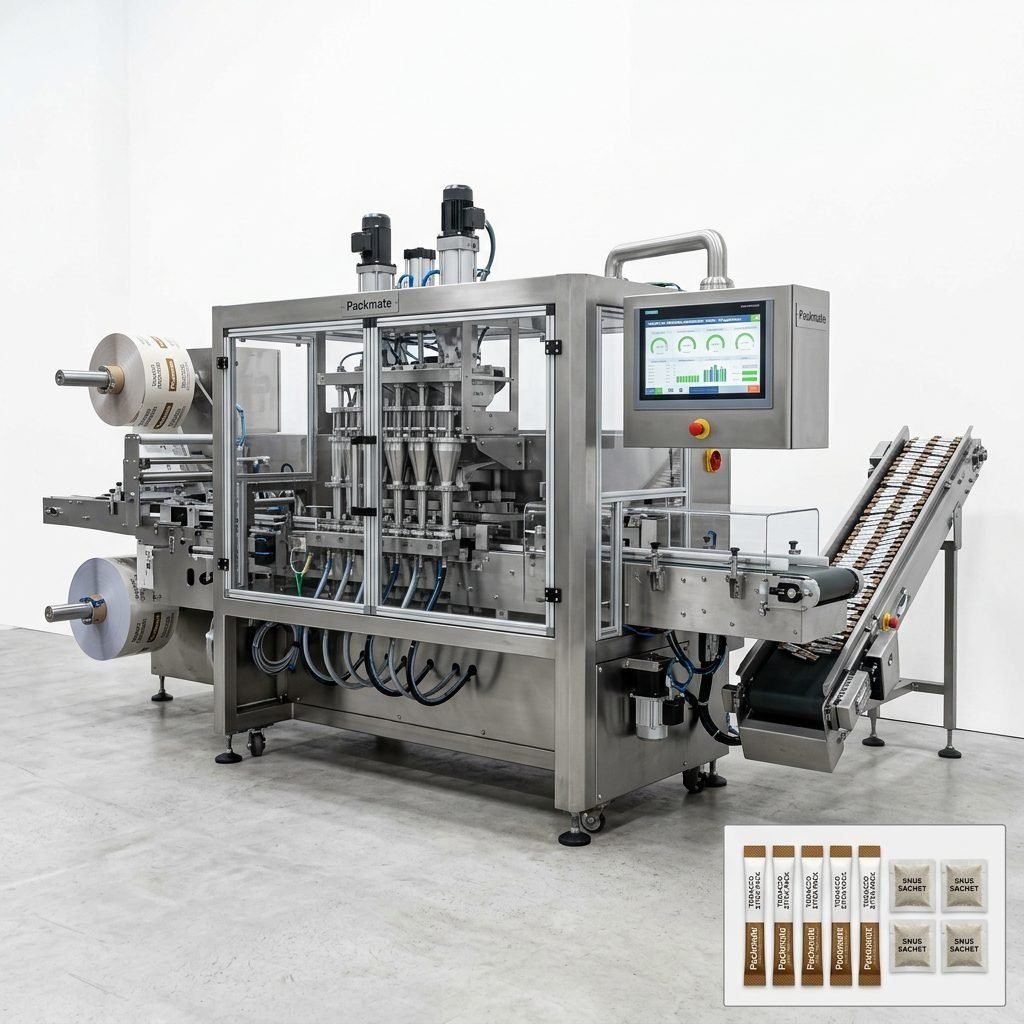
Sachet and stick pack machines are common for single-dose snus and nicotine pouches. They deliver compact, consumer-friendly formats and support rapid packaging speeds for high-volume runs. Look for systems with reliable dosing units and precise heat-sealing controls.
2. Pouch & Bag Packaging Machines
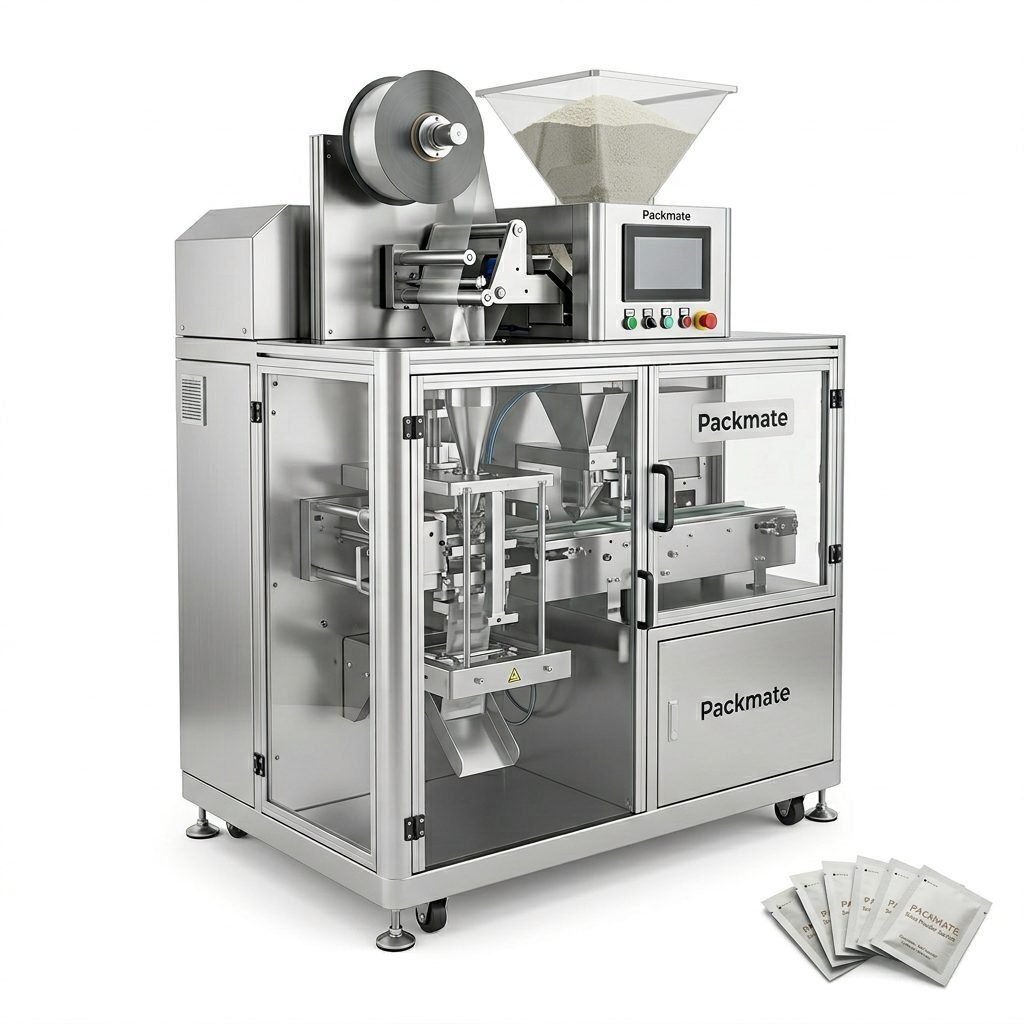
Pouch machines are ideal for multi-pouch packs or resealable formats. They offer better shelf presentation and longer shelf life when combined with appropriate barrier films. Choose machines with accurate timing for zipper attachment and quality check systems to detect poor seals.
3. Multi-lane Packaging Systems
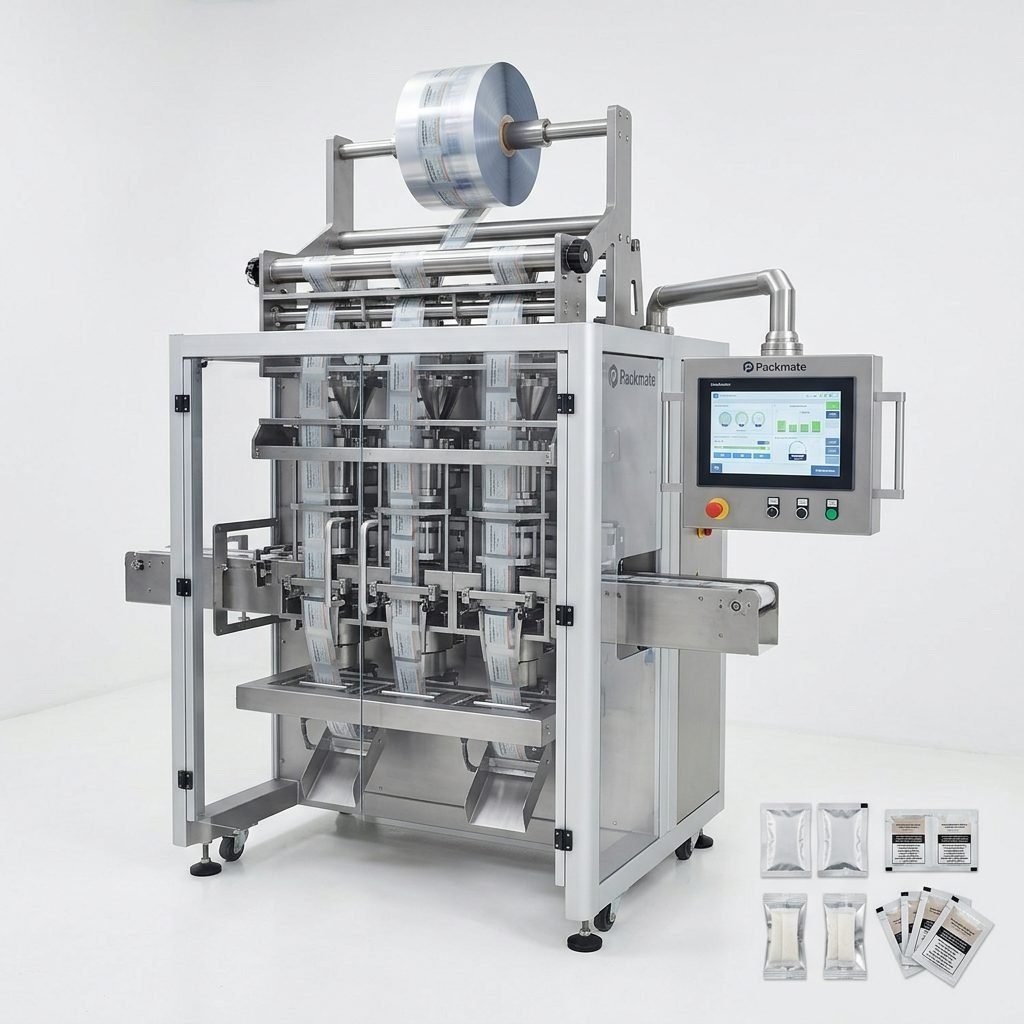
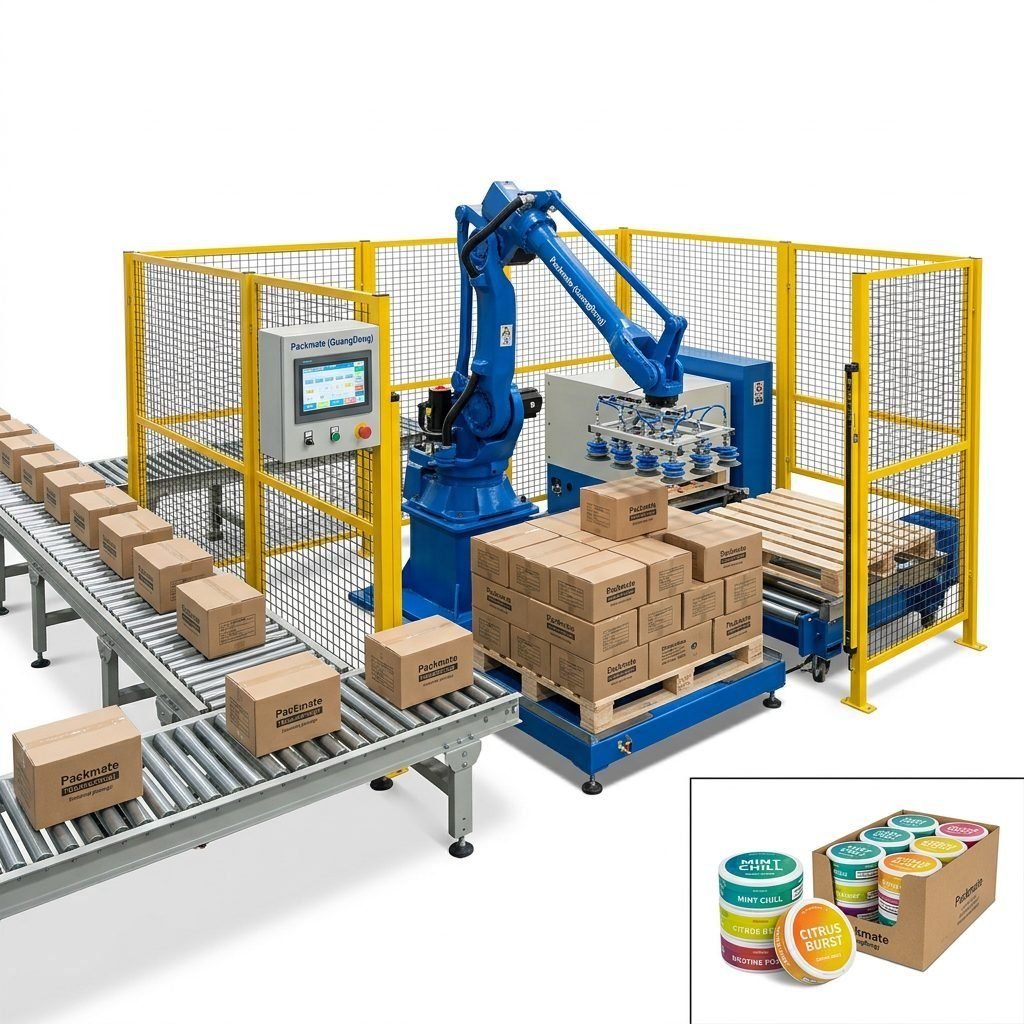
Multi-lane systems significantly increase throughput by packaging several lanes in parallel. They are best when planning large-volume production in Peru. However, greater throughput demands higher precision in feeding and synchronization—so evaluate vendor experience in multi-lane design.
✅ Tip: If you expect to expand distribution across Peru and neighboring markets, a multi-lane system offers superior ROI over time.
Technical Specifications to Compare
Capacity and Speed
Assess machines by pieces per minute (PPM) and realistic daily throughput. Confirm how speed varies with product type, pouch size, and lane count. A machine rated at high theoretical speed may produce less when handling sticky powders or irregular pouches—ask for real-world performance data and client references.
Accuracy & Dosing Technology
Nicotine pouch dosing requires consistent weight accuracy to meet regulations and avoid wasted product. Consider auger fillers, multi-head weighers, or volumetric systems based on the product form (powder, granules, wet pouch). Ask about dosing tolerance and calibration ease.
Material Compatibility
Verify compatibility with barrier films, laminates, and zippers you plan to use. Machines should support sealing temperature ranges and film thicknesses required for Peruvian climate challenges (heat and humidity).
CMS & Quality Controls
Check for integrated quality control systems: weight checks, seal integrity detection, and metal detection if needed. Modern PLC and HMI interfaces make production adjustments faster—request a demo of the control system.
Operational Considerations for Peru
Power and Utility Requirements
Confirm voltage compatibility and available onsite power. Ask suppliers if voltage converters are needed and whether pneumatic systems require clean, dry compressed air. Local utility standards may differ across Peruvian regions—plan for stable power supply solutions.
Climate Adaptation
High humidity in parts of Peru affects sealing and product stability. Choose machines with controlled heating, humidity-resistant components, and clear SOPs for seasonal operating adjustments.
Local Service & Spare Parts
Reliable after-sales service in Peru reduces downtime. Review supplier spare parts strategy, response times, and whether local partners offer maintenance. Suppliers with global presence and export experience tend to handle logistics faster.
🔧 Practical check: Request a spare-parts list and lead times for key components before signing a purchase agreement.
Evaluating Suppliers: What to Ask
Choosing the right manufacturer is as important as choosing the machine. Prioritize suppliers with proven expertise in snus and nicotine packaging. Consider manufacturers offering turnkey lines, customization, and regulatory support.
- 📌 Ask for case studies and references—look for machines operating in climates similar to Peru.
- 📌 Verify certifications (CE, ISO) and compliance documentation.
- 📌 Check production capacity: can the supplier meet your timelines for delivery and installation?
- 📌 Confirm training and commissioning support on-site or remotely.
- 📌 Discuss upgrade paths and software compatibility for future automation.
Why Packmate Snus Machine Is a Consideration
Packmate Snus Machine specializes in snus and nicotine pouch packaging with over 30 years of engineering experience and a 20,000㎡ manufacturing facility. Their focus on multi-lane systems, high-precision dosing, and turnkey solutions makes them a strong candidate for companies expanding in Latin America.
Explore relevant product lines and solutions:
- • Snus & Nicotine Packaging Machines
- • Bag & Pouch Packaging Machines
- • About Packmate
- • Case Studies
ℹ️ Note: Viewing a working line or video demo is essential—request machine demos and client references in climates similar to Peru.
Cost vs. Value: Total Cost of Ownership
Consider purchase price, spare parts, consumables, energy consumption, operator training, and expected uptime. A lower-cost machine may have higher lifetime costs if it causes frequent stoppages or high scrap rates. Calculate expected production per shift, yield, and maintenance costs to estimate ROI.
Financing & Import Logistics
When importing, include customs duties, shipping, insurance, and local installation costs. Some manufacturers offer financing options or leasing—negotiate warranty and performance guarantees in writing.
Installation, Commissioning & Training
A smooth startup requires clear installation plans, operator training, and maintenance procedures. Ask suppliers to provide:
- • On-site commissioning and trial runs
- • Training manuals and hands-on operator sessions
- • Remote support options and spare parts kits
📦 Pro tip: Insist on a minimum acceptance test showing production at the agreed speed and quality before final payment.
Checklist: How to Choose Step-by-Step
Follow this practical checklist to make a data-driven decision:
- 1. Define product formats, volumes, and target PPM for Peru.
- 2. Select machine type (sachet/stick/pouch/multi-lane) based on format flexibility.
- 3. Verify dosing accuracy, sealing quality, and film compatibility.
- 4. Request demos, onsite references, and case studies.
- 5. Confirm warranties, spare parts availability, and local service options.
- 6. Calculate total cost of ownership and expected ROI.
- 7. Negotiate delivery, commissioning, and acceptance criteria.
Final Considerations Before Purchase
Make sure contractual terms cover performance guarantees, penalties for missed delivery or capacity targets, and clear warranty scopes. If you plan product diversification, choose modular systems that allow format changeovers with minimal downtime.
For more comprehensive product selections and technical specs, review Packmate’s product pages and contact their team to discuss Peruvian market requirements:
🔍 Bottom line: Prioritize accuracy, service, and proven performance. Choose partners who offer turnkey solutions and real-world references—these factors drive reliable long-term operation in Peru.
Frequently Asked Questions
Q1: What is the ideal machine type for small-batch snus production in Peru?
A1: For small batches, a single-lane sachet or stick pack machine with precise dosing and easy format changeover is ideal. It minimizes upfront cost while enabling product testing and market validation.
Q2: How important are certifications like CE and ISO when importing packaging machines to Peru?
A2: Certifications matter for safety and global compliance; they also simplify customs clearance and demonstrate manufacturer maturity. Verify documentation and request test certificates.
Q3: Should I invest in multi-lane machines from day one?
A3: Only if forecasted demand justifies the higher capital cost. Multi-lane systems deliver superior throughput and lower per-unit cost at scale, but require higher initial investment and more complex maintenance.
Q4: How do I ensure spare parts and maintenance support in Peru?
A4: Negotiate spare-parts kits, local distributor support, or express shipping agreements with the manufacturer. Verify average lead times for critical parts and consider stocking high-wear components locally.
Q5: What pre-shipment checks should I request from the supplier?
A5: Request FAT (Factory Acceptance Test) reports, video demonstrations of the specific model running your product (if possible), performance certificates, and a complete spare parts list.