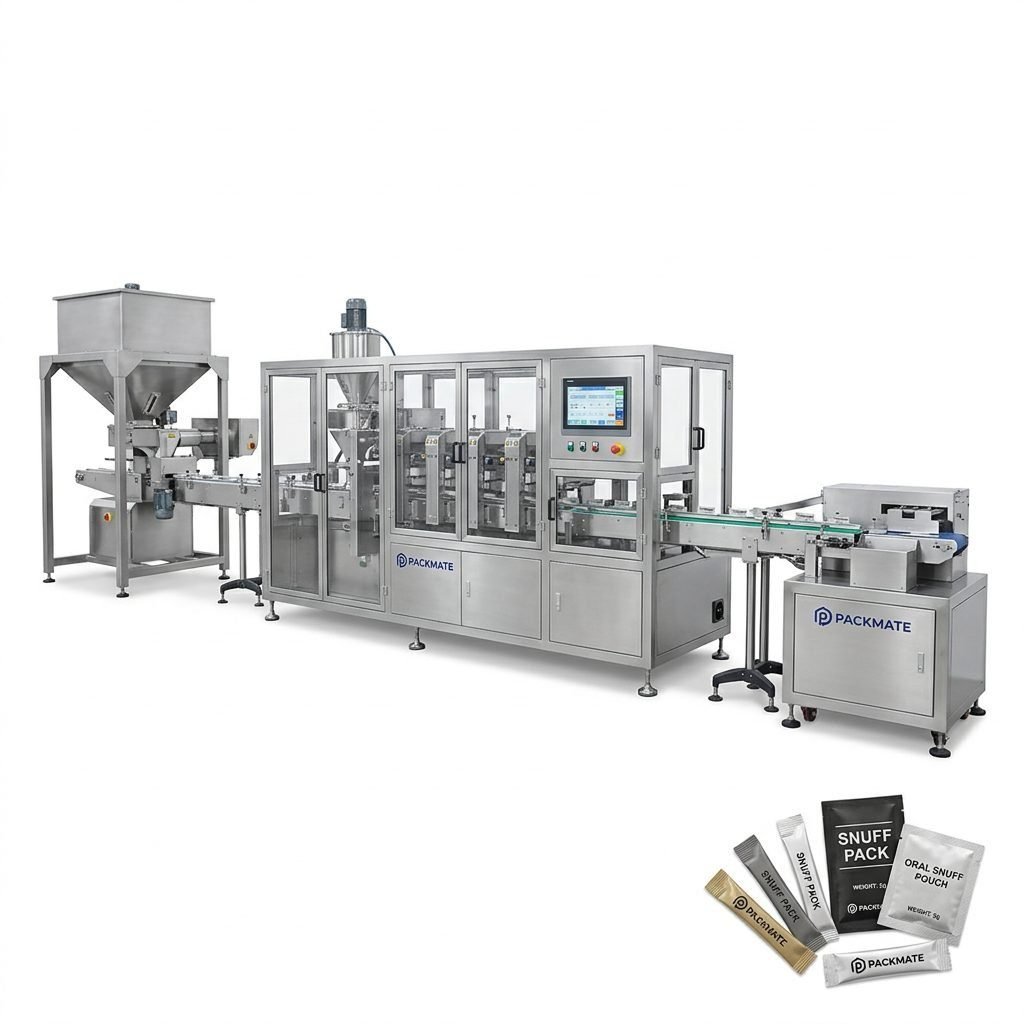
Choosing the right nicotine packaging machine in Luxembourg requires a careful balance of regulatory awareness, production goals, technical specifications, and long-term support. This guide will walk you through the essential considerations—machine types, capacity planning, accuracy, materials handling, certifications, supplier strengths, and operational ROI—so you can make an informed purchase that keeps your operation compliant, efficient, and scalable.
Understand the Luxembourg & EU regulatory landscape
Luxembourg follows strict European Union standards regarding nicotine products and packaging. Before selecting equipment, confirm that your packaging line can support the required labeling, tamper-evidence, and child-resistant features where applicable. You should also ensure that any manufacturing documentation and quality controls are compatible with CE and ISO certification processes.
Key compliance checkpoints
Important: verify that your machine vendor provides documentation for CE and ISO standards and that machine firmware allows traceability logs for batch records and production timestamps.
Choose the machine type that matches your product
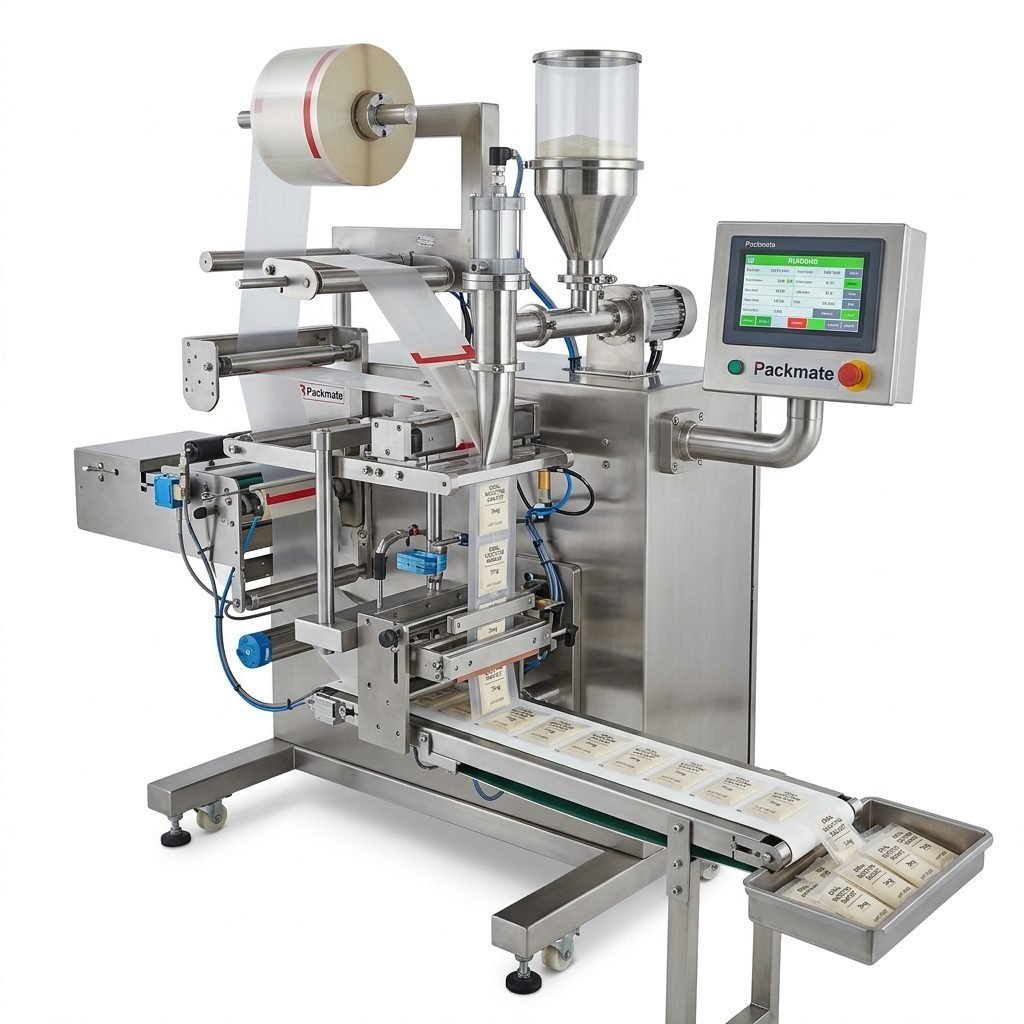
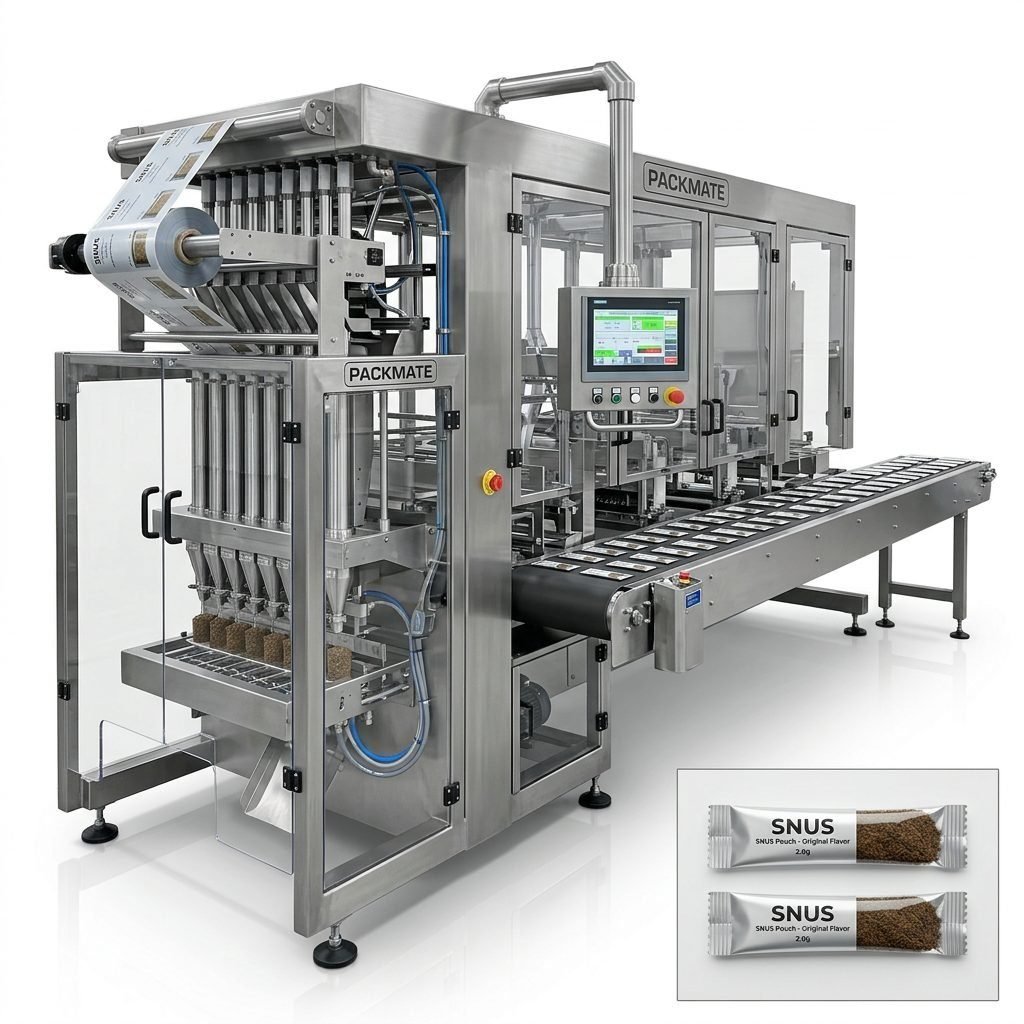
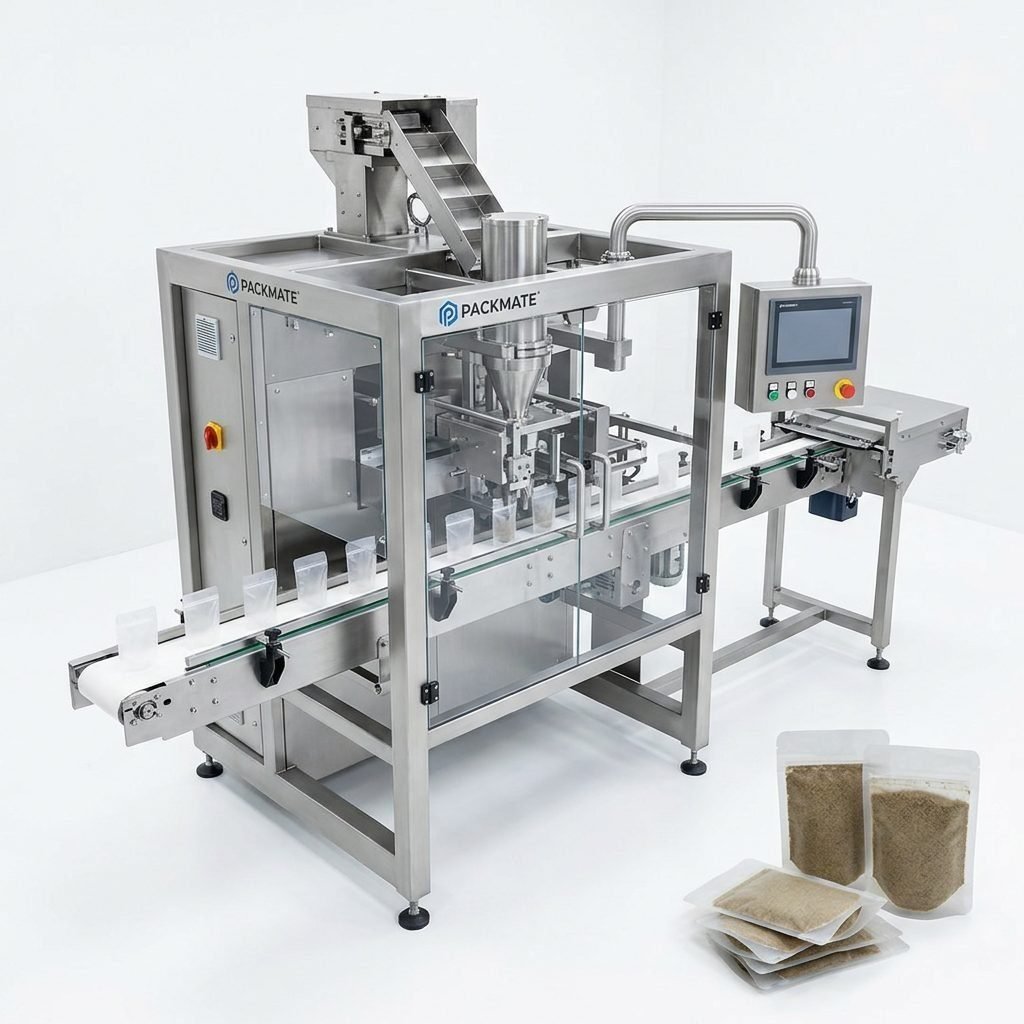
Nicotine pouches and snus products come in many formats—single-dose pouches, multi-pouch carriers, sachets, stick packs, or small cans. Selecting the correct machine family is the first step:
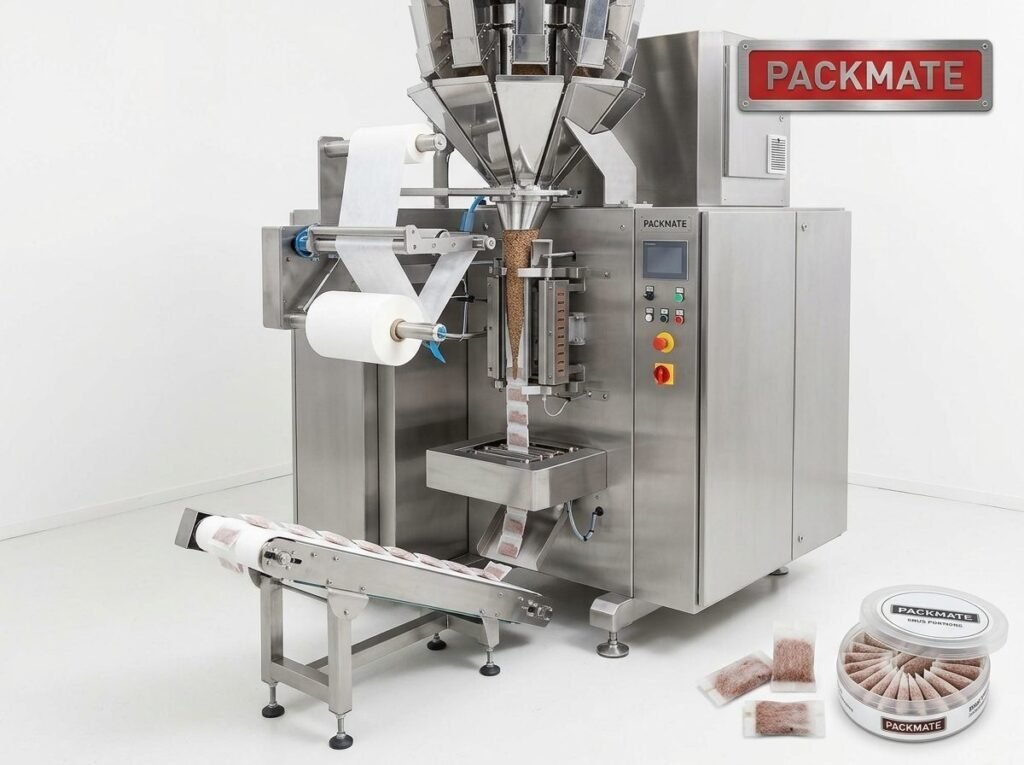
- Snus & nicotine pouch machines — optimized for small-dose, discrete pouches with high dosing precision. See relevant models: Snus & Nicotine Packaging Machines.
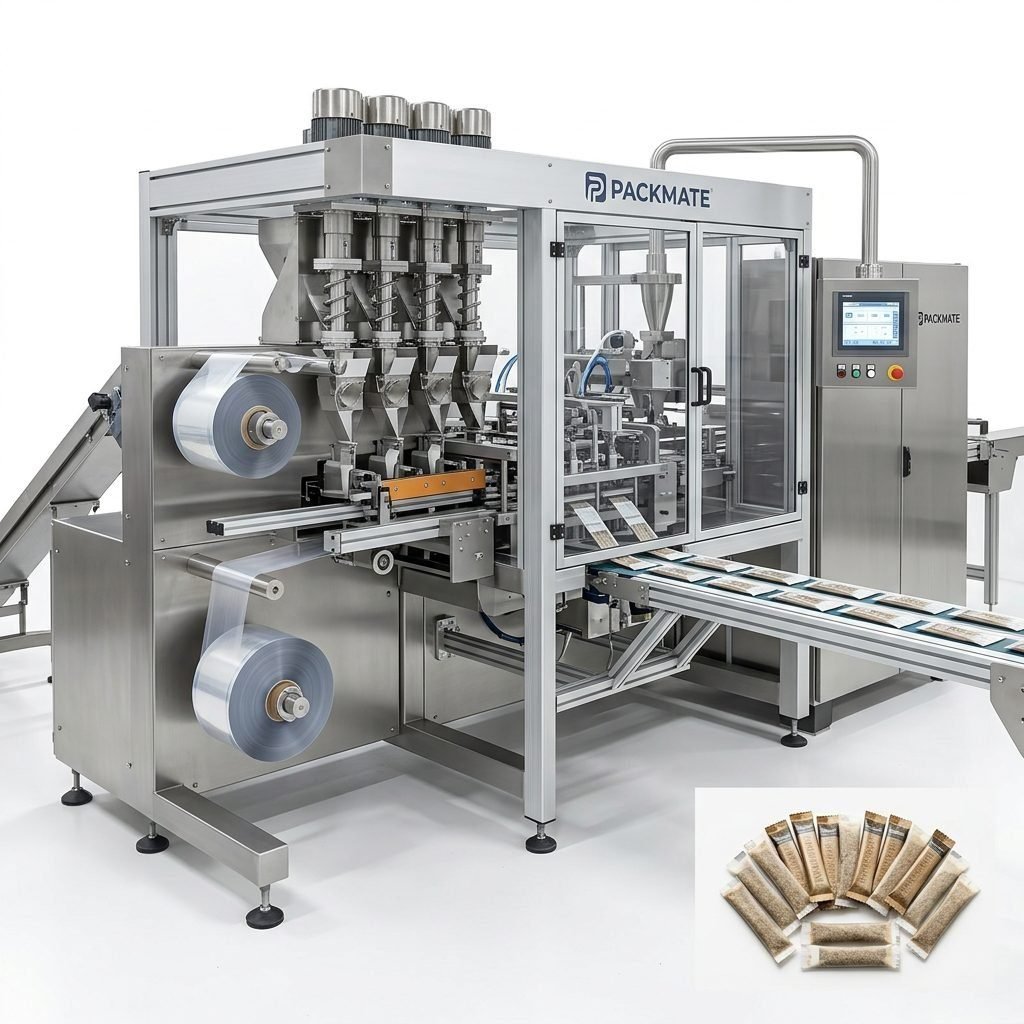
- Sachet & stick pack machines — ideal for single-serve or stick formats; flexible for powders, granules, and low-viscosity liquids. More options: Sachet & Stick Pack Machines.
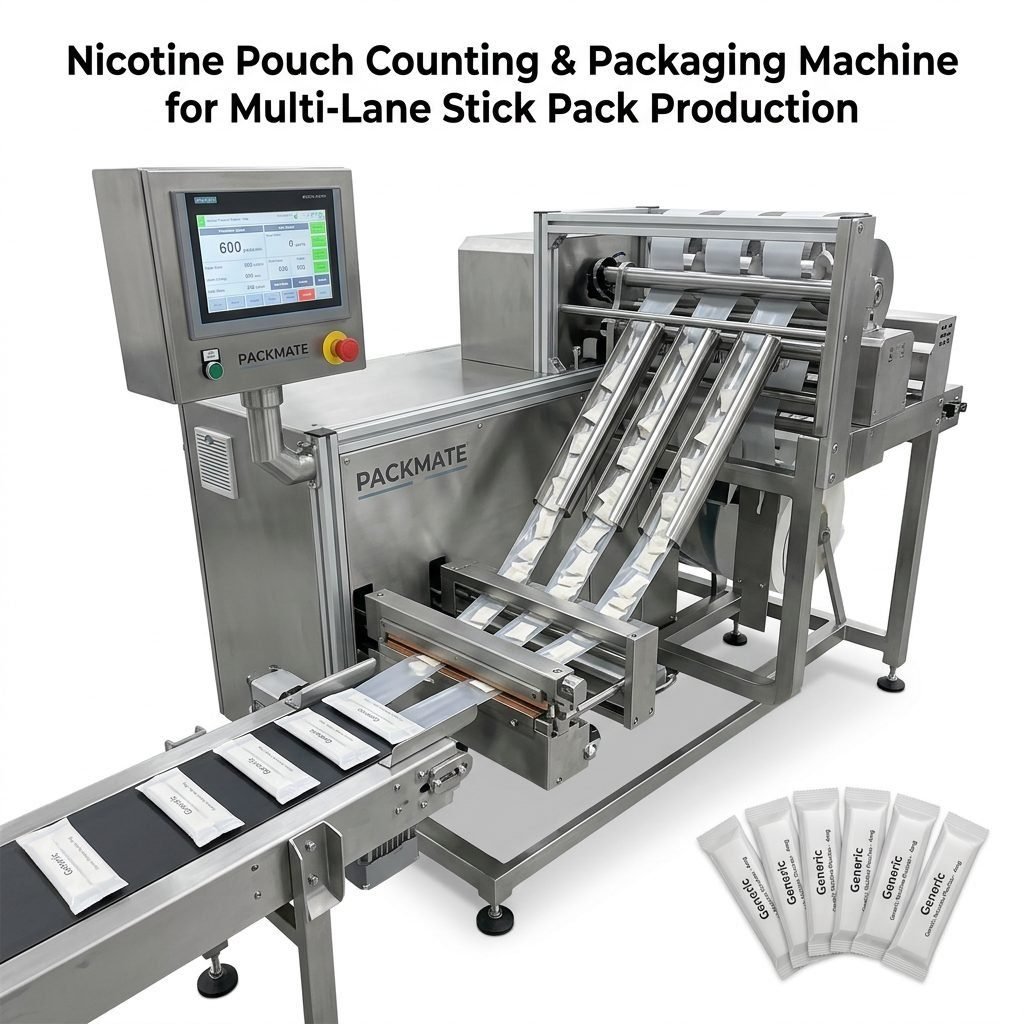
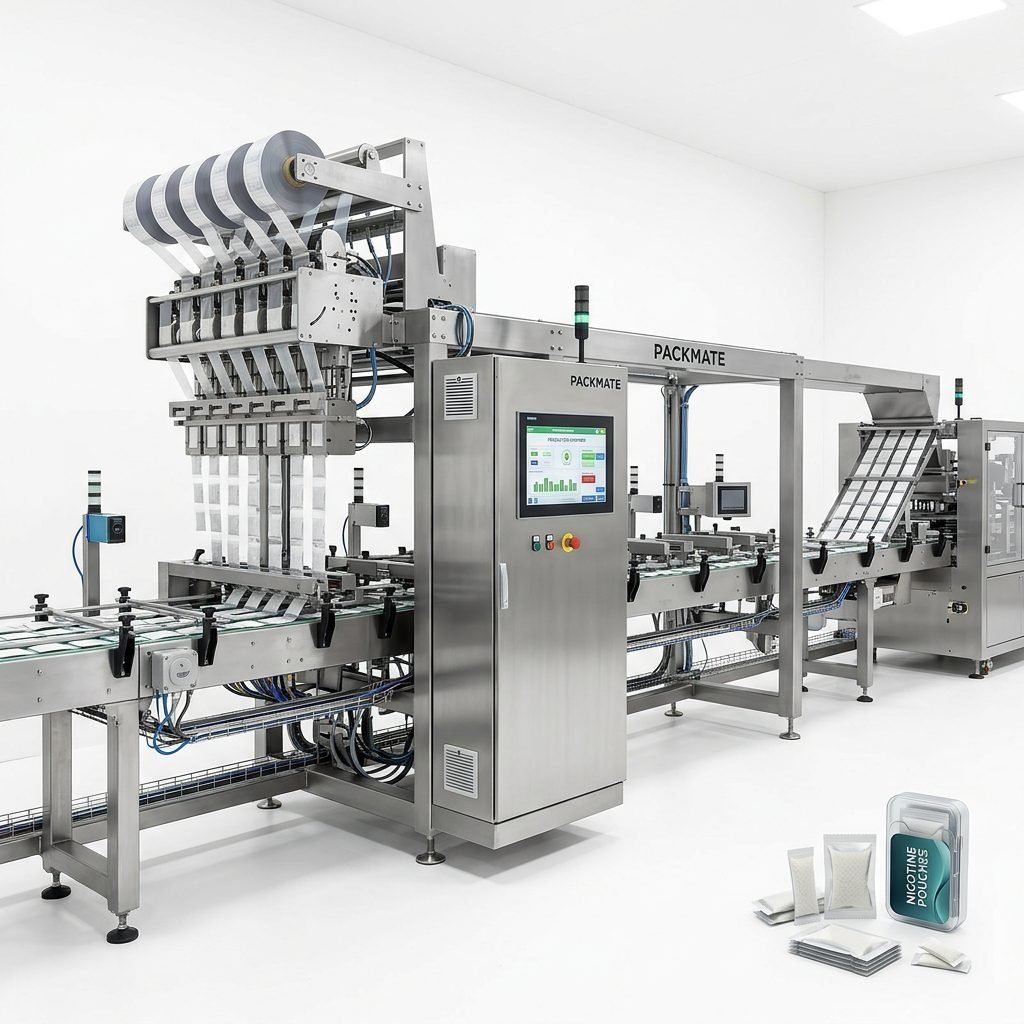
- Multi-lane pouch systems — provide very high throughput for small-dose pouches using parallel lanes and synchronized feeders.
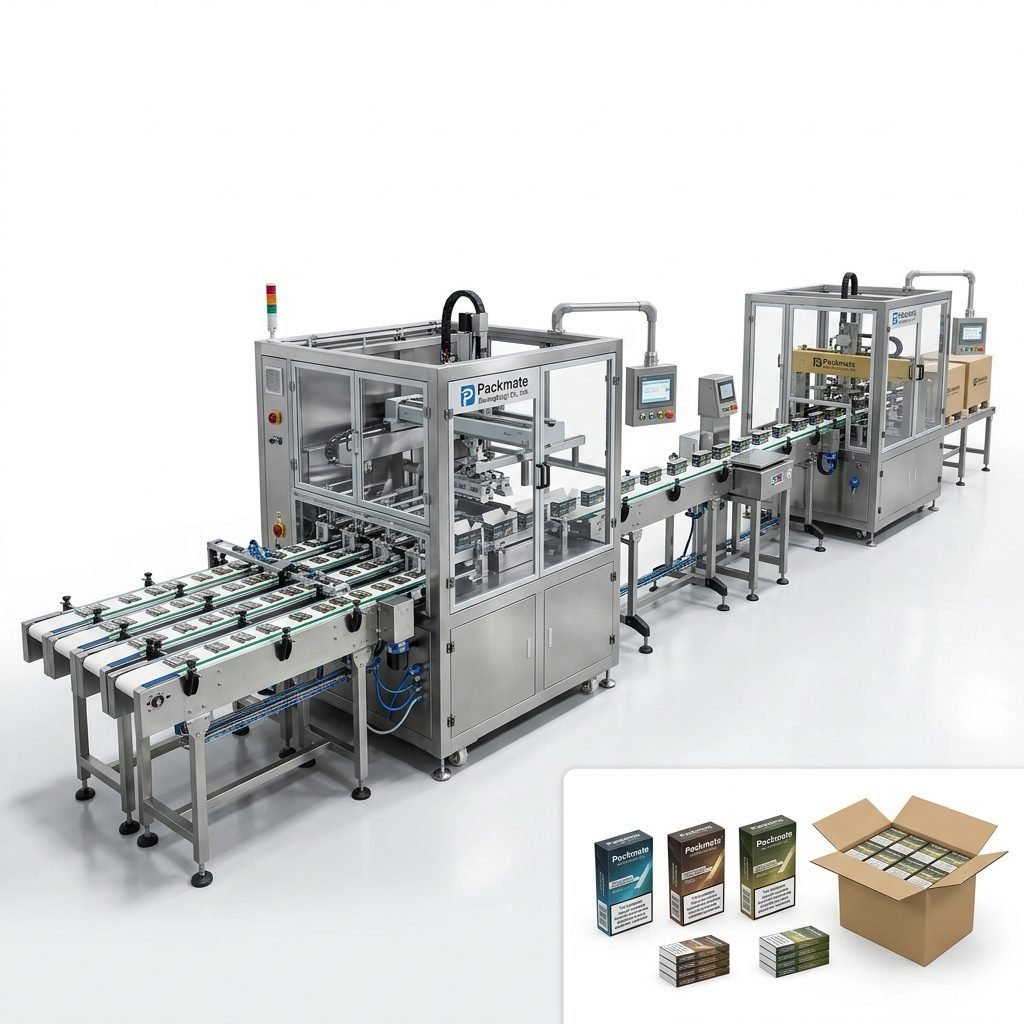
- Auxiliary equipment — include feeders, metal detectors, checkweighers, and case packers to create a turnkey line: Auxiliary Packaging Equipment.
✅ Tip: If you plan to expand SKUs or pouch formats within 12–24 months, prioritize modular machines that support quick format changes and addable lanes.
Production capacity & throughput planning
Calculate the real throughput you need in packed pouches per minute and per shift, then add a growth buffer of 20–40%. Machine nameplate speeds are useful, but real-world throughput depends on changeover time, operator efficiency, and downstream handling. For high-volume nicotine pouch brands, multi-lane systems are often the only practical choice.
Questions to answer
– What is the target annual output and peak seasonal demand?
– How many SKUs and pouch sizes will run on a single line?
– What uptime percentage is acceptable for your business model?
Accuracy, dosing systems, and quality control
Nicotine pouch filling requires precise dosing to ensure consistent product weight and regulatory compliance. Choose machines that support the material you use (powder, granular, paste) with accurate batching systems such as auger fillers, volumetric or multi-head weighers.
⚠️ Critical: choose dosing systems with ±1–3% accuracy for nicotine pouches—better accuracy reduces waste and regulatory risk.
Materials compatibility & hygiene
Material handling must protect product integrity. Key points include:
- Food-grade stainless steel contact parts (typically 304 or 316) for corrosion resistance.
- Sanitary design for easy cleaning—quick-release parts and tool-free disassembly reduce downtime.
- Dust control and extraction for powder handling to protect operators and maintain accuracy.
Automation, HMI, and Industry 4.0 readiness
Modern lines should include a user-friendly HMI, recipe management, and remote service connectivity. Ask potential suppliers about PLC brands, data logging capabilities, and whether machines support SCADA or MQTT for factory integration. Packmate offers configurable control systems and remote diagnostics to minimize downtime and improve traceability.
Connectivity checklist
– Recipe storage for quick format changeovers
– Ethernet or industrial fieldbus for factory integration
– Remote support and fault diagnostics capability
Certifications, testing & validation
Ensure the supplier provides CE and ISO certificates, FAT (Factory Acceptance Test) reports, and IQ/OQ documentation where required. This is especially important if you will export product across EU borders or need to present compliance to local authorities.
Factory capabilities & supplier reliability
A supplier’s manufacturing strength directly impacts machine quality and delivery lead time. Companies with advanced CNC centers, precision assembly lines, and a history in packaging equipment (like the Packmate Snus Machine team) typically deliver robust equipment and smoother implementations.
Packmate’s background—over 30 years of engineering experience, a 20,000㎡ factory, and 50+ machine models—illustrates the sort of manufacturing depth you want when investing in critical packaging lines.
Customization & turnkey solutions
If your product or packaging format is non-standard, seek suppliers who offer turnkey solutions: integration of filling, pouch forming, dosing, sealing, metal detection, and case packing. A turnkey provider reduces compatibility risks and accelerates commissioning.
📌 Note: ask for case studies and references—real-world installations in Europe and similar regulatory contexts are invaluable. Packmate lists global cooperation cases and exhibition demos that showcase live machine performance.
Costing, ROI & TCO (Total Cost of Ownership)
Initial price is only one component of TCO. Consider spare parts availability, energy consumption, expected maintenance intervals, operator training, and software licenses. A well-documented ROI includes reduced product waste, faster changeovers, and higher uptime.
Financial evaluation checklist
– Purchase price vs. long-term maintenance contracts
– Spare parts lead time and local stocking options
– Energy efficiency (especially for continuous production lines)
– Warranty coverage and optional extended service packages
Installation, commissioning & operator training
Proper installation and thorough commissioning ensure the line meets promised performance metrics. Confirm that the supplier includes on-site startup, operator training, and preventive maintenance instruction. Remote commissioning and virtual support are useful extras that reduce travel time and expedite troubleshooting.
Spare parts, service network & long-term support
Reliable after-sales service keeps lines running. Verify spare parts catalogs, average delivery times to Luxembourg, and global service presence. Suppliers with modular components and documented preventive maintenance programs reduce downtime.
How to evaluate and select a supplier
Use a structured supplier-scorecard covering: technical fit, references & cases, manufacturing capability, certifications, price & TCO, lead time, and after-sales service. Arrange FATs and request performance demonstrations either at the factory or during exhibitions. Many top suppliers regularly participate in global shows; viewing a live demo helps validate performance claims. For supplier background, you can review company pages such as About Packmate and exhibition evidence at Our Exhibition.
Factory Acceptance Test (FAT) checklist
– Run at target speeds using your product or a close simulation
– Validate dosing accuracy, sealing integrity, and reject rates
– Confirm data logging and HMI recipe handling
– Witness safety interlocks and emergency stops
Real-world checklist before signing
1. Confirm regulatory documentation and CE/ISO certificates.
2. Validate throughput with an allowance for growth.
3. Check spare parts lead times and local logistics to Luxembourg.
4. Ensure service contracts and remote support options are clearly defined.
5. Schedule FAT and commissioning terms in the contract.
🔍 Pro tip: include performance penalties or remediation steps in your purchase agreement if the machine fails to meet guaranteed throughput during FAT.
Case examples & references
Investigate supplier case studies that match your intended production environment. Packmate shares global cooperation cases demonstrating multi-lane snus pouch lines and turnkey installations: Case.
Making the final decision
Balance technical fit and supplier reliability. A lower initial price is not always the best value if the machine requires frequent maintenance, has poor spare parts support, or lacks precise dosing. Prioritize proven engineering, clear documentation, and a supplier willing to stand behind performance claims.
If you need further details
Explore product families that match your needs: Bag & Pouch Packaging Machines, Weighing & Packaging Systems, and full Filling & Packaging Lines.
Final recommendations
– Prioritize dosing accuracy and hygienic design for nicotine pouches.
– Choose modular, scalable systems if SKU expansion is likely.
– Verify CE/ISO certification and request a FAT with your product.
– Ensure robust after-sales and spare parts support for Luxembourg delivery timelines.
– Consider turnkey suppliers with a strong factory background to minimize integration risk.
Summary of next steps
1. Define capacity, SKUs, and growth expectations.
2. Shortlist machine types and request technical proposals.
3. Arrange FATs, ask for references, and validate service terms.
4. Finalize contract with clear acceptance criteria and support SLAs. If you want to contact a reliable supplier, you can use the manufacturer’s contact page: Contact Us.
Frequently Asked Questions (FAQs)
Q1: How do I know which machine speed I actually need?
A1: Start with your annual target and break it down by shift and pack size. Include changeover and maintenance windows; add a 20–40% growth buffer. Request real-product trials during FAT to confirm actual rates.
Q2: Are CE and ISO certificates sufficient for selling nicotine pouches in Luxembourg?
A2: CE and ISO verify equipment safety and quality systems, but you also need to ensure product labeling and nicotine content disclosures meet local and EU tobacco/nicotine regulations. Consult local compliance advisors if in doubt.
Q3: How important is spare parts inventory for a nicotine pouch line?
A3: Very important. Fast access to critical spares (sealing jaws, sensors, dosing components) minimizes downtime. Choose suppliers who offer stocked parts in Europe or fast delivery options to Luxembourg.
Q4: Should I buy a single-lane high-speed machine or a multi-lane system?
A4: Multi-lane systems are usually better for very high-volume small-dose pouches because they multiply throughput without increasing machine footprint proportionally. Single-lane systems can be more flexible for low-volume or many SKUs.
Q5: Can suppliers provide turnkey integrations for nicotine pouch lines?
A5: Yes. Many established manufacturers design turnkey lines including fillers, pouch formers, dosing, metal detection, and case packing. Review the supplier’s case studies and FAT documentation to validate turnkey performance.