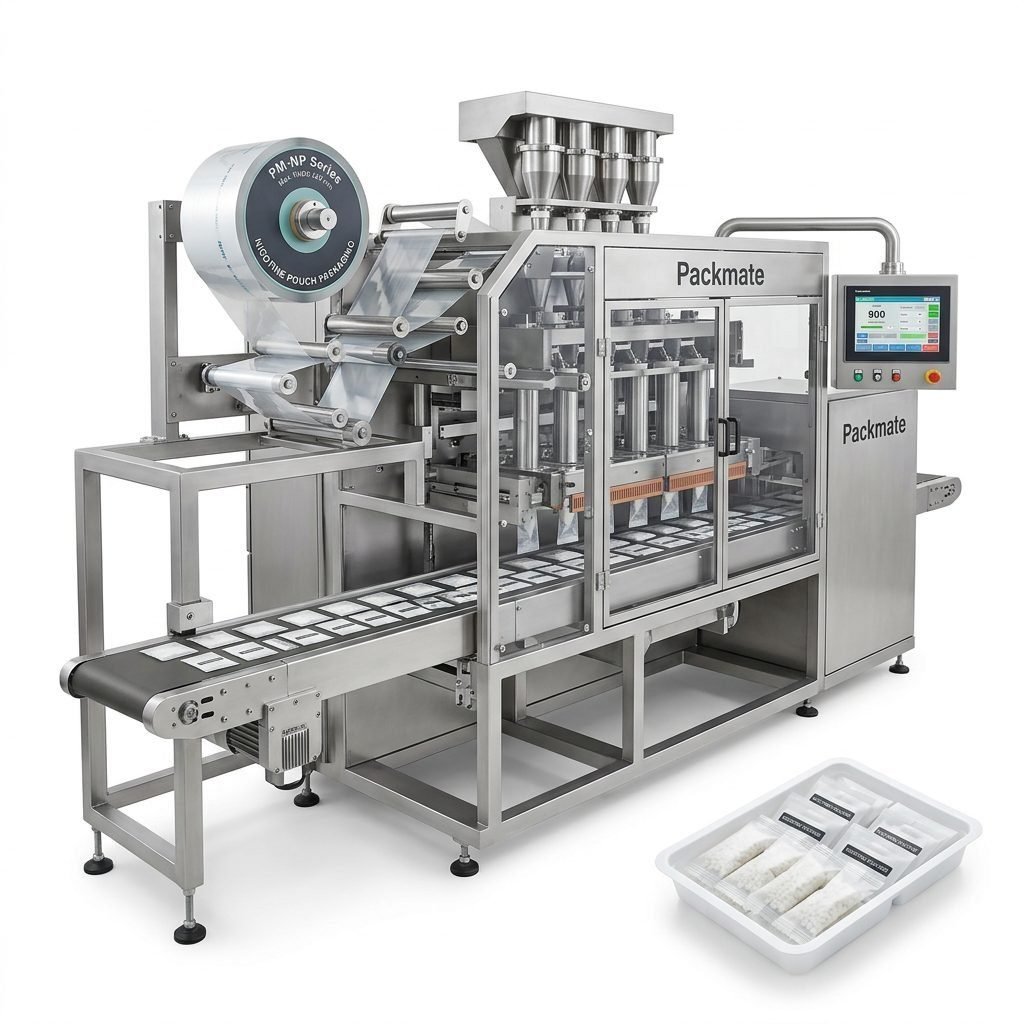
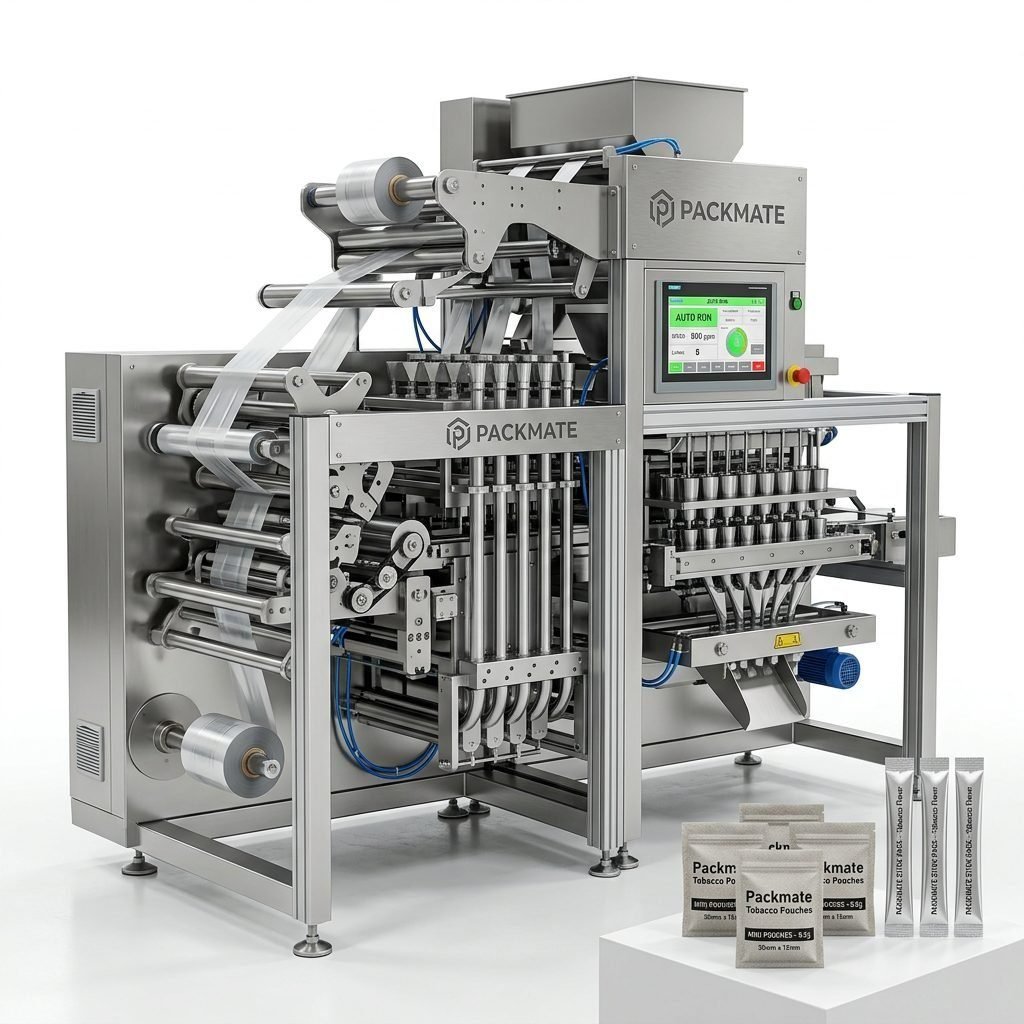
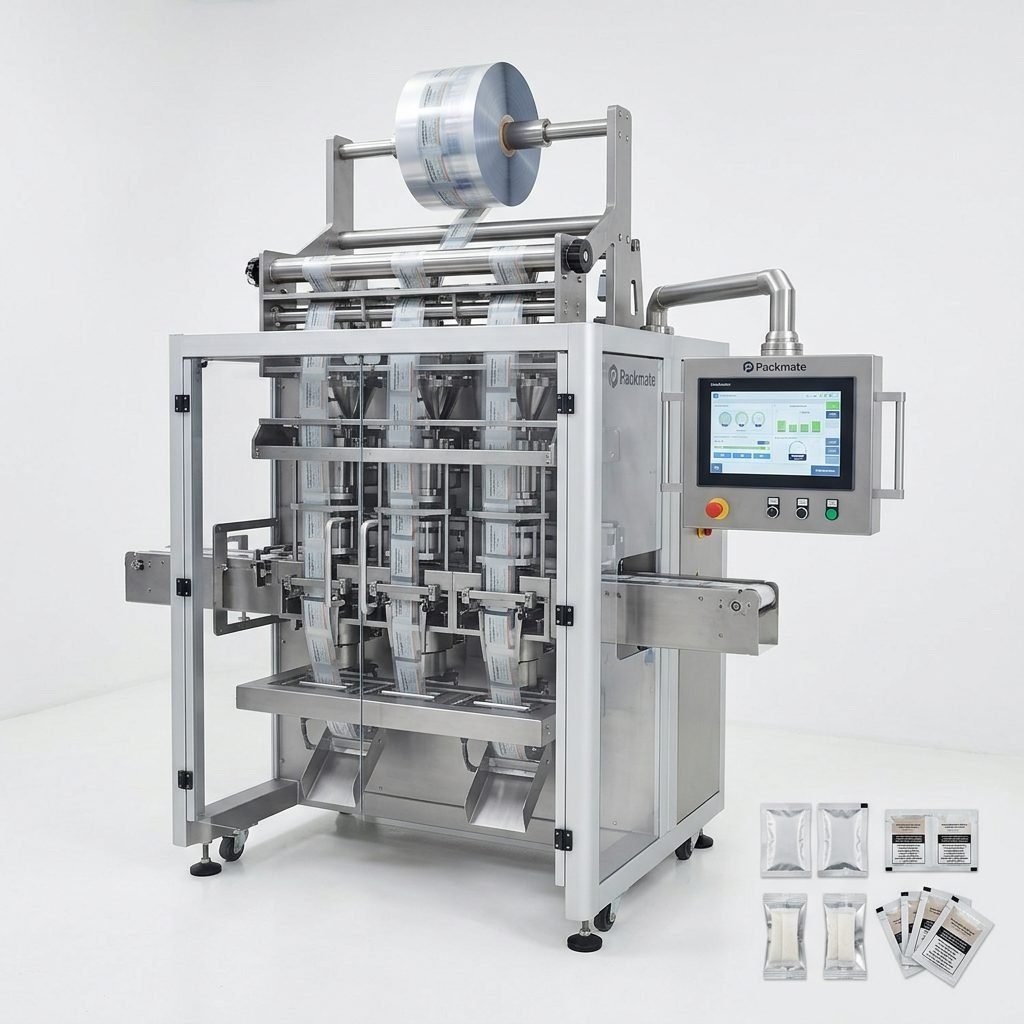
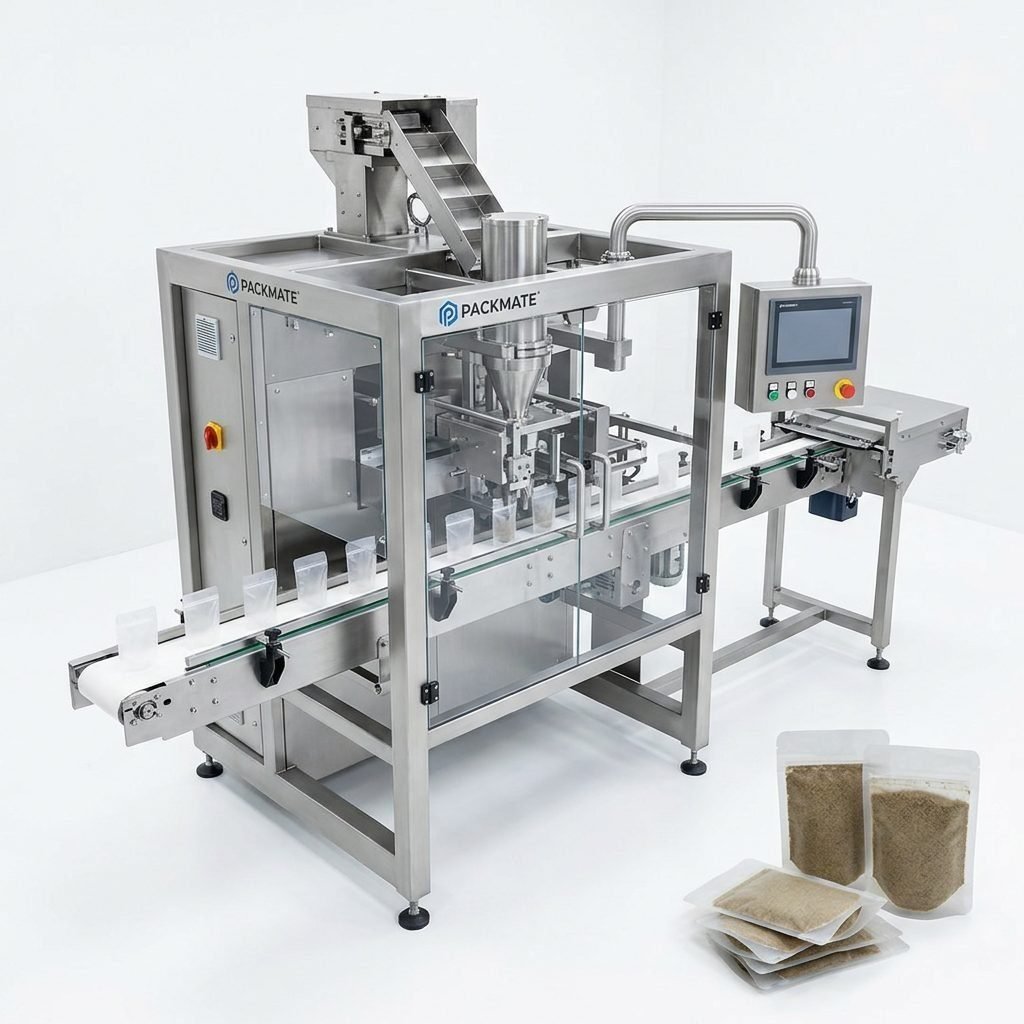
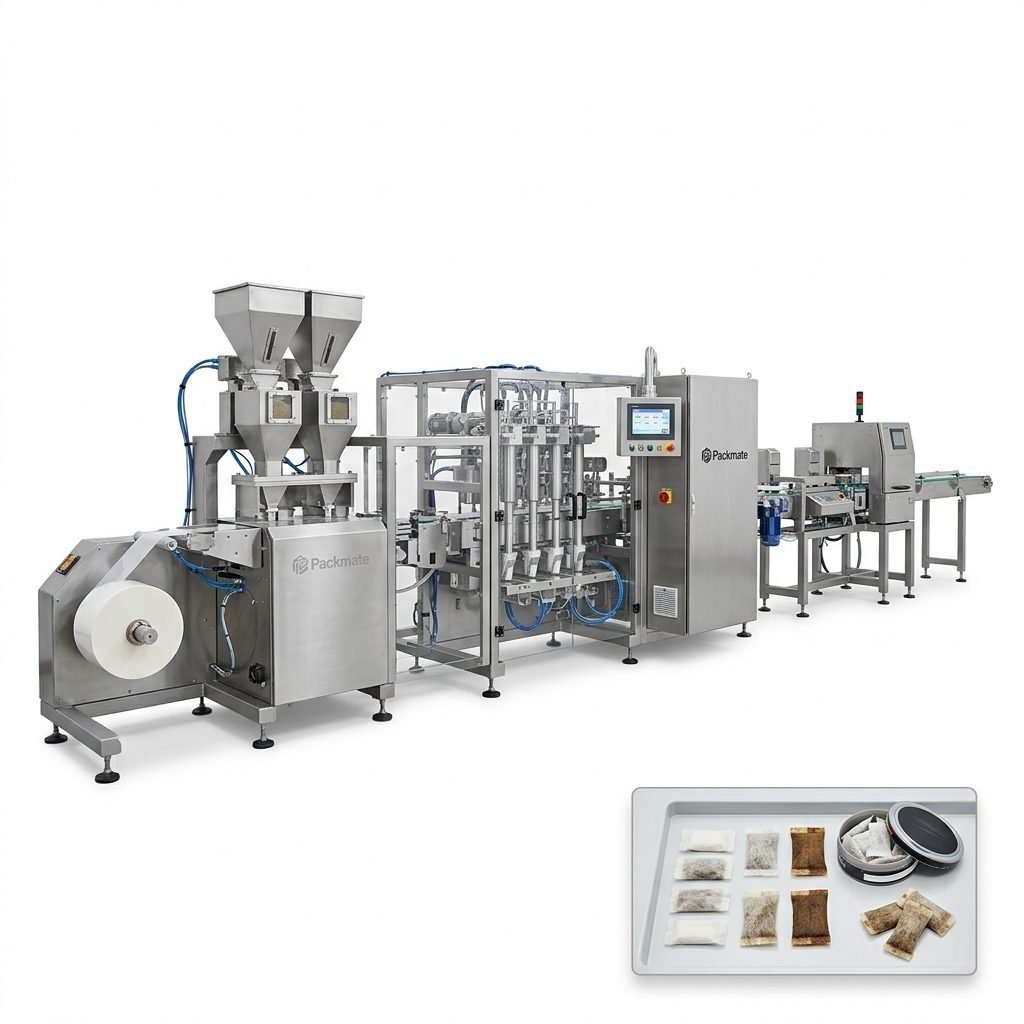
Entering the Kenyan tobacco market with snus or nicotine pouches means choosing a packaging machine that balances production speed, product integrity, regulatory compliance, and long-term service. This guide walks you through the critical factors to help your tobacco business select the best snus packaging machine in Kenya, with practical tips on specifications, supplier selection, installation, and ROI considerations.
Why the Right Snus Packaging Machine Matters for Kenyan Tobacco Businesses
Choosing the right machine affects product quality, waste levels, labor costs, and regulatory compliance. A well-matched packaging line improves shelf presentation, extends product freshness, and reduces returns. For nicotine pouches and snus—where dosage consistency, moisture control, and tamper-evidence matter—the machine is as important as your recipe.
Key Market Considerations in Kenya
Kenya presents growing demand for alternative tobacco products and nicotine pouches, with distribution evolving from local retailers to modern trade and e-commerce. Consider your target channels—retail shelves, vending, or export—and plan capacity, packaging format, and labeling accordingly.
Primary Packaging Formats to Evaluate
Different packaging formats have unique benefits:
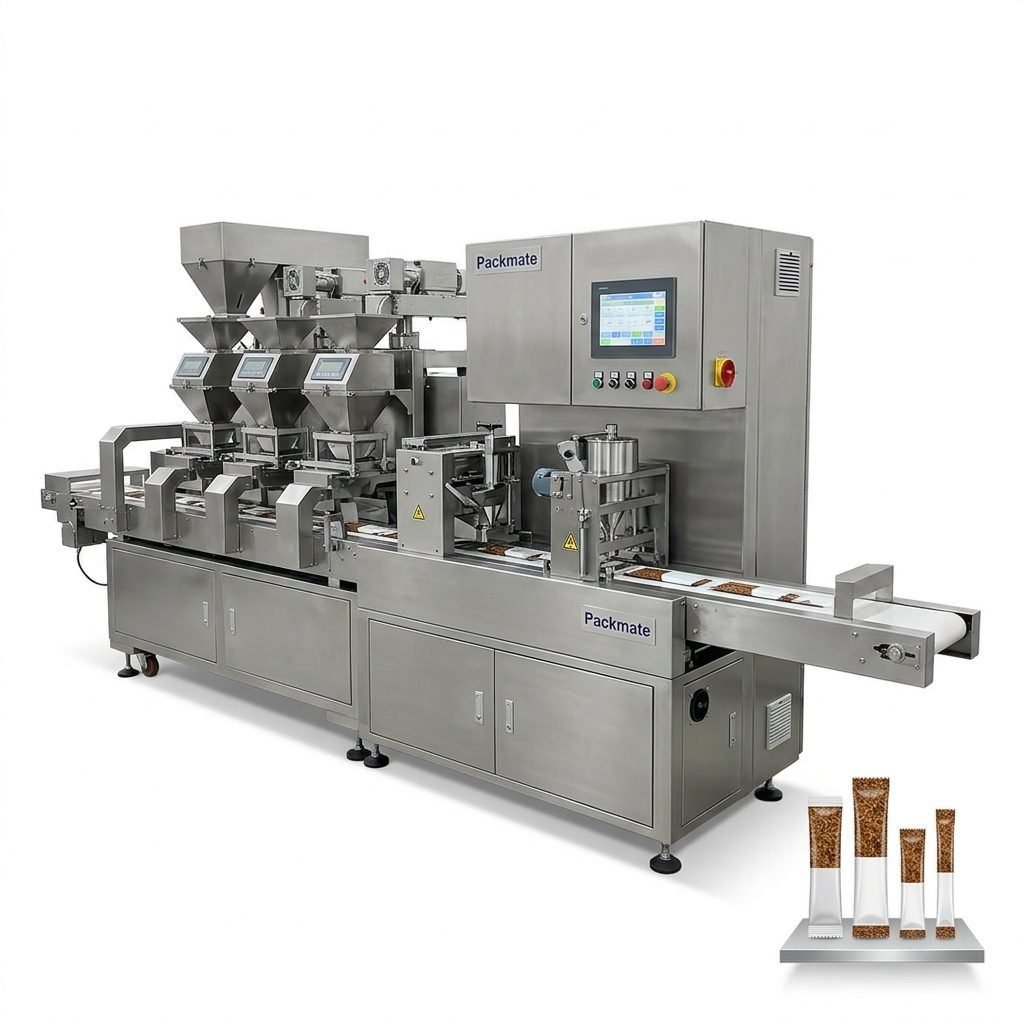
📦 Sachets — Good for single-dose convenience and tamper-evidence. Ideal for retail multipacks.
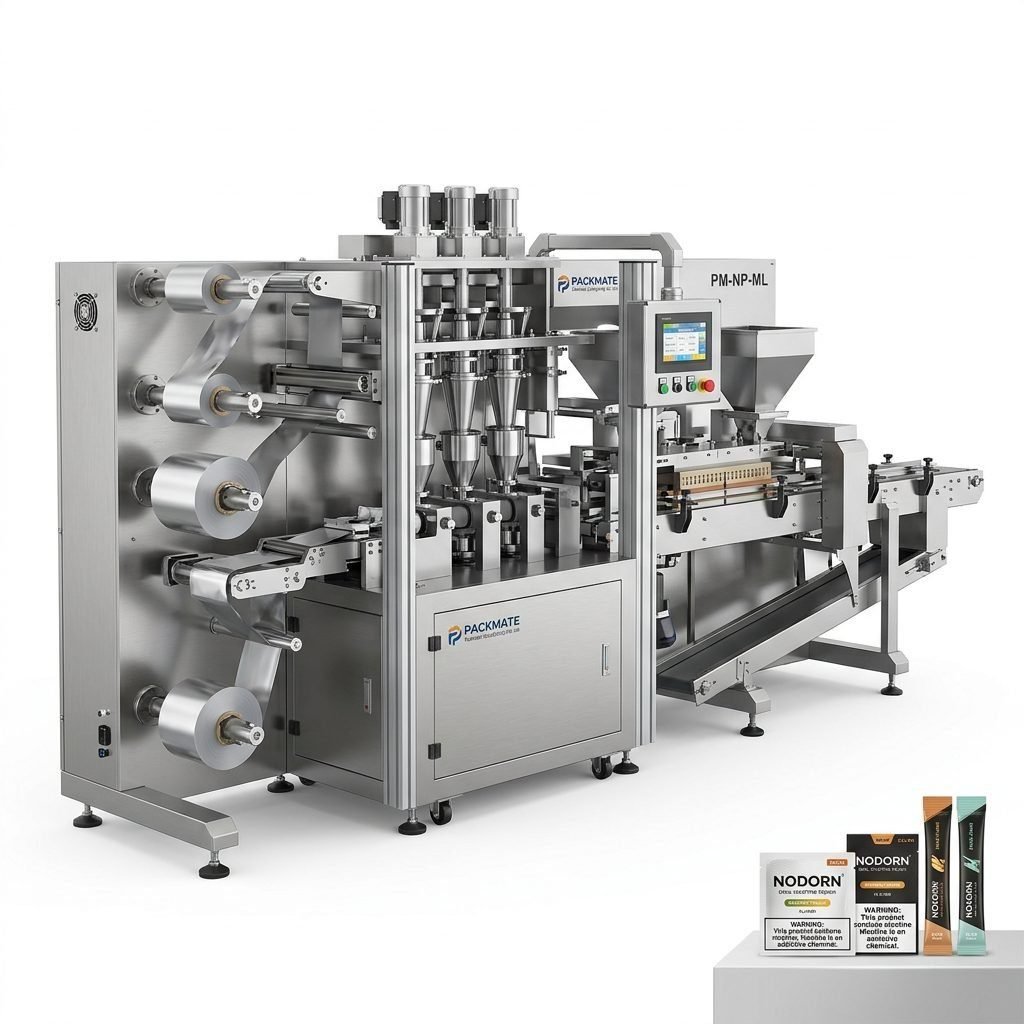
🟦 Stick Packs — High-speed, space-efficient, and consumer-friendly for single-use pouches.
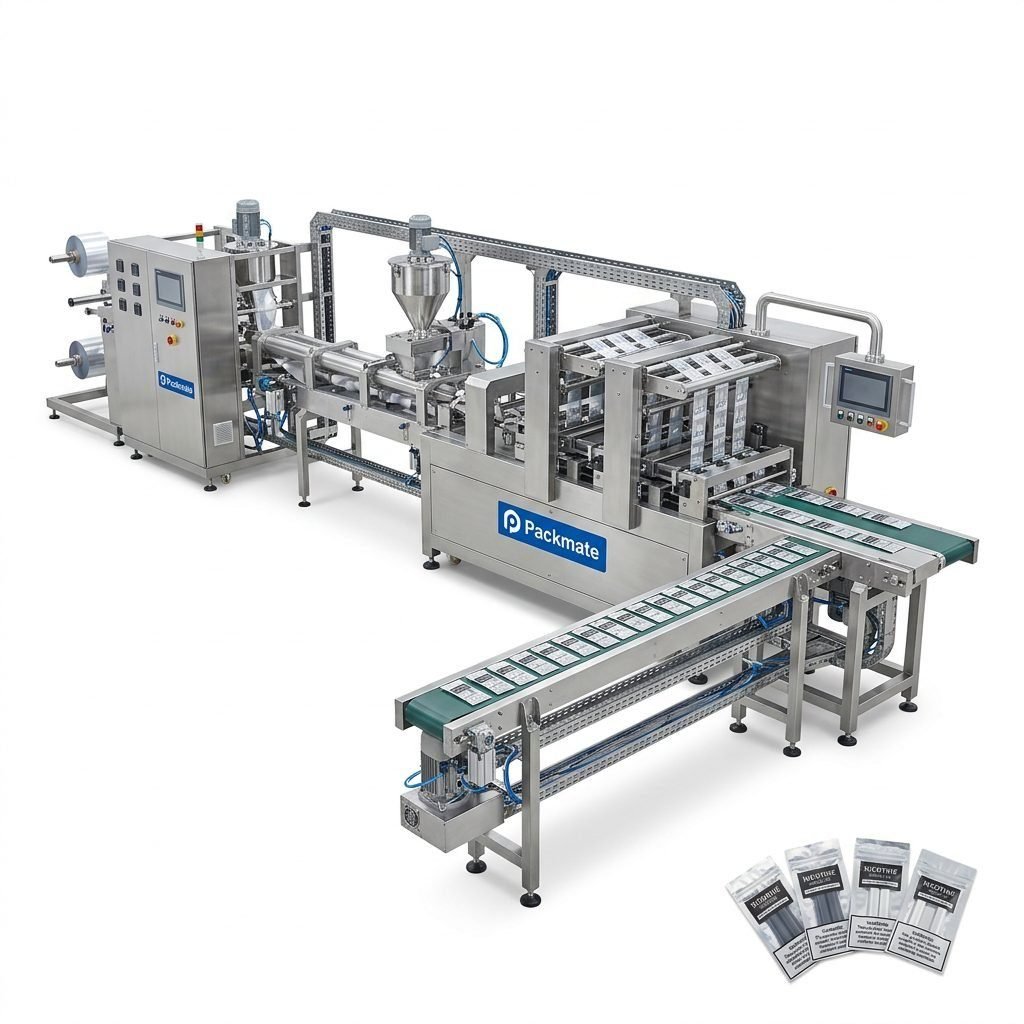
🔢 Multi-lane Systems — Best for high-volume production of small-dose pouches, delivering consistent fill and cut accuracy.
Critical Technical Factors When Choosing a Machine
Focus on machine features that directly impact product quality and operational efficiency. Below are the priority specifications to compare.
Production Capacity & Scalability
Estimate daily and monthly output needs. Machines range from a few hundred to tens of thousands of pouches per hour. Select a model that meets current demand with room to scale. Multi-lane systems provide easier capacity increases without doubling floor space.
Filling Accuracy & Dose Consistency
For nicotine pouches, dose precision is essential. Look for high-precision dosing units and check manufacturer tolerances. Systems with online weighing and closed-loop feedback reduce variation and regulatory risk.
Material Compatibility & Hygiene
Ensure the machine supports your pouch materials (non-woven, fiber, paper) and any barrier films for moisture control. Stainless steel contact parts, easy-to-disassemble components, and GMP-friendly design help maintain hygiene and simplify cleaning.
Automation Level & Labor Requirements
Evaluate automation for material feeding, sealing, cutting, and secondary packaging. Higher automation reduces labor and error rates but increases initial investment. Consider PLC controls, recipe storage, and HMI usability for faster changeovers.
Maintenance, Spare Parts & Local Support
Minimal downtime is crucial. Verify spare parts availability, lead times, and whether the supplier offers local technicians or remote diagnostics. A manufacturer with a global service network or regional partners reduces maintenance risk.
Choosing Between Machine Types
Match machine type to product format and business goals. Below is a quick decision guide.
✅ Sachet Machines — Choose for flexible pouch sizes and a balance of speed and flexibility.
✅ Stick Pack Machines — Best when you need single-portion convenience and compact retail packs.
✅ Multi-lane/snuset Lines — Ideal for high-volume nicotine pouch production with consistent fills.
Assessing Manufacturer & Supplier Credentials
Reliable suppliers bring proven machines, comprehensive after-sales, and compliance documentation. Look for manufacturers with long industry experience, full factory capabilities, and recognized certifications.
📌 Why manufacturer history matters: A company with decades of engineering experience can deliver better-engineered solutions and faster troubleshooting. For example, Packmate Snus Machine has over 30 years of engineering experience and a 20,000㎡ facility, offering 50+ machine models and turnkey solutions, which supports long-term reliability and customization.
📌 Certifications: Request CE, ISO, and any local compliance documentation to ensure safety and regulatory acceptance.
Inspect Factory Capabilities & Case Studies
Visit the factory if possible or request virtual tours and references. A factory with advanced CNC machining and precision assembly typically produces more reliable machines. Ask for case studies or references in markets similar to Kenya.
Learn more about specific machine lines and examples at the manufacturer’s product pages:
– Snus & Nicotine Packaging Machines
– Sachet & Stick Pack Machines
– Filling & Packaging Lines
Budgeting & Calculating Return on Investment (ROI)
Balance upfront cost, operating expenses, and expected revenue. Consider these cost components:
• Capital cost of the machine and accessories
• Installation and commissioning fees
• Training and initial spare parts kit
• Ongoing consumables, utilities, and labor
• Downtime risk and service contract costs
A higher initial investment in automation and multi-lane throughput often reduces per-unit cost and improves margins—especially when demand scales.
Installation, Training & After-Sales Support
Ensure the supplier provides onsite commissioning, operator training, and a spare parts package. Remote diagnostics and a clear SLA for spare parts delivery are invaluable when operating in Kenya.
🔧 Ask for: a training plan, maintenance manual, and a recommended spare parts list covering wear items for the first 12 months.
🌍 Local service partners: Confirm whether the manufacturer has local partners or can dispatch technicians quickly.
Regulatory & Compliance Tips for Kenya
Packaging for tobacco-related products must meet health warnings, labeling rules, and possibly local tax stamp requirements. Machines capable of precise date-coding, batch coding, or applying tamper-evident seals help maintain compliance.
Documentation Checklist
• CE / ISO certificates
• Machine specifications and test reports
• Factory acceptance test (FAT) records
• Installation & commissioning protocol (IQ/OQ where applicable)
Practical Buying Checklist (Quick Reference)
📌 Production target: Units/hour and shift output goals.
📌 Pouch format: Sachet, stick, or multi-lane small-dose.
📌 Dosing precision: Tolerance and verification method.
📌 Hygiene & material contact: Stainless steel and cleanability.
📌 Service & spares: Lead times and local support availability.
Why Consider Packmate & How to Reach Out
Manufacturers like Packmate Snus Machine bring extensive experience in snus and nicotine packaging, offering specialized multi-lane systems, sachet and stick pack lines, and full turnkey solutions. Review product lines and reach out for tailored proposals that match Kenyan market needs.
Explore their product range and corporate information:
– About Packmate
– Weighing & Packaging Systems
– Contact Packmate for a quote
Making the Final Decision
Shortlist machines based on capacity, format compatibility, hygienic design, and supplier support. Request FAT reports, sample production, and a full commercial proposal including delivery, installation, and warranty terms. Factor in spare parts accessibility and training to minimize downtime once installed in Kenya.
Negotiation & Contract Tips
• Include FAT and SAT acceptance criteria in the contract.
• Define warranty scope, spare parts kit, and lead times for replacements.
• Agree on training days, documentation language, and performance guarantees.
Summary: Steps to Choose the Best Machine for Kenya
1. Define production targets and pouch format.
2. Shortlist machines by dosing accuracy, hygiene, and automation.
3. Evaluate supplier experience, factory capabilities, and certifications.
4. Request FAT, sample runs, and a complete commercial proposal.
5. Plan installation, training, spares, and local support for long-term uptime.
Frequently Asked Questions
Q1: What production capacity do I need to start in Kenya?
A: Start with a conservative estimate of monthly demand, then choose a machine that meets current needs with a 20–50% capacity buffer for growth. Multi-lane options support faster scaling.
Q2: How important is dosing accuracy for nicotine pouches?
A: Extremely important. Tight dose control avoids regulatory issues and maintains brand trust. Prioritize machines with precision dosing, online weighing, or closed-loop correction systems.
Q3: Can I get local service in Kenya?
A: Many manufacturers provide global service networks and partner technicians. Confirm local partner availability or fast international support times, plus a spare parts plan to reduce downtime.
Q4: What documents should I request before purchase?
A: Ask for CE/ISO certificates, FAT reports, performance guarantees, wiring and control diagrams, spare parts list, and a clear warranty and service agreement.
Q5: Where can I see examples and models?
A: Review product pages for machine lines and case examples to compare formats and features. Start with a manufacturer’s snus and sachet machine pages to identify suitable models.