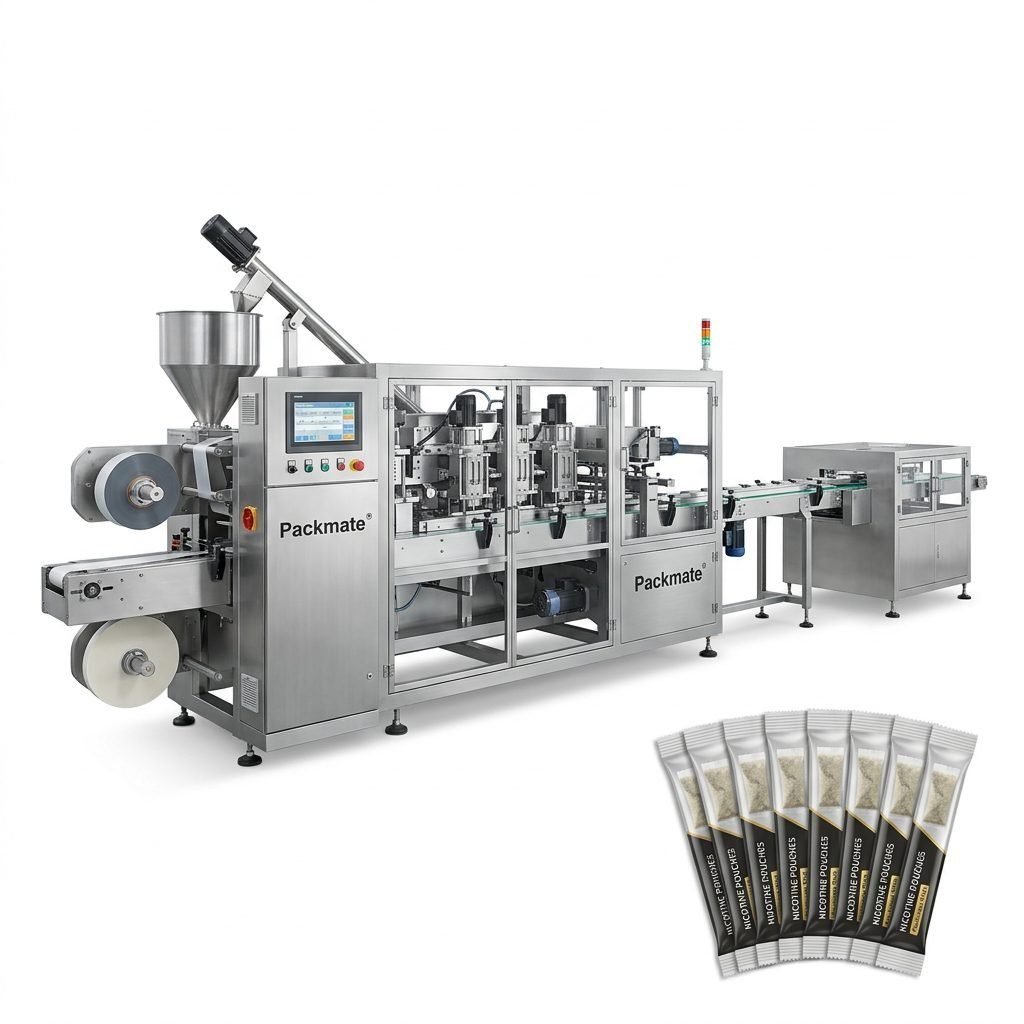
Choosing the right snus packaging machinery manufacturer is a strategic decision that can define your brand’s consistency, compliance, and profitability in Belize. Whether you are launching a new nicotine pouch brand or expanding an existing production line, understanding the nuances of machine performance, supplier credibility, local regulations, and after-sales support will save time and money. This guide walks you through practical, action-oriented steps to select the best snus packaging machinery manufacturer for your business in Belize.
Understand the Belize Market and Regulatory Landscape
Belize has evolving regulations on nicotine products and packaging. Before investing in equipment, confirm the legal requirements for labeling, product composition, and packaging materials. Manufacturers who supply internationally are generally familiar with CE and ISO standards and can help you navigate compliance. If certification matters to you, review the supplier’s credentials and request copies of certificates to verify compliance with global norms.
Why certification matters
A supplier with valid international certifications signals consistent production quality and safer machines. Consider requesting documentation such as CE, ISO, and factory inspection reports. Certified equipment reduces your risk during customs clearance and local market entry.
Quick tip: Ask for the manufacturer’s certificate copies and a recent factory test report before committing to a purchase.
Match Machine Types to Your Product and Capacity Needs
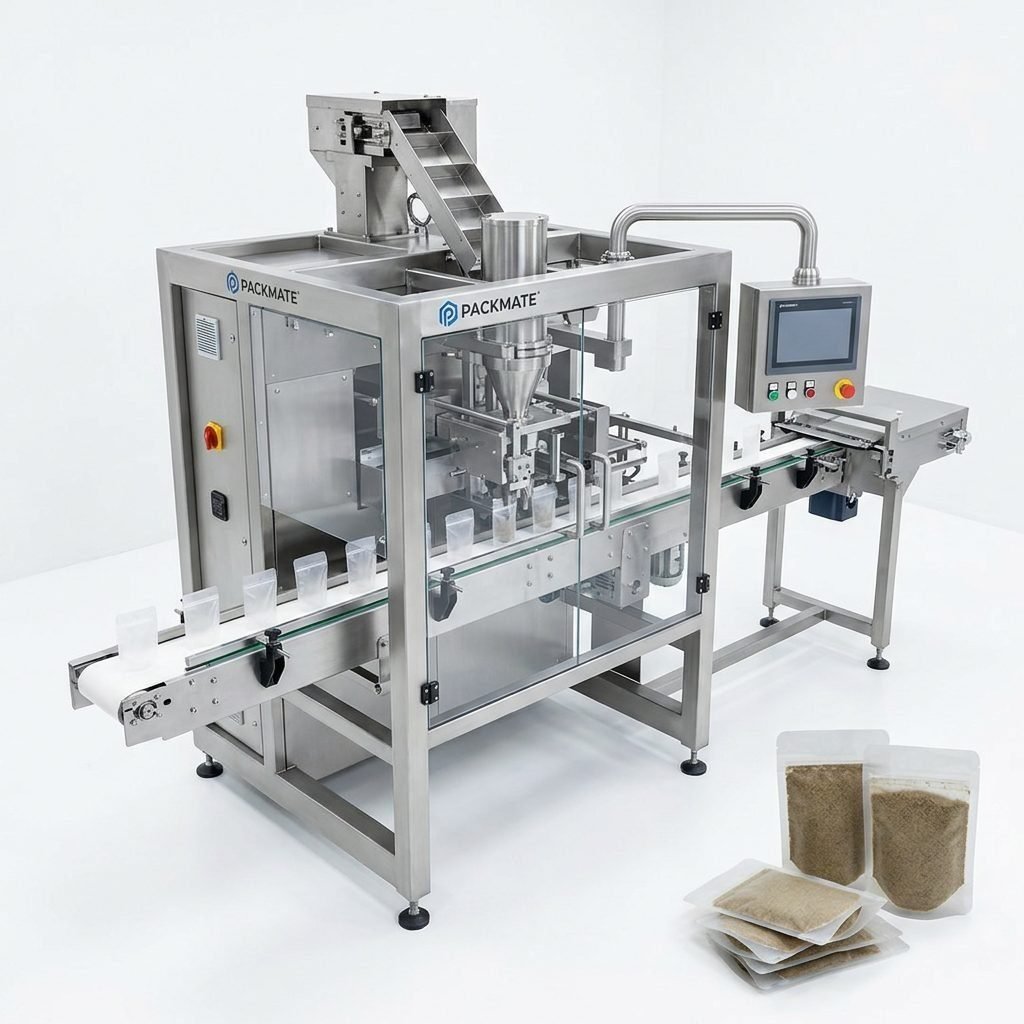
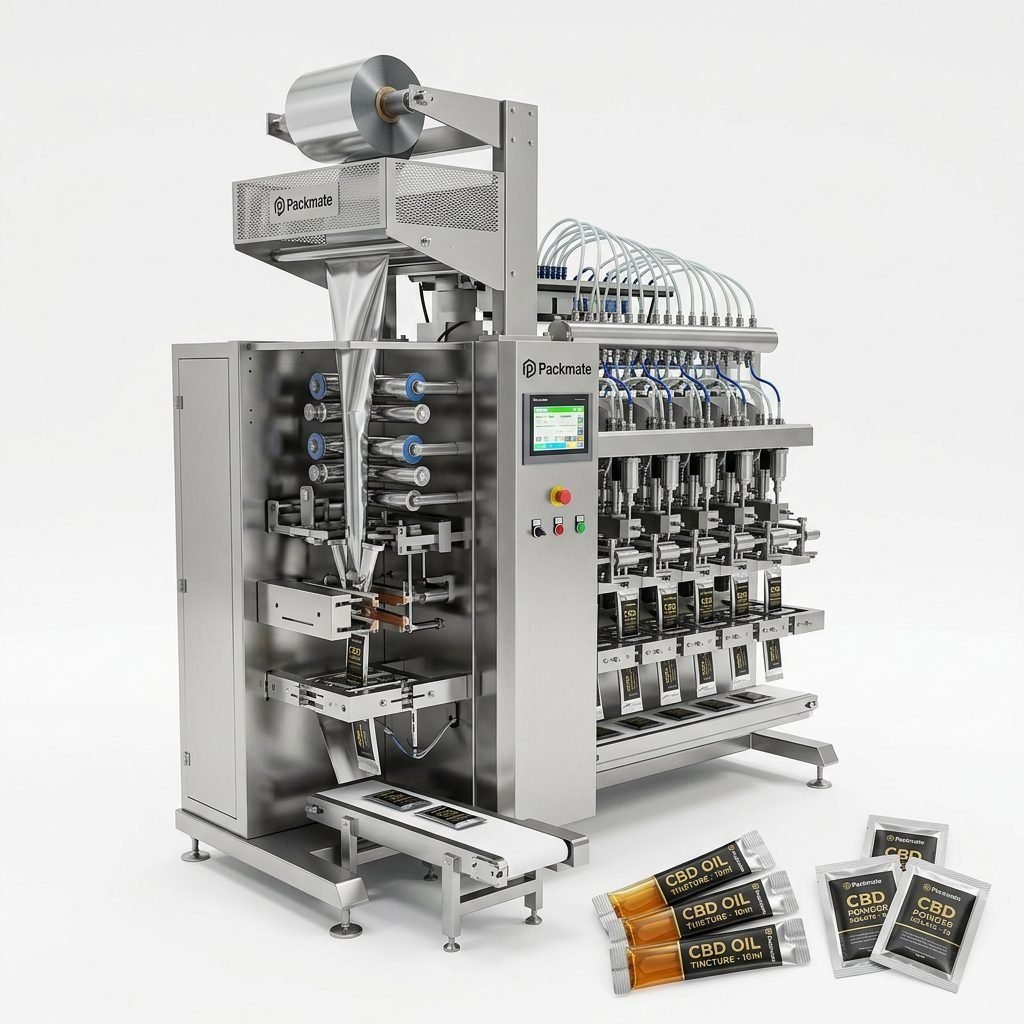
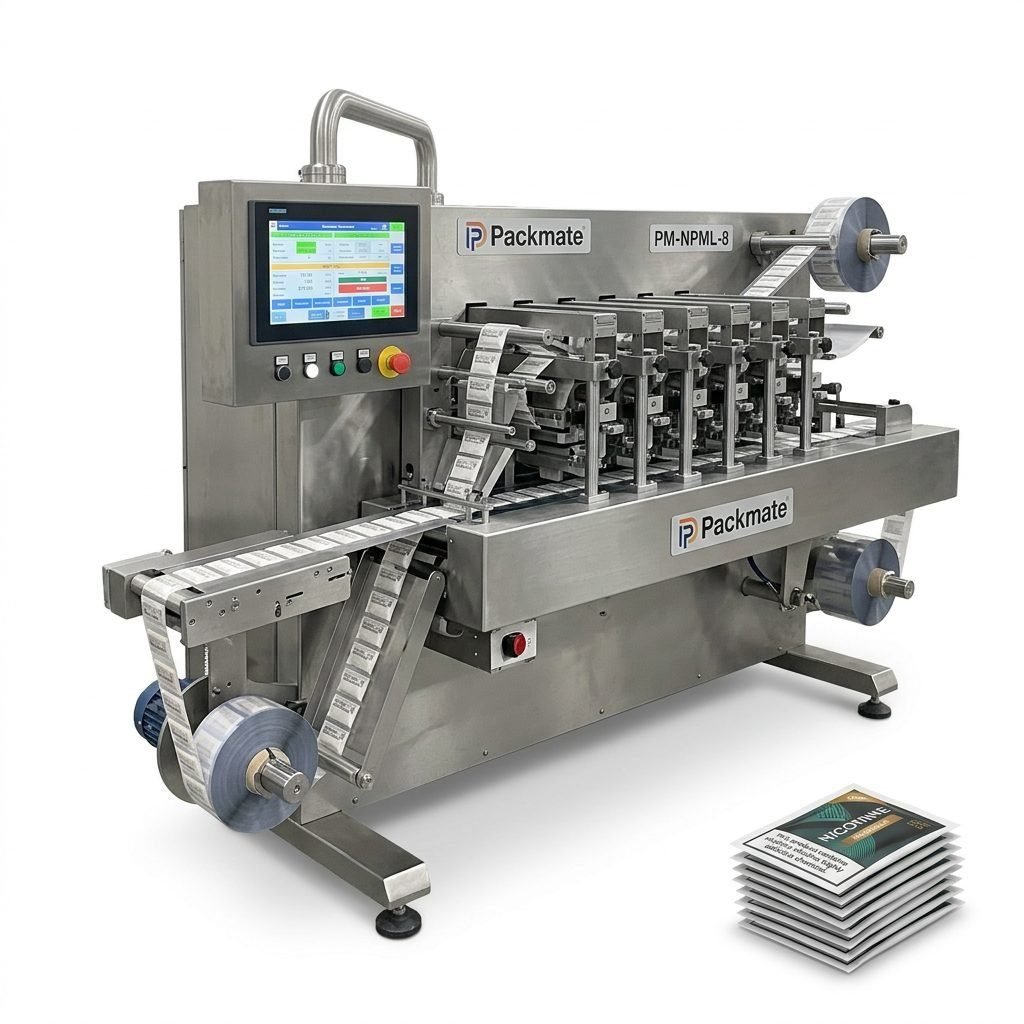
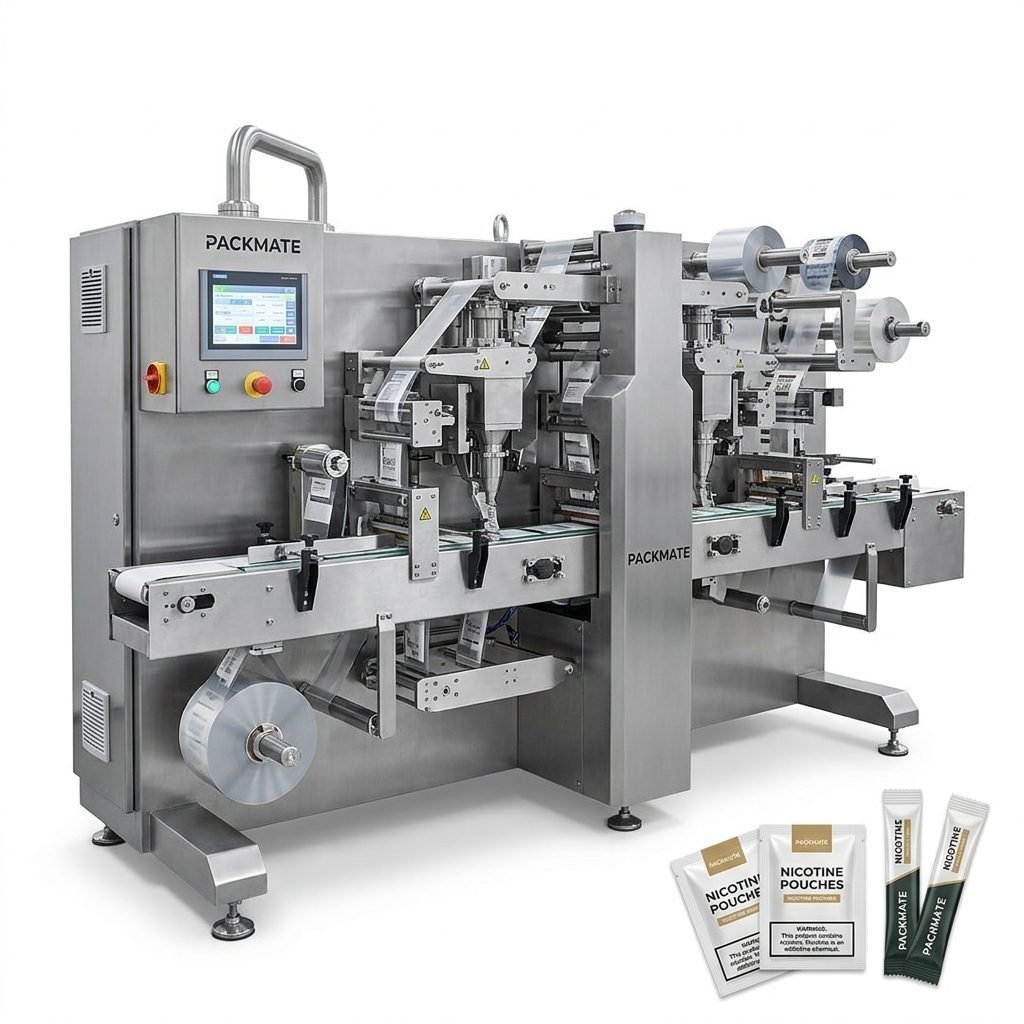
Snus and nicotine pouches come in many formats: single-dose sachets, stick packs, multi-lane pouches, or custom pouches. Evaluate machines not only by the packaging type they produce but also by their throughput, accuracy, lane configuration, and compatibility with tobacco-free nicotine formulations.
Common machine options
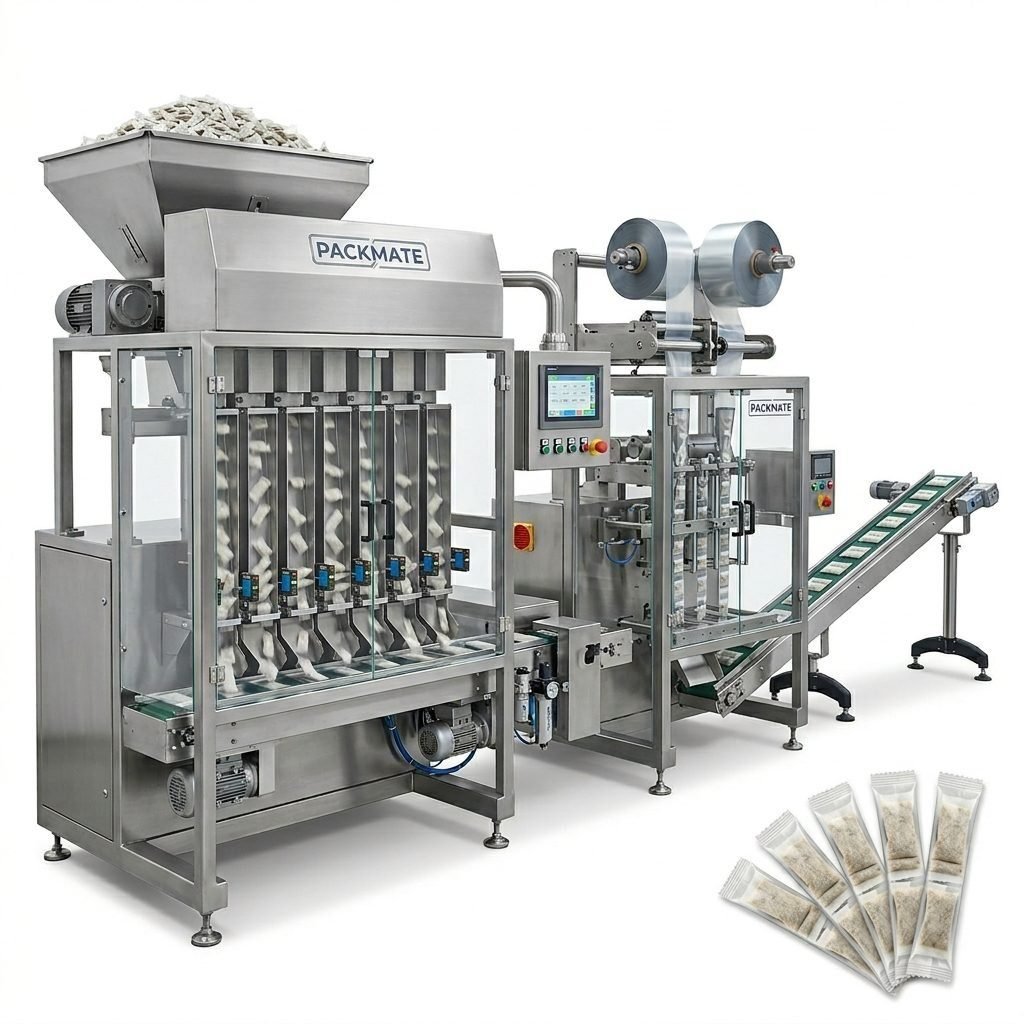
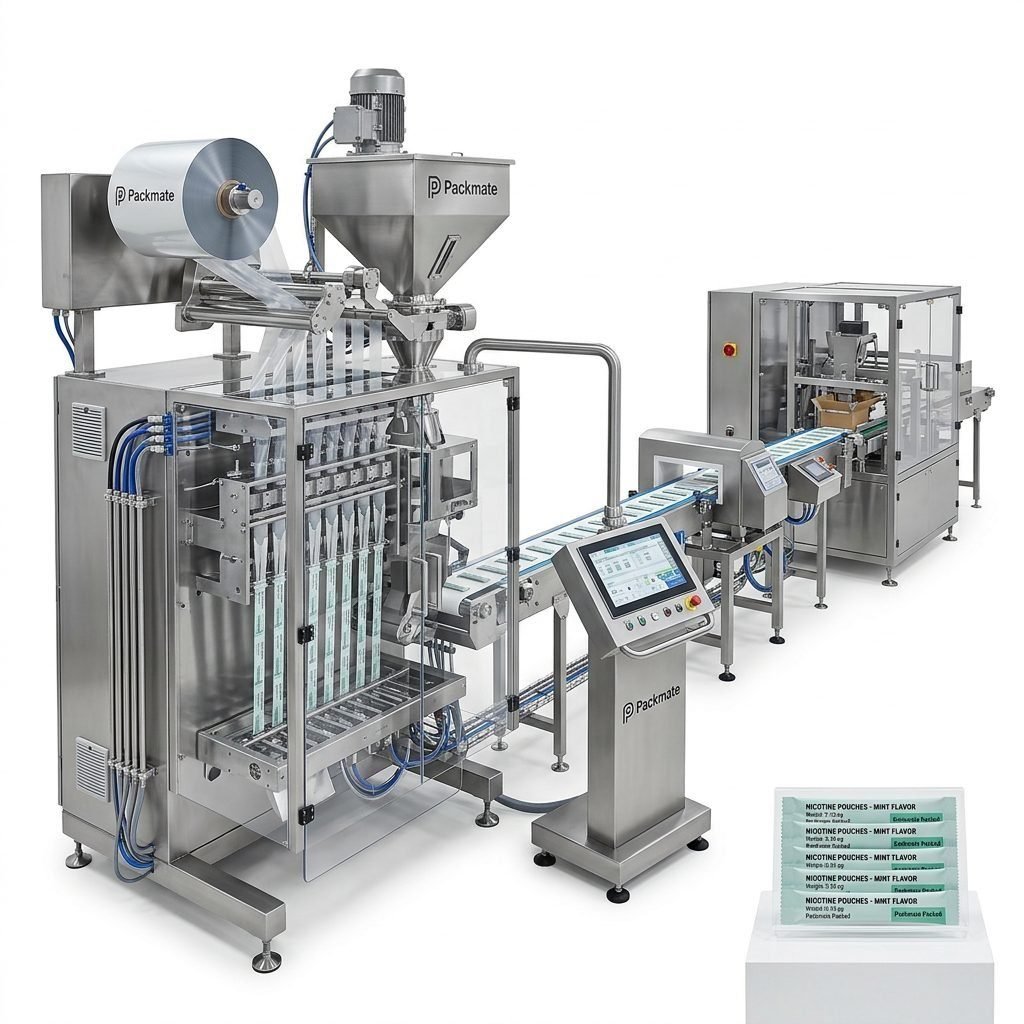
– Multi-lane machines for small-dose nicotine pouches are ideal when you need high-volume output in narrow pouches.
– Stick-pack and sachet machines work well for flavored or single-portion products.
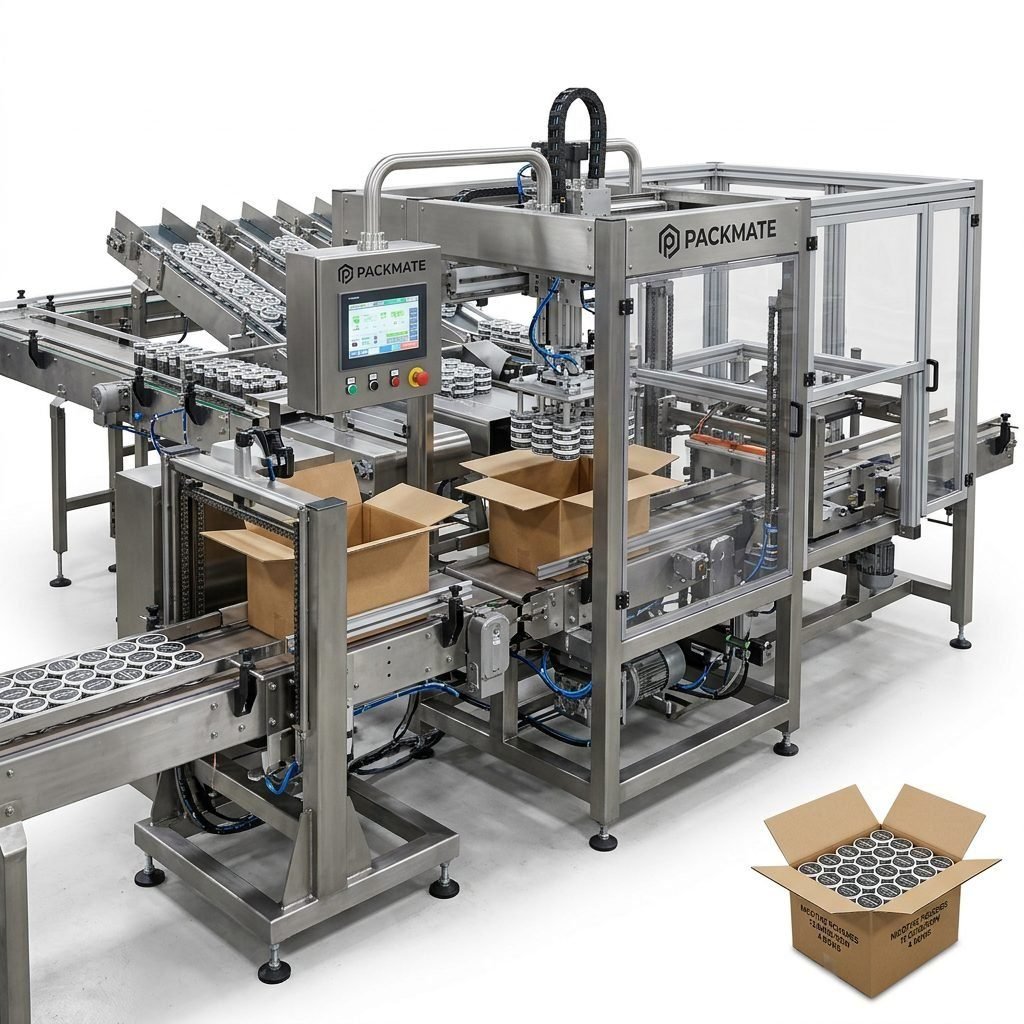
– Integrated filling and packaging lines (weighing, dosing, sealing) ensure consistent weight and faster cycles.
If you want to explore specific equipment configurations and technical specs, review the manufacturer’s product pages such as
Snus & Nicotine Packaging Machines
and
Sachet & Stick Pack Machines.
Assess Factory and Manufacturing Strength
A manufacturer’s production capabilities directly affect lead times, customization options, and machine reliability. Look for evidence of a modern facility, advanced CNC equipment, and a structured assembly process. A factory tour (virtual or in-person) provides insight into quality control, spare parts inventory, and production scheduling.
Manufacturers with a large workshop and a documented history of product evolution are generally more capable of handling complex turnkey solutions. For an example of an experienced provider, see their company background and capabilities on the
About Packmate
page.
🏭 Factory check: Prioritize manufacturers with 20,000㎡ or larger facilities, modern CNC centers, and a track record of supplying global turnkey lines.
Evaluate Technical Support and After-Sales Service
After-sales service is crucial—especially when operating in Belize, where local technical support for specialized machinery may be limited. Confirm the supplier’s guarantees on:
- Spare parts availability and lead times
- Remote technical support and training options
- Warranty terms and maintenance contracts
- On-site commissioning and operator training
A transparent service package reduces downtime and secures your production continuity. Many established suppliers offer global service networks and can coordinate logistics to Belize.
Inspect Past Projects and Case Studies
Review case studies and client references to understand real-world performance and reliability. Check how the manufacturer handled product startups, custom specifications, and cross-border shipments. Verified project results with throughput numbers and client feedback are invaluable.
Explore documented projects on the manufacturer’s Case page to see examples of delivered snus and nicotine pouch lines and how they solved production challenges.
Cost, ROI, and Total Cost of Ownership
The sticker price is only one part of the investment. Calculate the Total Cost of Ownership (TCO) by including:
- Installation, testing, and commissioning costs
- Training and documentation expenses
- Spare parts and consumables
- Energy consumption and maintenance
- Expected uptime and production yield
A higher initial investment in a robust, automated line often leads to faster ROI through reduced labor costs, higher throughput, and less product waste. Use realistic production forecasts based on your SKU mix and target market demand.
Customization and Turnkey Solutions
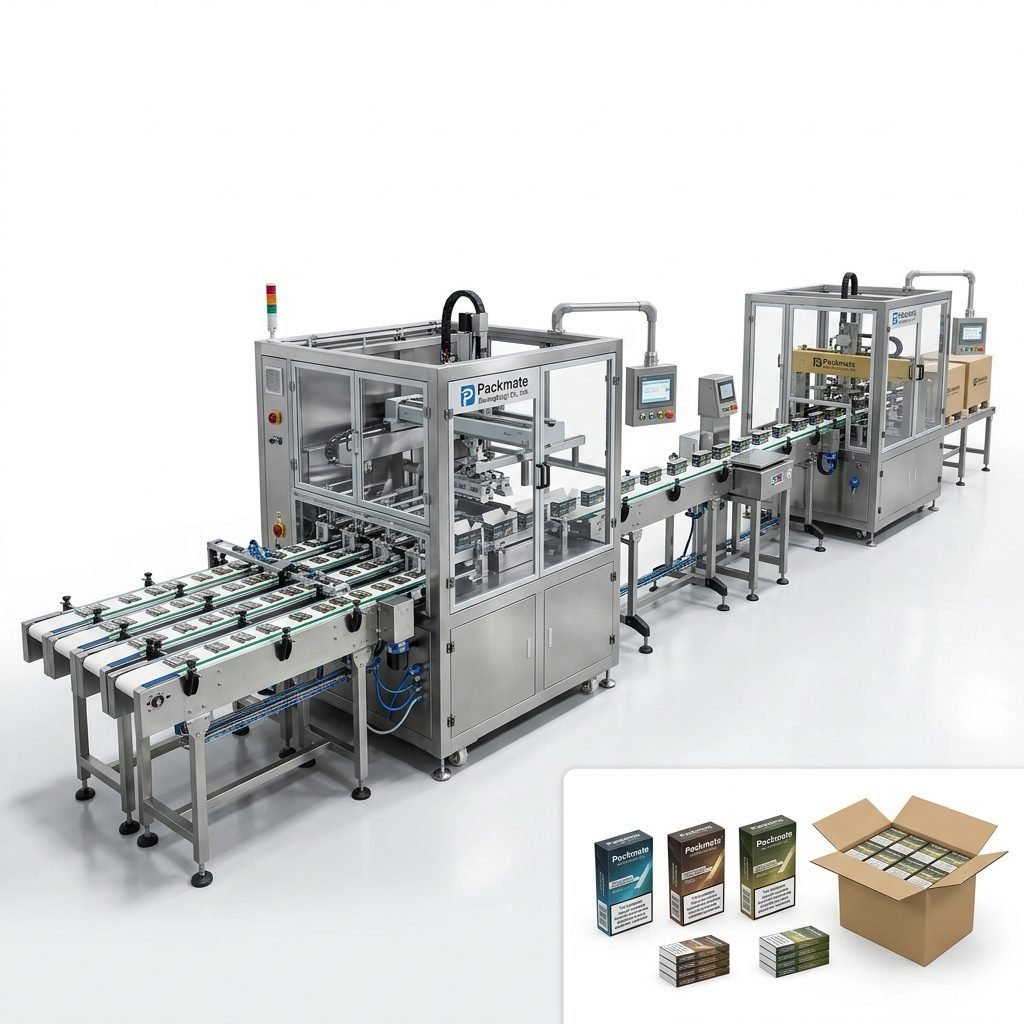
If you require specific pouch designs, unique dosing systems, or full production lines that include weighing, filling, and packaging modules, prioritize manufacturers that deliver custom turnkey systems. Turnkey suppliers take responsibility for system integration, enabling a smoother ramp-up.
For integrated solutions, inspect the supplier’s filling, weighing, and auxiliary equipment offerings such as their
Weighing & Packaging Systems
and
Filling & Packaging Lines.
Logistics, Import and Local Support in Belize
Coordinate logistics early. Discuss CIF/FOB terms, shipping timelines, and import clearance. A manufacturer with export experience can provide documentation to speed customs processing. Confirm whether the supplier offers support for local installation or partners with regional agents who can assist in Belize.
Factory Acceptance Test (FAT) and Site Acceptance Test (SAT)
Insist on a rigorous FAT before shipment. FAT verifies machine performance under simulated production conditions, ensures compliance with agreed specifications, and reduces surprises upon arrival. After installation, a SAT verifies the machine’s performance in your facility. Document acceptance criteria clearly in the contract.
✅ Checklist: Make FAT and SAT mandatory milestones in your purchase agreement. Include clear pass/fail criteria like speed, weight tolerance, sealing integrity, and uptime targets.
Warranties, Spare Parts and Long-Term Maintenance
Confirm what the warranty covers and how spare parts are supplied. A reliable supplier maintains an inventory of critical parts and can ship replacements quickly. Negotiate a parts support contract or a consumable supply plan to ensure sustainable production.
Service options to consider
– Remote troubleshooting and software updates
– On-site technician visits for complex repairs
– Annual preventive maintenance contracts
– Training programs for operators and technicians
How to Compare Suppliers — a Practical Scorecard
Create a scoring matrix to compare suppliers across the following categories: machine performance, certifications, factory capabilities, after-sales support, price and TCO, delivery time, and references. Weight categories according to your priorities and score each supplier objectively.
🔍 Evaluation tip: Assign higher weight to uptime, service response time, and spare parts availability — these affect real-world operations most.
Negotiation, Contracts and Payment Terms
Negotiate clear payment milestones tied to deliverables: deposit, completion of FAT, shipment, and SAT completion. Include penalty clauses for missed delivery dates and define acceptance criteria. If possible, arrange performance-based payments to align incentives.
Making the Final Decision — Partner or Vendor?
The ideal supplier is not merely a vendor but a partner who understands your product, market, and long-term operational goals. Look for a manufacturer willing to invest time in product trials, to provide transparent data, and to commit to post-installation support.
For businesses in Belize seeking proven solutions and full line capabilities, inspecting supplier capabilities and references—including documented projects and company history—will minimize risk. Packmate Snus Machine’s track record of turnkey solutions, advanced manufacturing capacity, and global service experience may be useful to review when comparing options.
Next Steps — Practical Action Plan
- Define your production targets, SKUs, and acceptable throughput range.
- Shortlist 3–5 manufacturers based on certifications and product fit.
- Request detailed proposals including FAT criteria, parts lists, and maintenance plans.
- Schedule FATs (virtual or on-site) and check references for similar projects.
- Negotiate clear contracts with milestones, warranties, and service SLAs.
When you are ready to request quotes or factory information, you can contact the manufacturer’s sales or service teams directly via their
Contact Us
page.
Conclusion
Selecting the best snus packaging machinery manufacturer for Belize requires balancing performance, compliance, service, and cost. Prioritize suppliers with strong manufacturing capabilities, clear certifications, transparent FAT/SAT procedures, and reliable after-sales support. Using an objective scorecard and making FAT a contractual milestone will help you choose a partner that protects your investment and supports long-term growth.
Frequently Asked Questions
Q1: What certifications should I demand from a snus packaging machine manufacturer?
Look for CE and ISO certifications, plus any industry-specific safety or quality standards. Request copies of certificates and recent inspection reports to validate authenticity.
Q2: How important is FAT and can it be done remotely?
FAT is essential to confirm machine performance before shipment. Many suppliers offer live-streamed FAT sessions, but physical attendance (or a trusted third-party inspector) provides the most confidence.
Q3: What is the typical lead time for a complete snus packaging line?
Lead times vary by customization level, factory workload, and shipping. Standard machines may ship in a few months; fully customized turnkey lines often take 4–9 months including FAT and modifications.
Q4: How do I secure spare parts and technical support in Belize?
Negotiate spare parts kits and guaranteed shipping windows in your contract. Choose suppliers that provide remote troubleshooting and tech training. Establish a local inventory of critical wear parts to reduce downtime.
Q5: Can manufacturers provide turnkey solutions including weighing and filling?
Yes. Many experienced manufacturers deliver integrated lines combining weighing, filling, and packaging modules. Review their integrated systems on product pages such as
Weighing & Packaging Systems
and
Filling & Packaging Lines.