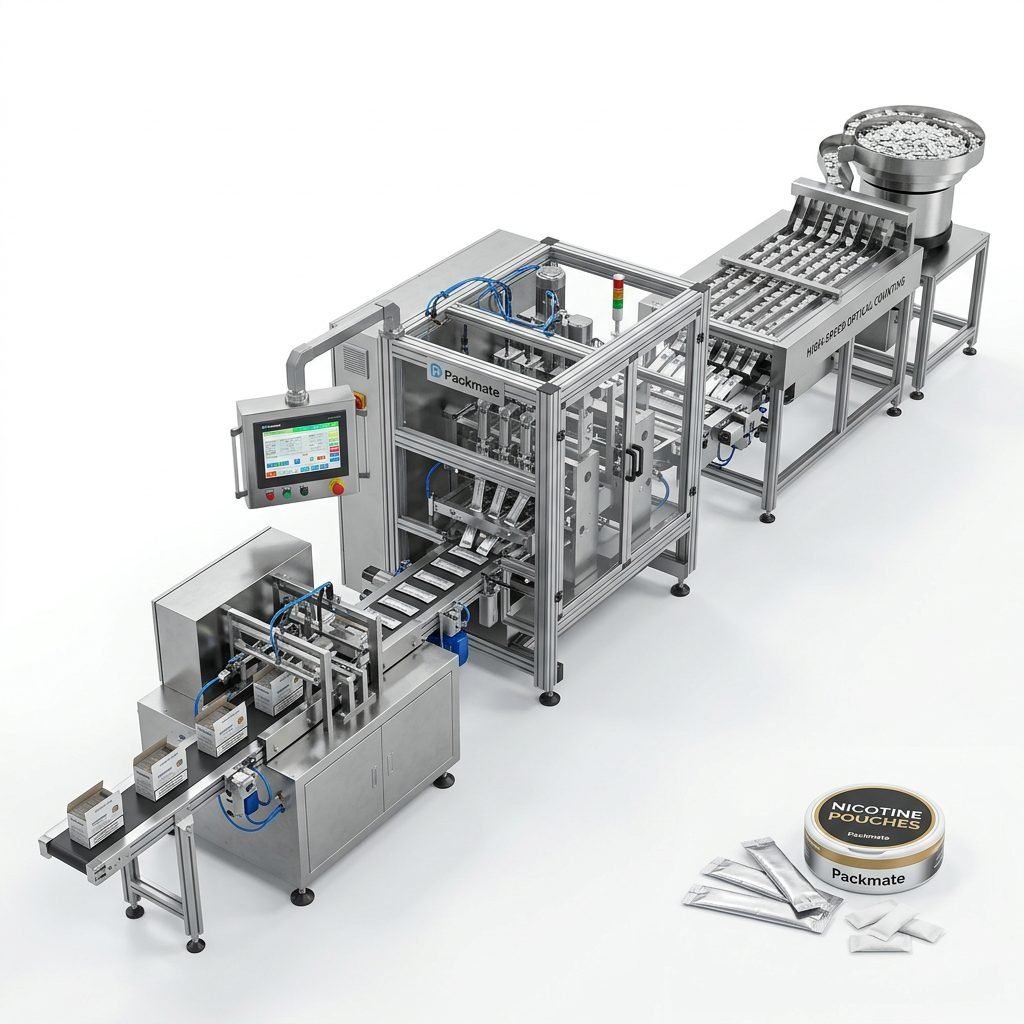
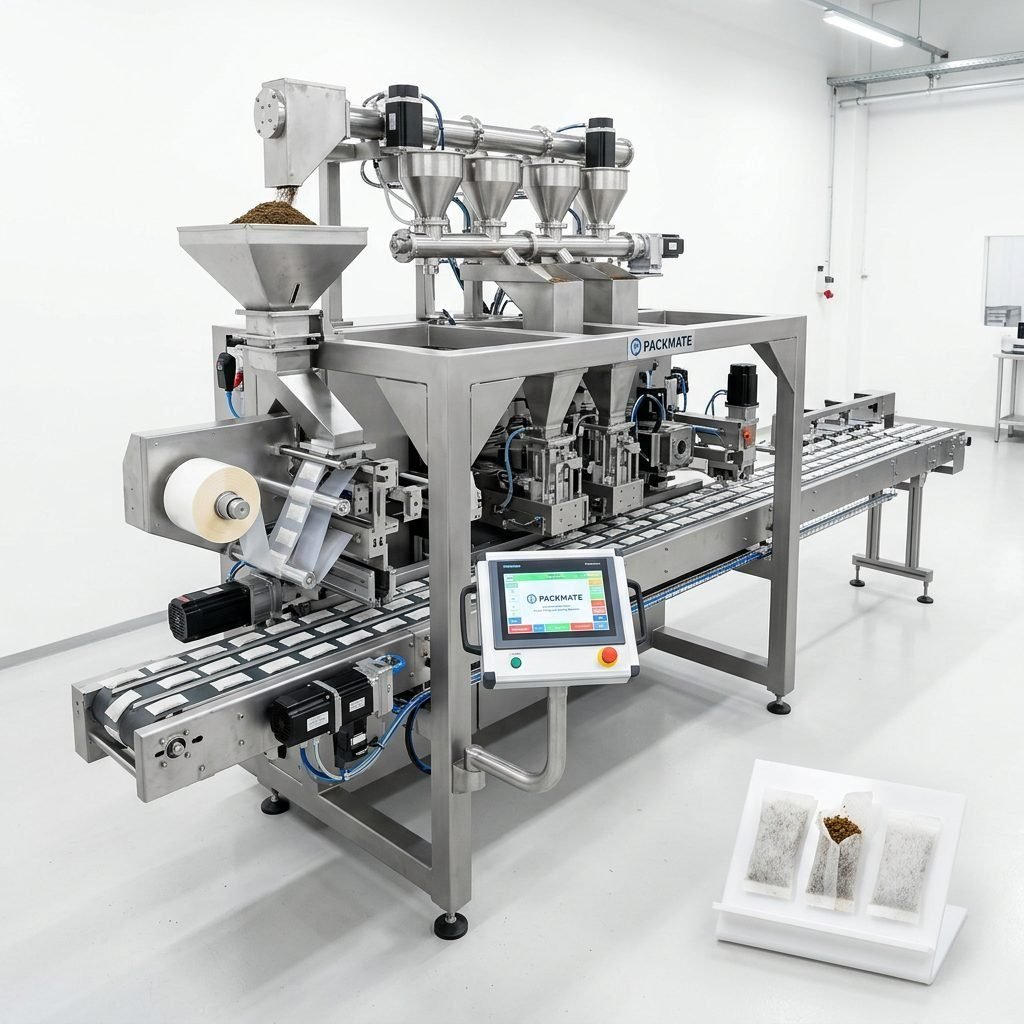
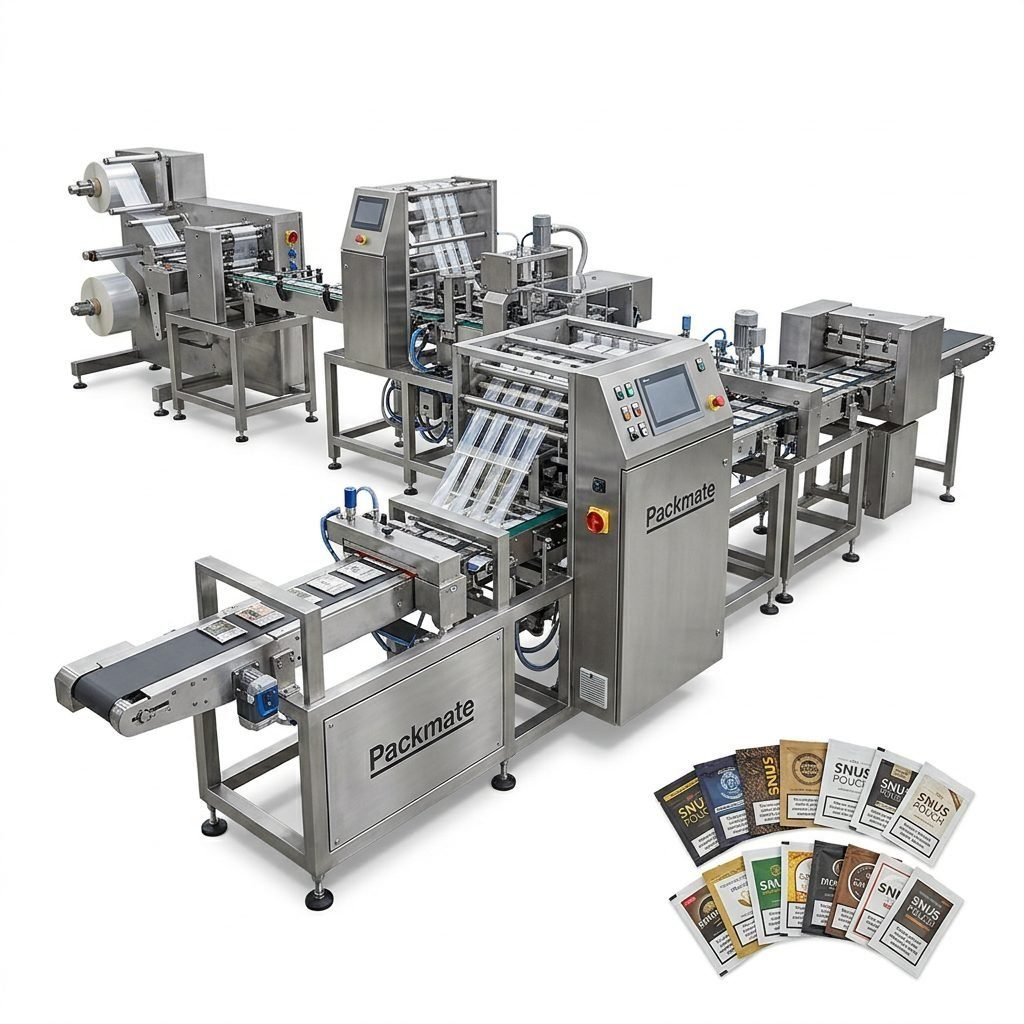
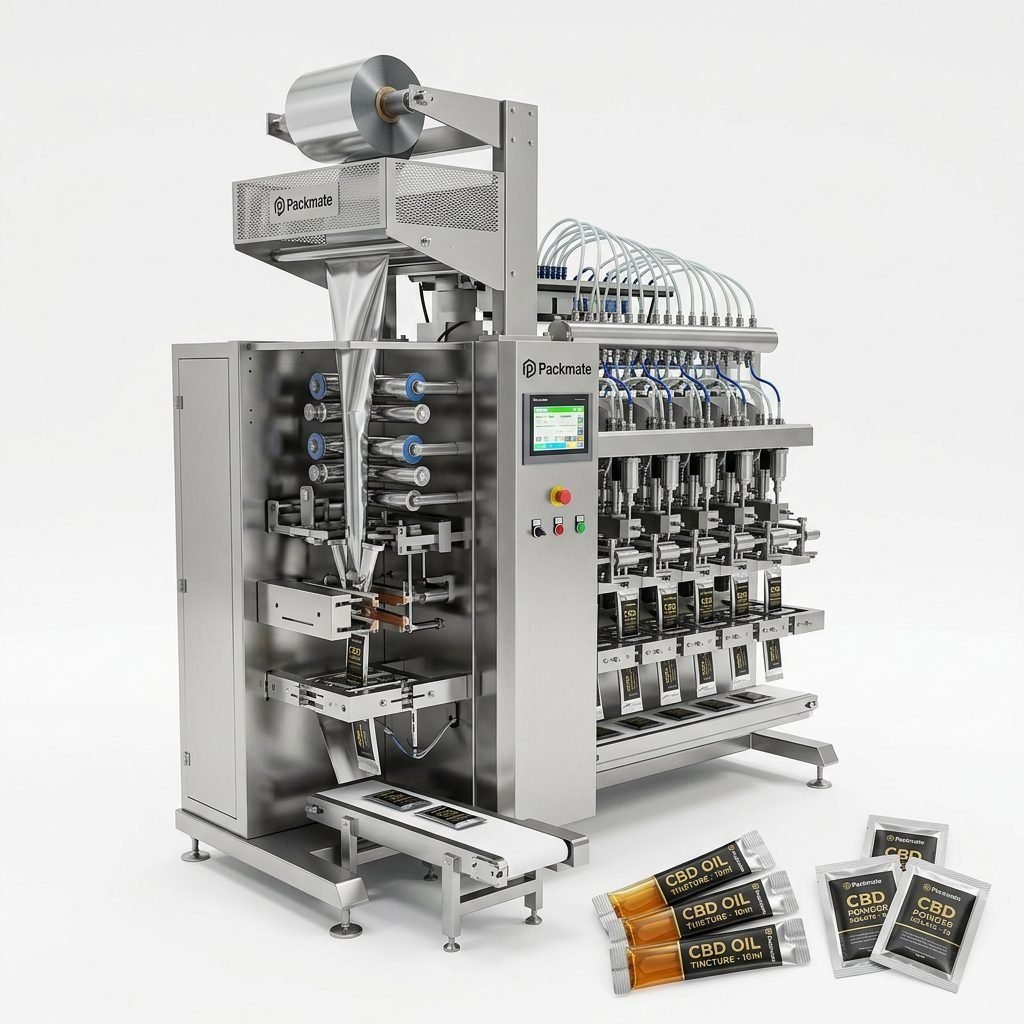
In the fast-evolving nicotine pouch and snus industry, integrating a complete automated snus packaging line is no longer optional — it is essential for scaling production, ensuring consistent quality, and meeting international compliance. This guide walks packaging engineers, production managers, and procurement teams through practical, step-by-step considerations for automated snus filling, sealing, and line-level integration, while highlighting the core technologies, layout strategies, and lifecycle support you need to achieve reliable throughput and reduced downtime.
🔧 Why Automated Snus Packaging Matters
Automation brings predictable output, minimal human error, and seamless data capture. For snus and nicotine pouch manufacturers, an integrated line combines precise dosing, gentle handling, hermetic sealing, and synchronized downstream operations such as cartoning and case packing. The result = consistent pouch weight, uniform sealing integrity, and traceable production data — critical for regulatory compliance and brand reputation.
📦 Key Business Benefits
Higher yield, lower labor cost, and faster market response. Automated lines also reduce cross-contamination risk and support multi-shift production with minimal operator intervention.
⚙️ Typical Components of a Snus Packaging Line
The most common modules you will see integrated:
• Product feeding & metering (vibratory or auger feeders) — precise portion control
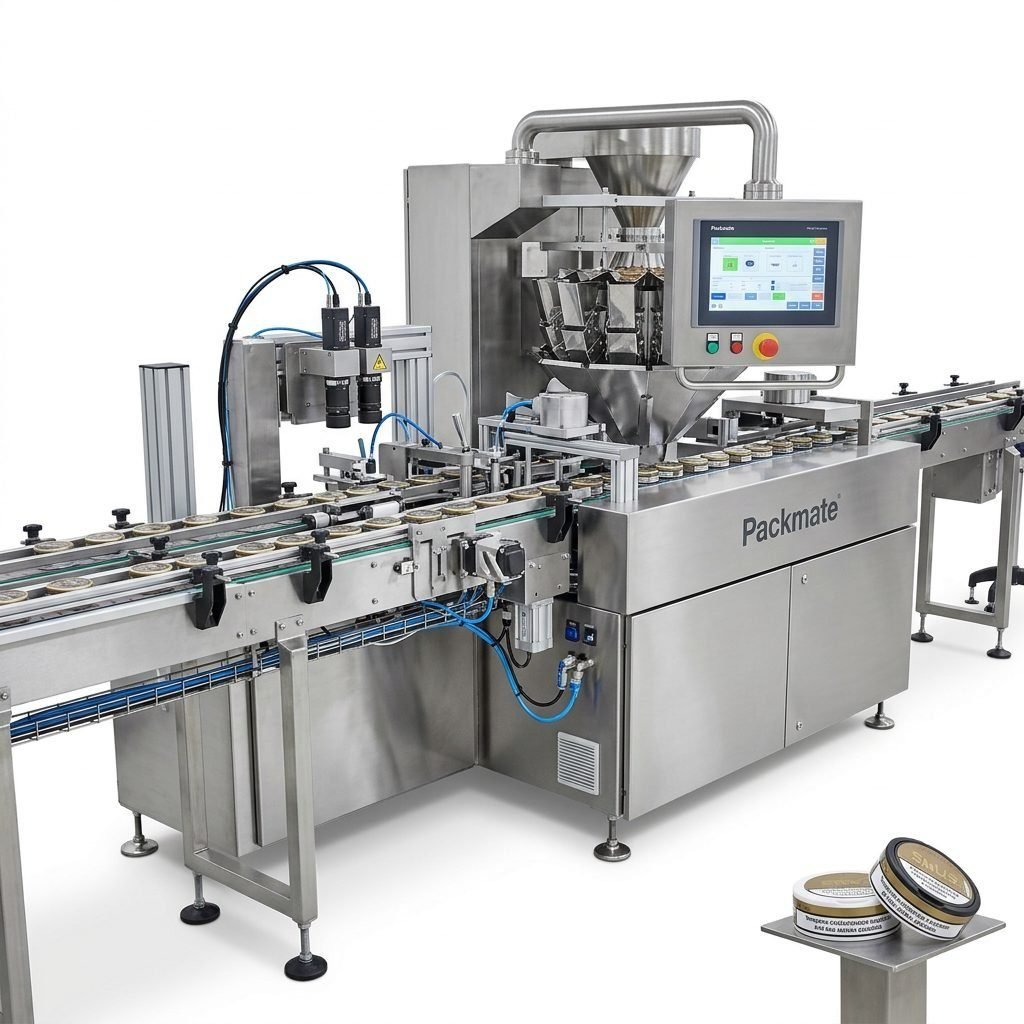
• Multi-head weighers or micro-dosing systems for nicotine pouches and powders
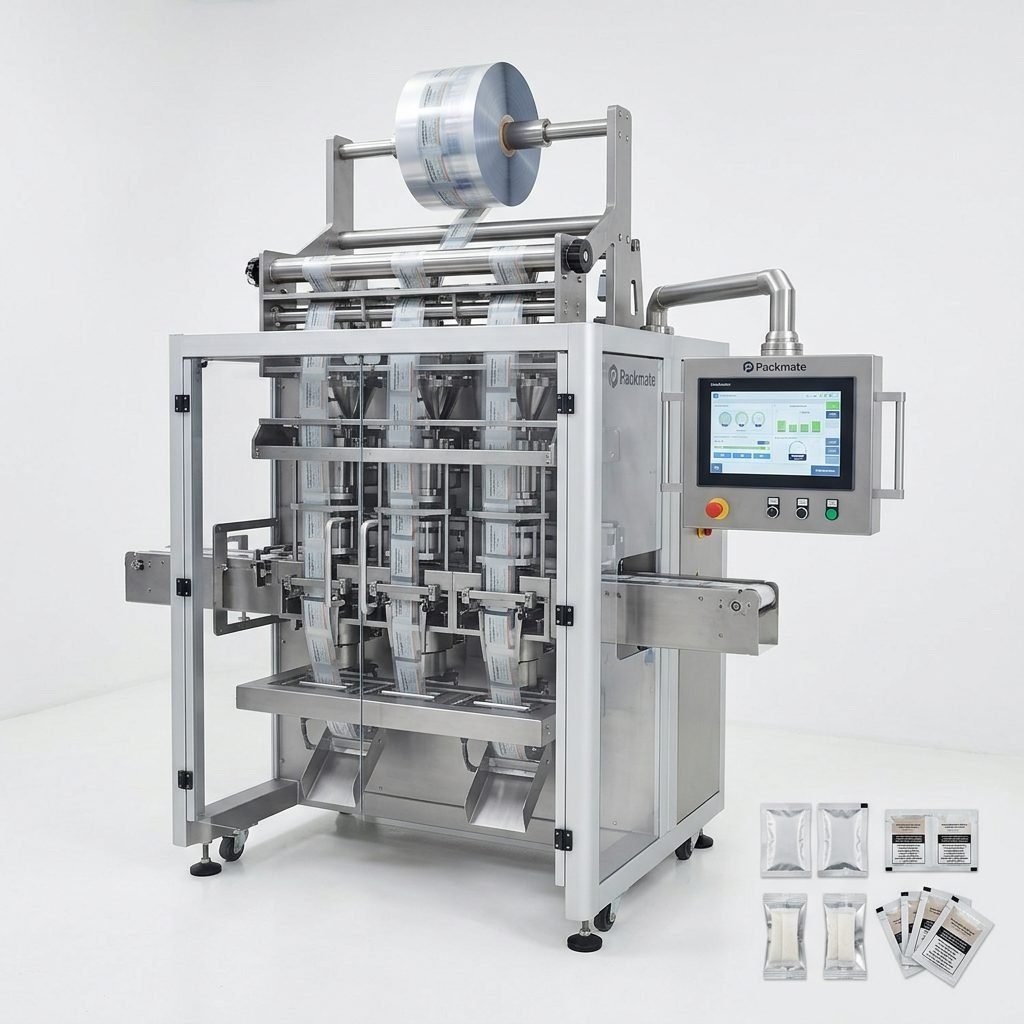
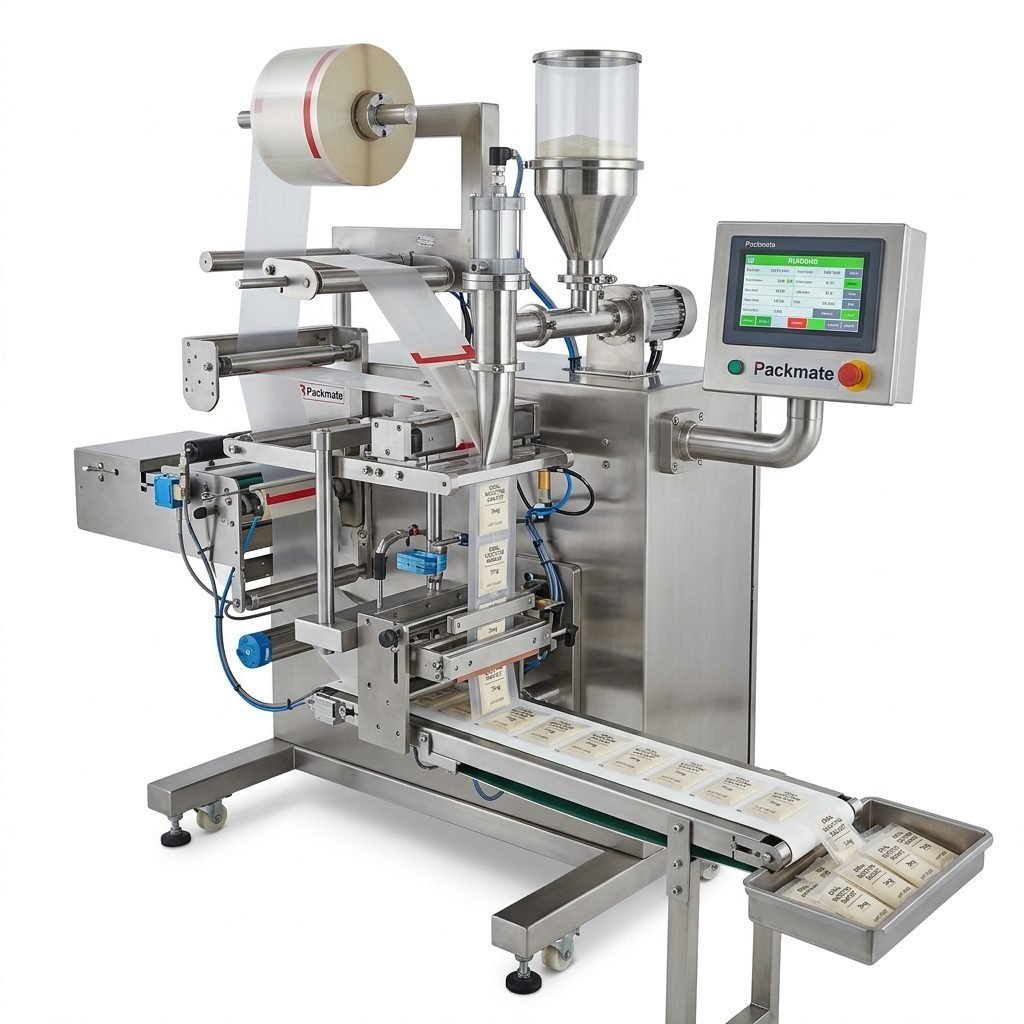
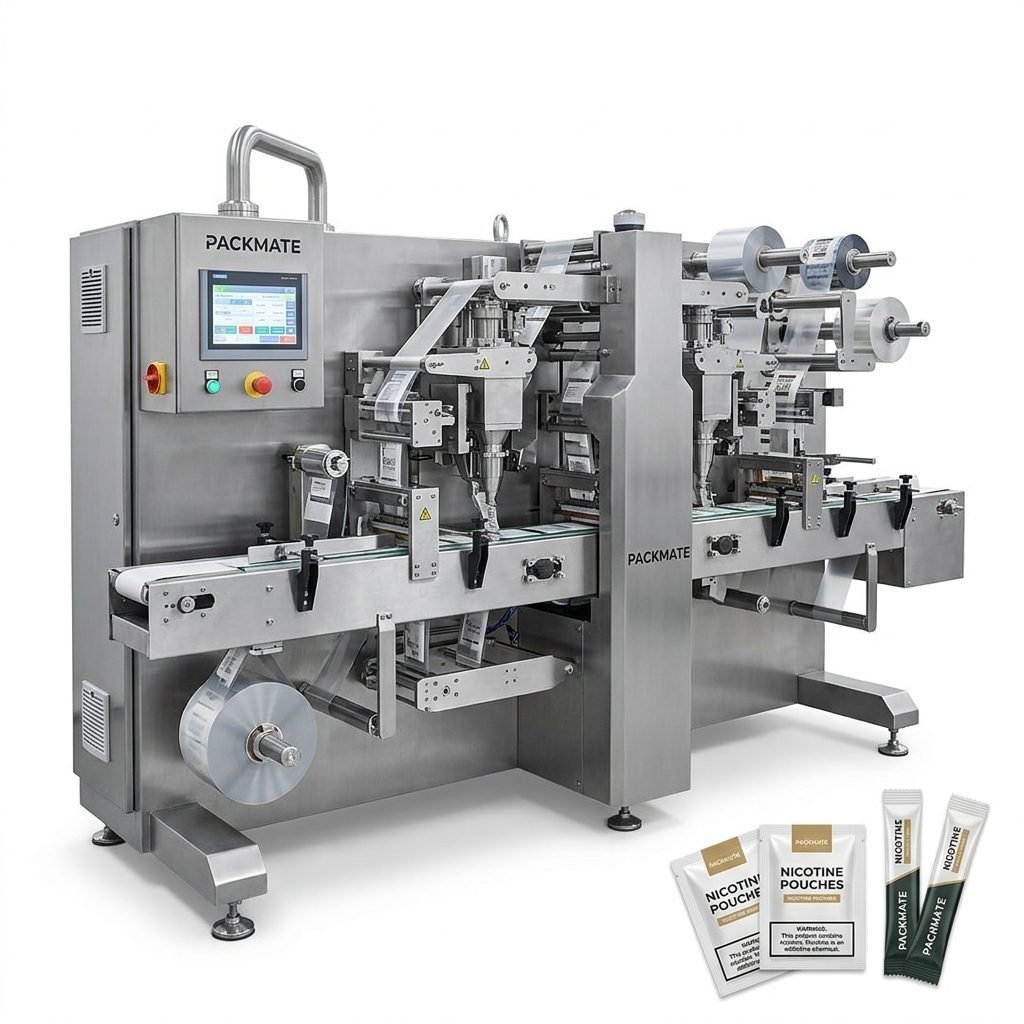
• Pouch forming and automated filling stations (for stick/sachet or multi-lane pouches)
• Heat-sealing / ultrasonic sealing units (depending on pouch film)
• Date coding / laser marking and inspection systems (vision checks for fill level and seal integrity)
• Secondary packaging: cartoning, sleeving, and case packing
For complete machine families and model options, explore Snus & Nicotine Packaging Machines and Filling & Packaging Lines.
🛠️ Core Integration Steps — From Concept to Commissioning
A successful integration follows a structured path: requirements capture, machine selection, line layout & utilities planning, control system integration, factory acceptance test (FAT), installation & commissioning, and ongoing service. Below is a practical checklist for each stage.
1) Requirements Capture
Define product formats (pouch size, dose weight), target throughput (pouches/min), film material, secondary packaging formats, and regulatory needs (e.g., CE, ISO). Capture environmental constraints (cleanroom class, humidity) and logistics such as material supply and finished goods flow.
2) Machine Selection & Compatibility
Select machines that are proven for small-dose, high-precision applications. Pay attention to mechanical compatibility (belt heights, infeed/outfeed speeds), electrical interfaces, and PLC/communication protocols. Vendors like Packmate offer modular systems suited for multi-lane snus production — see Bag & Pouch Packaging Machines for module options.
3) Layout, Utilities & Safety
Create a 3D layout that optimizes material flow and service access. Map utility points: electrical power, compressed air, vacuum, PLC network, and product dust/exhaust if powder handling is involved. Include safety zones, operator platforms, and emergency stops integrated across the line.
✔️ Control & Data Considerations
Implement a single-line PLC/SCADA backbone for synchronized start/stop, recipe management, and production data logging. Recipe-driven changeovers reduce downtime for format shifts. Integrate vision inspection data and weight logs into MES/ERP for full traceability.
🔁 Integration Patterns for Different Snus Formats
Snus and nicotine pouches vary: single-dose sachets, stick packs, and multi-lane small pouches. Each format impacts dosing, pouch forming, and sealing decisions. Below are common patterns and what to prioritize.
Single-Lane Stick & Sachet Lines
Best for smaller runs and product formats that require individualized handling. Prioritize high-precision filling heads and robust sealing units. These lines are easier to validate and suit flexible product testing.
Multi-Lane High-Speed Lines
For high-volume production, multi-lane pouch machines multiply throughput without exponentially increasing footprint. Critical factors: lane synchronization, multi-head dosing consistency, and cooling time for seals. Packmate’s multi-lane systems leverage decades of mechanical expertise to maintain lane-to-lane uniformity.
📈 Performance & OEE Optimization
To maximize Overall Equipment Effectiveness (OEE), focus on reducing changeover time, improving first-pass yield, and maintaining consistent maintenance. Real-time dashboards and alarm management help pinpoint bottlenecks and reduce Mean Time to Repair (MTTR).
📊 Metrics to Track
• Throughput (pouches/hour)
• Yield / First Pass Quality (%)
• Downtime categories (planned vs unplanned)
• Cooked/overfill amounts and waste rates
• Seal integrity failures per shift
🧰 Validation, Quality & Regulatory Considerations
Compliance with international standards is non-negotiable. Ensure machinery has relevant certifications (CE, ISO) and provide IQ/OQ/PQ documentation when requested. Implement in-line quality checks (weight, vision, seal test) and maintain calibration records for dosing systems.
Material Compatibility & Seal Technologies
Film type (laminates, barrier films) determines the sealing method: heat-seal, impulse seal, or ultrasonic. Also verify compatibility of inks and coding systems with film substrates to avoid print flaking or compromised seals.
🌍 Global Support & Lifecycle Services
Choose a supplier with global commissioning teams, spare parts availability, and training services to minimize lifecycle risk. Packmate’s 30+ years of engineering and a 20,000㎡ manufacturing base offer the production capacity and post-sale support required for international projects. Read more About Packmate.
Remote Diagnostics & Spare Parts
Modern PLC and IIoT capabilities enable remote troubleshooting and firmware updates. Establish critical spares inventory (seals, belts, sensors, PLC modules) and agree on lead times during procurement.
📚 Case Studies & Exhibition Insights
Real-world cases show integrated lines achieving consistent fill accuracy and 24/7 uptime for large manufacturers. Visit exhibition demos to see live machine performance and discuss custom layout options. Packmate regularly showcases systems at global fairs — see Our Exhibition.
📝 Practical Checklist for Procurement Teams
When issuing RFQs, include: format drawings, target throughput, film specifications, acceptable PLC protocols, validation documentation requirements, FAT acceptance criteria, and expected spare parts list. Request OEM references and a factory acceptance video/demo.
📌 Contract & Service Terms to Negotiate
• Warranty period & coverage details
• FAT and SAT acceptance criteria
• Spare parts lead times and pricing tiers
• Training for operators and maintenance personnel
• Optional remote support SLA
🔁 Maintenance & Line Reliability Best Practices
Establish a preventive maintenance program including scheduled lubrication, seal checks, belt tensioning, and sensor calibration. Use downtime root-cause analysis after major stoppages to refine maintenance procedures and reduce repeat failures.
Operator Training
Cross-train operators on format changeovers, quick part swaps, and basic PLC error handling. Well-trained staff reduce dependency on external service visits and improve reaction times during production shifts.
📞 Next Steps & Where to Get Expert Help
If you’re planning a new line or upgrading existing equipment, start with a site survey and a collaborative design review. Contact trusted integrators for a tailored proposal and FAT plan. For detailed machine catalogs and solutions, review sections like Sachet & Stick Pack Machines and Weighing & Packaging Systems, or reach out via Contact Us.
✅ Closing Summary
Integrating a complete automated snus packaging line is a multifaceted task that requires clear product definition, modular machine selection, synchronized controls, and a strong aftermarket agreement. Prioritize consistent dosing, seal integrity, and data-driven quality checks to achieve scalable production and compliance. With the right partner, you can deploy a flexible line that grows with product diversification and market demand.
❓ Frequently Asked Questions
Q1: What is the typical lead time for a multi-lane snus packaging line?
A1: Lead times vary by configuration, but a standard multi-lane turnkey line typically ranges from 12 to 26 weeks including FAT and customization; expedited options may be available for prioritized projects.
Q2: How do you ensure consistent micro-dose accuracy across multiple lanes?
A2: Use synchronized multi-head dosing, regular calibration, and lane-to-lane balancing controls; in-line weight checks and feedback loops help maintain accuracy.
Q3: What sealing technology is best for nicotine pouches?
A3: It depends on film material — heat sealing for common laminates, ultrasonic where heat could damage active ingredients, and impulse sealing for precise thermal control.
Q4: Can I integrate existing machines into a new line?
A4: Yes — with proper mechanical adaptation and control integration (matching belt heights, communication protocols, and safety interlocks), legacy machines can be part of a modern line.
Q5: Where can I see live demonstrations and get certified documentation?
A5: Attend industry exhibitions or schedule factory visits for live demos. For certifications and equipment documents, check the Certificate page and request IQ/OQ/PQ packages from the supplier.