Choosing the right snus packaging machine manufacturer can make or break your production line. Whether you are launching a nicotine pouch brand in Sierra Leone or expanding an existing operation, selecting a reliable supplier affects output quality, regulatory compliance, and long-term costs. This guide walks you through practical criteria, evaluation steps, and negotiation tips so you can confidently choose the best partner for your snus packaging needs.
Why the Manufacturer Choice Matters
🔍 A high-quality packaging machine ensures consistent pouch size, correct dosing of nicotine or contents, and durable seals that extend shelf life. Poor equipment can lead to frequent downtime, hygiene issues, and wasted materials. Choosing an experienced manufacturer reduces commissioning time and helps you scale production as demand grows.
✅ Key benefit: A well-engineered snus packaging line delivers higher OEE (Overall Equipment Effectiveness) and better product consistency, which directly improves customer satisfaction and lowers unit costs.
Understanding the Types of Snus Packaging Machines
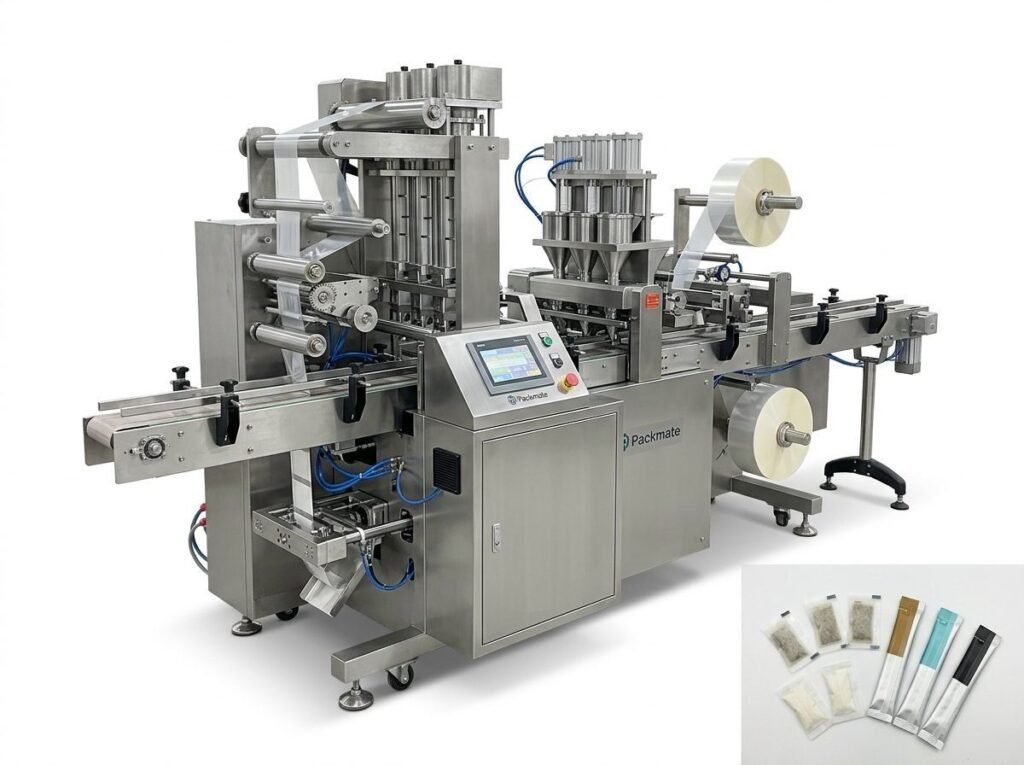
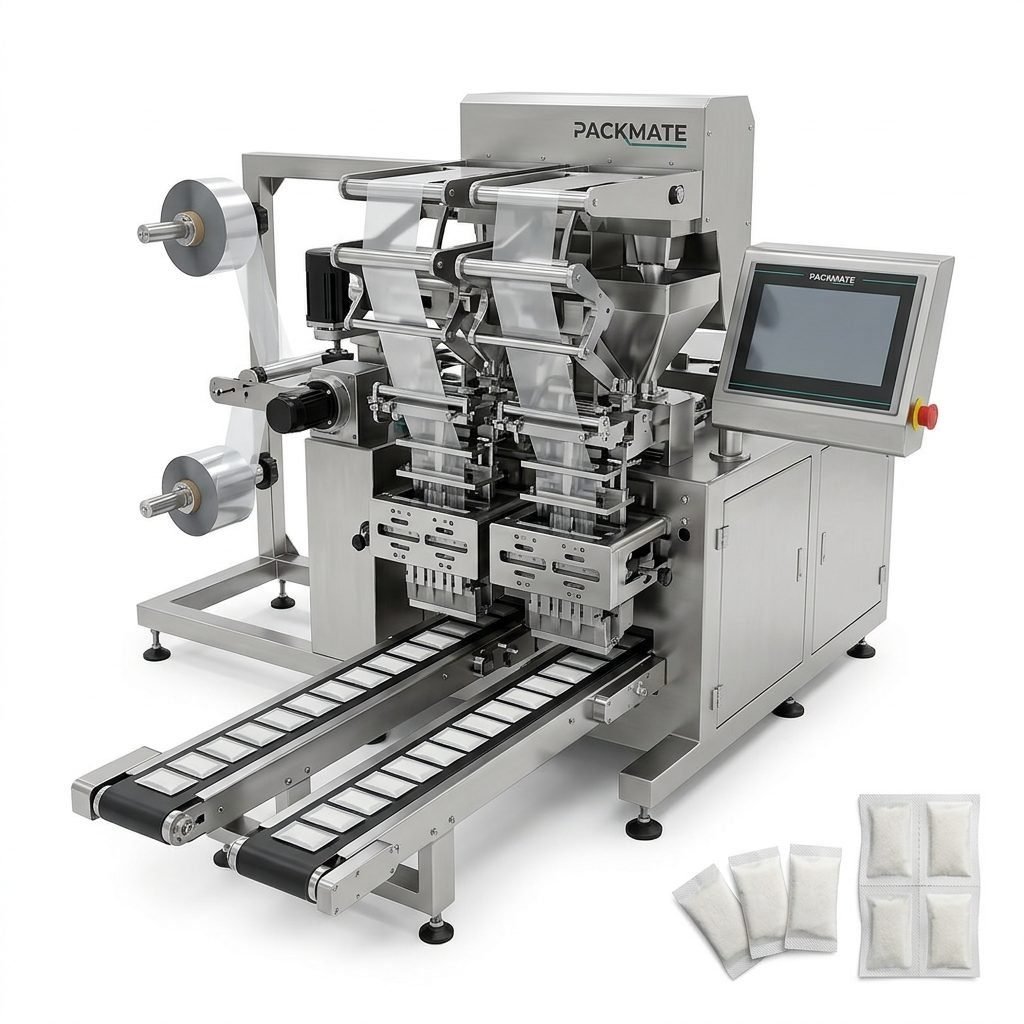
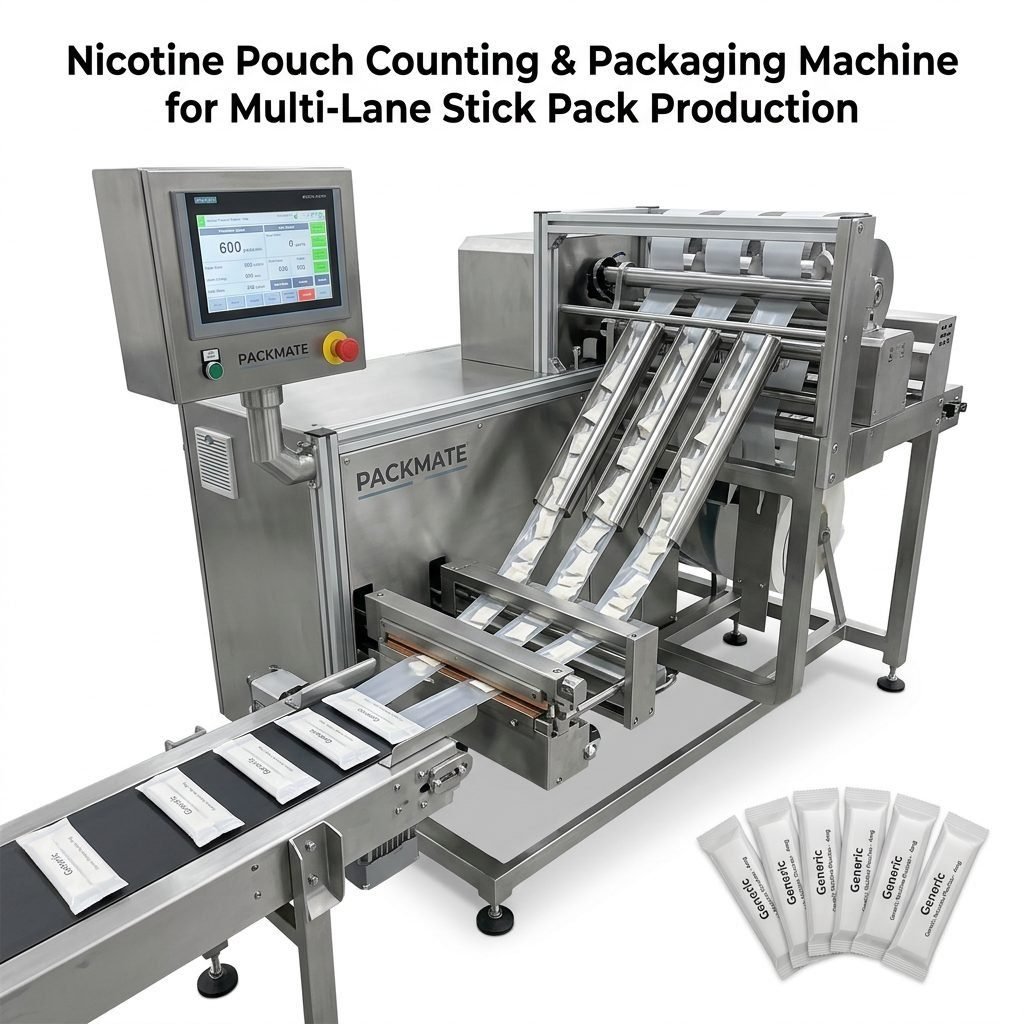
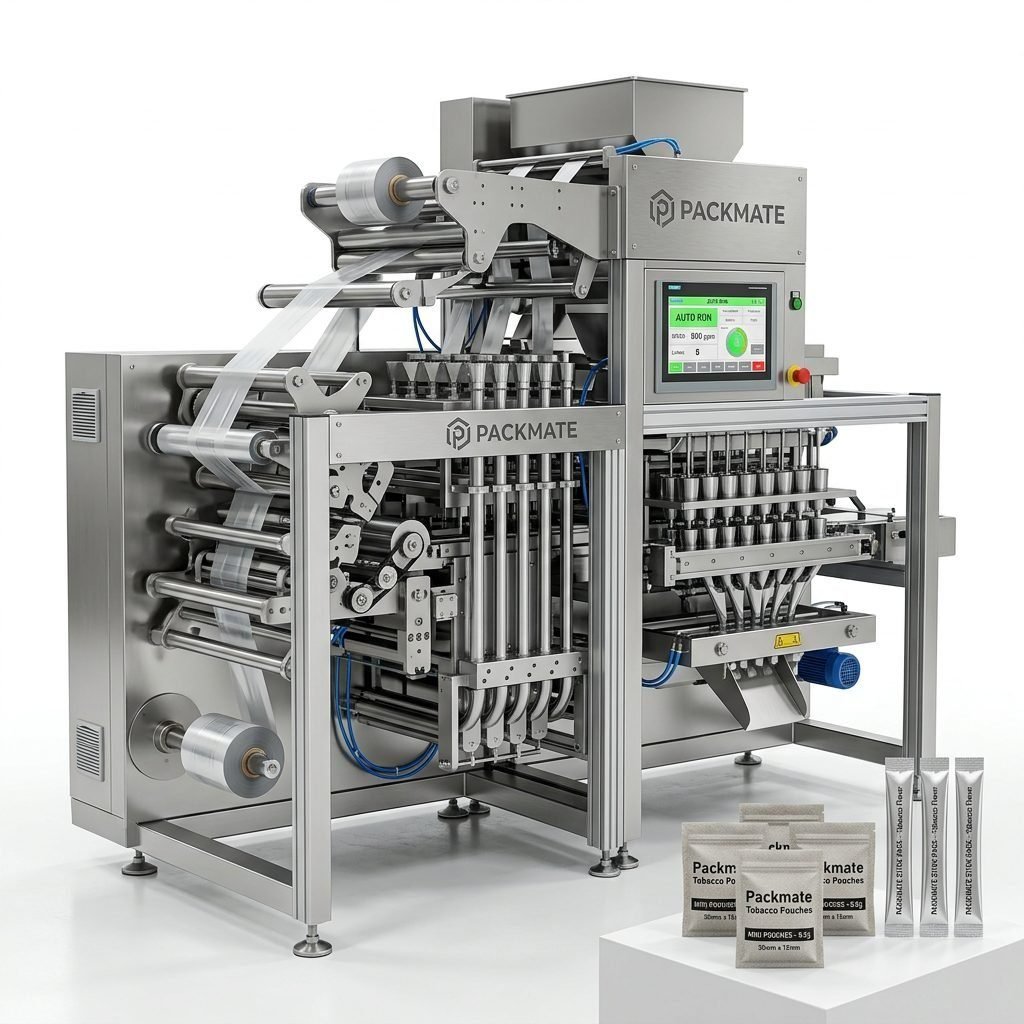
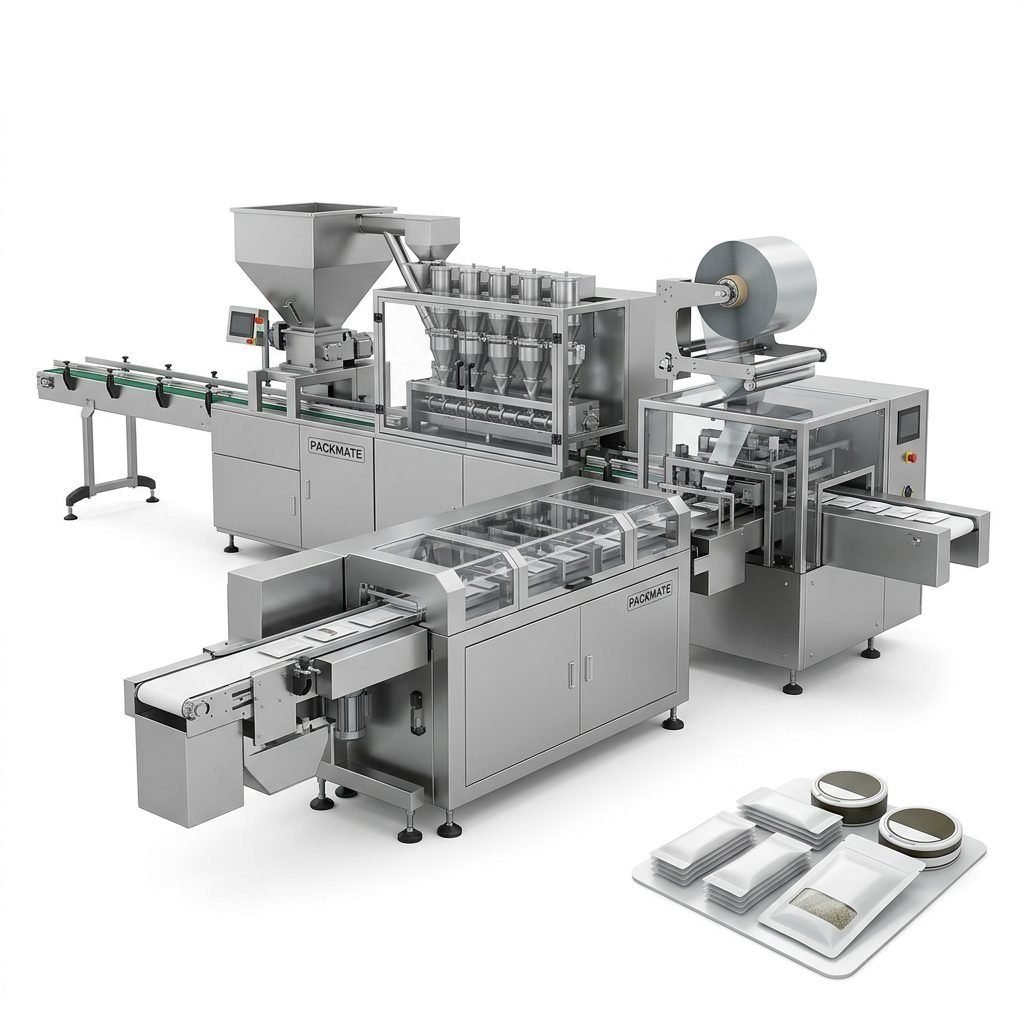
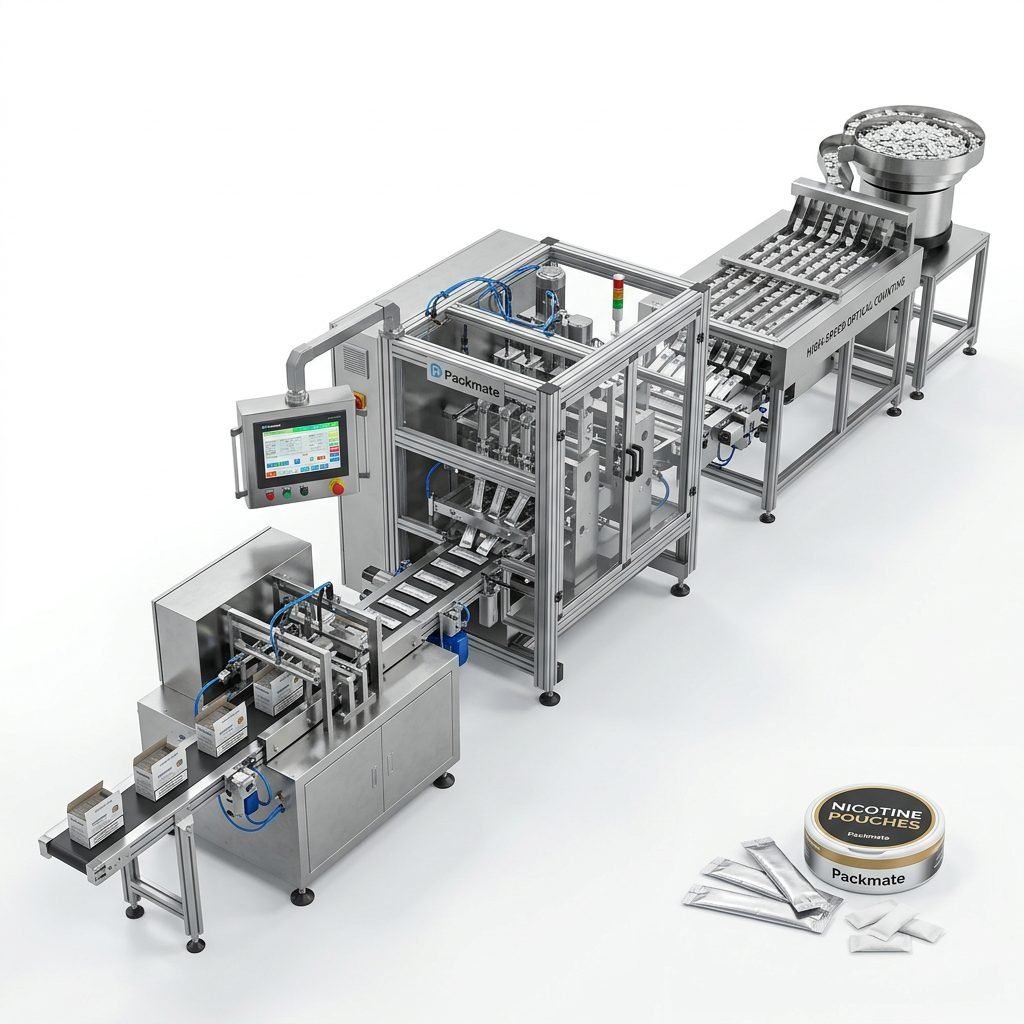
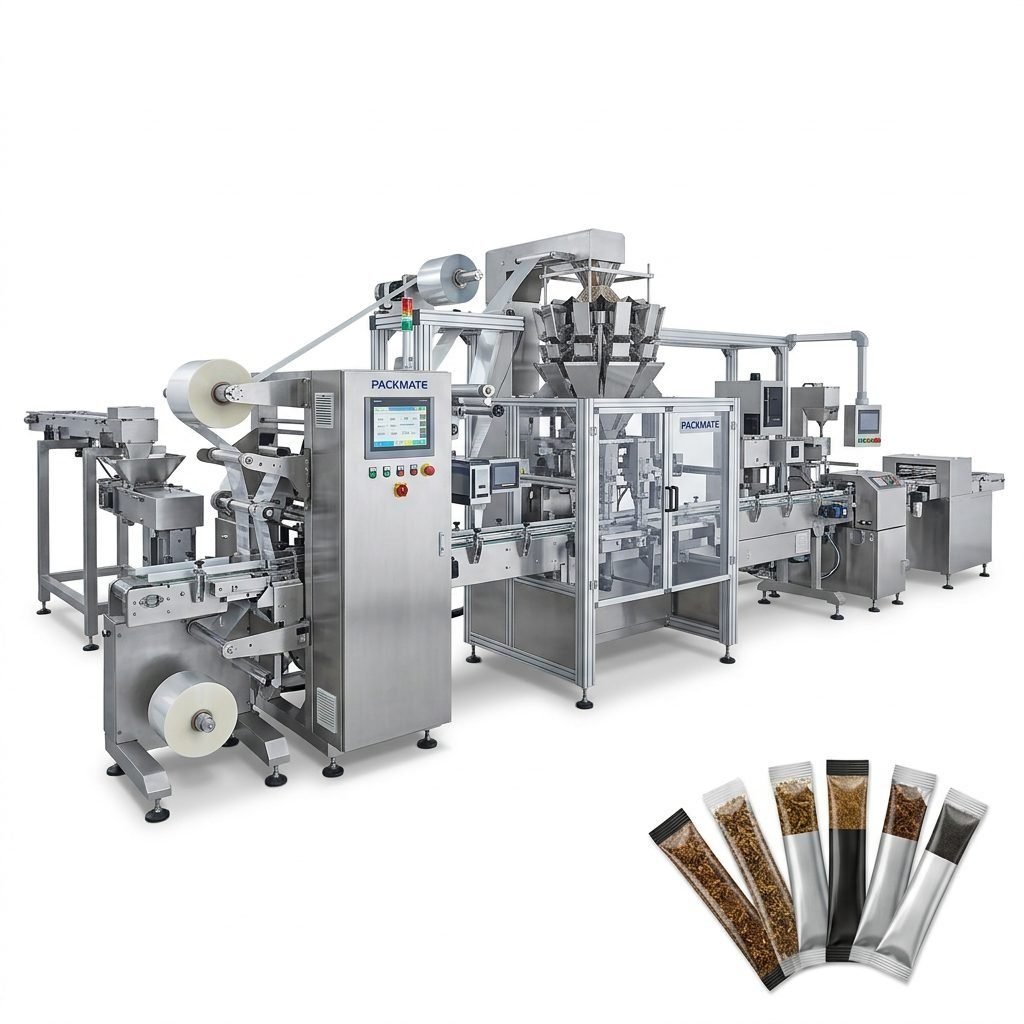
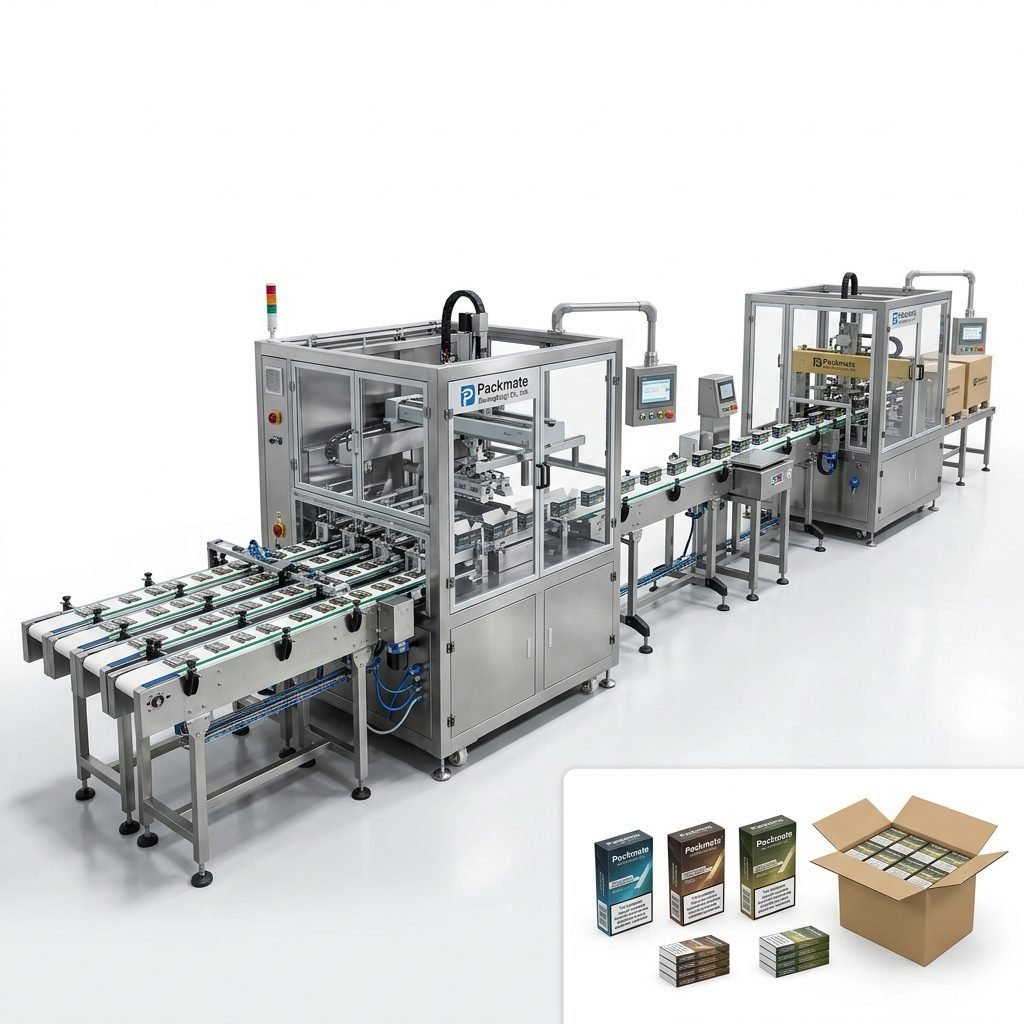
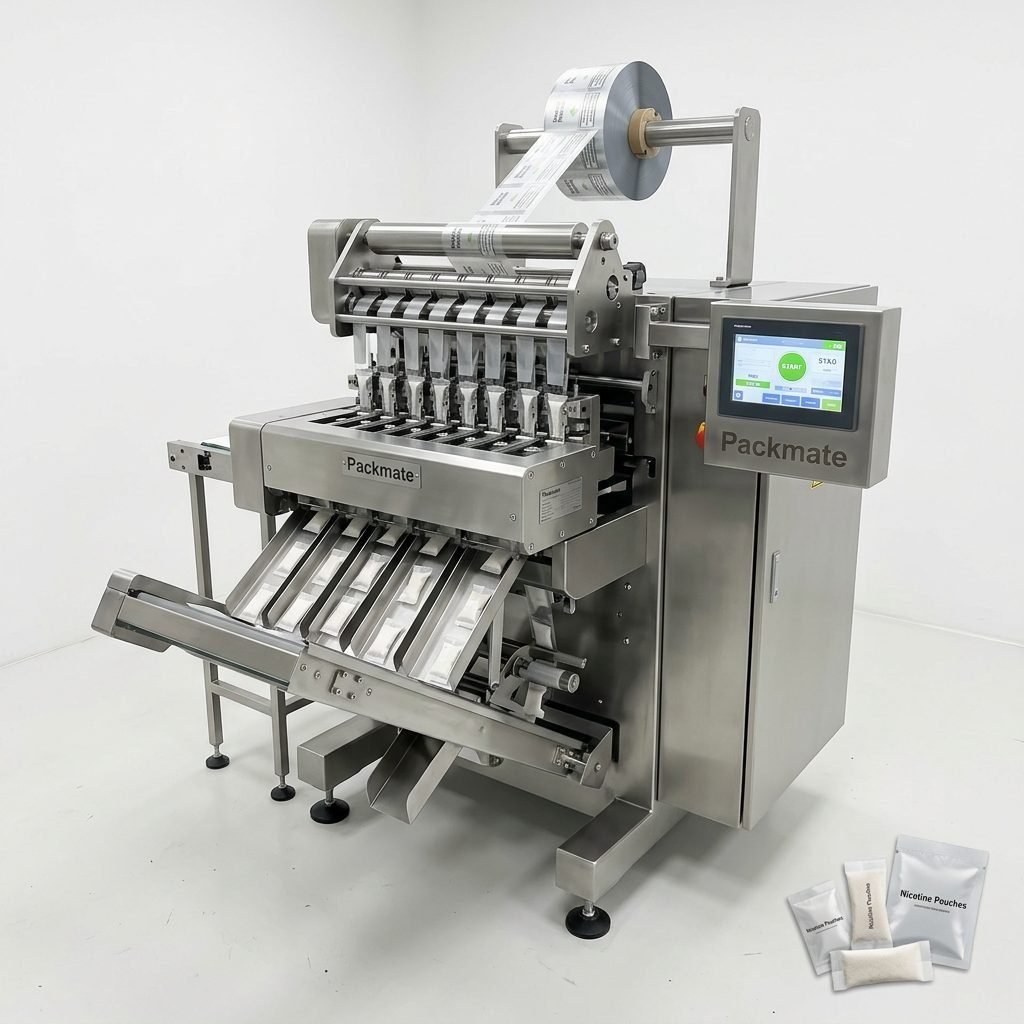
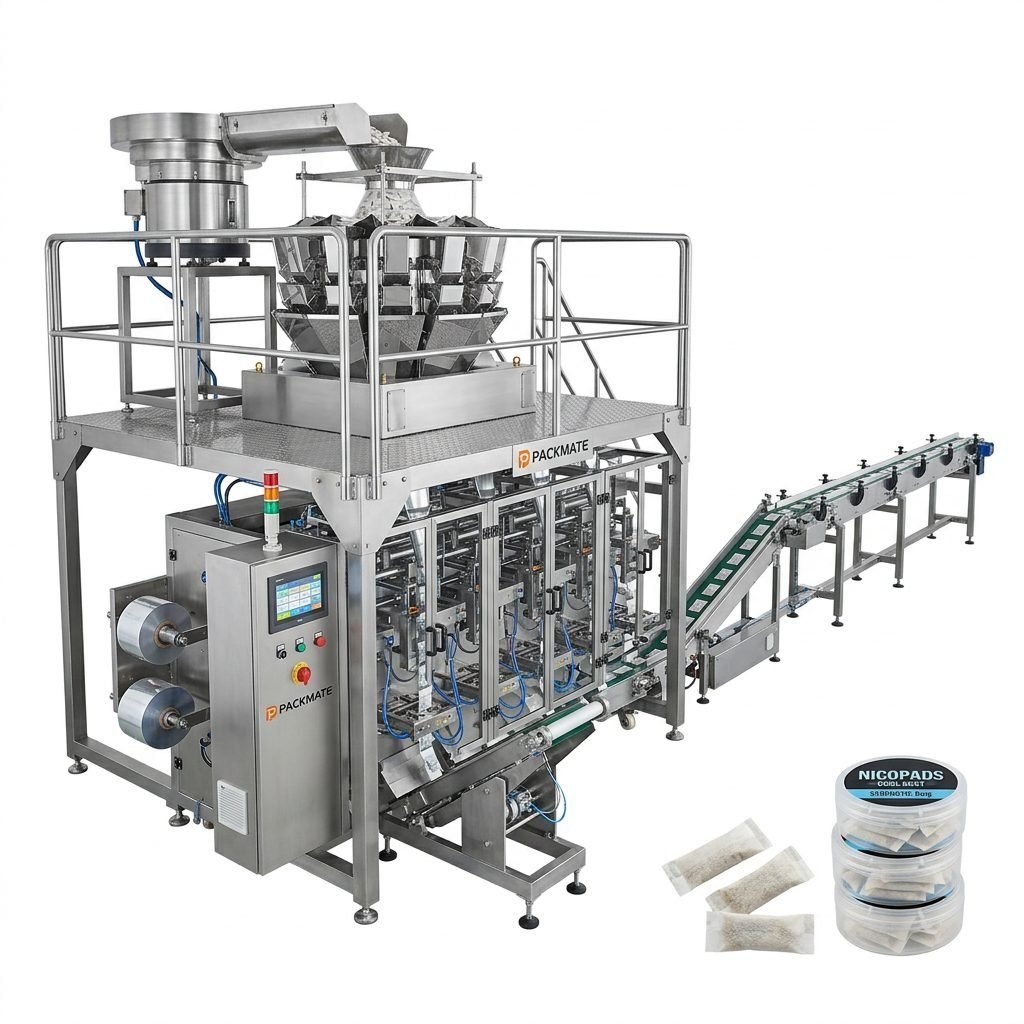
Before evaluating manufacturers, know the machine family that suits your product: single-lane stick pack, multi-lane sachet systems, nicotine pouch filler and sealing machines, and integrated weighing and packaging lines. If you need a tailored solution, consider suppliers that offer turnkey systems combining filling, dosing, sealing, and cartoning.
Learn more product types here: Snus & Nicotine Packaging Machines, Sachet & Stick Pack Machines, and Filling & Packaging Lines.
Top Criteria to Evaluate Manufacturers
When comparing suppliers, rate them against these critical factors:
- ⚙️ Industry Experience — Years of R&D and specialization in snus/nicotine pouch equipment.
- 🏭 Factory Capacity & Equipment — CNC centers, assembly lines, and testing rigs mean better precision and scalability.
- 📜 Certifications — CE, ISO, and safety standards reduce regulatory risk.
- 🔧 Customization & Engineering Support — Ability to modify dosing, lanes, or materials to your needs.
- 🤝 After-Sale Service & Spare Parts — Local or regional support reduces downtime in Sierra Leone.
- 📦 Turnkey Solutions — Integration of weighing, filling, and packaging lines if you want a single-vendor project.
- 💬 Client References & Case Studies — Proven deployments in similar markets or products.
📌 Quick filter: prioritize manufacturers with at least a decade of focused experience and clear proof of multi-lane snus systems to reduce integration risk.
Assessing Technical Capability
Technical capability goes beyond specs on paper. Evaluate build quality, precision components, PLC/HMI systems, and modular design. Request technical documentation such as electrical diagrams, mechanical drawings, spare parts lists, and maintenance schedules. A competent manufacturer will provide clear documentation and factory acceptance test (FAT) procedures.
If available, review their product range: Bag & Pouch Packaging Machines and Weighing & Packaging Systems — this demonstrates vertical capability.
Factory Strength & Capacity
A well-equipped factory with advanced CNC machining, precision assembly lines, and a quality control department indicates the ability to produce high-tolerance parts. For example, manufacturers with a dedicated 20,000㎡ facility and multiple machine models typically offer faster lead times, better customization, and more consistent QC.
Quality Assurance & Certifications
Certifications like CE and ISO are essential for international compliance. Additionally, ask for FAT and SAT (site acceptance test) records, component traceability, and materials certificates for contact parts. Reliable manufacturers will document test results and offer performance guarantees.
Service & Support — Critical for Sierra Leone Operations
After-sales support is often the deciding factor for buyers in developing markets. Confirm the supplier’s ability to provide:
- ⏱️ Timely spare parts delivery to Sierra Leone
- 🛠️ Remote troubleshooting via PLC/HMI access or video support
- 👩🏫 On-site training for operators and maintenance staff
- 📦 Availability of standard replacement kits and consumables
Note: Make sure service response times and logistics routes are clear. A supplier that attends international exhibitions and maintains global partners usually has better spare parts logistics and field service networks.
Evaluating Cost vs. Long-Term ROI
Initial purchase price is only one part of the equation. Estimate total cost of ownership (TCO) by accounting for energy consumption, spare parts, preventive maintenance, operator training, scrap rates, and downtime. Higher upfront investment in robust machines often yields lower TCO and faster breakeven.
Ask suppliers for references and real-world metrics such as uptime percentage, average production speed (pouches per minute), and average scrap rate under similar product specs.
Regulatory Compliance & Product Safety
Snus and nicotine pouches are subject to strict labeling and material contact regulations in various markets. Verify that the manufacturer uses food-grade contact materials (e.g., stainless steel 304/316), offers CIP-compatible designs if needed, and follows hygiene-friendly layouts that minimize contamination risk.
Include a clause in the contract that addresses rectification if the delivered equipment fails to meet agreed hygienic standards or performance targets.
Local Considerations for Sierra Leone
Operating in Sierra Leone requires specific attention to import procedures, customs duties, local infrastructure, and availability of trained technicians. Investigate the following:
- 📑 Clear export documentation and DDP/DDU options to minimize customs delays.
- 🚚 Reliable freight and logistics partners experienced with West Africa.
- 🔌 Compatibility with local power supply and availability of necessary transformers or control panels.
- 👥 Local partner or agent for spare parts and emergency service coordination.
For a supplier with global reach and case studies across continents, review their international projects: Case and Our Exhibition pages can indicate active global presence.
Questions to Ask a Prospective Manufacturer
Bring a checklist to supplier meetings and ask direct questions that uncover true capability:
- 📈 What is the typical commissioning timeline and lead time for spare parts?
- 🧪 Can you provide FAT reports and video demonstrations of the exact model?
- 🔩 What is your recommended preventive maintenance schedule and cost for consumables?
- 🧾 Do you offer turnkey integration including weighing, filling, and cartoning?
- 🤝 What warranties and service-level agreements (SLA) do you offer?
Pro tip: Ask for a standard spare parts kit for the first year, and confirm the availability of phone/online technical support in your time zone.
Factory Visit Checklist
If possible, visit the manufacturer or request a guided virtual tour. During the visit, verify:
- 🏭 Actual production lines and test benches used for snus/nicotine pouches.
- 🔎 Quality control area and inspection records.
- 🔩 Assembly process and parts traceability.
- 📄 Documentation samples: manuals, SOPs, and spare parts lists.
- 👥 Training facilities and availability of application engineers.
Negotiating Contracts & Warranties
Negotiate clear terms for delivery, acceptance testing, penalties for delays, warranty coverage, and spare parts lead times. Consider including:
- 📅 Defined milestones for design approval, FAT, shipment, and onsite commissioning.
- 🔁 Spare parts kit and minimum stock recommendation for first year.
- 🛡️ Warranty period with response time clauses for critical components.
- 💻 Remote monitoring or service subscription options for continuous support.
For more on company background and support options, review manufacturer details: About Packmate and their Service offerings.
Making the Final Decision
Score each candidate on a weighted matrix that includes technical fit, quality, cost, lead time, and service capability. Give higher weight to uptime, spare parts logistics for Sierra Leone, and compliance with hygiene standards. Choose the supplier with the best projected TCO and a demonstrated track record for snus or similar pouch products.
Final reminder: A supplier who provides clear FAT documentation, on-site commissioning, and a comprehensive spare parts plan will reduce your operational risk in Sierra Leone.
Conclusion
Selecting the best snus packaging machine manufacturer for your Sierra Leone business involves technical due diligence, careful assessment of service and logistics, and negotiating clear contractual protections. Prioritize experienced suppliers with proven multi-lane snus systems, strong factory capabilities, and reliable after-sales support. With the right partner you will achieve consistent product quality, scalable production, and a sound return on investment.
More resources
If you want to explore product lines and certifications further, these pages are helpful: Certificate, Catalog, and Contact Us.
Frequently Asked Questions
Q1: How long does it take to receive and commission a snus packaging line?
A1: Typical lead time ranges from 12 to 20 weeks depending on customization, spare parts availability, and shipping. Commissioning and validation on site can take 1–3 weeks. Confirm exact timelines with the supplier and include milestones in the contract.
Q2: What certifications should I require for snus packaging machines?
A2: Require CE and ISO as a baseline. Also request material certificates for food-contact parts (e.g., stainless steel grade) and documented FAT records. If you export, check destination country compliance requirements.
Q3: How can I reduce downtime in Sierra Leone after installation?
A3: Maintain a one-year spare parts kit, train local technicians during commissioning, and secure a service agreement with defined SLAs. Consider remote monitoring and a local agent for urgent spare parts handling.
Q4: Is it better to buy a turnkey line or assemble components from different vendors?
A4: Turnkey lines reduce integration risk and single-source accountability, which is valuable in markets with limited local engineering resources. However, if you need highly specialized components, ensure clear integration plans and responsibility allocation.
Q5: Where can I view real cases and verify supplier history?
A5: Ask for case studies and client references. Review published cases and exhibition records to confirm global presence. See the supplier’s case and exhibition pages for examples: Case and Our Exhibition.