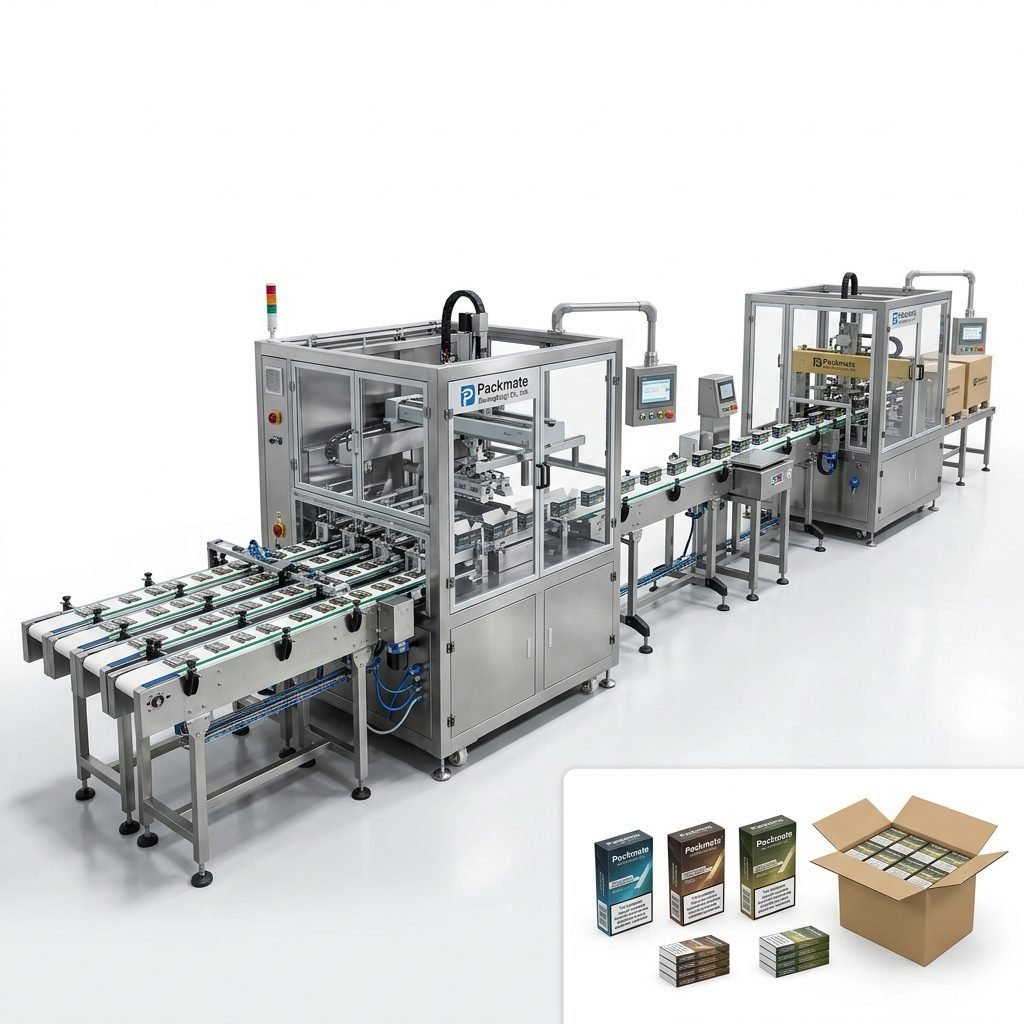
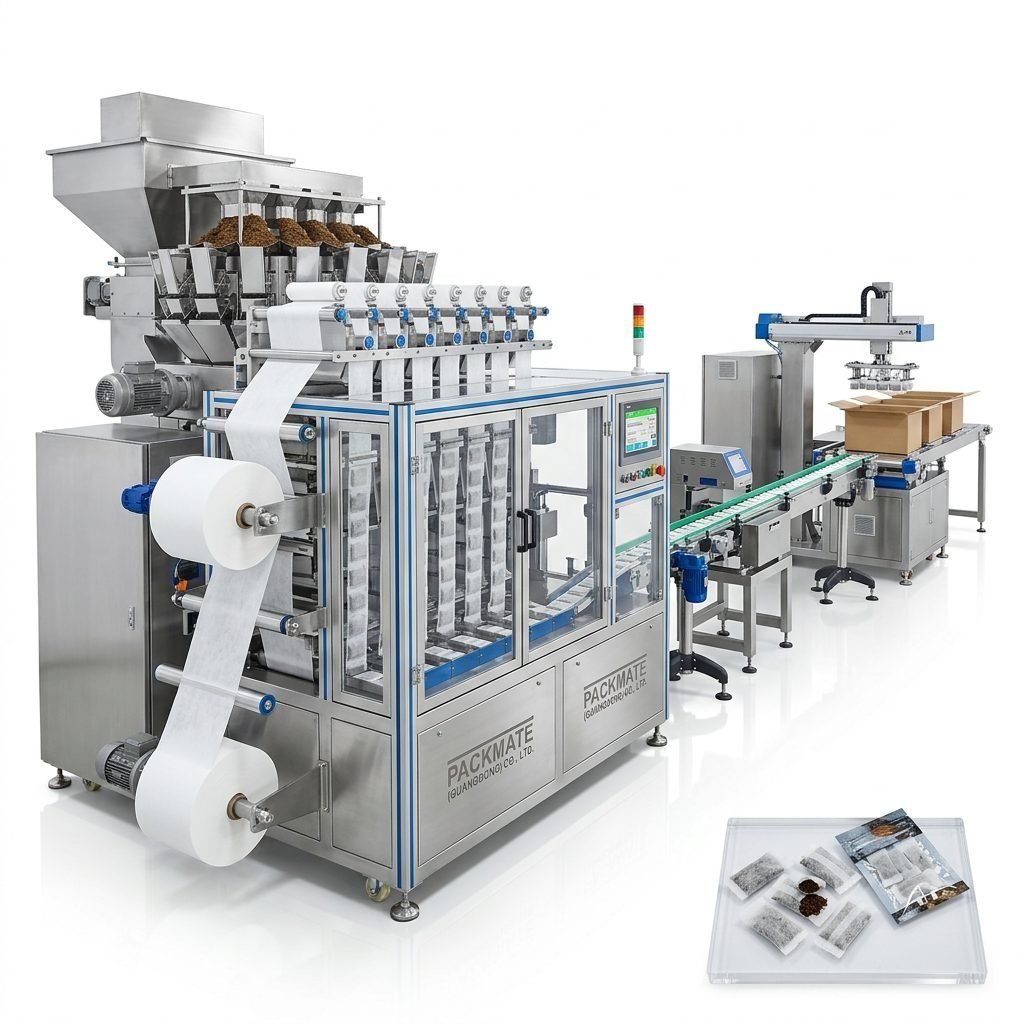
Choosing the right nicotine packaging machinery manufacturer in East Timor is more than a procurement decision — it is a strategic move that affects product quality, compliance, production efficiency, and long-term costs. This guide walks you through practical steps, technical checkpoints, and business considerations to ensure your nicotine pouch or snus packaging line performs reliably, meets regulatory expectations, and scales with your growth.
Why Selecting the Right Manufacturer Matters
In a niche market like snus and nicotine pouches, equipment precision, hygiene standards, and consistent dosing are critical. A reputable manufacturer delivers machines that reduce waste, improve yield, and provide stable operation — translating into predictable production costs and better market reputation. Look for partners who understand nicotine-specific requirements, including small-dose filling, multi-lane synchronization, and packaging integrity.
Quick checklist (at-a-glance)
🔍 Experience: 10+ years in nicotine pouch packaging or proven multi-lane solutions.
✅ Machine types: snus/nicotine pouch machines, stick pack, sachet, multi-lane systems.
🏭 Factory strength: CNC capability, assembly lines, ISO/CE certifications.
🤝 Support: commissioning, training, spare parts, global exhibitions and references.
Understand Your Production Needs
Start by defining throughput, product format, materials, and future scalability. Are you producing single-lane runs for specialty flavors or high-speed multi-lane outputs for mass market volumes? Does your product require specific pouch materials, barrier layers, or tear notches? Clear specifications guide you to the right machine family and avoid costly retrofits.
Match machine families to applications
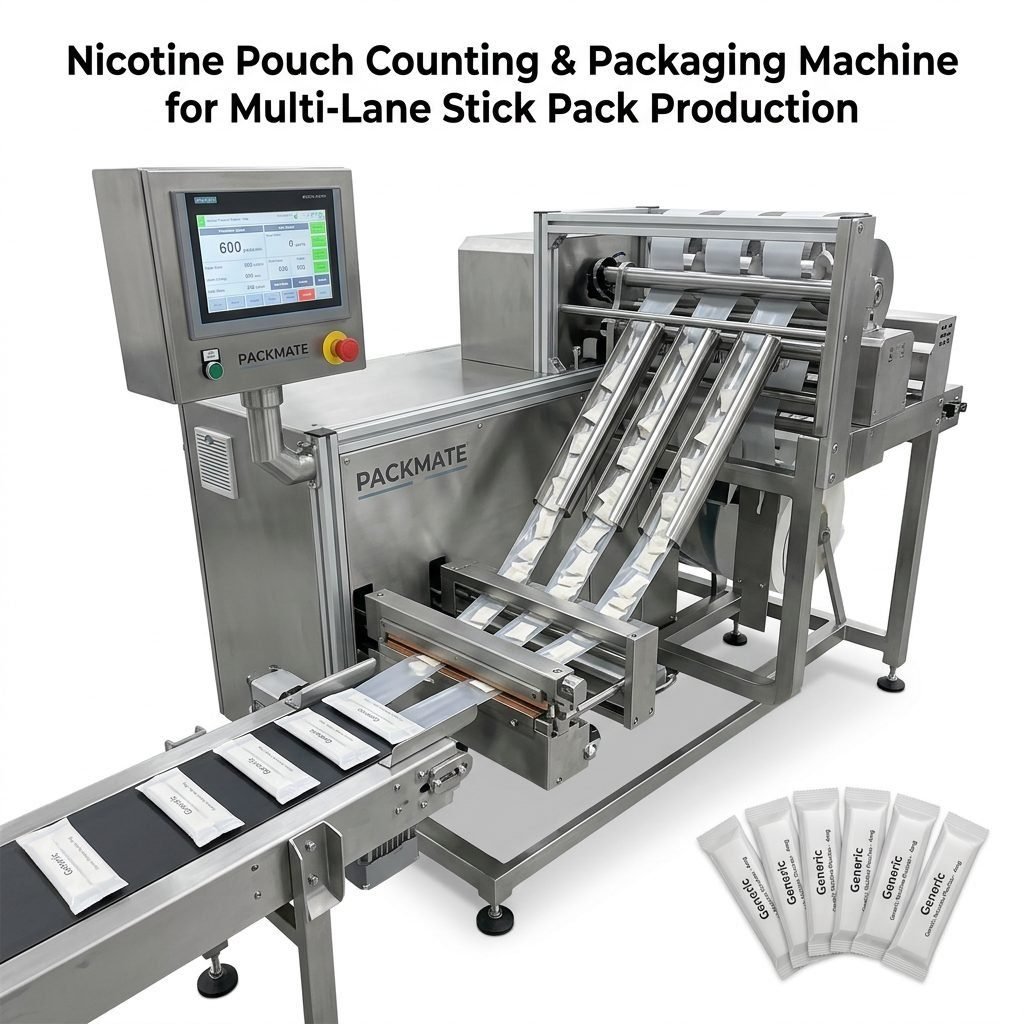
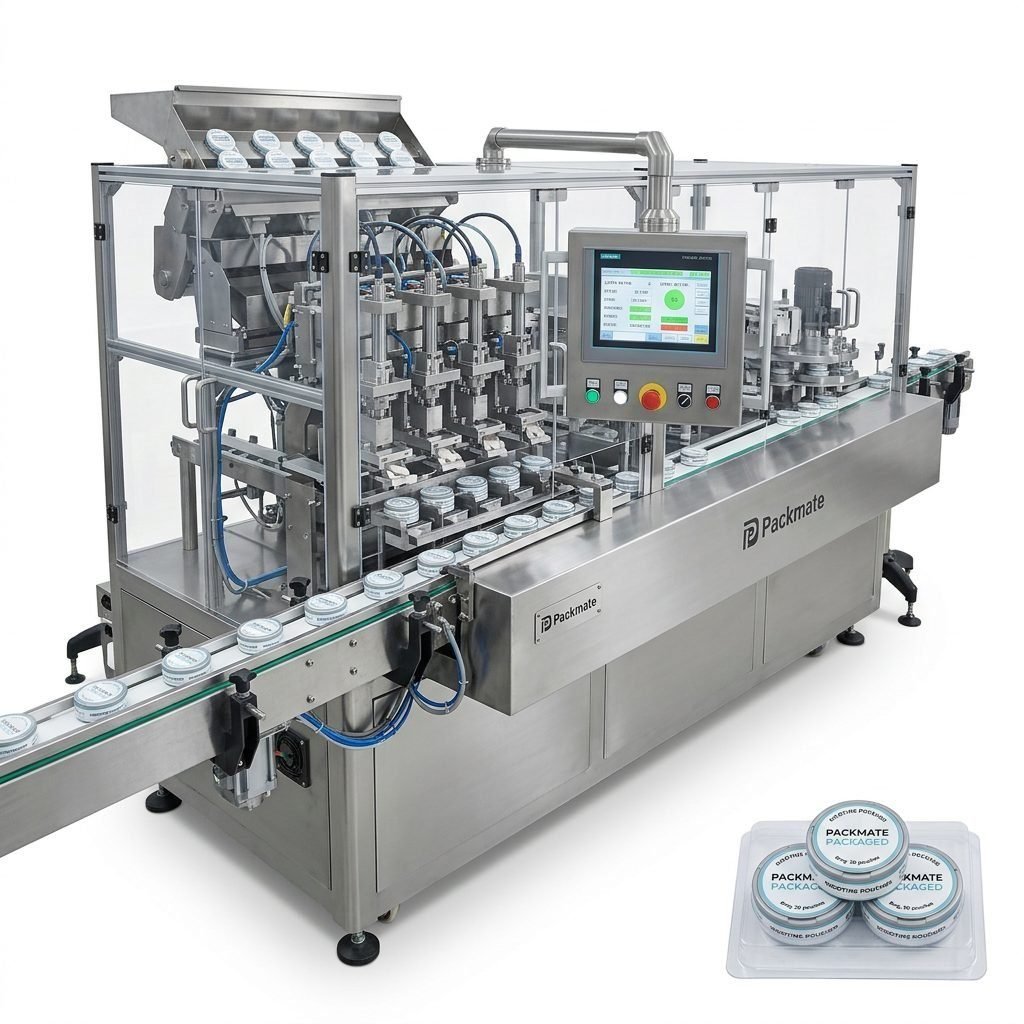
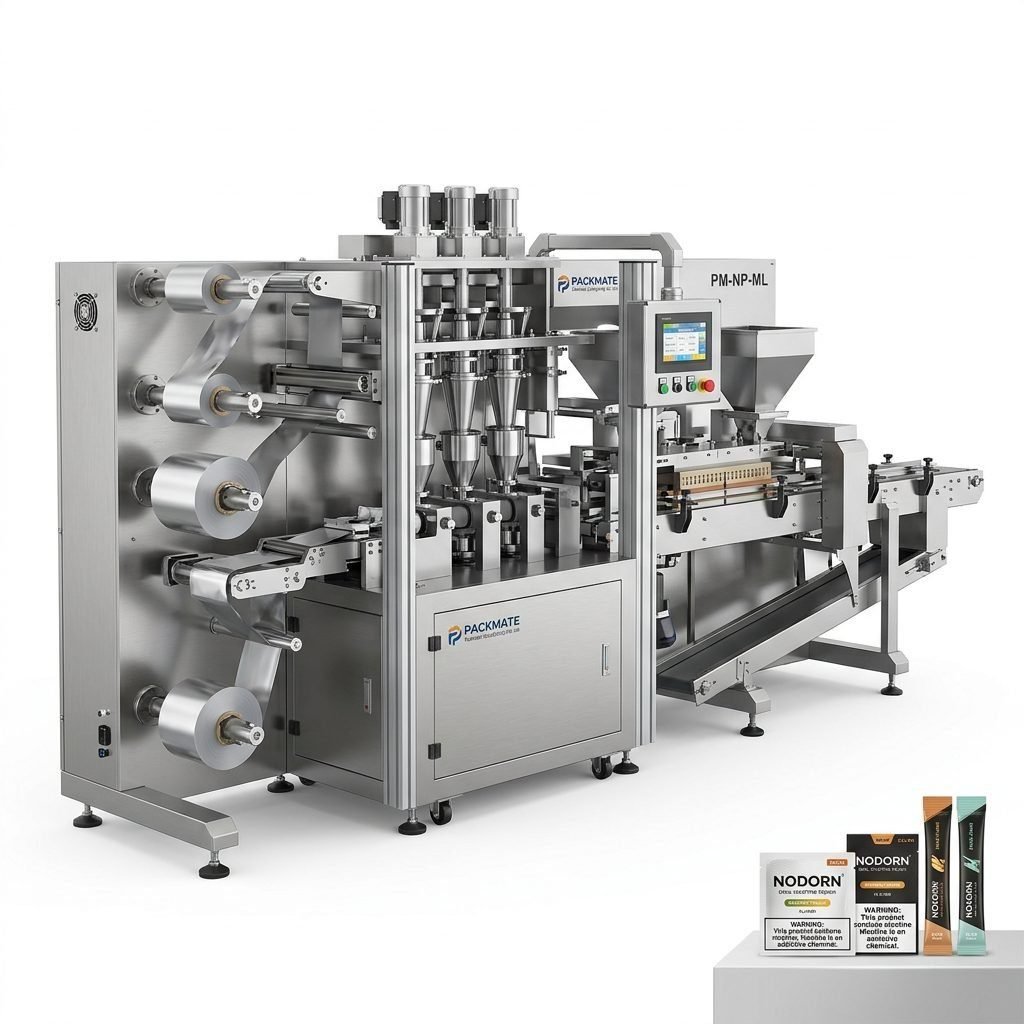
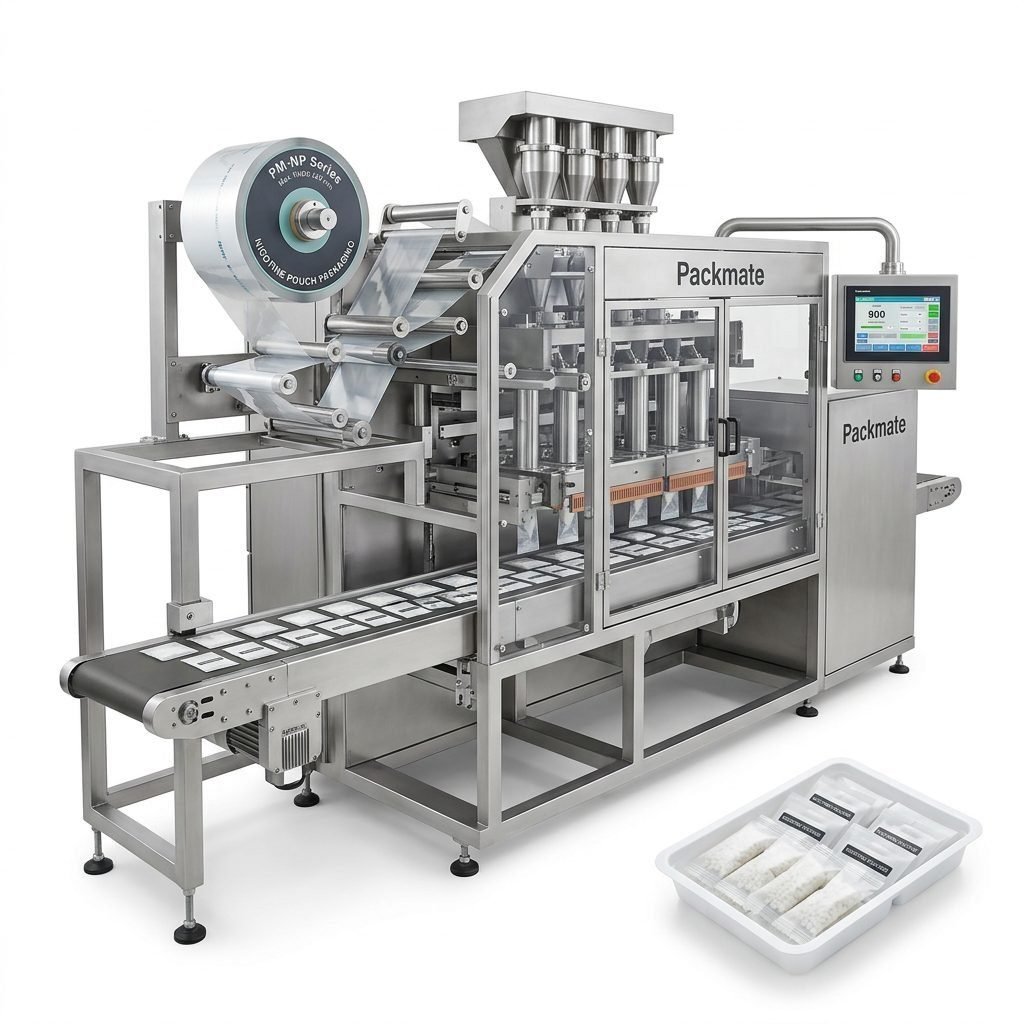
– For nicotine pouches and snus, look at dedicated pouch packaging lines with precise dosing and tension control. Explore Snus & Nicotine Packaging Machines for examples.
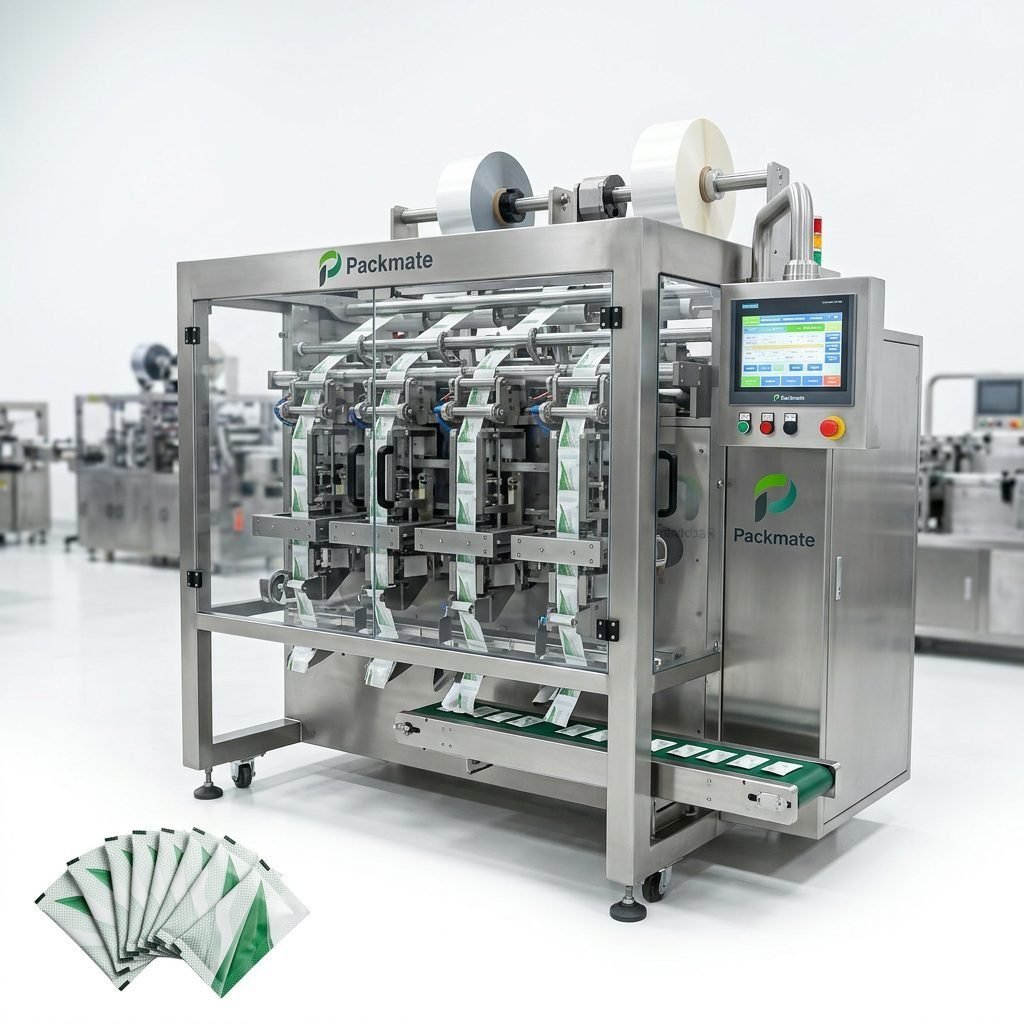
– If you plan on stick formats or single-portion sachets, consider Sachet & Stick Pack Machines to handle narrow, high-speed formats.
– For flexible volumes and different pouch sizes, multi-lane systems provide throughput scalability while maintaining small-dose accuracy.
Key Technical Considerations
Technical features determine product consistency and maintainability. Evaluate controls, servo systems, filling accuracy, and hygienic design early in the selection process.
📌 Filling accuracy: Look for ±X% tolerance specs and proven metering (volumetric, auger, piston) for powders and granules.
⚙️ Servo & synchronization: Servo drives reduce film waste and ensure lane synchronization for multi-head systems.
🛠️ Hygienic design & cleanability: Tool-less access, stainless contact parts, and smooth surfaces speed maintenance and sanitation.
🔄 Changeover time: Fast format changes save hours when running multiple SKUs.
Factory Strength & Quality Assurance
Inspecting a supplier’s manufacturing capability reveals delivery reliability and quality control culture. A factory with CNC machining centers, precision assembly, and clear testing procedures typically produces more consistent machines. If available, review their case studies and certifications to validate claims — see About Packmate and Certificate for reference.
What good factory evidence looks like
– Dedicated assembly lines for packaging machinery.
– On-site testing area for running full production simulations (FAT).
– Documented QC processes, material traceability, and final inspection records.
– References from customers across regions and industries; visit Case examples to learn more.
Customization, Turnkey Solutions & Integration
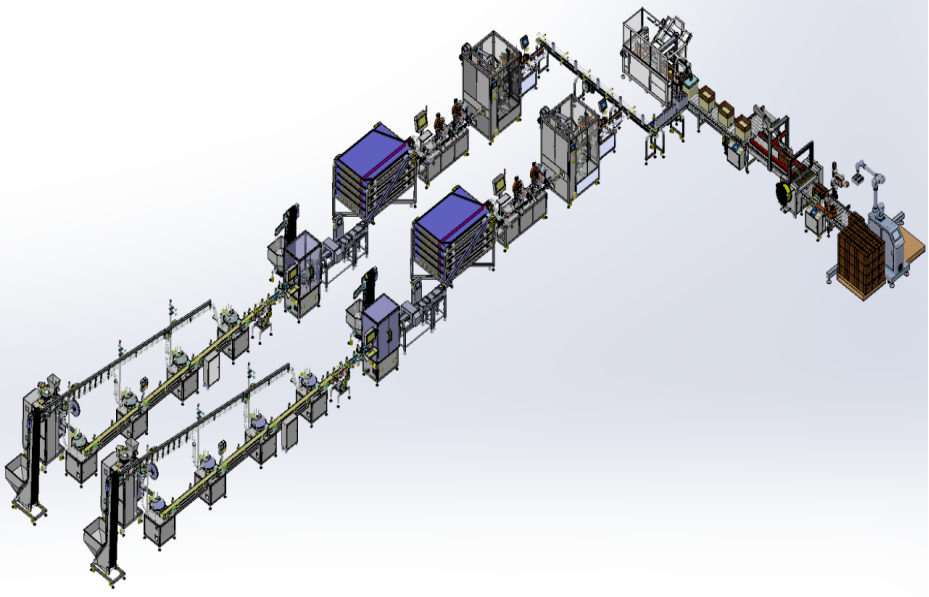
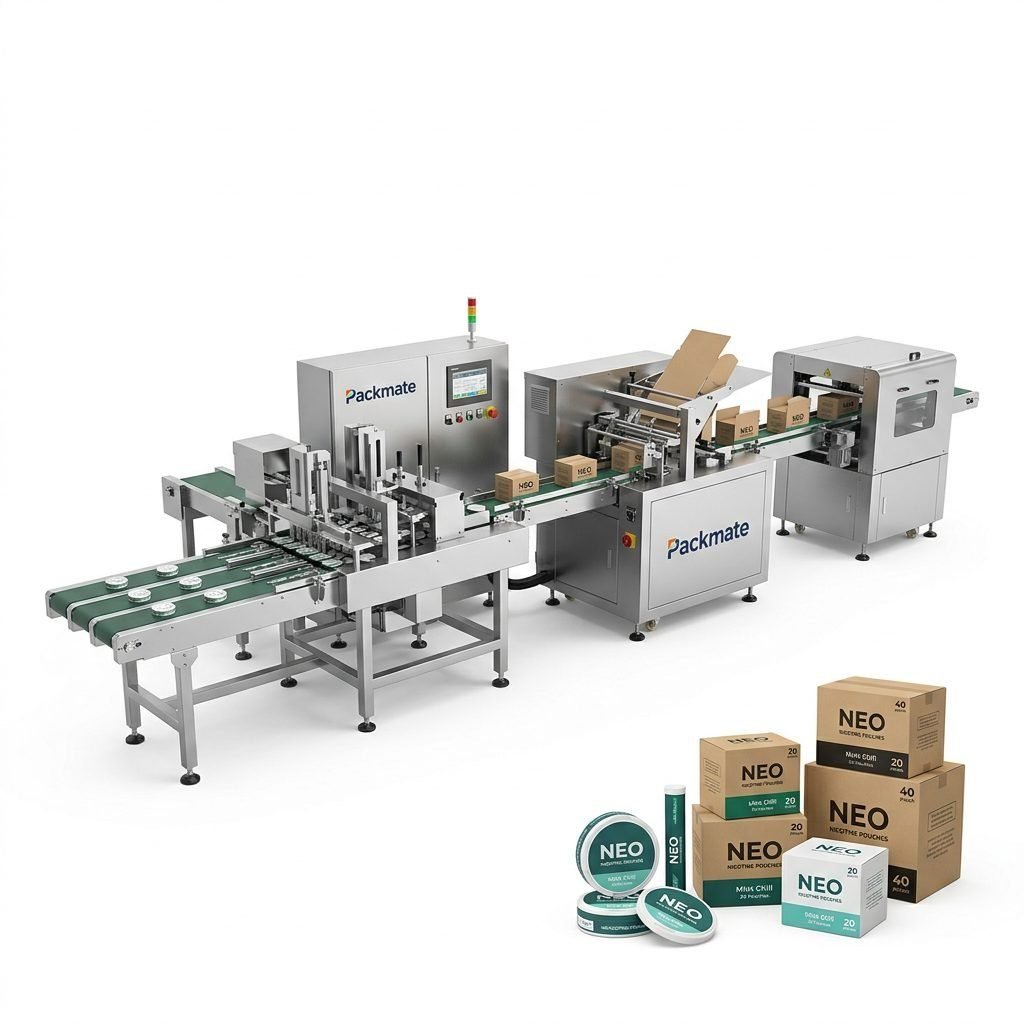
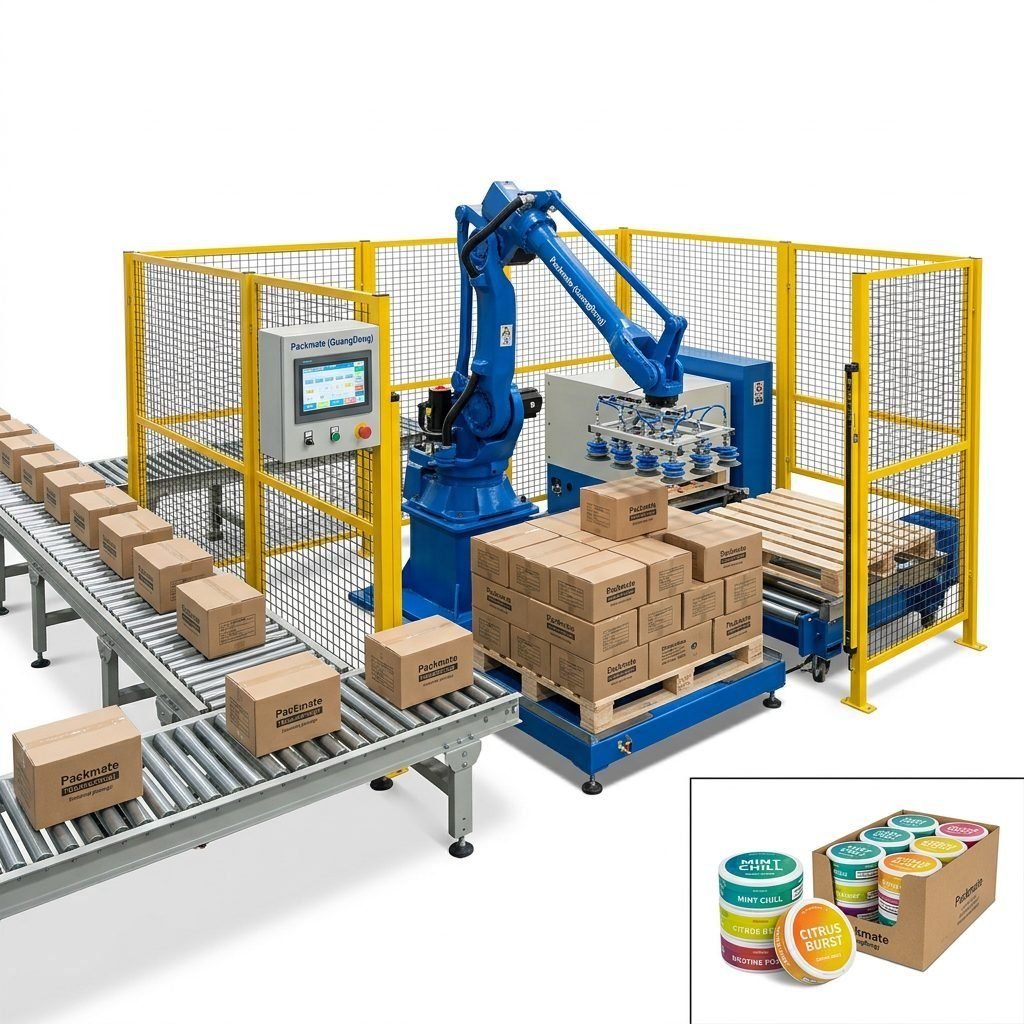
Depending on your operation, you may need a standalone machine or a fully integrated line with weighing, feeding, and secondary packaging. Suppliers that offer turnkey solutions reduce integration risk and coordinate cross-equipment communication. For integrated approaches, explore Weighing & Packaging Systems and Filling & Packaging Lines.
Integration checklist
– Common control language (Siemens/Allen-Bradley or equivalent) for central HMI.
– Conveyor and lane compatibility to avoid bottle-necks.
– Weighing and dosing validation routines for regulatory compliance.
– Planned spare parts list and auxiliary equipment (vacuum, conveyors, metal detection).
After-sales Support, Training & Spare Parts
Service response time and spare parts availability minimize downtime. Verify the manufacturer’s warranty terms, local support options, remote diagnostics capability, and training packages for operators and maintenance teams. Explore Service and Contact Us pages for clarity on global support networks.
⚡ Remote support: Look for remote troubleshooting via VPN and spare parts kits shipped regionally.
🎓 Operator training: On-site commissioning training and documented SOPs reduce human errors.
🔩 Spare parts: Ask for recommended spares list covering belts, sensors, and critical wear components.
Compliance, Certifications & Market Access
Regulatory compliance matters for both machinery safety and the packaged product. Ensure machines comply with international standards (CE, ISO) and include necessary safety guards, emergency stops, and documentation for audits. Manufacturers who exhibit internationally and publish certificates typically maintain higher compliance discipline — see Our Exhibition and Certificate for examples.
Comparing Cost vs. Long-Term Value
The lowest purchase price may hide higher lifecycle costs. Compare total cost of ownership (TCO) including energy consumption, maintenance intervals, spare parts pricing, training, and expected uptime. Invest in reliable automation and precision dosing to lower material waste and rework — these savings often offset higher initial capital expense.
TCO factors to evaluate
– Energy efficiency and air consumption.
– Expected mean time between failures (MTBF).
– Cost of consumables (sealing jaws, belts).
– Downtime costs and replacement part delivery times.
How to Evaluate and Audit a Supplier
Conducting a structured evaluation and site audit uncovers strengths and risks. Use a standard checklist during factory visits or remote audits to compare suppliers objectively.
🔎 Documentation: Request drawings, electrical schematics, and preventive maintenance manuals.
🧪 Testing evidence: FAT reports, sample production runs, and measurement data.
🧾 References: Customer references in similar markets and Contact details.
🏷️ Traceability: Serial numbers, BOMs, and calibration certificates for critical components.
Implementation Roadmap: From Inquiry to Production
A clear implementation plan reduces surprises. Typical phases include requirement definition, machine selection, contract & purchase order, engineering & FAT, shipping & installation, commissioning, and production ramp-up.
1. Requirement definition and site survey — define utilities, floor layout, and material handling.
2. Proposal & technical review — request machine specifications, acceptance criteria, and options.
3. Factory Acceptance Test (FAT) — validate performance with your product before shipment.
4. Installation & Commissioning — on-site tuning, operator training, and performance acceptance testing.
5. Ongoing support — preventive maintenance plan and spare parts stocking.
Red Flags to Watch For
Some warning signs indicate elevated risk: lack of testing evidence, no customer references, vague spare parts policy, undocumented warranty terms, or an inability to demonstrate multi-lane synchronization. If any of these arise, request clarifications and written assurances before committing.
Mitigation tips
– Insist on FAT with your product or representative substitutes.
– Request performance guarantees in the contract (speed, accuracy, uptime).
– Negotiate a spare parts kit and defined response times for critical failures.
Where to Find Trusted Suppliers and More Information
Look for manufacturers that publish product portfolios, machine datasheets, and case studies. For example, Packmate (Packmate Snus Machine) offers a wide range of packaging solutions — check Snus & Nicotine Packaging Machines, Bag & Pouch Packaging Machines, and detailed About Packmate pages to learn how a seasoned manufacturer structures its offerings.
Final Recommendations
Prioritize manufacturers with documented nicotine pouch experience, clear testing protocols, robust after-sales service, and global references. A partner who can provide turnkey lines and integration with weighing or filling systems reduces project complexity. Visit product and case pages to validate real-world performance and schedule factory visits where possible.
📌 Quick links for deeper research:
– Snus & Nicotine Packaging Machines
– Sachet & Stick Pack Machines
– About Packmate
– Contact Us
Summary
Selecting the best nicotine packaging machinery manufacturer in East Timor requires clear production specifications, thorough technical validation, factory evidence, and reliable after-sales support. Favor manufacturers with proven snus/nicotine experience, multi-lane capabilities, and documented FATs to reduce risk and ensure product consistency.
Frequently Asked Questions
Q1: How do I verify a manufacturer’s machine accuracy for nicotine pouches?
A: Request Factory Acceptance Tests (FAT) with sample product, documented measurement data, and an accuracy guarantee in the contract. Look for metering technologies (auger, piston) proven for small-dose applications.
Q2: What certifications should the packaging machinery have for international sales?
A: CE and ISO are common international standards for safety and quality. Additionally, ensure electrical and safety documentation aligns with local regulations in your target markets.
Q3: Can a supplier provide a turnkey line including weighing and secondary packaging?
A: Many experienced manufacturers provide turnkey solutions integrating weighing, filling, and secondary packaging. Review their Weighing & Packaging Systems and Filling & Packaging Lines offerings and request integration examples.
Q4: What level of after-sales support should I expect for machines shipped to East Timor?
A: Expect clear warranty terms, spare parts lead times, remote diagnostic support, and on-site commissioning/training. Confirm local or regional parts distribution and service partners to minimize downtime.