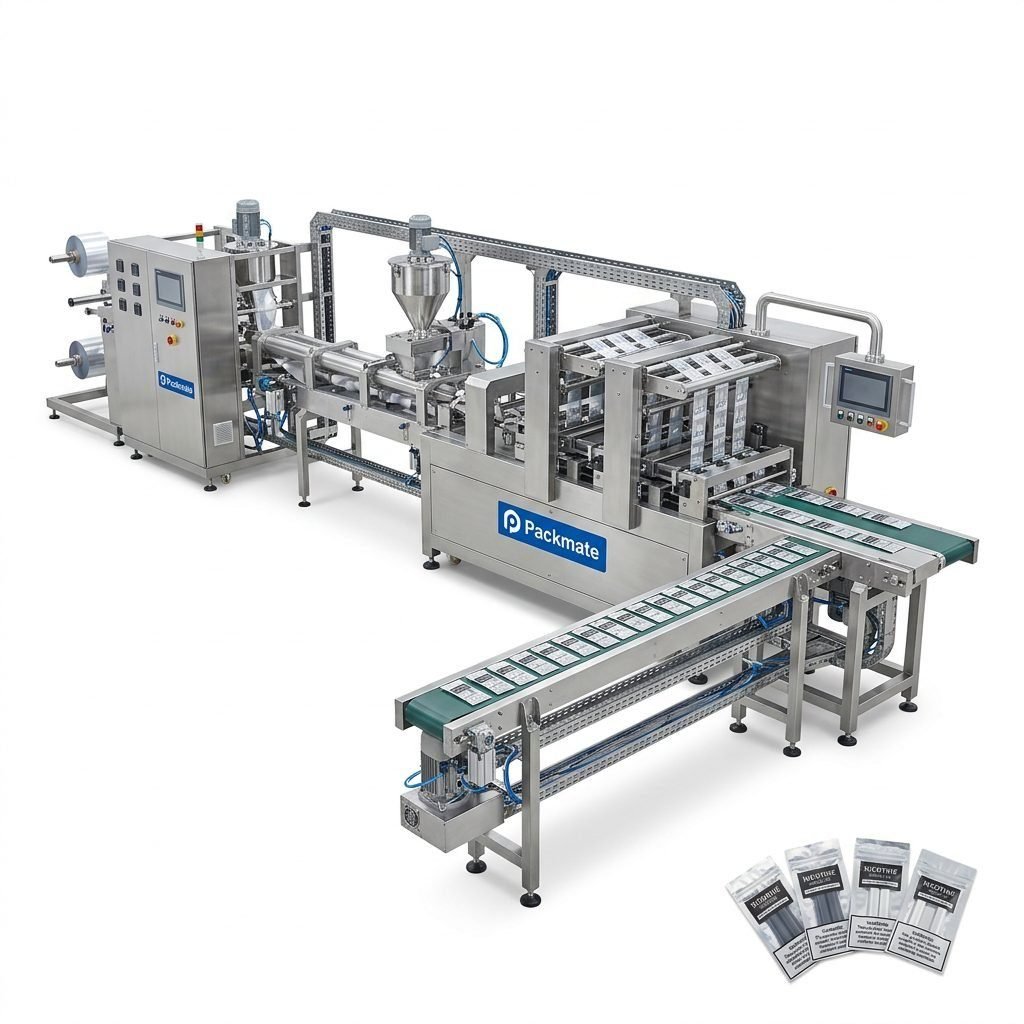
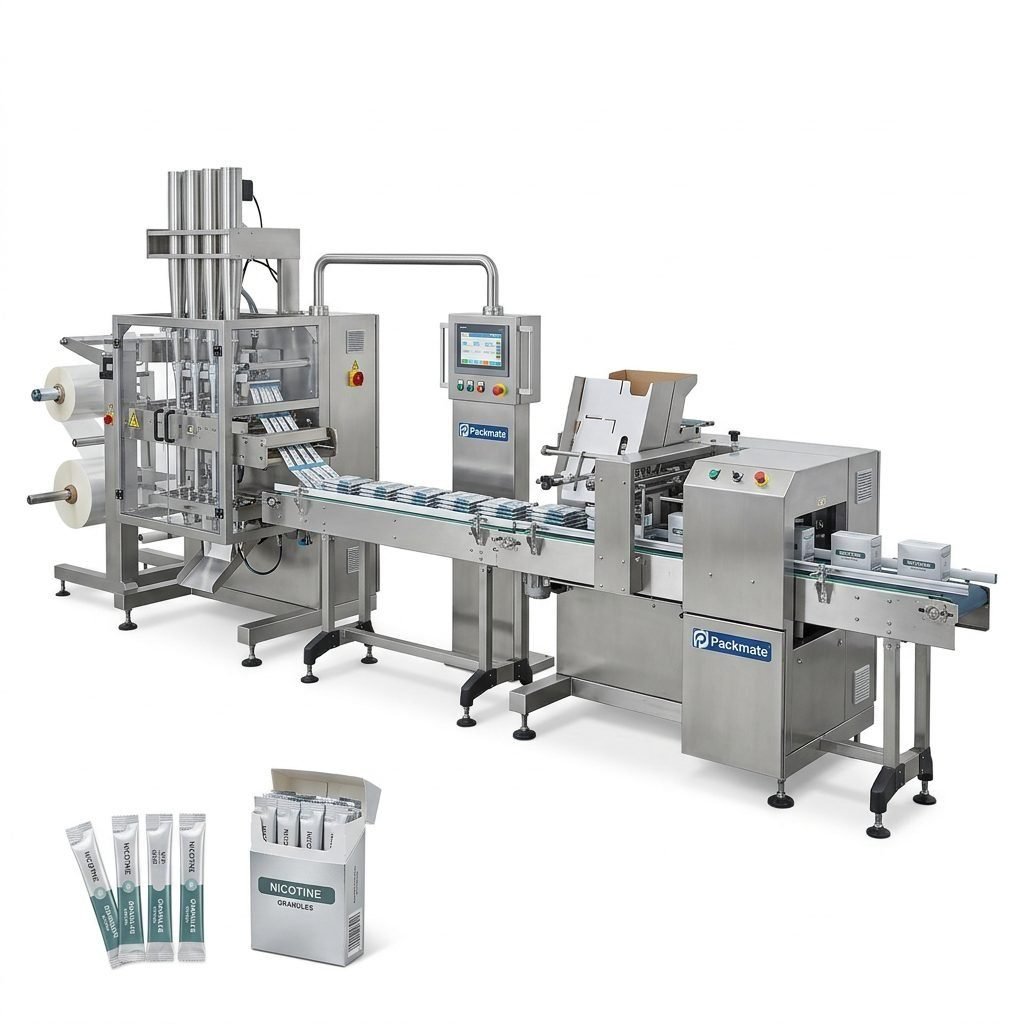
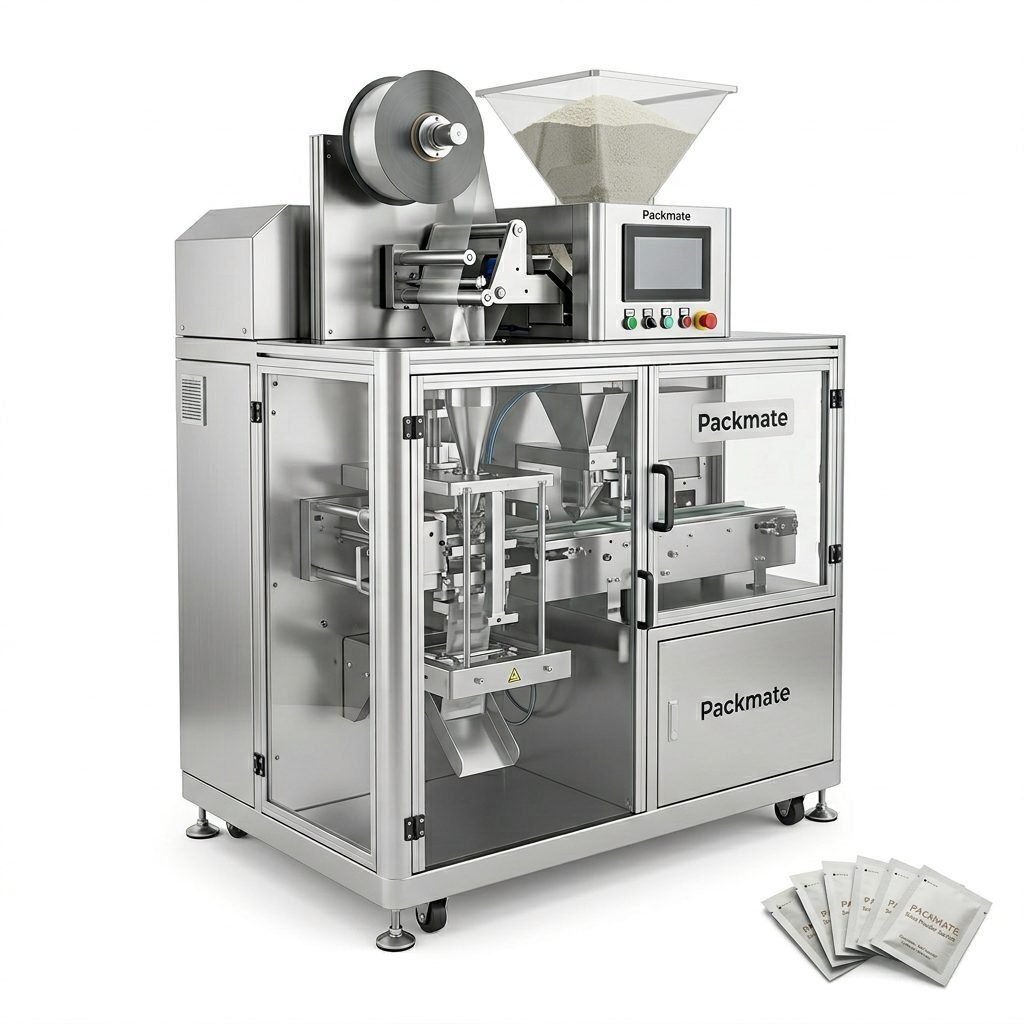
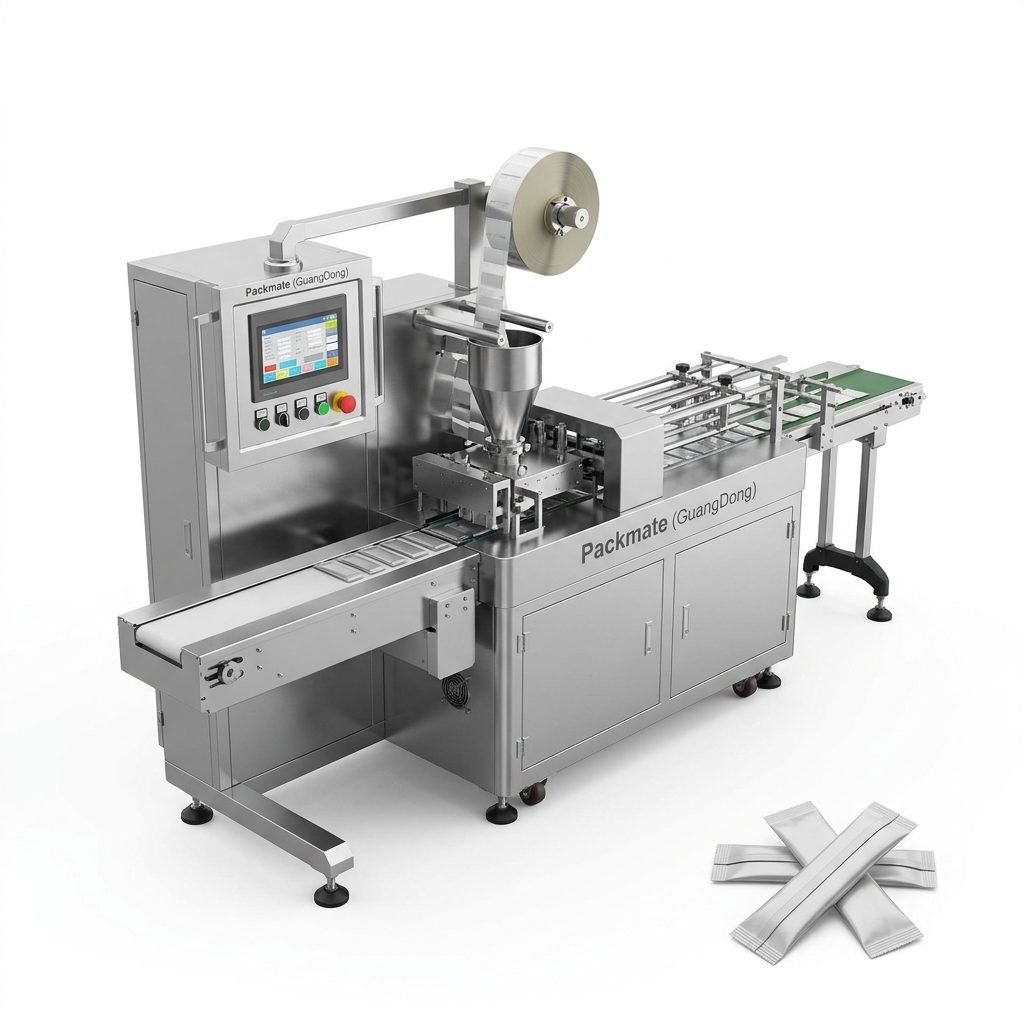
Choosing the right snus packaging machine manufacturer is a strategic decision that will affect product quality, operational efficiency, and long-term costs. This guide walks you through practical, production-focused criteria to evaluate potential suppliers in Belarus and beyond. You will learn what technical specifications matter, how to assess factory capabilities and service offerings, and which commercial terms to negotiate to protect your return on investment.
Understand Your Production Needs First
Before contacting manufacturers, outline clear production targets: daily output, pouch formats (stick, sachet, multi-lane), product types (nicotine pouches, snus, powders, granules), and desired automation level. If you plan to run multiple SKUs, note changeover frequency and expected batch sizes. These requirements determine machine model, lane count, and peripheral equipment.
Key production parameters to define
• Target units per minute/hour/day
• Pouch size and material (laminates, foil, biodegradable films)
• Fill type and accuracy (powder, granule, paste, liquid)
• Integration needs (weighing systems, metal detectors, conveyors)
• Required certifications and compliance for your target markets
Evaluate Manufacturer Technical Capabilities
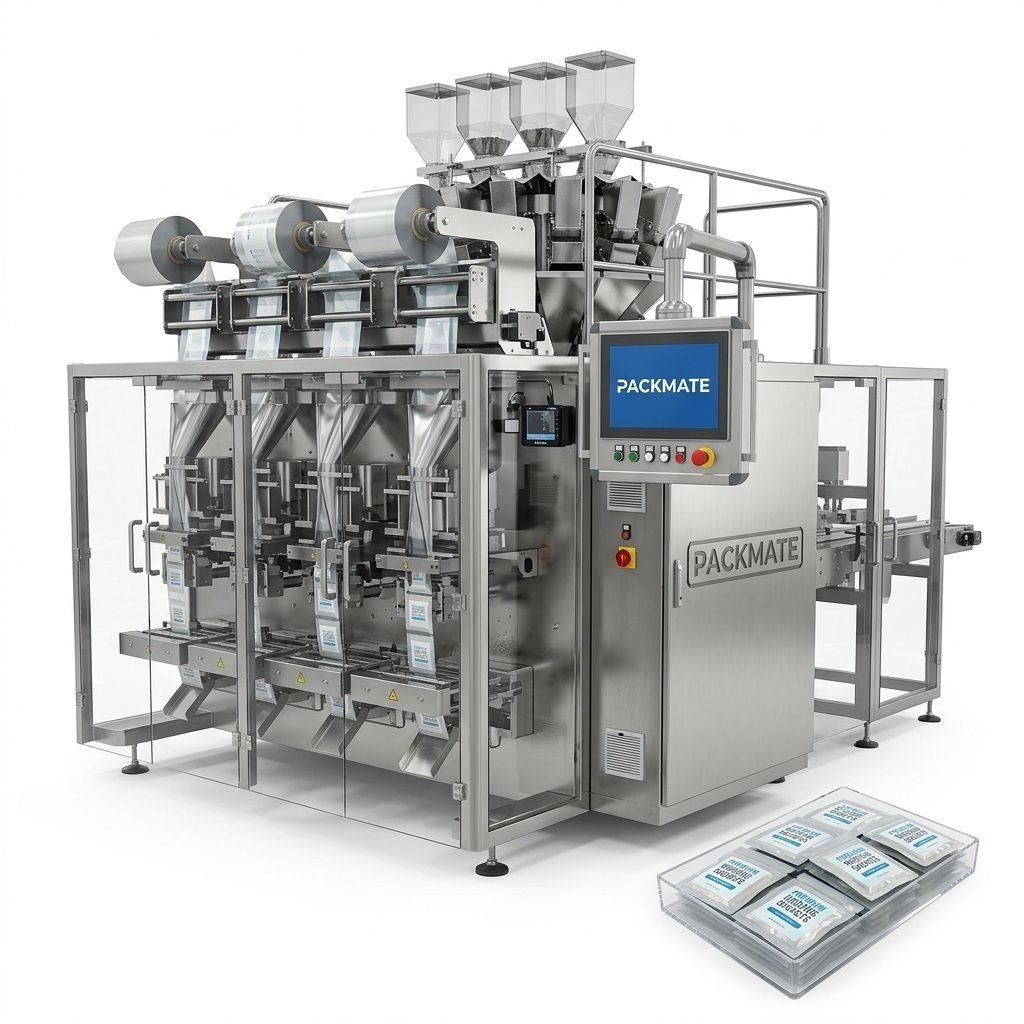
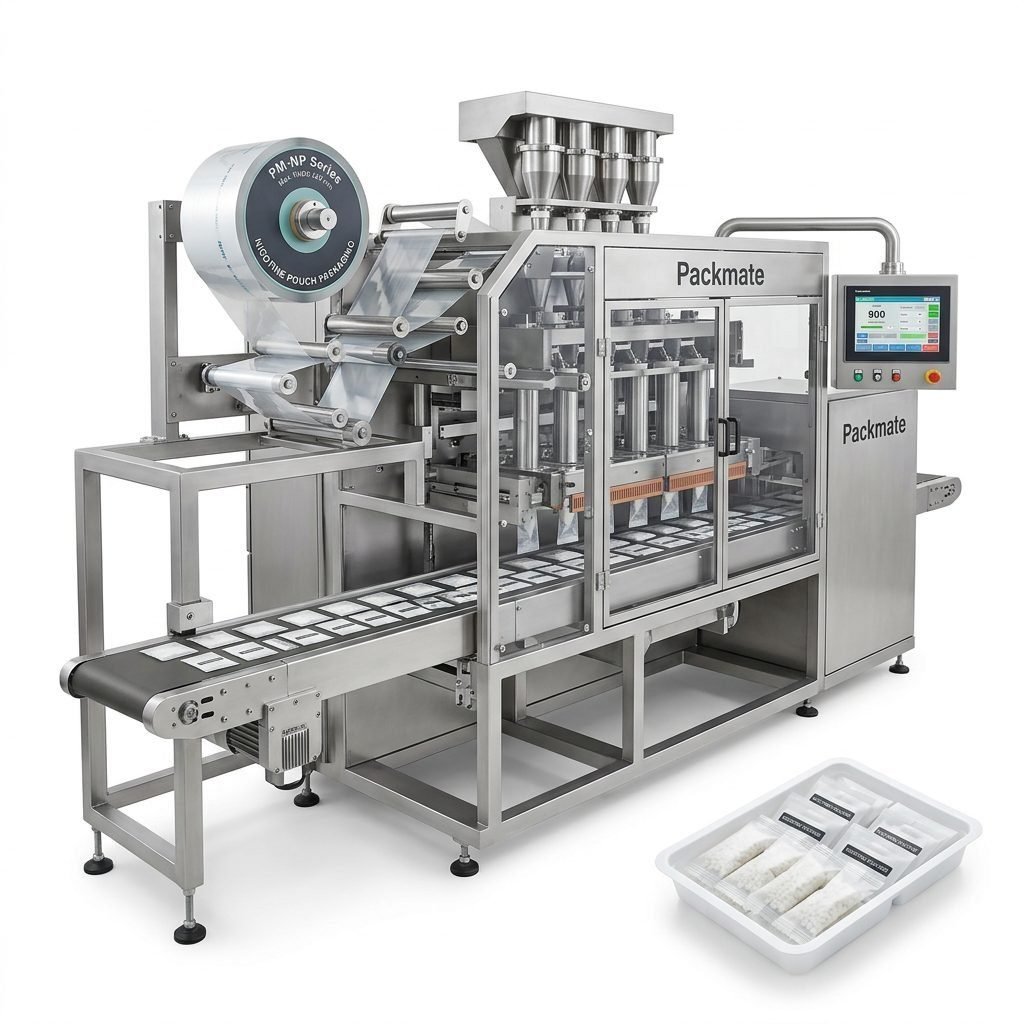
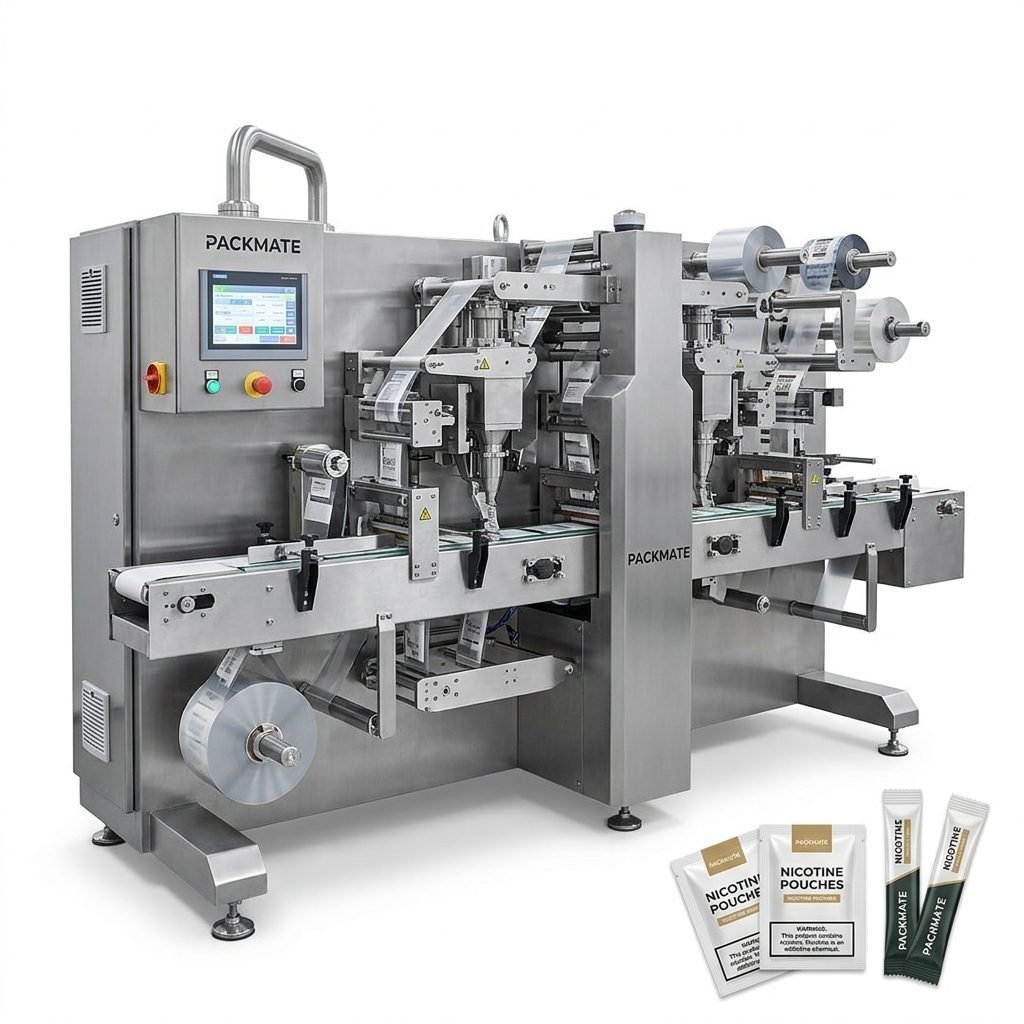
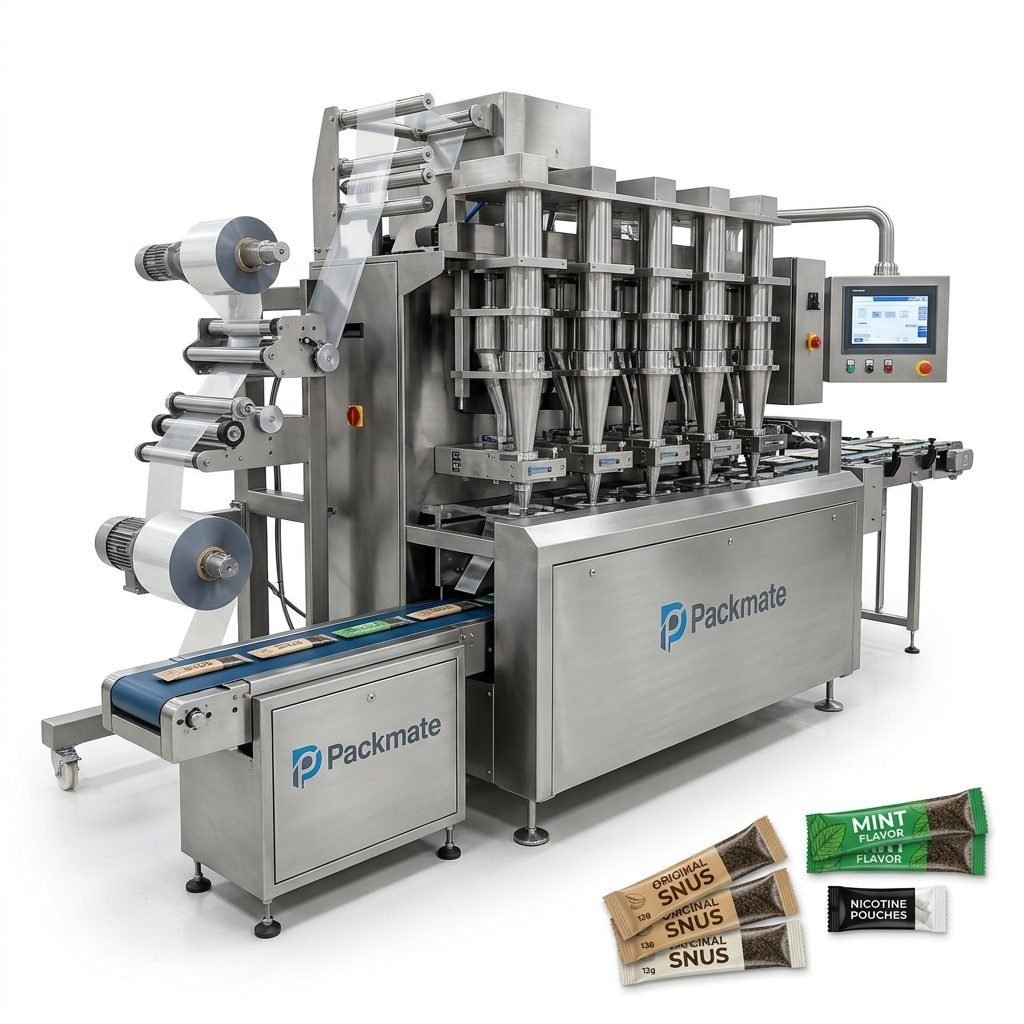
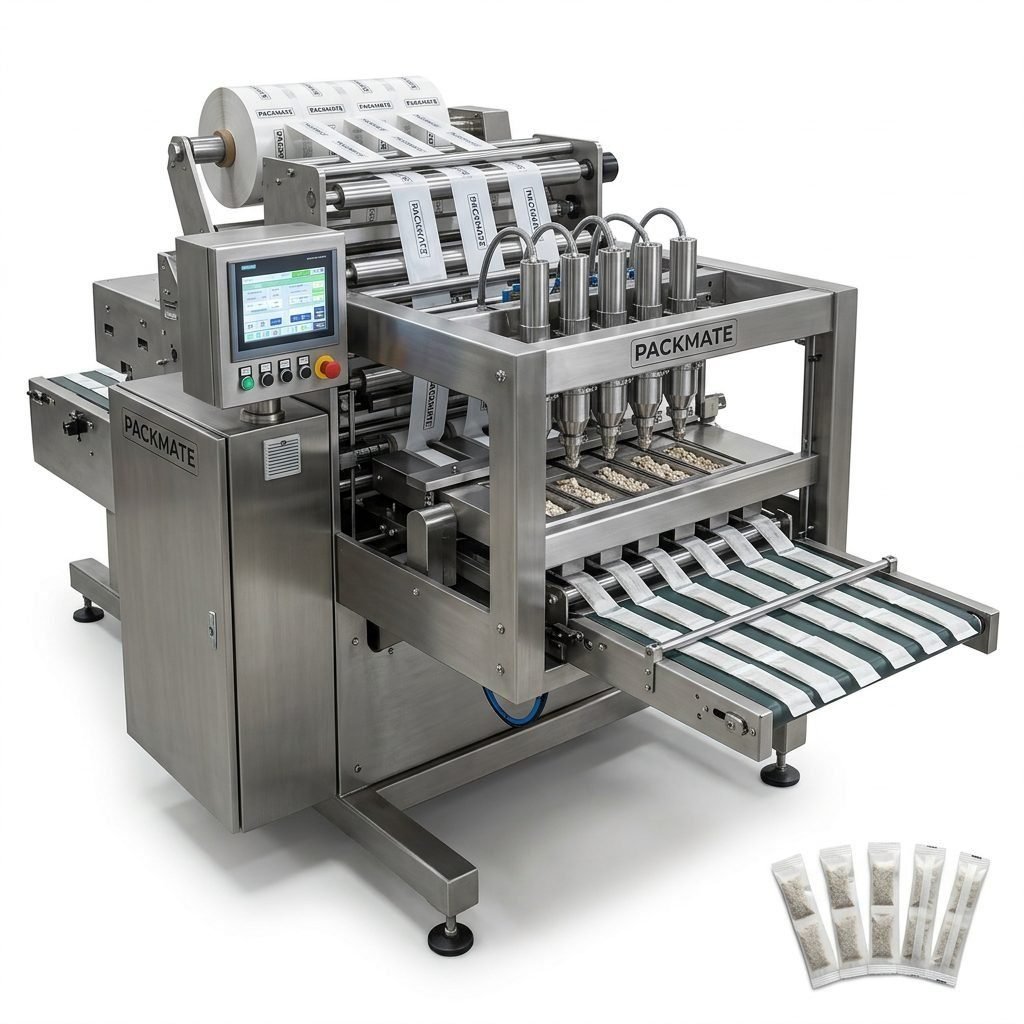
Technical competence is the backbone of any packaging equipment supplier. Focus on machine performance specs, availability of multi-lane solutions for small-dose snus, and ability to deliver consistent accuracy and sealing quality. Packmate Snus Machine, for example, highlights 30+ years of engineering experience and a portfolio of high-precision multi-lane systems suitable for nicotine pouch production.
📌 Must-check technical items: maximum speed (pieces/min), lane flexibility, dosing accuracy, servo control systems, PLC brands, and toolless changeover features for quick format shifts.
Machine types and when to choose them
Choose single-lane or multi-lane based on volume and product uniformity. Single-lane machines are ideal for limited SKUs and easier maintenance. Multi-lane lines excel for high-volume, small-dose snus pouches and lower per-unit costs. Ensure the manufacturer can customize lane counts and deliver reliable synchronization across lanes to prevent pouch mismatch and waste.
Inspect Factory and Manufacturing Strength
A supplier’s factory infrastructure speaks volumes about their ability to deliver consistently. Look for dedicated CNC machining centers, precision assembly lines, and rigorous quality testing facilities. A well-equipped 20,000㎡ facility with advanced CNC capabilities suggests strong in-house manufacturing that reduces reliance on subcontractors and improves lead times.
✅ Factory proof points: machine models built, R&D capabilities, testing & inspection reports, and how they manage spare parts stock for quick replacements.
Quality, Compliance & Certifications
Verify relevant international certifications such as CE and ISO, which indicate adherence to safety and quality management practices. For nicotine and tobacco-related packaging, verify that the supplier understands local and international regulations affecting materials and machine hygiene. Request documentation and proof that the models you consider comply with regulatory standards.
Customization and Turnkey Solutions
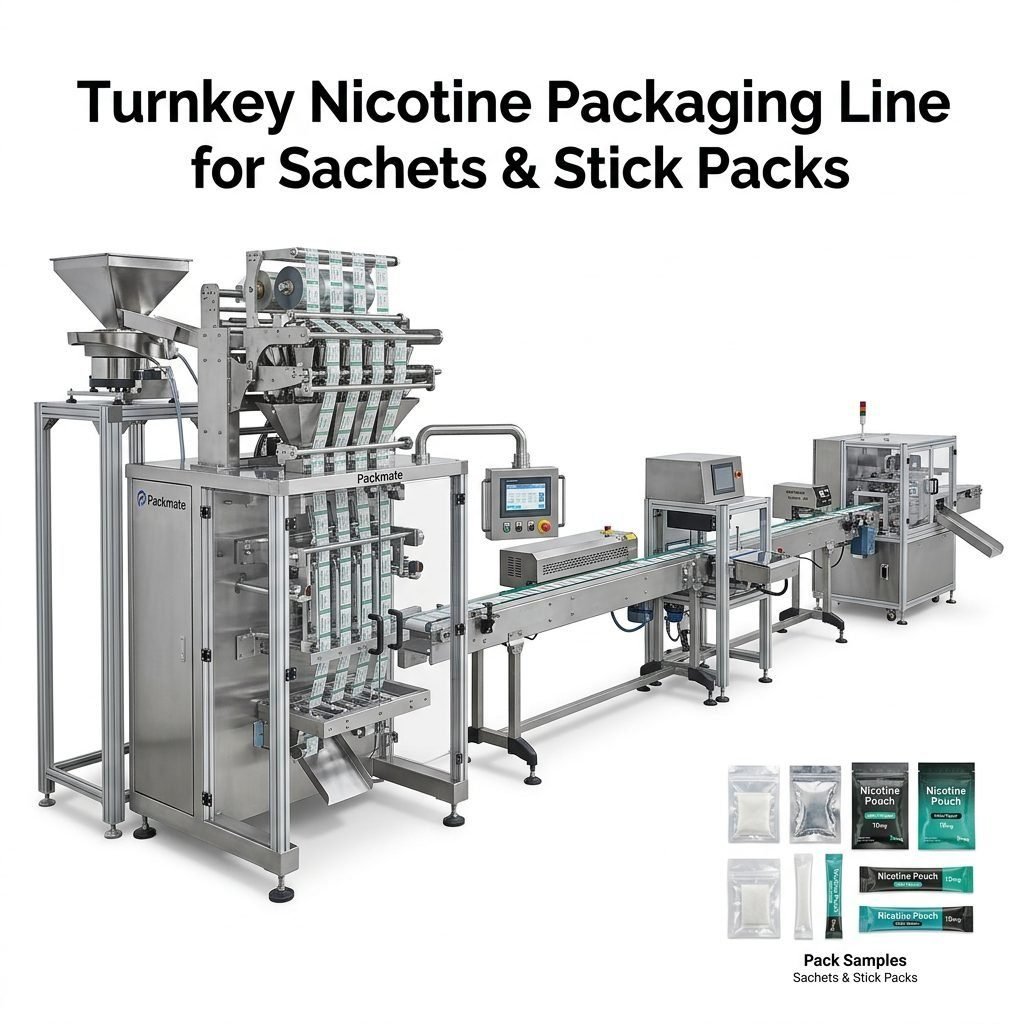
Many manufacturers offer modular machines or fully customized turnkey lines. If your production requires a complete line—filling, weighing, pouch forming, sealing, and packaging—choose a supplier who can integrate systems and handle project management. Packmate, for instance, provides integrated lines and can supply complementary systems like weighing & packaging modules.
🔧 Integration considerations: control system compatibility, data protocols (e.g., OPC UA), and ability to add quality control devices like metal detectors or vision systems.
Useful product links
Explore specific product categories to match your needs: Snus & Nicotine Packaging Machines, Sachet & Stick Pack Machines, and Weighing & Packaging Systems.
Service, Training and After-sales Support
After-sales support is essential. Confirm the supplier’s warranty terms, spare parts availability, remote support options, and whether they provide on-site installation and operator training. A manufacturer that offers quick-response service and remote troubleshooting capability minimizes downtime and protects production KPIs.
⚙️ Service checklist: guaranteed spare parts lead time, availability of on-site engineers, comprehensive training plans, and support contracts for preventive maintenance.
Evaluate Commercial Terms and Total Cost of Ownership (TCO)
Purchase price is only a portion of the expense. Calculate TCO including installation, commissioning, training, spare parts, energy consumption, consumables, and anticipated downtime. Ask for case studies or references that demonstrate achieved OEE (Overall Equipment Effectiveness) and payback periods for similar setups.
Negotiate clear contractual terms for lead times, delivery milestones, acceptance testing, and penalties for missed deadlines. Request a Bill of Materials (BOM) and a documented preventive maintenance schedule to forecast annual maintenance costs.
Factory Acceptance Test (FAT) and Site Acceptance Test (SAT)
Insist on a FAT before shipment that simulates real product runs. A detailed FAT demonstrates that the machine meets speed, accuracy, and sealing specs. After installation, a SAT verifies integration with your production line. Document test protocols and acceptance criteria to avoid disputes.
Ask for References and Case Studies
Request client references and review case studies that show similar installations. Look for evidence of reliable long-term performance and customer satisfaction. Packmate’s case examples and participation in global exhibitions can be useful indicators of market presence and product maturity.
Visit the manufacturer’s website pages like Case and Our Exhibition to view real-world deployments and live demonstrations.
Logistics, Installation & Lead Time
Confirm packaging, shipping methods, and logistics partners. Heavy machinery requires secure crating and clear customs documentation. Ask for an installation plan including required site utilities (power, air, drainage), footprint drawings, and foundation requirements. Manufacturers with local representation or existing projects in your region can shorten lead times and simplify customs clearance.
Warranty, Spare Parts and Consumables
A comprehensive warranty and guaranteed spare parts availability reduce risk. Clarify warranty coverage (parts, labor, travel) and list recommended spare parts. Discuss consumable items like cutting knives and sealing components, and whether the manufacturer supplies kits or one-off parts.
Financial & Commercial Safeguards
Consider payment terms, escrow options, and performance guarantees. Staged payments aligned with delivery milestones protect both parties. For larger turnkey projects, make sure contractual responsibilities for integration and commissioning are clearly assigned.
Visit and Audit If Possible
If feasible, plan a factory visit to audit production processes and meet engineering teams. A firsthand assessment reveals the manufacturer’s organizational discipline, safety culture, and engineering depth. If travel is constrained, request a guided virtual tour or live video of assembly and testing lines.
📎 Red flags to watch for: vague technical answers, inability to provide references, no FAT/SAT procedures, or unclear spare parts policies.
Practical Steps to Shortlist Manufacturers
1) Create a requirements document with KPIs.
2) Request datasheets and FAT/SAT protocols.
3) Ask for reference contacts and case studies.
4) Evaluate TCO and negotiate warranty/spare parts terms.
5) Conduct a factory visit or virtual audit.
Why Partner with an Experienced Supplier?
Experienced suppliers with deep domain knowledge minimize ramp-up time and production hiccups. They can advise on optimal lane configurations, dosing systems, and packaging materials—delivering not only machines but process know-how that raises yield and reduces waste. Trusted manufacturers also provide long-term service commitments that protect your investment.
For more information about supplier background and offerings, check the manufacturer’s company overview such as About Packmate and technical catalogs like the Catalog.
Final Checklist Before You Buy
– Confirm machine compatibility with your pouch materials and product characteristics.
– Verify dosing accuracy under intended operating conditions.
– Ensure spare parts and consumables are readily available.
– Agree on FAT and SAT acceptance criteria.
– Lock in service response times and training schedules.
💡 Pro tip: Consider a pilot production run on the actual line before full-scale commissioning to validate operator workflows and packaging quality.
Wrapping Up: Making the Best Choice
Selecting the best snus packaging machine manufacturer requires a balanced review of technical capabilities, factory strength, after-sales support, and commercial terms. Prioritize suppliers who can demonstrate proven performance in nicotine pouch production, provide thorough FAT/SAT procedures, and support your team through installation and beyond. Thoughtful evaluation leads to reliable production, lower cost per unit, and faster time-to-market.
If you want to explore concrete machine models and turnkey solutions, review product categories and services directly: Snus & Nicotine Packaging Machines, Filling & Packaging Lines, and Service. For direct inquiries, use the manufacturer’s Contact Us page.
Frequently Asked Questions
Q1: What machine type is best for small-dose nicotine pouches?
A1: Multi-lane high-precision pouch formers with synchronized dosing and servo controls are preferred for small-dose nicotine pouches to maximize throughput while maintaining accuracy.
Q2: How important is FAT for snus packaging machines?
A2: FAT is crucial. It validates performance before shipment, ensures the machine meets speed and accuracy specs with your product, and reduces risks during installation.
Q3: What after-sales support should I expect?
A3: Expect structured support: installation, operator training, spare parts guarantees, remote troubleshooting, and preventive maintenance programs tailored to your line.
Q4: How do certifications affect my purchase decision?
A4: Certifications like CE and ISO confirm adherence to safety and quality standards and ease market entry in many regions. Ensure machines comply with regulatory requirements for your target markets.
Q5: Can manufacturers provide turnkey lines including weighing and filling?
A5: Yes. Many experienced suppliers offer integrated turnkey solutions that include weighing, filling, pouch forming, sealing, and downstream packaging—review the supplier’s portfolio and integration experience when selecting a partner.